
 Attractions
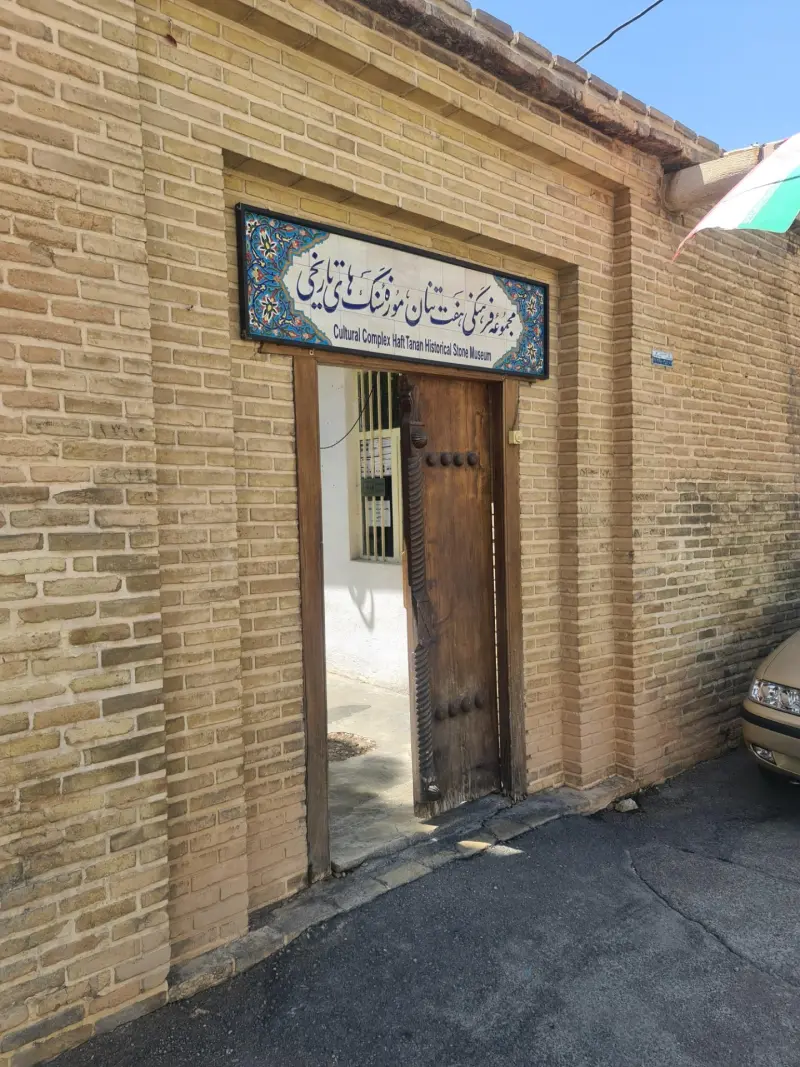
Haft Tanan Garden Museum
A magnificent legacy of the Zand era
- Attractions
- Fars, Shiraz
- Altitude 1,556 m
- Ability level Beginner
Ability level:
Beginner
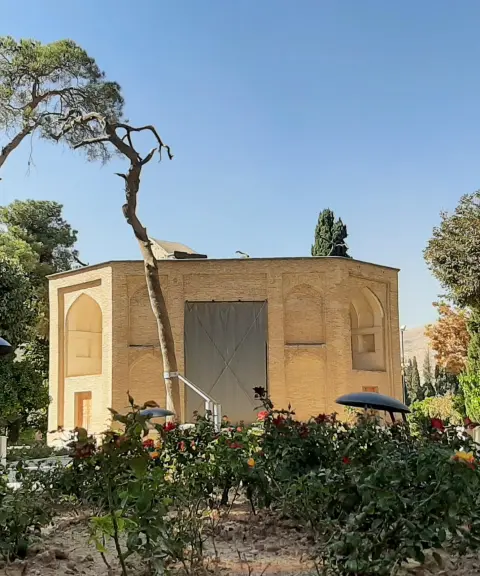
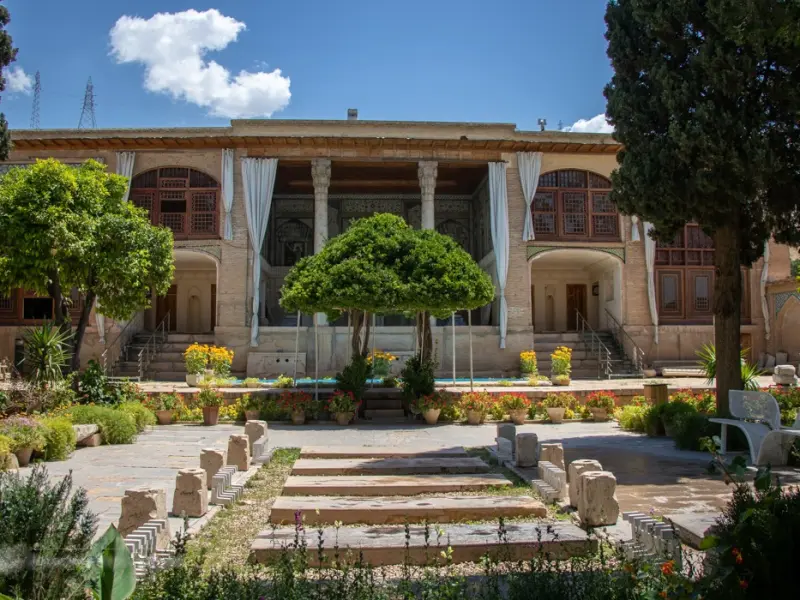
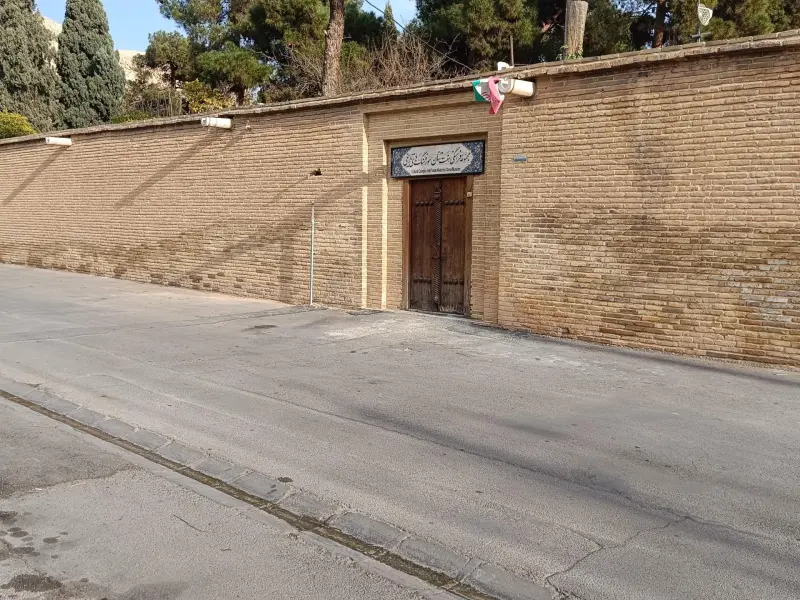
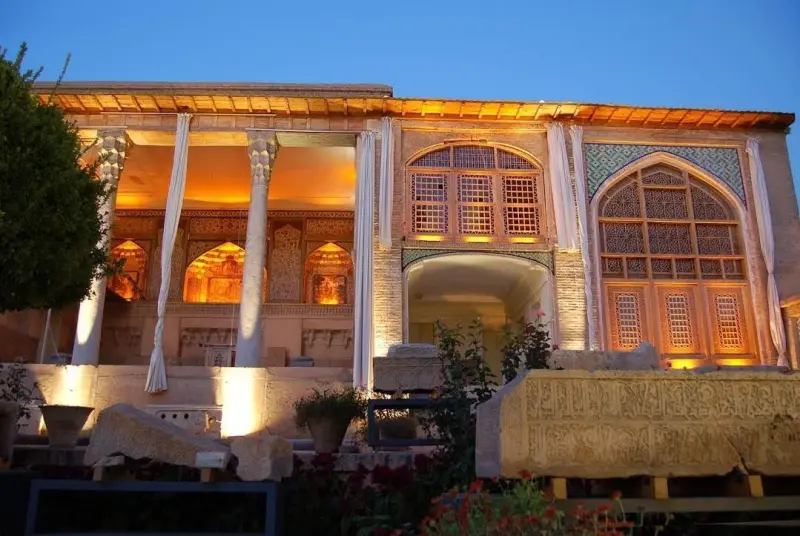
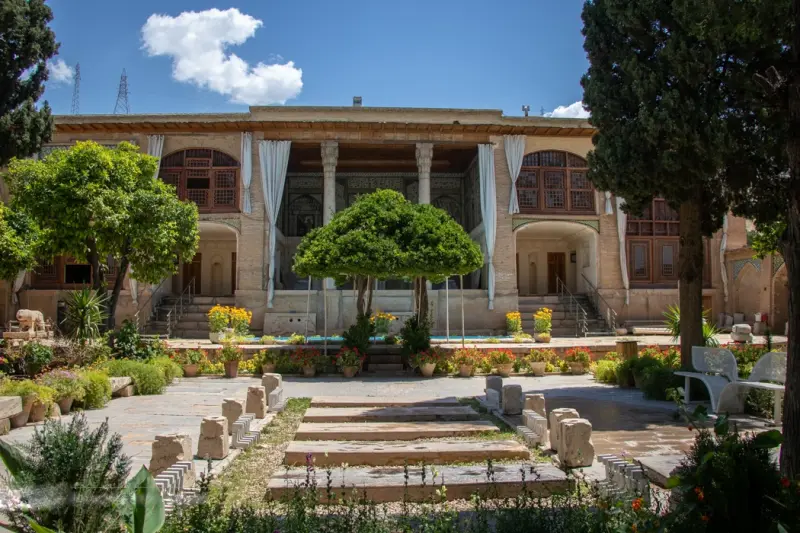
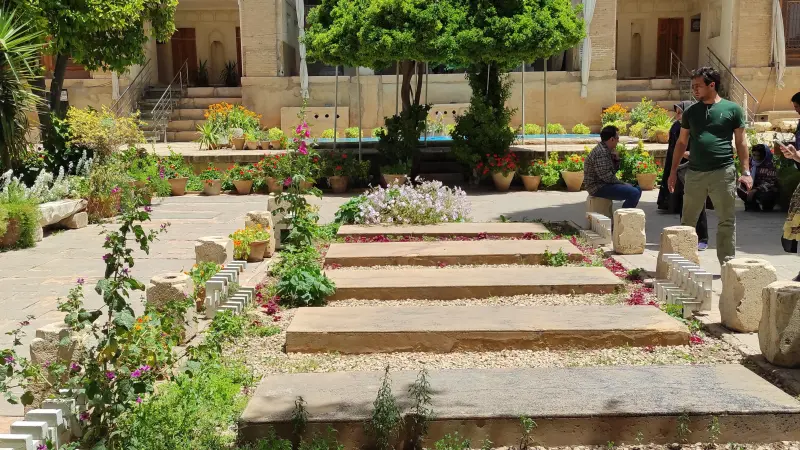
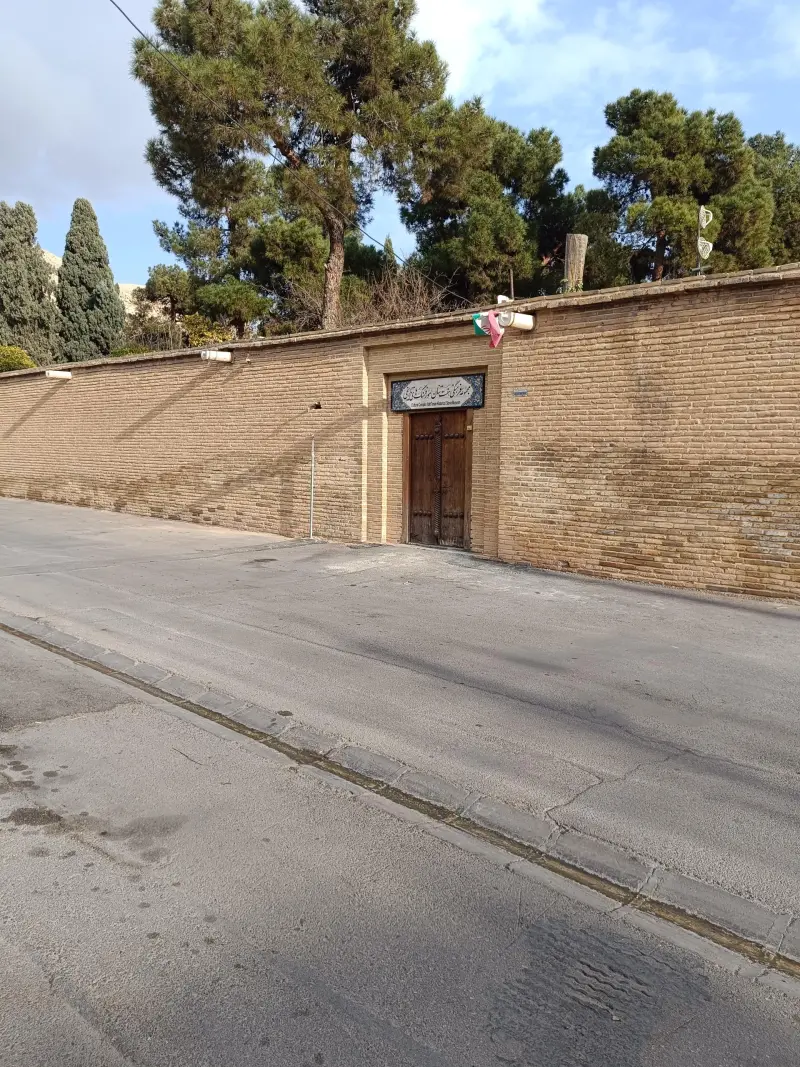
The Haft Tanan Garden Museum is one of the most notable historical sites in Shiraz, in Fars Province. It stands just north of the Tomb of Hafez, on the slopes of Chehel Maqam Mountain. Located on Haft Tanan Boulevard, the complex is listed among Iran's National Heritage sites. Its name ("Seven Bodies") comes from seven unmarked gravestones belonging to seven unknown mystics and dervishes who are buried here. The garden itself dates back to centuries before the Zand era, while the mansion within it was built during the reign of Karim Khan Zand.
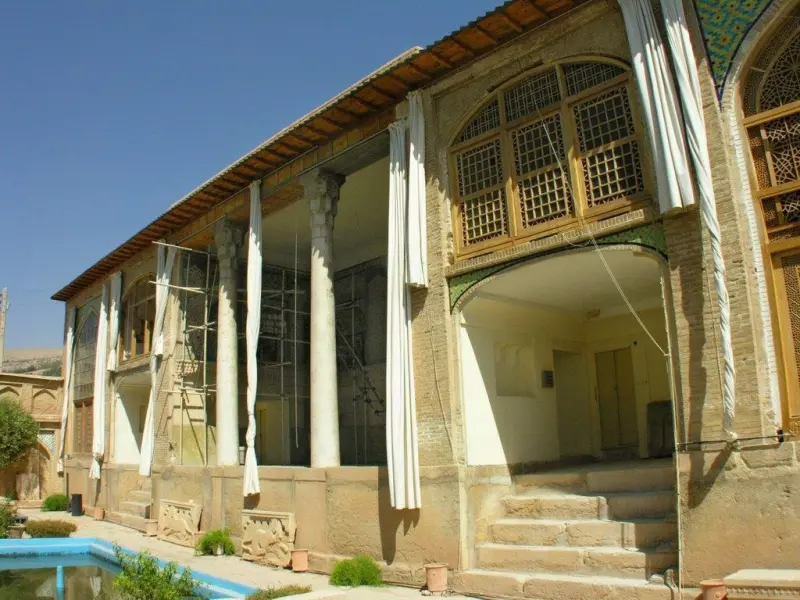
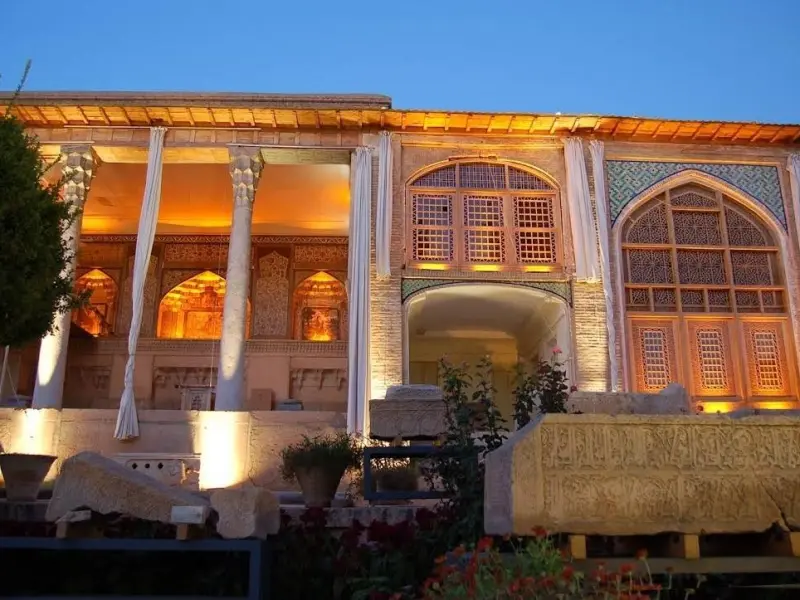
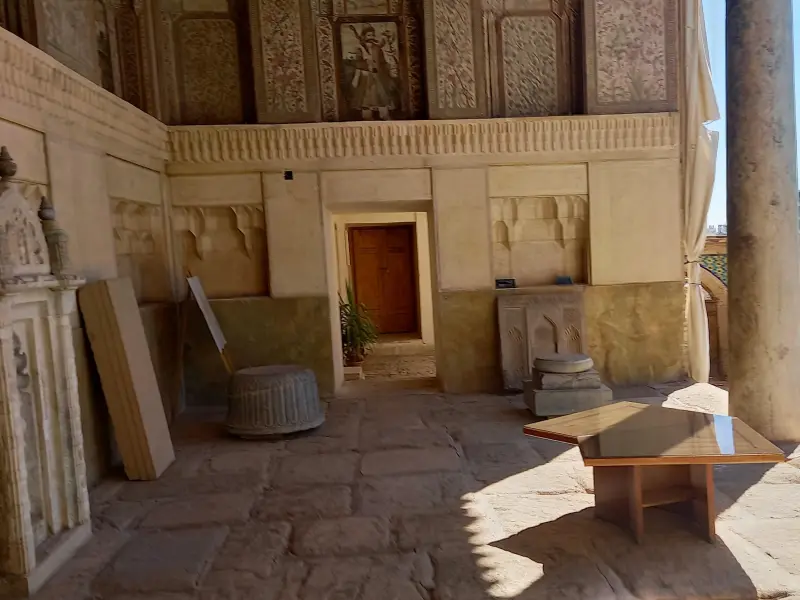
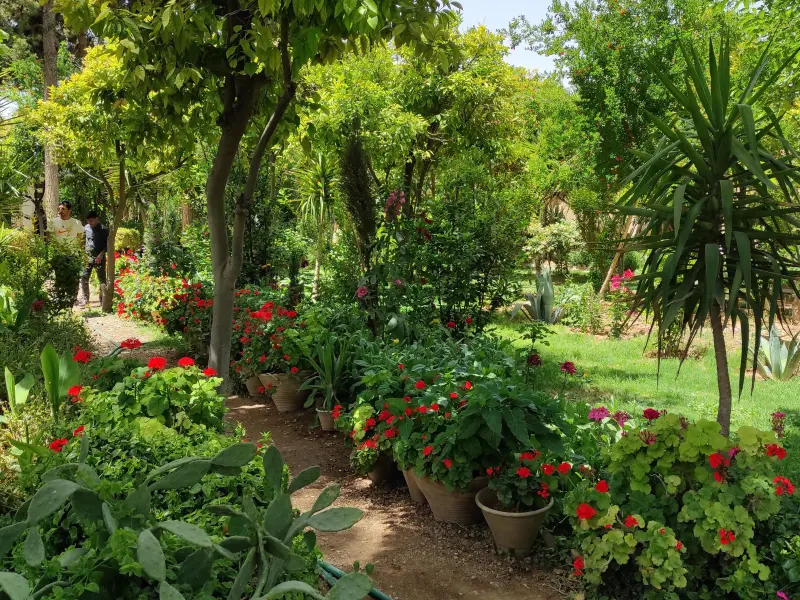
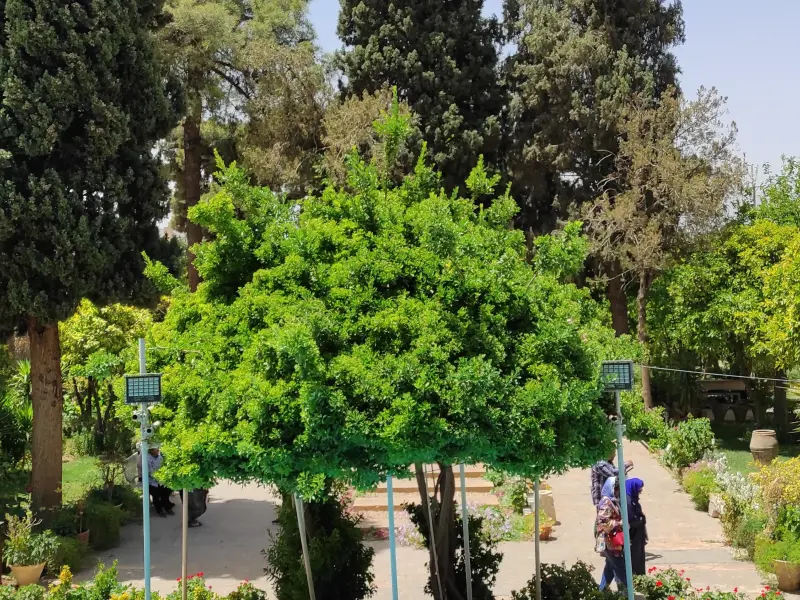
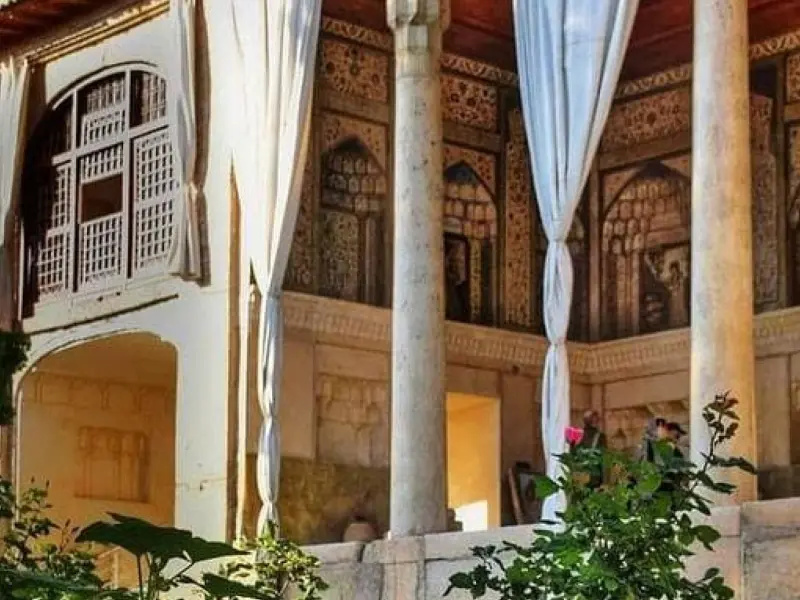
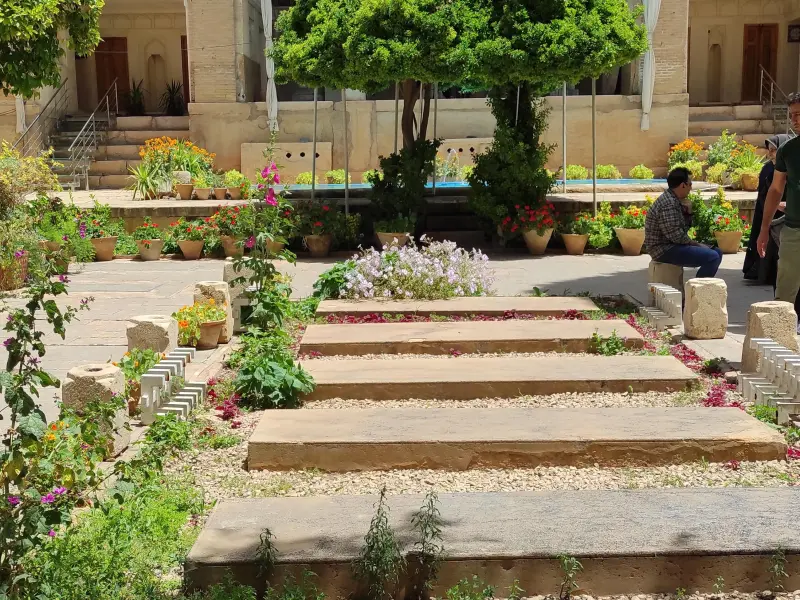
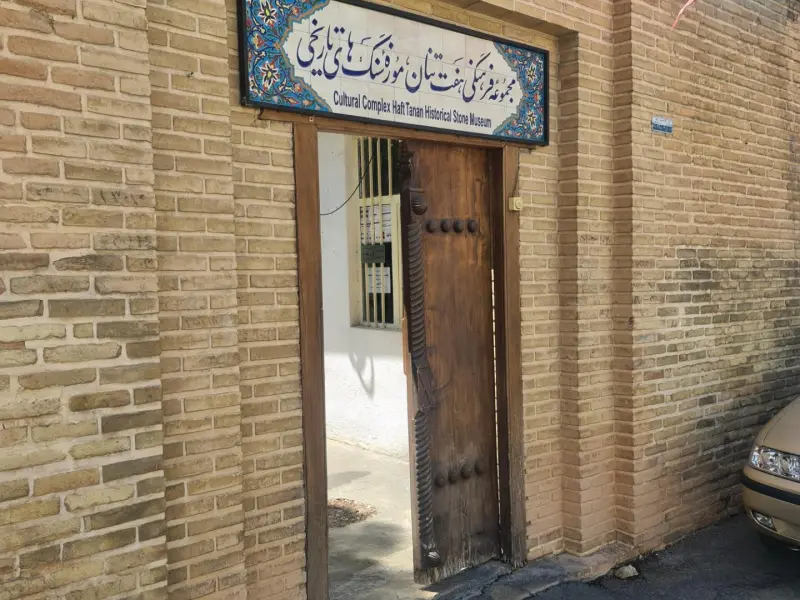
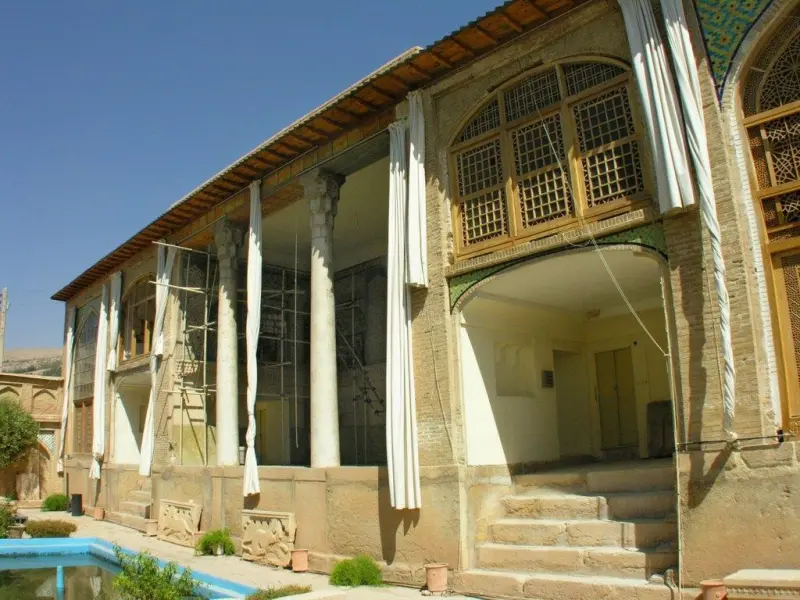
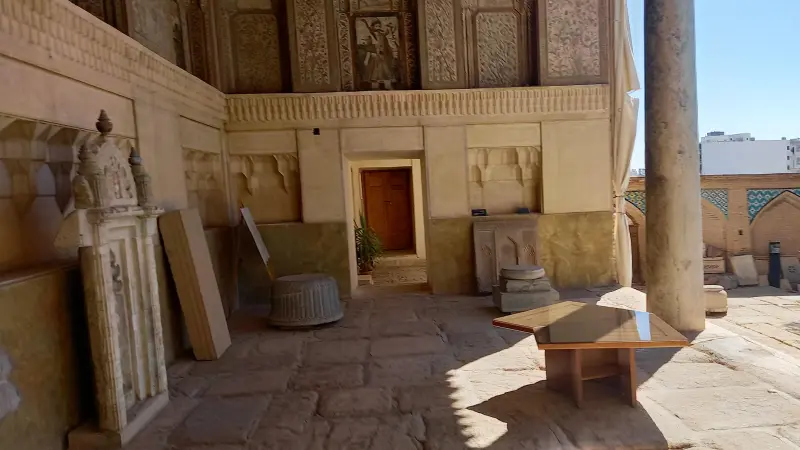
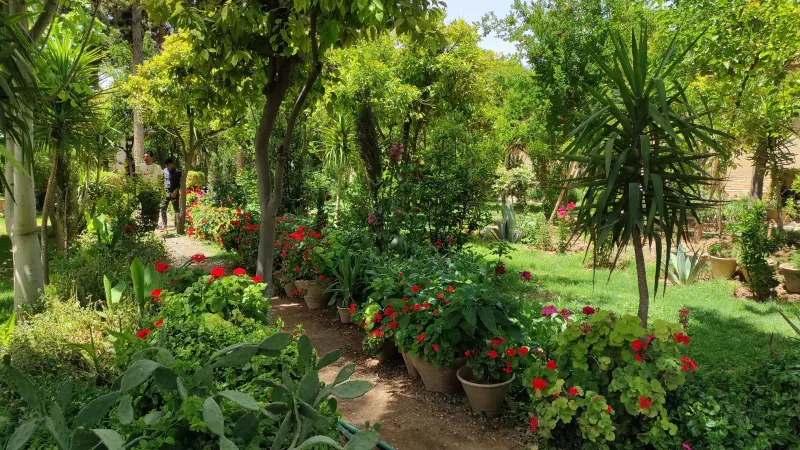
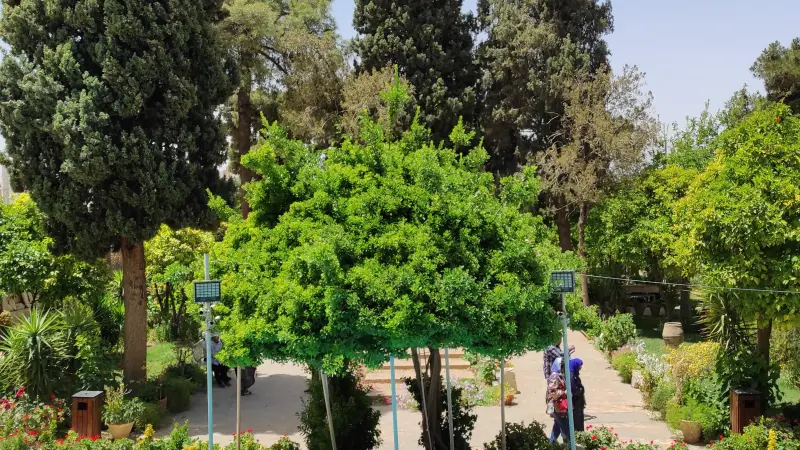
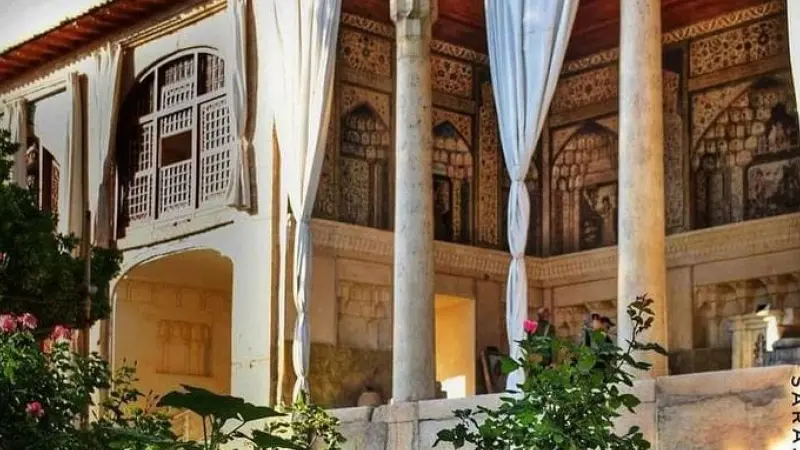
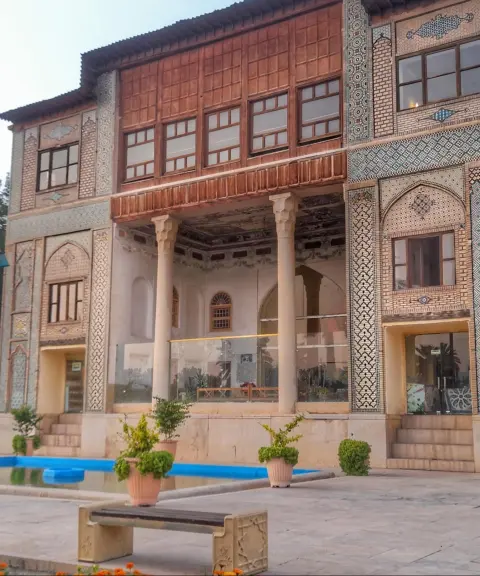
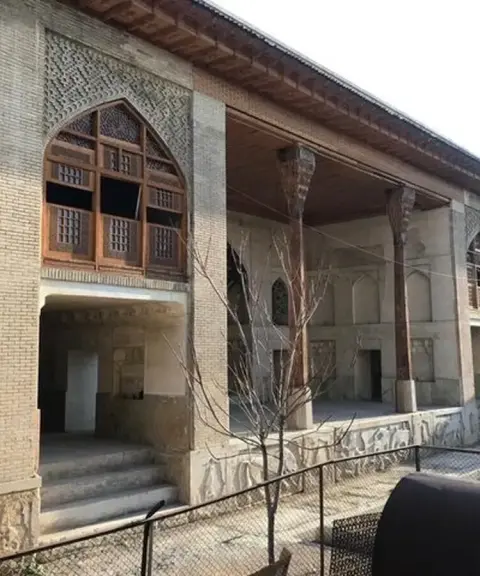
The Haft Tanan Garden Museum combines a traditional Persian garden, a historic burial ground and a stone museum, where historic stones bearing various inscriptions and carvings are on display. The garden's mansion has a covered interior and a porch with two large stone columns, along with paintings from the Zand period, which count among its architectural beauties. In the grounds, ancient trees, small pools and flower-lined paths create a calm and pleasant landscape, inviting visitors to stroll, take photographs and reflect on the culture. The garden museum is also known as the Haft Tanan Stone Museum, because it houses a collection of historic stones from various periods of Iranian history. In recent years (probably in the 1990s–2000s, or 1370s–1380s in the Solar Hijri calendar), the Cultural Heritage and Tourism Organization turned parts of the complex into a museum of historic stones, so that inscribed stones and historical artifacts inside the mansion and the grounds could be shown to the public. As a result, the complex became known as the "Haft Tanan Stone Museum".
To reach the Haft Tanan Garden Museum, set out from the center of Shiraz and take a taxi or public transport to Haft Tanan Boulevard. The site is close to the Tomb of Hafez (Hafezieh) and Jahan Nama Garden, and a visit can be planned as part of a historical city tour of Shiraz. The best time to visit is spring or autumn, when the weather is mild and suited to exploring outdoors, although in winter a visit to the indoor sections of the museum is also a worthwhile experience. Responsible tourism at this complex means respecting the tombs, protecting the greenery, not damaging the historic works and keeping to the designated paths, so that this cultural heritage is preserved for future generations.
Written by زهرا لنگری Last updated
Activities
What you can do here, and what it takes
-
Walking
The paths through the garden and the walkways between the trees are well suited to a relaxed walk and to enjoying the greenery.
Specifications
Introduction of the location and specifications of Haft Tanan Garden Museum
Location:
Fars, Shiraz
Coordinates:
29.62890990, 52.56229480
Open in maps
Height above mean sea:
1556 meter
Faunas:
Presence of Allergenic Insects
Transports:
Private car, Walking, Minibus, Bus
Tourist Attractions in Shiraz
Attractions that are nearby
Tomb of Khwaju Kermani
Province Fars
- Walking
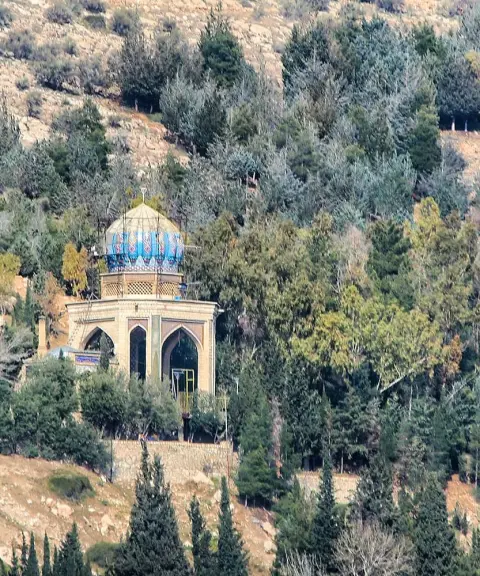
The resting place of a mystic poet on the slopes of Mount Sabuyi in Shiraz
Vakil Divankhaneh Mansion
Province Fars
- Walking
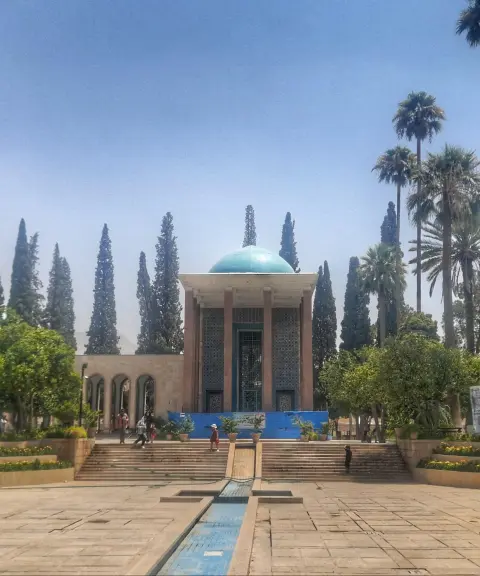
A legacy of Zand-era art and architectural splendor in Shiraz
Related tags:
Unfortunately, no comments have been registered.