
 Attractions
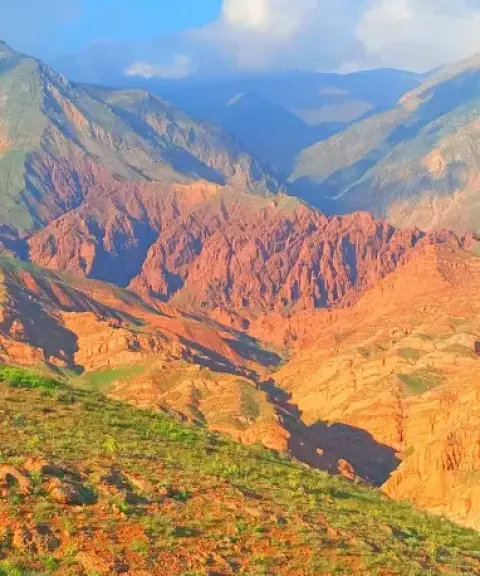

Haft Ghar Valley
Province Razavi Khorasan
- Canyoning
- Rock Climbing
The Masuleh of Khorasan, on the slopes of Binalud
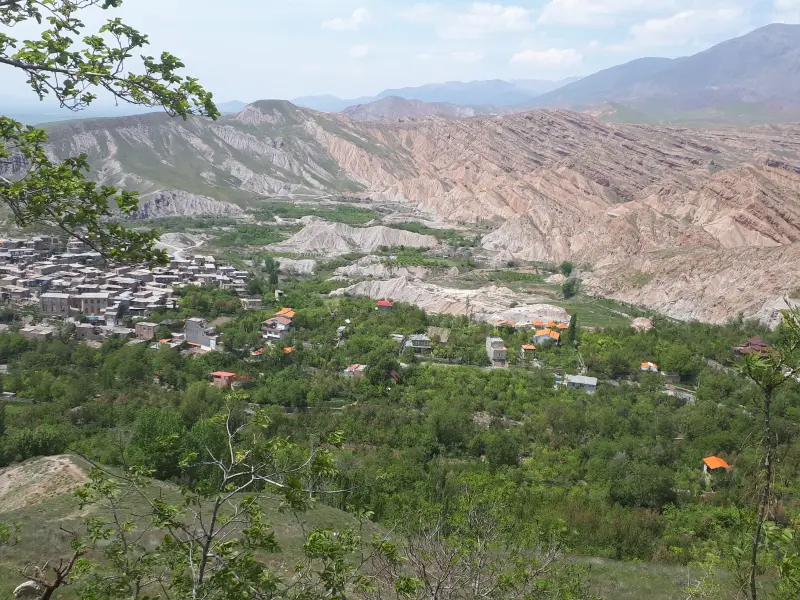
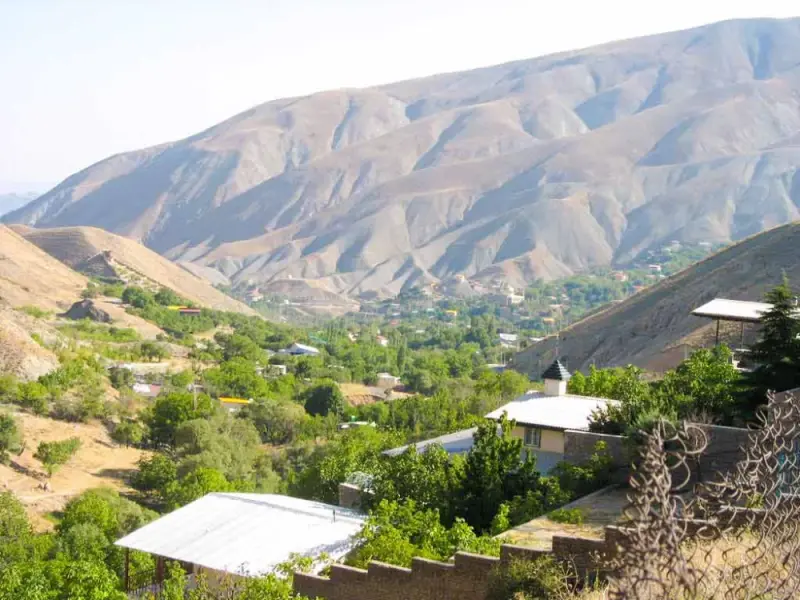
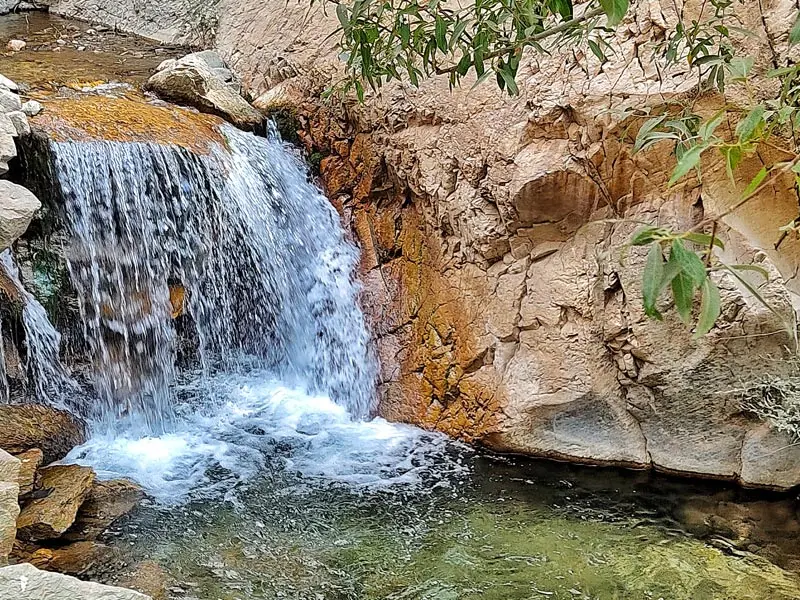
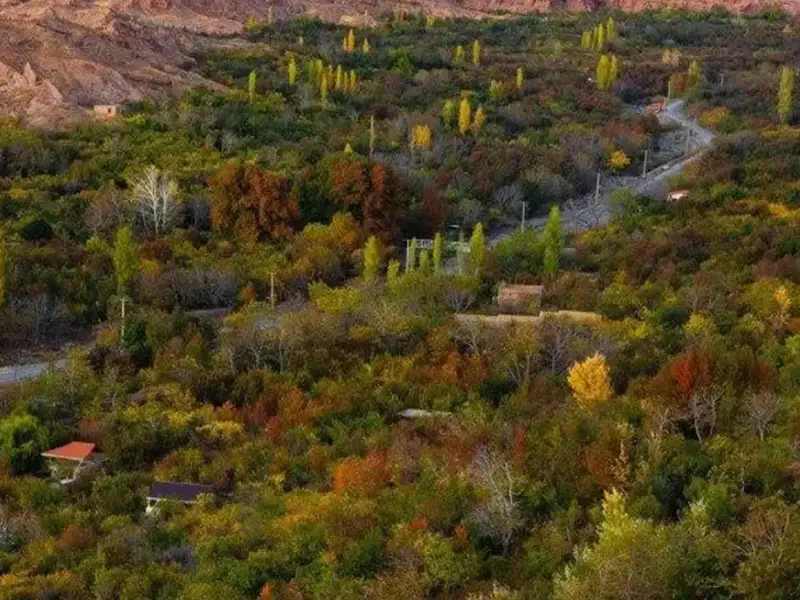
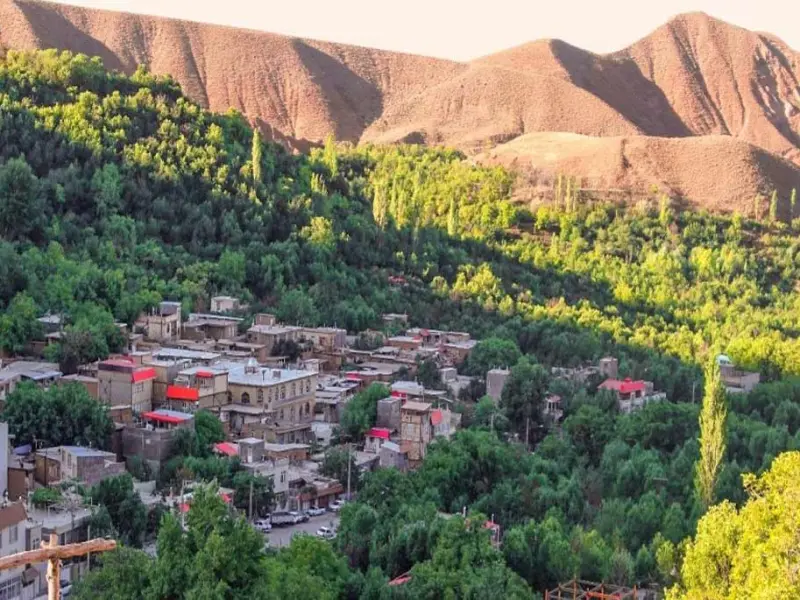
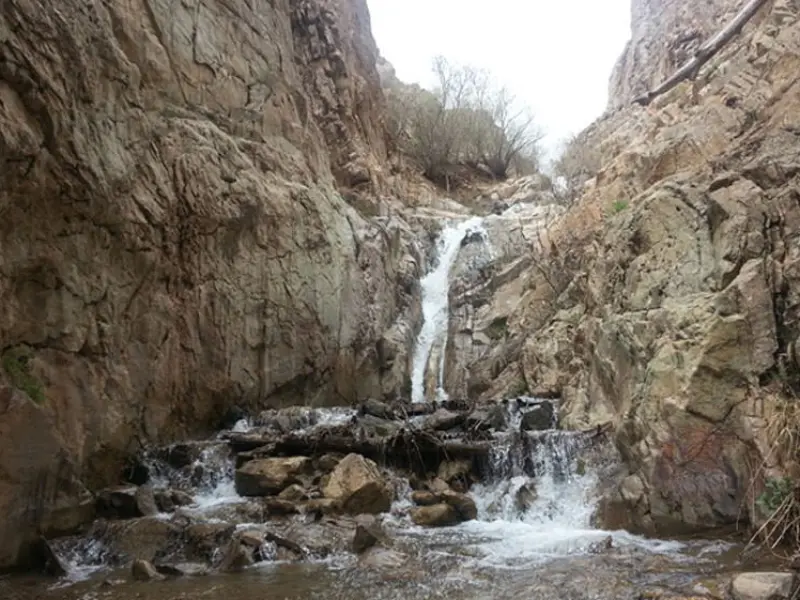
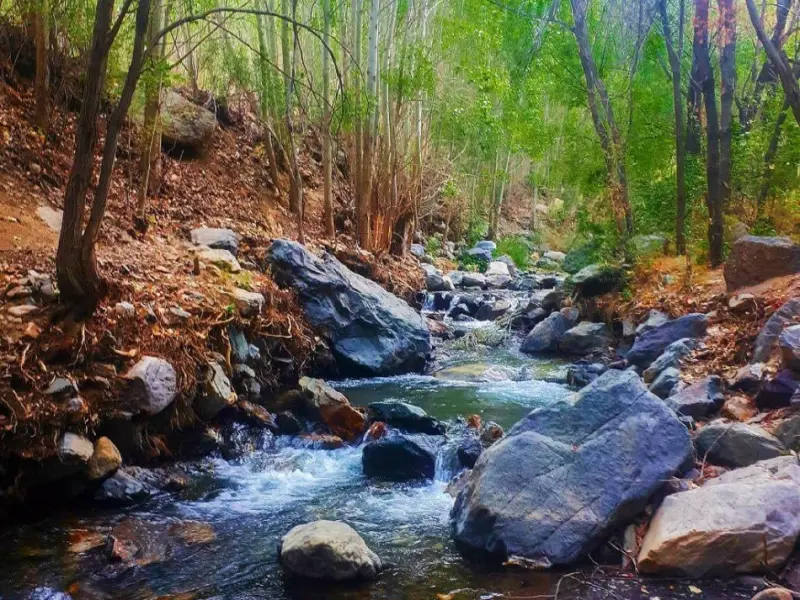
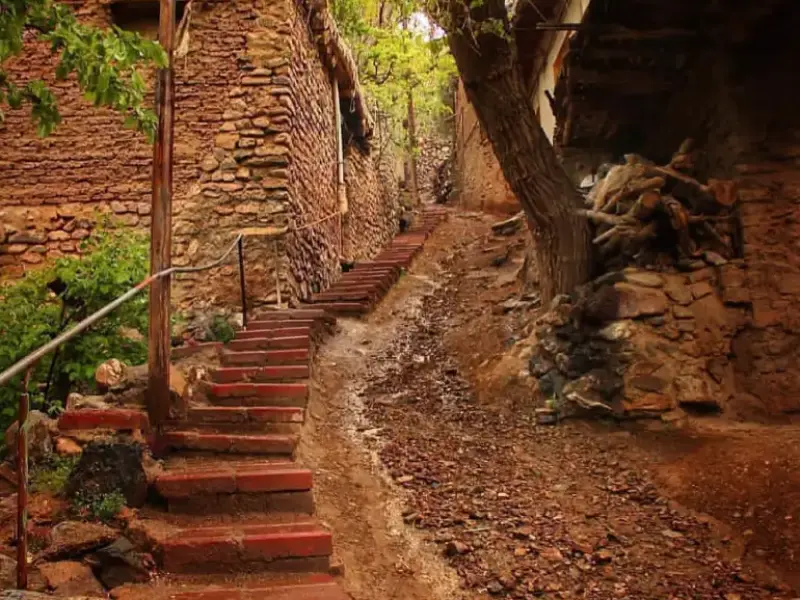
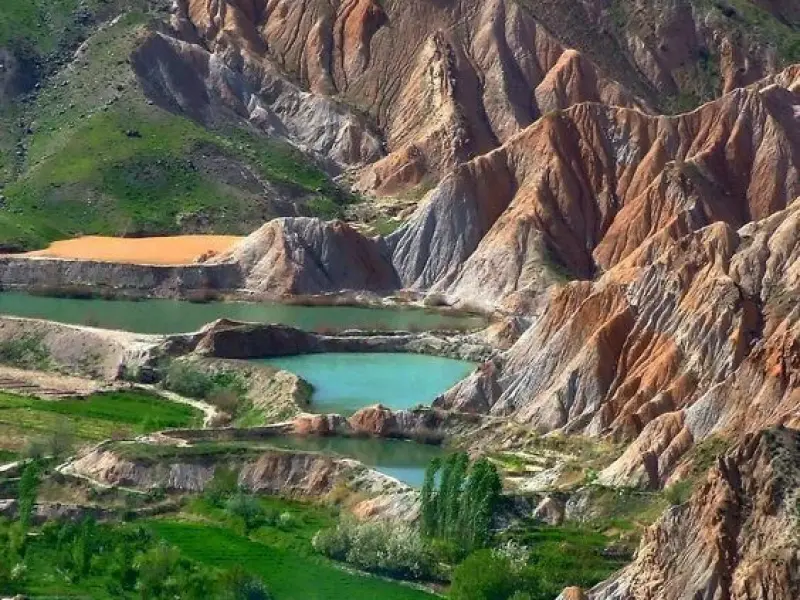
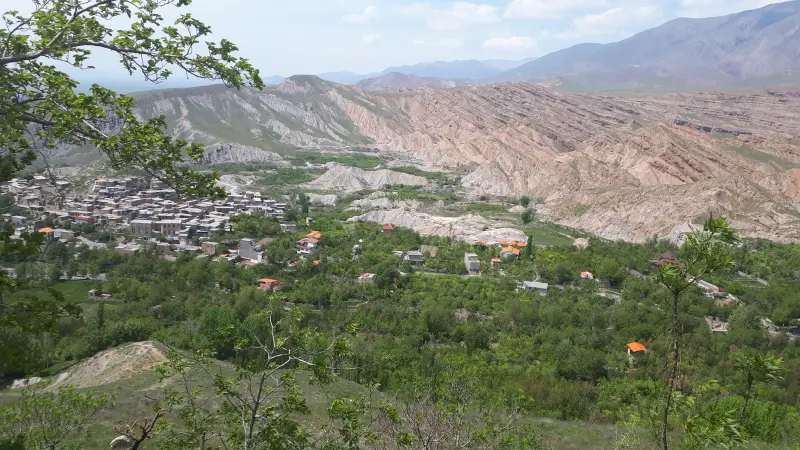
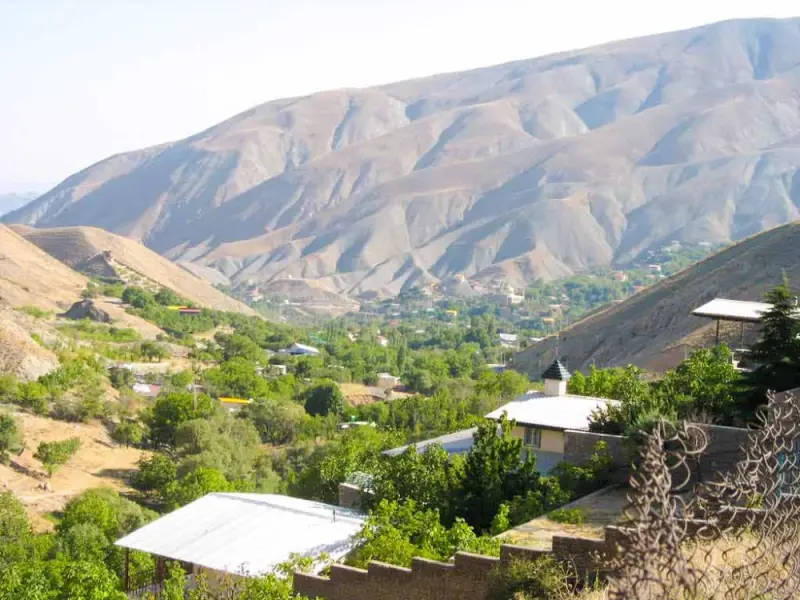
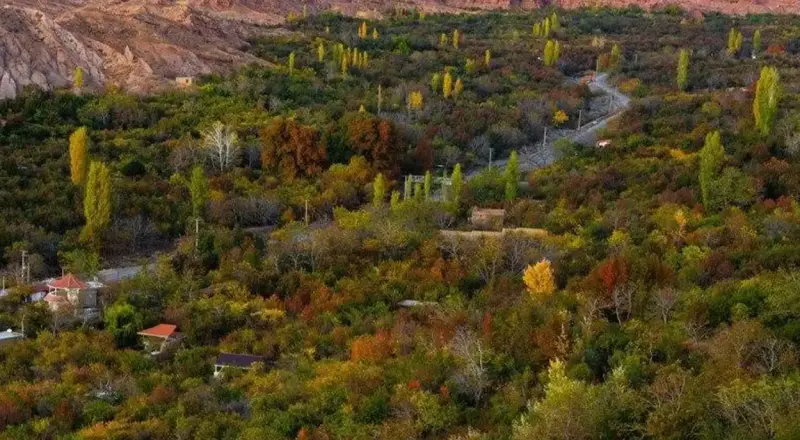
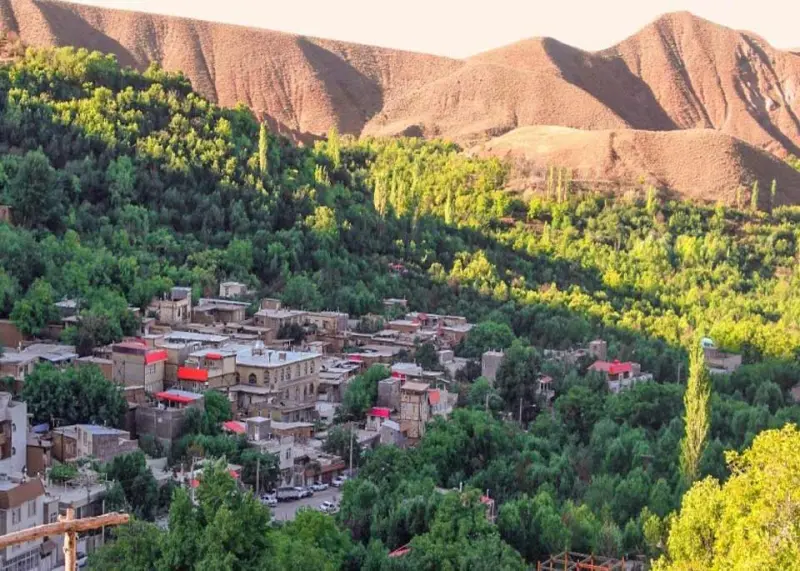
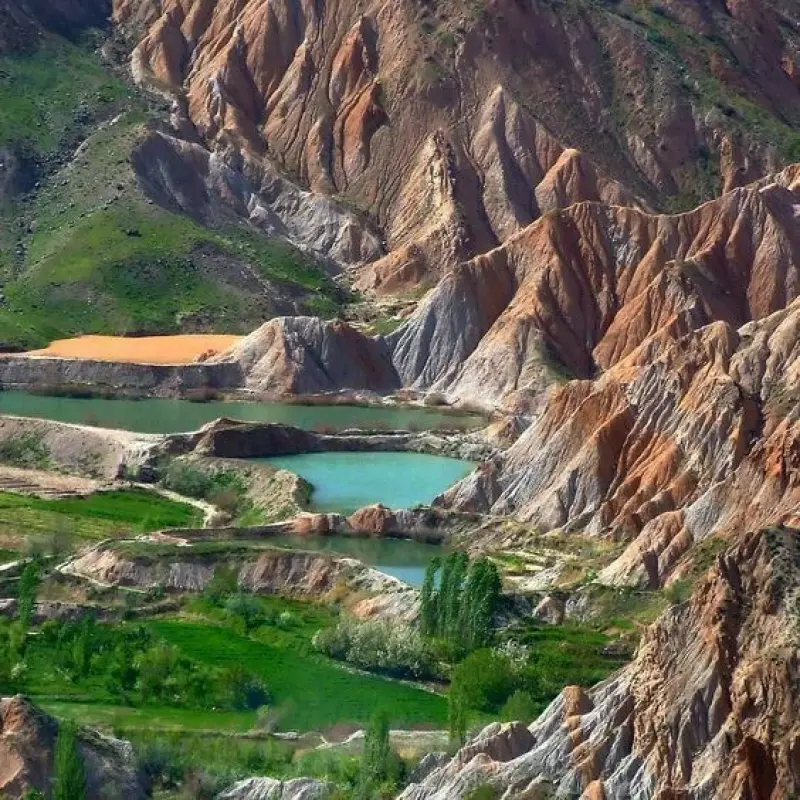
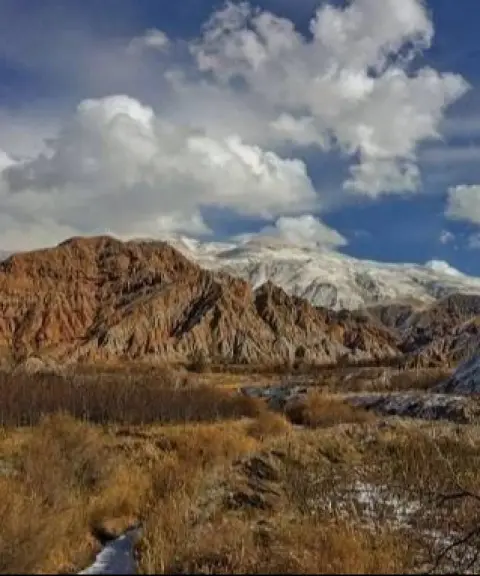
Bojan Village is in Razavi Khorasan Province, in the Central District of Nishapur County, only 13‑21 kilometers northeast of Nishapur. Built in terraces like Masuleh, with a foothill landscape, a mild climate in summer and cold, snowy winters, this unspoiled and appealing village is a great destination for nature lovers and anyone interested in traditional architecture. Bojan has a long history. About 700 years ago, a devastating flood destroyed a large part of the village and its residents were forced to leave. After a while, however, the people returned and rebuilt the village through renewed effort. Even so, destructive floods struck again in 1341 and 1356 (Solar Hijri), causing heavy loss of life and property. Each time, the villagers rebuilt with determination and hard work, and today Bojan has become one of the thriving tourist areas of the region.
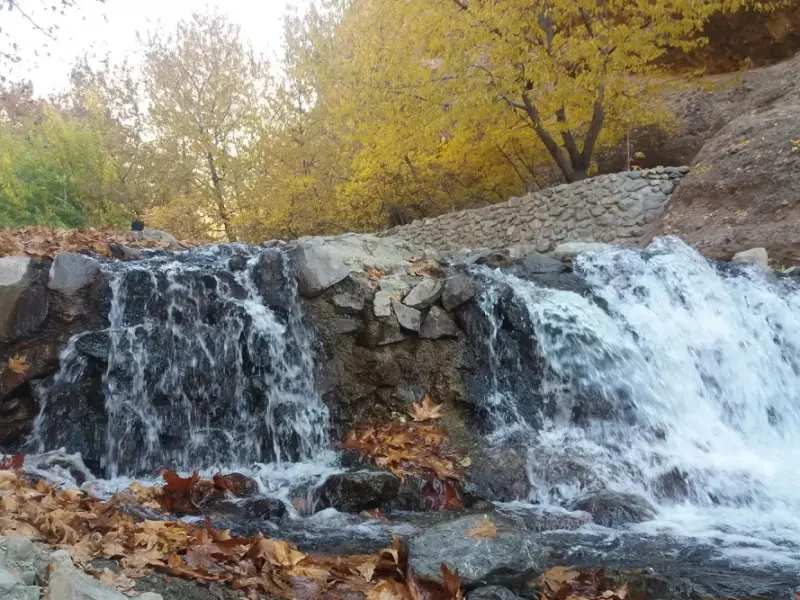
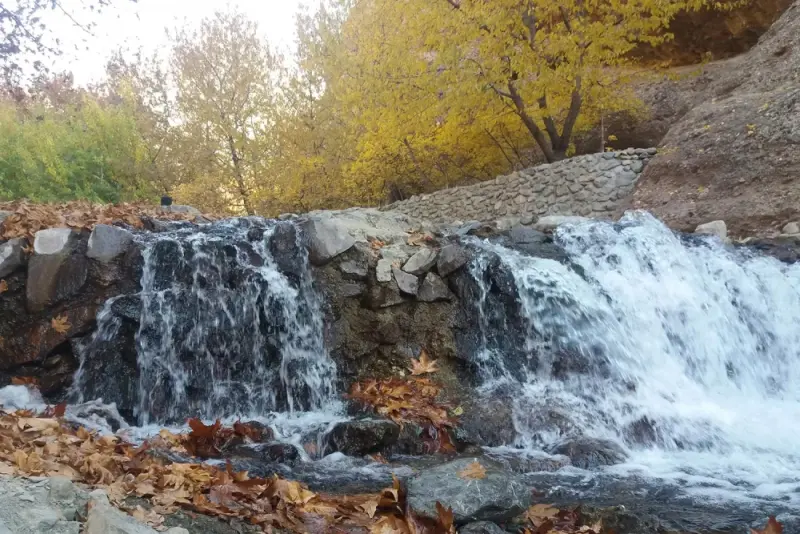
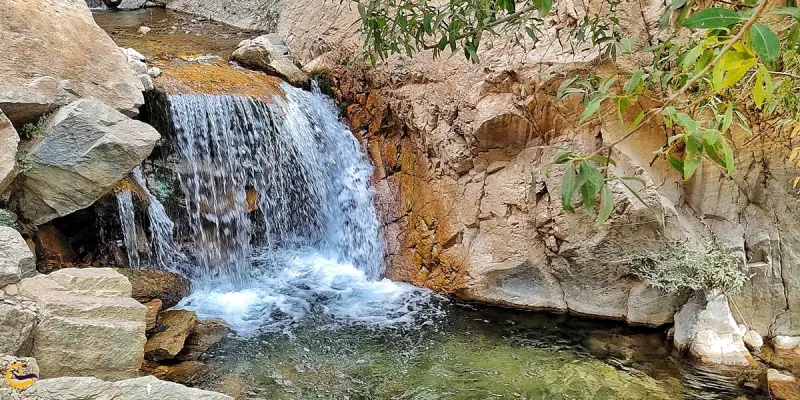
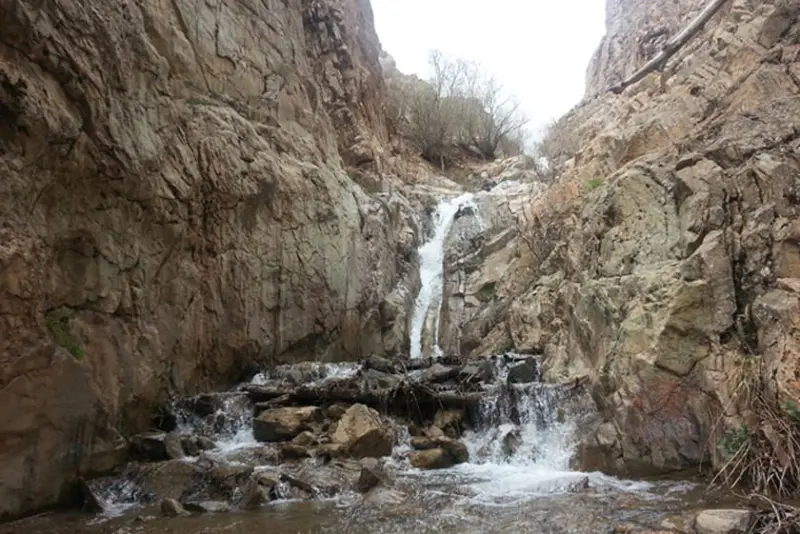
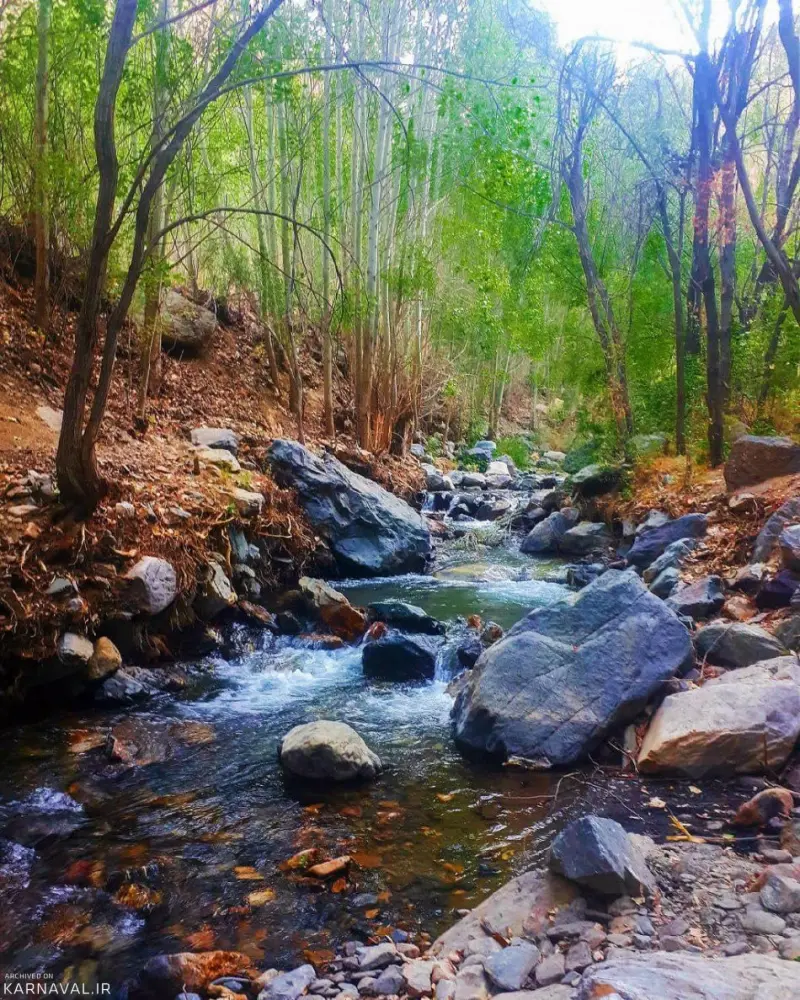
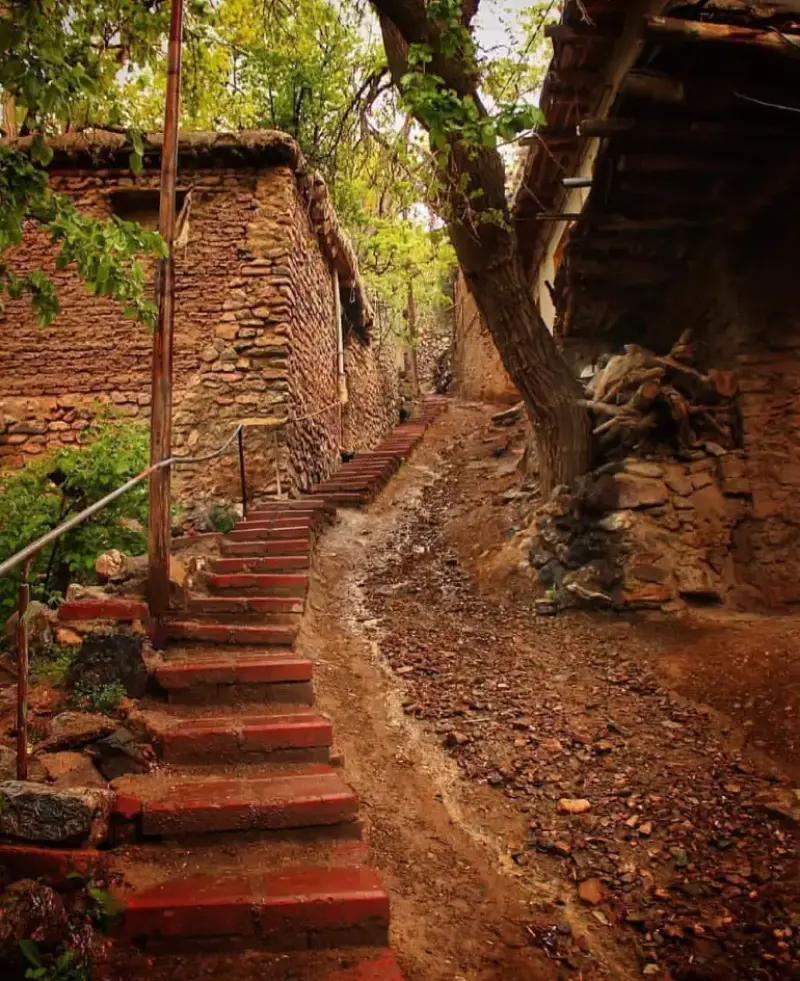
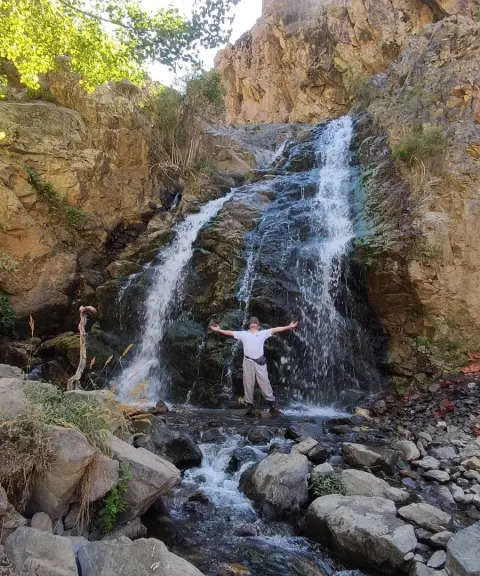
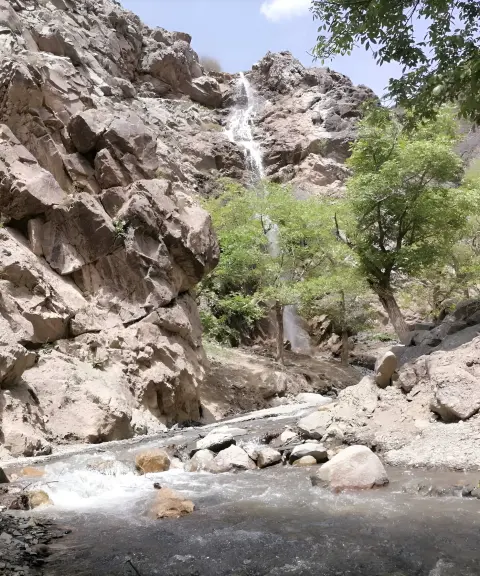
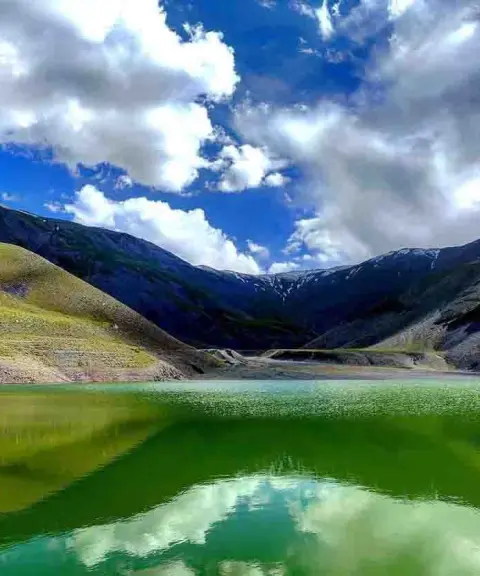
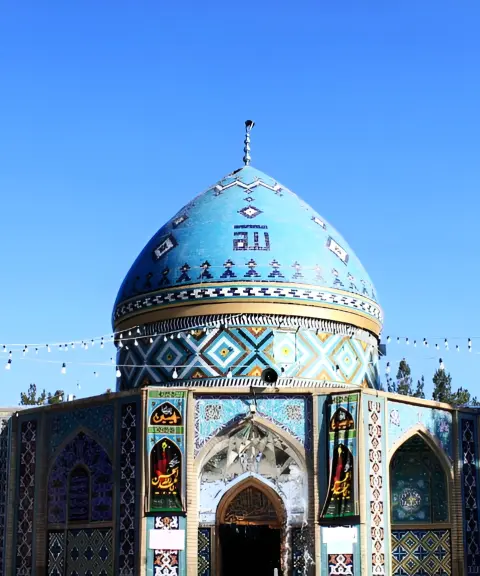
There are several accounts of how the village got its name. In the Nishapuri dialect, the name Bojan is pronounced "Bejo" or "Bijo". Some believe the word Bojan means "grown", while others take it to mean "freshness and vitality" or "the time when spring blossoms open". These interpretations point to the deep connection between the village's name and its lively, vibrant natural surroundings. Bojan is full of varied attractions: a young river flowing from the Binalud mountain range, about 10 kilometers long; the Bojan Waterfall, around 15 meters high, in Bojan Valley; the Shekarab springs, Kalagh-Chin, Bagh-e Molla, and distinctive valleys such as Palasu (the Valley of the Swallows). There are also historical and religious sites such as the Throne of Hulagu Khan (Takht-e Hulakukhan, linked to Hulagu Khan) and the shrines of the Imamzadehs Salim and Khajeh Gol-Ali. The terraced layout with narrow alleys and rural architecture are other distinctive features of the area.
To get there from Nishapur, drive northeast on the paved road until you reach Bojan. To see the waterfall, you then need to walk for about two hours along the river. The best time to visit is spring and summer, when the orchards (cherry, sour cherry, apricot, walnut, grape), the lush greenery and the local ecotourism activities make the village especially delightful. Please travel responsibly: stay on the trails, do not leave litter, respect the waterfall and the river, and respect the local residents' way of life.
Written by زهرا لنگری Last updated
What you can do here, and what it takes
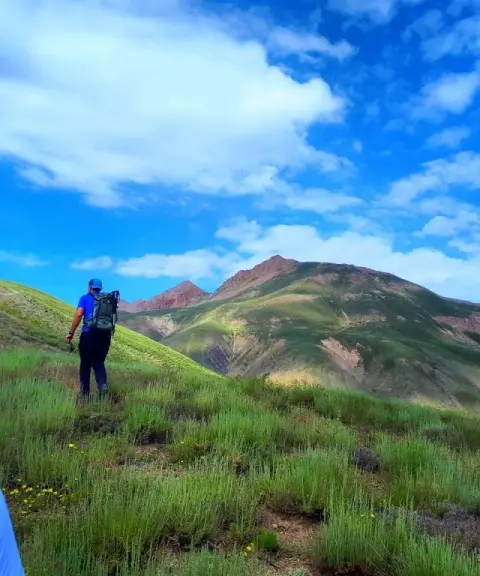
در درهها، باغها، چشمهها و کنار رودخانه بوژان میتوانید پیادهروی کنید.
Province Razavi Khorasan
Province Razavi Khorasan
Province Razavi Khorasan
Province Razavi Khorasan
Province Razavi Khorasan
Province Razavi Khorasan
Province Razavi Khorasan


Unfortunately, no comments have been registered.