
 Historic Castle
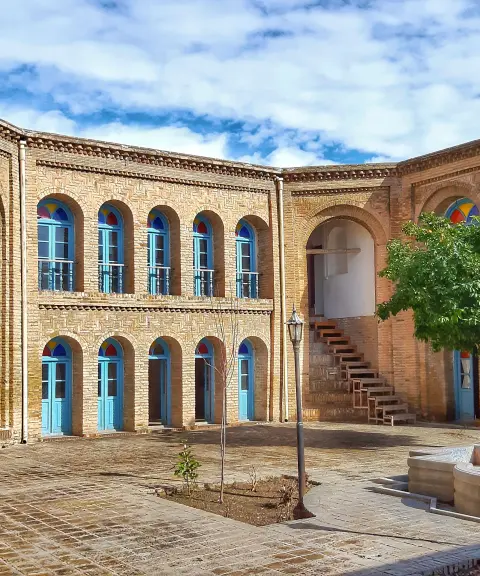
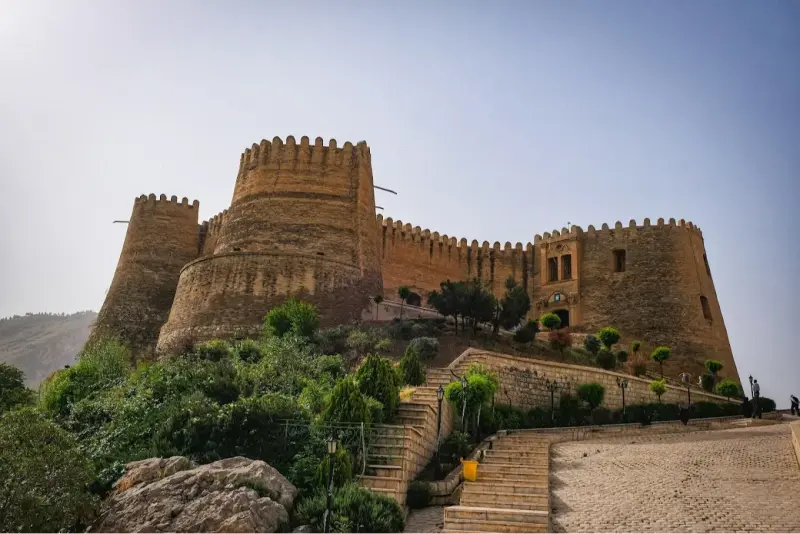
Falak-ol-Aflak Castle
A Jewel in the Heart of Lorestan's History
- Historic Castle
- Lorestan, Khorramabad
- Altitude 1,211 m
- Ability level Beginner
Ability level:
Beginner
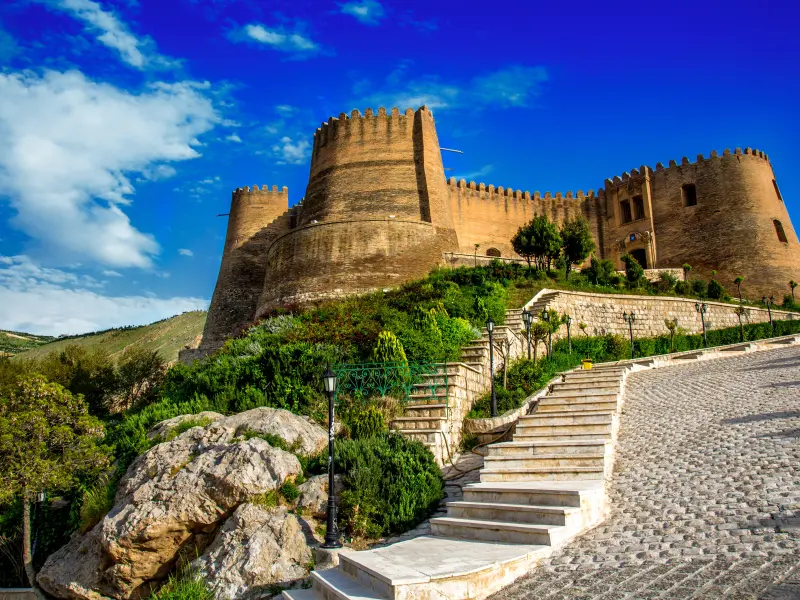
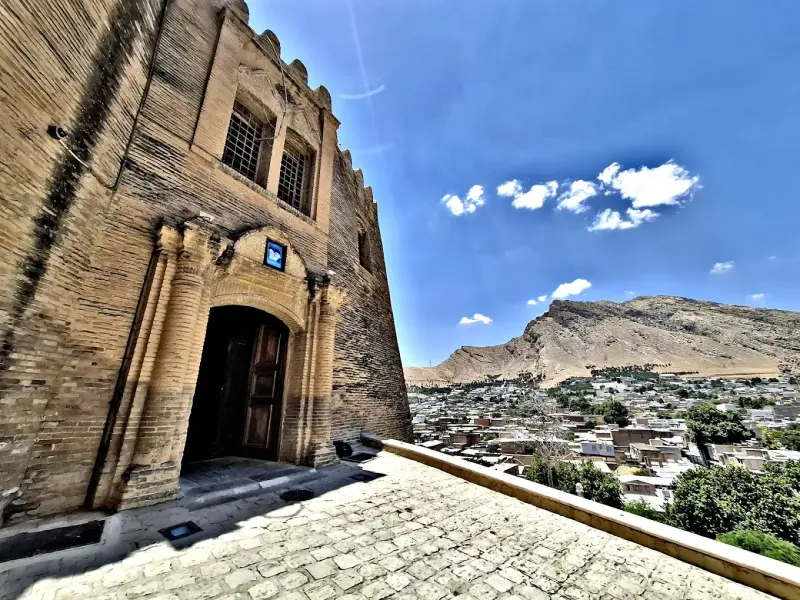
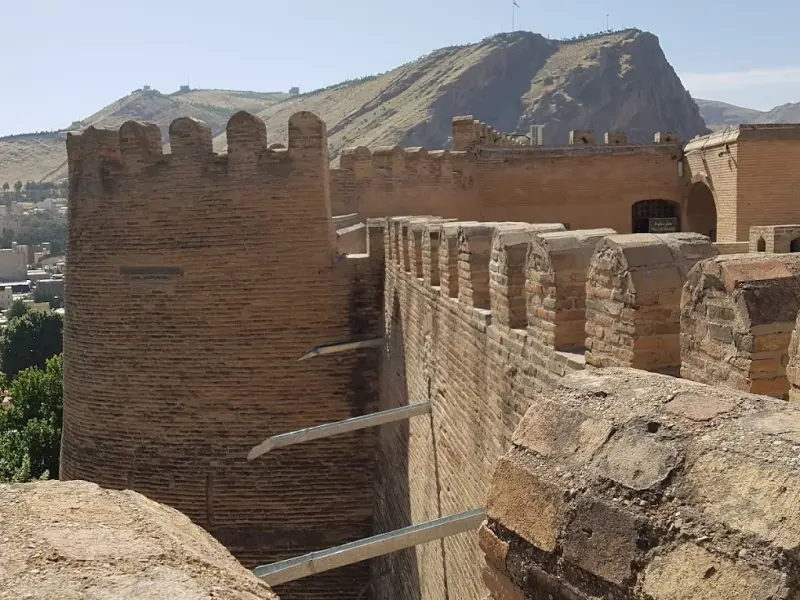
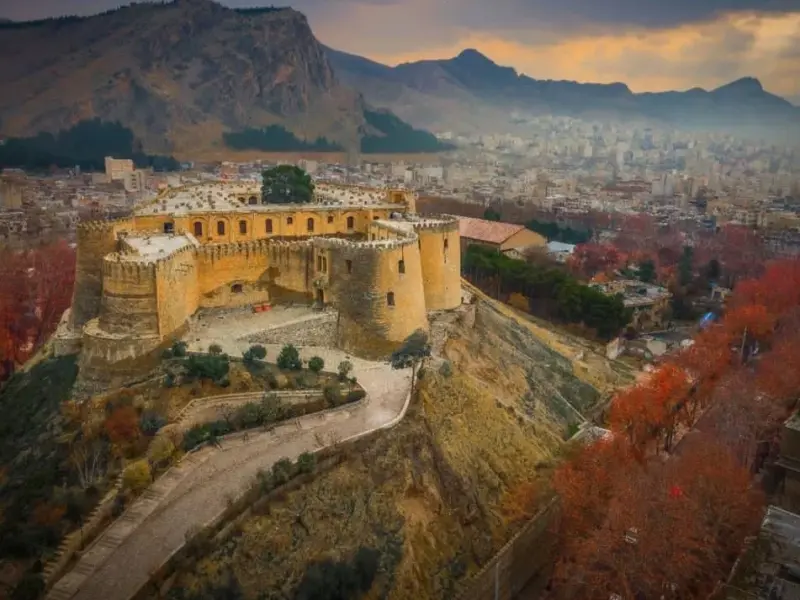
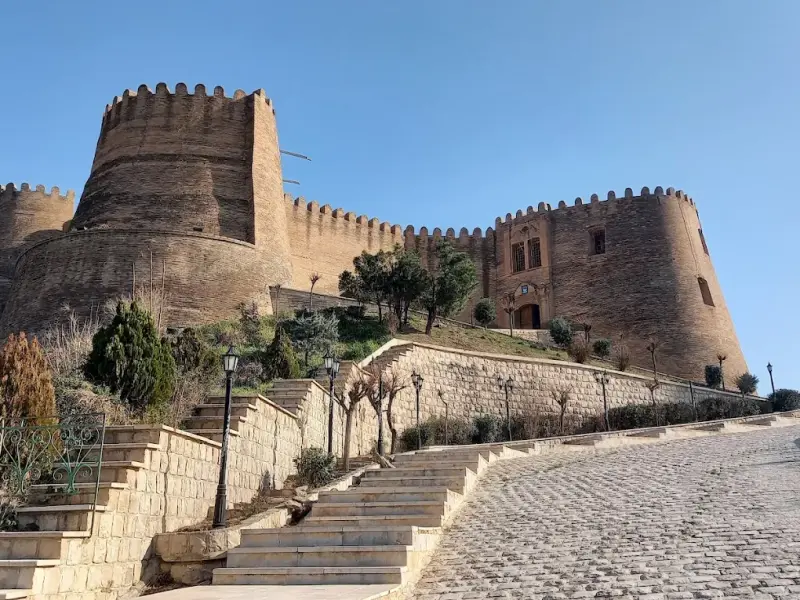
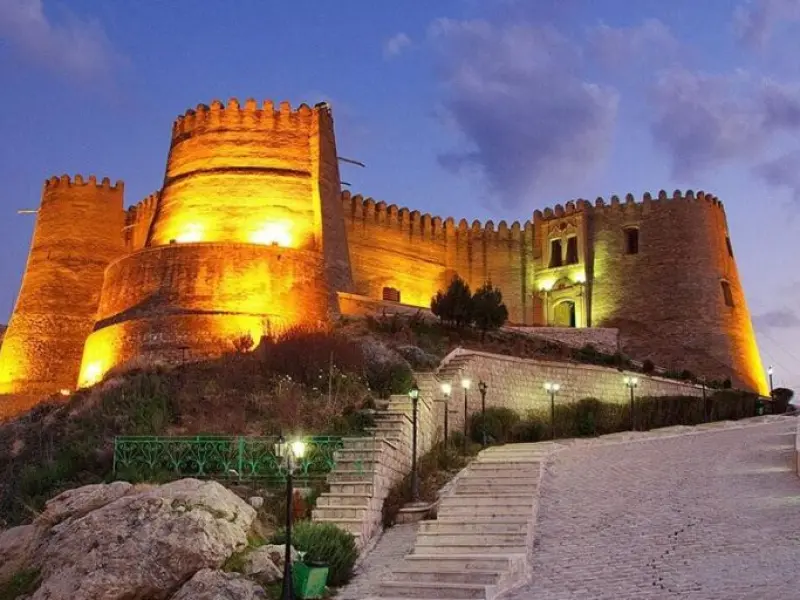
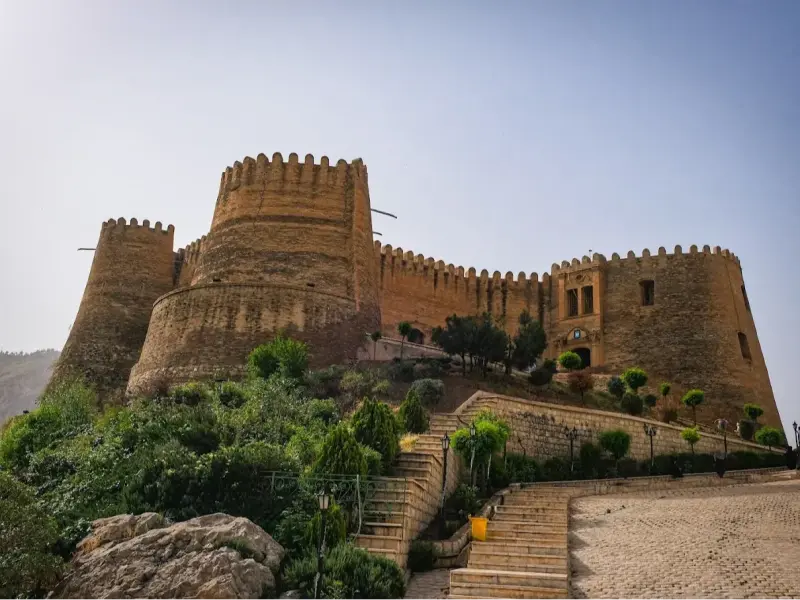
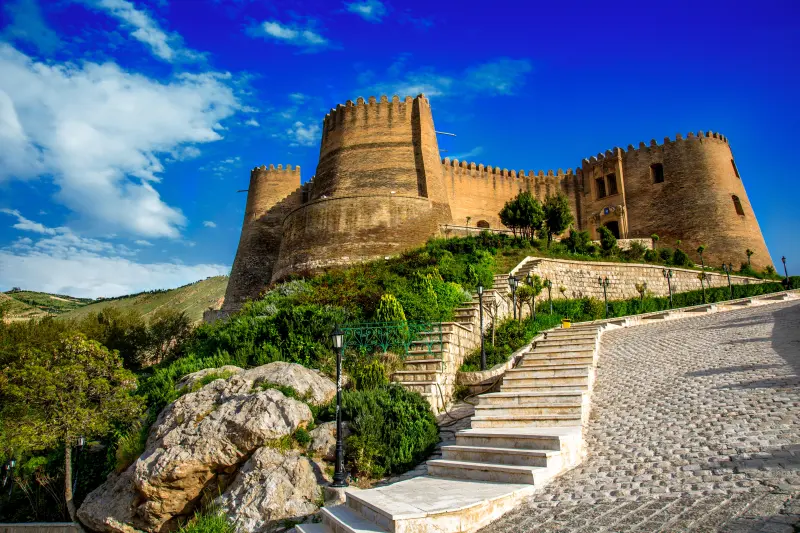
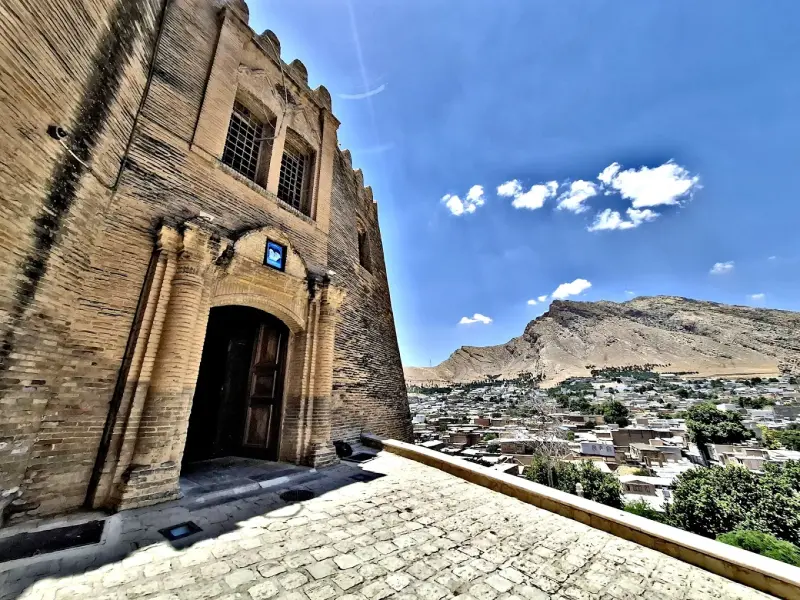
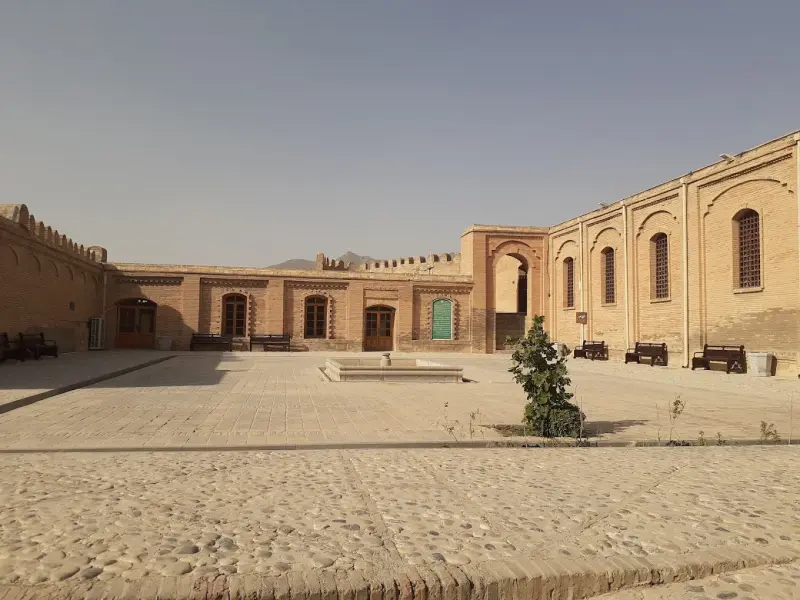
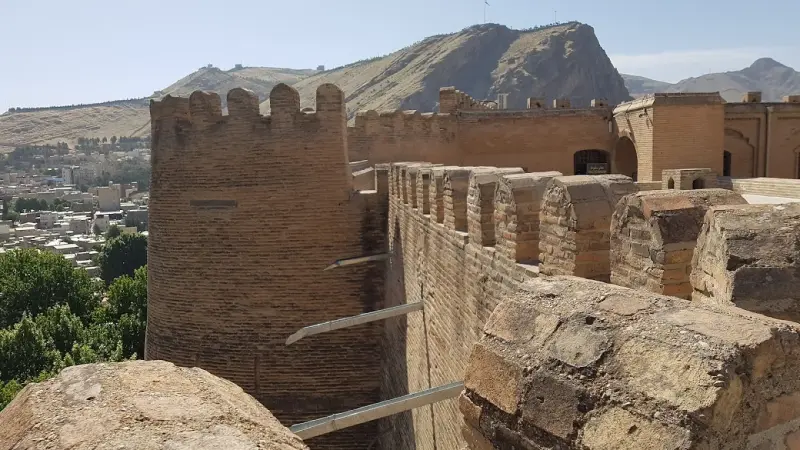
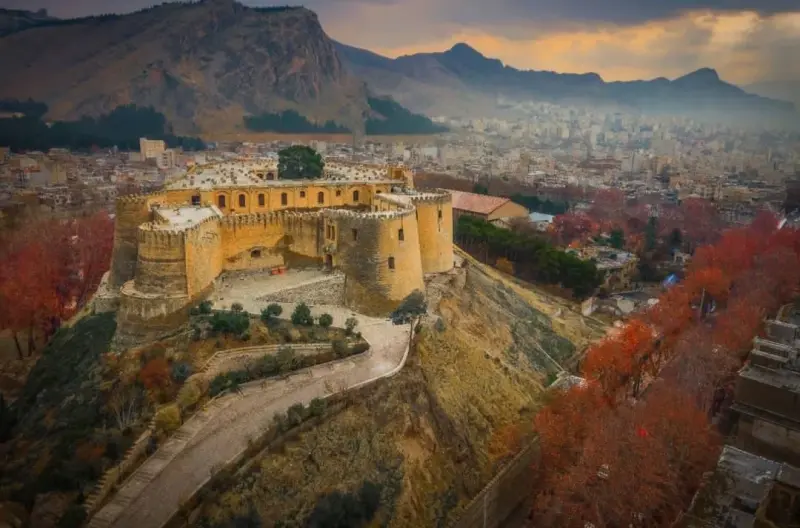
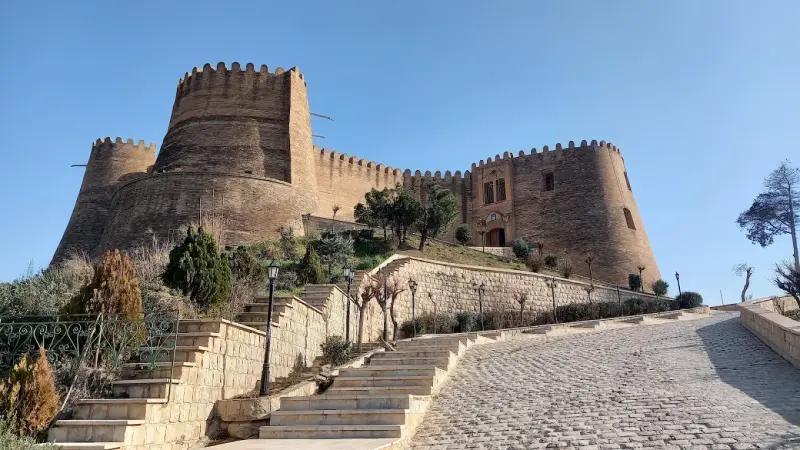
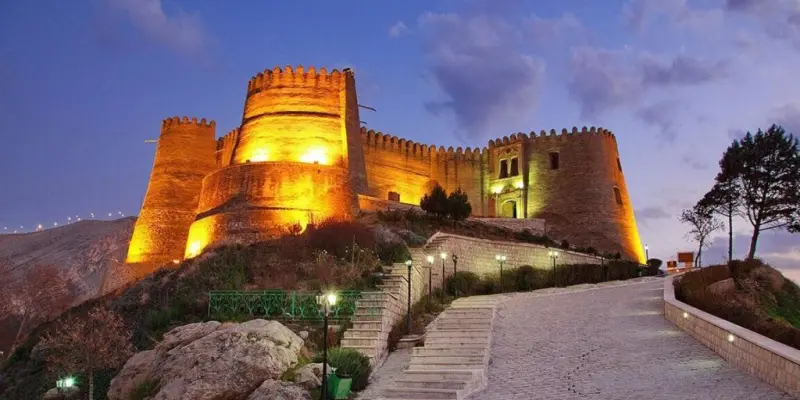
Falak-ol-Aflak Castle, also known as the Shapurkhast Fortress, is one of the most important and iconic historical monuments of Lorestan Province, located in the city of Khorramabad. Covering an area of about 5,300 square metres, the castle stands on top of a hill roughly 40 metres high and overlooks the valley and the Khorramrud River on three sides. The castle's architecture is a unique example of Iranian military engineering: an octagonal structure with walls up to 22.5 metres high, built of stone, brick, mud brick, and gypsum and lime mortar. With a history of more than 1,700 years, the castle is considered one of the most outstanding historical monuments in Iran. The structure dates back to the Sasanian era and, over the course of history, particularly during the Safavid and Qajar periods, served a variety of purposes.
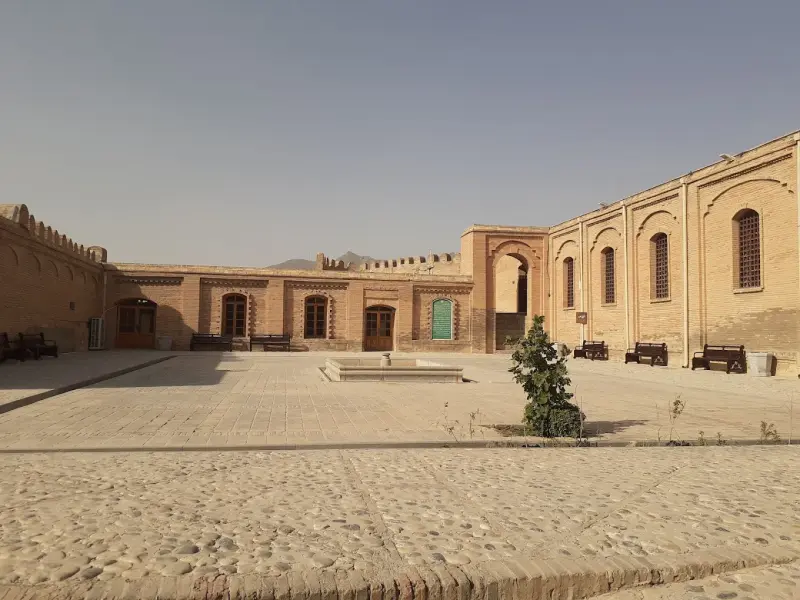
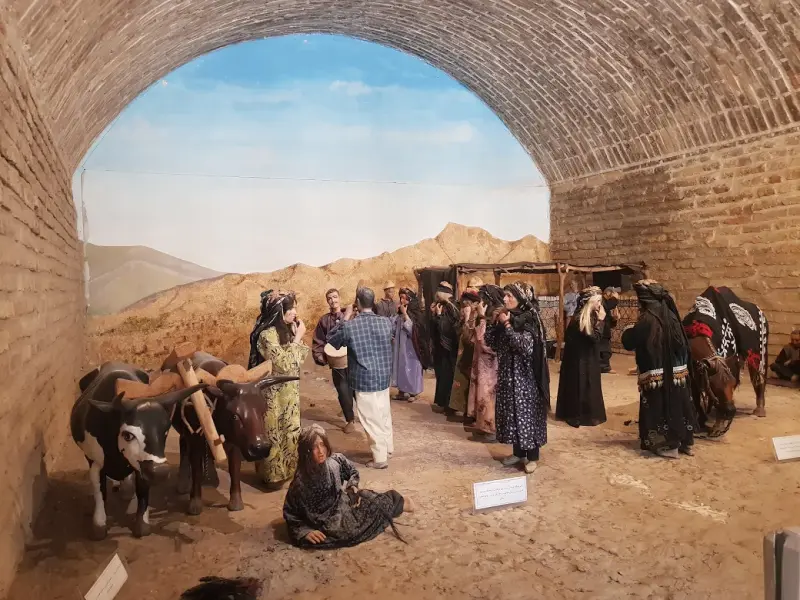
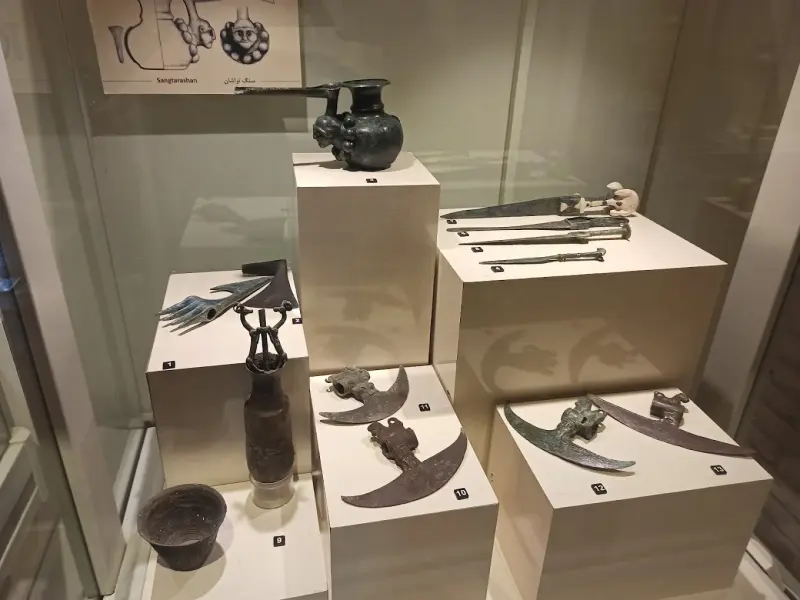
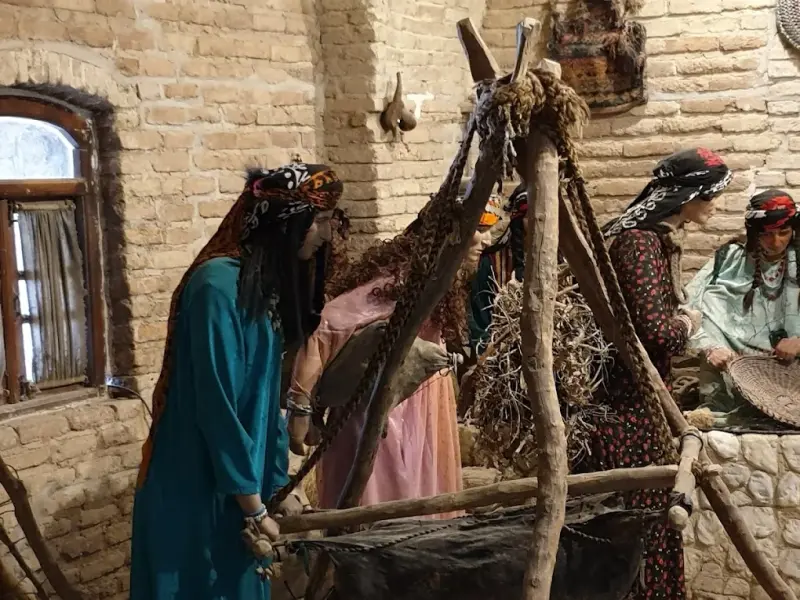
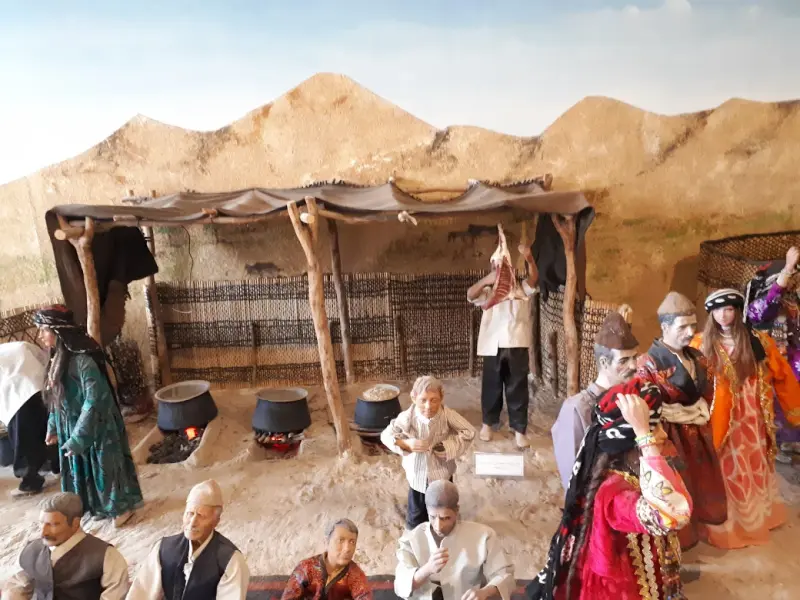
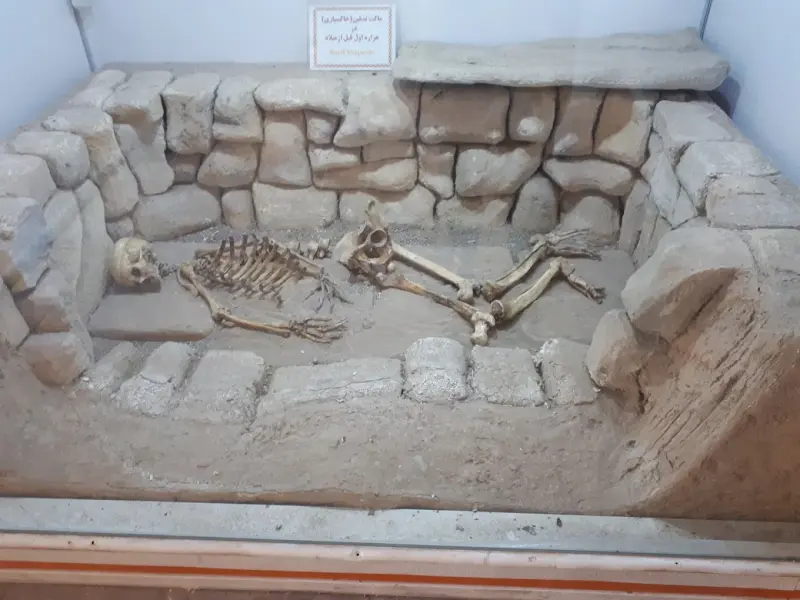
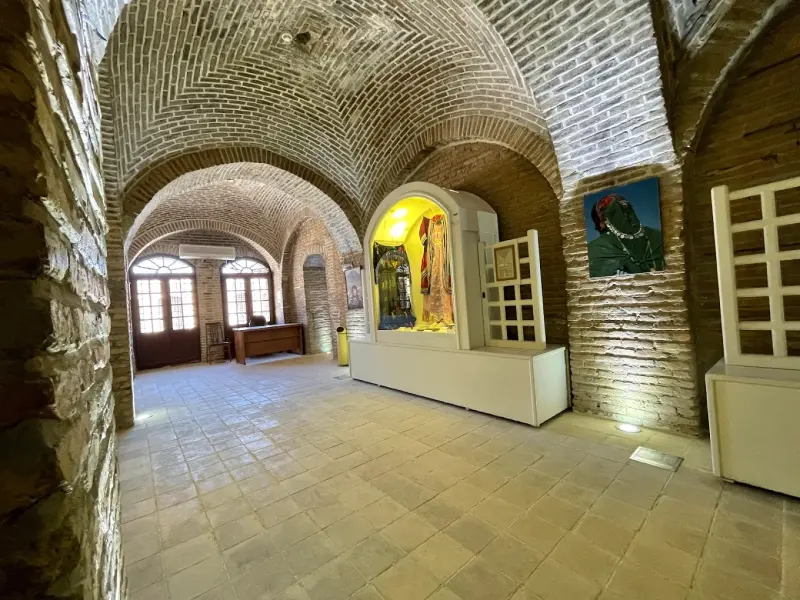
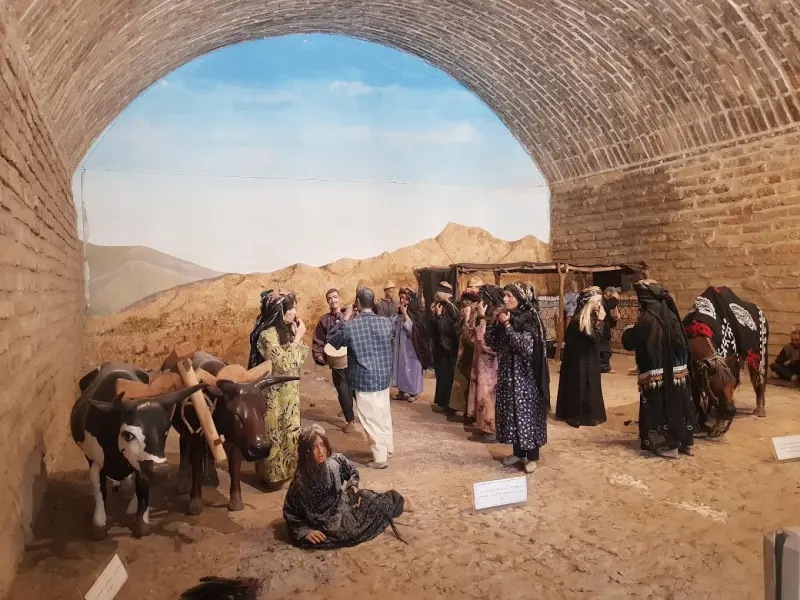
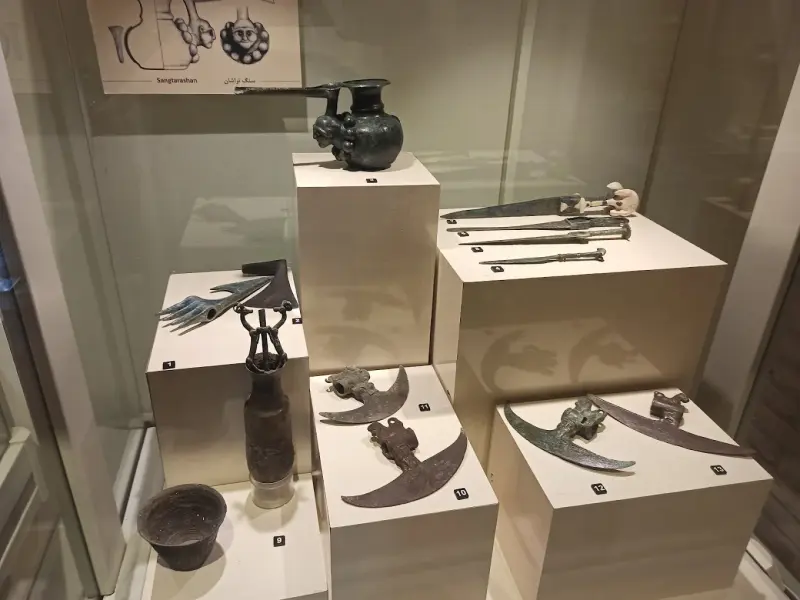
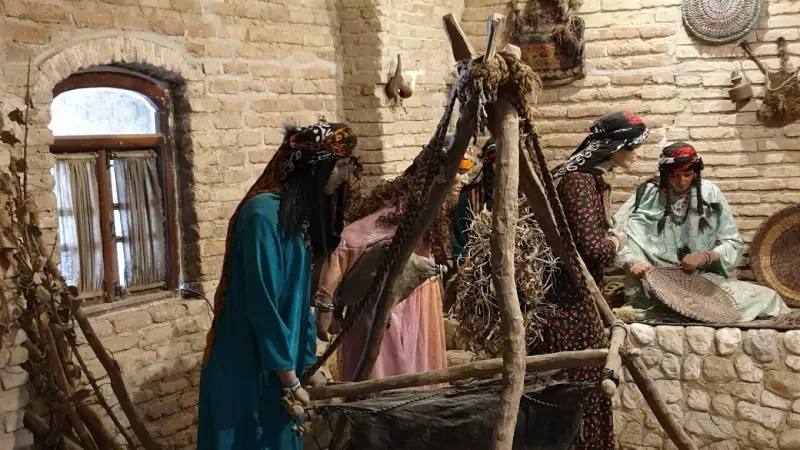
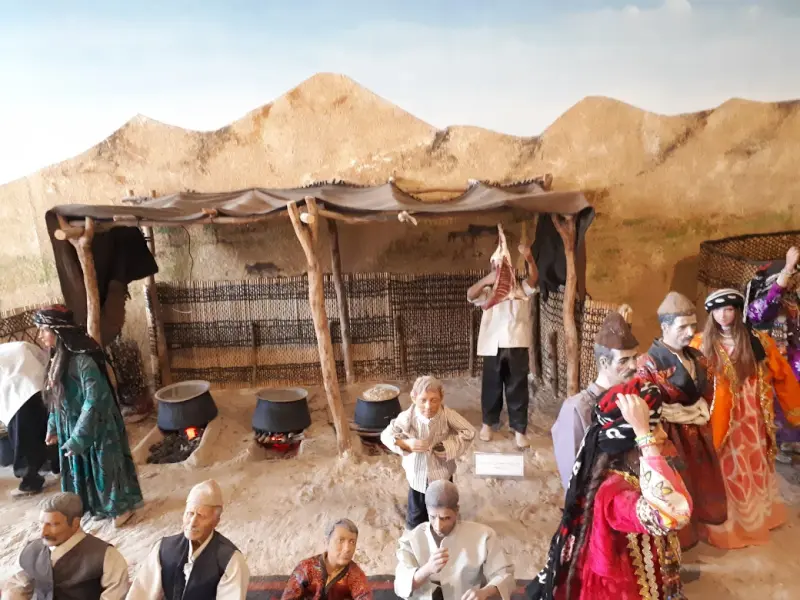
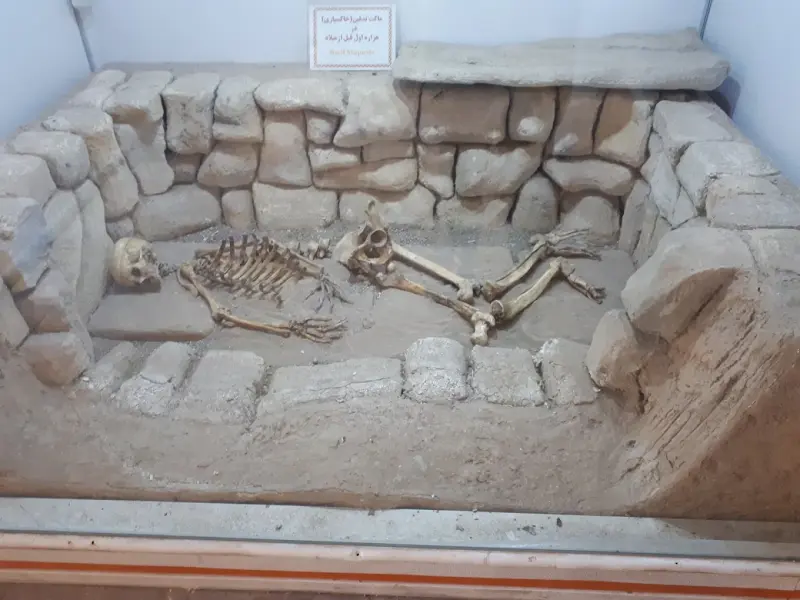
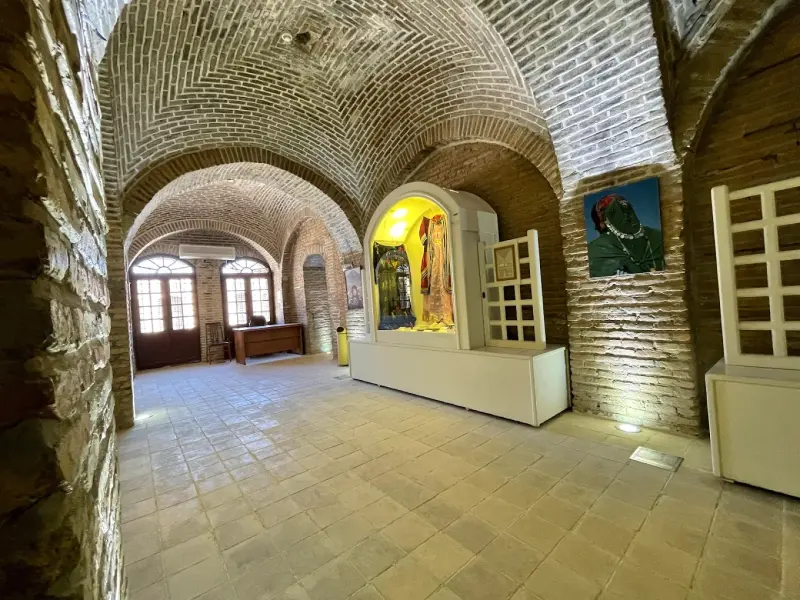
The castle has eight main towers, more than 300 parapets and 124 rooms, which reflects the importance and scale of the building in the past. The main entrance is through the southwest tower, and in the northeast corner a vertical, cellar-like shaft 40 metres deep was dug as a source of underground water. This clever design not only protects against humidity but also lets air circulate naturally inside the castle. As a military and governmental stronghold, Falak-ol-Aflak Castle was used in various periods of Iranian history. Today the castle operates as an archaeological and anthropological museum, housing valuable artefacts from the region's history and culture. The vegetation around the castle consists mostly of shrubs and plants native to the region, and in spring and summer the surrounding air is very pleasant and refreshing.
To reach Falak-ol-Aflak Castle, you can start from Imam Khomeini Street (Davazdah Borji) in the centre of Khorramabad. The castle stands near the river, on a hill overlooking the city. Visiting hours are from 9 a.m. to 8:30 p.m. in spring and summer, and from 8 a.m. to 6 p.m. in autumn and winter. It is essential to follow the principles of responsible nature tourism here, such as keeping quiet, not damaging the ancient structures and not littering the site.
Written by ستایش عرب Last updated
Activities
What you can do here, and what it takes
-
Walking
مسیرهای اطراف قلعه مناسب پیادهروی تفریحی و گشتوگذار است.
Specifications
Introduction of the location and specifications of Falak-ol-Aflak Castle
Oldness:
650 CE
Construction Period:
Sasanian
Location:
Lorestan, Khorramabad
Coordinates:
33.48375882, 48.35336141
Open in maps
Height above ground:
40 meter
Height above mean sea:
1211 meter
Faunas:
Presence of Predatory Animals, Presence of Allergenic Insects, Presence of Herbivorous Animals
Transports:
Private car, Walking, Minibus, Bus
Tourist Attractions in Khorramabad
Attractions that are nearby


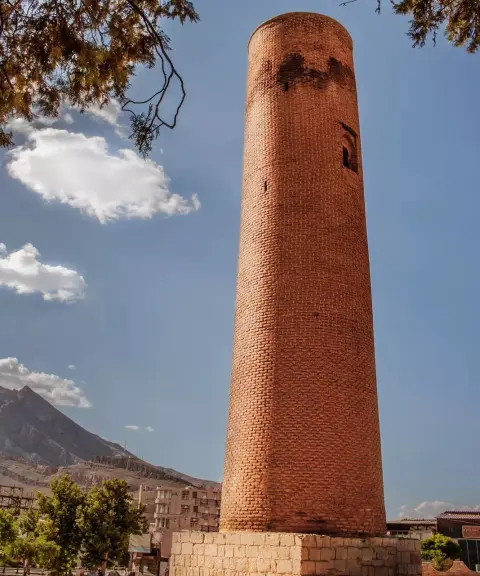
Brick Minaret
Province Lorestan
- Swimming
The thousand-year-old watchtower of Shapurkhast in the heart of Lorestan


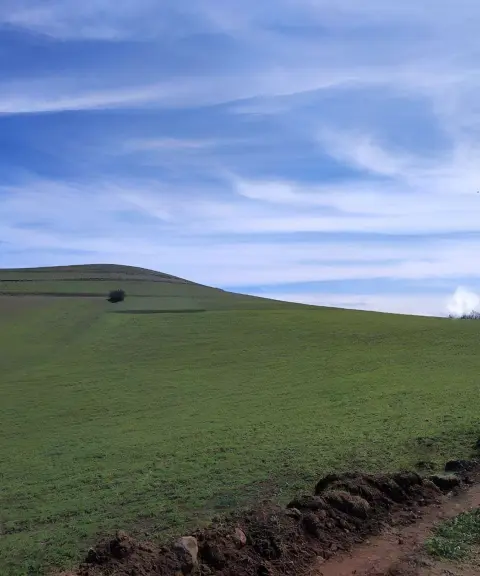

Silakhor Plain
Province Lorestan
- Walking
A fertile expanse with a history of several thousand years in the heart of Lorestan
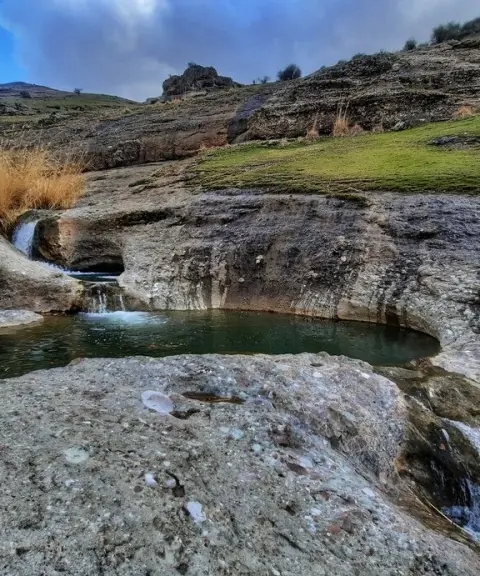

Talaei Waterfall of Makhmalkuh
Province Lorestan
- Walking
- Swimming
A dazzling sight in the heart of Khorramabad
Related tags:
Unfortunately, no comments have been registered.