
 Attractions
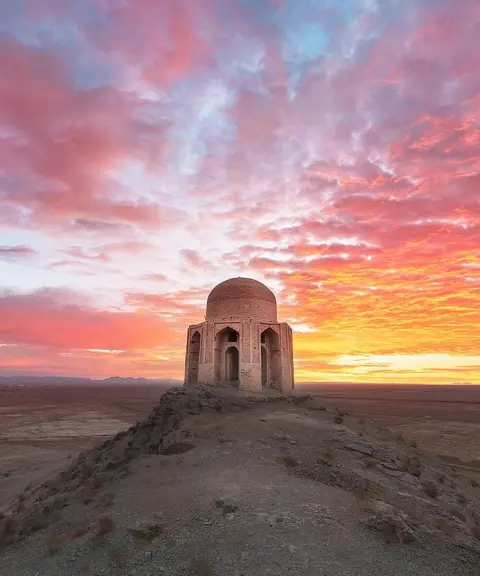
Stone Garden of Sirjan
Art and Protest in the Heart of the Desert
- Attractions
- Kerman, Sirjan
- Altitude 2,105 m
- Ability level Beginner
Ability level:
Beginner
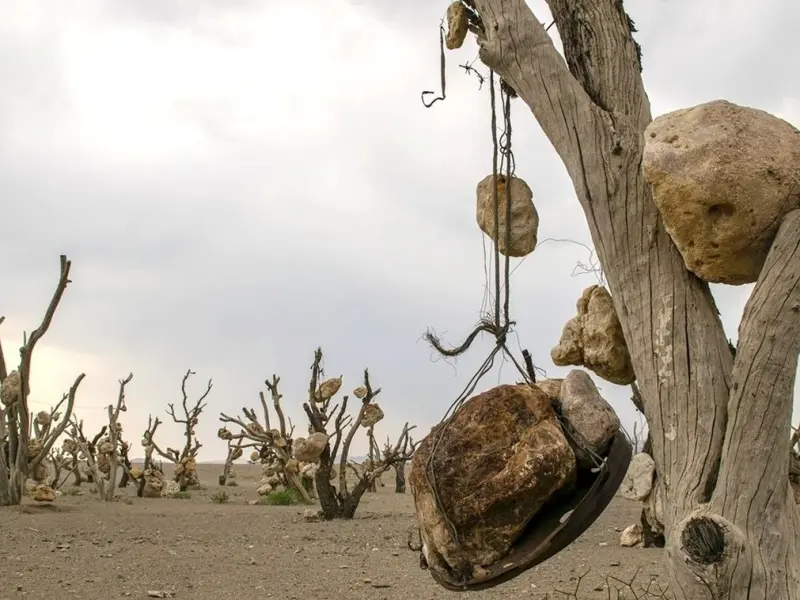
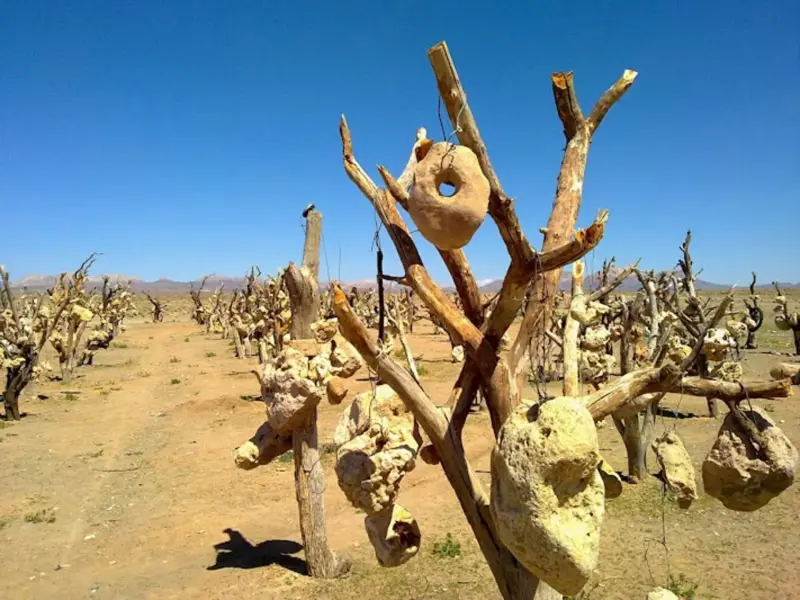
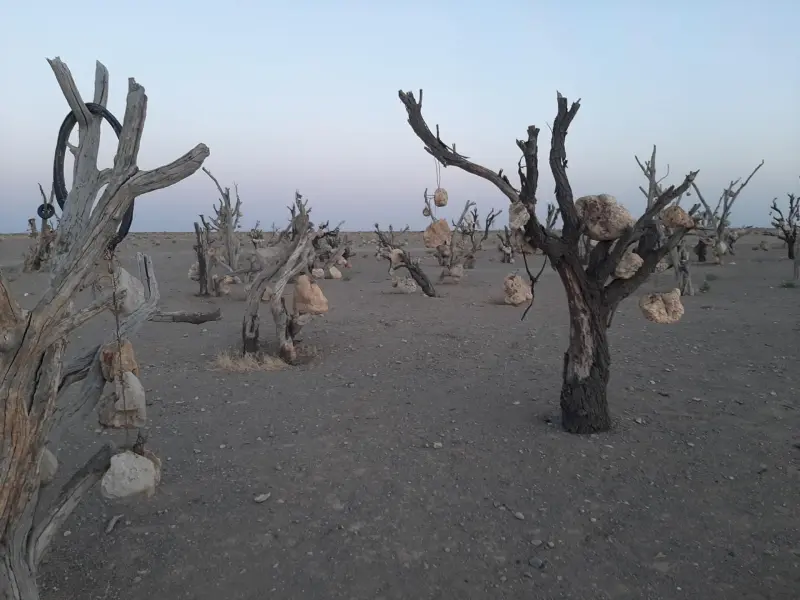
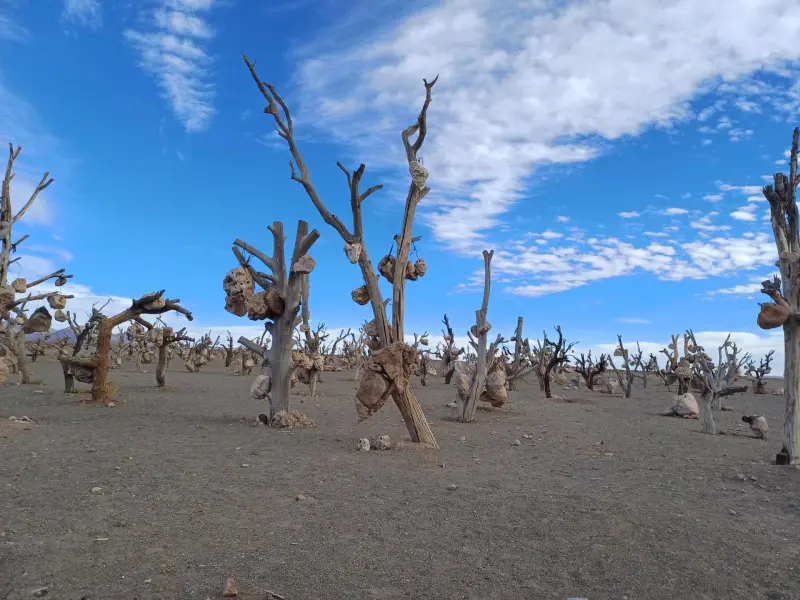
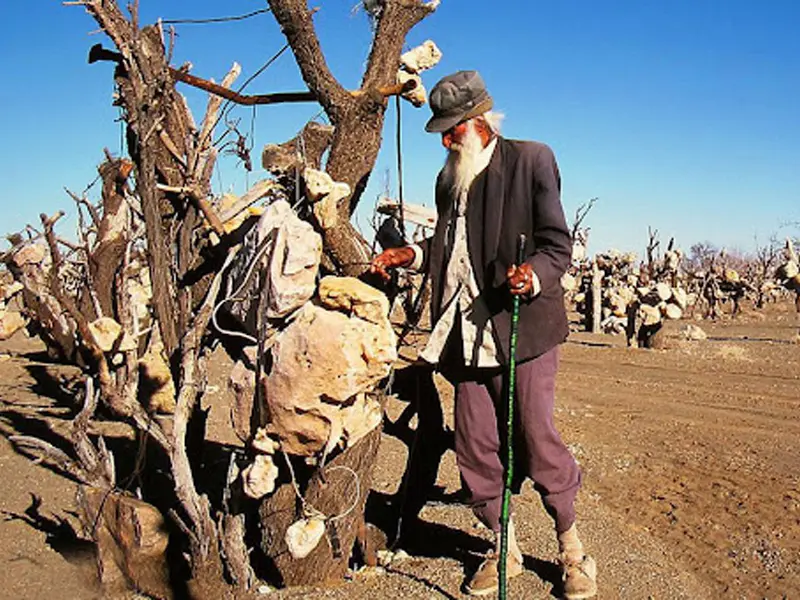
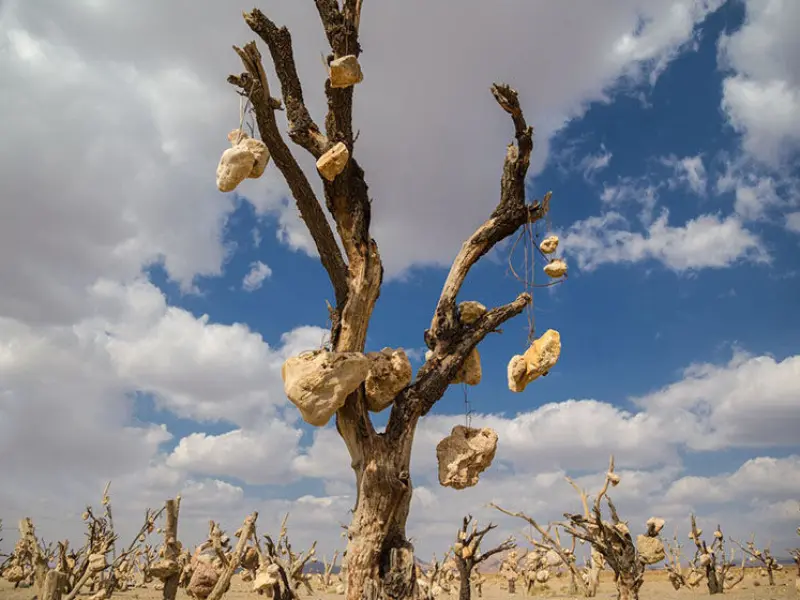
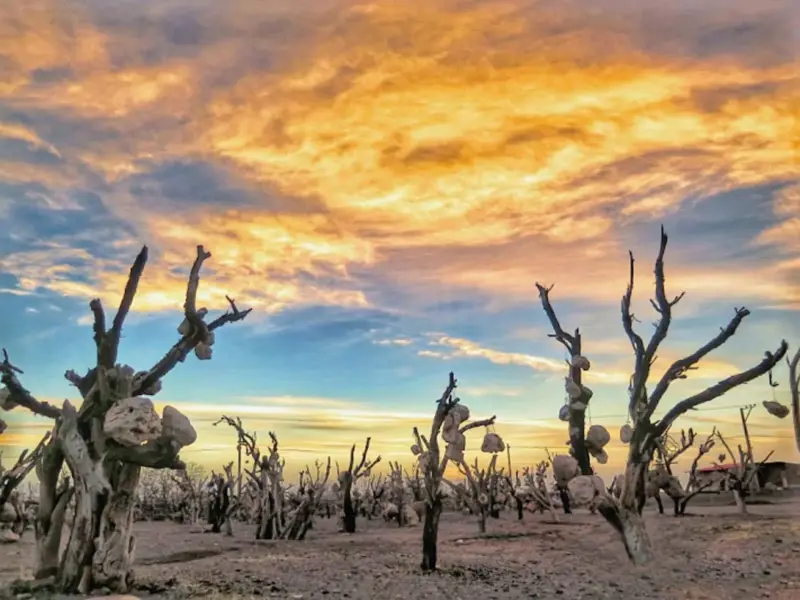
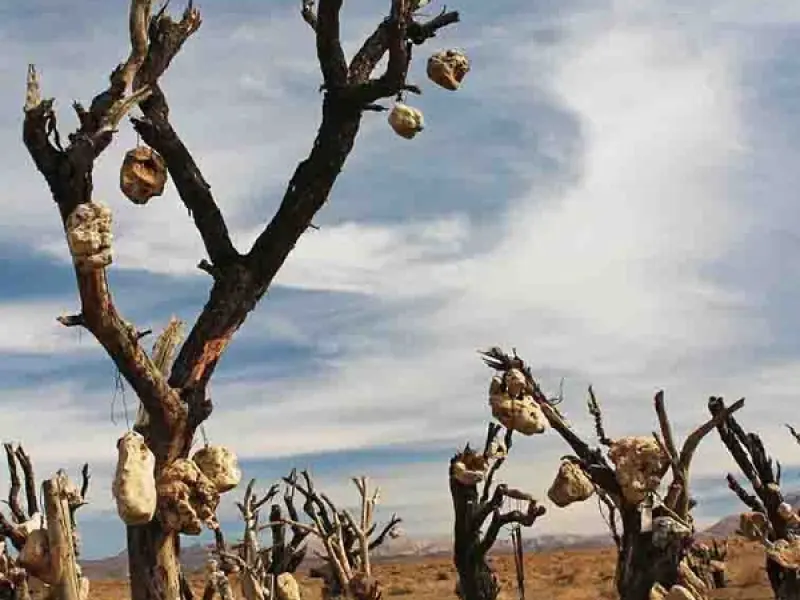
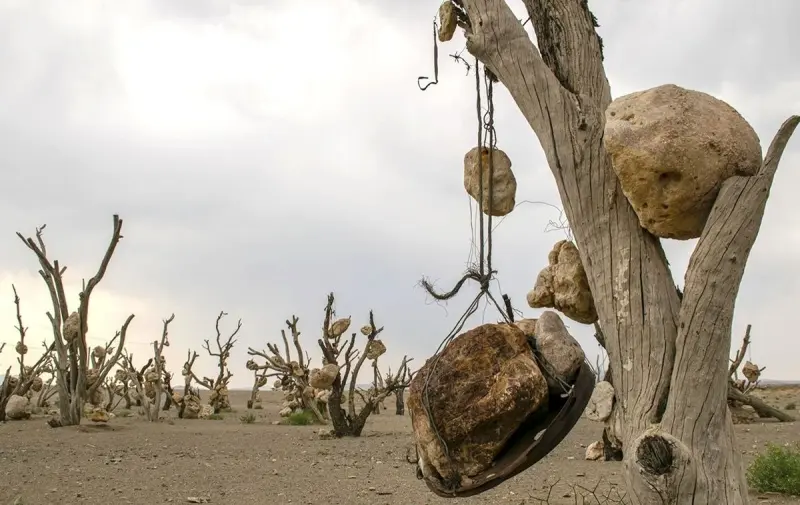
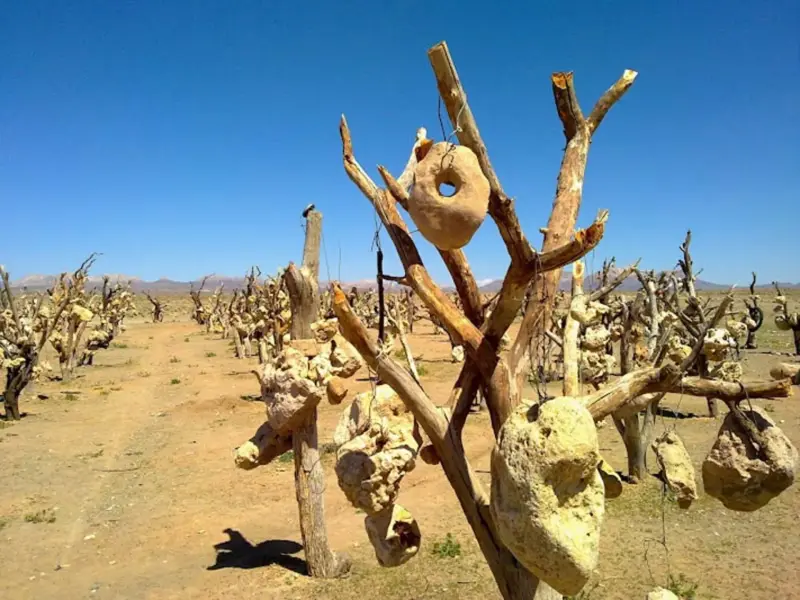
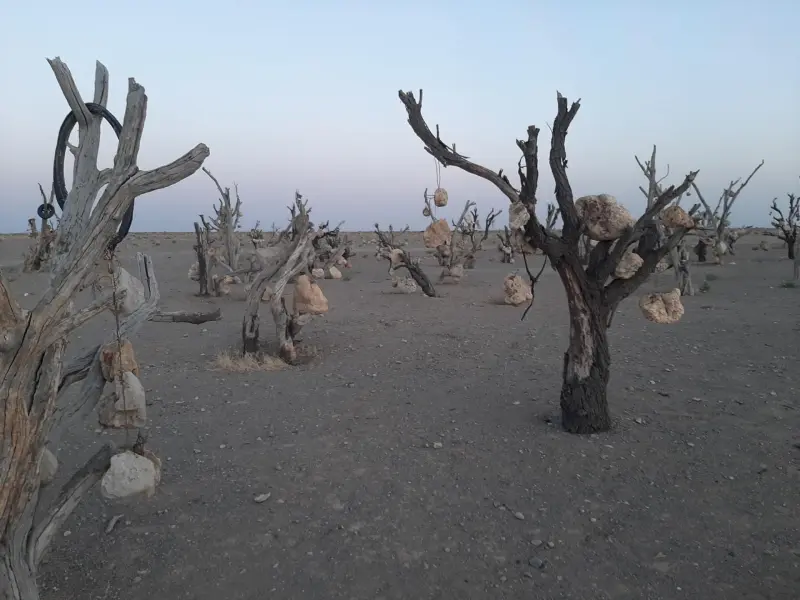
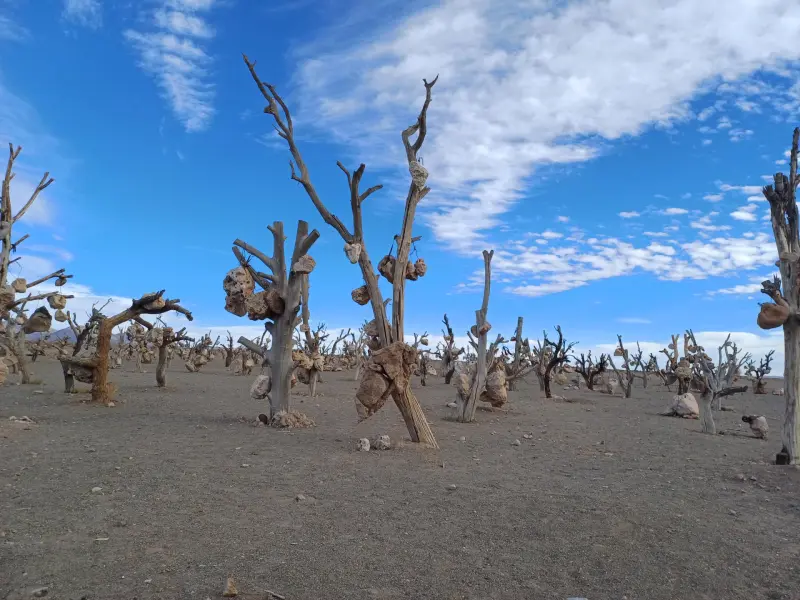
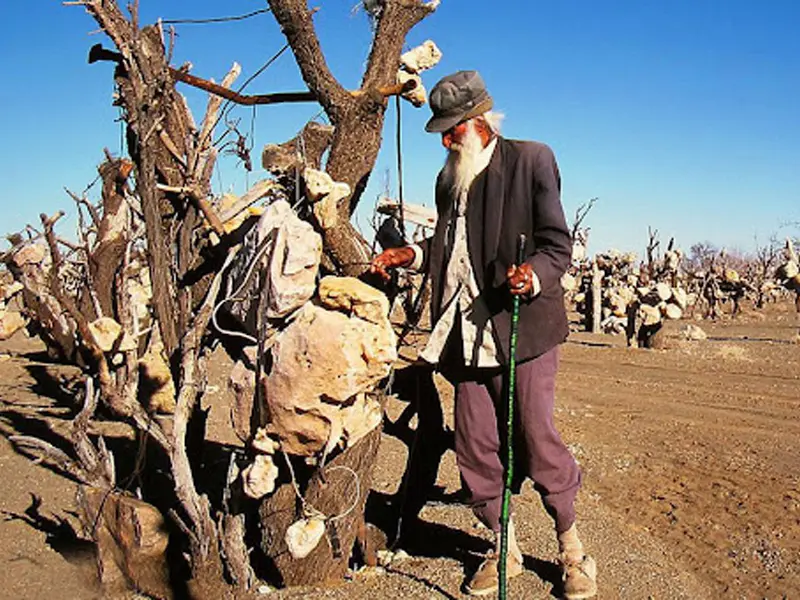
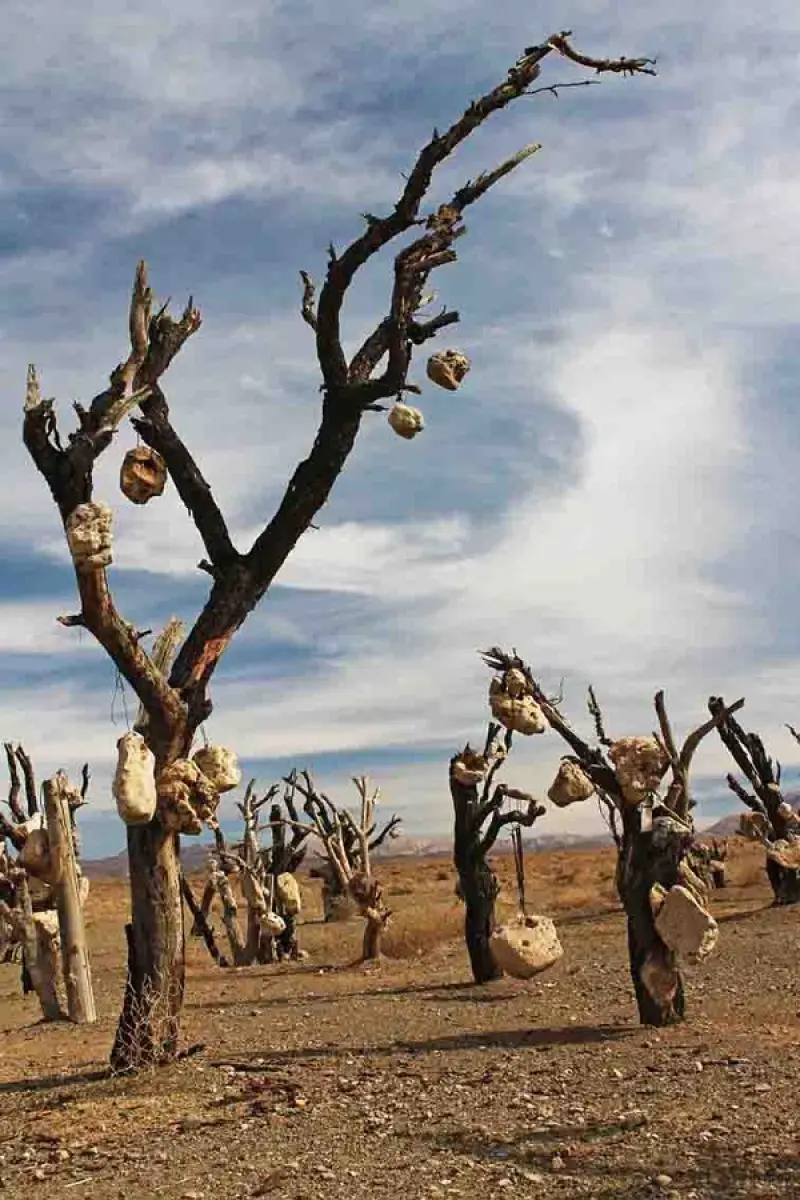
The Stone Garden of Sirjan (Bagh-e Sangi) is one of the most unusual attractions in Kerman Province. It lies near the village of Miandoab, about 40 km southeast of the city of Sirjan. The garden was created in the 1340s (Solar Hijri) by Darvish Khan Esfandiarpour, a deaf and mute man from the Qarehsadlu tribe. After losing his land to the land reforms, Darvish Khan planted dead trees in this garden as a protest and, instead of fruit, hung stones from them. His act is regarded as a symbol of protest and a work of personal art.
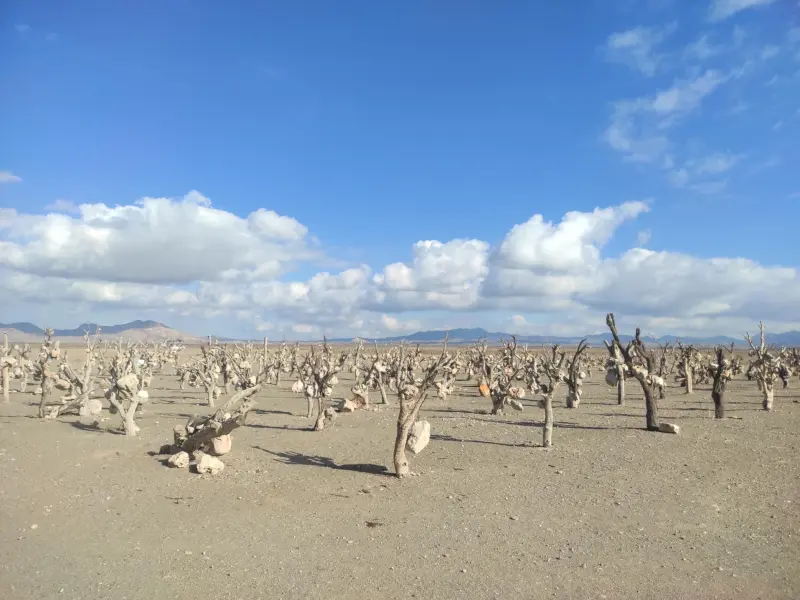
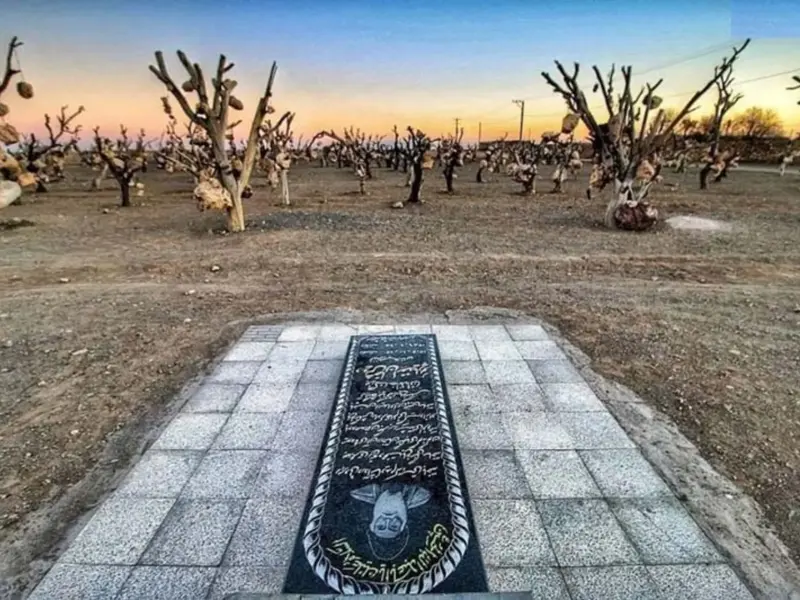
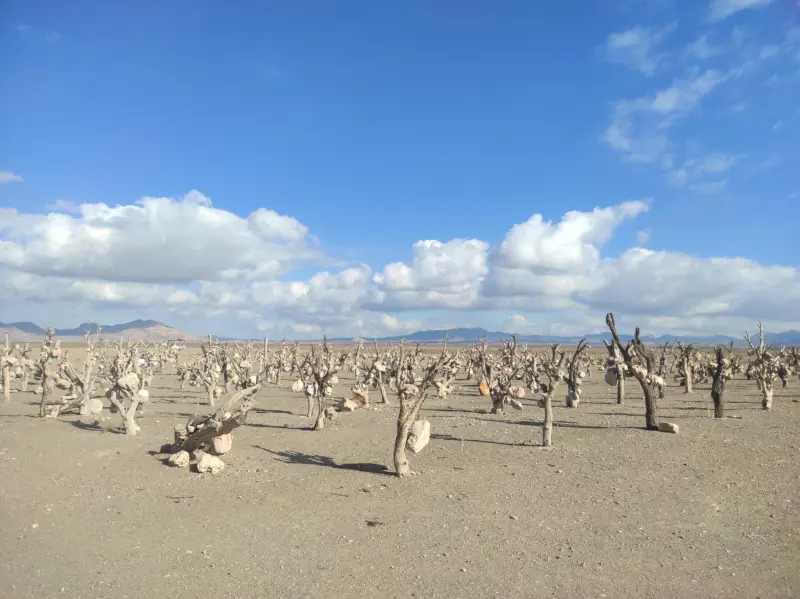
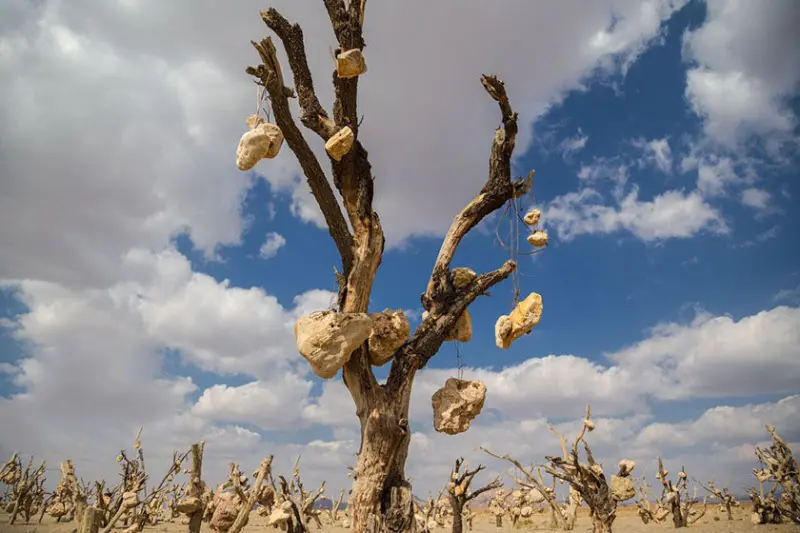
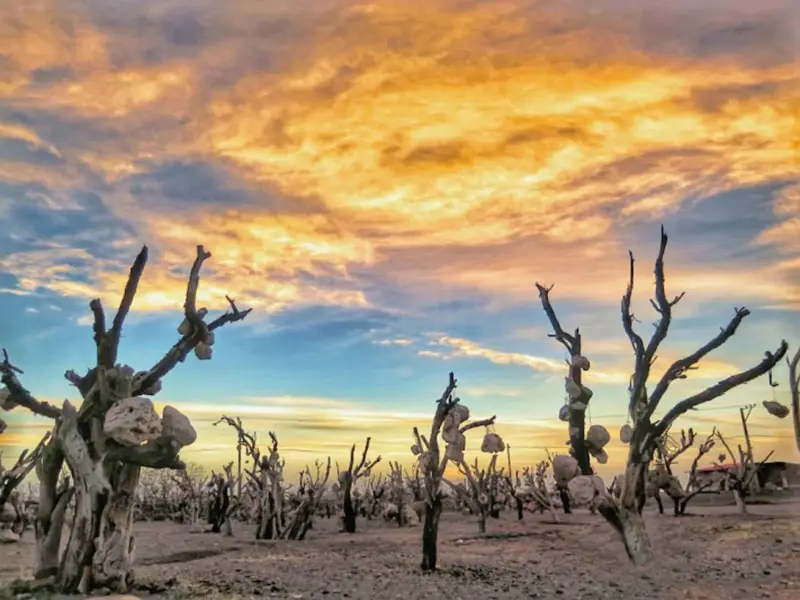
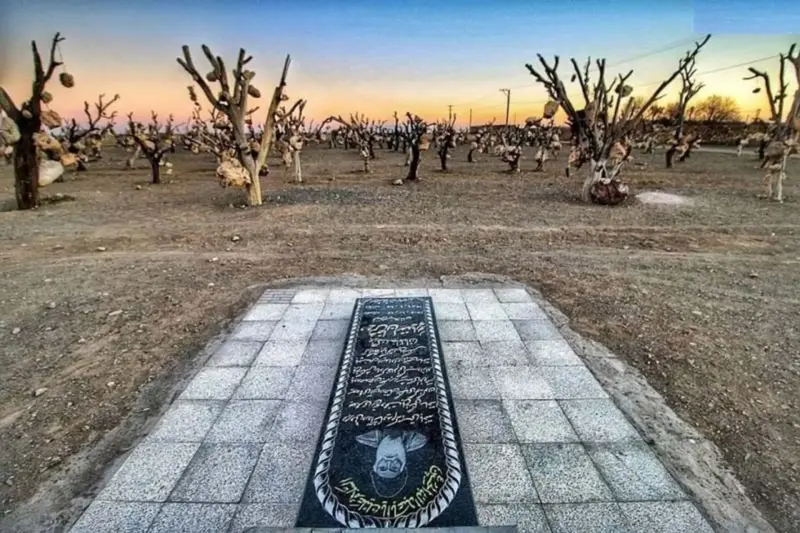
The Stone Garden is laid out as an irregular hexagon and holds about 180 dead trees, with perforated stones hanging from their branches. The stones are arranged so that the trees seem to bear fruit made of stone. Some people believe that Darvish Khan collected these stones from other places and brought them to the garden. Thanks to its unique design and the story behind it, the garden has become one of the most popular tourist attractions in Sirjan. The Stone Garden is not only registered on Iran's national heritage list; its unusual and mysterious subject has also inspired works of art. In 1355 (Solar Hijri), Parviz Kimiavi made a documentary film called The Stone Garden (Bagh-e Sangi), featuring Darvish Khan himself, which won the Silver Bear at the Berlin International Film Festival. Darvish Khan Esfandiarpour died in Farvardin 1386 at the age of 83 and was buried in the same garden, among his stone trees. Today the garden is regarded as a symbol of creativity, resistance and the deep bond between a person and his land and identity.
To reach the Stone Garden, drive from the city of Sirjan toward Baft. After passing the town of Bolurd and the village of Miandoab, you will see signs for the Stone Garden. Follow these signs and drive about 4 km along a dirt side road to reach the garden. Visiting is free, and the best time to go is autumn and winter, when the weather is milder and better suited to sightseeing. During your visit, it is essential to protect the environment and avoid damaging the natural and artistic features of the garden.
Written by زهرا لنگری Last updated
Activities
What you can do here, and what it takes
-
Walking
مسیرهای اطراف باغ سنگی مناسب برای پیادهروی و گشتوگذار در فضای هنری و طبیعی منطقه هستند.
Specifications
Introduction of the location and specifications of Stone Garden of Sirjan
Location:
Kerman, Sirjan
Coordinates:
29.40462704, 56.10713953
Open in maps
Height above mean sea:
2105 meter
Floras:
Deserts and Dry Shrublands
Faunas:
Presence of Allergenic Insects
Transports:
Private car, Minibus, Bus
Tourist Attractions in Kerman
Attractions that are nearby

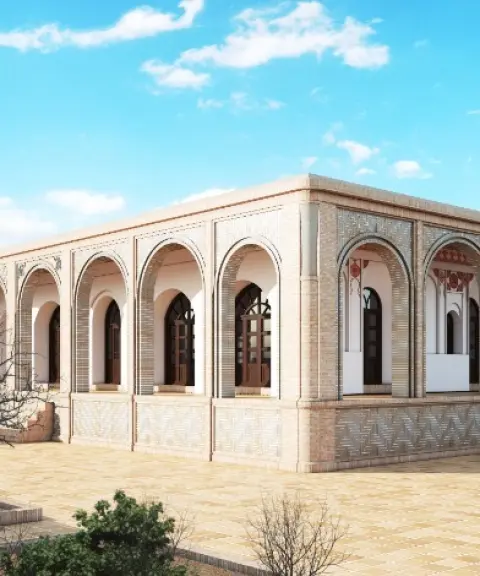
Sadrzadeh Mansion
Province Kerman
- Walking
A glimpse of Qajar architecture in a pistachio garden in Sirjan
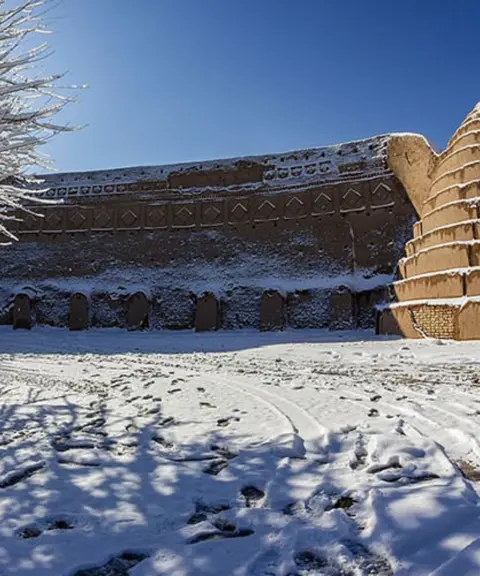
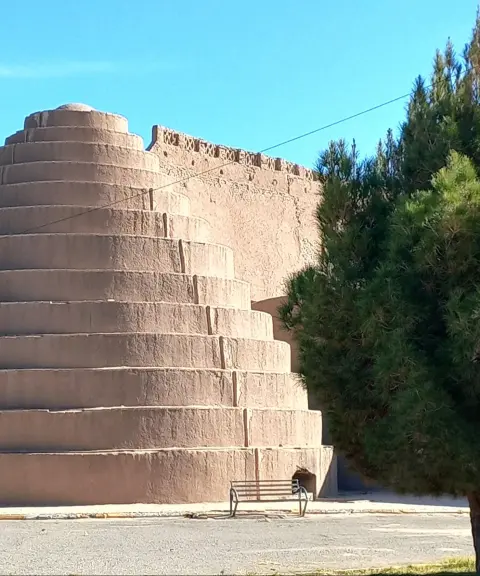
Twin Ice Houses of Sirjan
Province Kerman
- Walking
A masterpiece of traditional architecture in the heart of the desert
Related tags:
Unfortunately, no comments have been registered.