
 Attractions
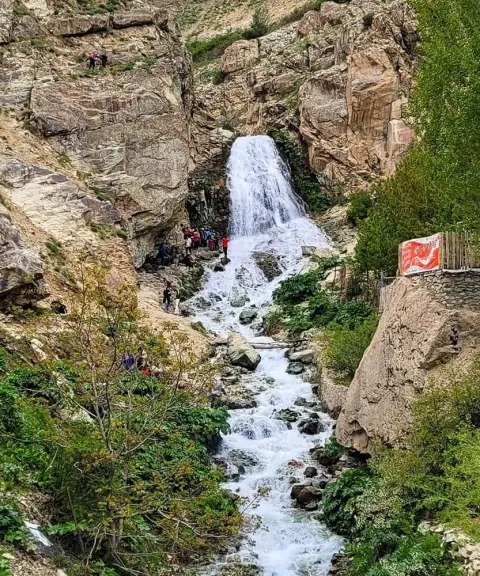

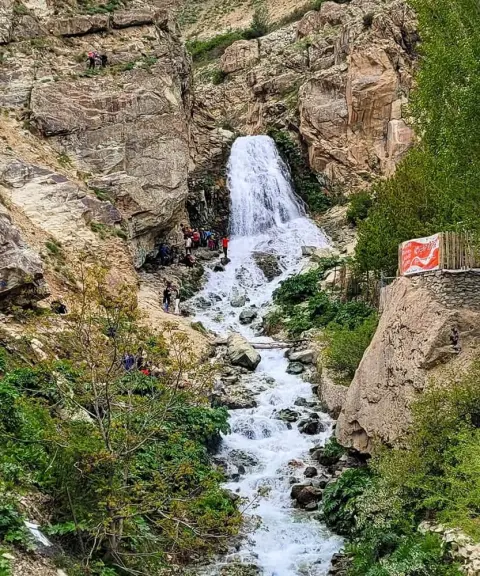
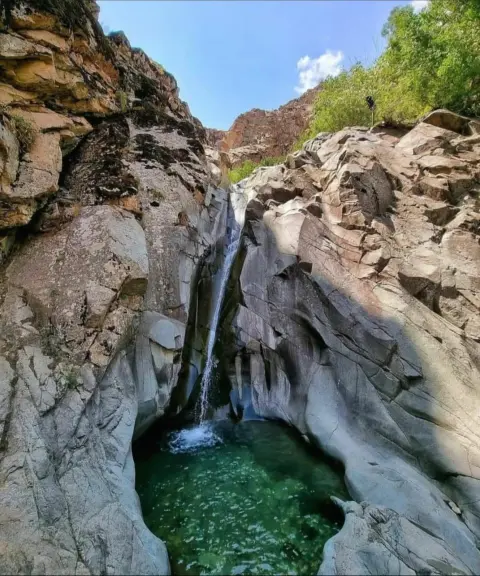
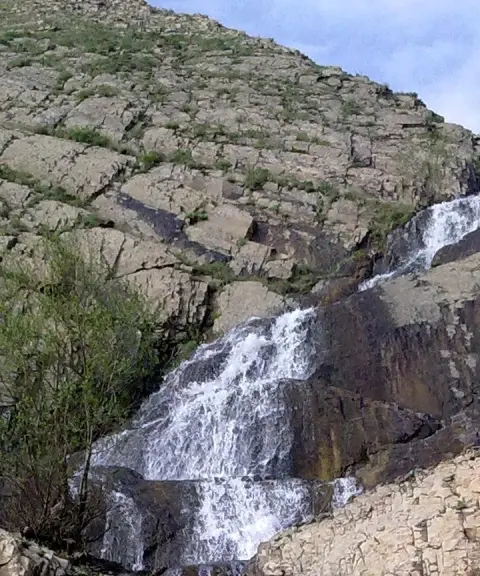
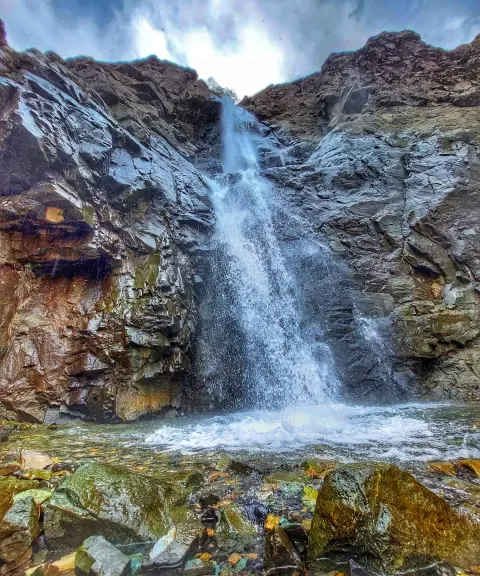
Ahar Waterfall
Province Tehran
- Walking
- Swimming
A Paradise in the Heart of the Central Alborz
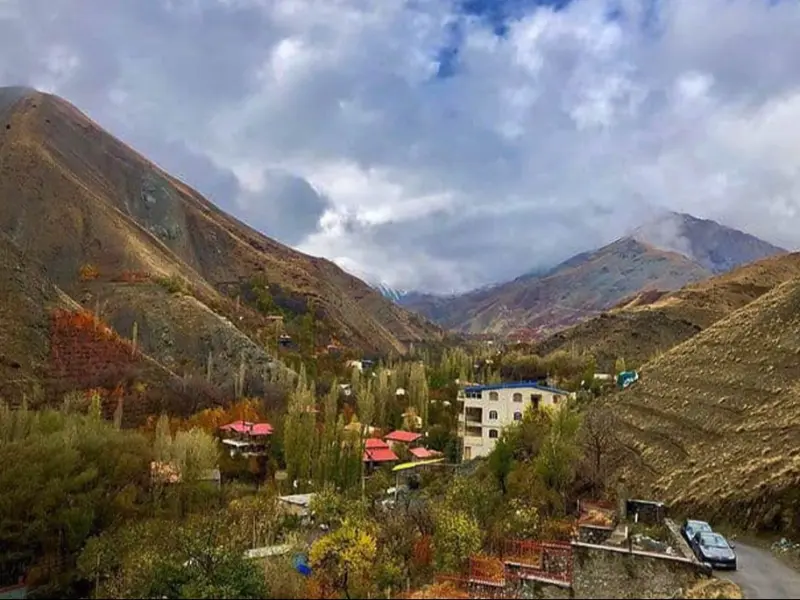
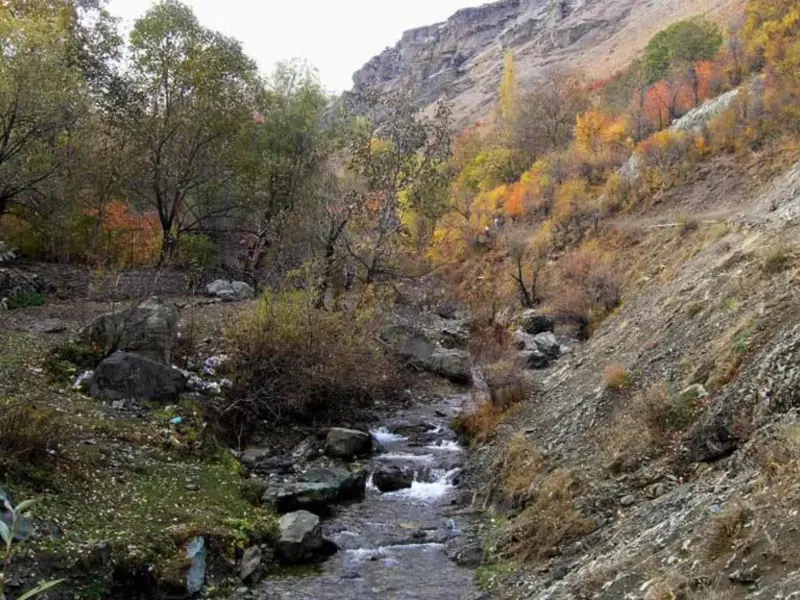
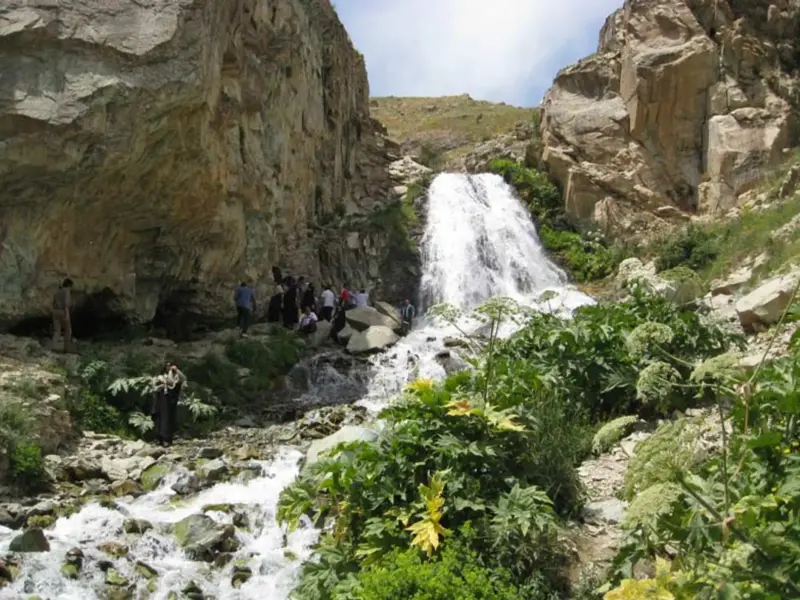
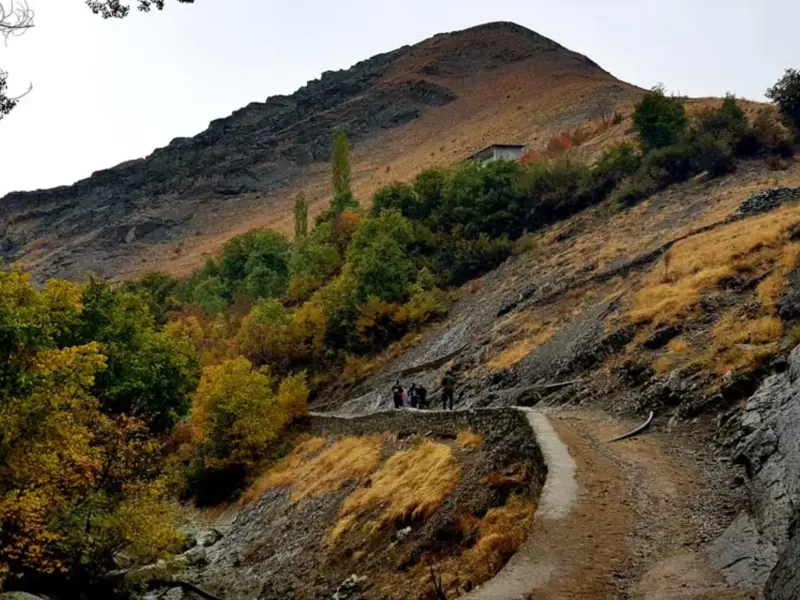
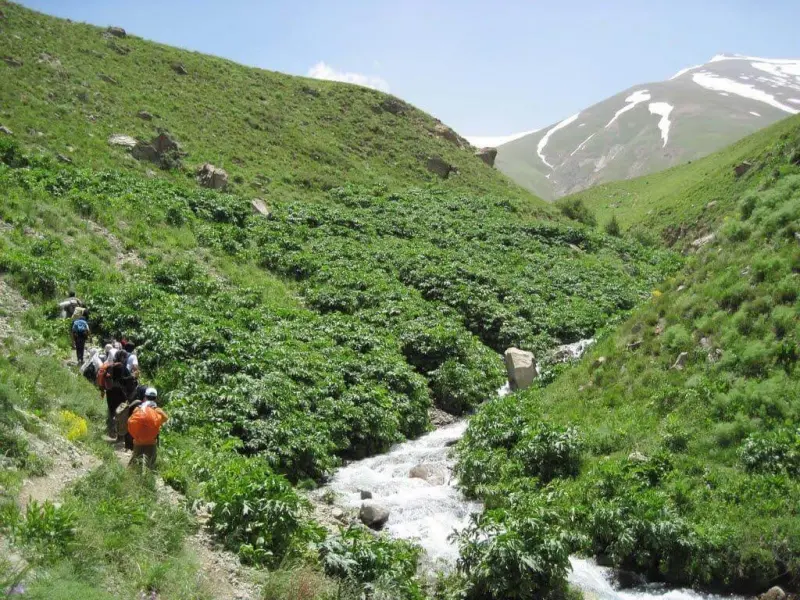
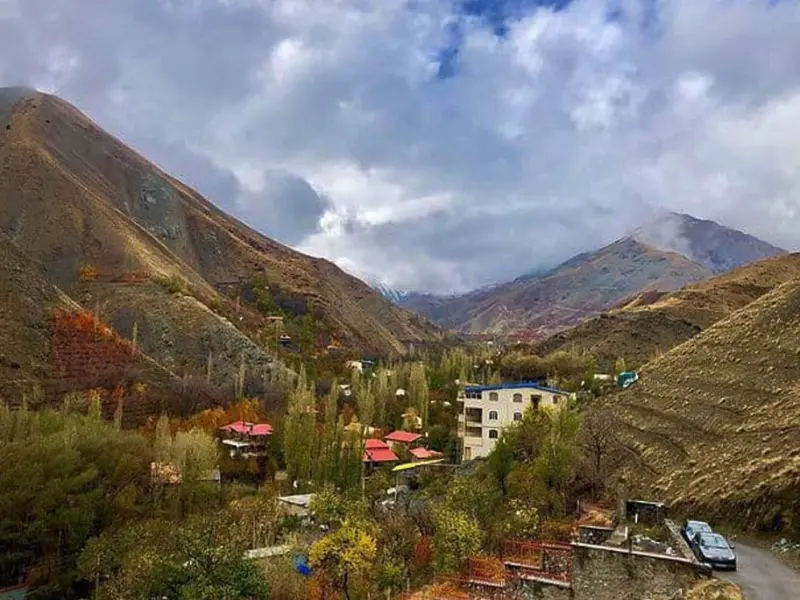
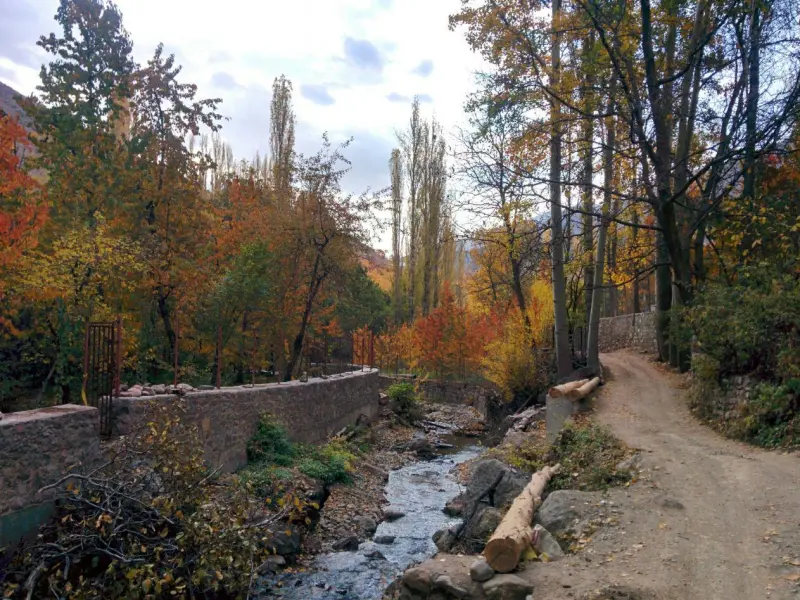
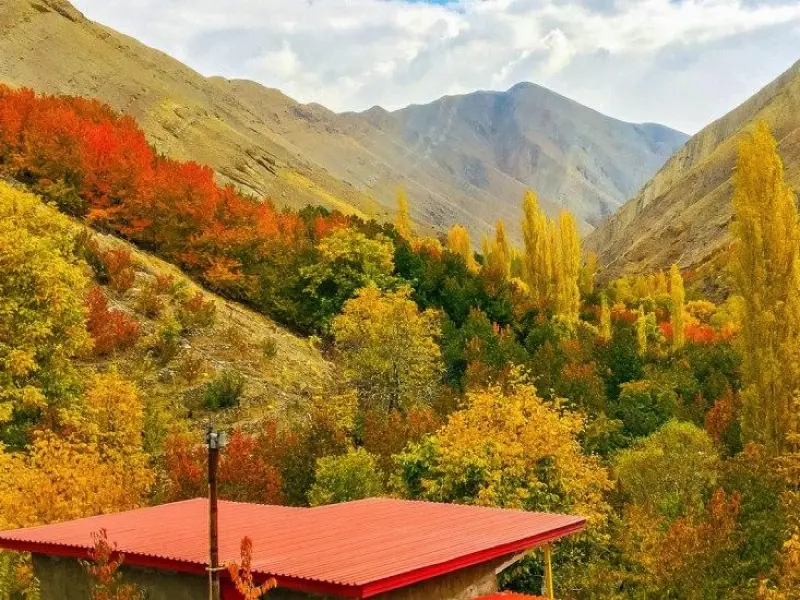
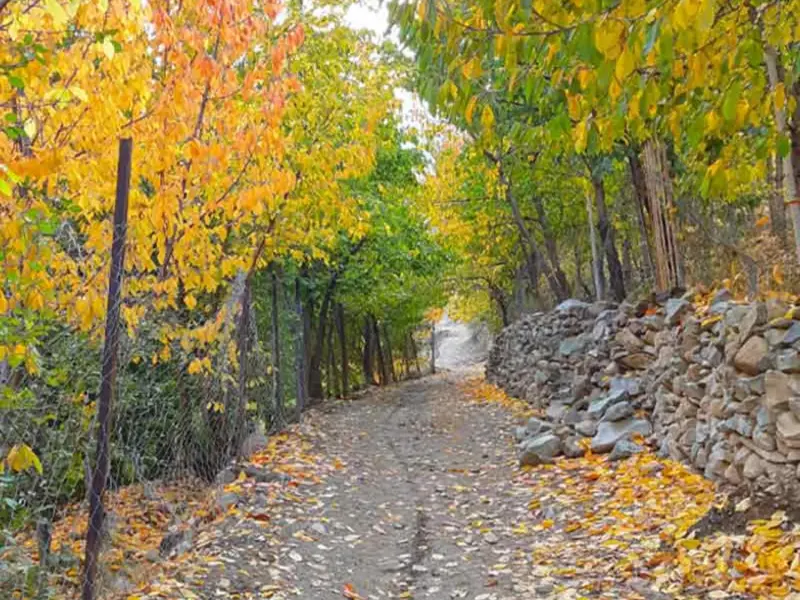
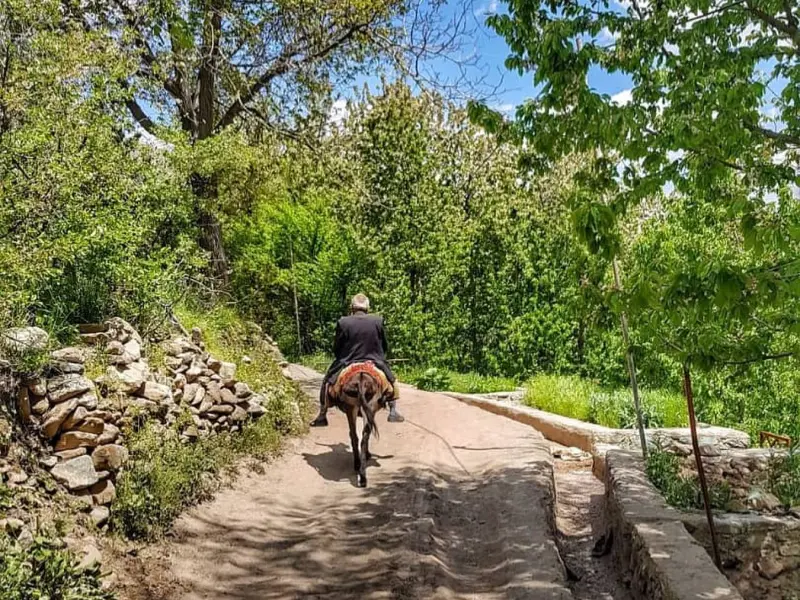
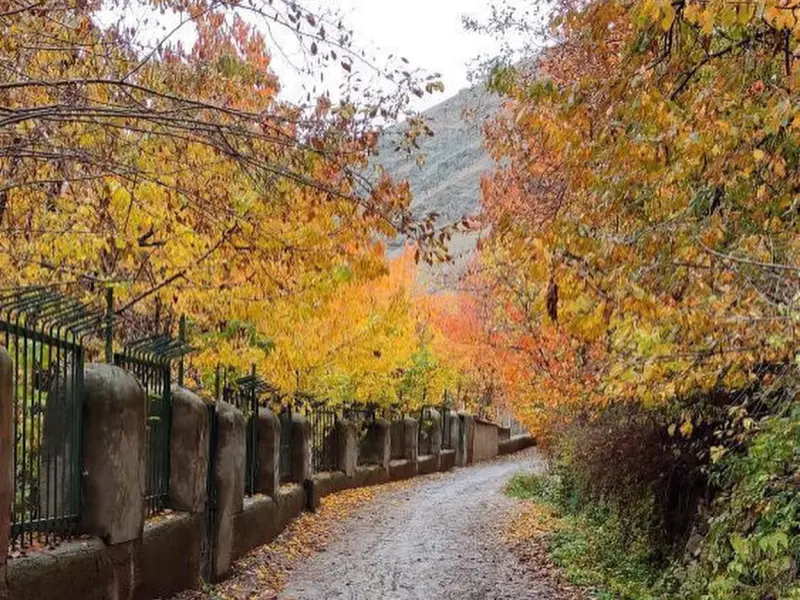
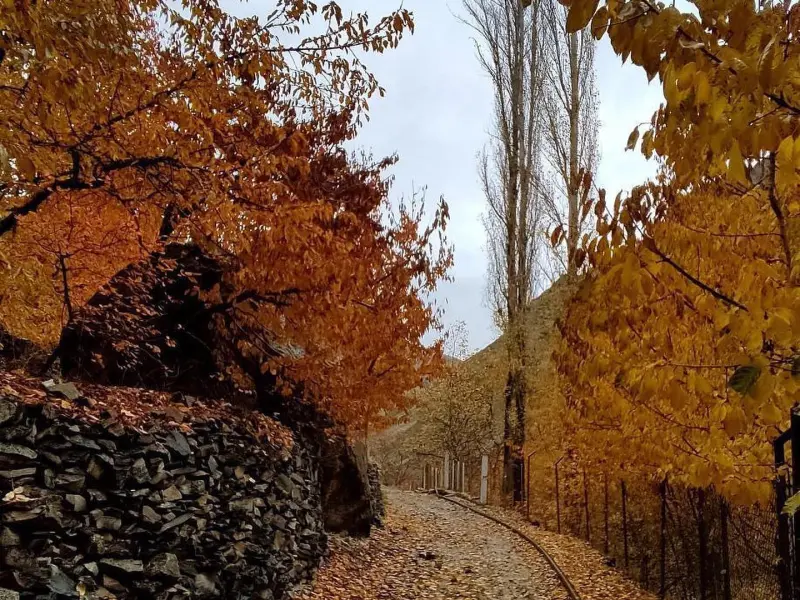
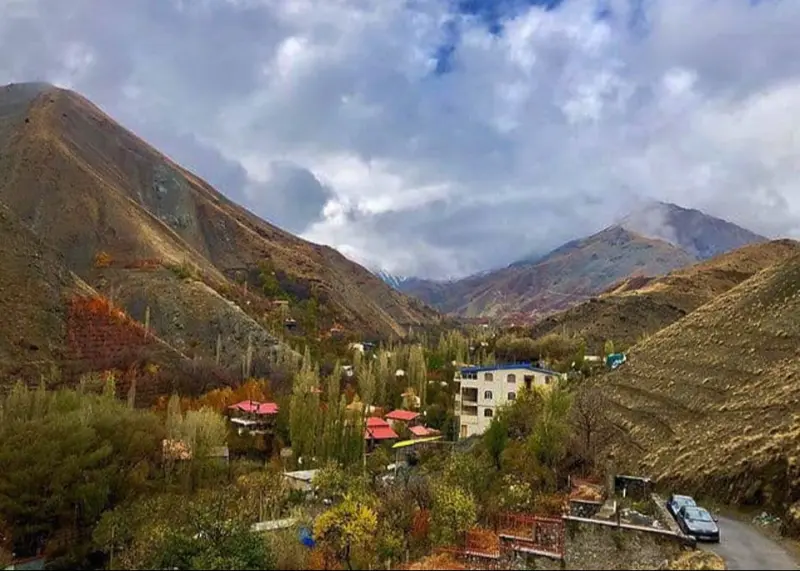
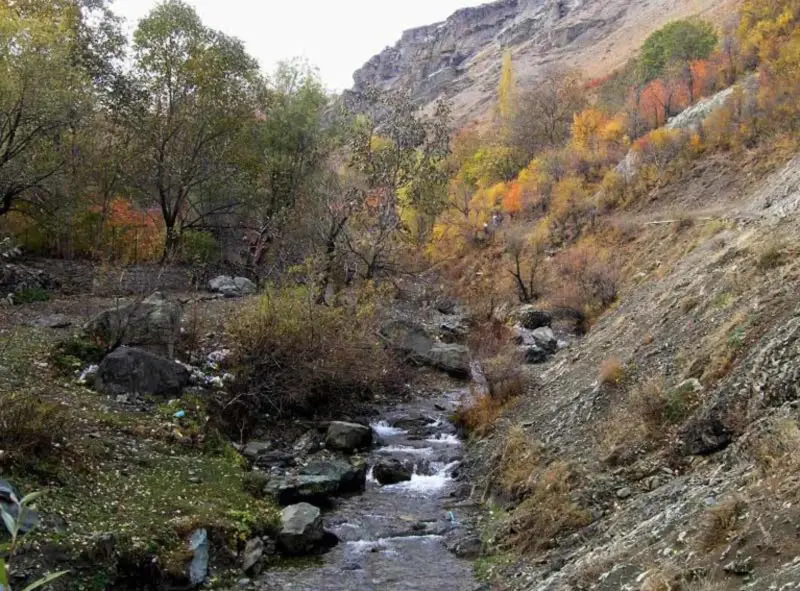
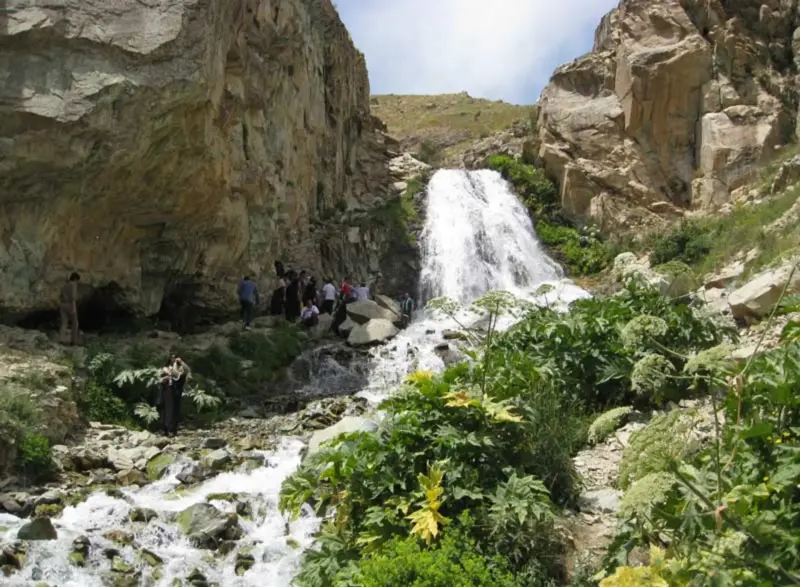
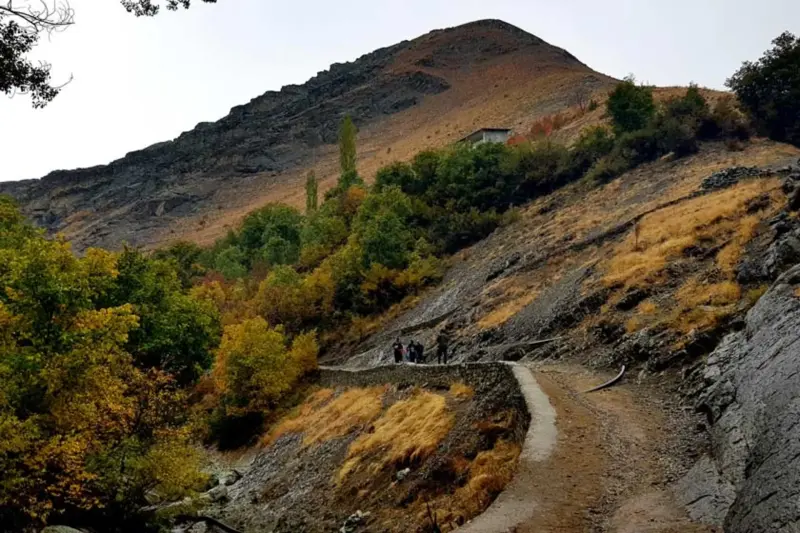
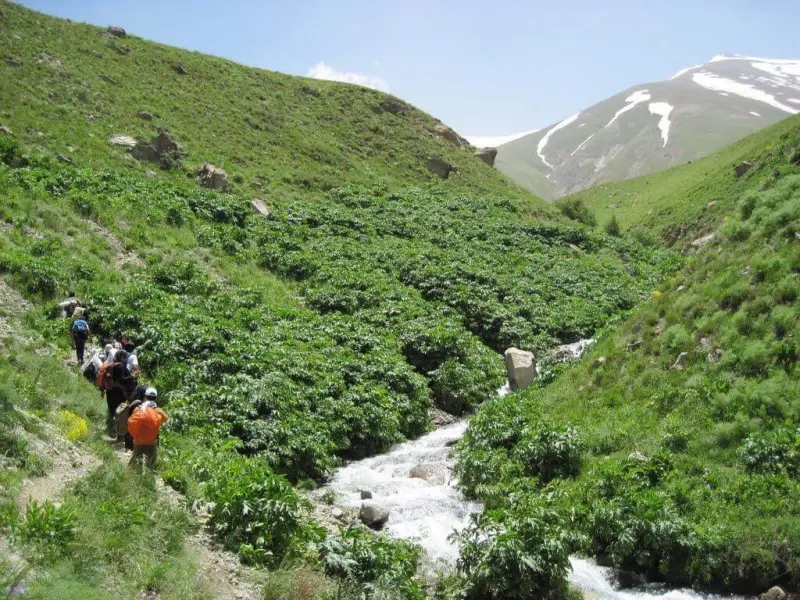
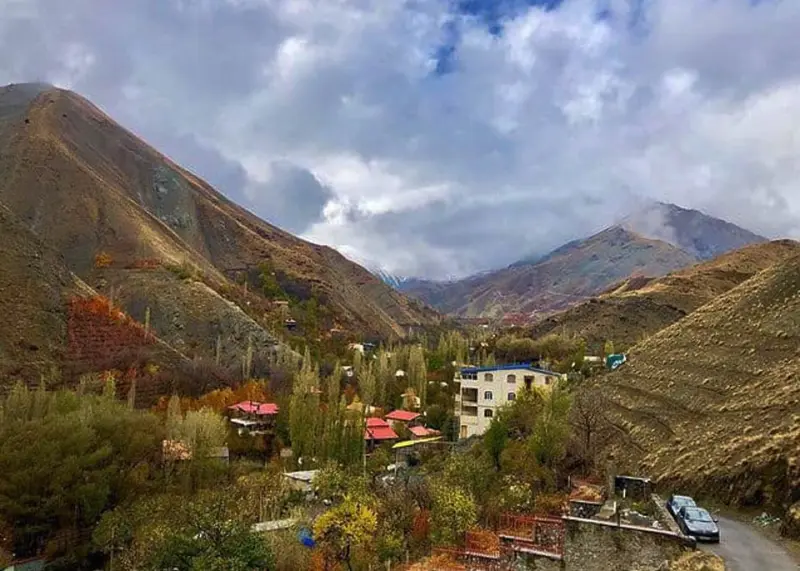
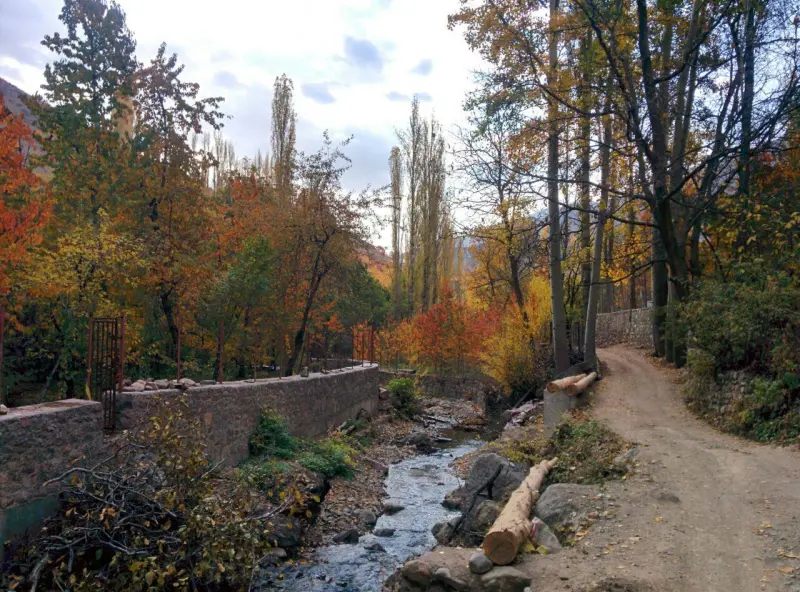
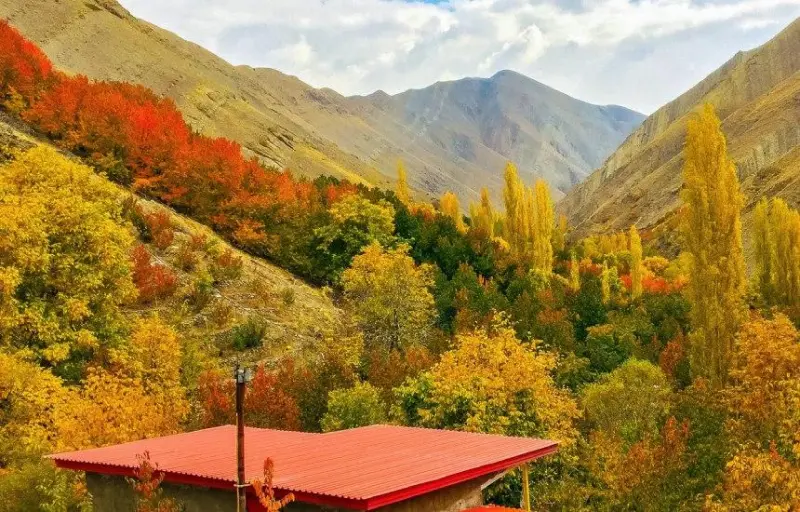
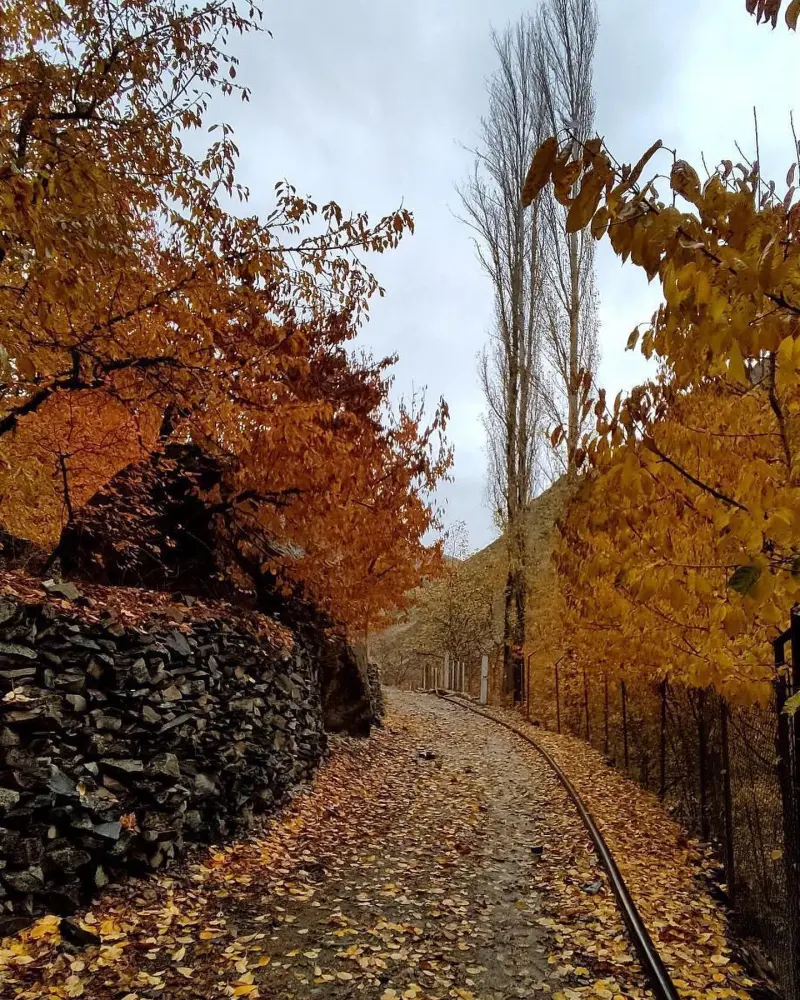
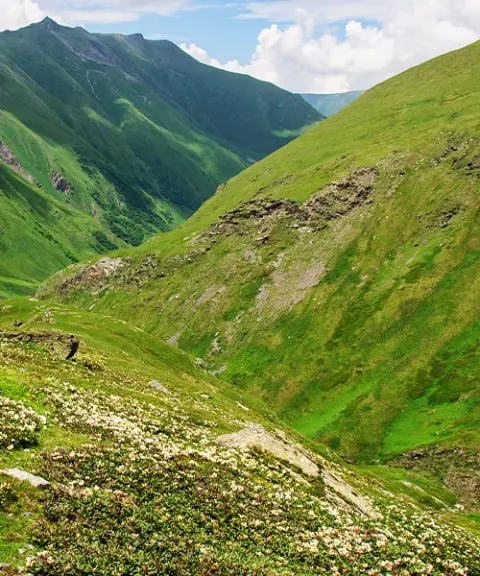
Ahar is one of the most beautiful villages in the Roudbar-e Ghasran region, northeast of Tehran, with a pleasant climate. It lies about 23 kilometers northwest of Glandouk (Fasham). This charming village sits at the junction of two valleys: one leads toward Deh Tangeh and the Zargah Pass, and the other toward the Shekarab Waterfall, the source of the Ahar River (Banjuok), Tochal Peak and the border of the Shahrestanak region. Ahar is known as one of the largest and greenest villages in the Fasham area, and with its unspoiled nature and clean air, it is a popular destination for nature lovers and mountaineers.
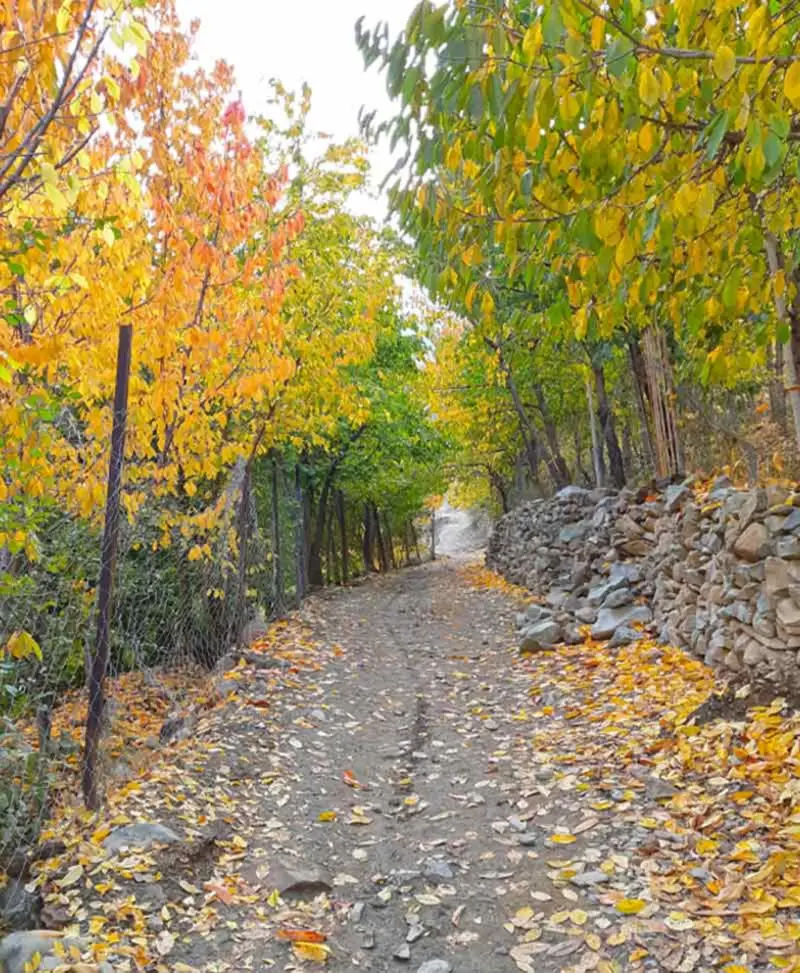
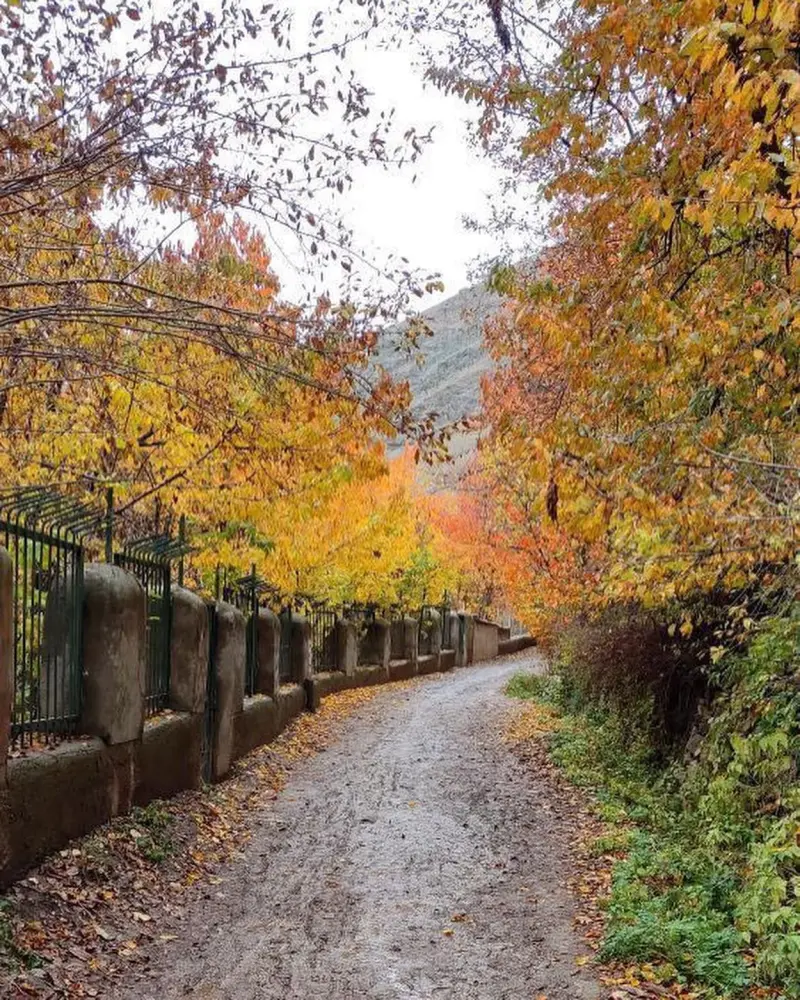
Ahar is famous for its extensive, productive orchards of apples, sour cherries and cherries. These orchards give the village a special charm and, together with rushing rivers such as the Shekarab and Pishkanak rivers, create a delightful landscape. The Imamzadeh Taher and Zahed shrine in the area adds to the village's religious and historical appeal. Thanks to the favorable climate and abundant water resources, a large share of the villagers work in orchard farming, and cherries, sour cherries, pears and apples are among the area's most important products. Ahar's scenery is especially enchanting in Ordibehesht and Aban, making it a favorite destination for nature-loving travellers and mountaineers. Ahar is not just a scenic village; it also bears signs of a long history. The Ghaleh Dokhtar Fire Temple, which was active in the Sassanid era, testifies to the historical importance of the area. The remains of this fire temple still stand, and it is positioned so that it can be seen from places such as the Qom Salt Lake and the Quchak Pass, giving it high archaeological value.
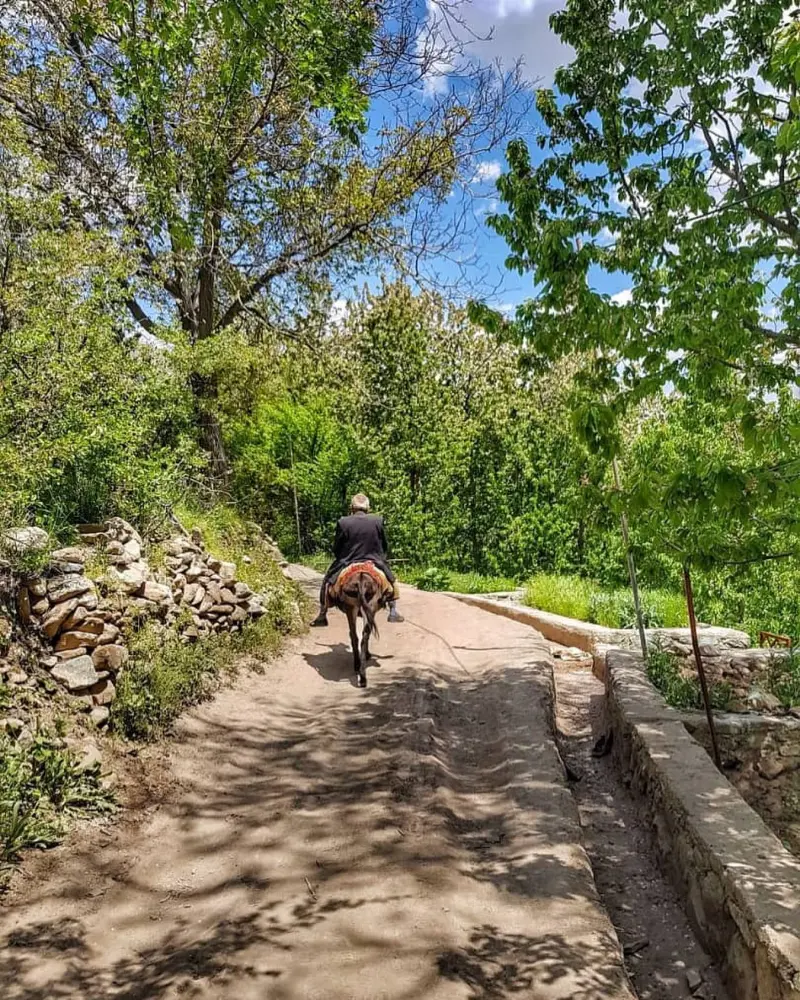
There are various accounts of the origin of the village's name. Its ancient, original name was Ohar, and locals still use the form Gol-Ohar for the village entrance. In the local dialect, "Ou" means water and "Har" means mill, so Ohar means a place with abundant water for milling. Some, however, believe the word "Ahar" derives from "Ahur," meaning sun, so that it means "land of the sun," a meaning that reflects the beauty and brightness of this area well. To reach Ahar, take the Shahid Babaei Expressway in northeast Tehran onto the Lashgarak Road. After some distance, follow the Fasham Road toward Behesht Valley and you will arrive at Ahar. The journey takes about 2 hours. The best time to visit Ahar is spring and summer, when the weather is mild and nature is lush and green. In these seasons, walking through the old garden lanes and visiting the beautiful waterfalls nearby make for an unforgettable experience.
Written by زهرا لنگری Last updated
What you can do here, and what it takes
مسیرهای کوهستانی و کوچهباغهای قدیمی برای پیادهروی و گشتوگذار مناسباند.
قلههای اطراف مانند توچال و سیچال برای کوهنوردی حرفهای مناسب هستند.
مسیرهای خاکی اطراف روستا برای دوچرخهسواری کوهستانی مناسباند.
Province Tehran
Province Tehran

Unfortunately, no comments have been registered.