
 Attractions
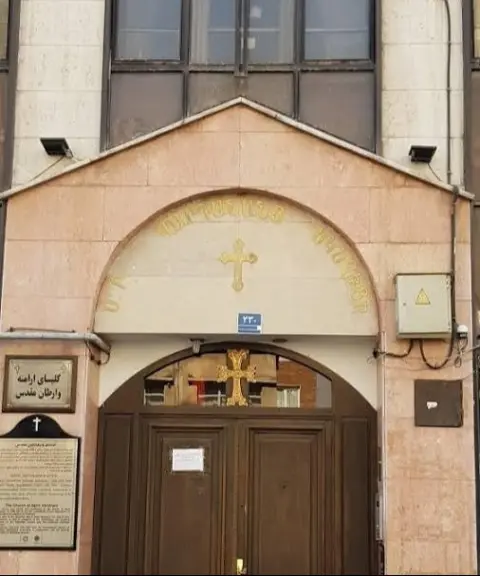
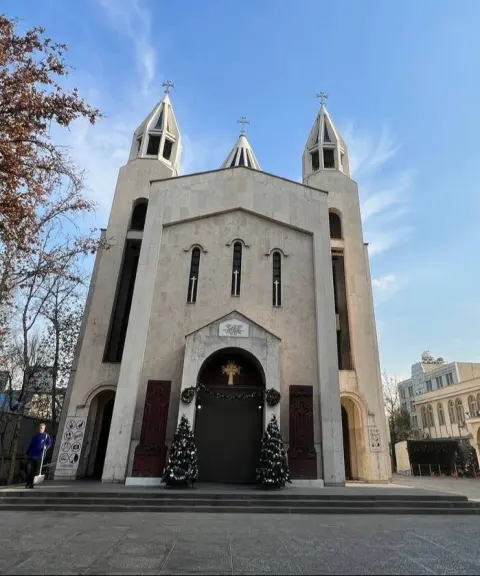
Holy Vartan Church (Surb Vardanants)
Province Tehran
- Walking
A Legacy of Qajar Architecture in the Heart of Tehran
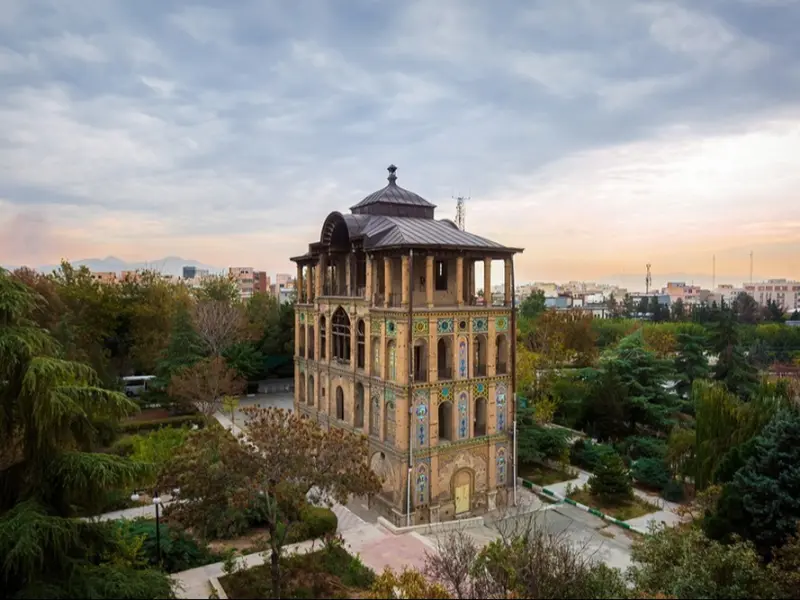
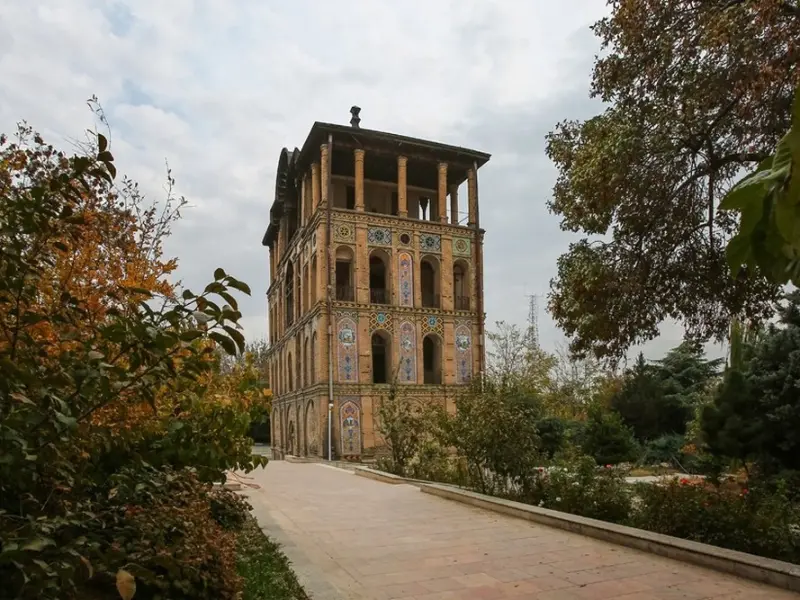
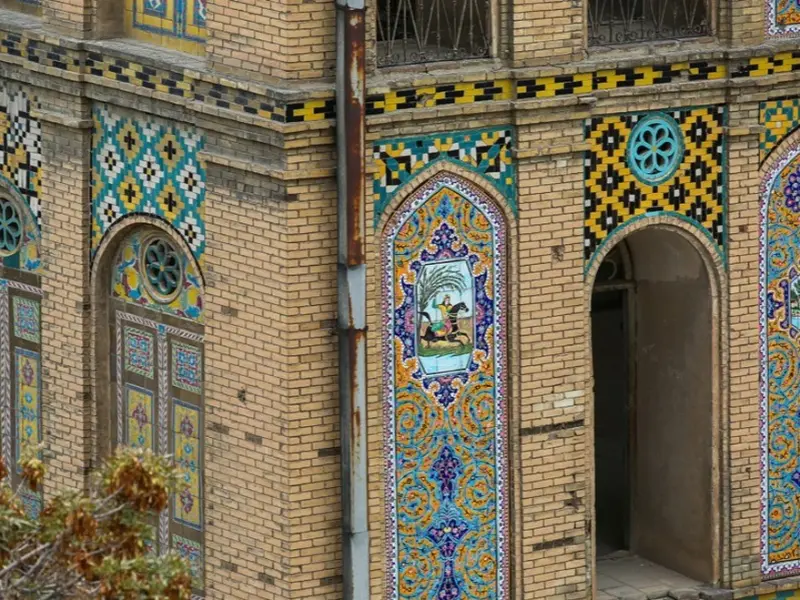
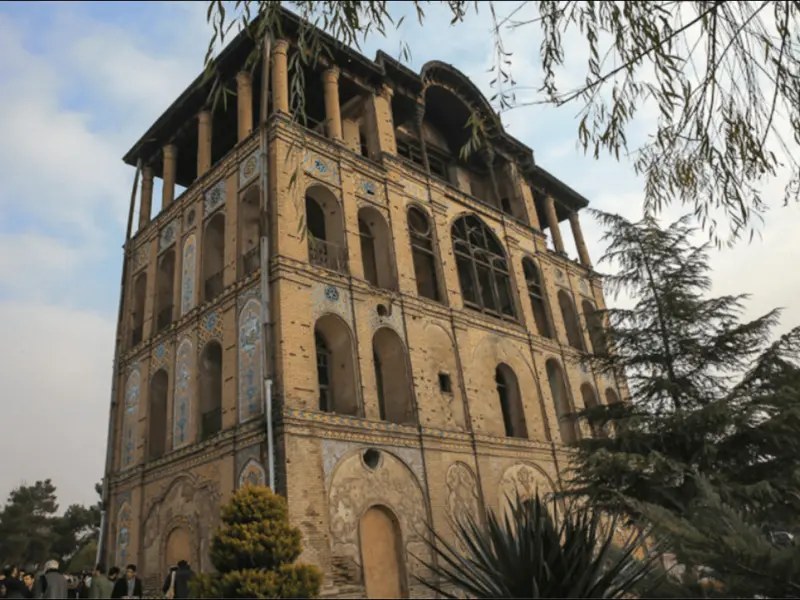
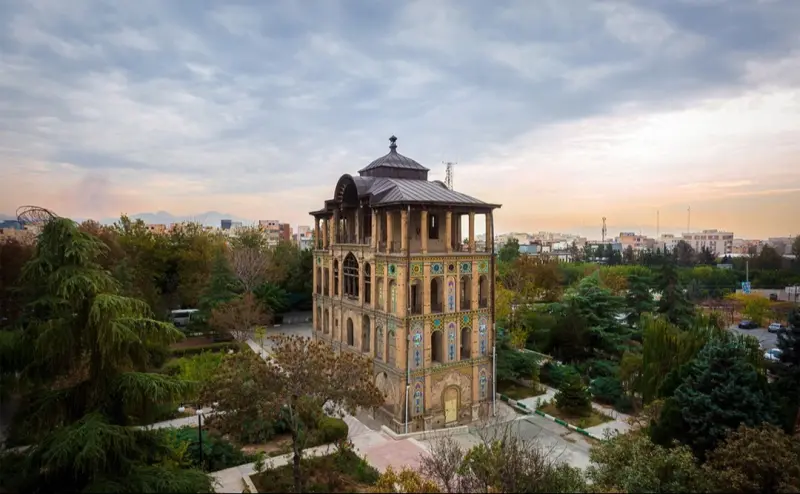
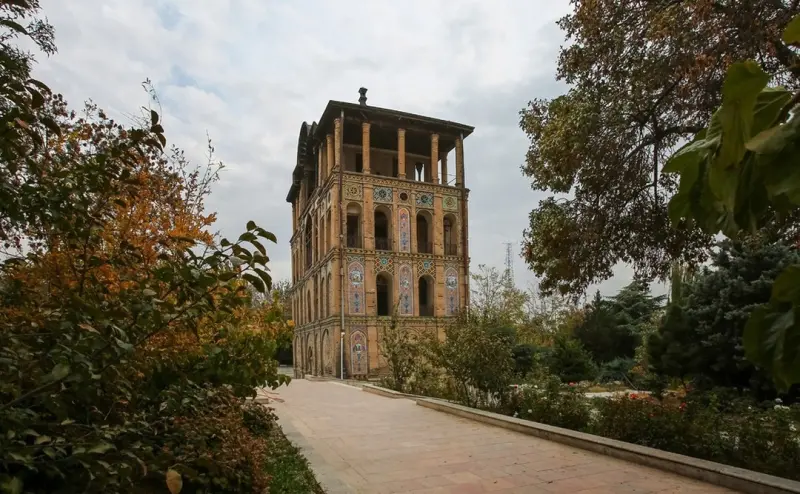
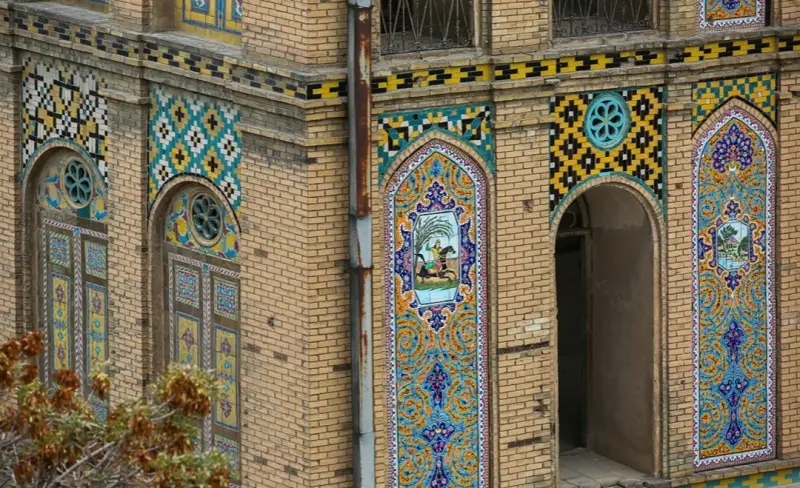
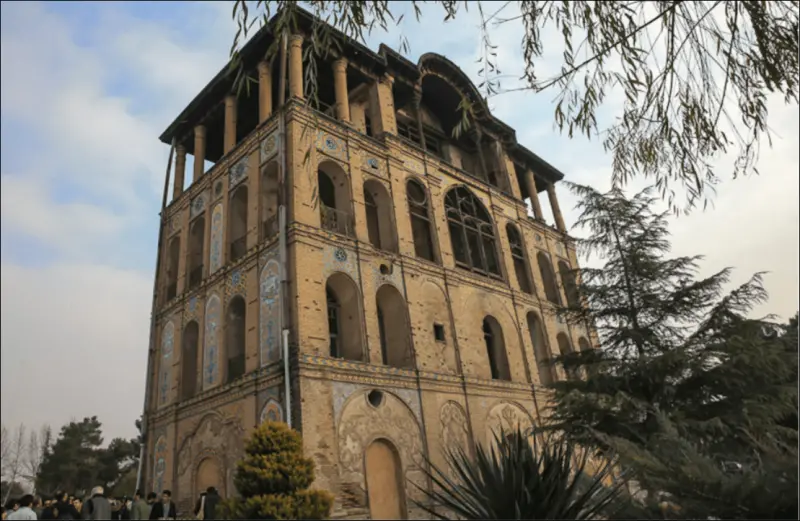
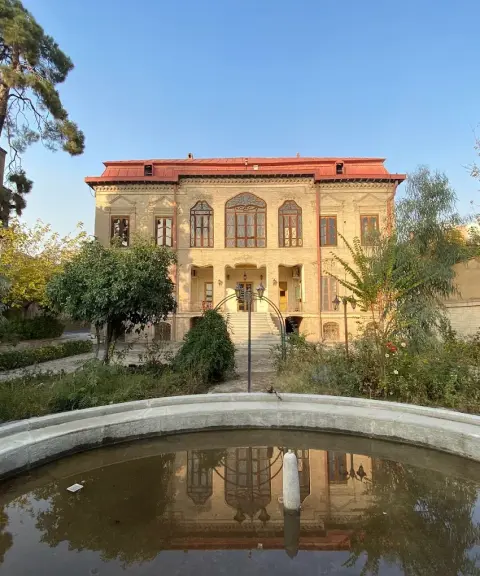
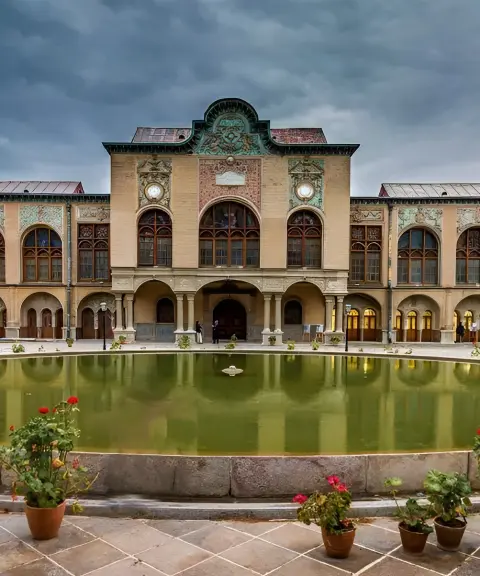
The Eshratabad Kolah-Farangi Mansion, also known as the Eshratabad Palace or Eshratabad Pavilion, is one of the most distinctive buildings of the Naser al-Din Shah Qajar era, located in eastern Tehran. It was built in 1291 AH (1874 CE) by order of Naser al-Din Shah in a large garden in the Sorkheh Hesar area. The building stands within what is now the area of Sepah Square and the Vali-e Asr Garrison (the Eshratabad Garrison), and on 23 Farvardin 1346 it was registered as one of Iran's national monuments under registration number 648.
This four-story mansion was built in the Iranian architectural style with European influences. Its architect was Ali-Mohammad Sanei, whose outstanding design brought about an important transformation in the architecture of Tehran. Around the mansion's central pool there were about thirty small two-room houses arranged in a semicircle, with doors and windows opening toward the center of the pool; each belonged to one of the Shah's wives. The third floor of the mansion was the royal chamber (shah-neshin), decorated with beautiful mirror work and muqarnas. During the Qajar period, the garden was a venue for wedding ceremonies and royal entertainment.
After the fall of the Qajar dynasty, the garden and mansion were handed over to the police and turned into the Eshratabad Garrison. The Eshratabad Prison was located in this garrison, where Ayatollah Khomeini was held for one month and seven days after the events of 15 Khordad 1342. After the Islamic Revolution, the garrison was handed over to the Air Force of the Islamic Revolutionary Guard Corps and renamed the Vali-e Asr Garrison. Today, because of its military use, the site is not open to the public, and only the main mansion remains.
Written by ستایش عرب Last updated
What you can do here, and what it takes
مسیرهای اطراف عمارت برای پیادهروی و گشتوگذار مناسب هستند.
Province Tehran
Province Tehran
Province Tehran
Province Tehran
Unfortunately, no comments have been registered.