
 Attractions
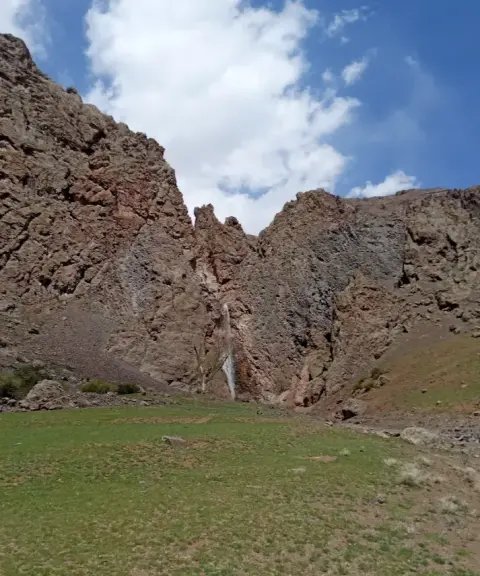
Ista Village
A Gem of Tradition and Life Without Technology in the Heart of Taleqan
- Attractions
- Alborz, Taleqan
- Altitude 1,828 m
- Ability level Beginner
Ability level:
Beginner
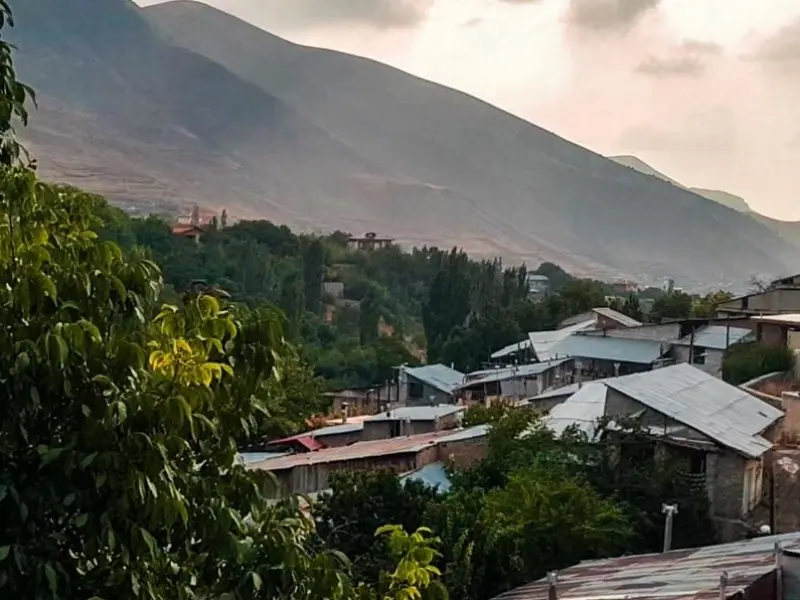
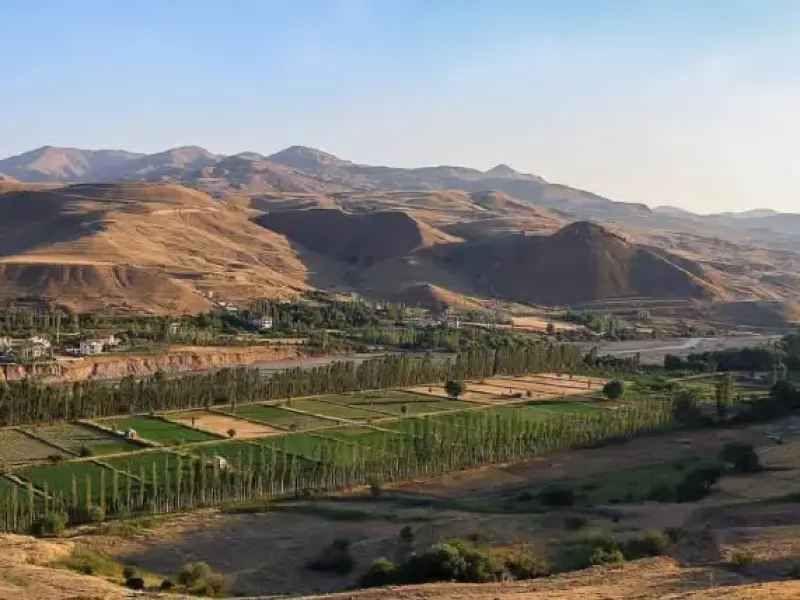
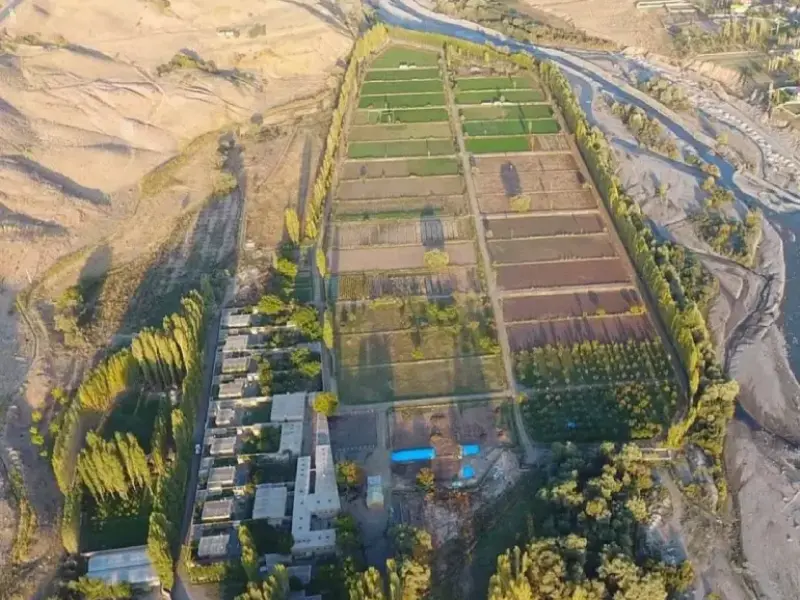
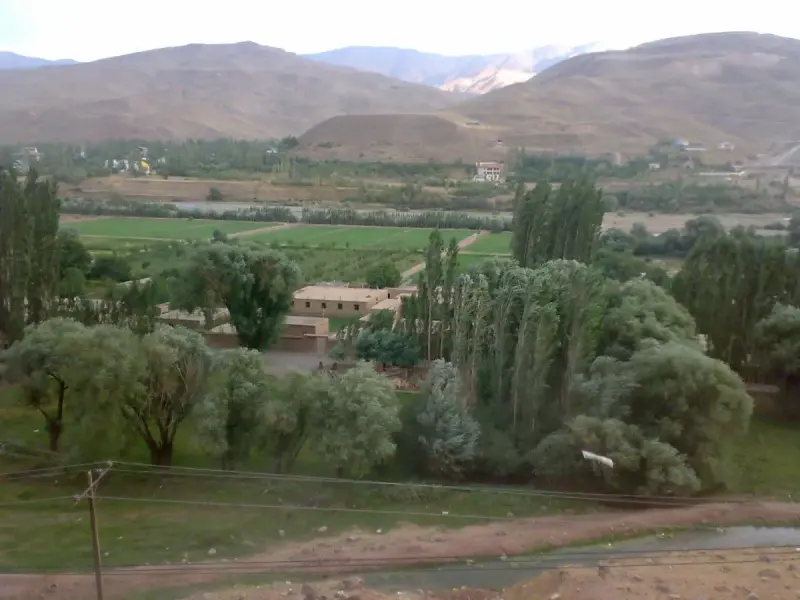
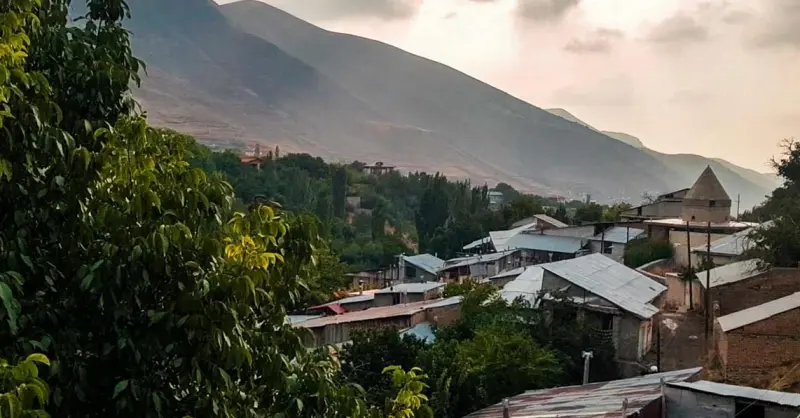
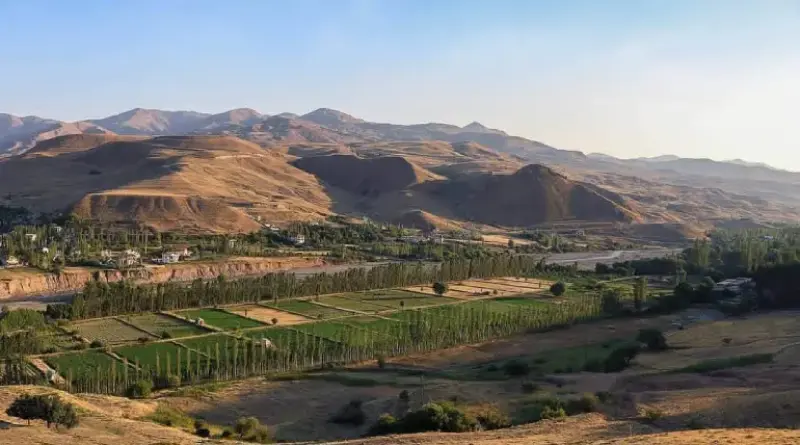
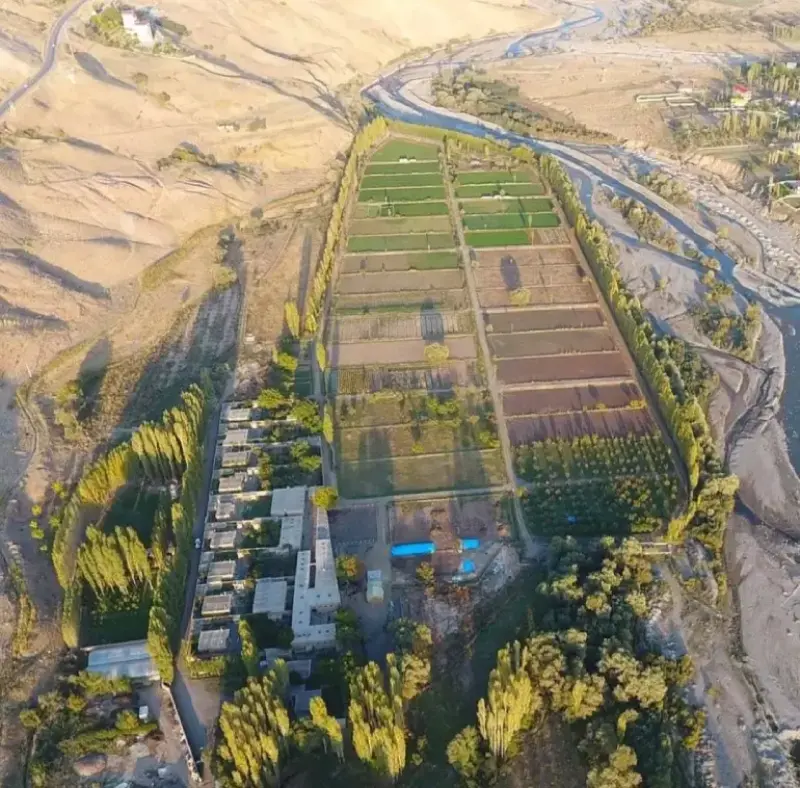
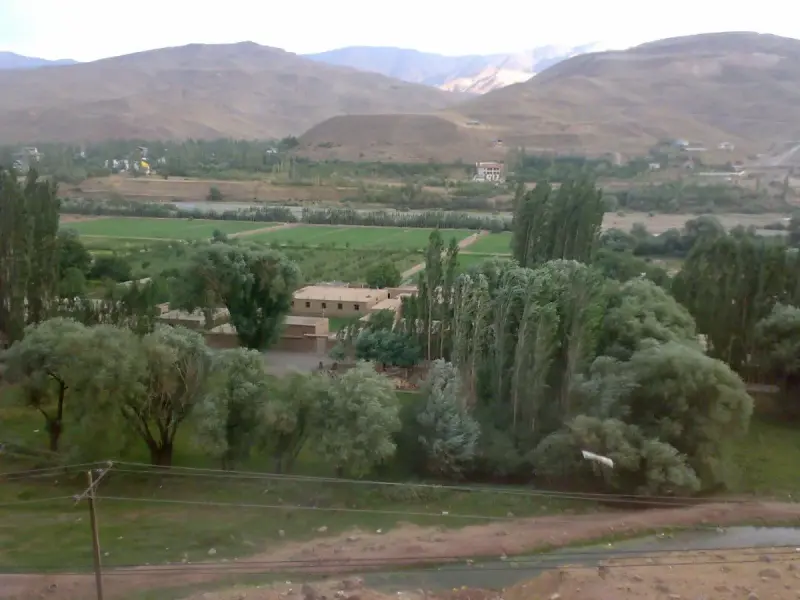
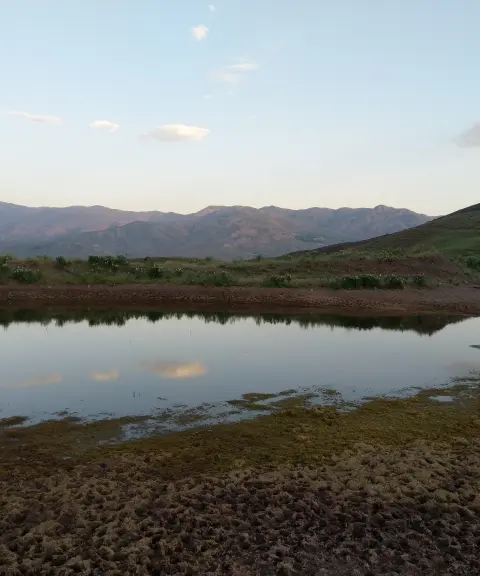
Ista Village, in Taleqan County, Alborz Province, is one of Iran's most unique villages, set amid pristine mountain scenery. It lies on the road to Taleqan, past Avanak and beside a river. About 70 kilometres from Karaj, it is known as one of the most unusual tourist destinations in northern Iran. Its residents are a group of migrants from Tabriz who, in 1369 (Solar Hijri), after a brief stay in Tonekabon, moved to Taleqan and bought land in the area. The village has several local names, including "Torkabad", "Fanusabad" and the "Village of the Waiting Ones" (Rustay-e Montazeran). Believing in the reappearance of Imam Mahdi (may God hasten his return), the villagers organise their lives around specific principles and avoid modern technology. They use no electricity, gas or telephones, and even refuse identity documents; in effect, they live in a kind of bygone era.
Life in the village is based entirely on Shia jurisprudence, following the Akhbari approach, and every aspect of it, including literacy, food, clothing and social relations, is directly shaped by religious beliefs. They do not even use books printed with metal type, and consider only books produced by traditional printing to be valid. They oppose the trappings of modernity, regarding them as innovation and imitation of unbelievers, and believe they are living in the end times. They also take no part in social or political activity, and neither impose nor promote their beliefs on others. In this village, women are not allowed to leave their homes, and all marriages take place within the village, among relatives by blood or by marriage. The people of Ista speak Turkic (Azerbaijani Turkish) and weave their own clothes by hand. Even mourning and wedding ceremonies are not held in the village, and life there continues in the Qajar style. In this village, women are not allowed to leave their homes, and all marriages take place within the village, among relatives by blood or by marriage. The people of Ista speak Turkic (Azerbaijani Turkish) and weave their own clothes by hand. Even mourning and wedding ceremonies are not held in the village, and life there continues in the Qajar style.
The way of life in Ista differs strikingly from that of modern societies. Women rarely leave the house, children are taught at home and only from the Qur'an and the book of religious rulings by Mirza Sadeq Tabrizi, and there are no ceremonies such as weddings, birthday parties or mourning gatherings as they are commonly held. The villagers keep their distance from strangers, do not allow photography or filming, and strictly guard their privacy. No cars are to be seen in the village, and despite their entirely traditional life without modern comforts, the residents are not in financial difficulty; they cover much of their expenses by selling land they inherited in Tabriz. Although this way of life seems mysterious to many, the people of Ista consider it normal and believe that it is others who have changed, not them.
Written by ستایش عرب Last updated
Activities
What you can do here, and what it takes
-
Walking
مسیرهای کوهستانی اطراف روستا مناسب پیادهروی تفریحی و گشتوگذار است.
Specifications
Introduction of the location and specifications of Ista Village
Location:
Alborz, Taleqan
Coordinates:
36.17690000, 50.78406000
Open in maps
Height above mean sea:
1828 meter
Floras:
Temperate Grasslands
Faunas:
Presence of Allergenic Insects, Presence of Herbivorous Animals
Transports:
Private car, Minibus, Bus
Tourist Attractions in Alborz
Attractions that are nearby

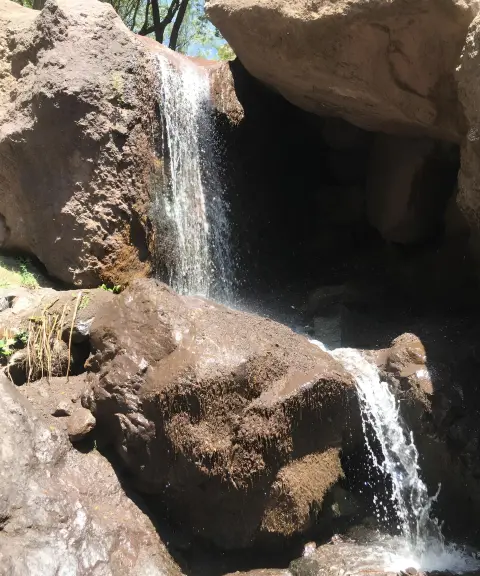
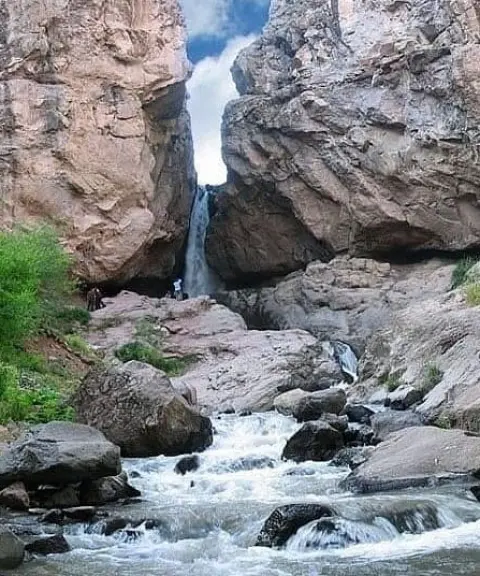
Segran Waterfall
Province Alborz
- Walking
- Mountaineering
A spectacular sight on the lush slopes of Taleghan
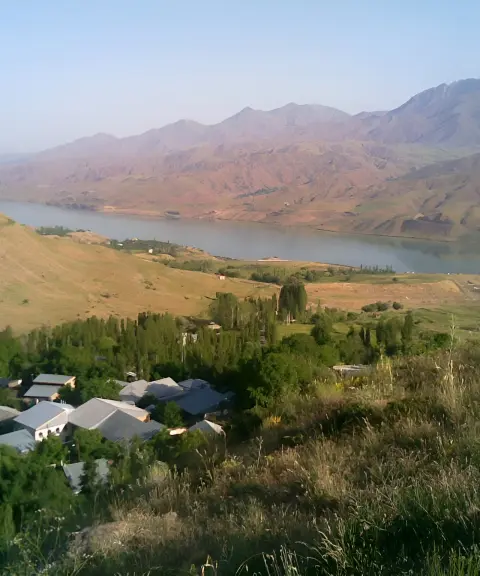
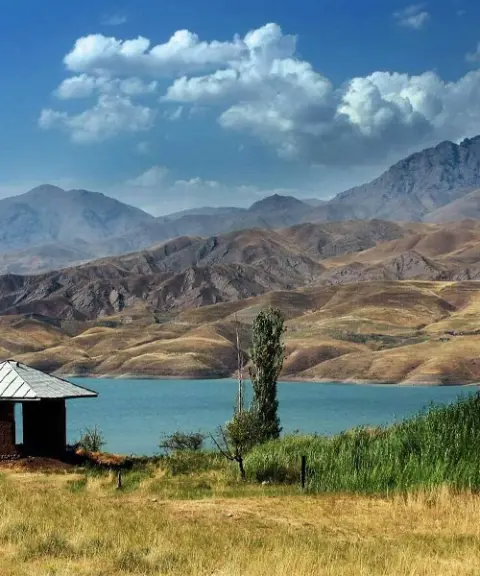
Barikan Village
Province Alborz
- Walking
A mountain village in Taleqan with scenic nature and ancient roots
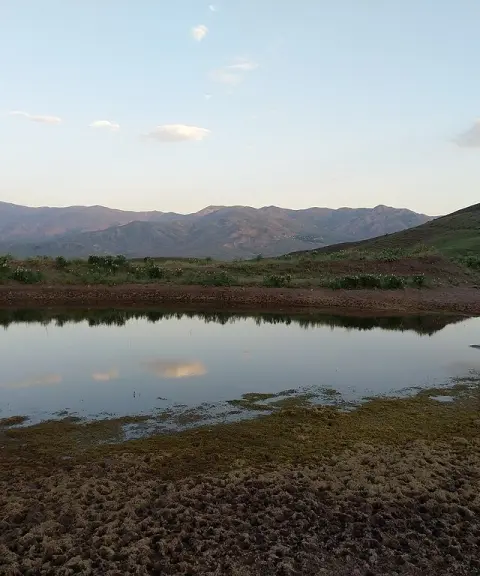

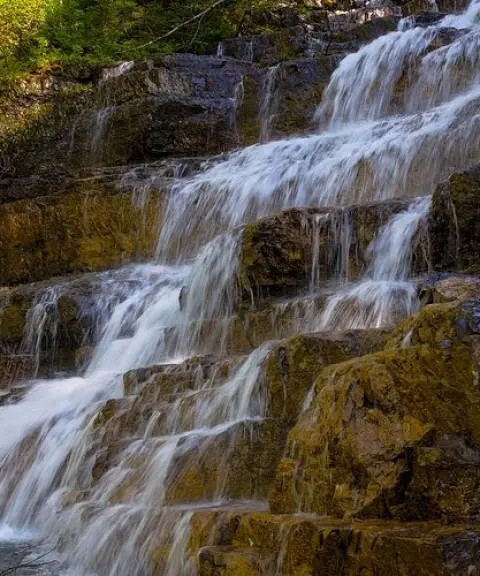
Karkabud Waterfall
Province Alborz
- Swimming
- Walking
A beautiful attraction in the heart of Taleqan's nature
Related tags:
Unfortunately, no comments have been registered.