
 Attractions
- Ability level Beginner
Ability level:
Beginner
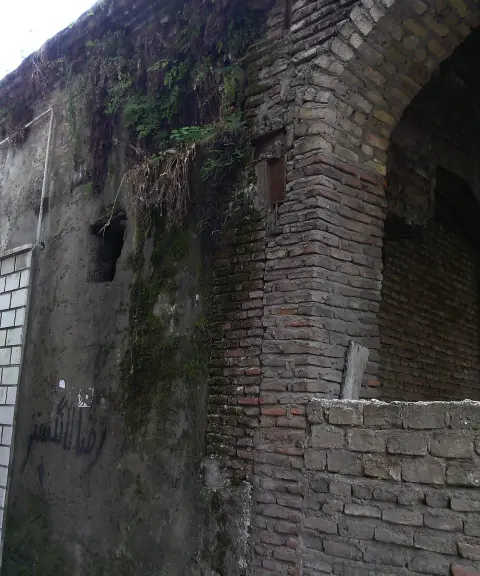
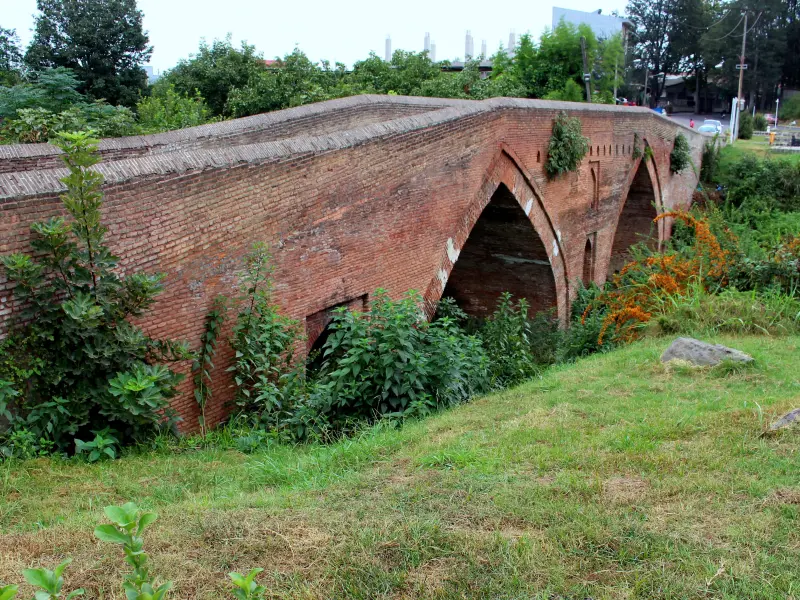
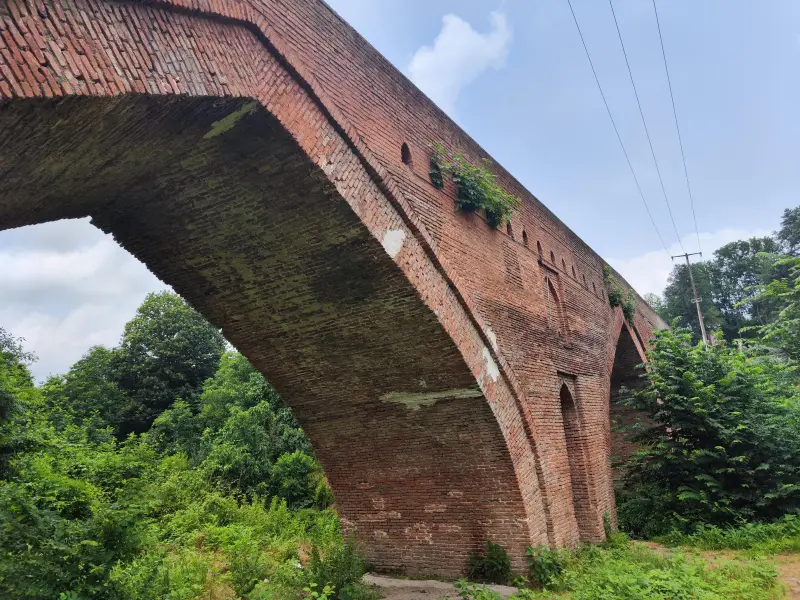
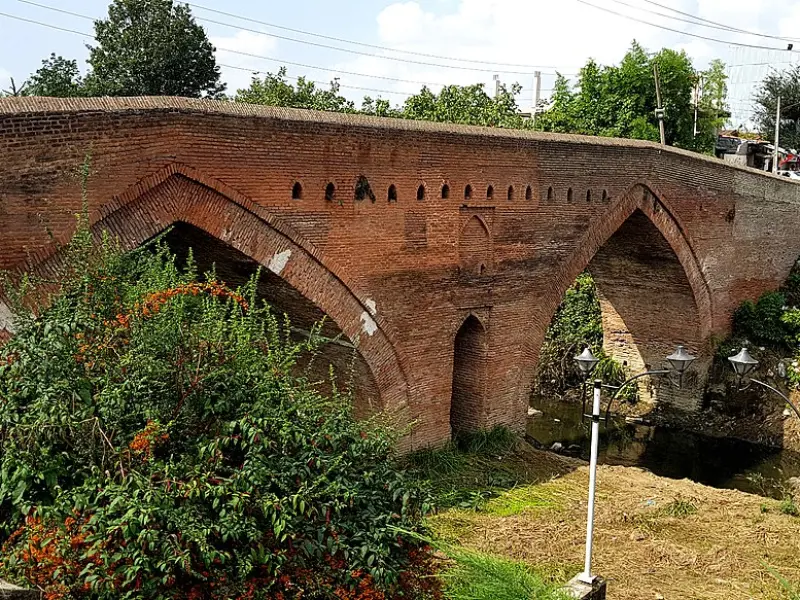
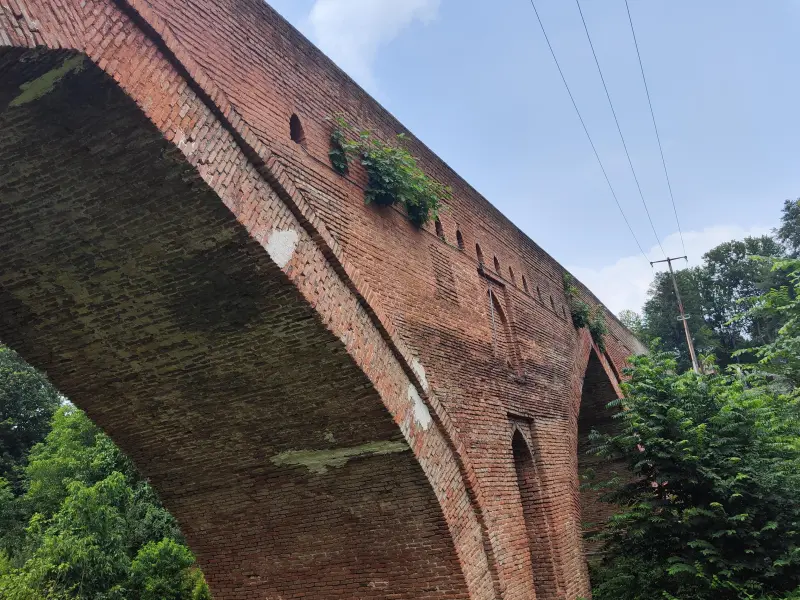
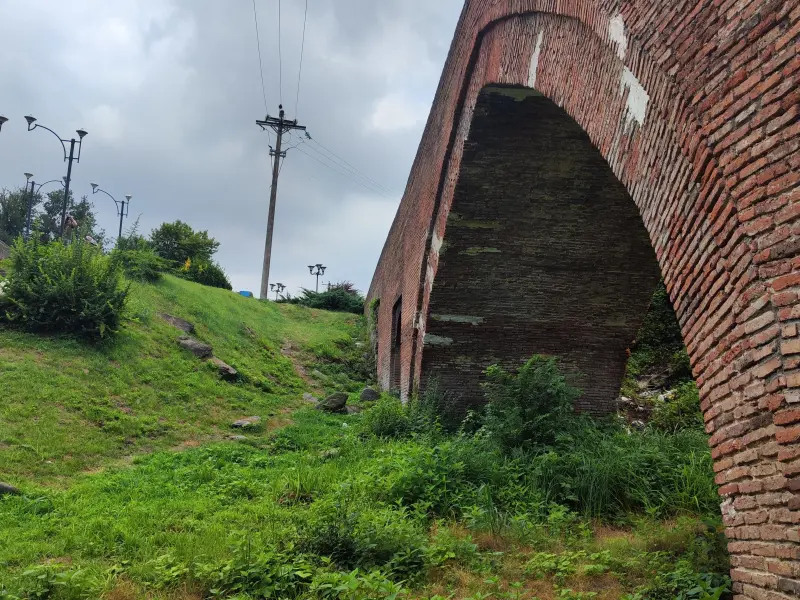
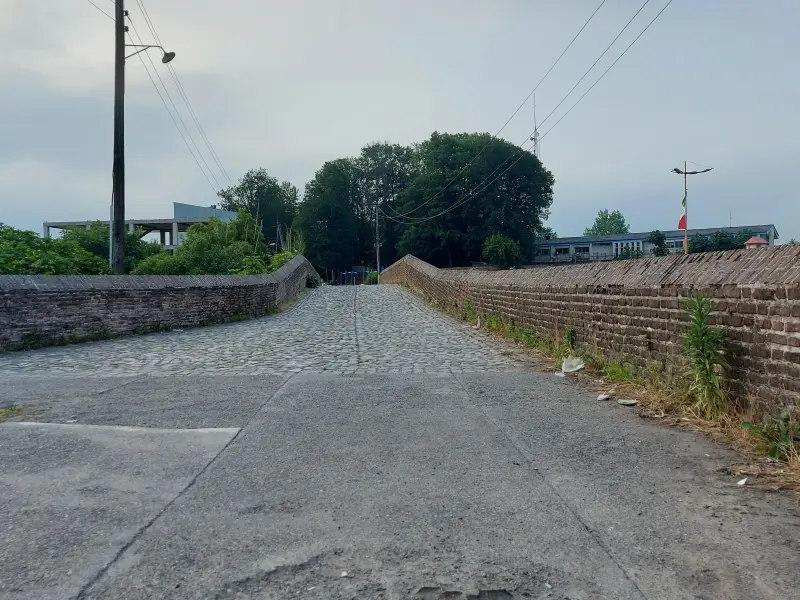
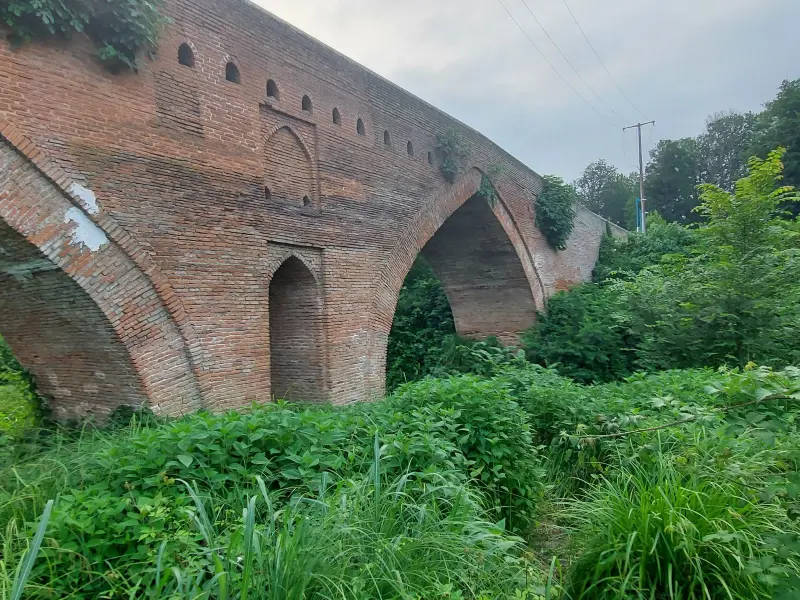
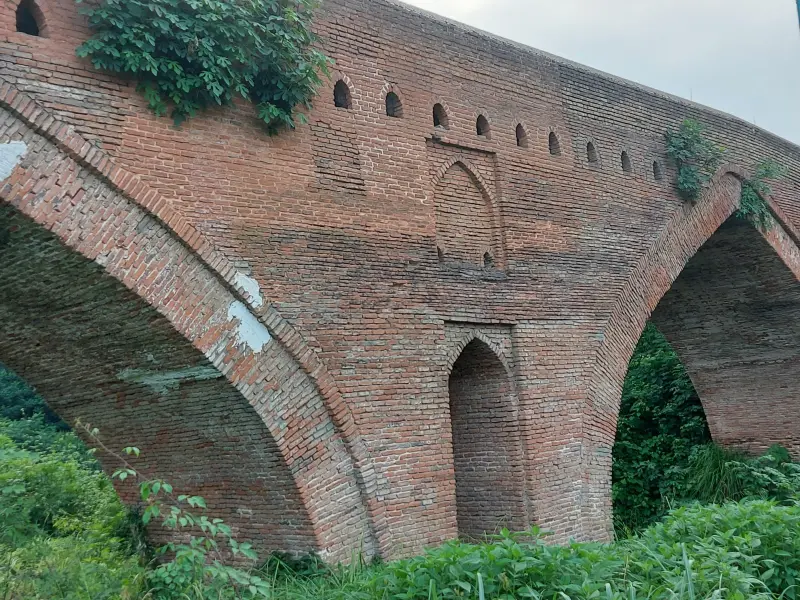
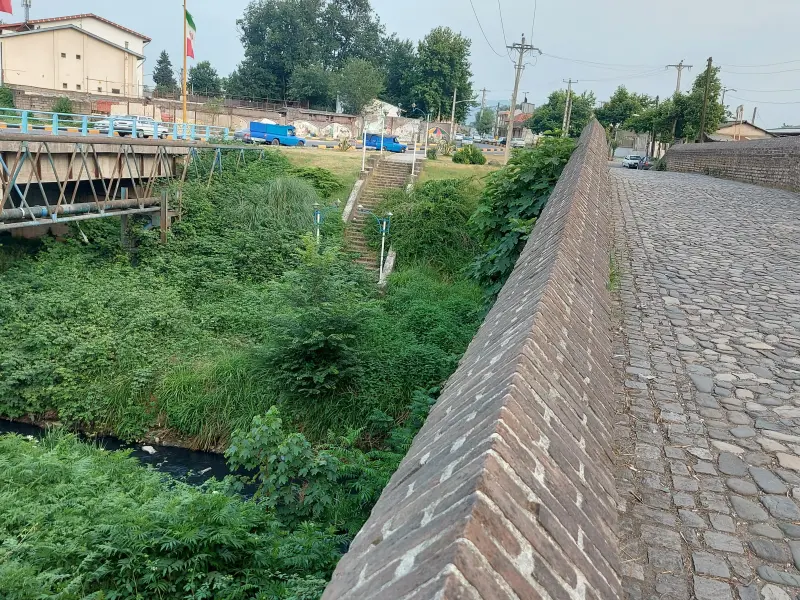
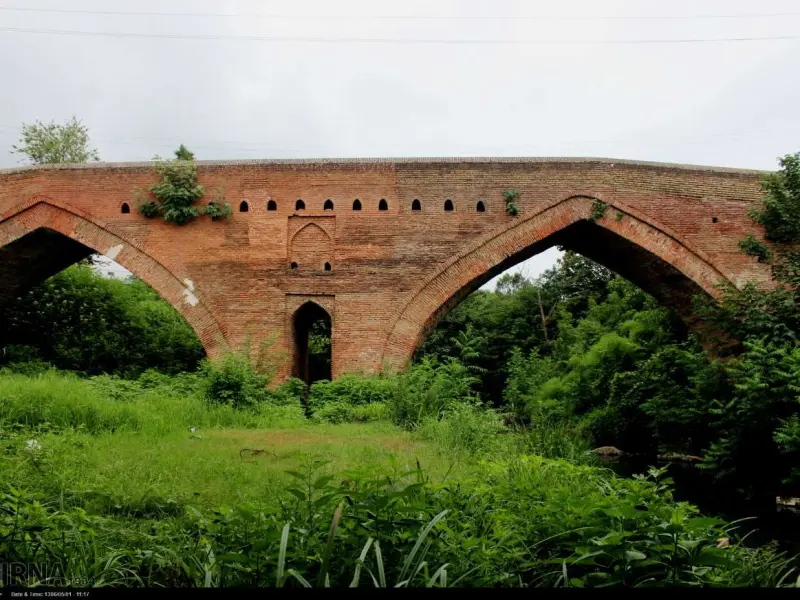
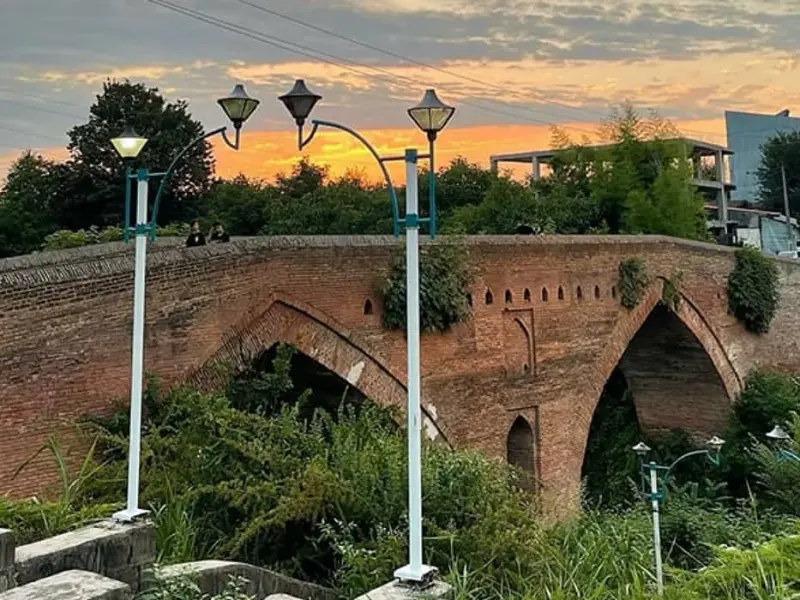
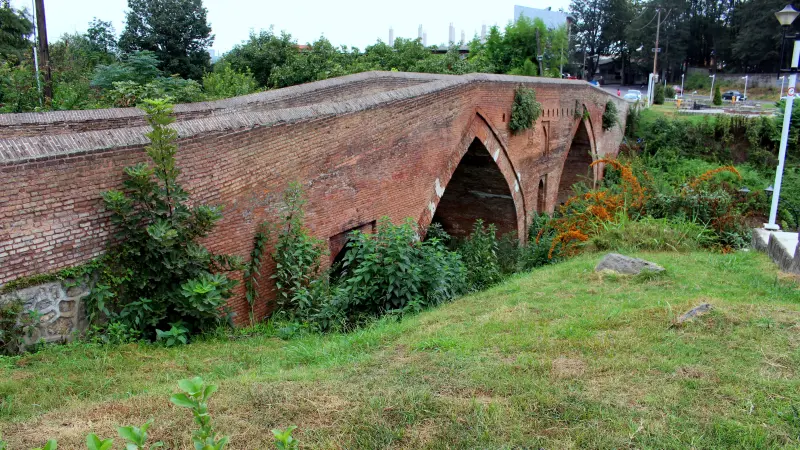
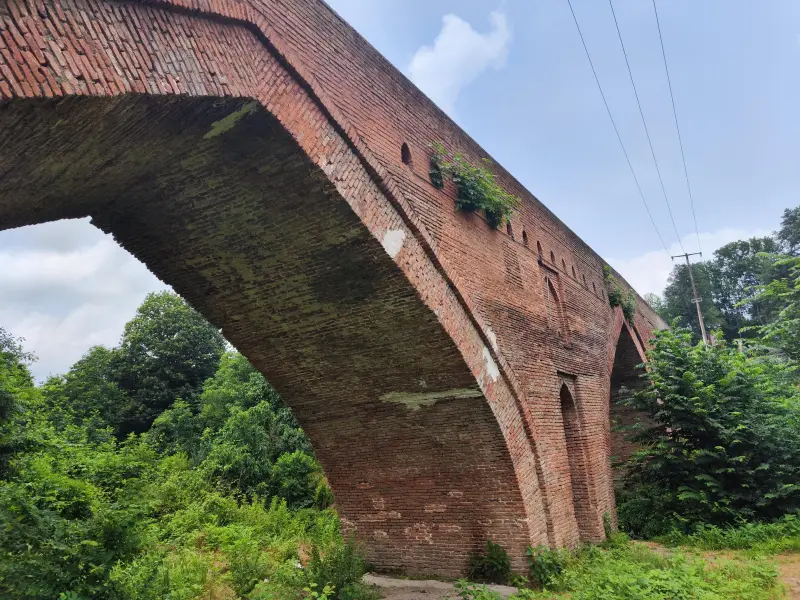
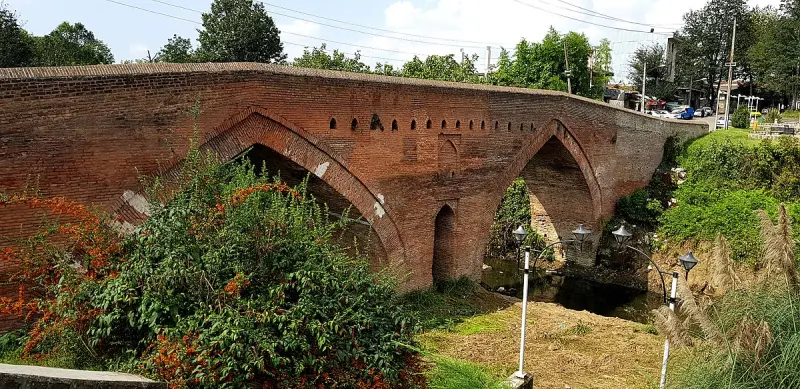
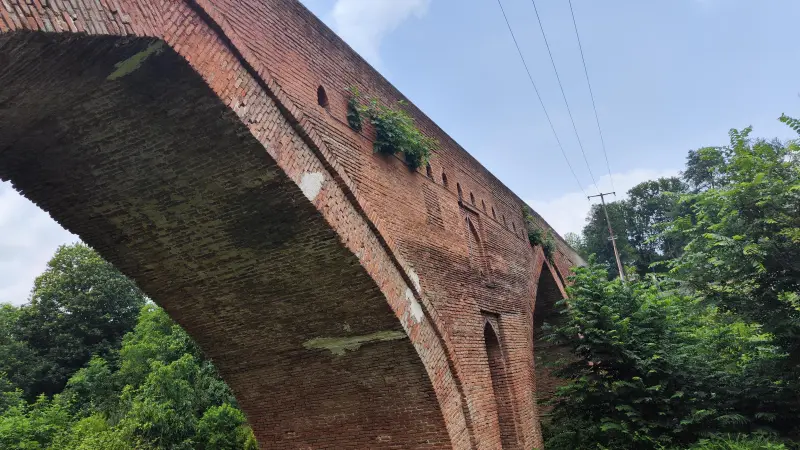
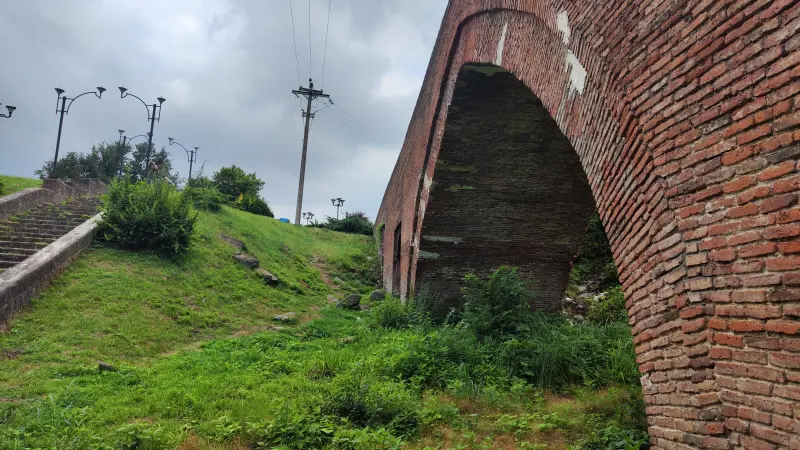
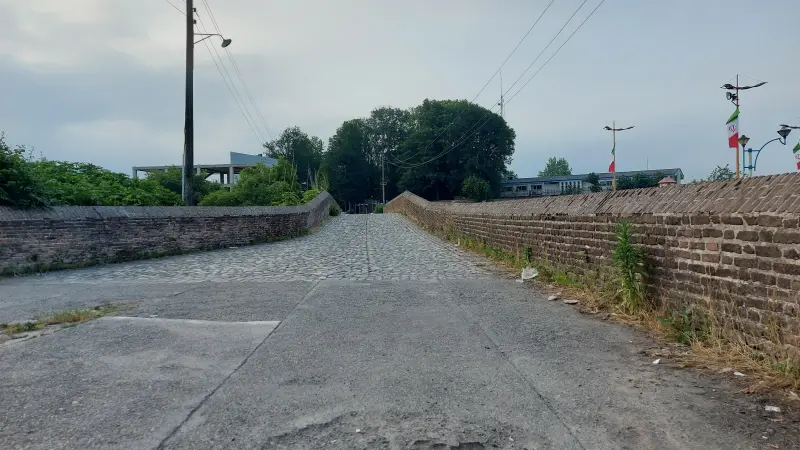
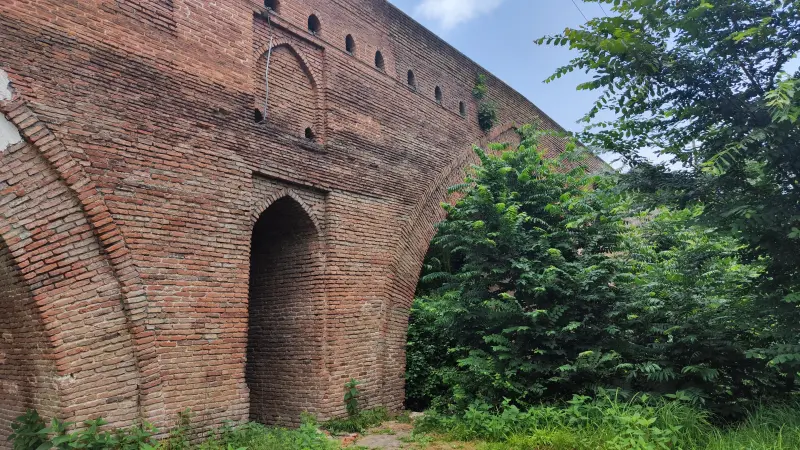
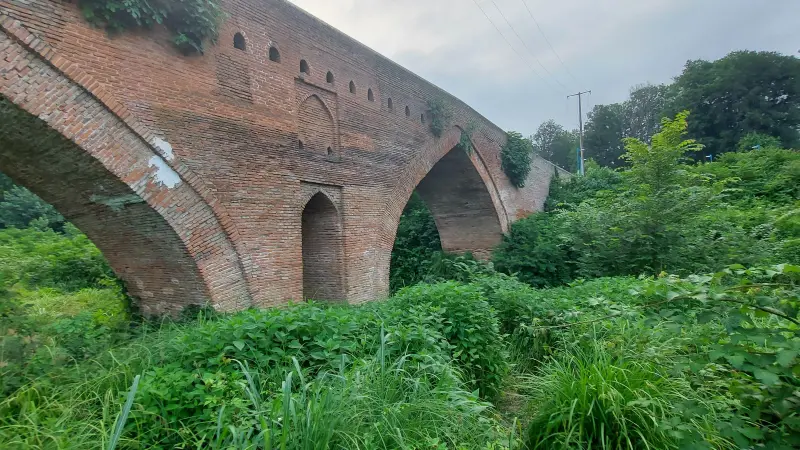
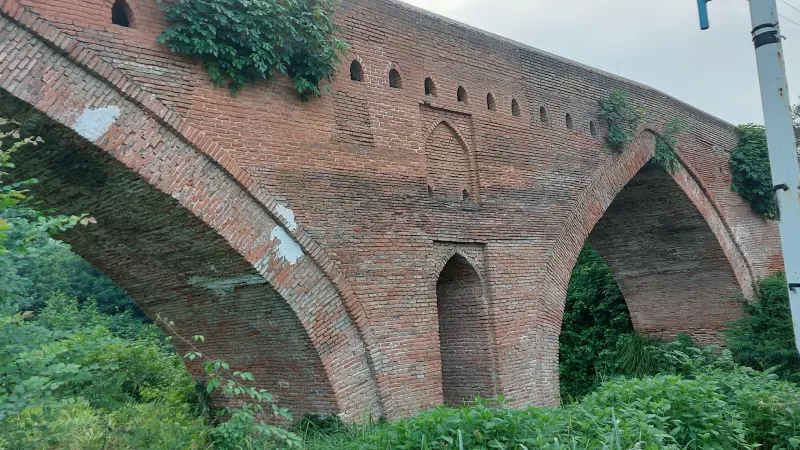
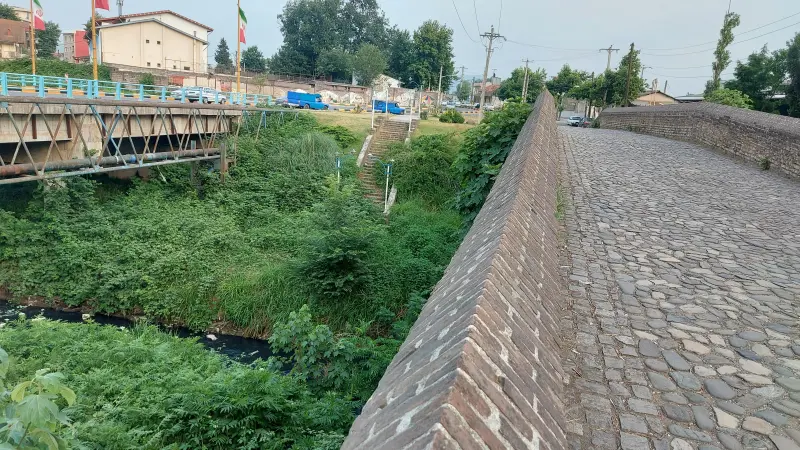
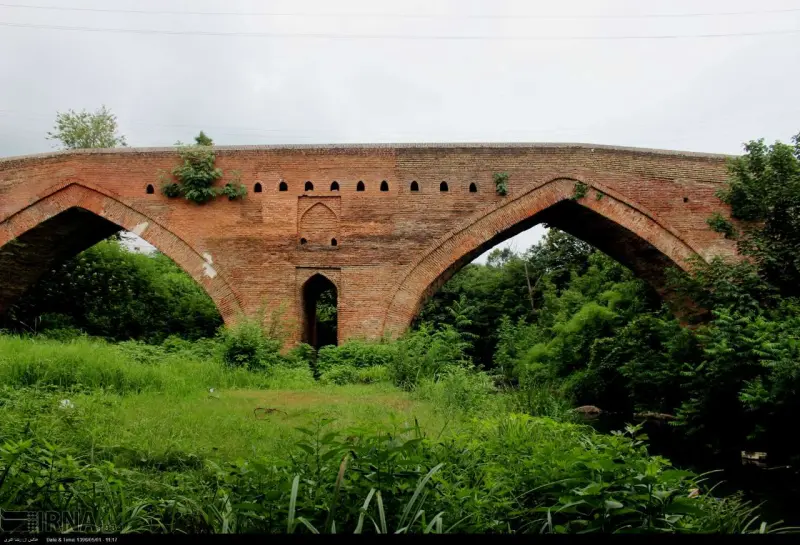
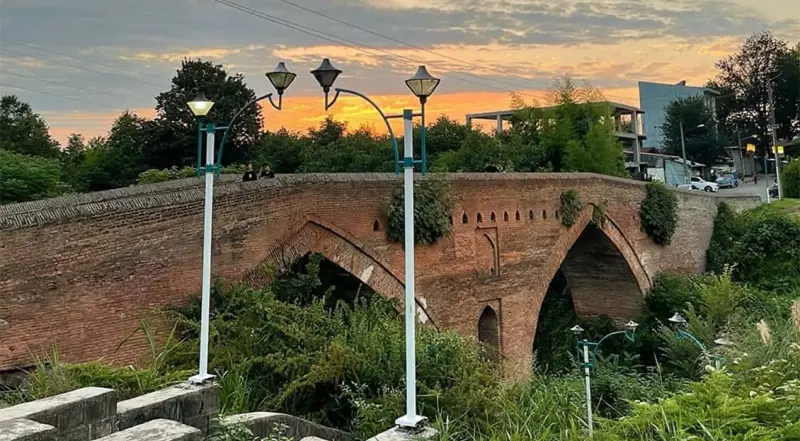
The Kheshti Bridge of Lahijan is one of the most remarkable historic monuments of Gilan Province and the city of Lahijan. It dates back to the 9th century AH (Hijri lunar) and the Kiyai dynasty. The bridge stands in the Pardasar neighbourhood and was registered as a National Monument of Iran on 20 Dey 1355 under registration number 1433. Built over the Sim-Rud (also called Sim-Ju) River, it was constructed of red brick, lime mortar and sarooj (a traditional waterproof mortar). It has five arches, and the middle arch is larger than the others.
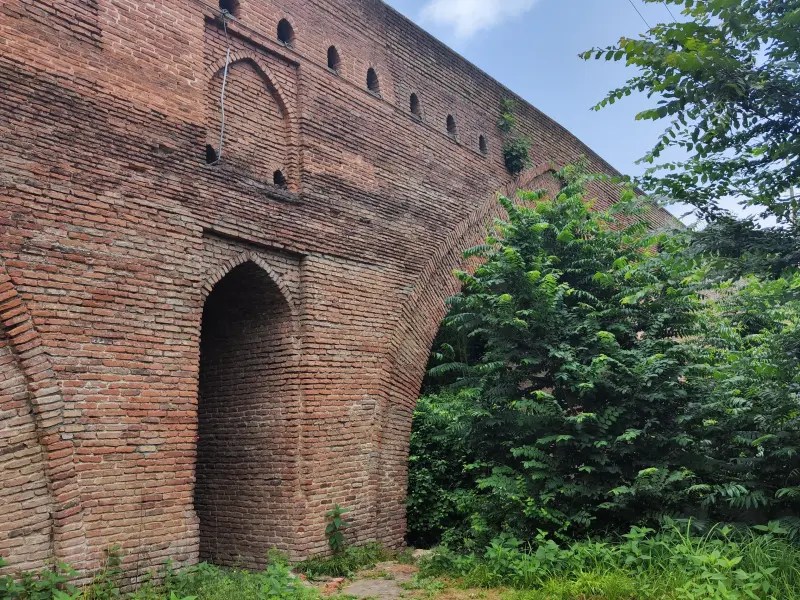
The architecture of the Kheshti Bridge is striking: it is about 50 metres long, 4.5 metres wide and 11 metres high. It has two large main spans with pointed arches and flood barriers on the sides, while the arches of the other openings are crescent-shaped. Rooms are built into the middle piers and open onto both sides of the bridge through arched doorways. Besides reducing the load on the piers and saving materials, these rooms were used for resting and overnight stays, and they are an example of precise engineering combined with the aesthetics of traditional architecture. In the past, the Kheshti Bridge of Lahijan was part of a Silk Road route and played an important role in the silk trade of this city, which is known as the "City of Silk". Locals also call the bridge Pordasar, Kheshteh Pol and Khesht Pord; in the local language, "pord" means bridge.
To visit the Kheshti Bridge of Lahijan, head to the Pardasar neighbourhood in the northwest of the city; the approximate address is Motahhari Street or Ansari Boulevard, near Entezam Square. If you are travelling by private car, drive west from the centre of Lahijan, and after passing through the Pardasar neighbourhood you will reach the bridge. Signs and local directions make the route easy to follow. The best times to visit are spring, early summer or autumn, when the weather is mild and the soft sunlight, together with the flowing water of the Sim-Rud, gives the bridge a beautiful look. During your visit, it is very important to follow responsible nature-tourism practices, such as not damaging the structure and keeping the surroundings clean.
Written by زهرا لنگری Last updated
Activities
What you can do here, and what it takes
-
Walking
عبور از روی پل و مشاهده طاقها و چشمهها تجربهای ترکیبی از تاریخ و طبیعت است.
Specifications
Introduction of the location and specifications of Kheshti Bridge of Lahijan
Location:
Gilan, Lahijan
Coordinates:
37.20910607, 49.99039469
Open in maps
Transports:
Private car, Minibus, Bus
Native Languages:
Gilak
Tourist Attractions in Gilan
Attractions that are nearby
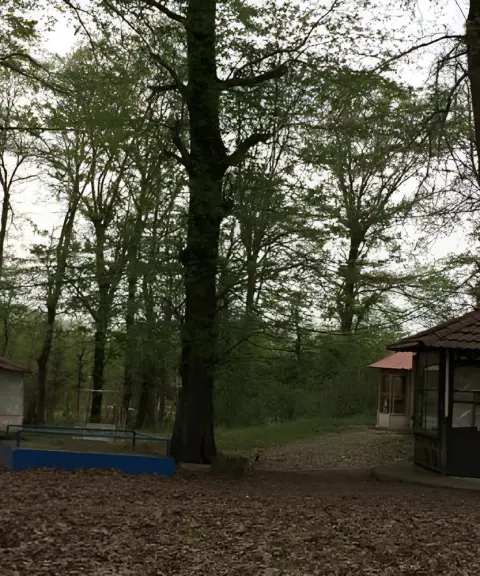

Mirsafa Forest Park
Province Gilan
- Walking
- Cycling
A secluded, lush forest nestled in the embrace of Shaytan Kuh in Lahijan
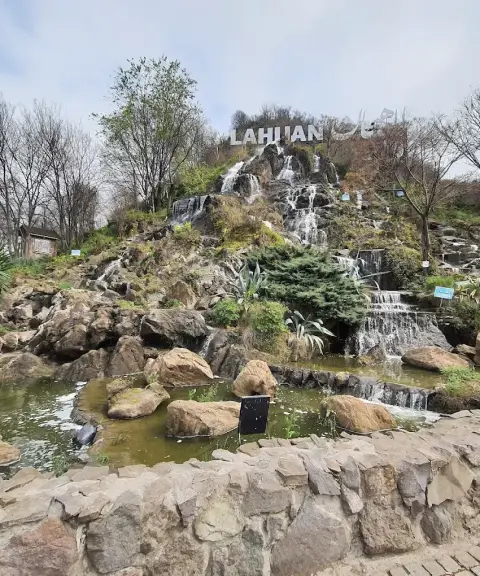

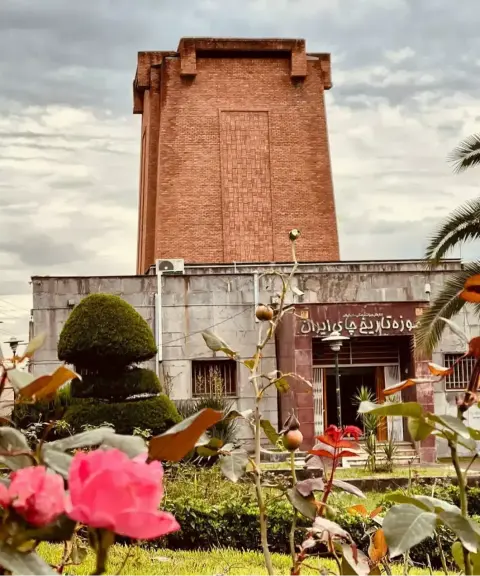
Kashef-ol-Saltaneh Tomb and Iran Tea History Museum
Province Gilan
- Walking
The legacy of the father of Iranian tea in the green city of Lahijan
Sustan Village
Province Gilan
- Walking
- Mountaineering
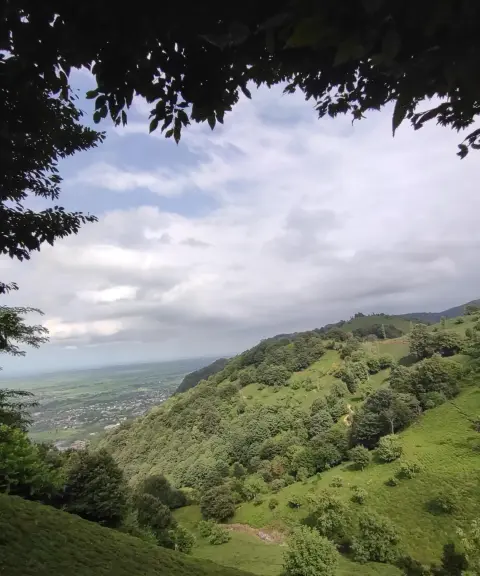
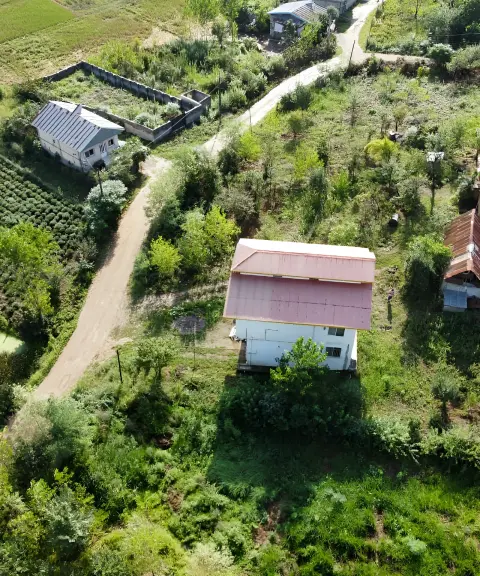
A Glimpse of the Pristine, Green Nature of Lahijan

Related tags:
Unfortunately, no comments have been registered.