
 Attractions
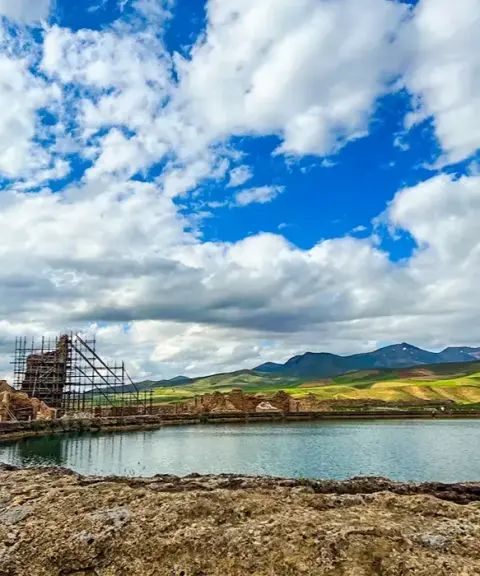

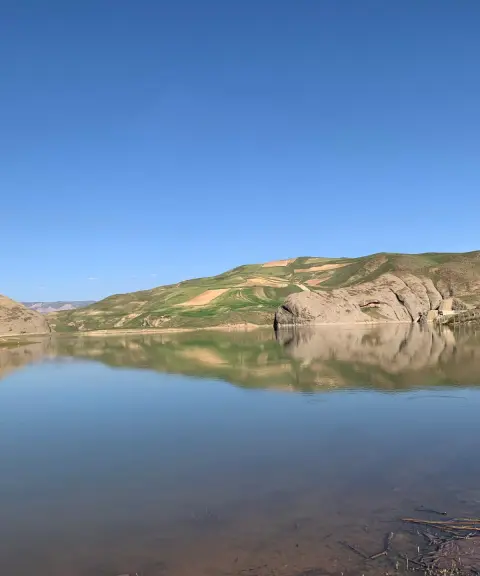
Takht-e Soleyman Lake
Province West Azerbaijan
- Walking
A historic treasure of fire and water in West Azerbaijan
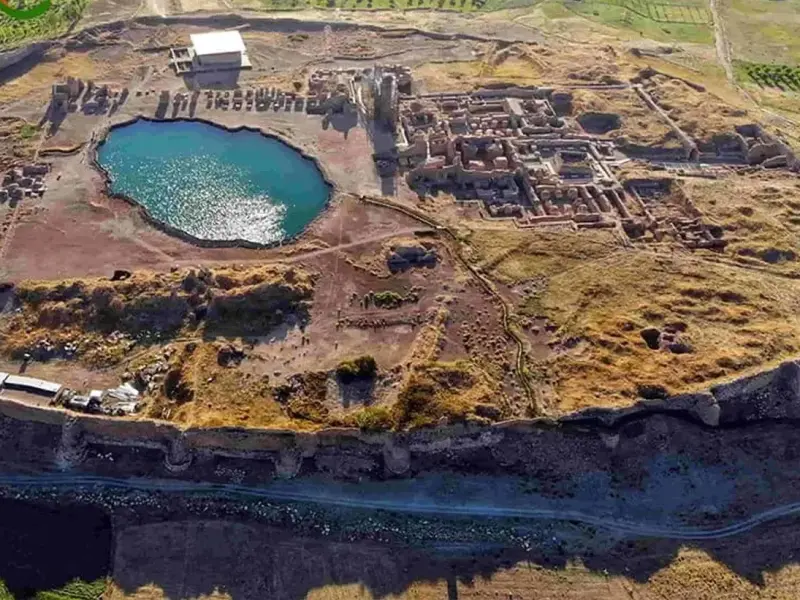
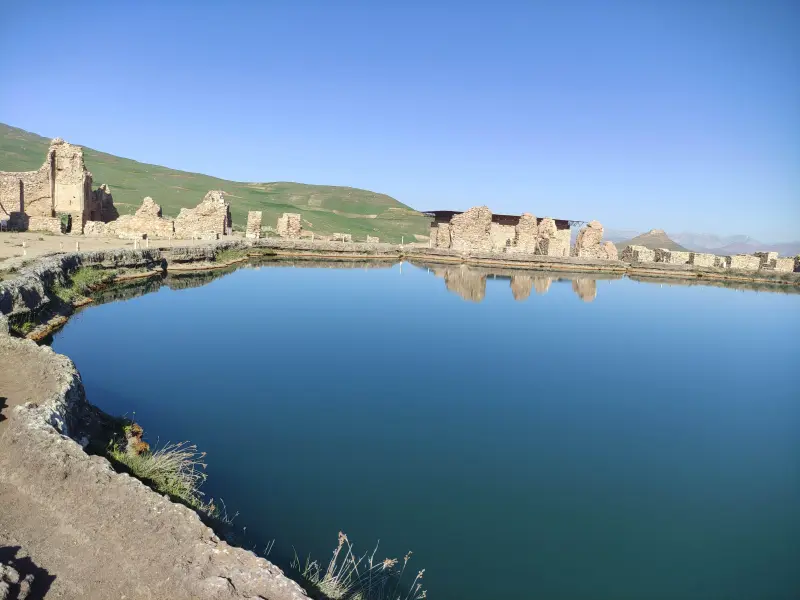
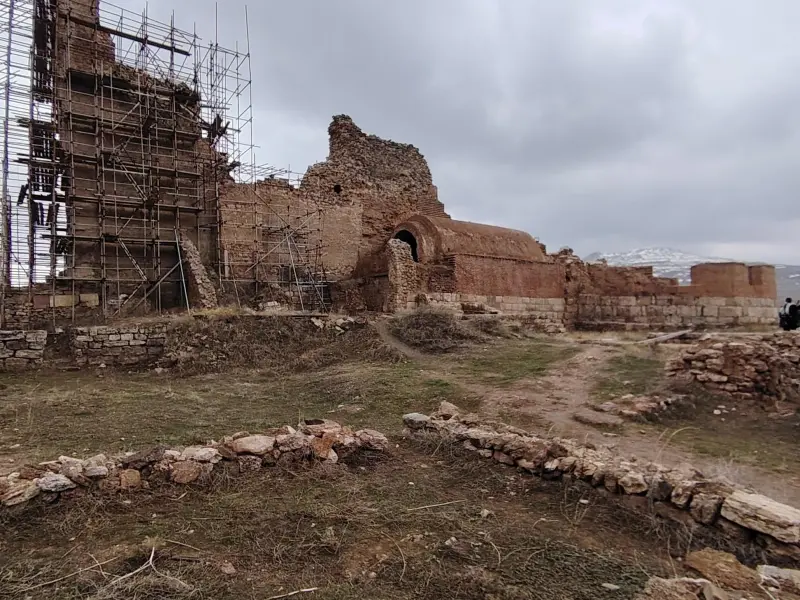
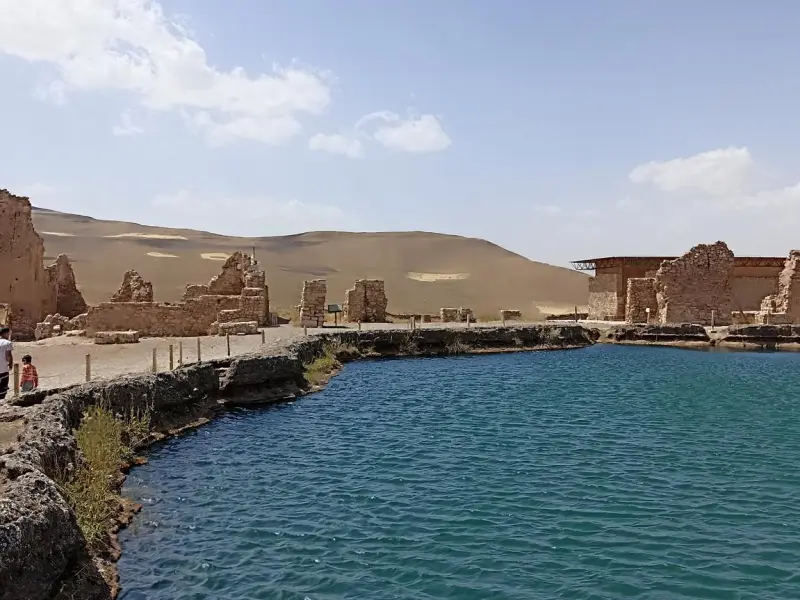
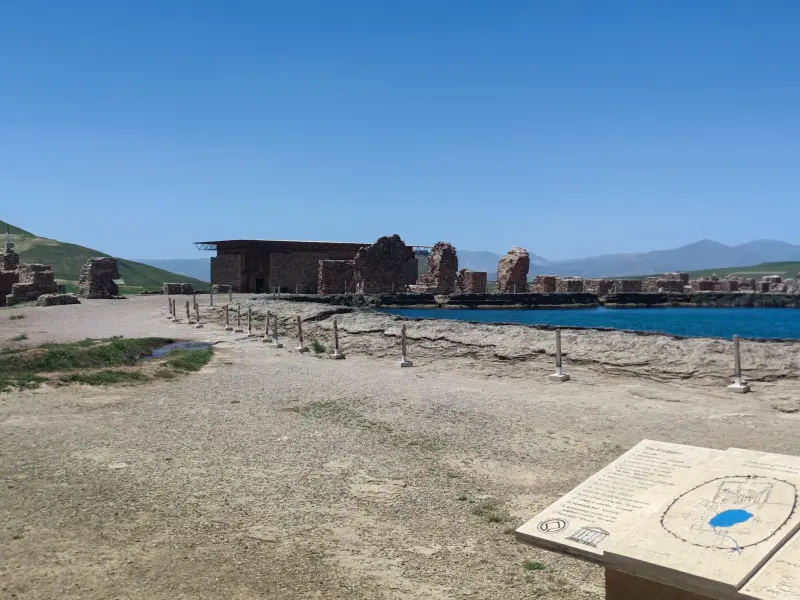
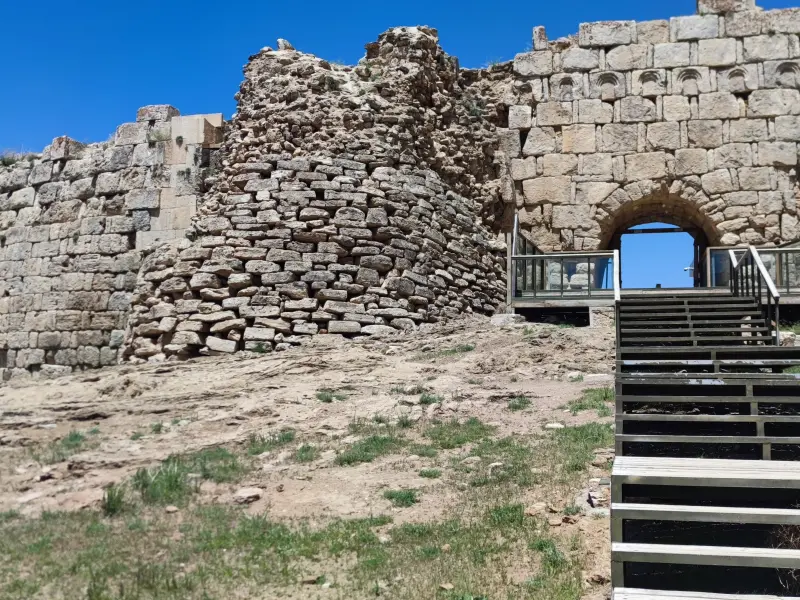
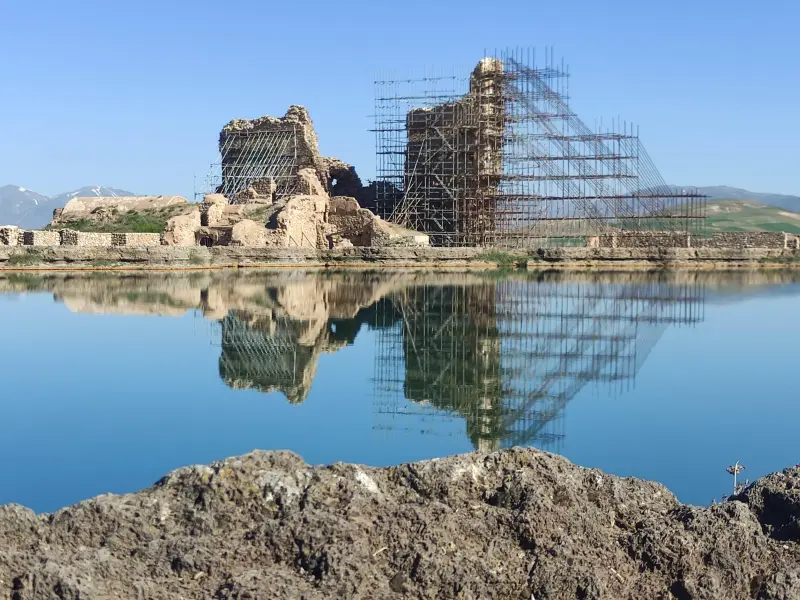
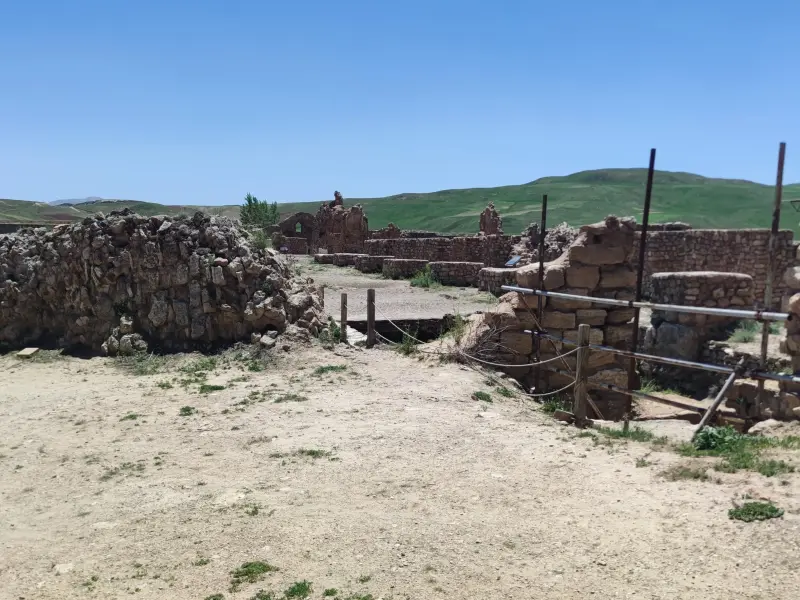
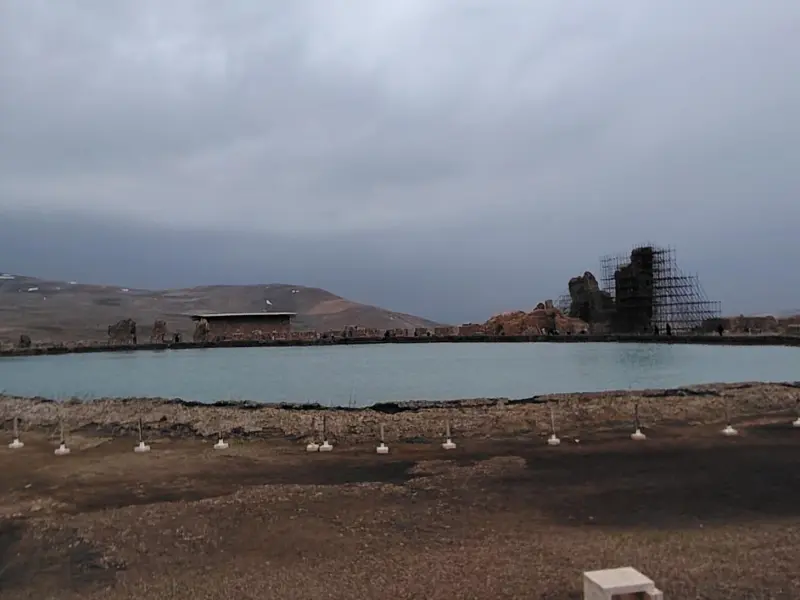
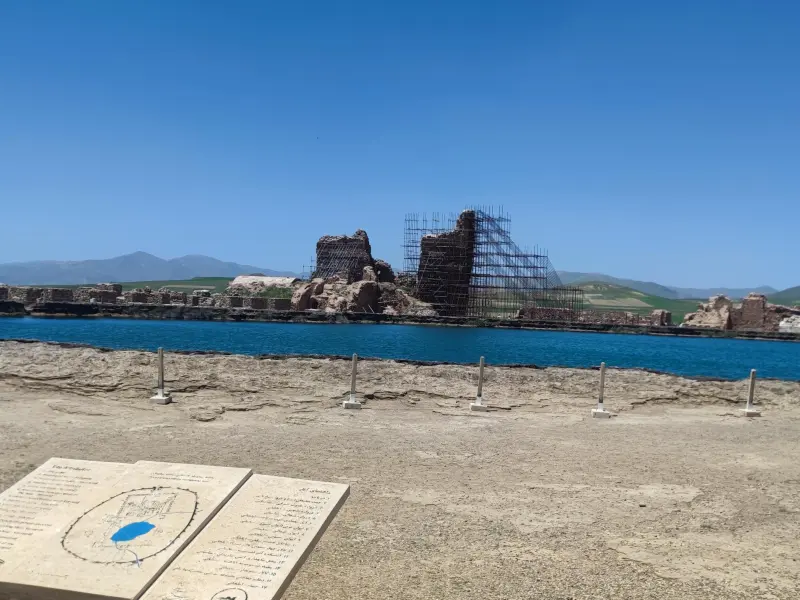
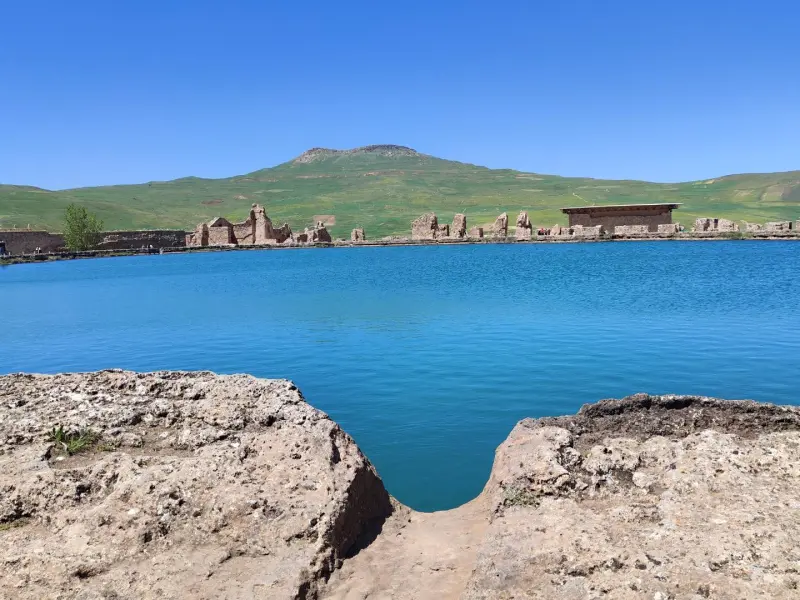
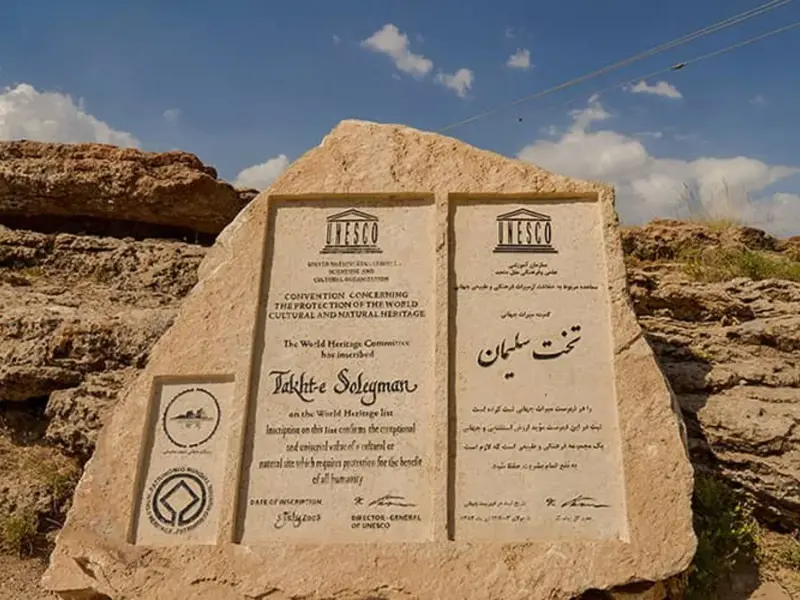
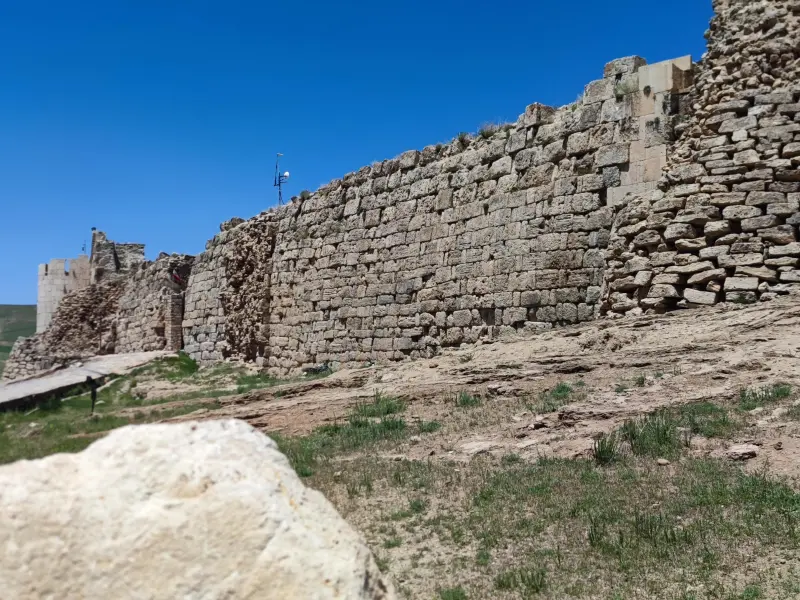
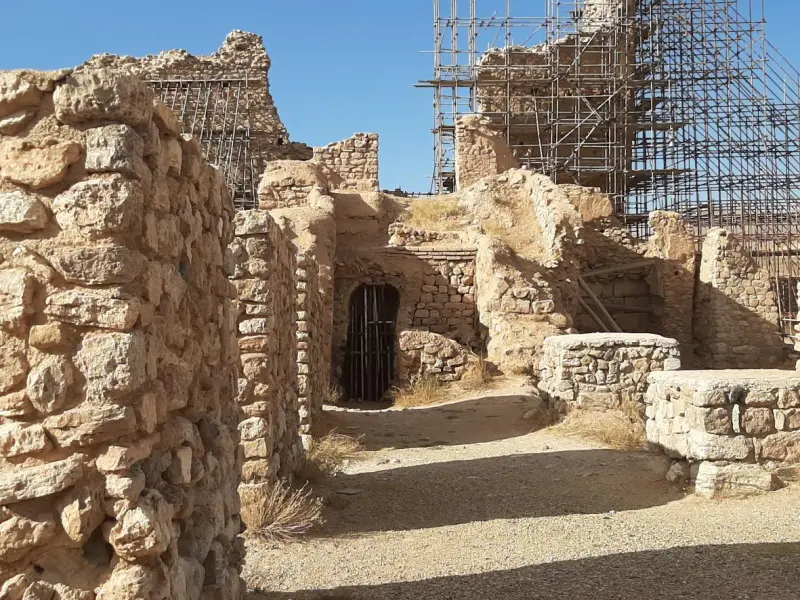
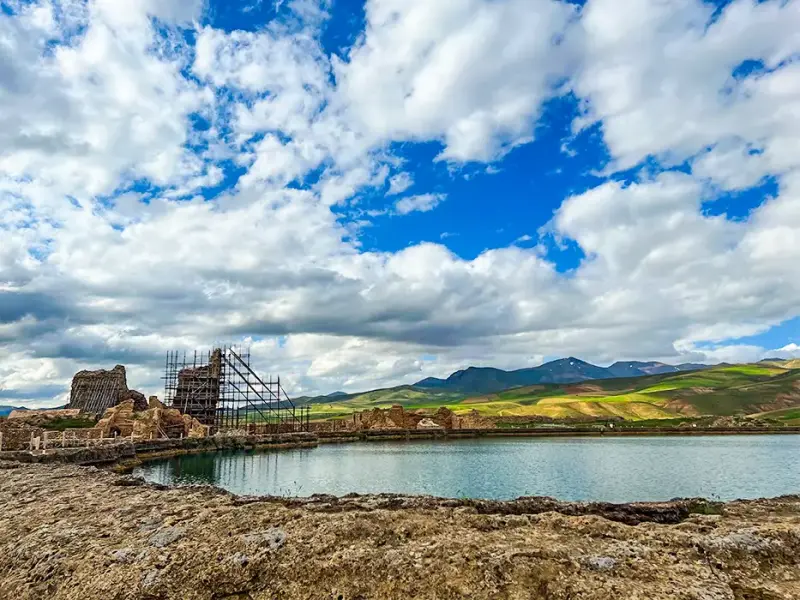
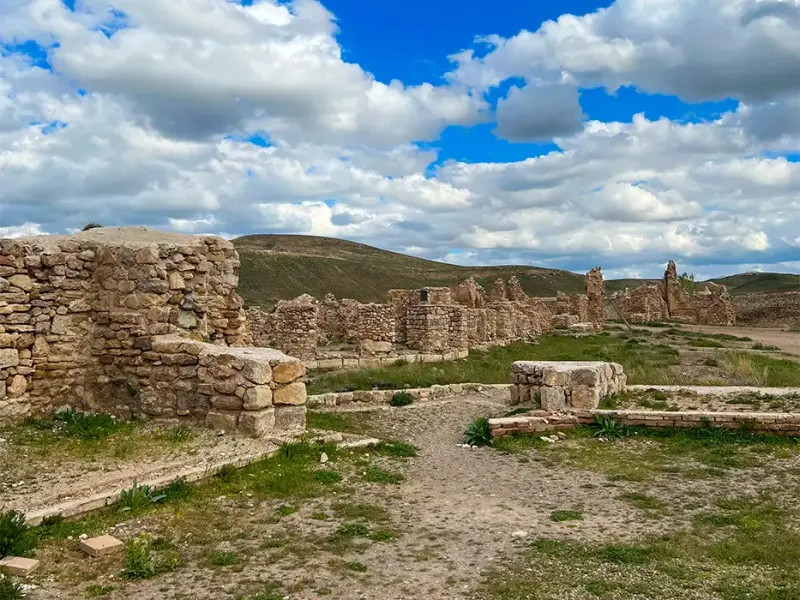
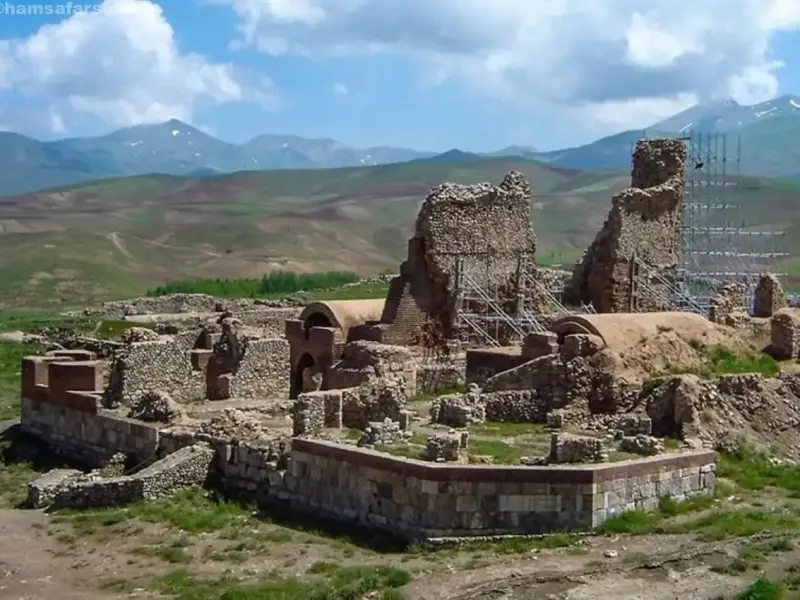
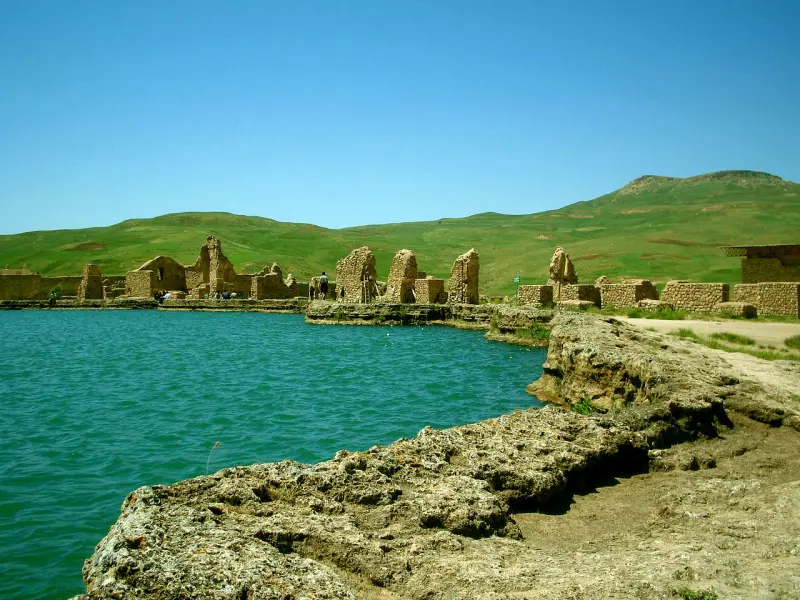
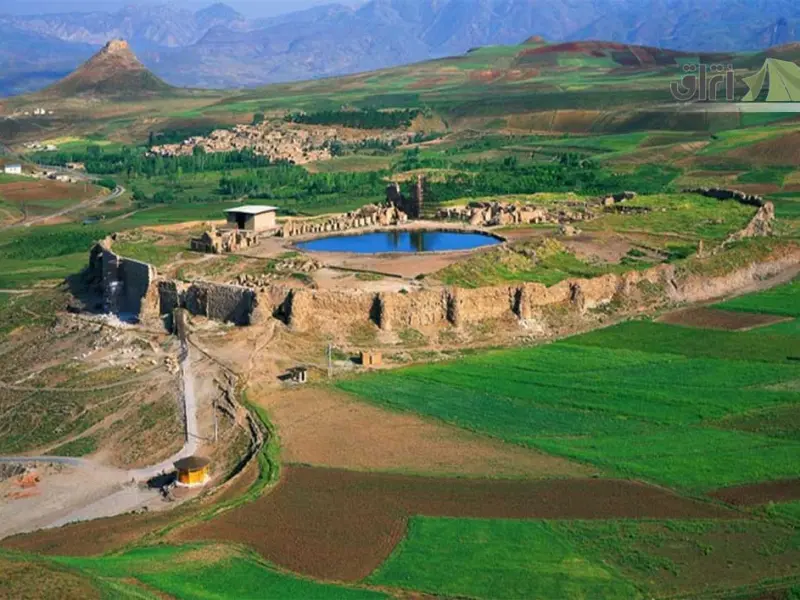
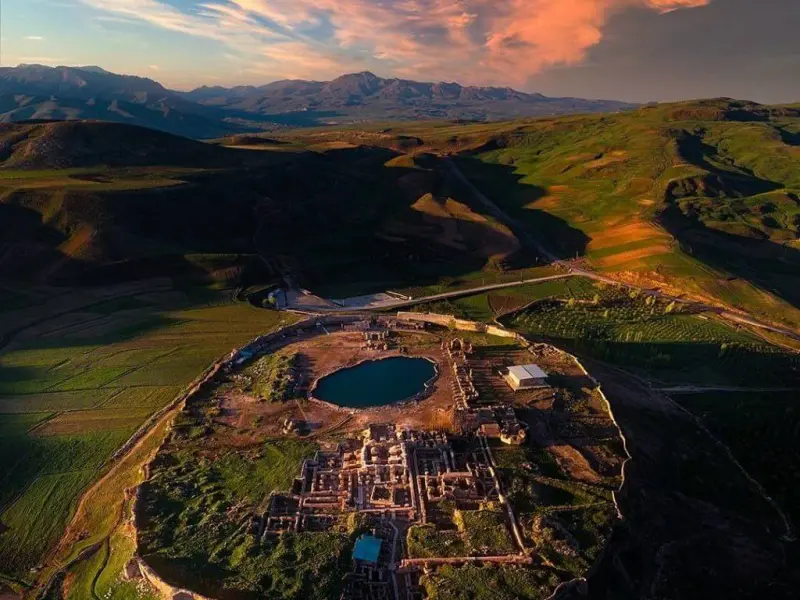
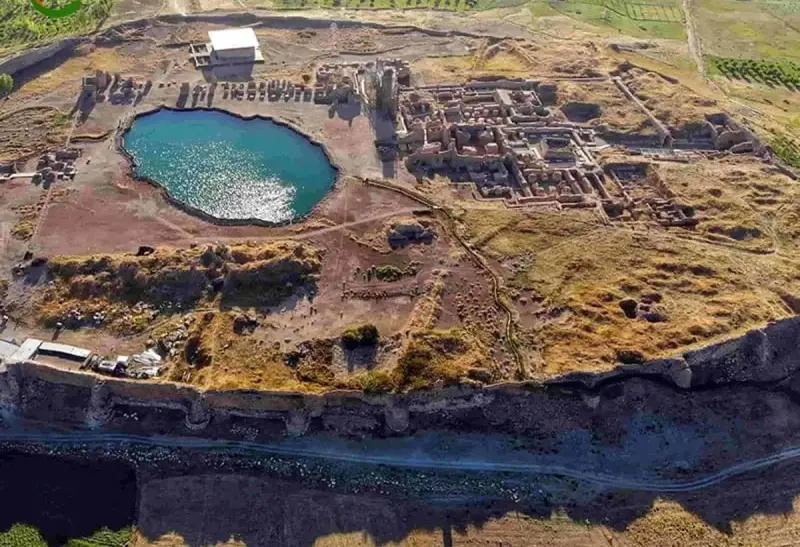
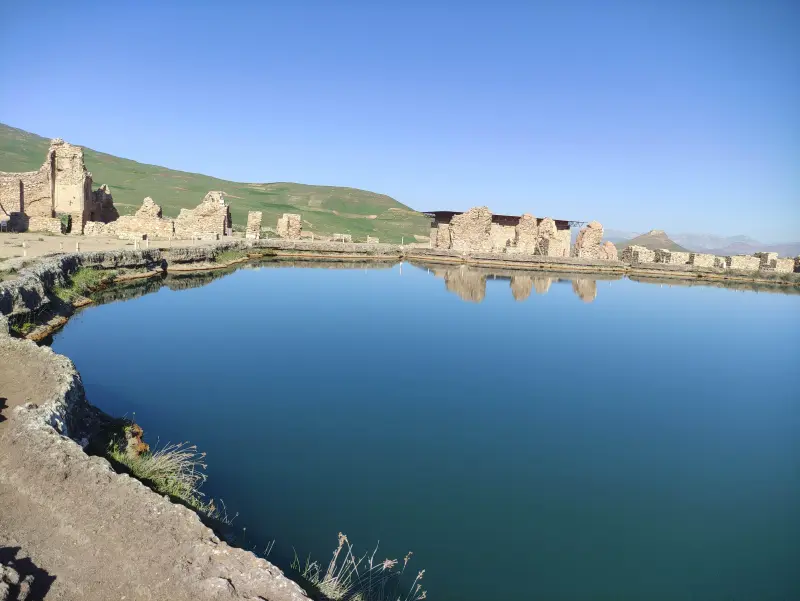
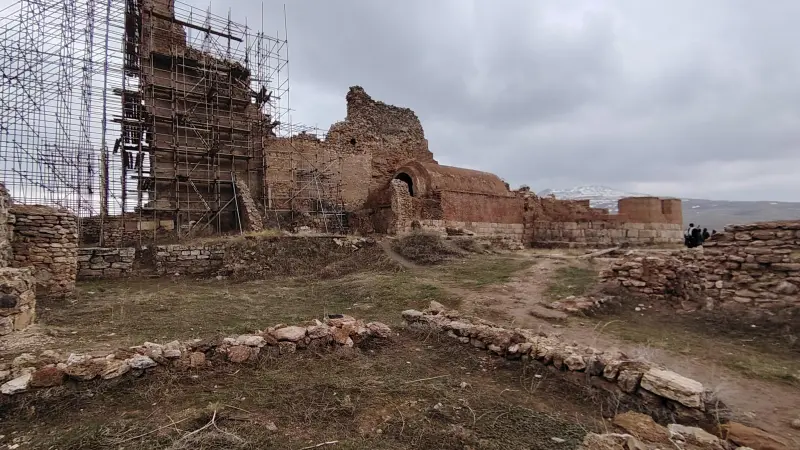
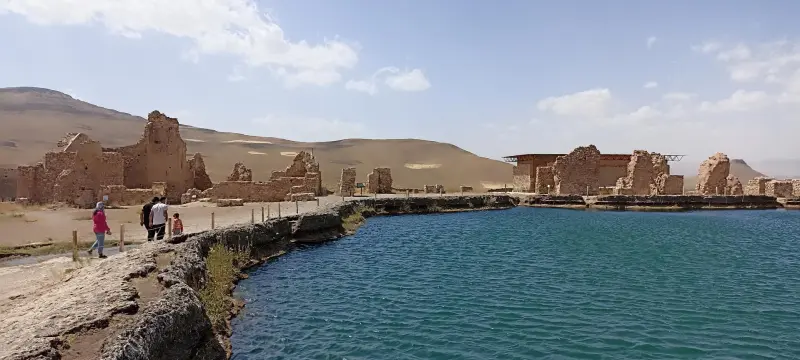
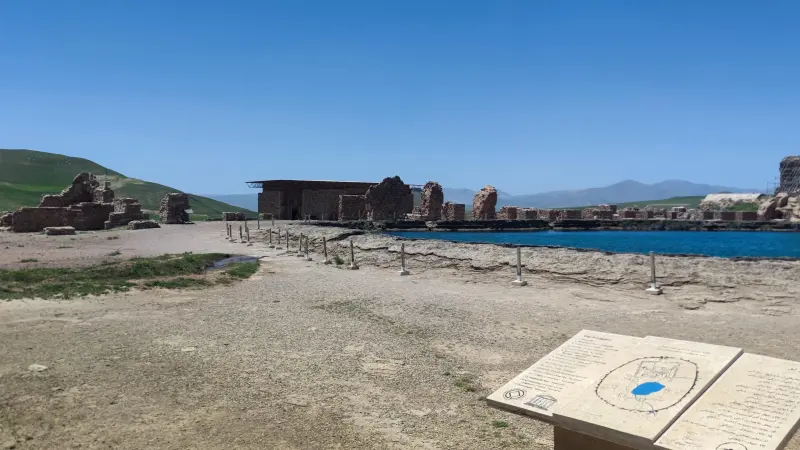
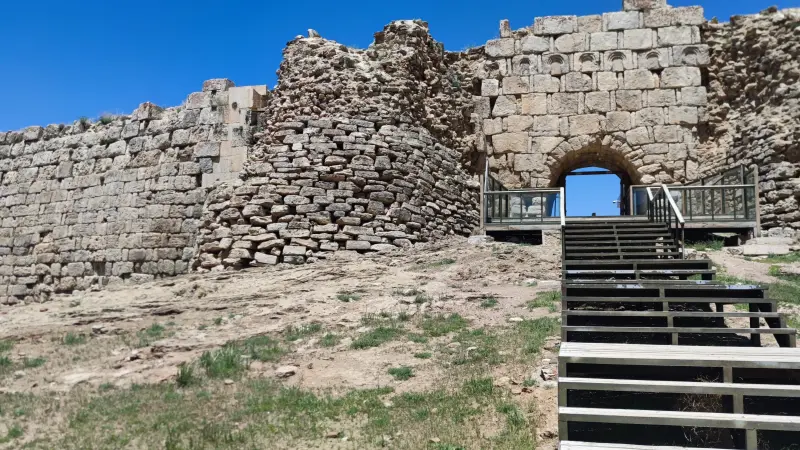
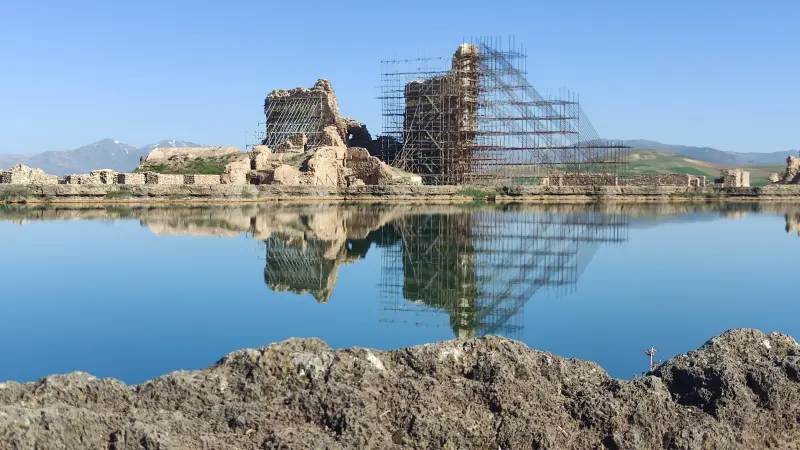
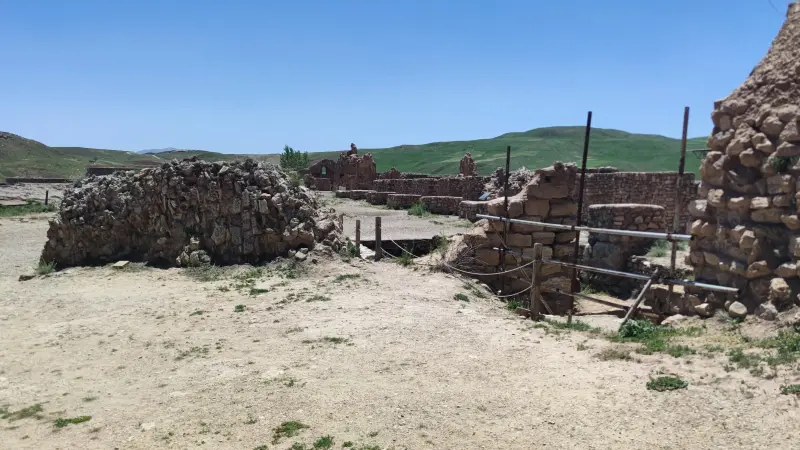
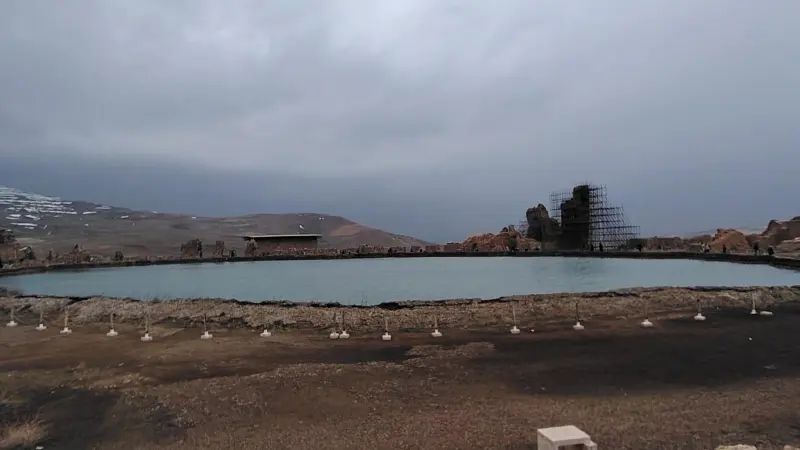
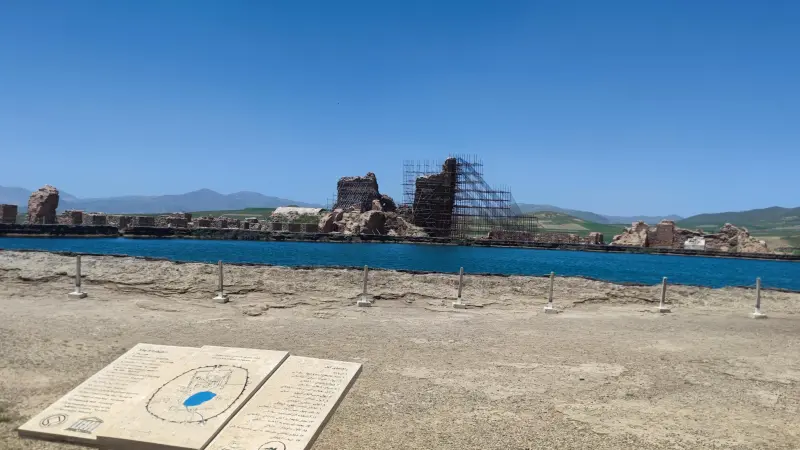
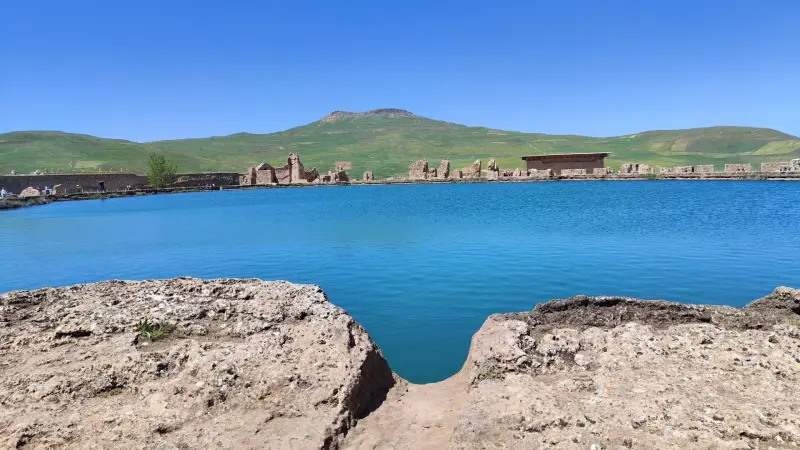
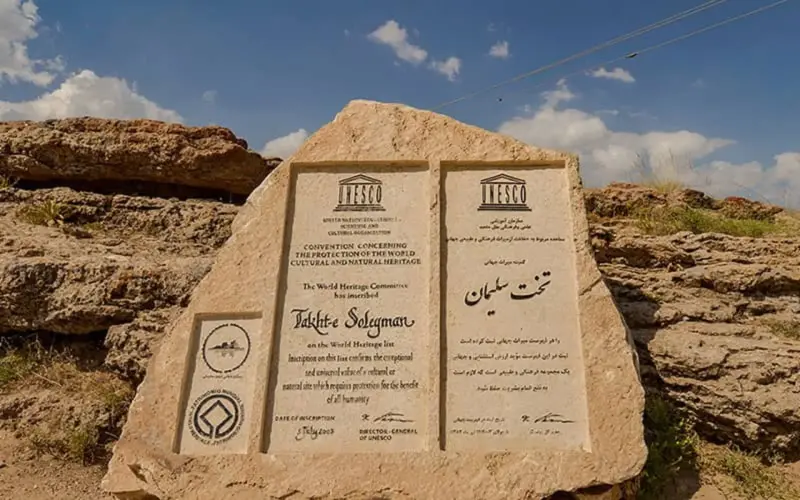
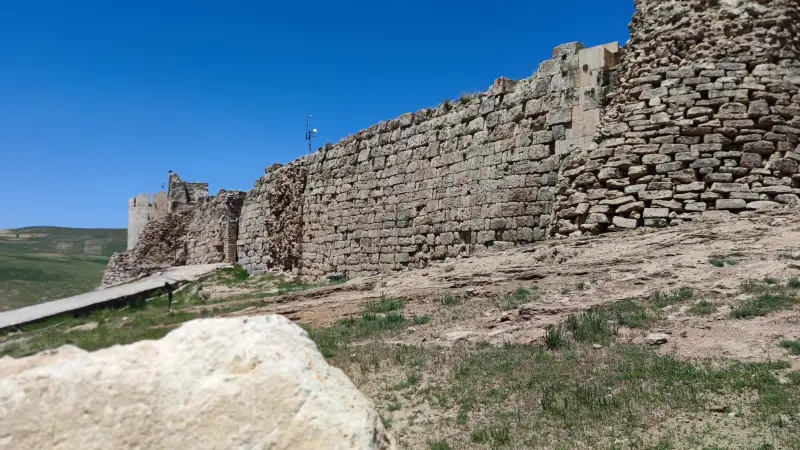
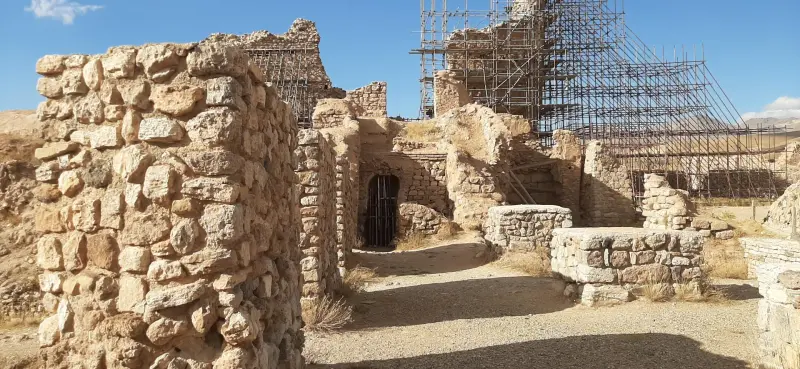
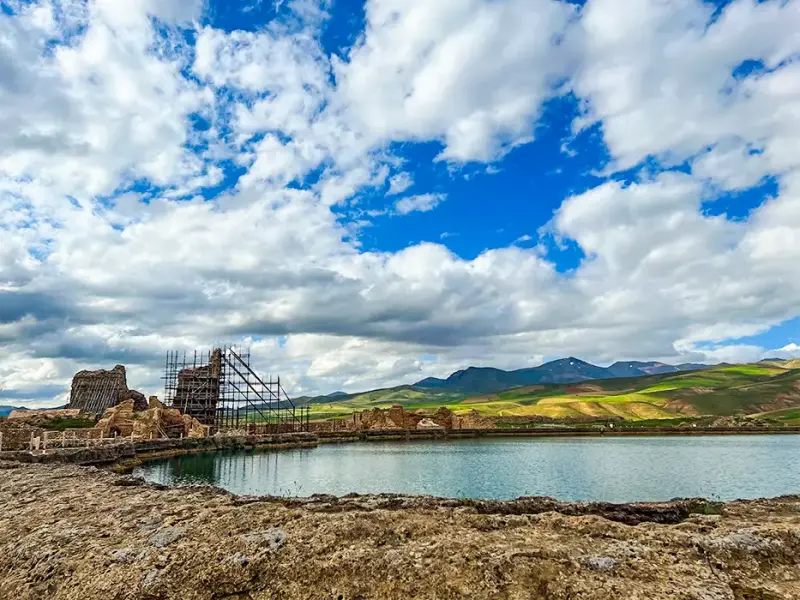
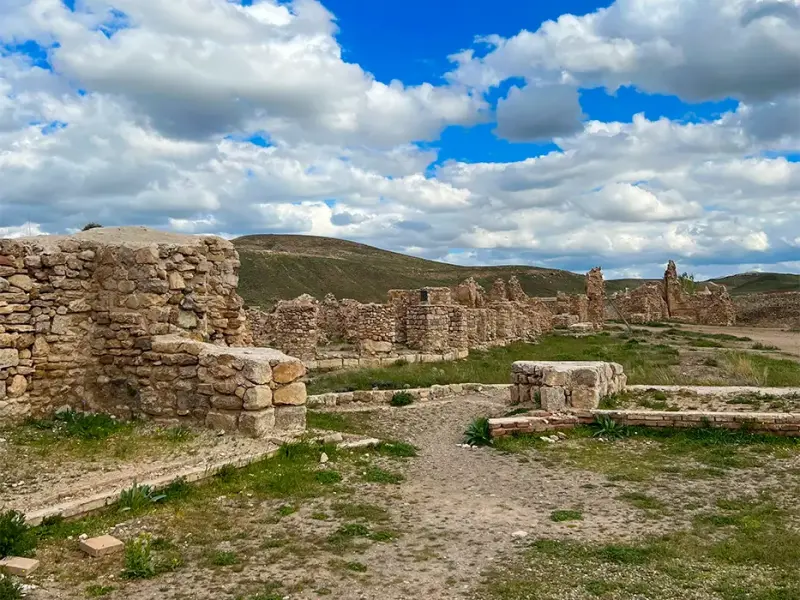
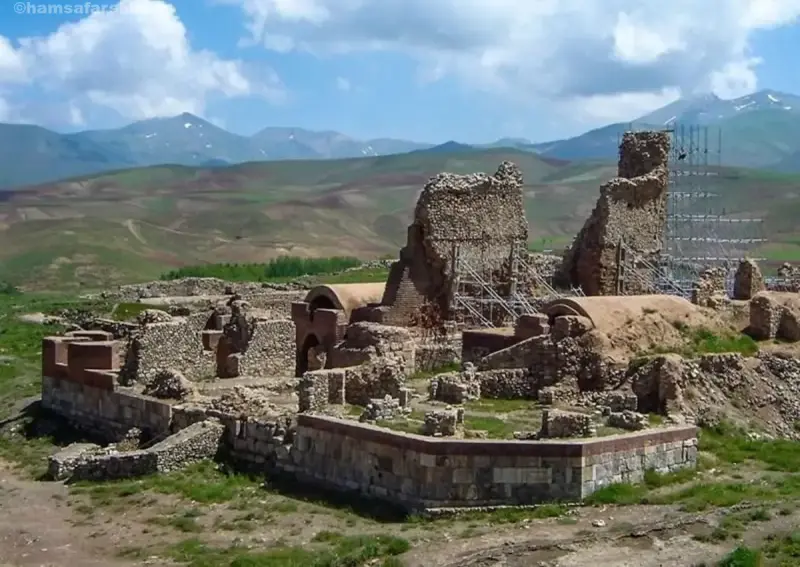
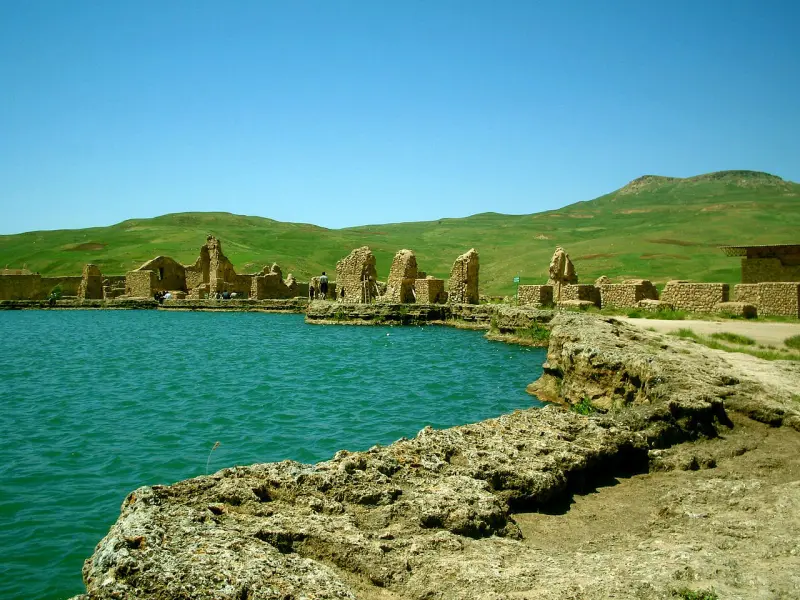
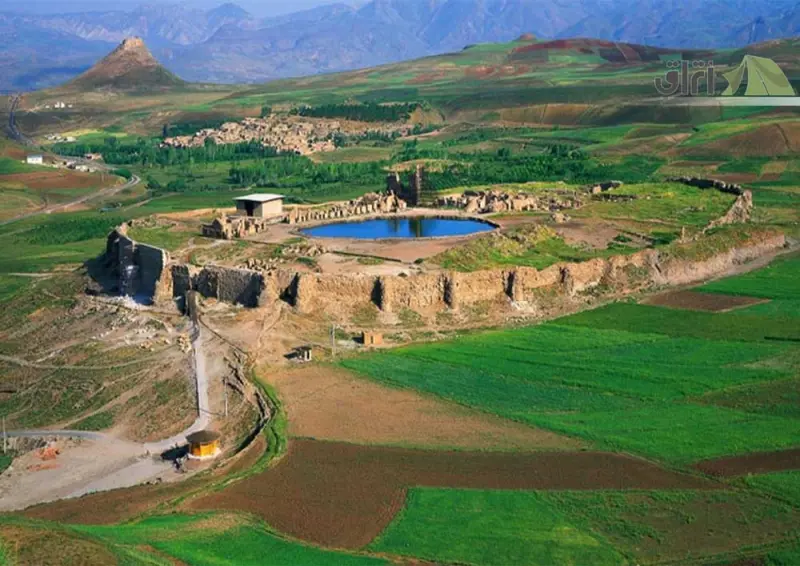
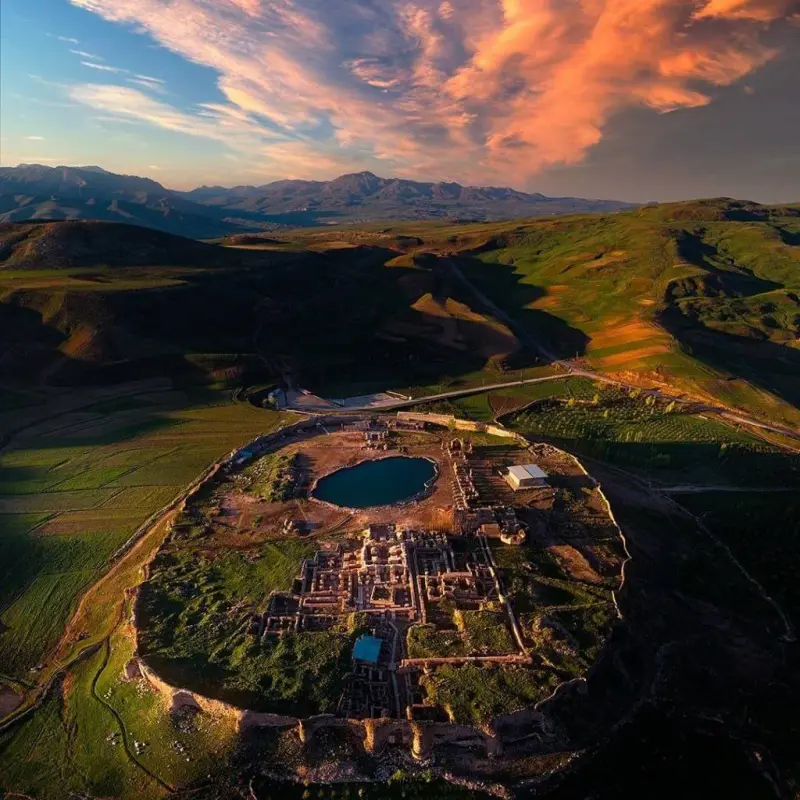
Takht-e Soleyman, one of the most important and magnificent ancient sites in Iran, is located in West Azerbaijan Province, about 45 kilometers northeast of the town of Takab. This historic complex lies in the heart of the mountain ranges of northwestern Iran. Its name means "Throne of Solomon" or "Seat of Solomon", and comes from local legends that carry a great deal of symbolism in the culture of the region, although historical evidence dates it to the Sasanian period (6th century CE). In 2003 Takht-e Soleyman was inscribed on the UNESCO World Heritage List, and it is regarded as an outstanding example of the royal and religious architecture and the urban planning of ancient Iran. At the center of the complex stand the remains of the Azargoshnasp Fire Temple, along with temples and numerous other structures, which show the religious and political importance of this place in Iran's long history.
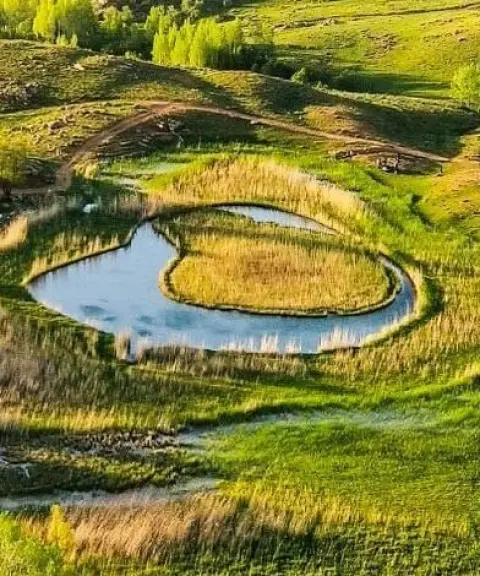
This ancient site played a prominent role in the culture and religion of ancient Iran and was one of the main sanctuaries of Zoroastrians in the Sasanian period. The Azargoshnasp Fire Temple, located here, was counted among the three great sacred fires of the Zoroastrians and was a place of ritual ceremonies and worship for the Sasanian kings. Around these structures lie a deep natural lake and very beautiful mountain landscapes, which add considerable visual appeal and a rewarding travel experience to the site's historical value. The overall layout and architecture of the site influenced later Iranian architecture, and traces of it can also be seen in the development of some features of Islamic architecture.
To visit Takht-e Soleyman, the best route is the paved road from Takab heading northeast, which continues all the way to the entrance of the complex, and signposts mark the way. In spring, especially around Nowruz and in the month of Ordibehesht, the weather is pleasant and the surrounding countryside is green and beautiful, making the visit even more enjoyable. Summer and autumn are also good times to visit thanks to the mild sunshine and dry air of the region. While visiting, respecting the historical remains, avoiding polluting the lake and springs, and staying on the designated paths are basic principles of responsible nature tourism, so that this World Heritage site is preserved for future generations.
Written by زهرا لنگری Last updated
What you can do here, and what it takes
مسیرهای اطراف محوطه تاریخی و کنار دریاچه مناسب پیادهروی تفریحی و گشتوگذار است.
جادههای اطراف تکاب و مسیرهای خاکی برای دوچرخهسواری سبک تا متوسط مناسباند.
Province West Azerbaijan
Province West Azerbaijan


Unfortunately, no comments have been registered.