
 Attractions
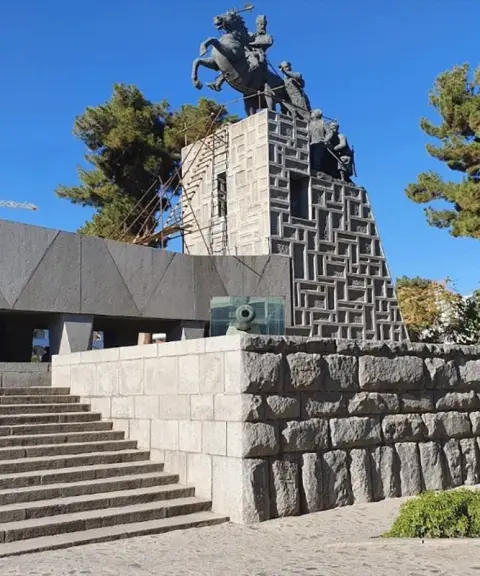
Tomb of Nader Shah
Province Razavi Khorasan
- Walking
A multicultural account of the city's hidden history
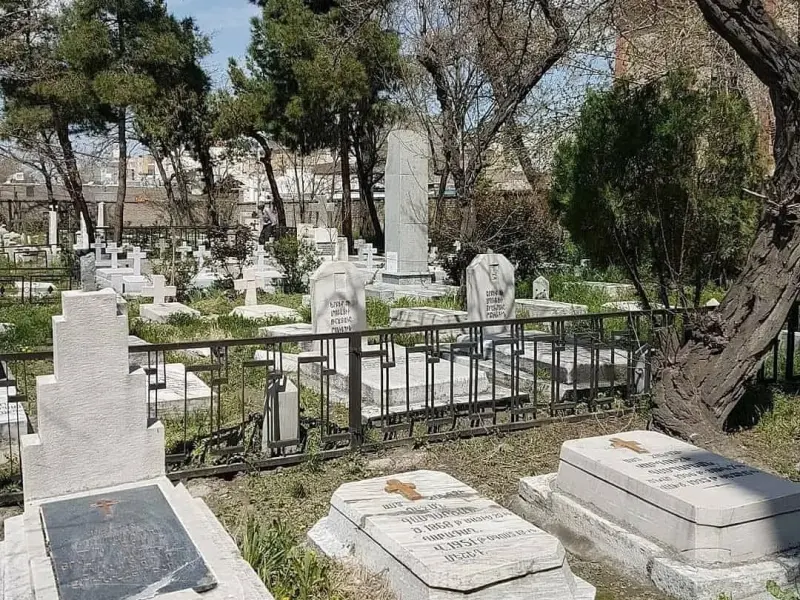
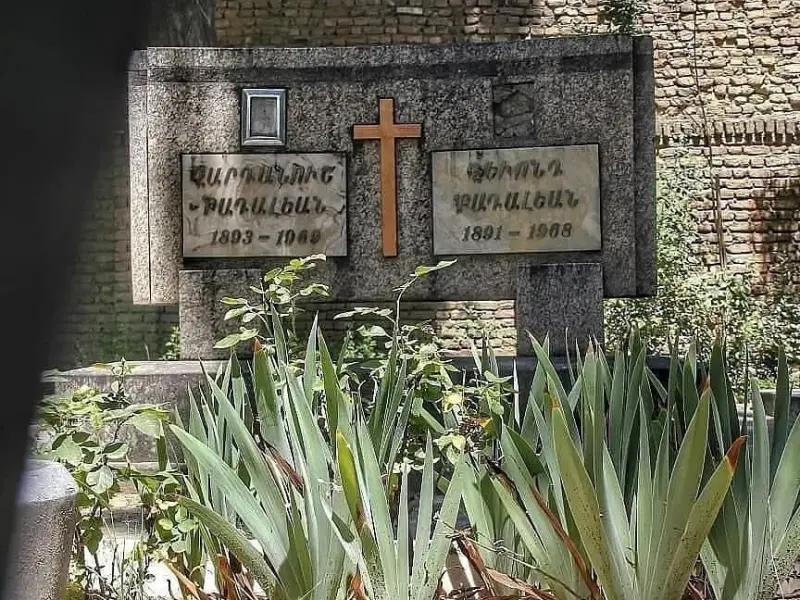
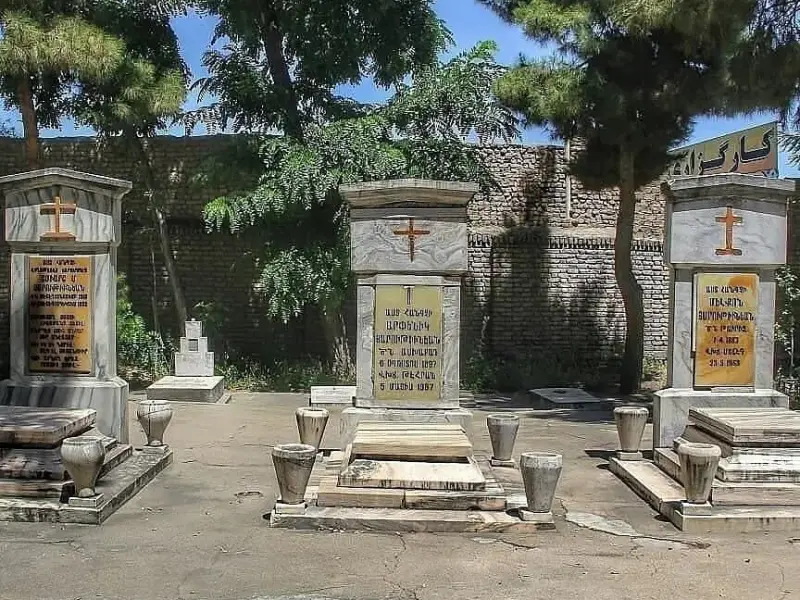
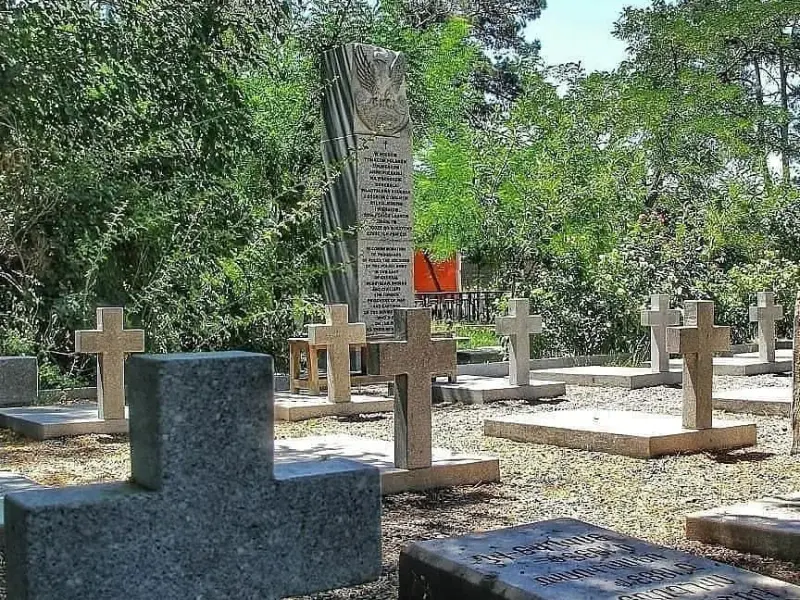
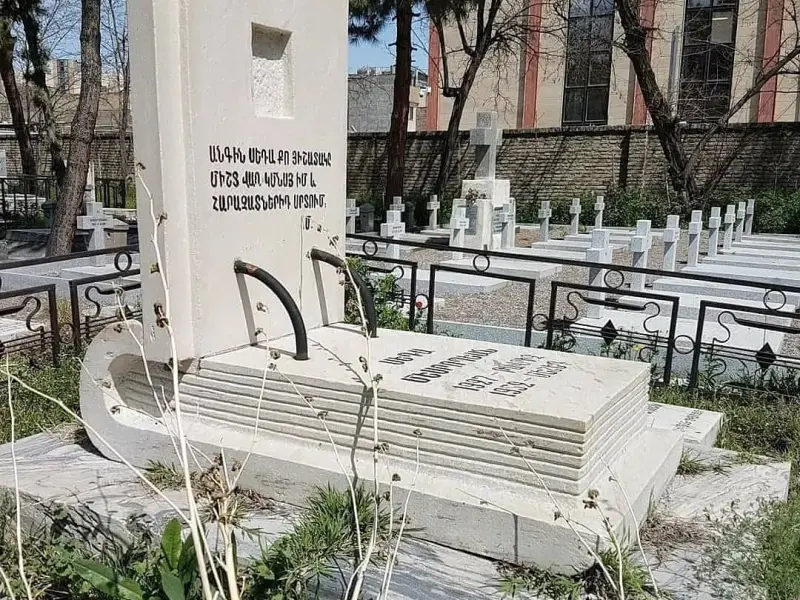
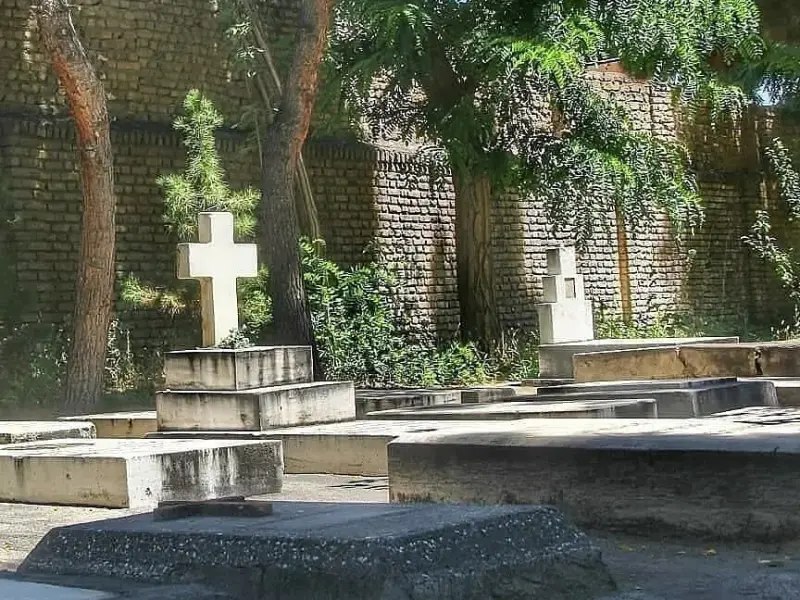
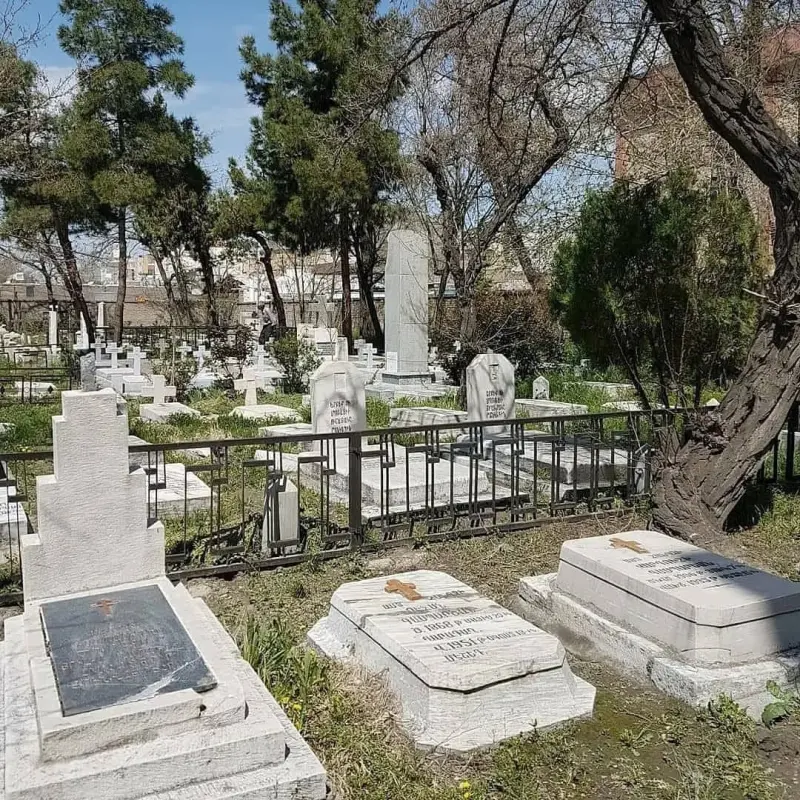
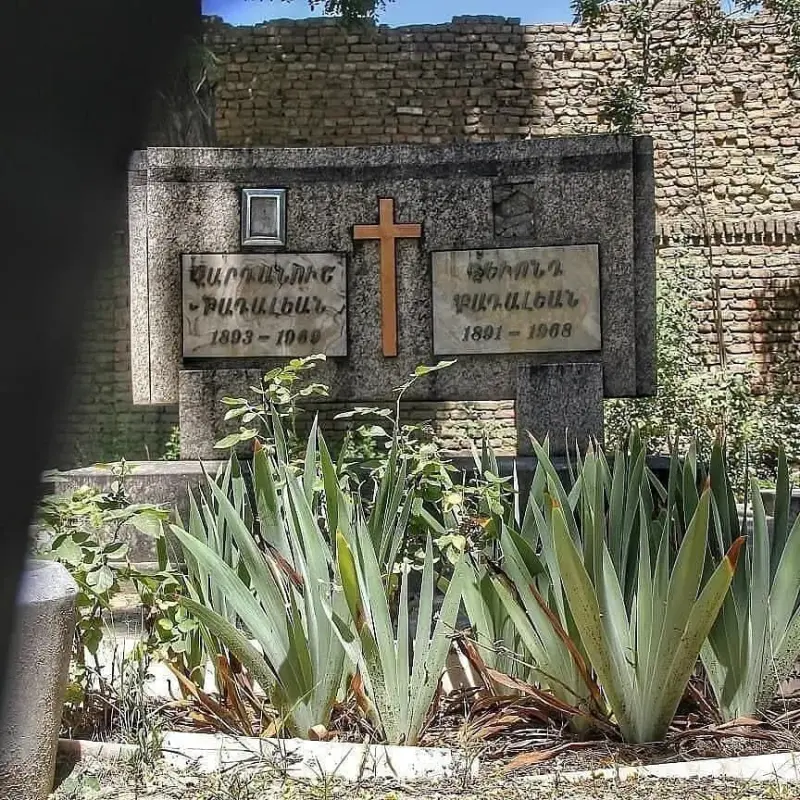
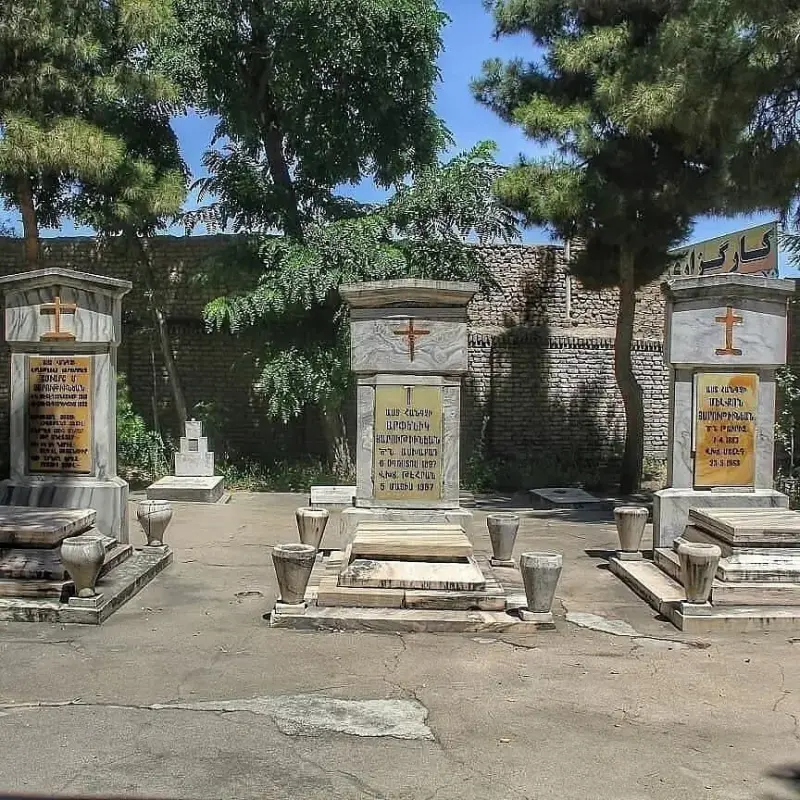
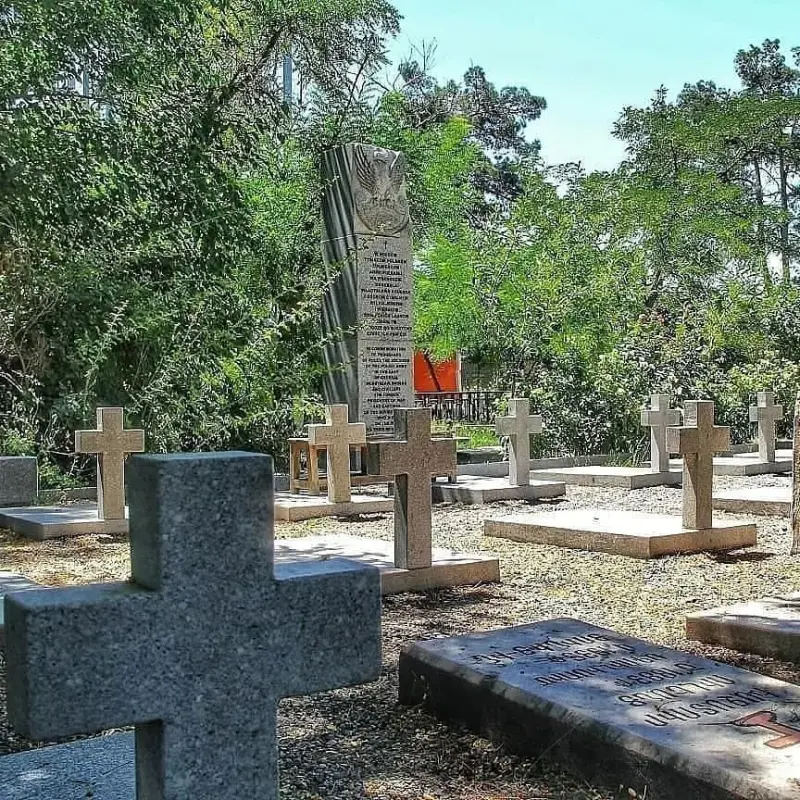
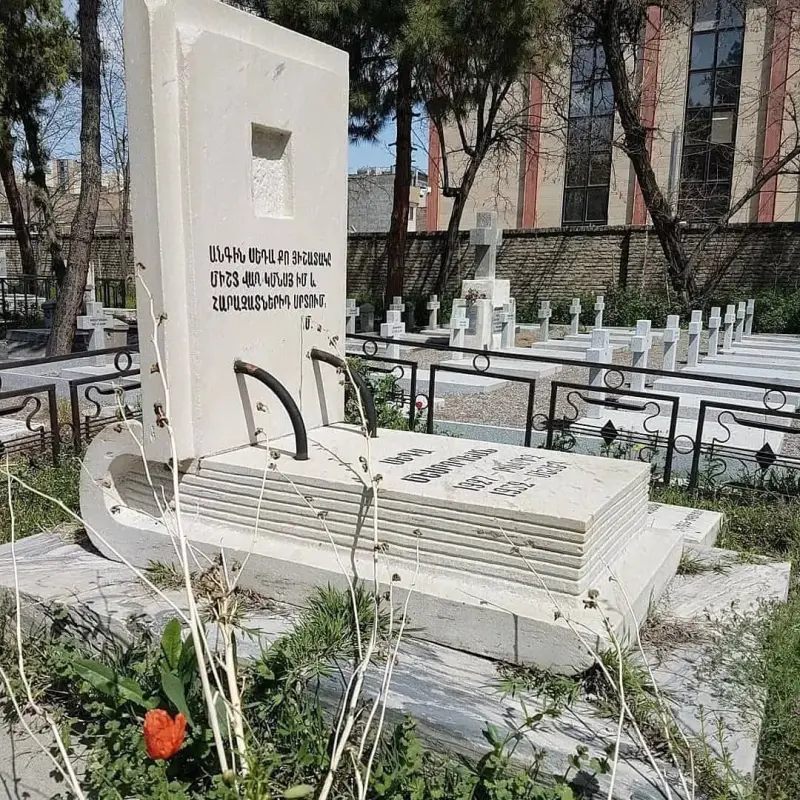
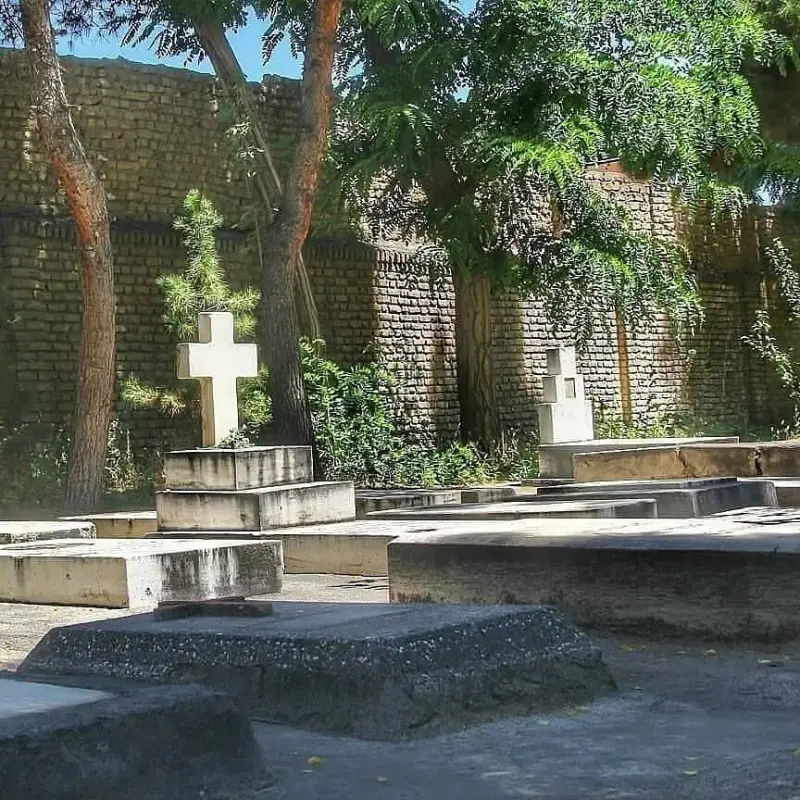
The Armenian Cemetery of Mashhad is one of the oldest non-Muslim burial grounds in Mashhad. It lies on Hor Ameli Street, close to the Shahid Karimi intersection. More than a century old, the cemetery was the burial place of Christians who lived in the old cities of Tus and Mashhad. In the past this area lay outside the city limits, but as Mashhad expanded it gradually became part of the central urban fabric, and today it sits in one of the busiest parts of the city. It is the only Armenian cemetery in Mashhad and holds particular importance as part of the city's social and cultural history. The site is registered as a National Heritage Monument of Iran under registration number 31444.
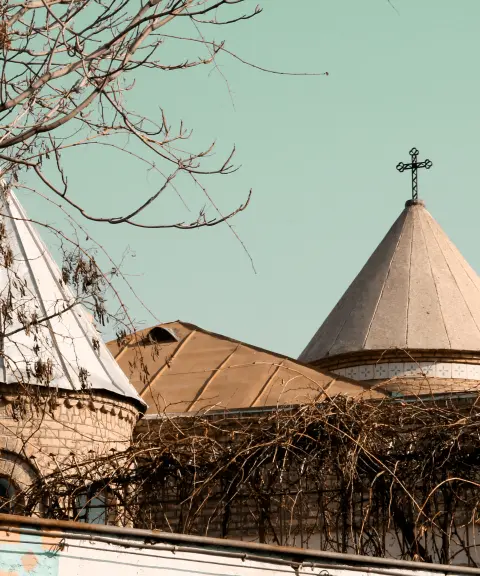
The cemetery used to be considerably larger, but in recent years a significant part of it has been lost to urban construction projects, including the District 2 Municipality building and other city infrastructure, which together reduced its original area by about 2,584 square metres. Even so, the remaining section still contains historic gravestones with inscriptions in several languages, such as Persian, Armenian, Russian, French and Polish, showing that migrants from many different countries lived in this region. The complex also has a small church (chapel) called Madur, built in 1947 in memory of some of the deceased, which is of special architectural and historical value.
The Armenian Cemetery of Mashhad is the burial place of people of different Christian denominations, including Orthodox, Catholic and Gregorian (Armenian Apostolic). One section is even dedicated to Polish refugees of the Second World War who entered Iran in the 1940s and died in Mashhad. This cultural and national diversity has turned the cemetery into a historical record of the migrations and changes of the past century. Visiting usually requires coordination with the cultural heritage authorities, and it is not open for casual daily visits. When visiting, it is very important to show full respect for the cemetery and to keep quiet, because this place is not only a graveyard but also part of the city's multicultural historical memory.
Written by زهرا لنگری Last updated
What you can do here, and what it takes
گردش در فضای آرامستان و مشاهده سنگقبرهای چندزبانه و کلیسای کوچک مجموعه، تجربهای تاریخی و مردمشناسانه از تنوع فرهنگی مشهد فراهم میکند.
Province Razavi Khorasan
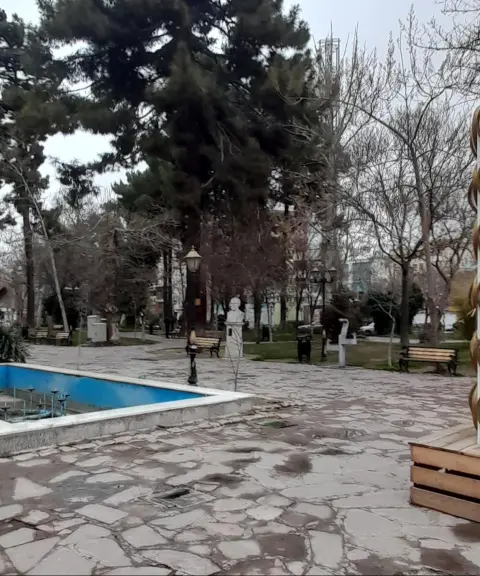
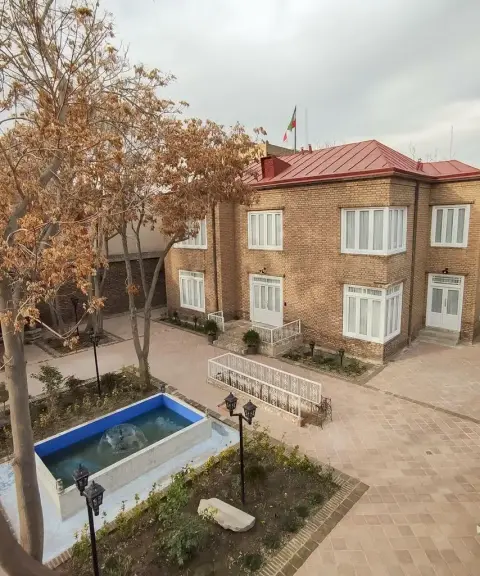
Province Razavi Khorasan
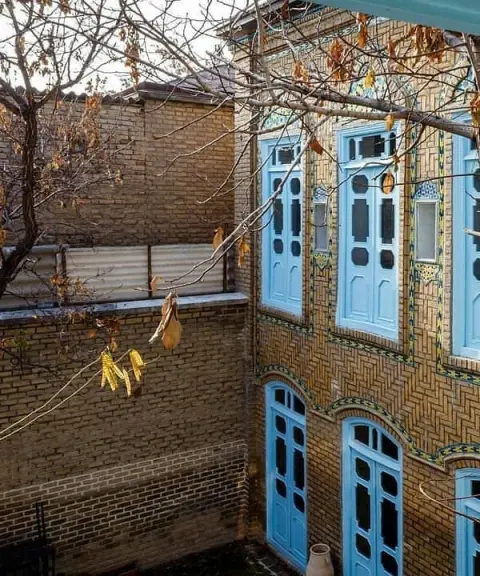
Province Razavi Khorasan
Province Razavi Khorasan
Province Razavi Khorasan
Province Razavi Khorasan
Unfortunately, no comments have been registered.