
 Attractions
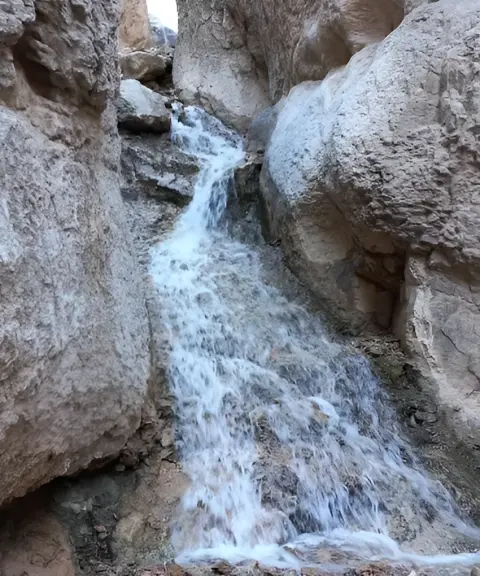

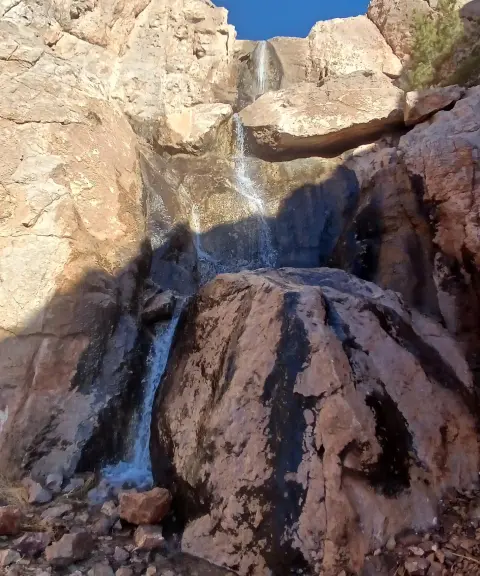
Bezhan Spring
Province Isfahan
- Walking
The splendor of Safavid architecture on the historic Isfahan–Tehran route
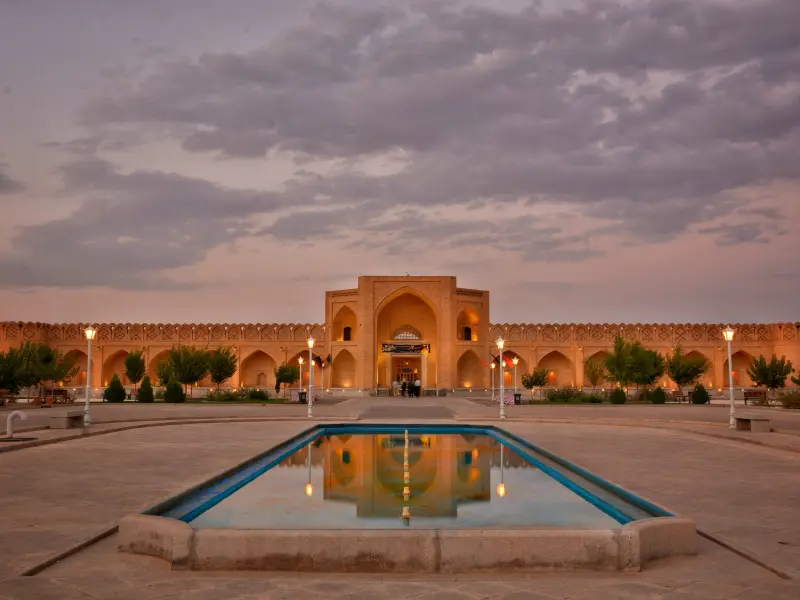
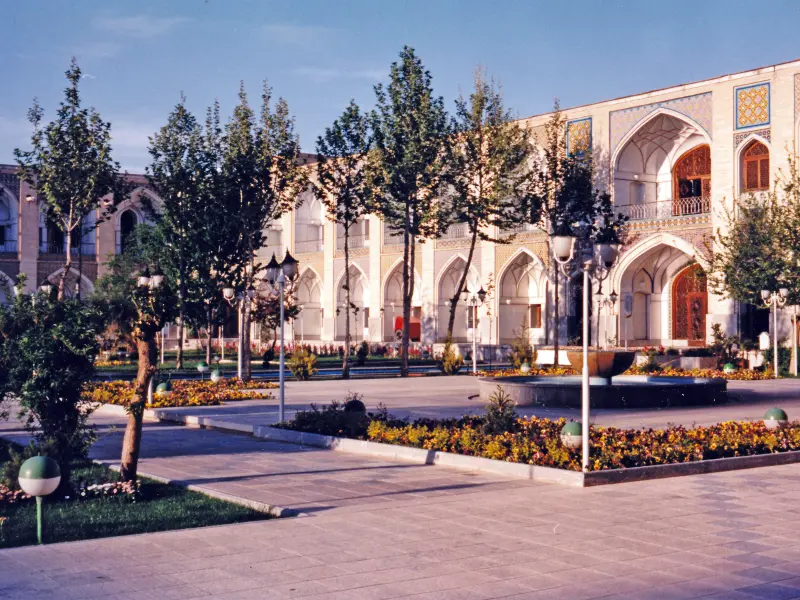
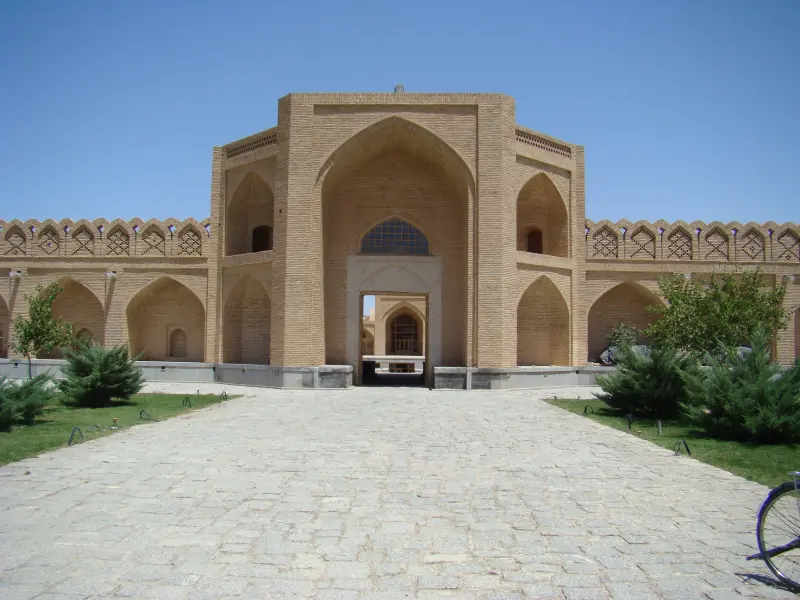
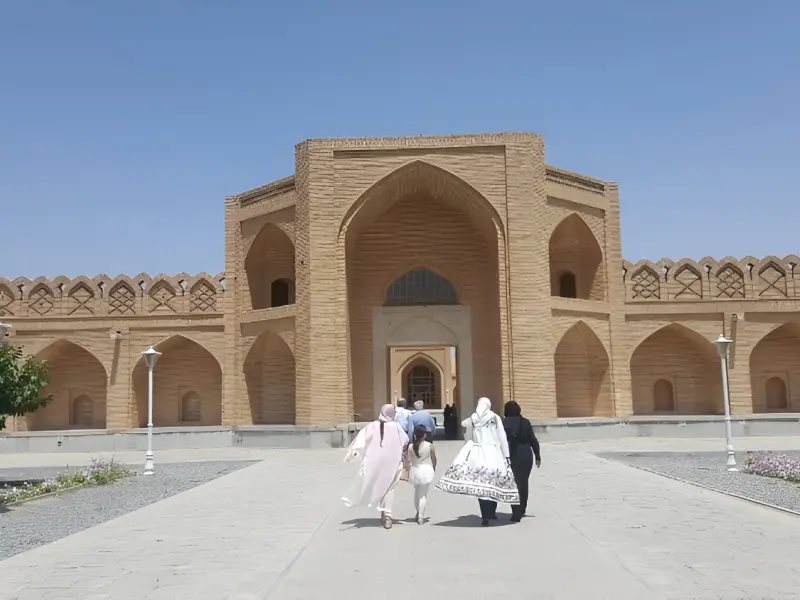
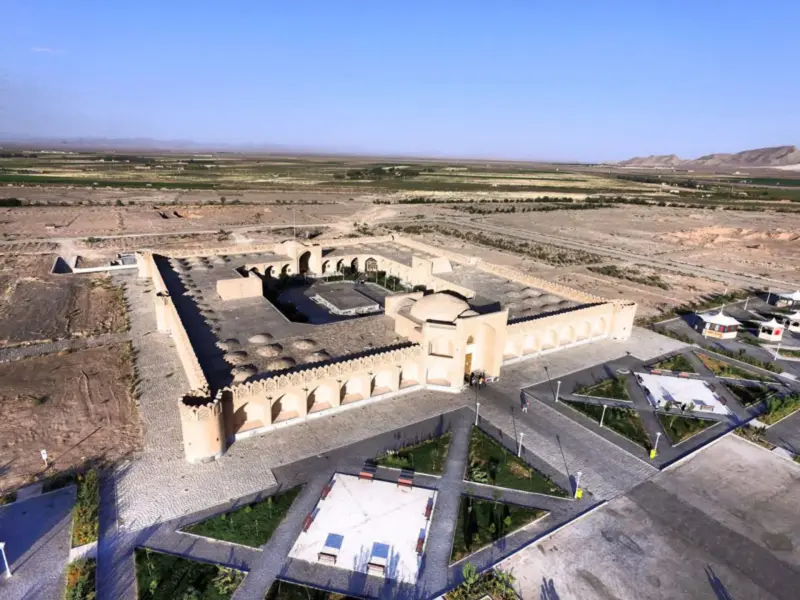
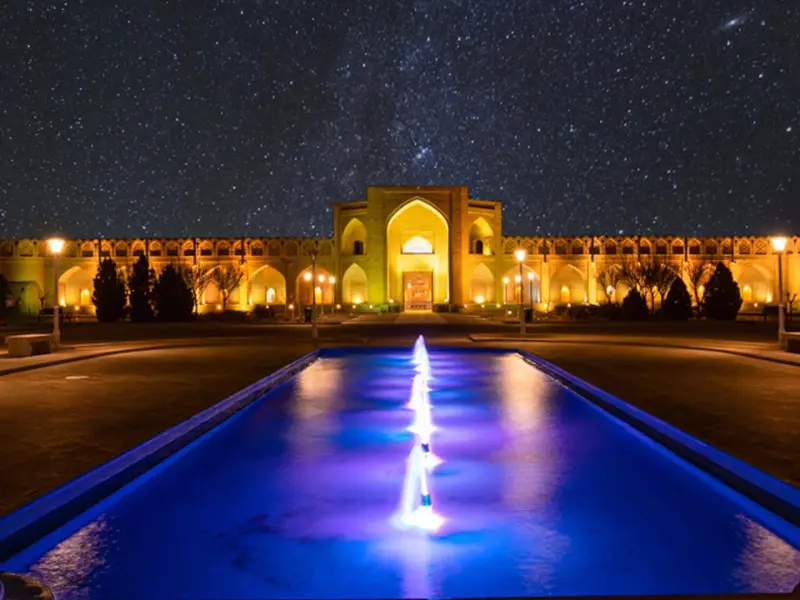
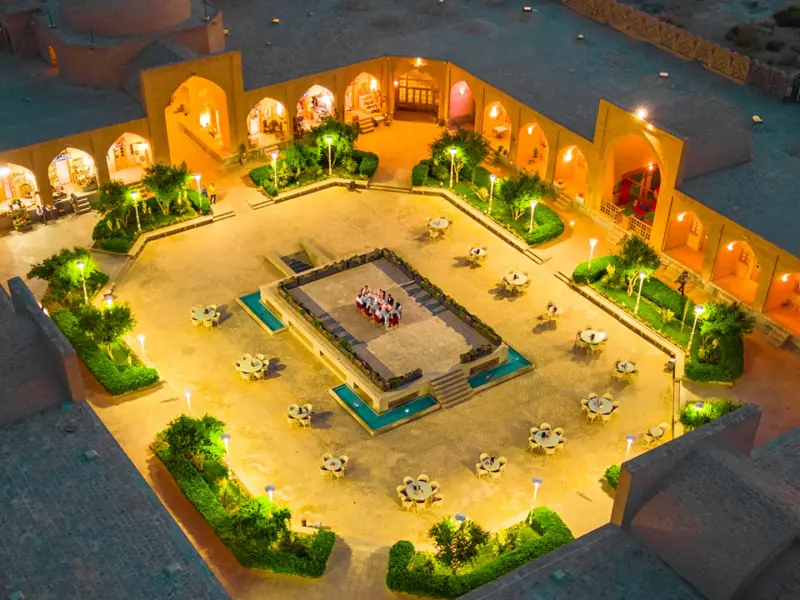
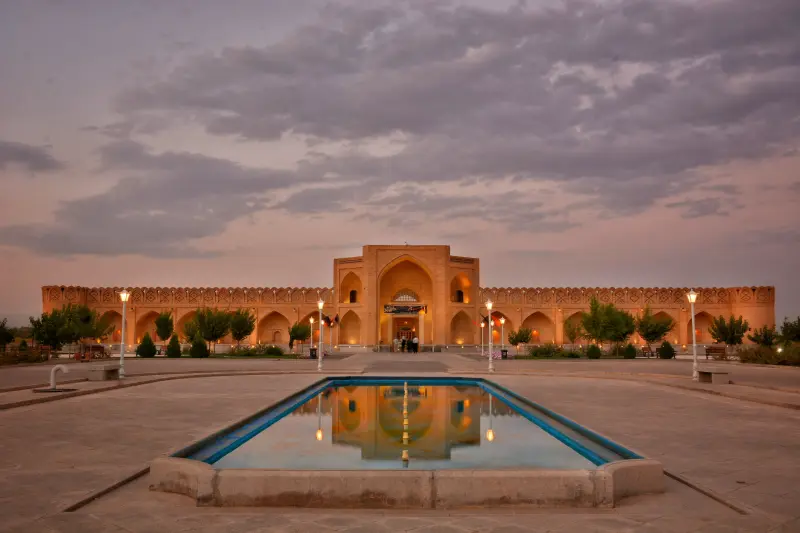
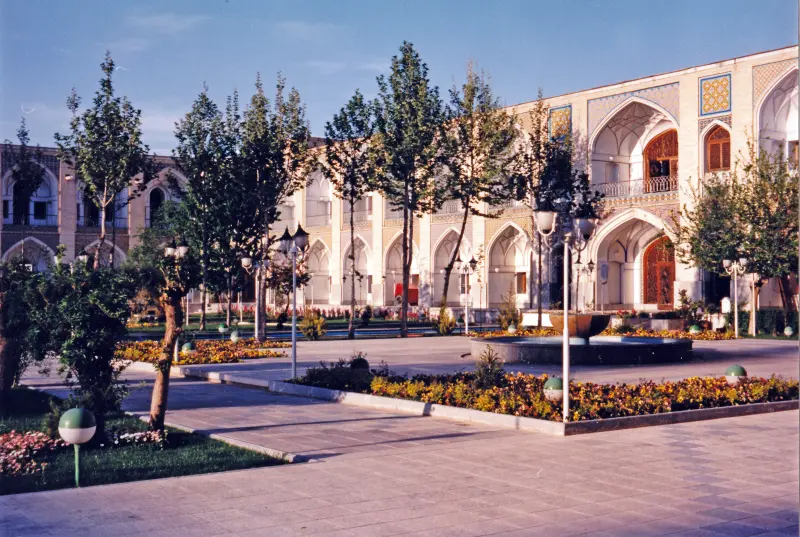
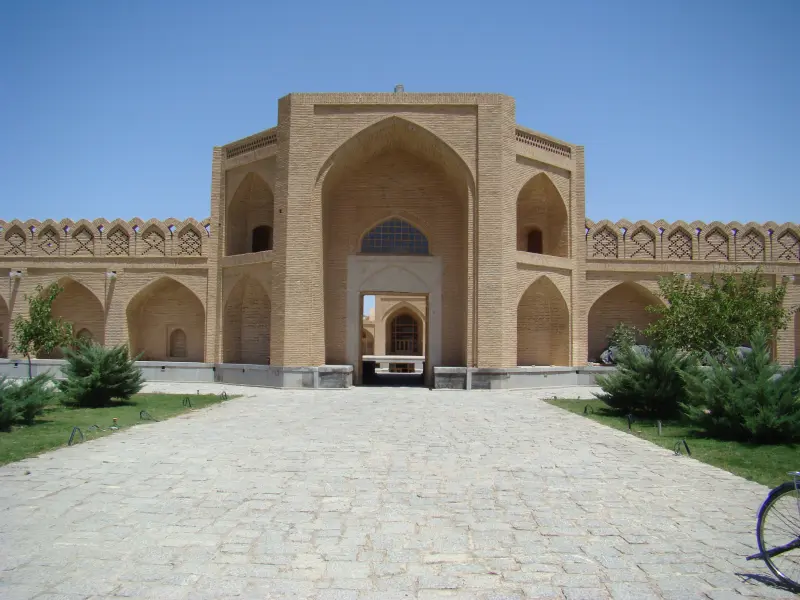
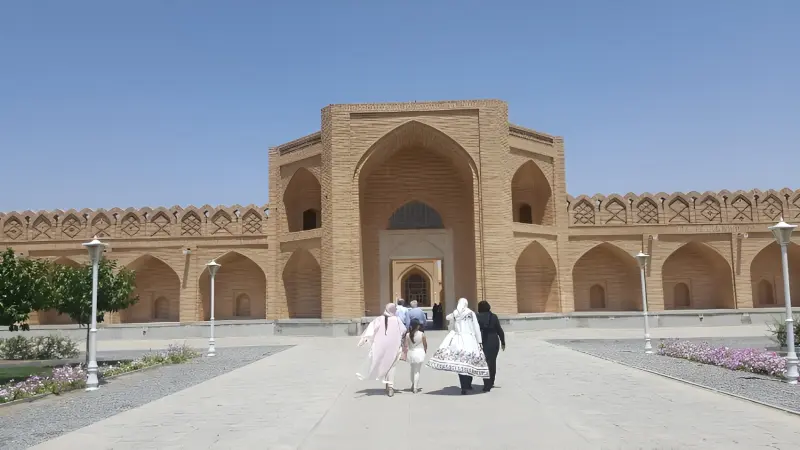
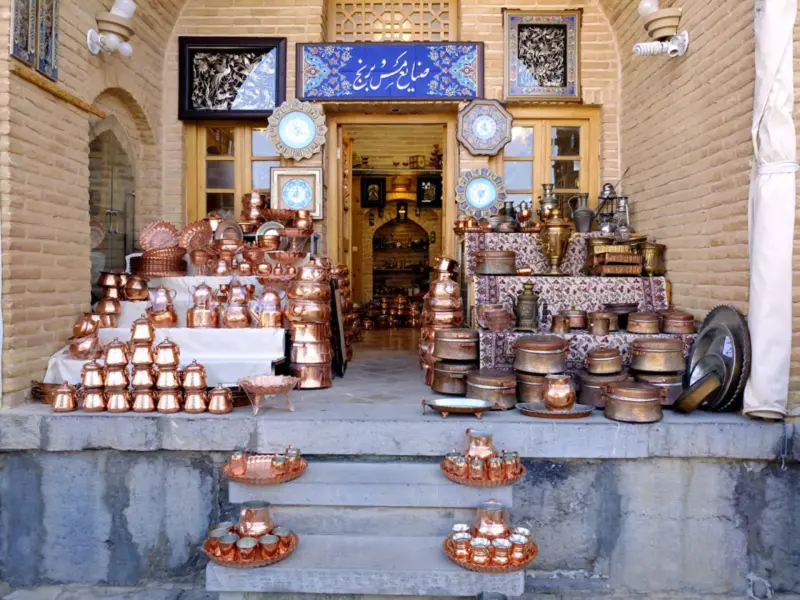
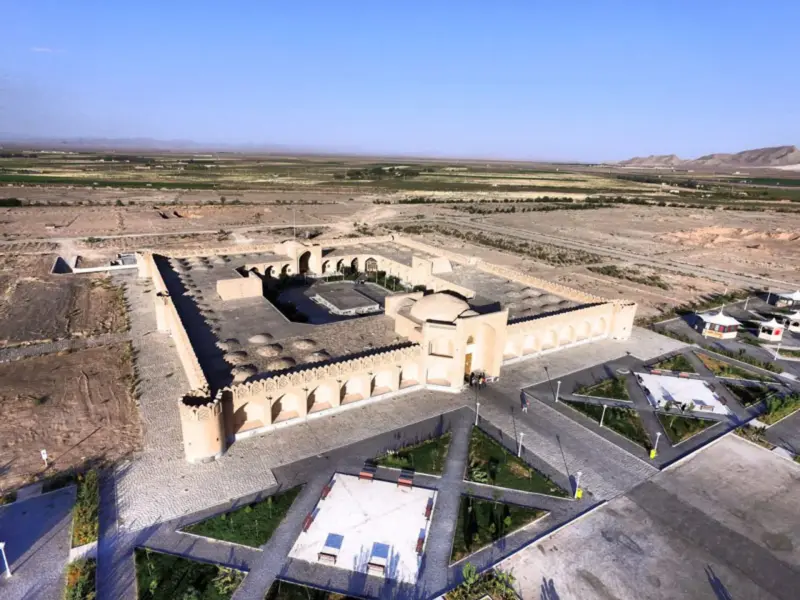
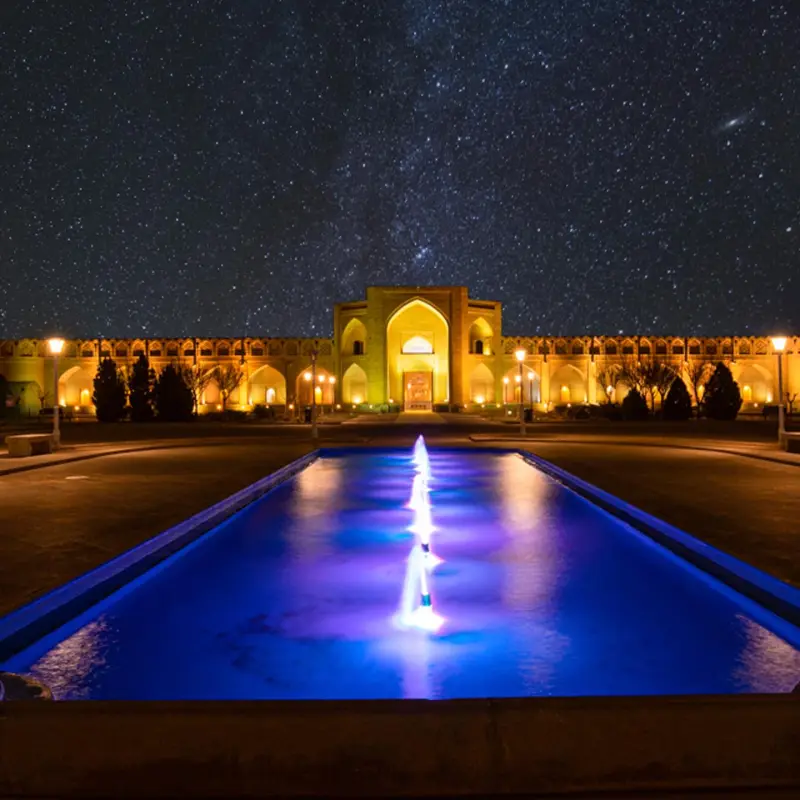
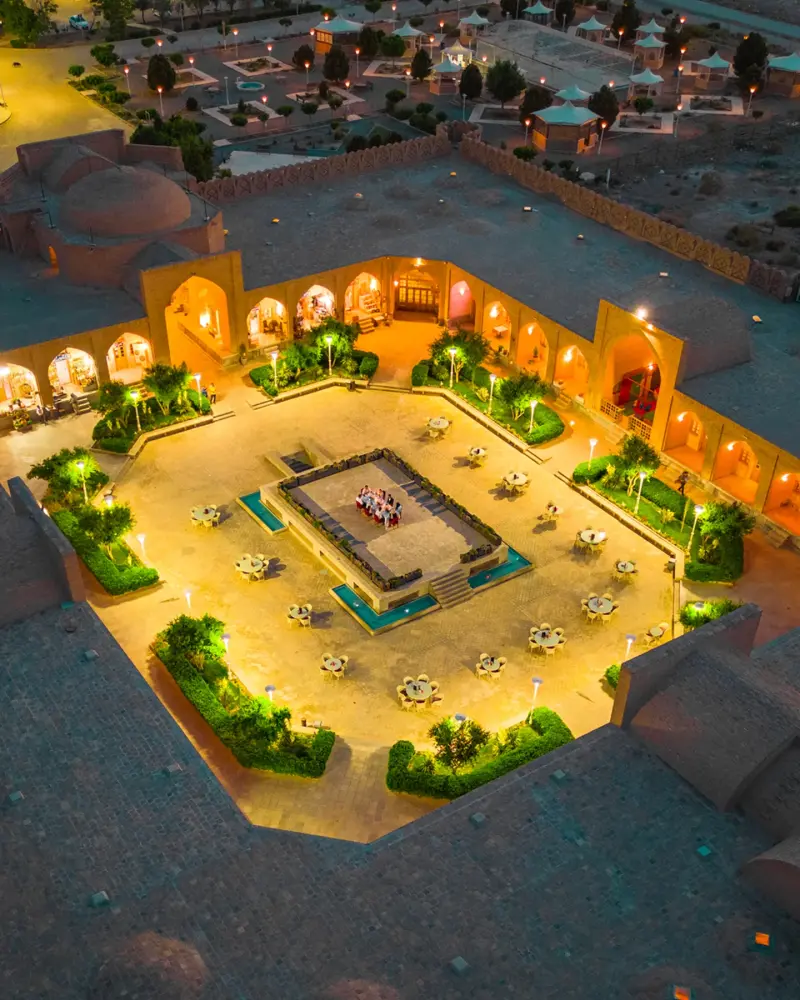
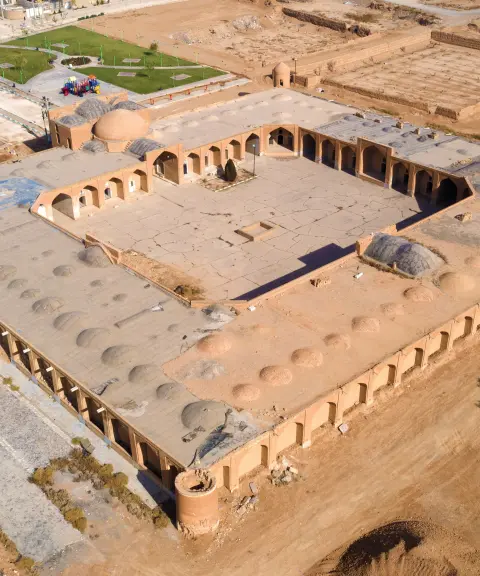
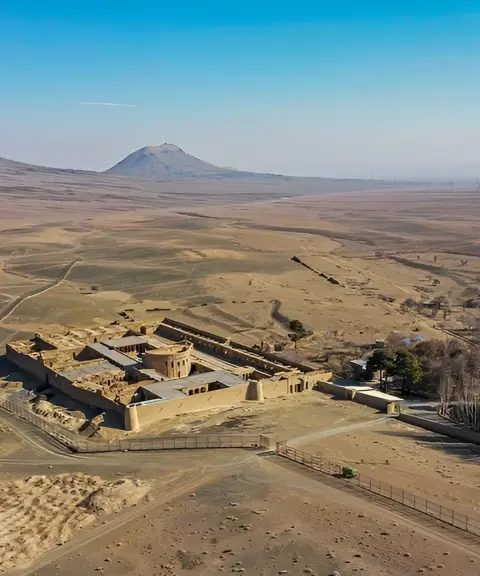
The Madar-e Shah Caravanserai, also known as the Morcheh Khort Caravanserai and the Abbasi Caravanserai of Morcheh Khort, is one of the most valuable historical attractions in Isfahan Province and one of the sights of Shahin Shahr and Meymeh County. This magnificent building stands on the old road from Isfahan to Tehran, near the village of Morcheh Khort, and dates back to the Safavid era, particularly the reign of Shah Abbas I. The caravanserai's strategic position on one of the most important historical routes in Iran made it a resting place for many caravans and travellers in the past. In 1384 (2005) it was registered as a national heritage site of Iran under registration number 13657, and today it is still regarded as one of the province's centres of cultural tourism.
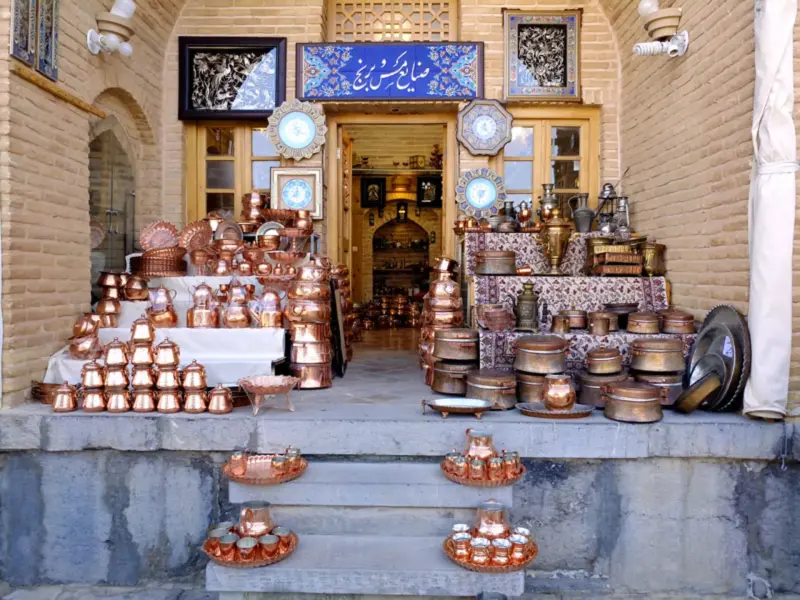
Architecturally, the Madar-e Shah Caravanserai is a distinctive example of a Safavid four-iwan caravanserai, built on a square plan measuring roughly 75 by 86 metres. Its outstanding features include four round towers at the corners of the building, numerous rooms on two floors (about 140 in total), large iwans, continuous stables behind the rooms, and eye-catching stucco decoration. Over the centuries the caravanserai has gone through many ups and downs, and it was restored in the Qajar period. In the modern era it was also used for a time as a military barracks, but in recent years, after being transferred to the private sector and undergoing proper restoration, it has been revived and turned into a cultural, tourist and hospitality complex. Today, handicraft stalls, a traditional restaurant, a café, green space and suitable amenities make the complex an attractive place for tourists to visit.
To reach the Madar-e Shah Caravanserai from the city of Isfahan, you can take Imam Khomeini Boulevard onto the Isfahan–Tehran Freeway (Azadegan). After driving about 30 to 45 kilometres north and passing the Morcheh Khort area, you will reach this historic building, which is visible on the left side of the road. The best times to visit are autumn, winter and early spring, when the weather in the region is milder and the visit is more enjoyable. When visiting this historic site, it is very important to follow the principles of responsible nature tourism and to protect the cultural heritage. This includes avoiding damage to the structures, keeping the surroundings clean, and respecting the historical and cultural atmosphere of the complex, all of which play an important part in preserving this valuable monument.
Written by زهرا لنگری Last updated
What you can do here, and what it takes
گردش در حیاط مرکزی، ایوانها و حجرههای کاروانسرا فرصت مناسبی برای آشنایی با معماری دوره صفوی فراهم میکند.
Province Isfahan
Province Isfahan
Province Isfahan
Province Isfahan
Province Isfahan
Province Isfahan


Unfortunately, no comments have been registered.