
 Attractions
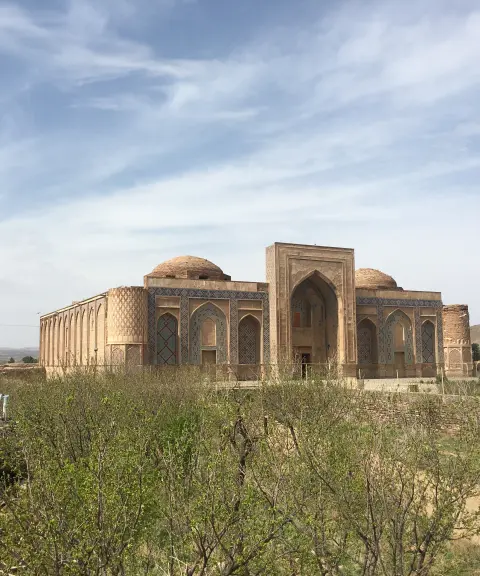
Ghiasieh Madrasa of Khargerd
Province Razavi Khorasan
- Walking
A masterpiece of wind engineering in the desert of eastern Iran
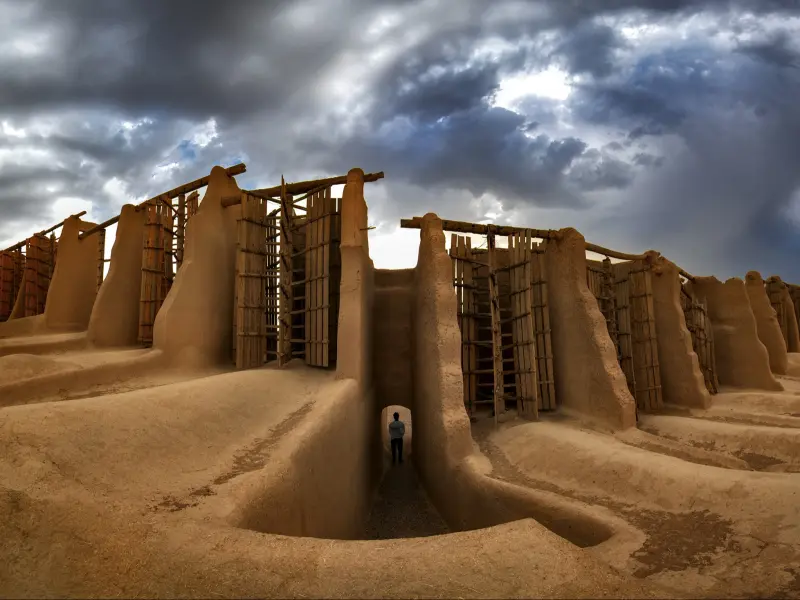
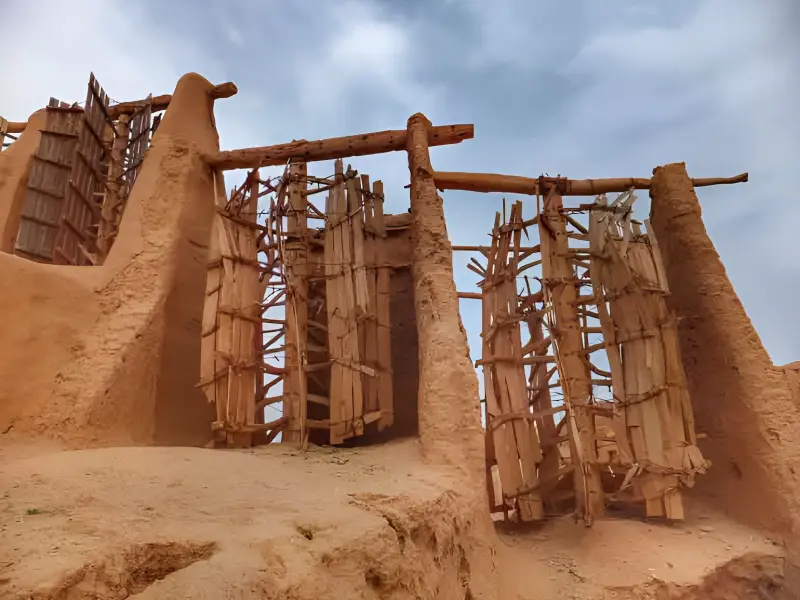
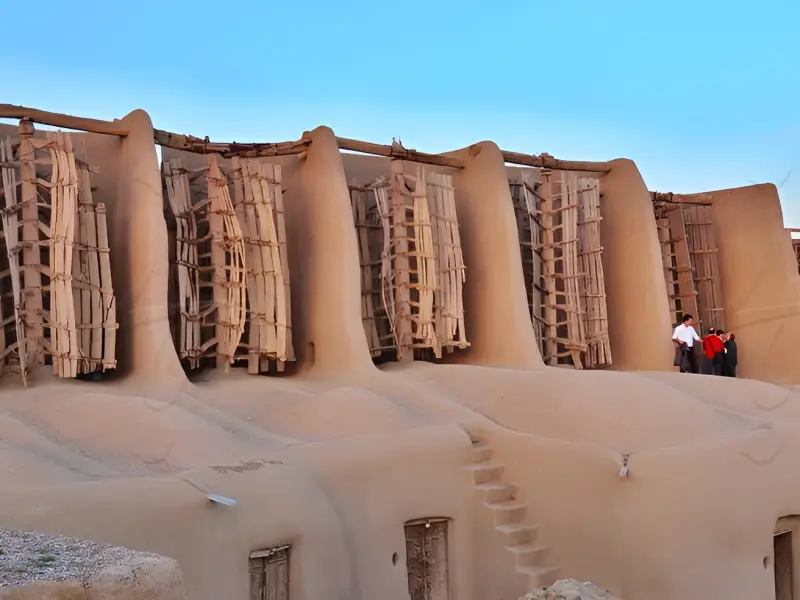
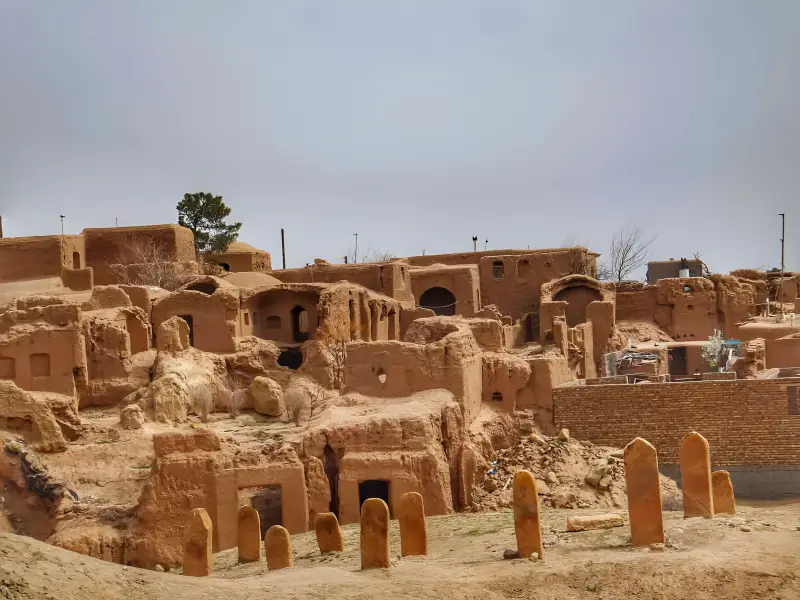
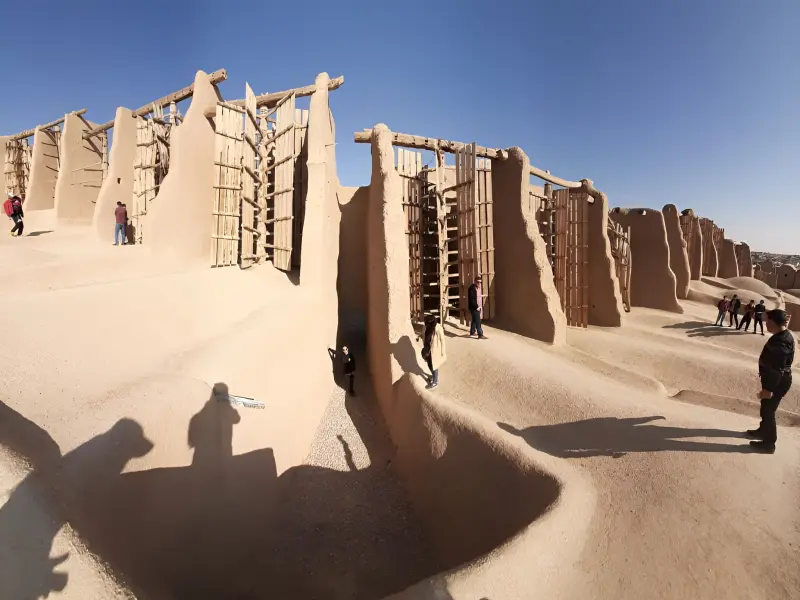
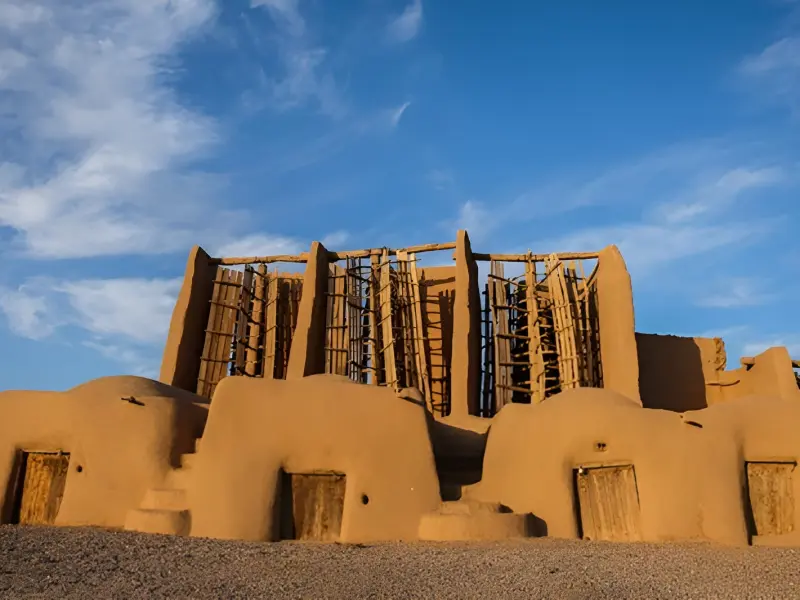
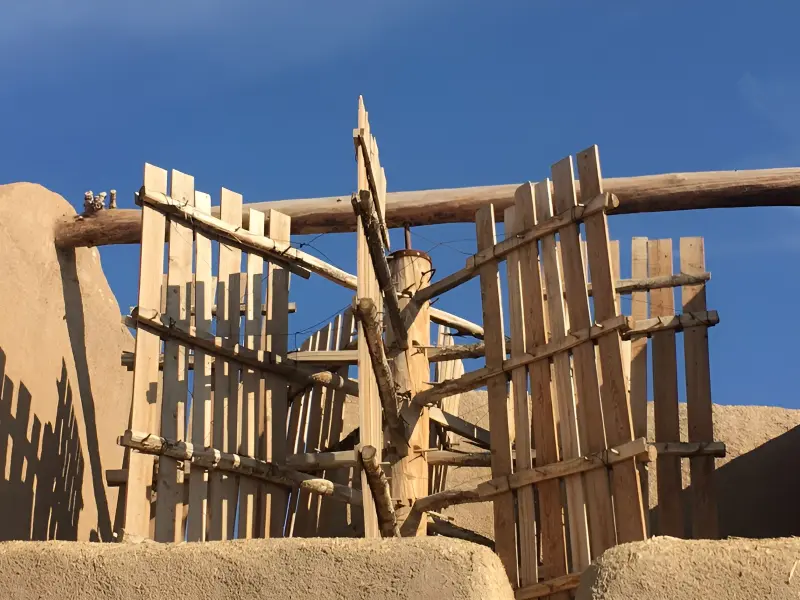
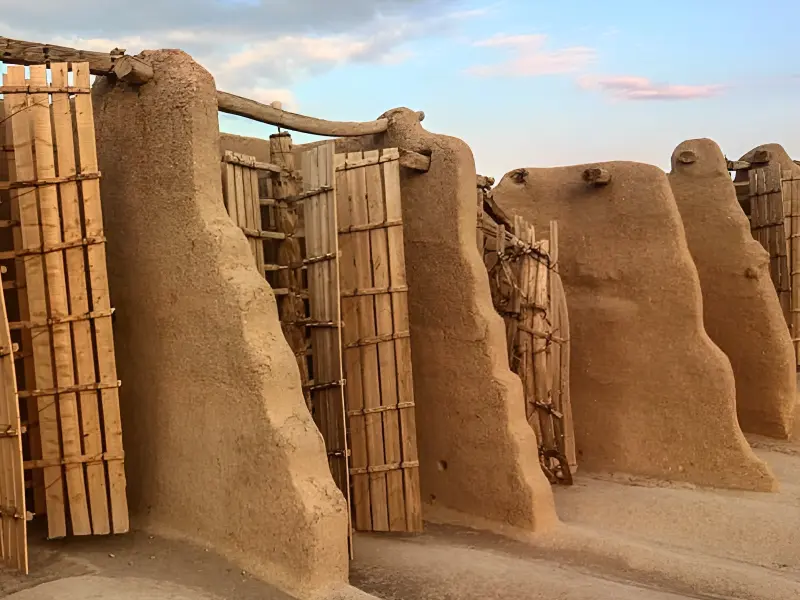
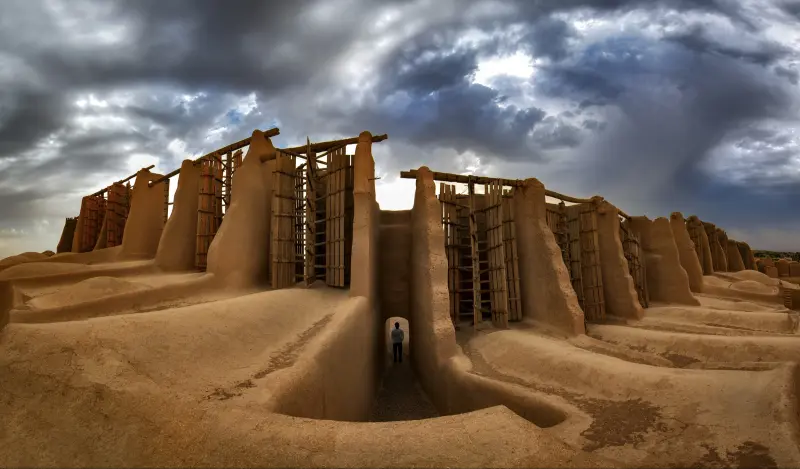
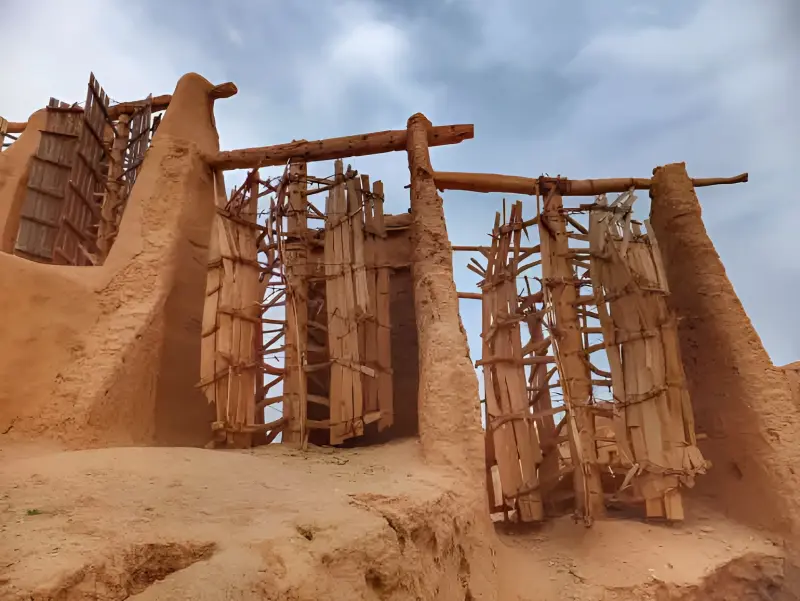
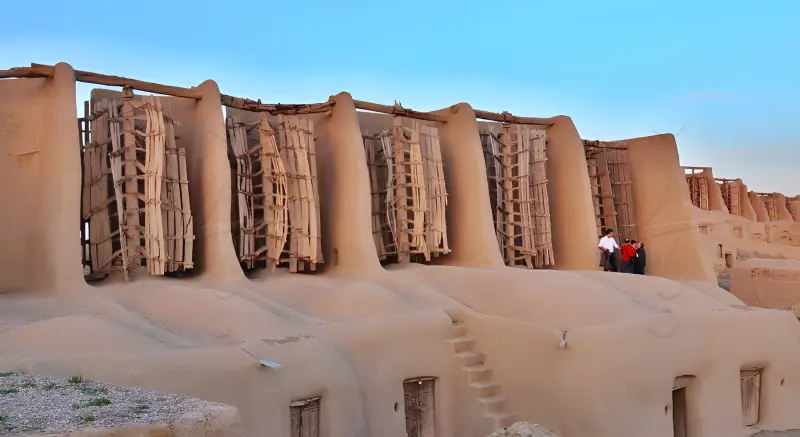
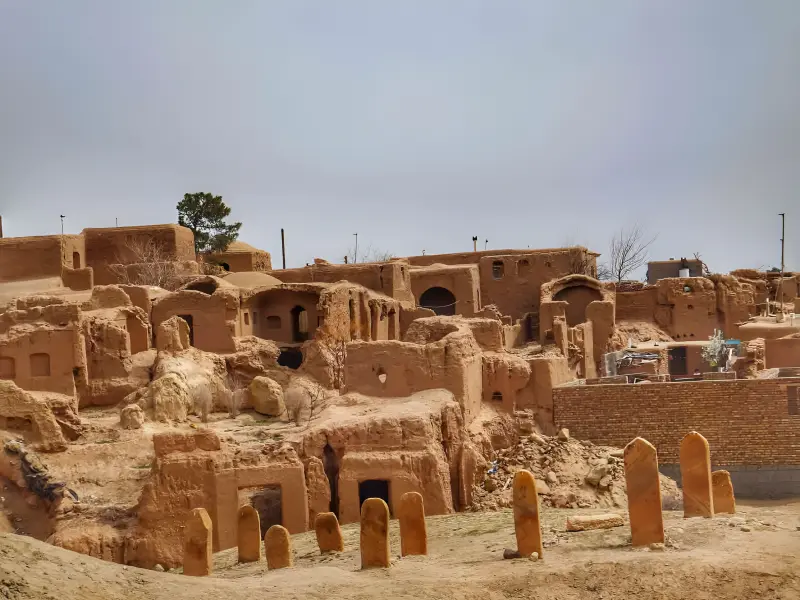
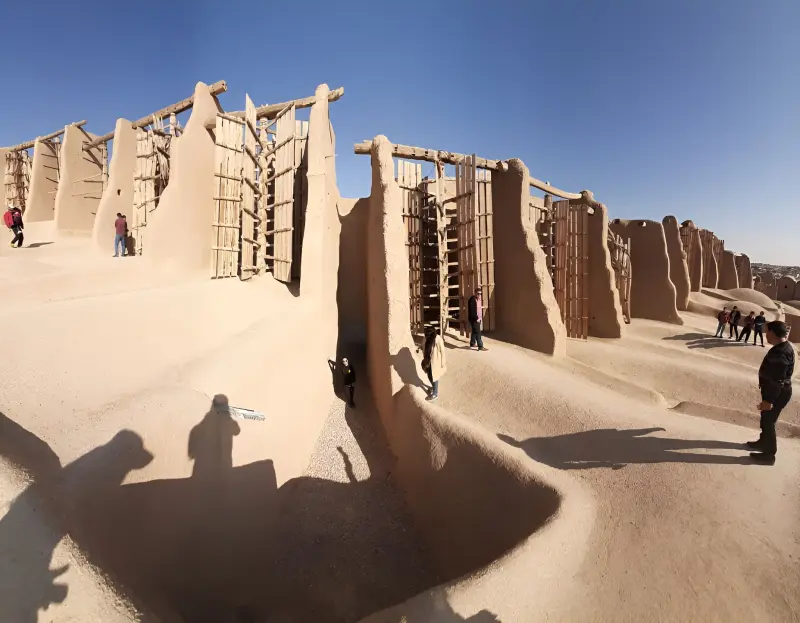
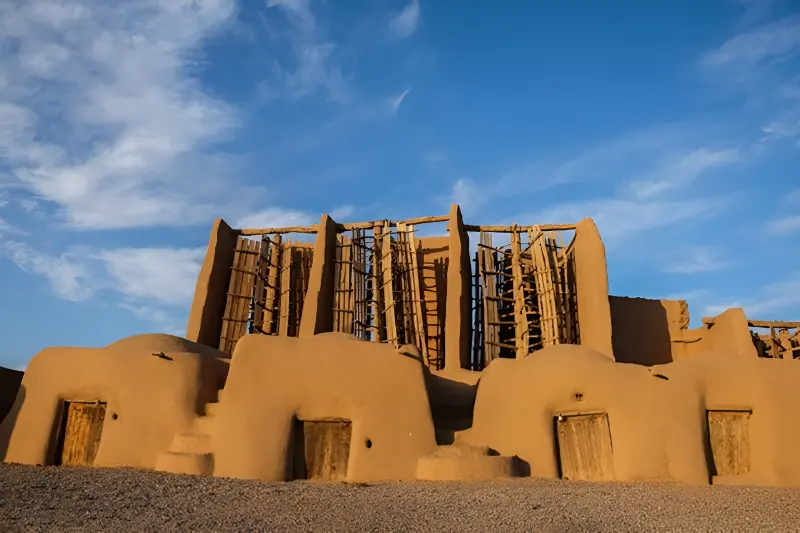
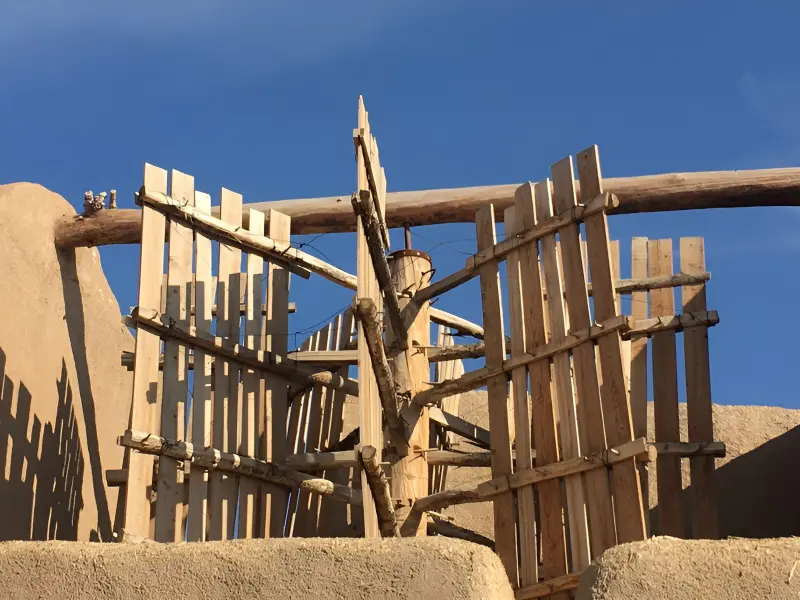
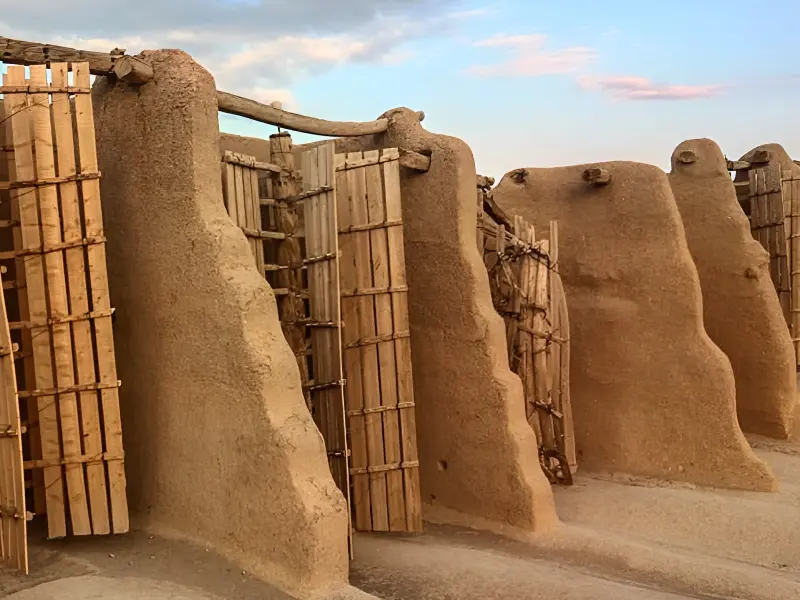
The Nashtifan Windmills are among the most iconic historical attractions of Razavi Khorasan Province. They are located in the town of Nashtifan, in Khaf County. Registered on Iran's National Heritage list in 1381 (2002), this valuable complex is considered one of the largest adobe, mud and timber structures in the country. Its origins are attributed to the Safavid era at the latest, although some historical evidence suggests a far older history. The asbads, or windmills, harness the famous 120-day winds of Sistan and have played an important role in the livelihood of the local people. Today they are also known as a symbol of indigenous knowledge and of human adaptation to an arid climate.
This historical complex includes dozens of windmills, some of which are still active and can grind wheat into flour. The windmills are designed with a vertical axis, and their blades rotate vertically around a wooden shaft. This design is unique of its kind and the result of a precise understanding of the region's climate. The materials used are adobe, mud and wood, and each structure has two main parts: the "parkhaneh" (the blade chamber) at the top and the "as-khaneh" (the millstone chamber) at the bottom. This simple yet efficient system runs on wind power alone, with no need for fuel or external energy, and is a brilliant example of the use of clean energy in the past. The presence of the last traditional millers at the complex adds to its cultural appeal and has turned the site into a living museum of history.
To reach the Nashtifan Windmills, you can travel from Mashhad towards Torbat-e Heydarieh and then Khaf, and after about 20 kilometres you will arrive in Nashtifan. The Tehran–Khaf railway line and road routes also make the area easier to reach. The best time to visit is autumn, winter and early spring, when the weather in the region is milder and more pleasant. Given the historical and fragile nature of these structures, it is especially important to follow the principles of nature tourism and responsible travel, including avoiding damage to the buildings, keeping the environment clean and respecting the local culture.
Written by زهرا لنگری Last updated
What you can do here, and what it takes
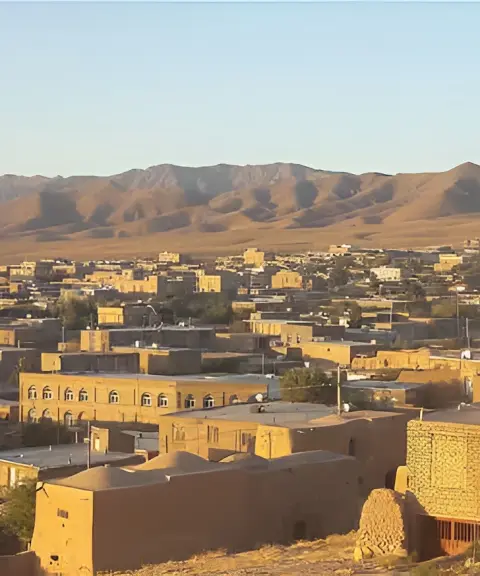
محوطه اطراف آسبادها و بافت قدیمی شهر، فضایی مناسب برای گشتوگذار آرام و پیادهروی سبک فراهم کرده است.
Province Razavi Khorasan
Province Razavi Khorasan
Province Razavi Khorasan
Province Razavi Khorasan
Province Razavi Khorasan
Province Razavi Khorasan
Province Razavi Khorasan
Province Razavi Khorasan

Unfortunately, no comments have been registered.