
 Attractions
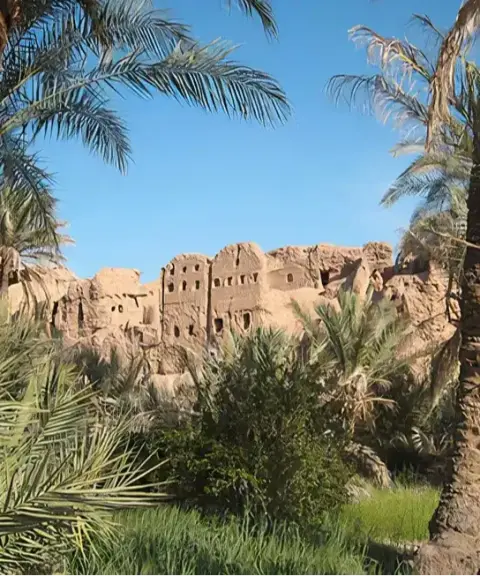
Iraj Village
A thousand-year-old village with a historic castle in the heart of the desert
- Attractions
- Isfahan, خور
- Altitude 1,258 m
- Ability level Beginner
Ability level:
Beginner
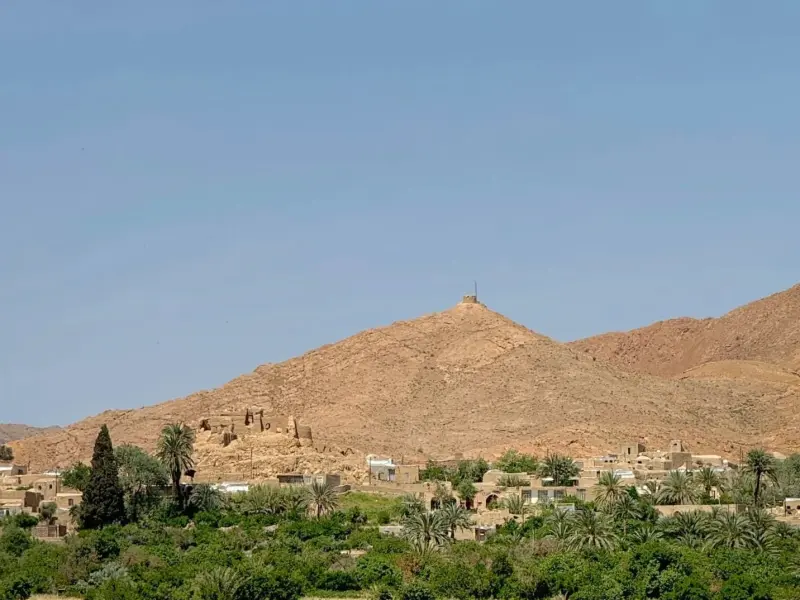
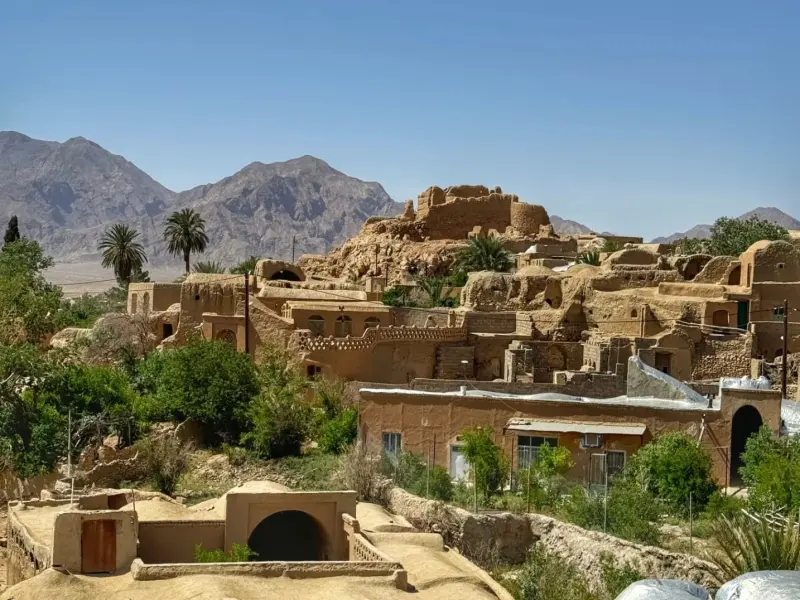
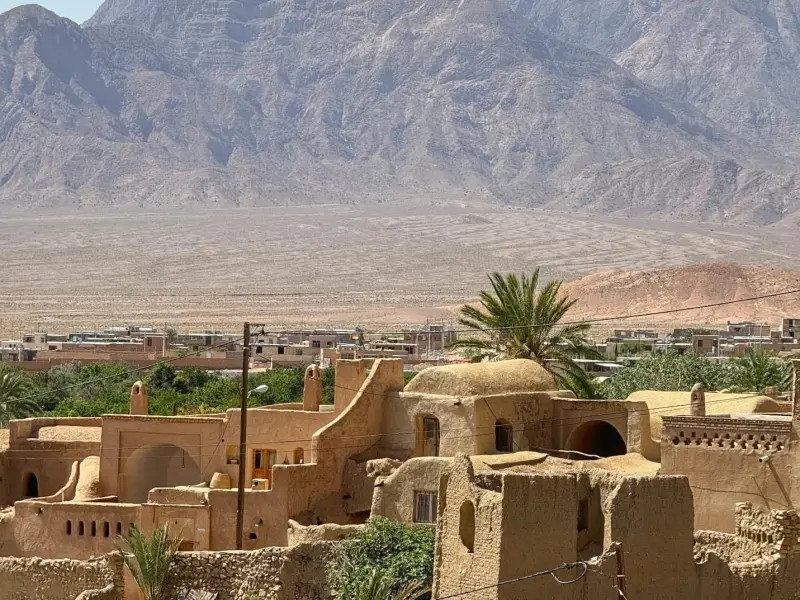
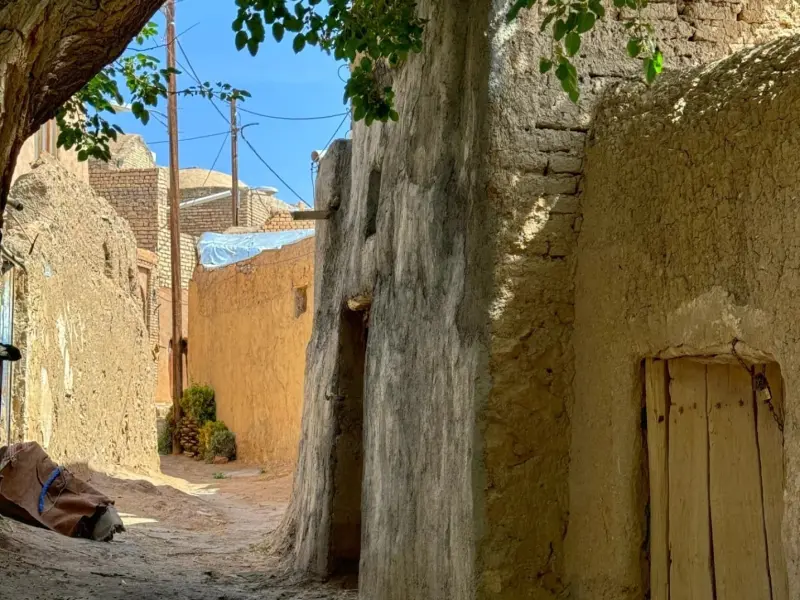
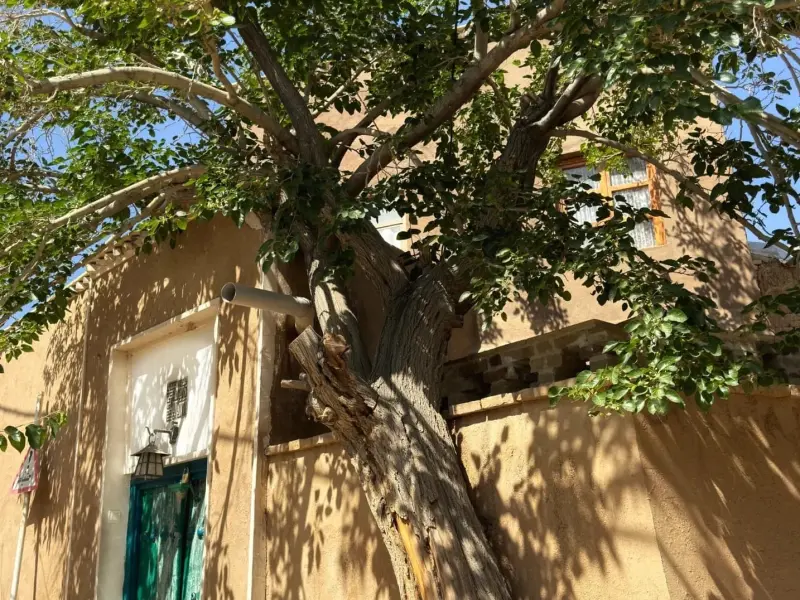
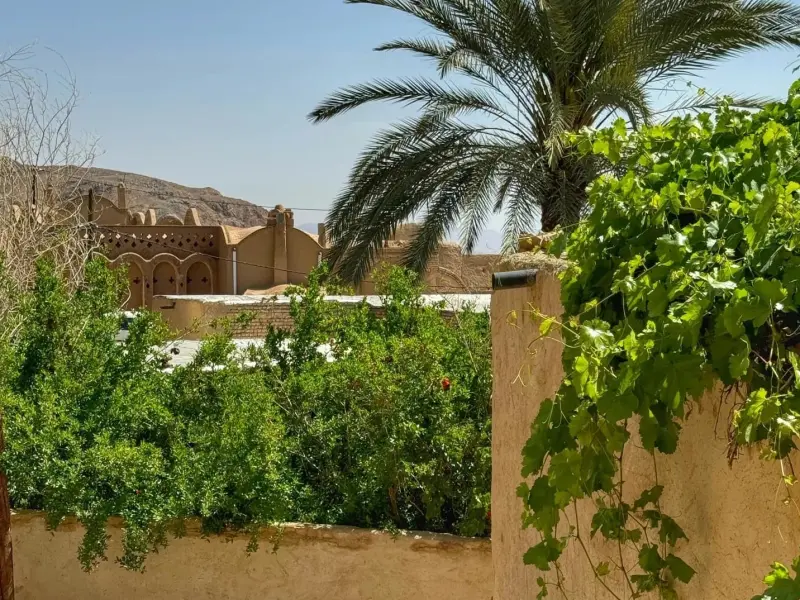
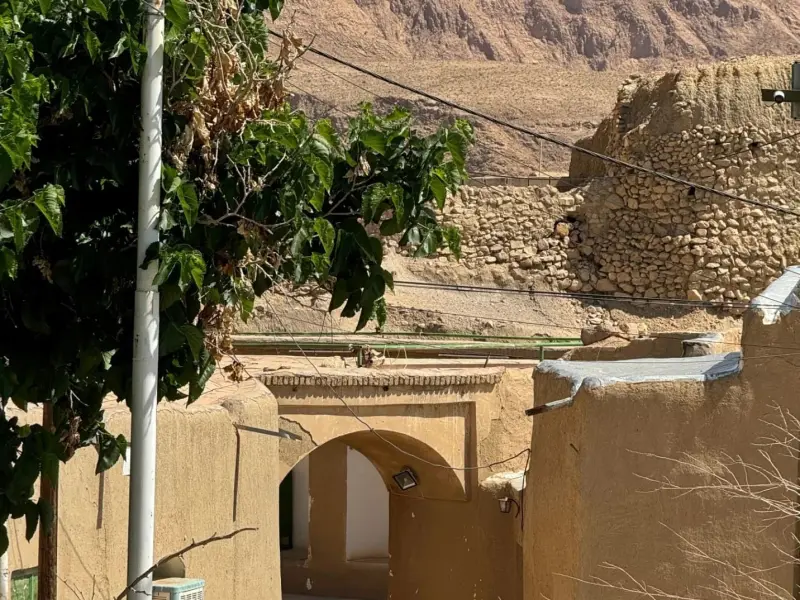
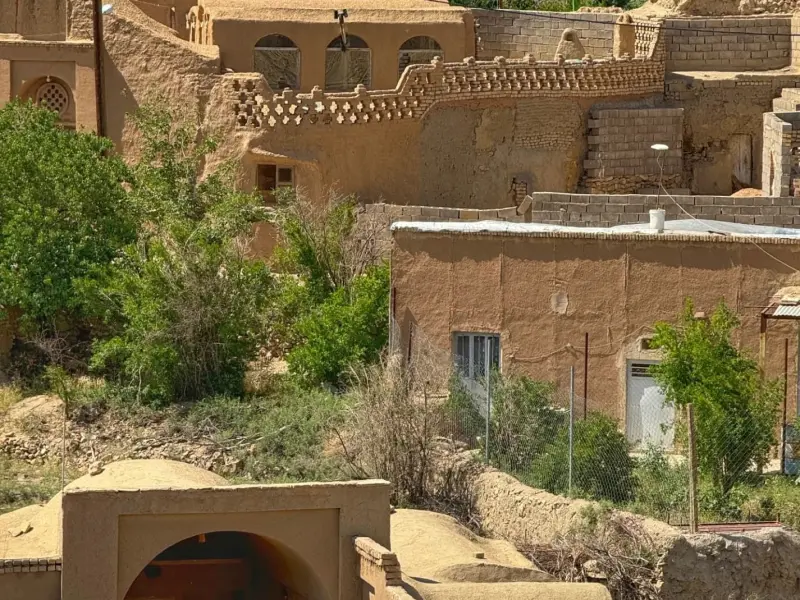
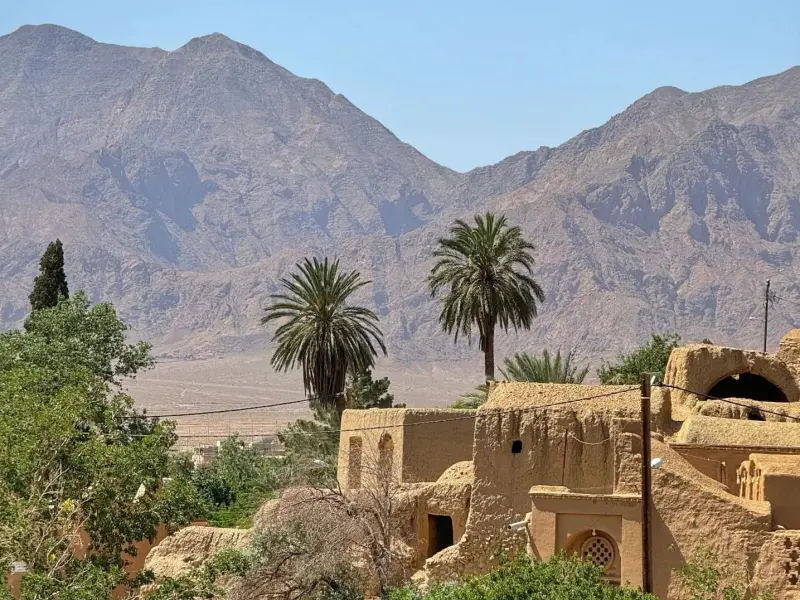
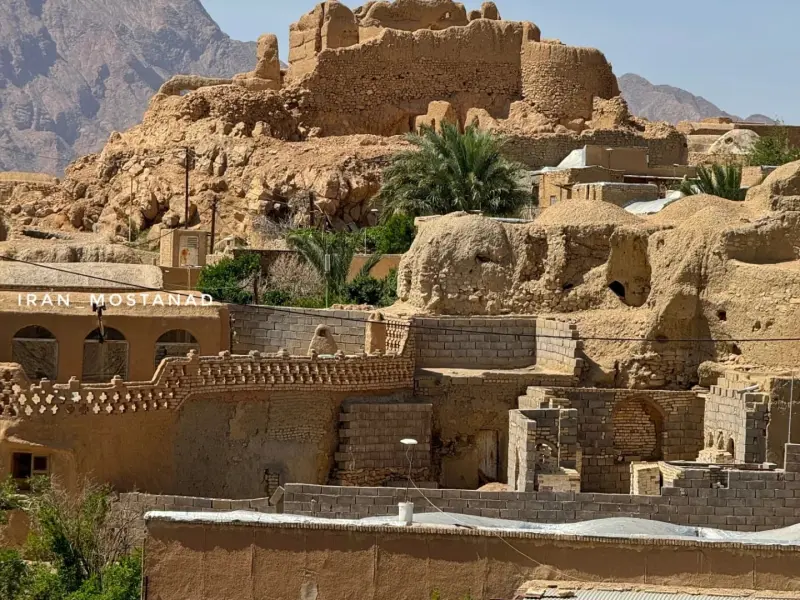
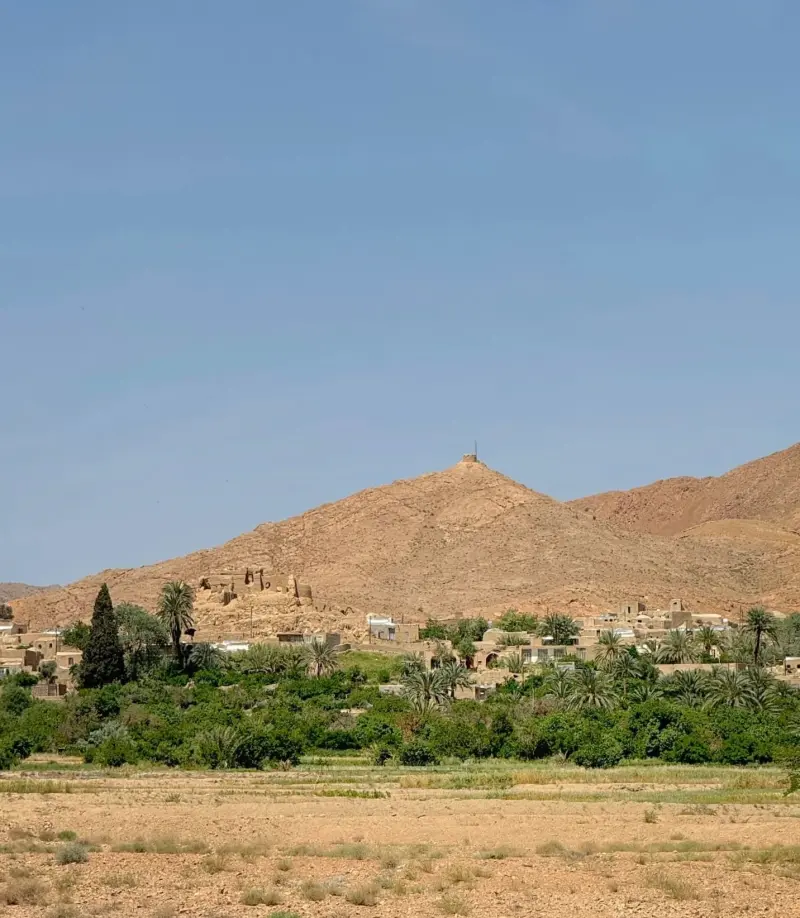
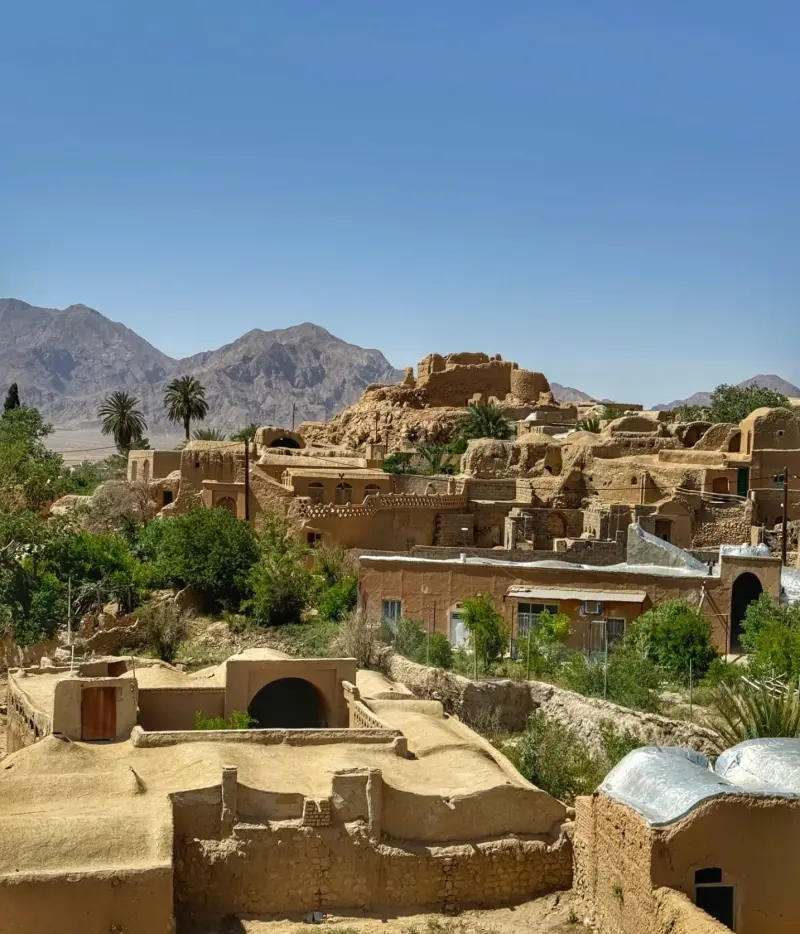
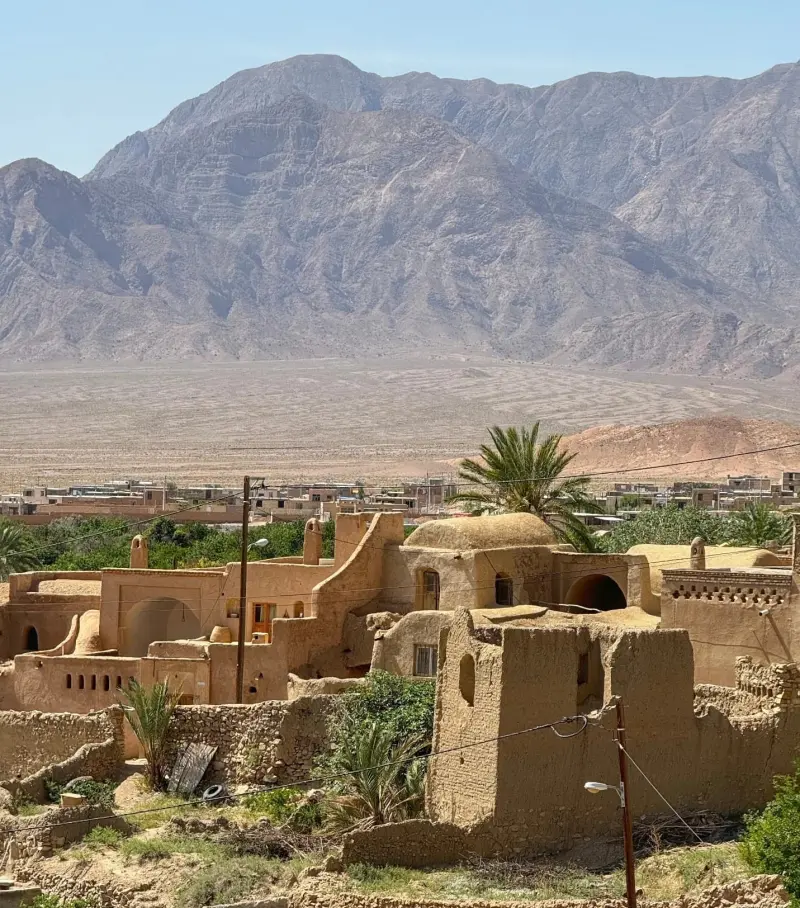
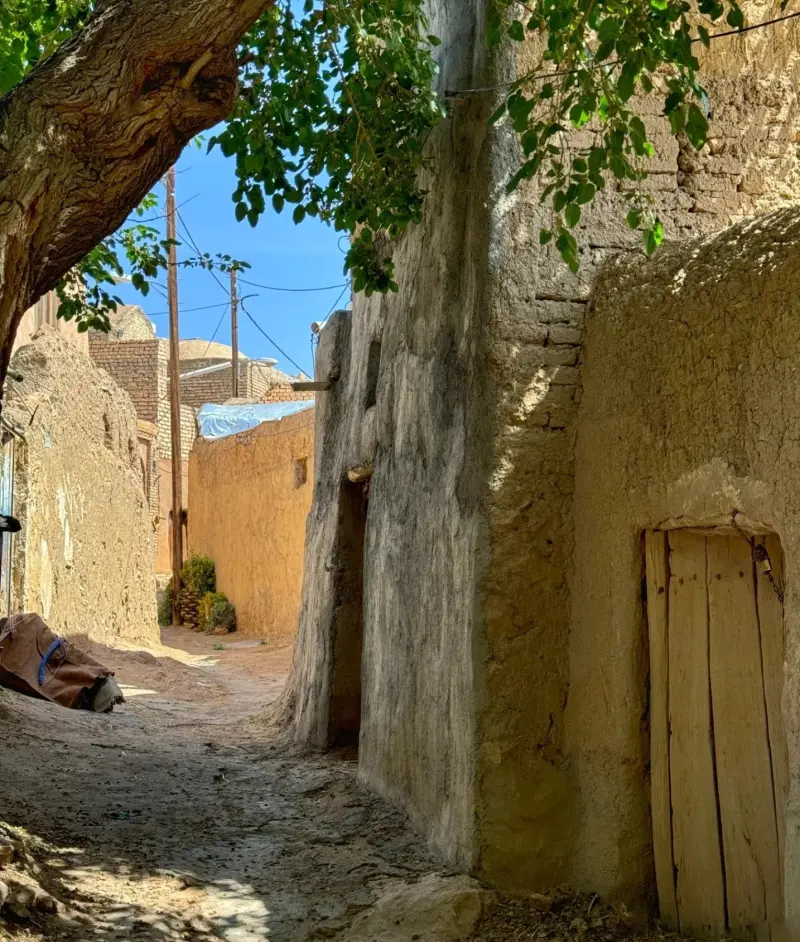
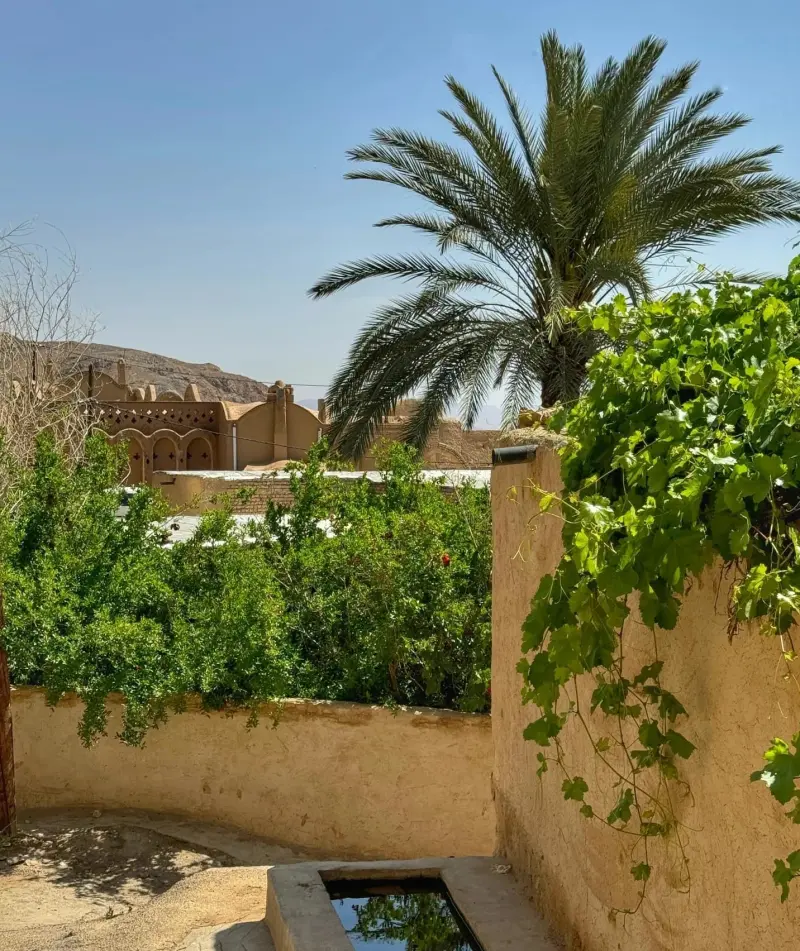
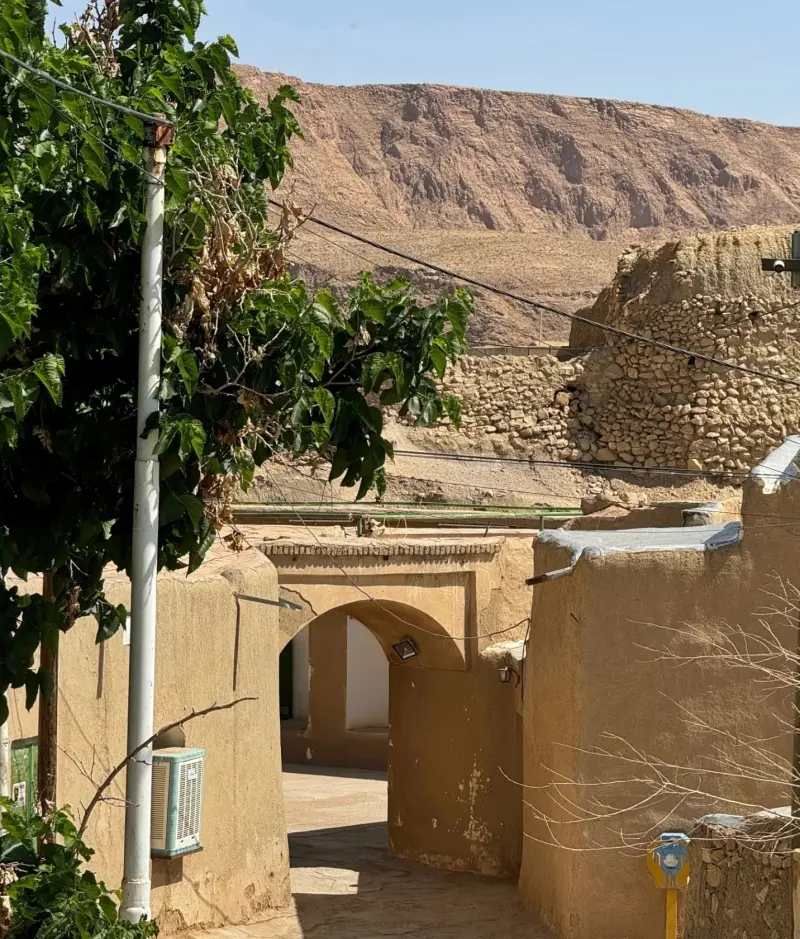
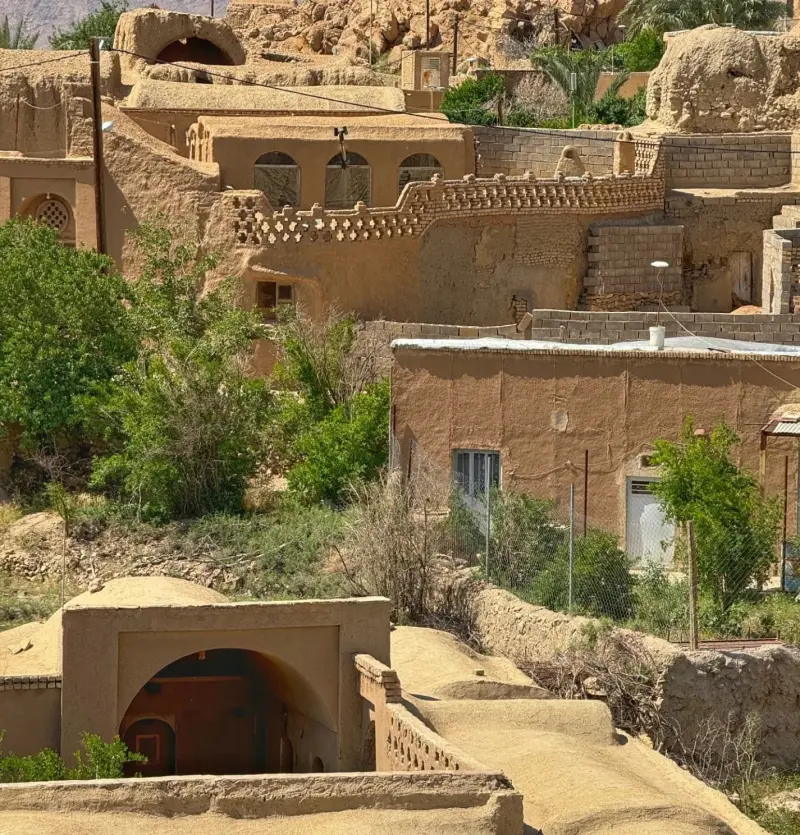
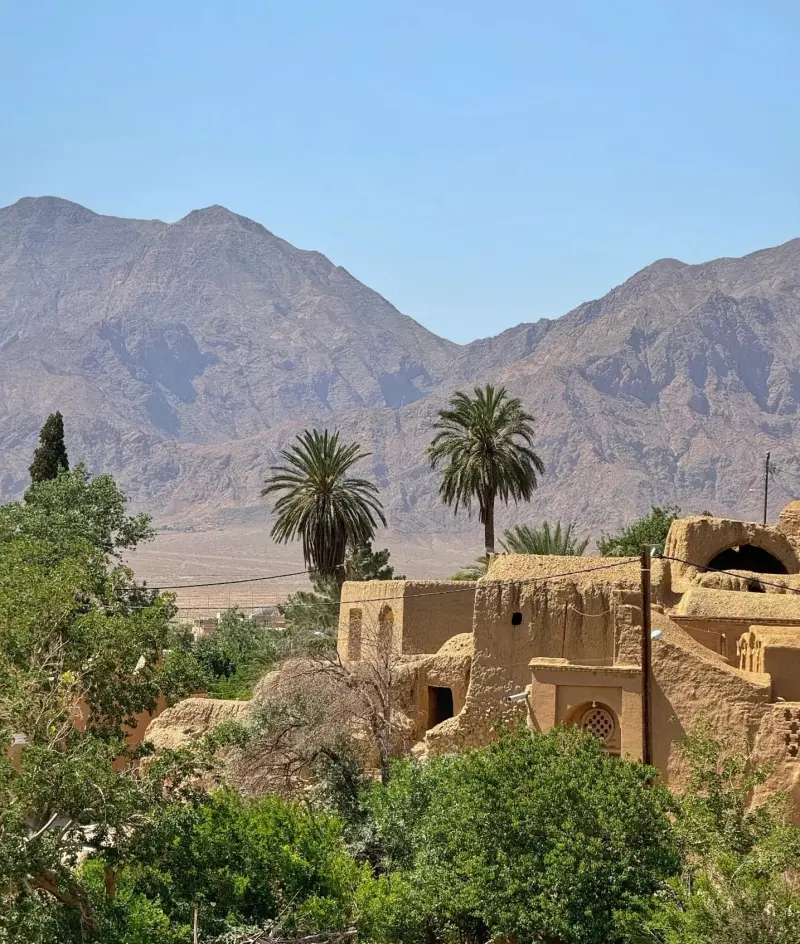
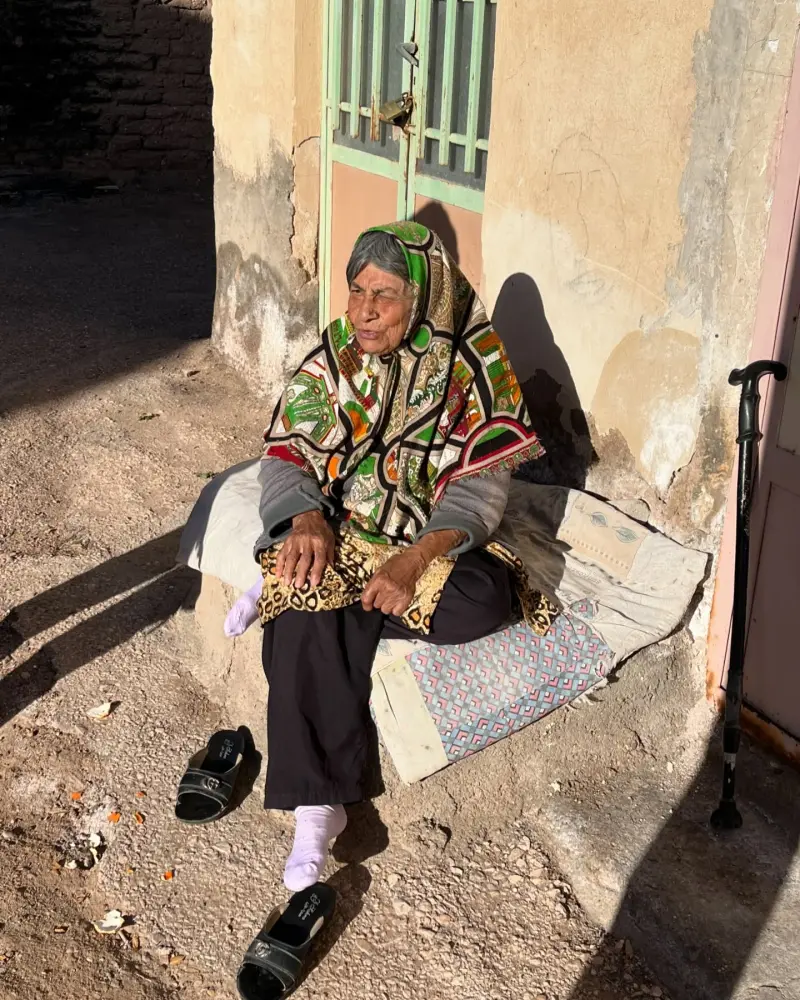
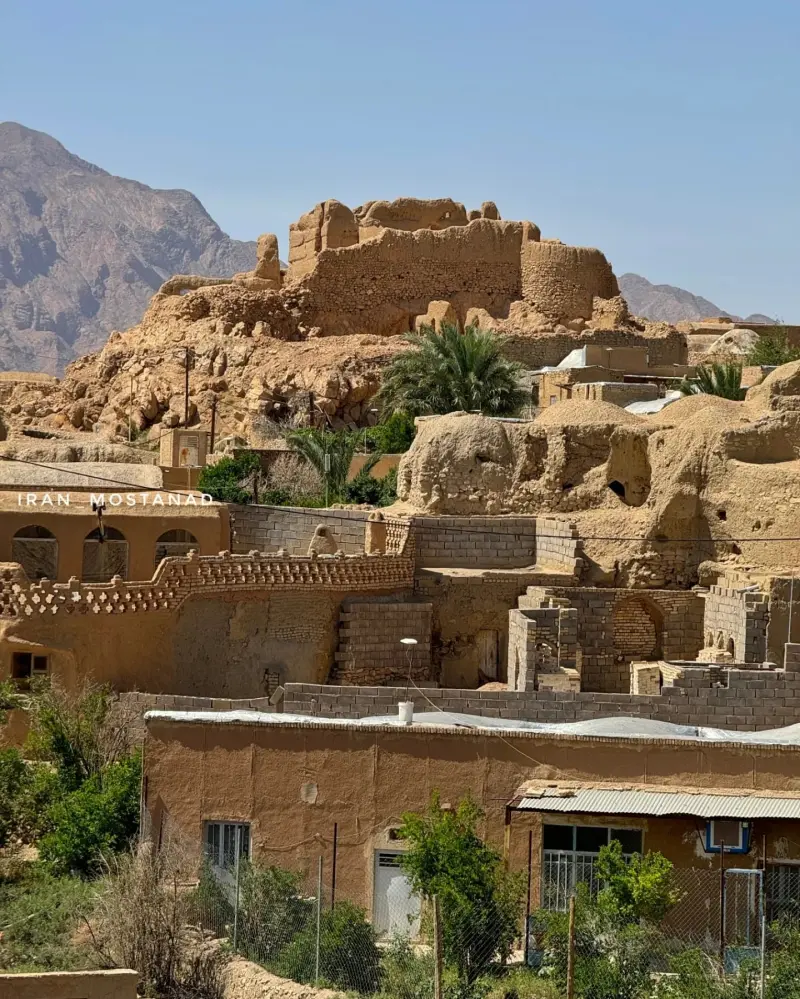
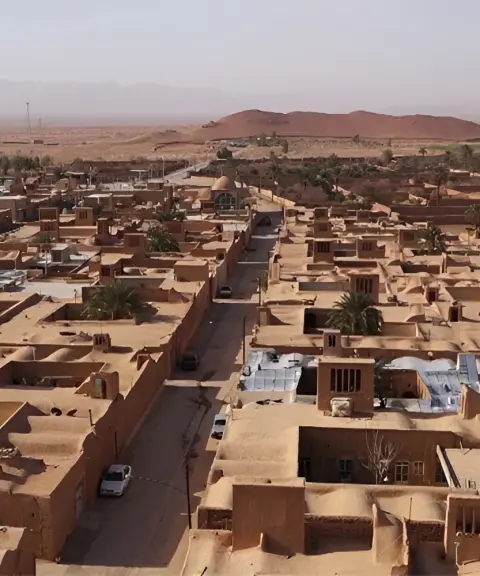
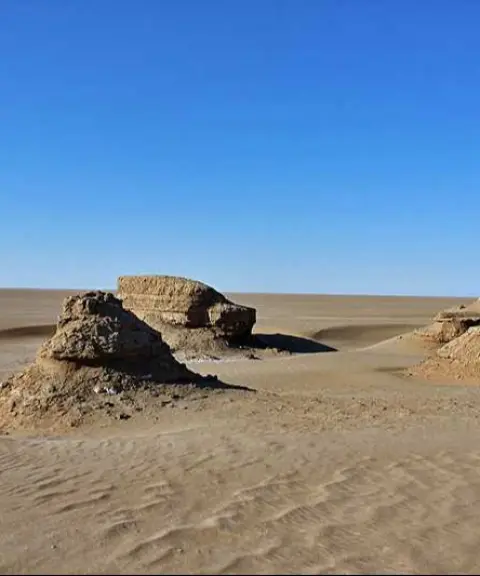
Iraj Village is one of the historic and unique villages of Khur and Biabanak County in Isfahan Province, set in the heart of Iran's desert climate. Dating back several thousand years, with its origins attributed to the Achaemenid and Sasanian eras, it is counted among Iran's ancient settlements and was once home to Zoroastrians. Built on a hillside, with traditional architecture of adobe, mud and stone, Iraj has taken shape on a natural hill. Because of the many springs it once had, it became known as the "Village of Thirty-Three Springs." Although it lies on the edge of the central desert, its water sources and local orchards give the village an atmosphere that is different and striking amid the surrounding arid land.
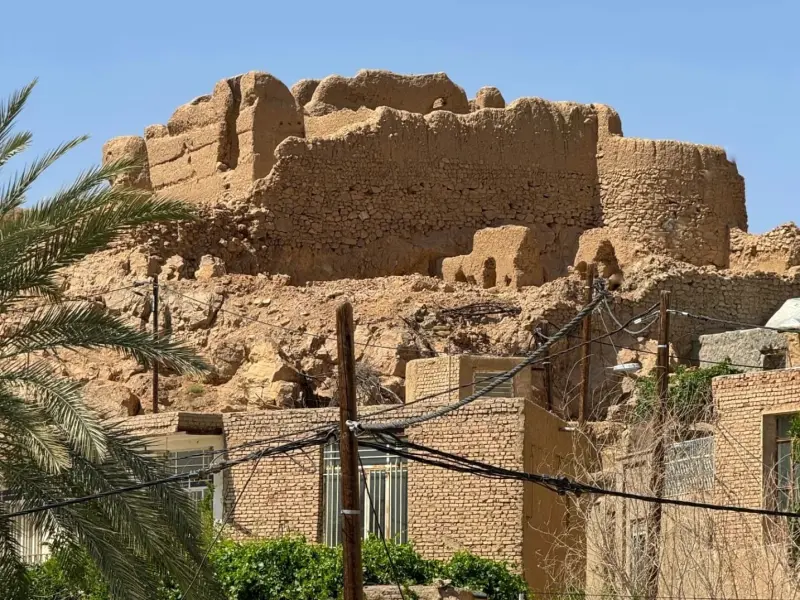
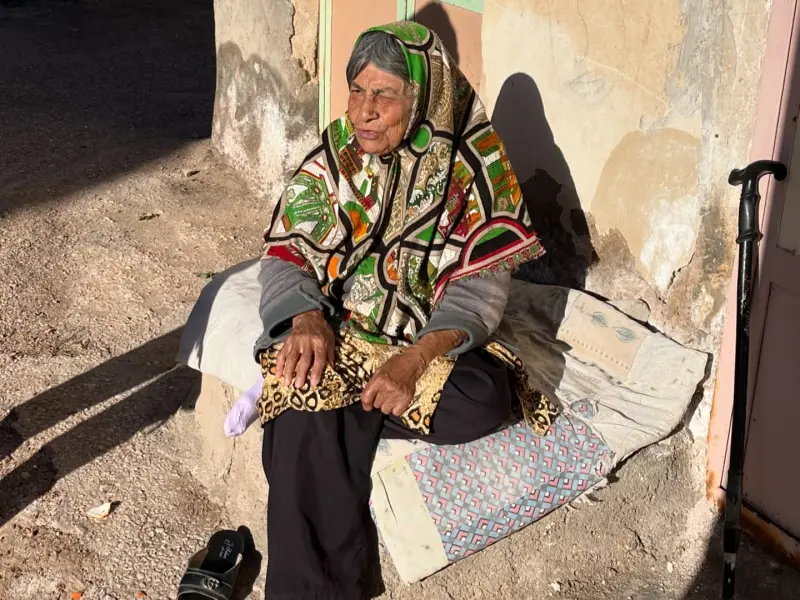
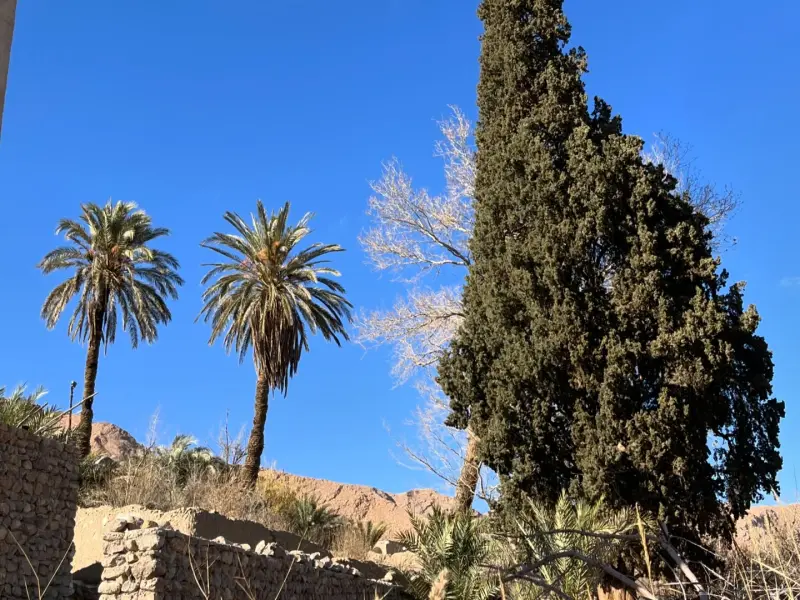
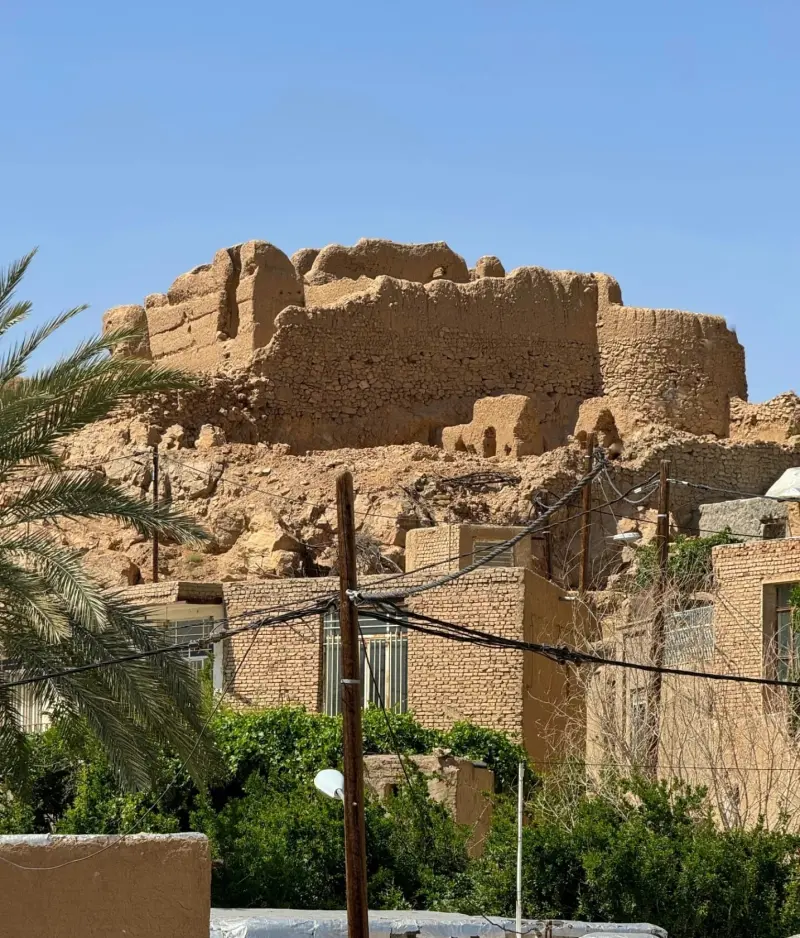
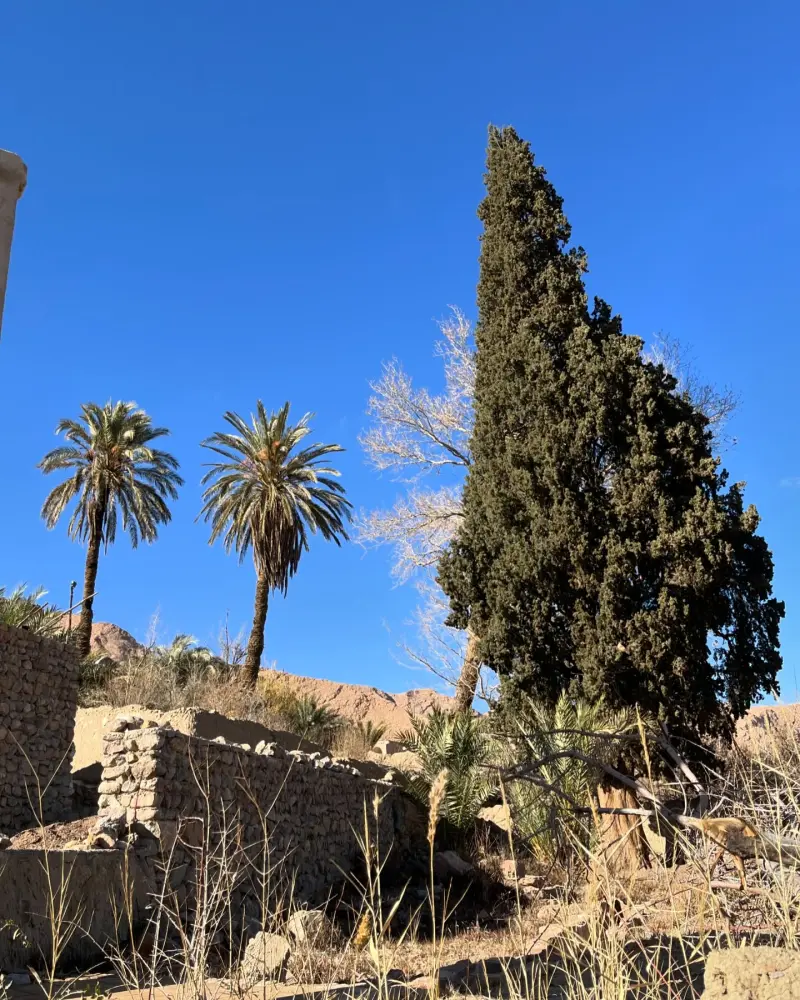
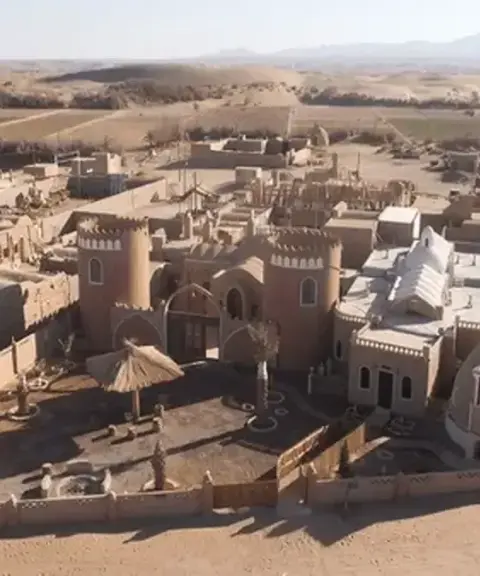
Iraj's main attraction is its historic castle, which stands on a hilltop overlooking the village and gives visitors a wide view of the traditional settlement and the surrounding fields. The original structure dates back to the Ismaili period and was rebuilt in the Qajar era. It is built of adobe and mud, and parts of it have been damaged over time. Alongside this historic monument, a centuries-old cypress tree, old Zoroastrian cemeteries and the remains of dakhmas (towers of silence) add to the village's historical and cultural value. Various handicrafts, such as mat weaving and carpet weaving, are also common in the area and form part of the cultural identity of its residents. Today, with the development of eco-lodges, Iraj has become one of the important desert tourism destinations.
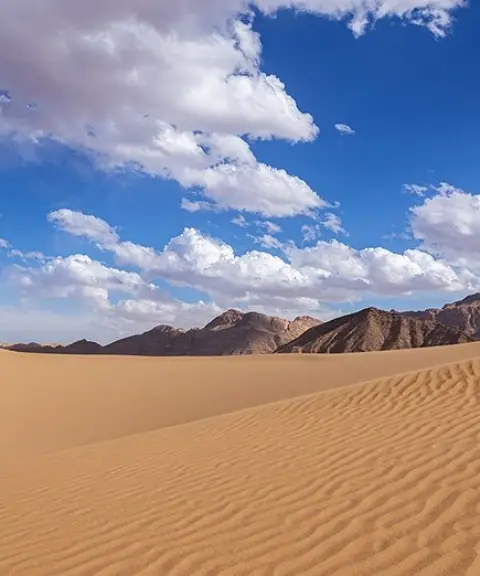
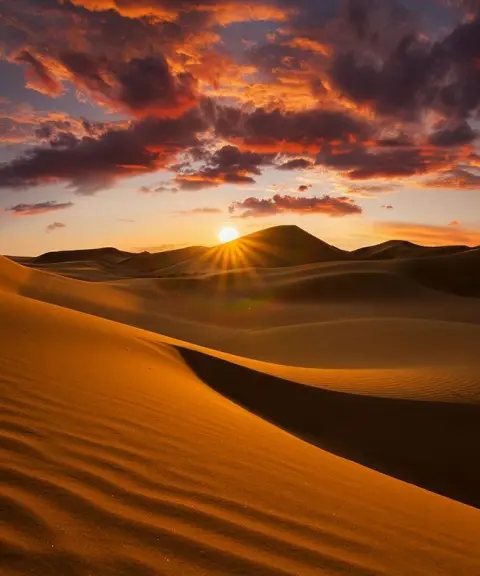
To reach Iraj Village, travel to Khur and Biabanak County in the east of Isfahan Province and follow the county's connecting roads to the village. The route is mostly by road and passes through desert landscapes. The best times to visit Iraj are spring, early autumn and late winter, when the weather is milder and you can enjoy the nature and the historic fabric of the village. Given the region's harsh climate, it is essential to carry enough water and suitable equipment, and to follow the principles of responsible nature tourism, including conserving natural resources, respecting local culture and avoiding damage to historic monuments, in order to preserve this valuable heritage.
Written by زهرا لنگری Last updated
Activities
What you can do here, and what it takes
-
Walking
دشتها و مسیرهای اطراف روستا برای گشتوگذار در طبیعت کویری و تجربه سکوت کویر مناسب است.
Specifications
Introduction of the location and specifications of Iraj Village
Location:
Isfahan, خور
Coordinates:
33.46045310, 54.86933496
Open in maps
Height above mean sea:
1258 meter
Floras:
Deserts and Dry Shrublands
Faunas:
Presence of Predatory Animals, Presence of Allergenic Insects, Presence of Herbivorous Animals
Transports:
Private car, Minibus, Bus
Tourist Attractions in خور
Attractions that are nearby

Bayazeh Castle
Province Isfahan
- Walking
A legendary Sasanian fortress in the heart of the Khur and Biabanak desert


Related tags:
Unfortunately, no comments have been registered.