
 Attractions
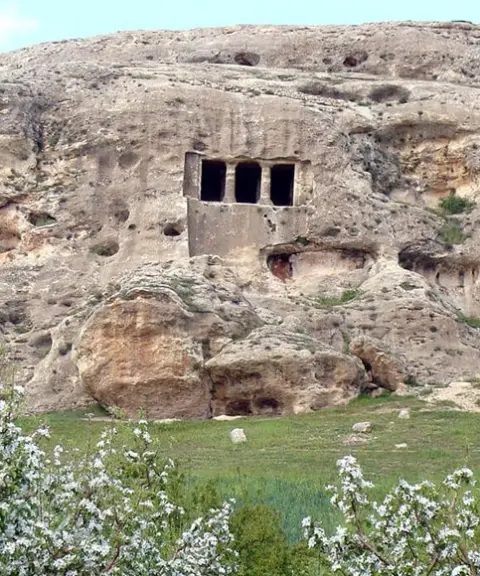
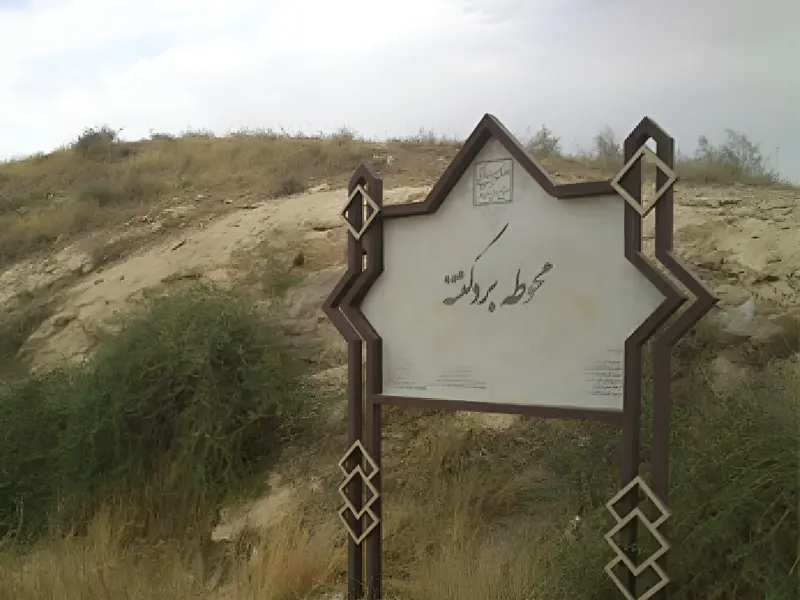
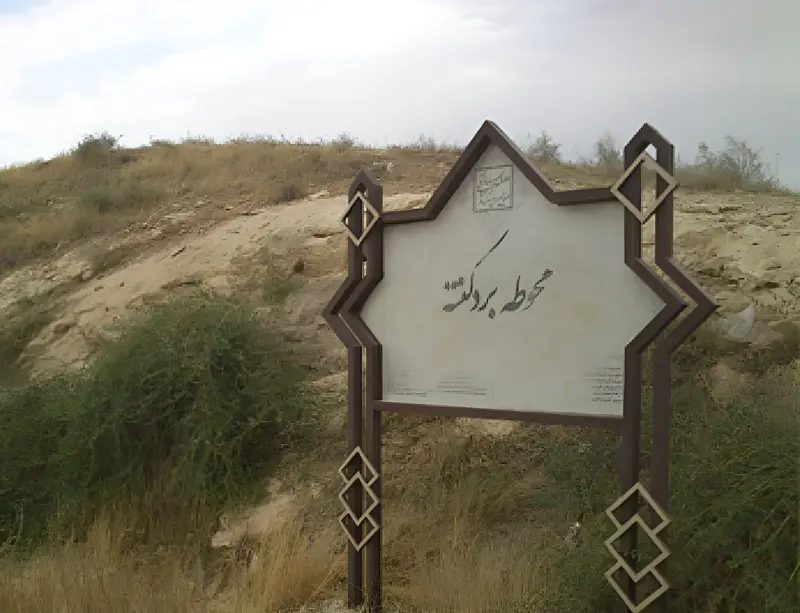
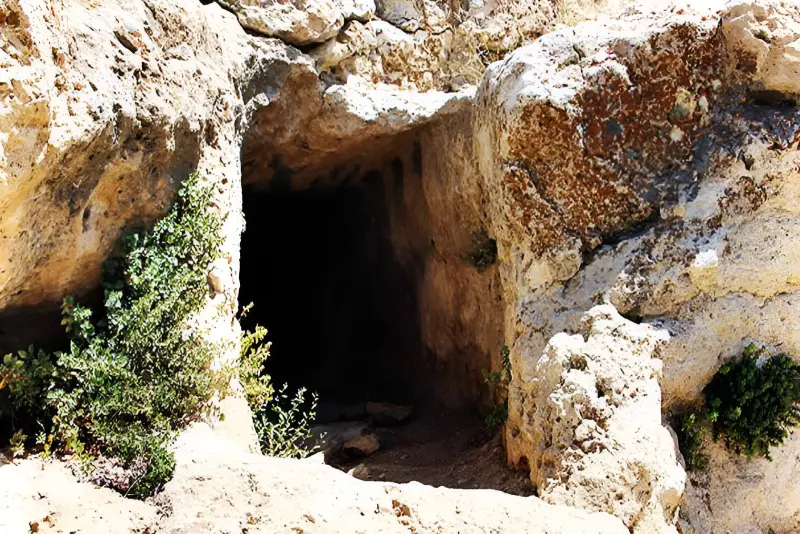
Barde Kenteh Ancient Site
Traces of ancient rituals carved into the rock
- Attractions
- West Azerbaijan, Mahabad
- Altitude 1,298 m
- Ability level Beginner
Ability level:
Beginner
The Barde Kenteh ancient site is one of the most important prehistoric monuments in northwestern Iran. It lies about 8 kilometres north of the city of Mahabad, near the village of Yusefkand in West Azerbaijan Province. Registered on Iran's National Heritage list, the site is attributed to the Mannaean civilization of the first millennium BCE and holds great historical, cultural and archaeological value. Set in a mountainous area overlooking wide plains, and linked to other important sites in the region such as Faqraqa and the surrounding sites, Barde Kenteh is regarded as part of a large historical complex in northwestern Iran. This ancient monument not only shows that ancient civilizations were present in the region, but also offers a picture of the beliefs, social structure and religious rituals of the early peoples of this land.
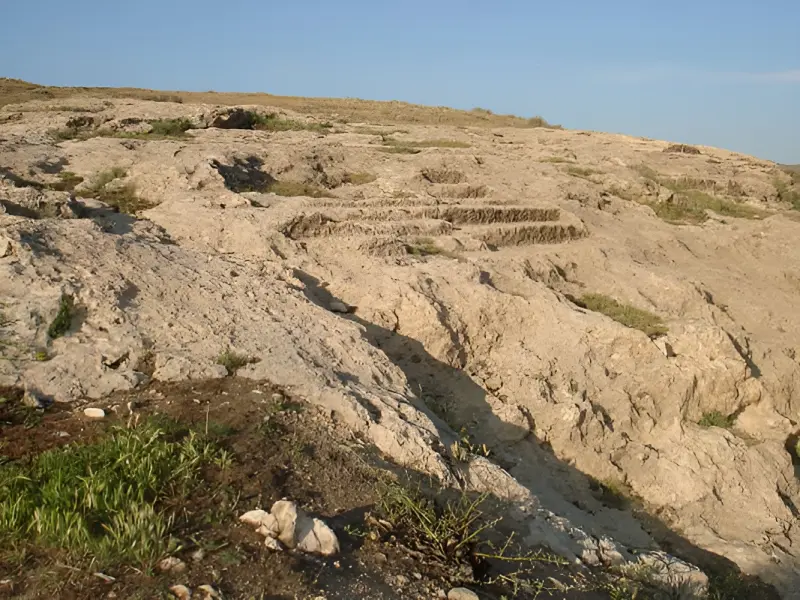
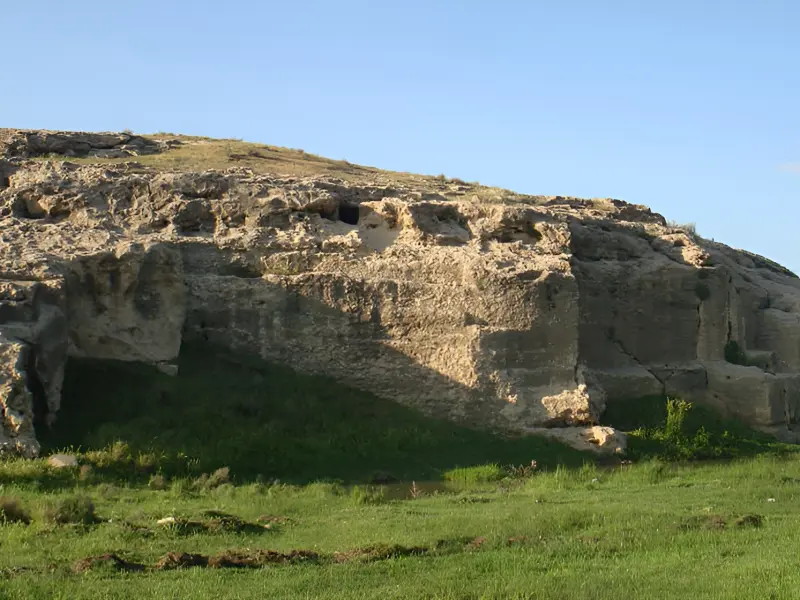
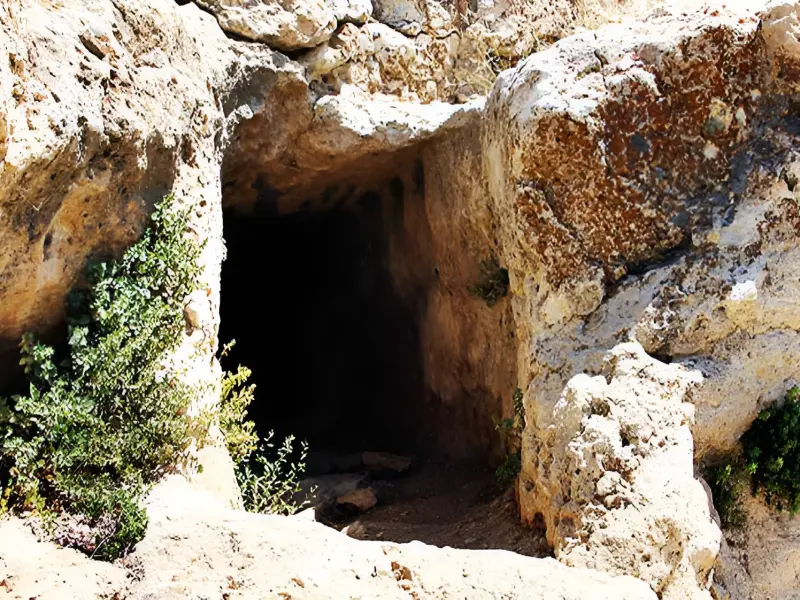
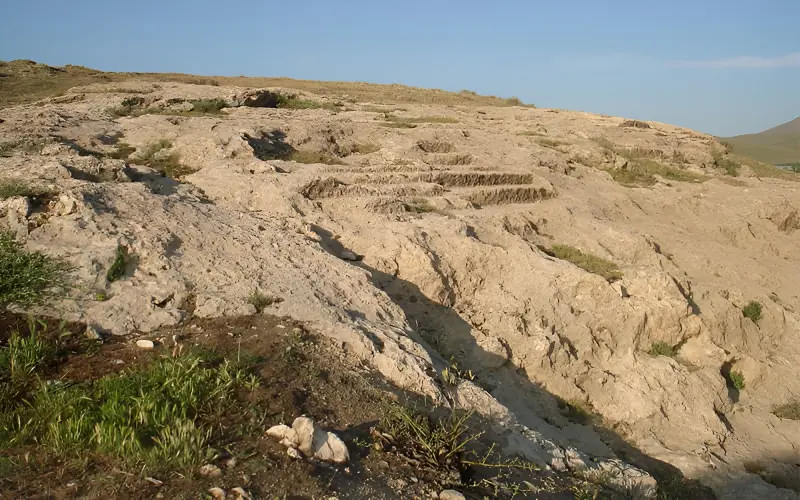
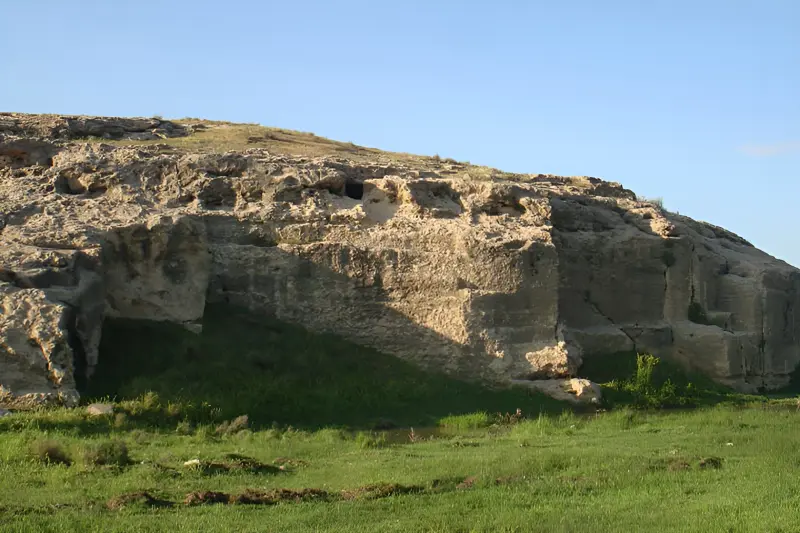
Barde Kenteh is a complex of stone and rock formations made up of two hills, northern and southern. Its structures include carved stairways, a stone fortress, rock-cut tombs and possible ritual spaces. Across the site you can see water channels, defensive walls and the remains of structures, which some researchers take as a sign of the site's religious or ceremonial function. The many stairways carved into the rock, together with hollows and central spaces, have strengthened theories that ritual ceremonies or communal worship took place here. Other archaeologists, by contrast, see the site as more of a multipurpose complex with burial, ritual or even military spaces, used during the Mannaean period. The site's value is also confirmed by the discovery of pottery linked to Mannaean culture, which has made it important evidence of this civilization's presence in the region. Despite its importance, damage such as illegal excavations, natural erosion and proximity to the road has threatened parts of its structure.
To visit Barde Kenteh, take the road from Mahabad towards Urmia and, once you reach the area of Yusefkand village, turn onto the side roads leading to the ancient hills. The site is relatively easy to reach, and visiting is free. The best time to visit is spring or early autumn, when the weather is mild and the natural scenery of the region is at its best. Given the site's fragility and historical value, visitors should avoid damaging the stones, digging or writing graffiti, so that this valuable heritage of Iran's ancient civilizations is preserved for future generations.
Written by زهرا لنگری Last updated
Activities
What you can do here, and what it takes
-
Walking
مسیرهای اطراف تپههای باستانی برای پیادهروی سبک و گردش در طبیعت مناسب است.
Specifications
Introduction of the location and specifications of Barde Kenteh Ancient Site
Construction Period:
Mannaean
Location:
West Azerbaijan, Mahabad
Coordinates:
36.83181300, 45.74946927
Open in maps
Height above mean sea:
1298 meter
Floras:
Rangeland-Steppe
Faunas:
Presence of Allergenic Insects, Presence of Herbivorous Animals
Transports:
Private car, Minibus, Bus
Tourist Attractions in Mahabad
Attractions that are nearby

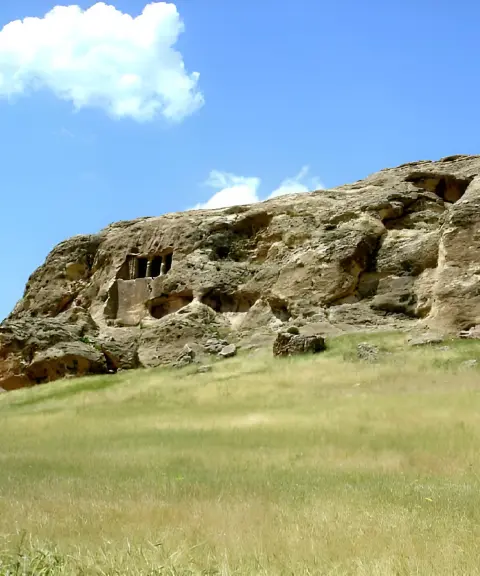
Fakhreqa Rock-Cut Tomb
Province West Azerbaijan
- Walking
The Glory of the Median Civilization in the Heart of the Mountain
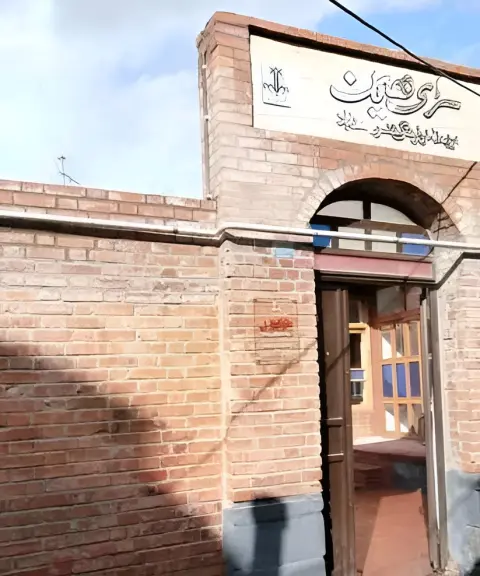
Mahabad Museum of Cultural and Artistic Luminaries (Saray-e Hemin)
Province West Azerbaijan
- Walking
A living home of Kurdistan's literary and artistic memory
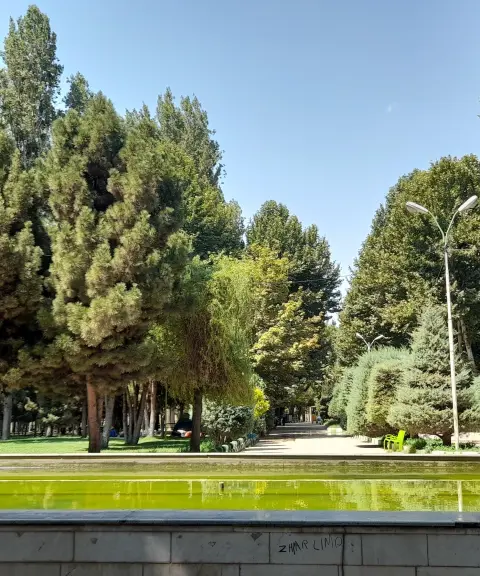
Mikayil Garden (Mahabad National Park)
Province West Azerbaijan
- Walking
- Rowing
The Green and Recreational Jewel of West Azerbaijan
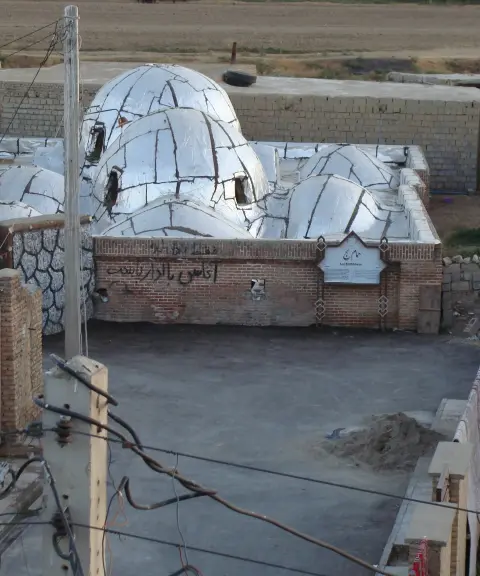
Historic Laj Bath (Hammam)
Province West Azerbaijan
- Walking
A valuable Safavid relic in the heart of an ancient village near Mahabad
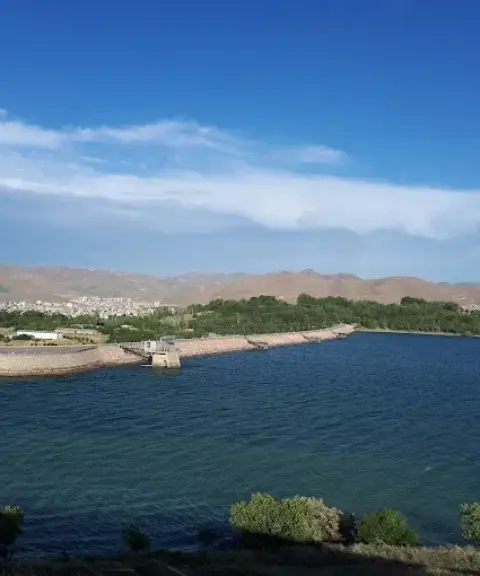

Mahabad Dam Lake
Province West Azerbaijan
- Walking
- Fishing
Where Engineering Meets Nature in the Heart of Mahabad
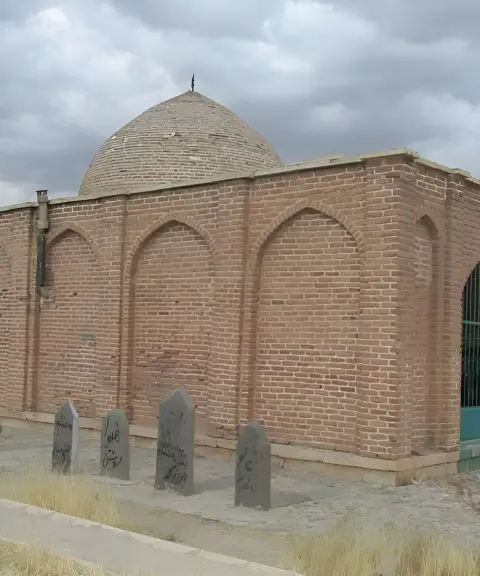
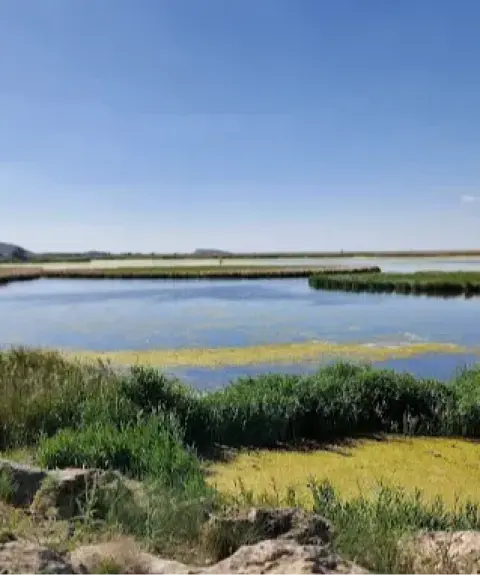

Kani Barazan Wetland
Province West Azerbaijan
- Walking
Iran's first official birdwatching site, in the heart of West Azerbaijan
Related tags:
Unfortunately, no comments have been registered.