
 Valley
- Ability level Intermediate
Ability level:
Intermediate
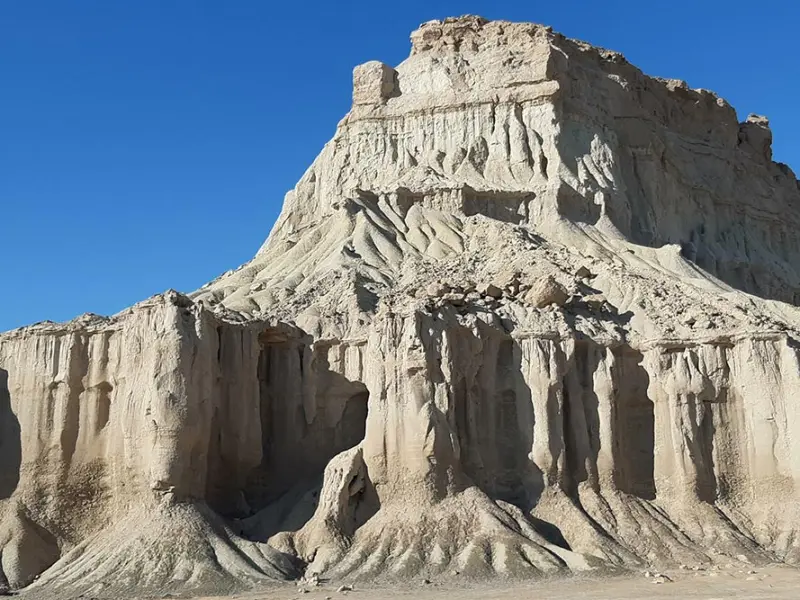
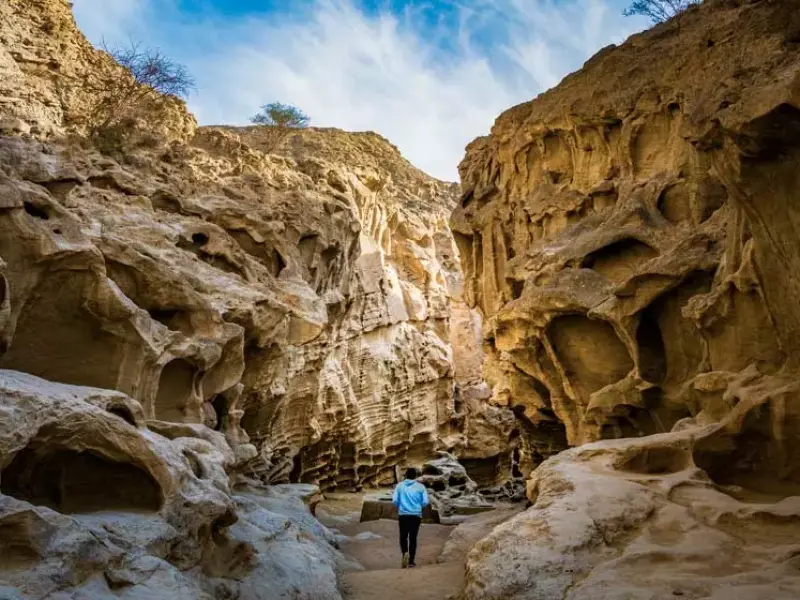
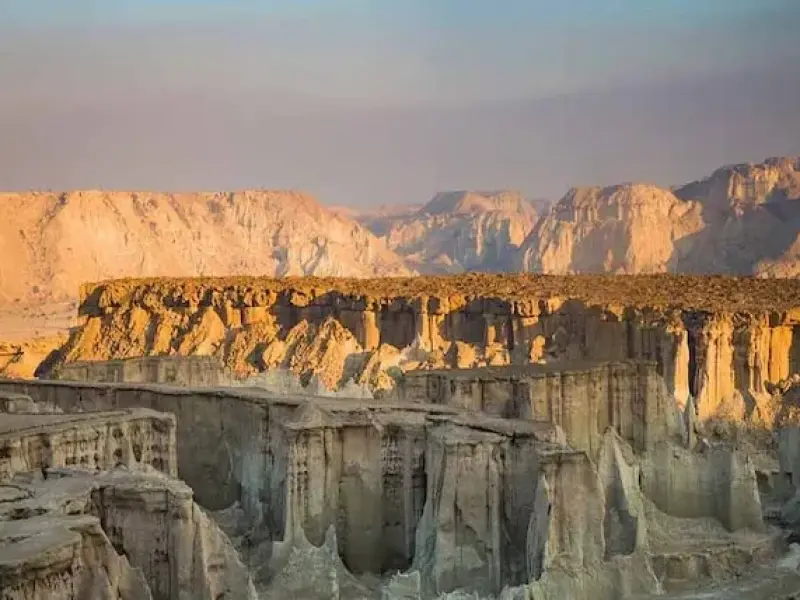
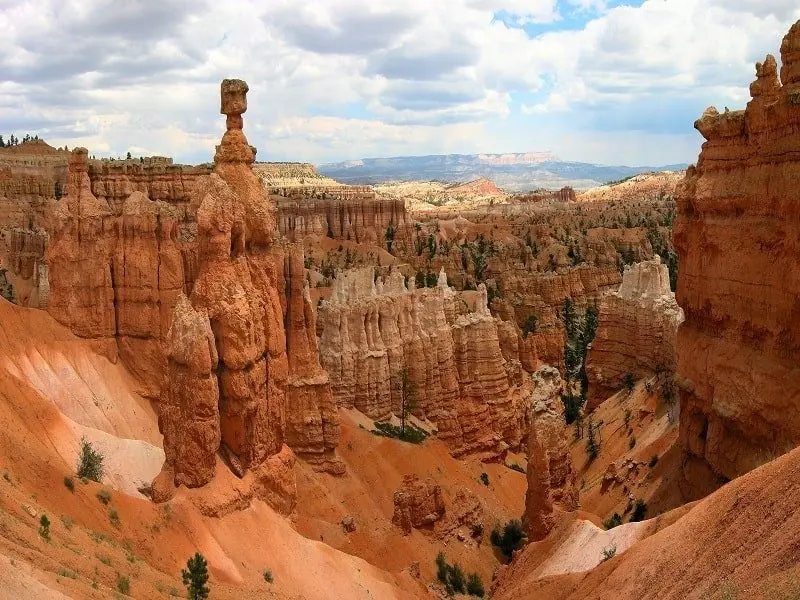
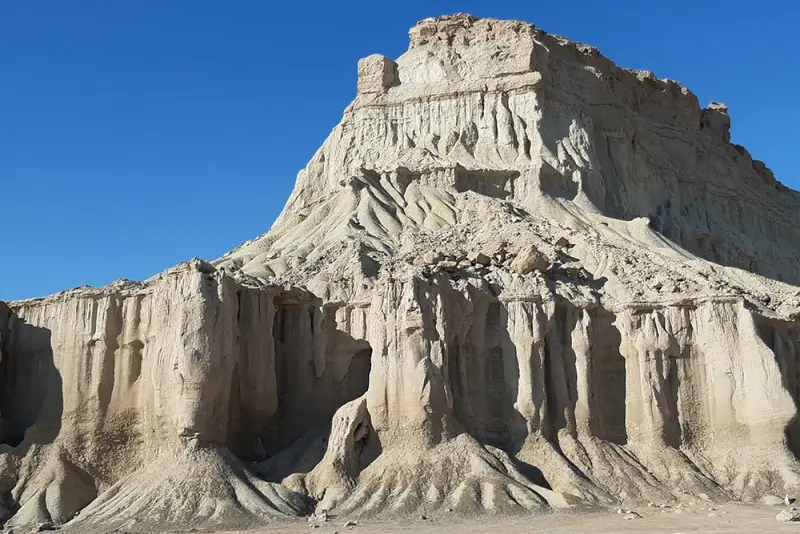
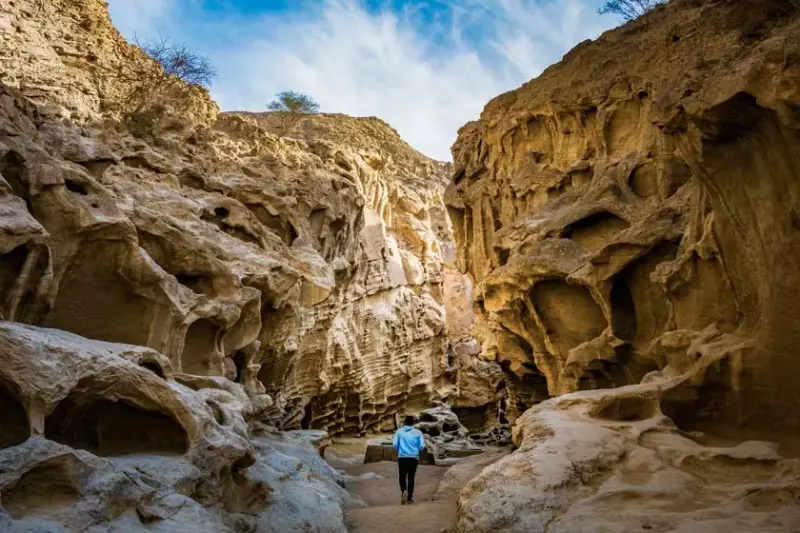
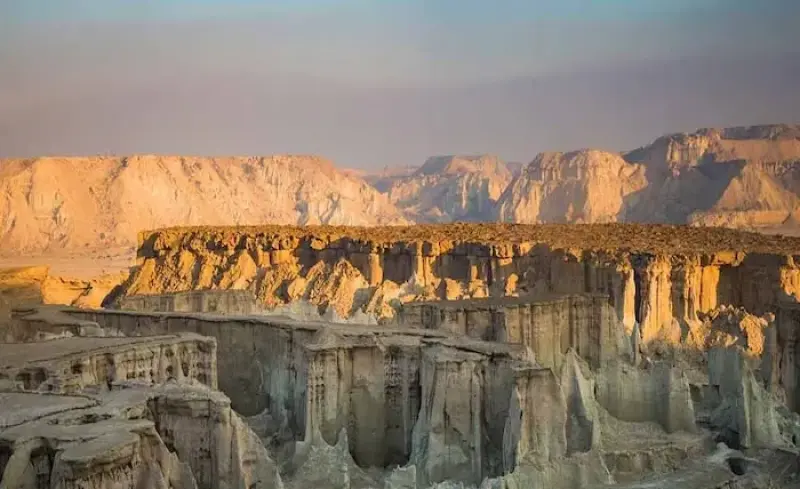
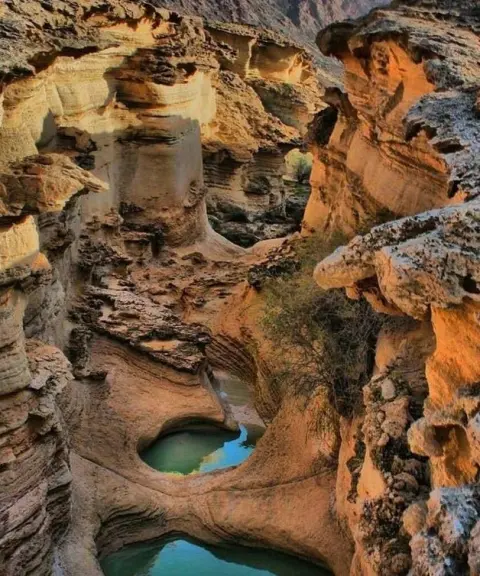
The Valley of the Statues, also known as the Statue Valley of Qeshm, is one of the most astonishing places in Iran, and visiting it is a thrilling experience. The beautiful island of Qeshm has many natural attractions, but the Valley of the Statues is regarded as one of its most unusual sights. The valley is famous by this name because of the many geometric shapes and forms within it. These statues and shapes look as though a professional artist had set about making them and finished them with the utmost beauty. The valley is famous for its strikingly beautiful formations, some of which resemble animals such as a hen, a rooster, a sheep's head and even a dragon's head.
Qeshm Island has a hot, humid climate, so the weather in the first half of the year is not favourable for travel. The best time to visit the Valley of the Statues is from mid-autumn to early spring. At this time the air temperature is around 20 degrees Celsius, mild and pleasant. Keep this in mind when heading to the Statue Valley of Qeshm so that you can enjoy your trip even more. If you are a professional rock climber, bring your equipment, but take care to protect the natural environment. Ordinary visitors should bring items such as a hat, sunscreen, sunglasses, light nourishing snacks such as fresh dried fruits and nuts, fresh water and fruit. In the second half of the year, especially the second half of winter, the valley has a relatively cold climate, and you should not set out for it without warm clothing.
The local people of Qeshm are known for their local and indigenous stories. Just as there are many legends about the Stars Valley, the Salt Cave and the Hara (Mangrove) forests, the locals also tell a tale about the Valley of the Statues: they say this area was once the Garden of Paradise, or the Garden of Eden, belonging to the goddess of salt in the Namakdan Cave of Qeshm. They say that because the goddess of salt loved this garden and its animals so much, she wanted her garden to last forever, so every animal that a human eye fell upon was turned to stone. This belief and story are rooted in the strange shapes of the rocks. Interestingly, the Namakdan Cave, the home of the goddess of salt, is also located in the area of the Valley of the Statues.
Written by زهرا لنگری Last updated
Activities
What you can do here, and what it takes
-
Walking
کفش مناسب کوهنوردی و صخرهنوردی و پیادهروی طولانی مدت به همراه داشته باشید.
Specifications
Introduction of the location and specifications of Valley of the Statues
Oldness:
2 million
Construction Period:
Cenozoic
Location:
Hormozgan, Qeshm
Coordinates:
26.73803156, 55.69854319
Open in maps
Height above mean sea:
27 meter
Faunas:
Presence of Allergenic Insects, Presence of Herbivorous Animals
Transports:
Private car, Walking
Tourist Attractions in Qeshm
Attractions that are nearby

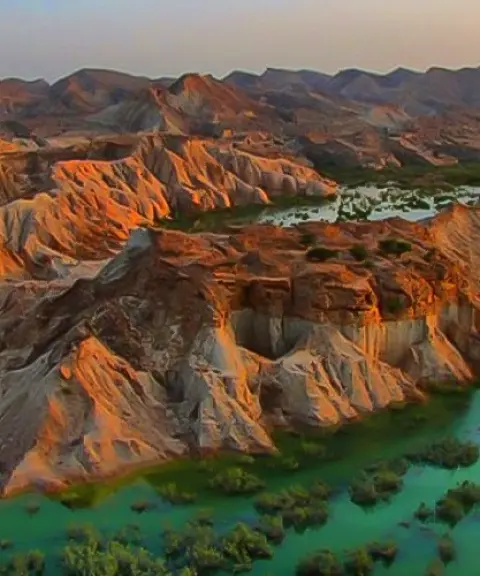

Goran Dam
Province Hormozgan
- Walking
A blend of lush nature and human architecture in the heart of an arid island
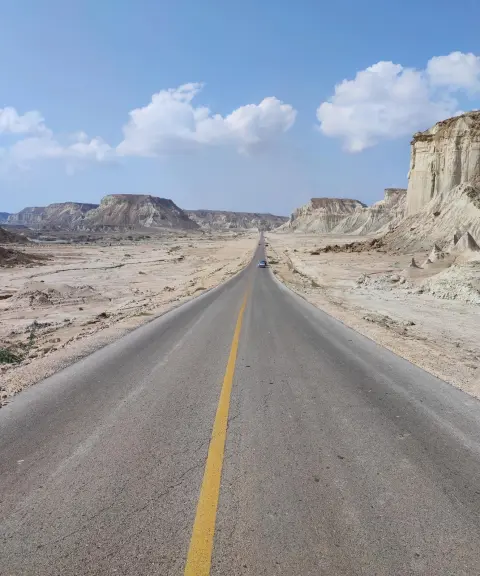

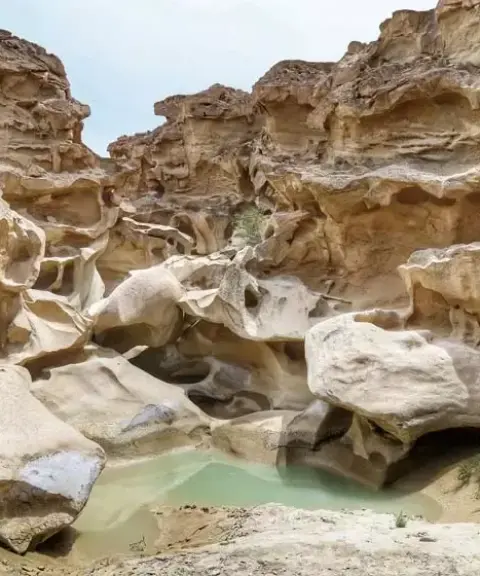




Naderi Castle
Province Hormozgan
- Walking
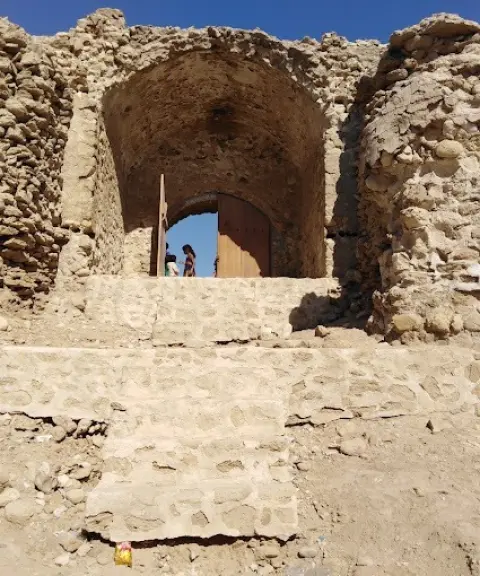
The only Iranian-built fortress in the heart of the Persian Gulf
Related tags:
Unfortunately, no comments have been registered.