
 Caves

Rashti Caravanserai
Province Yazd
- Walking
An ancient sanctuary in the heart of Yazd's silent mountains
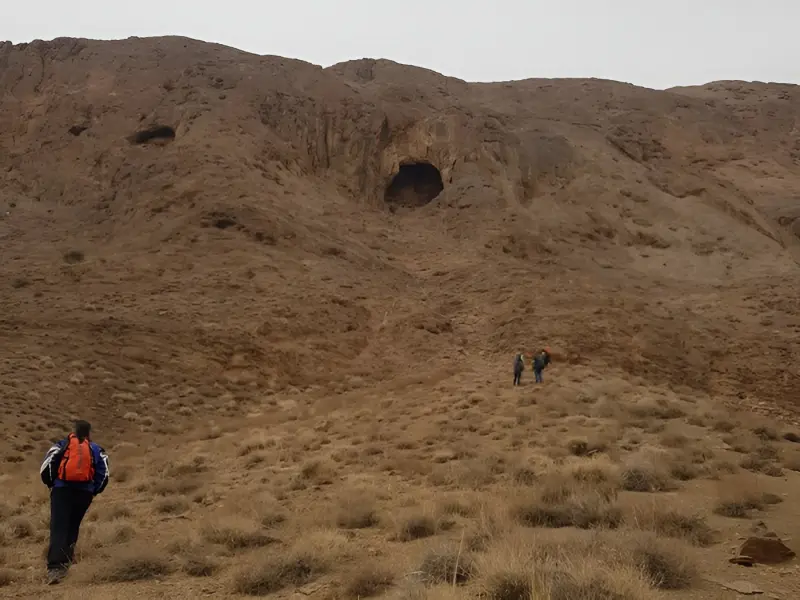
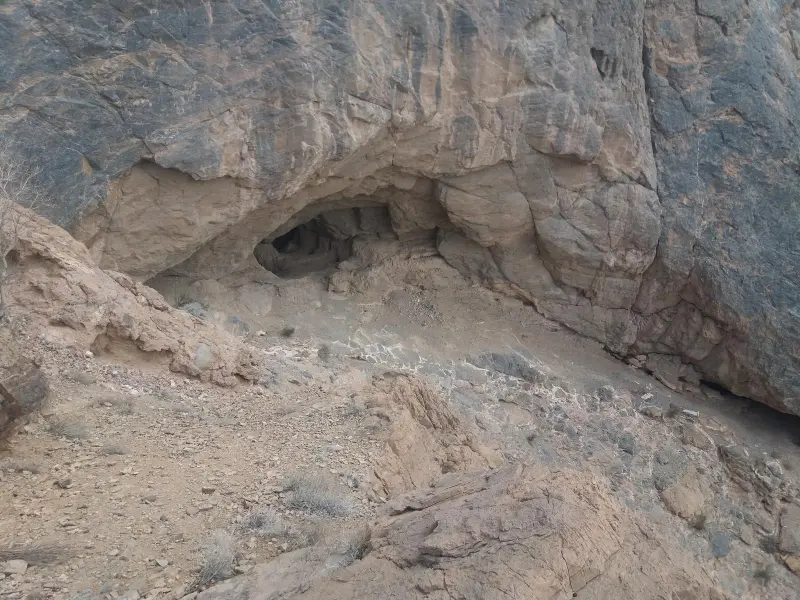
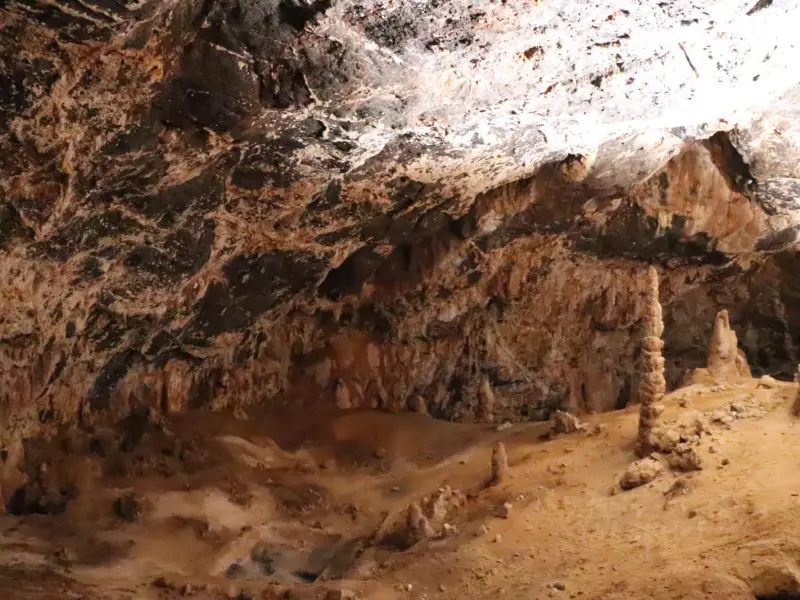
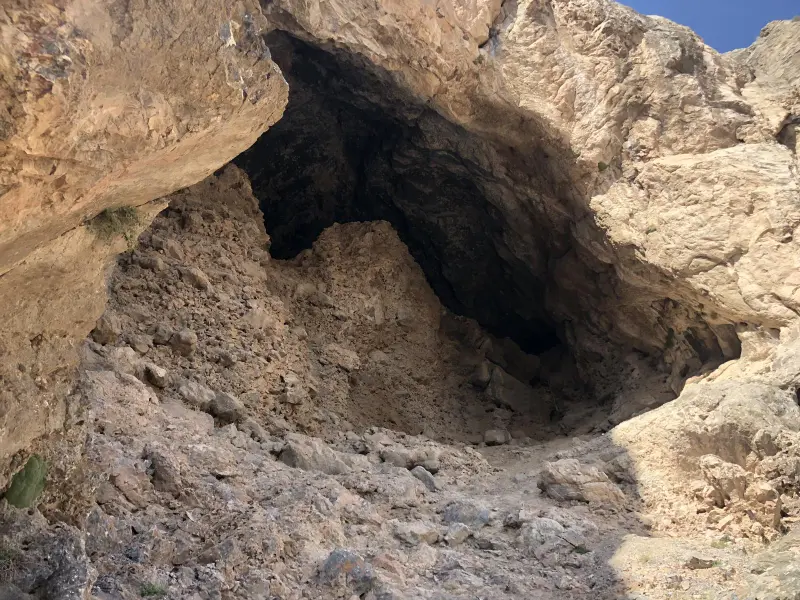
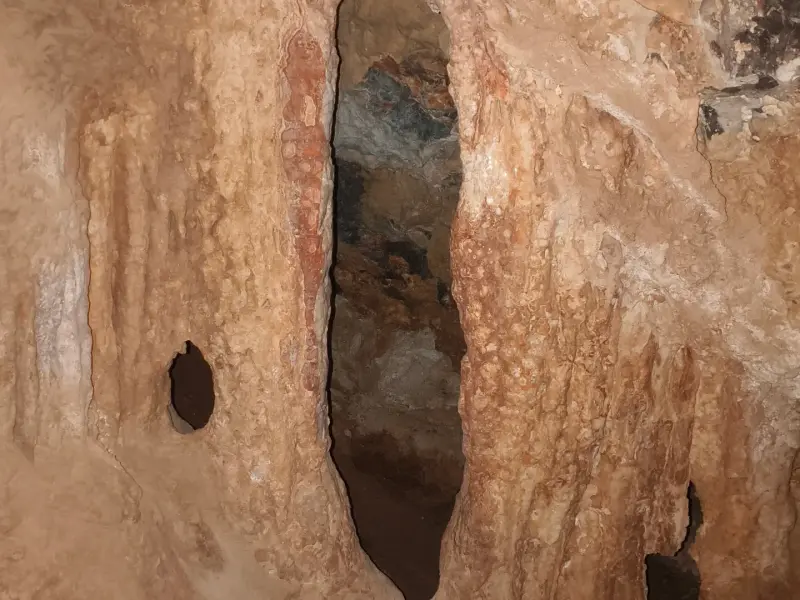
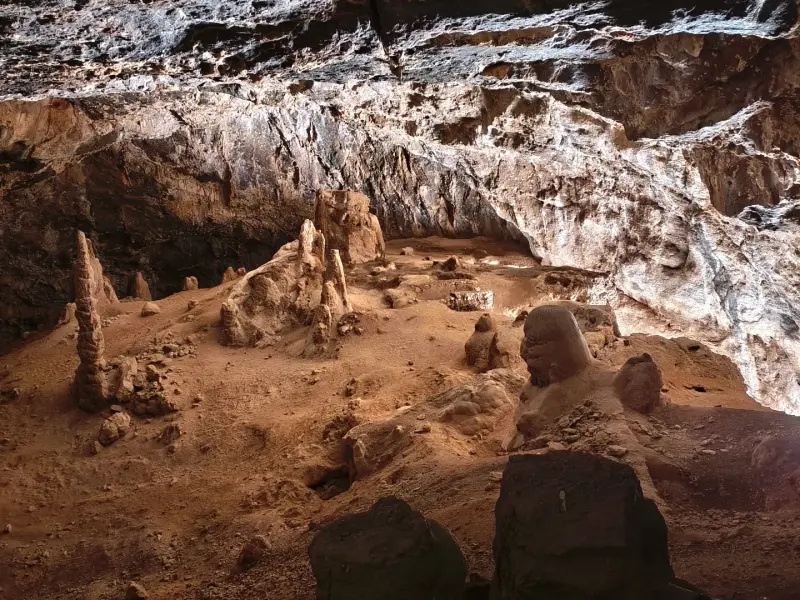
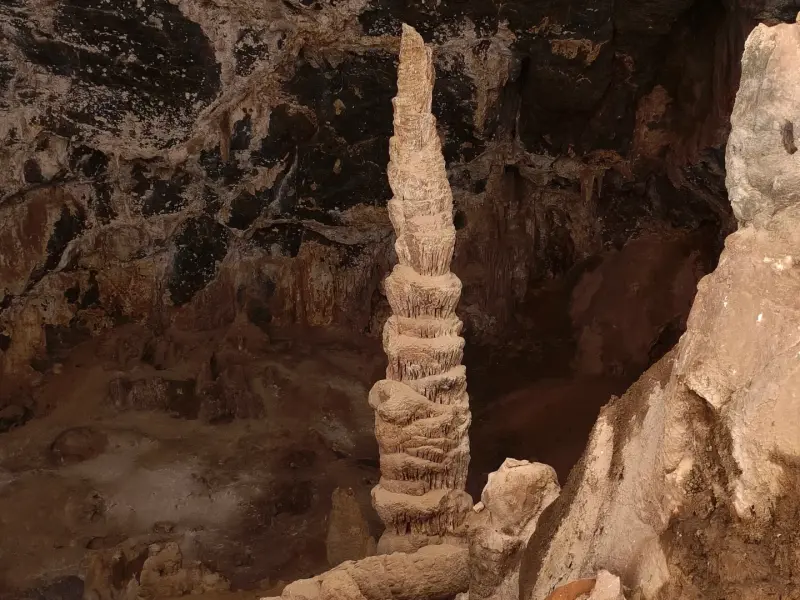
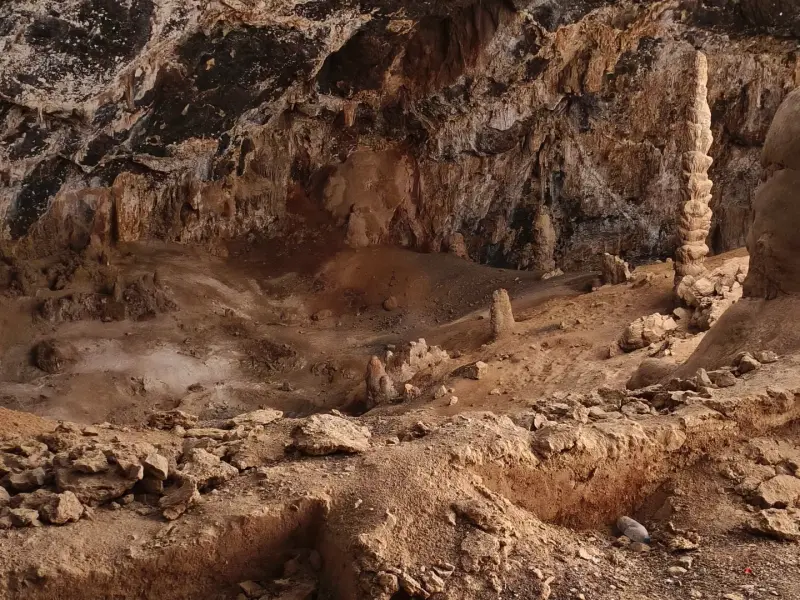
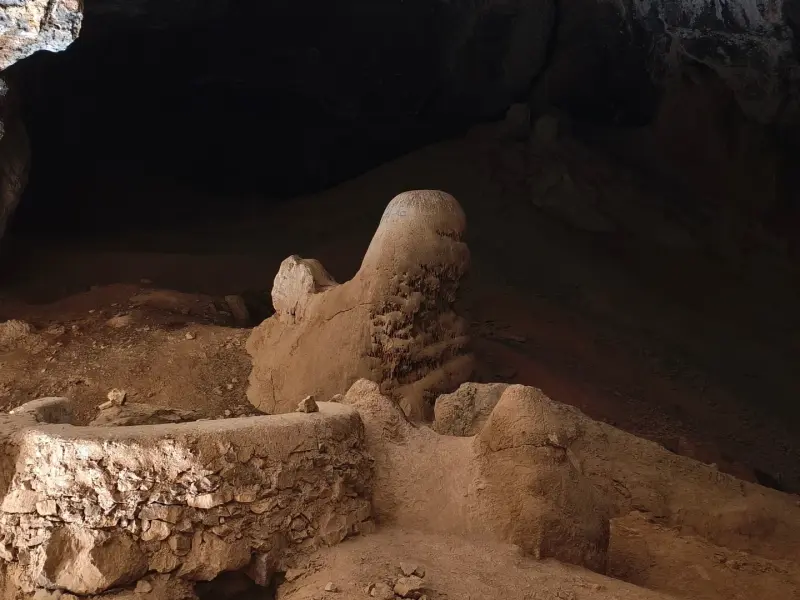
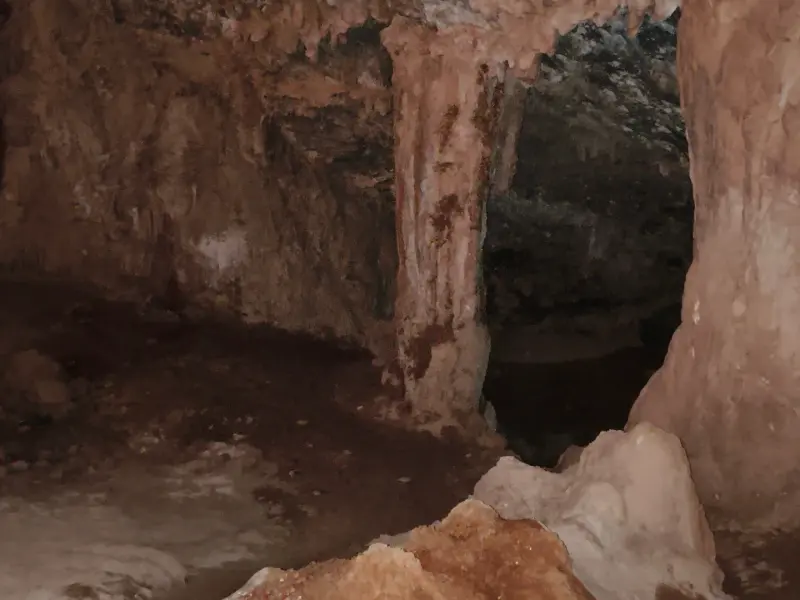
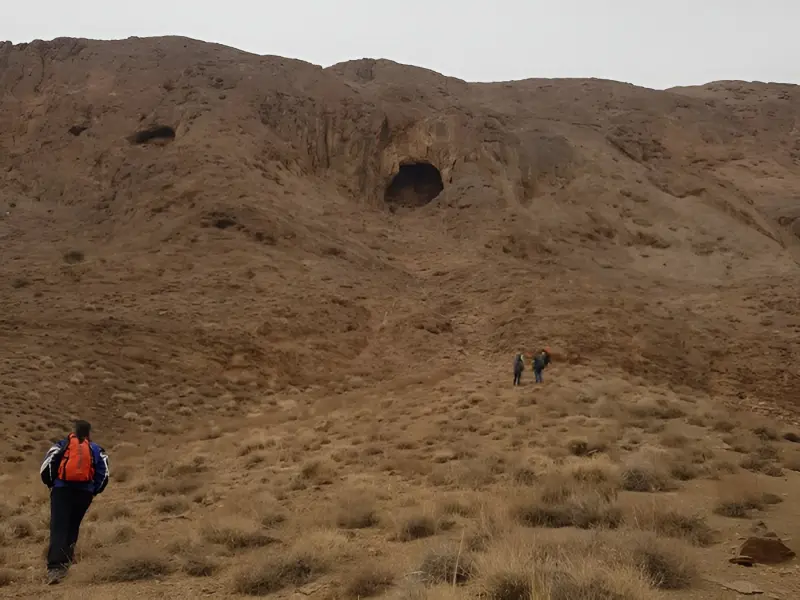
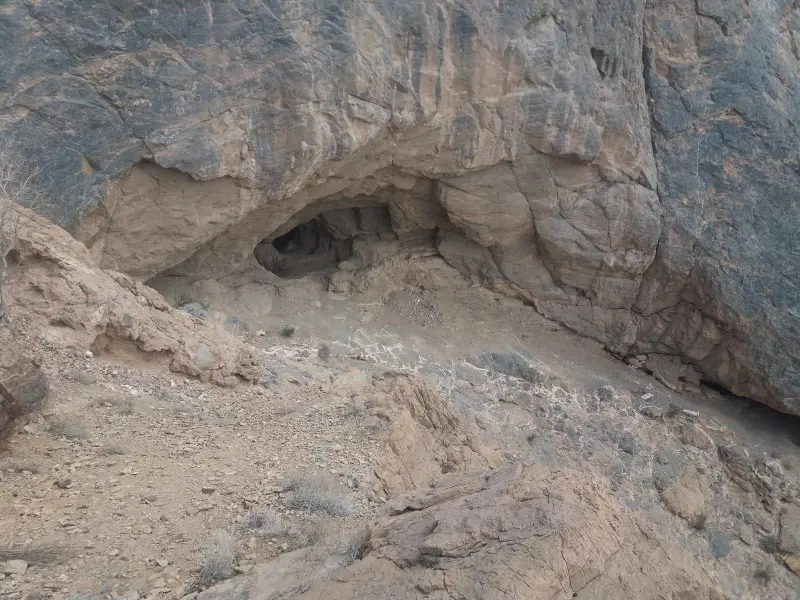
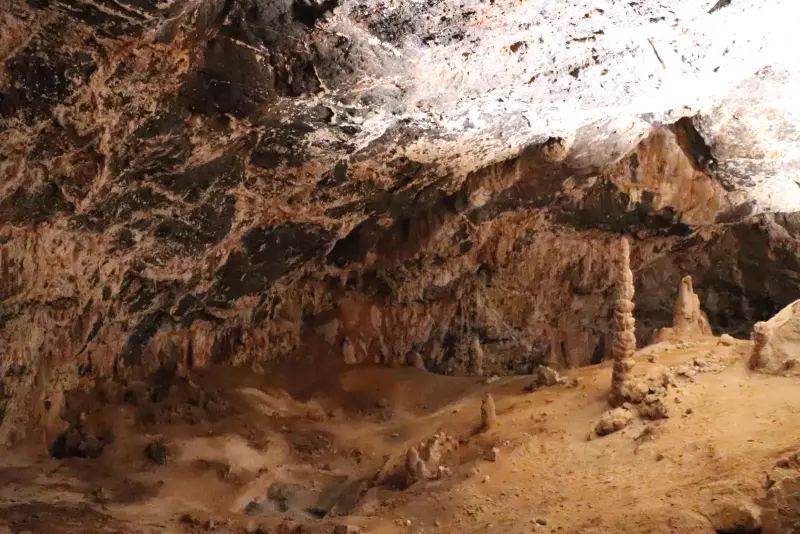
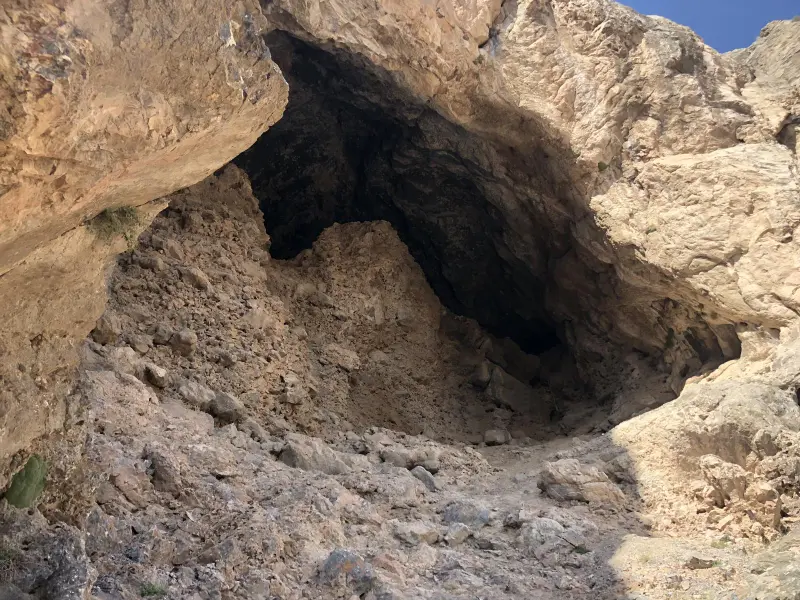
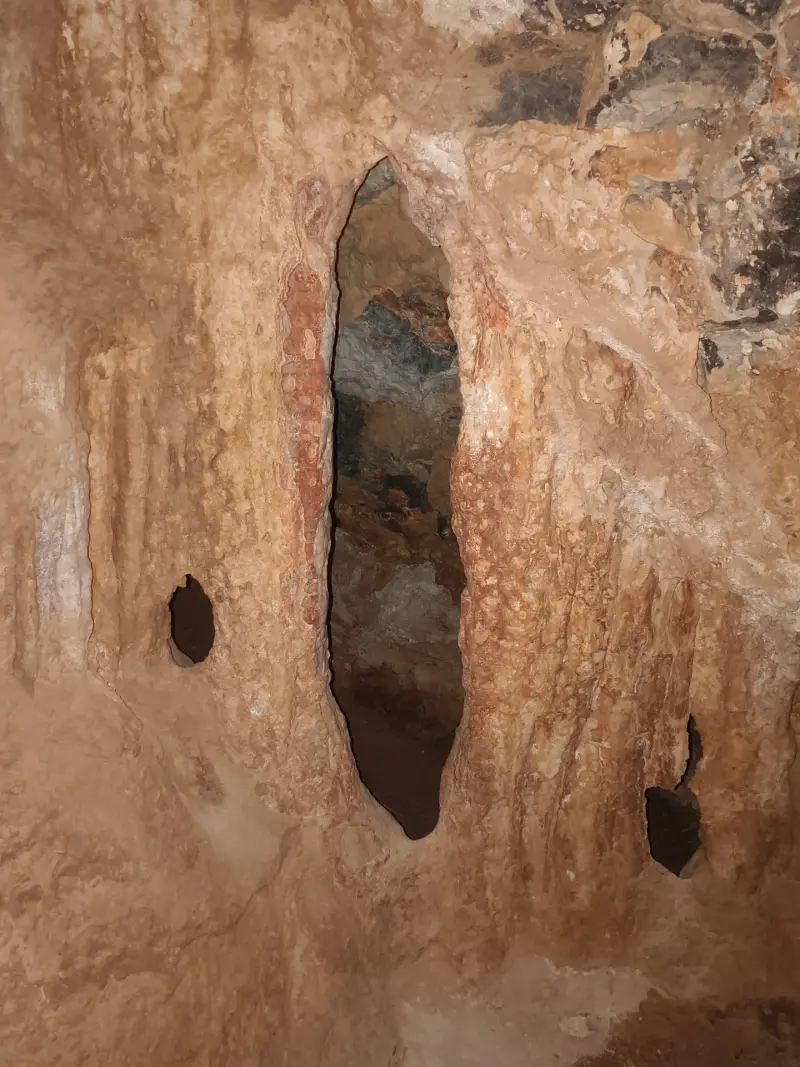
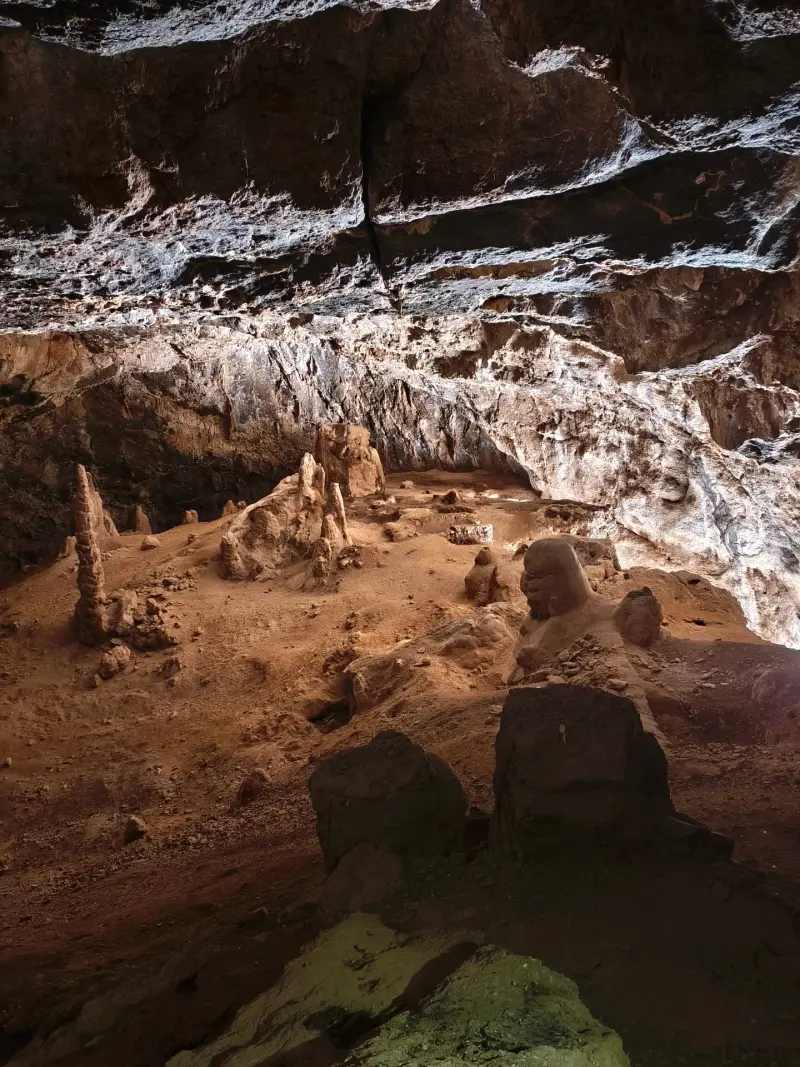
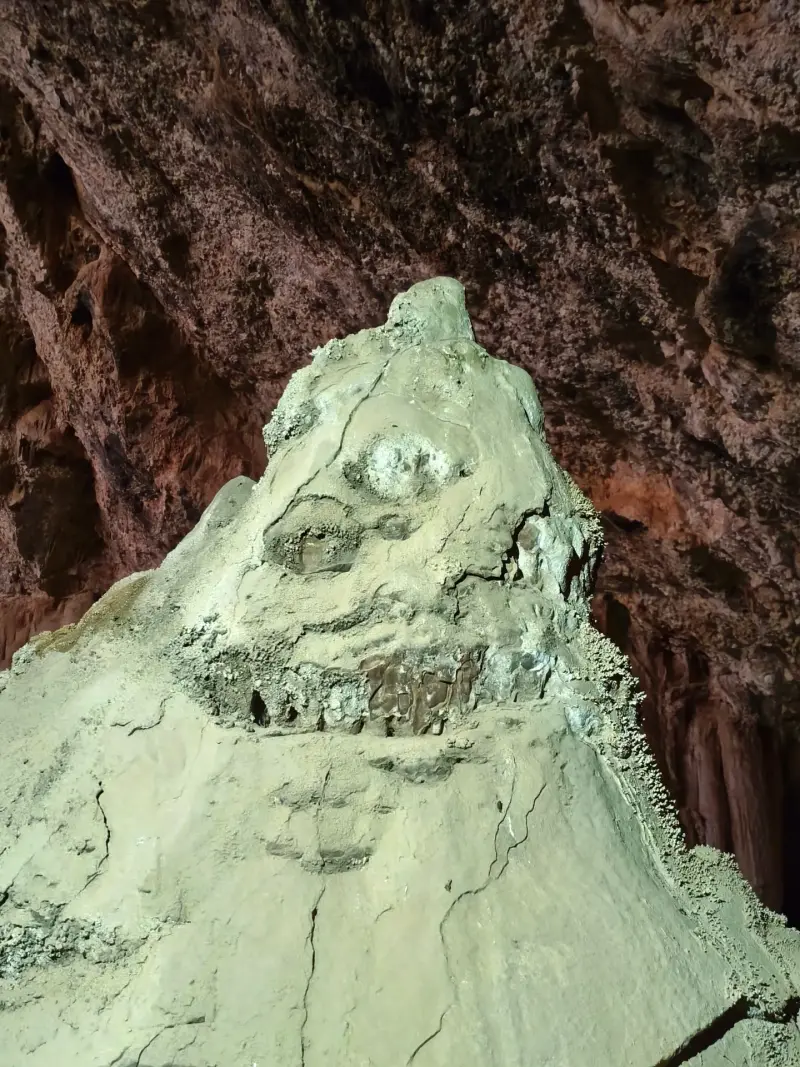
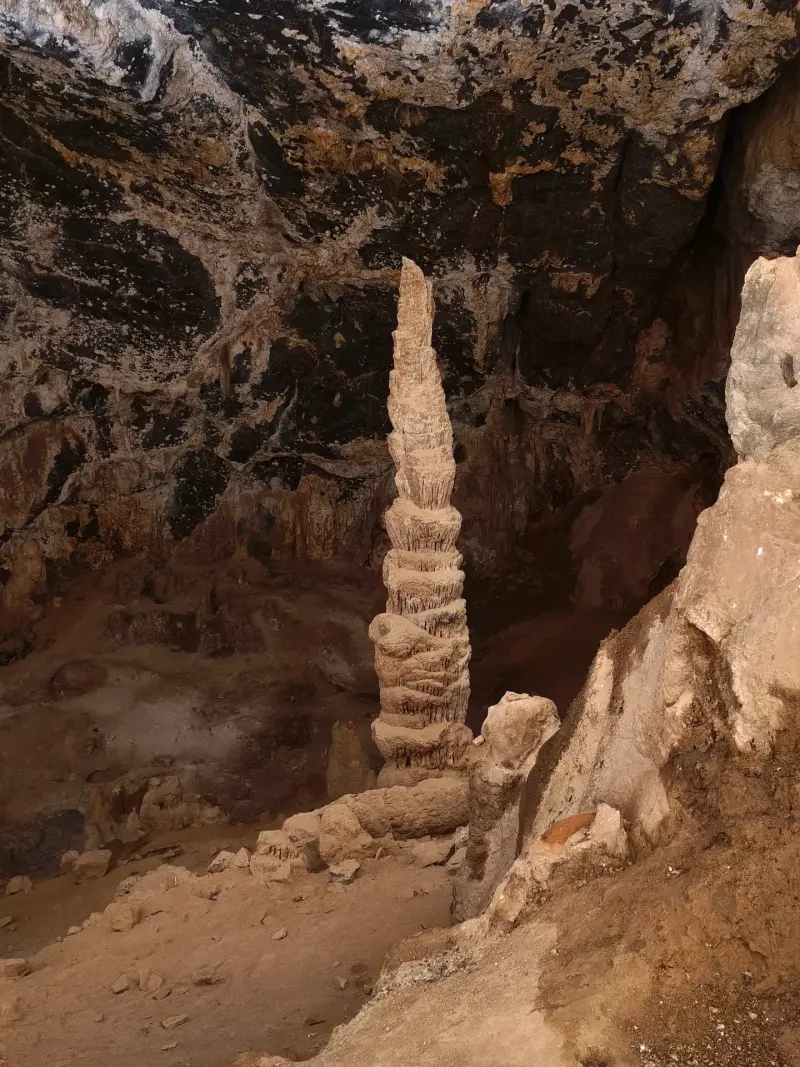
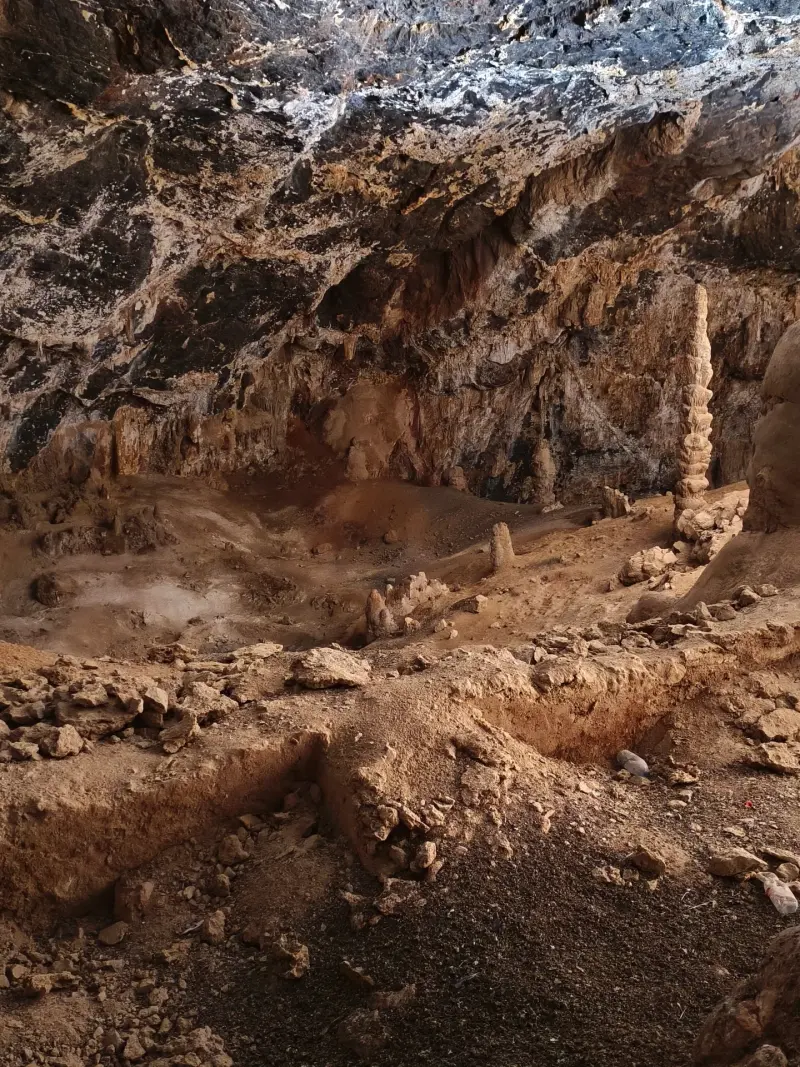
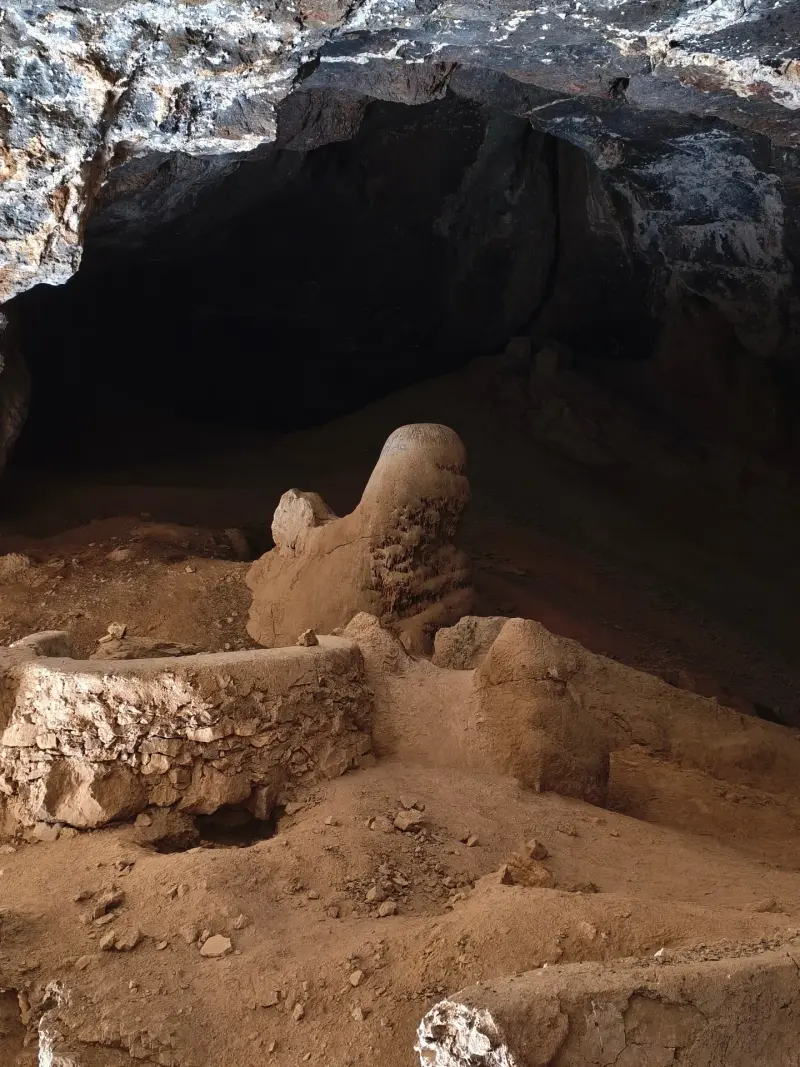
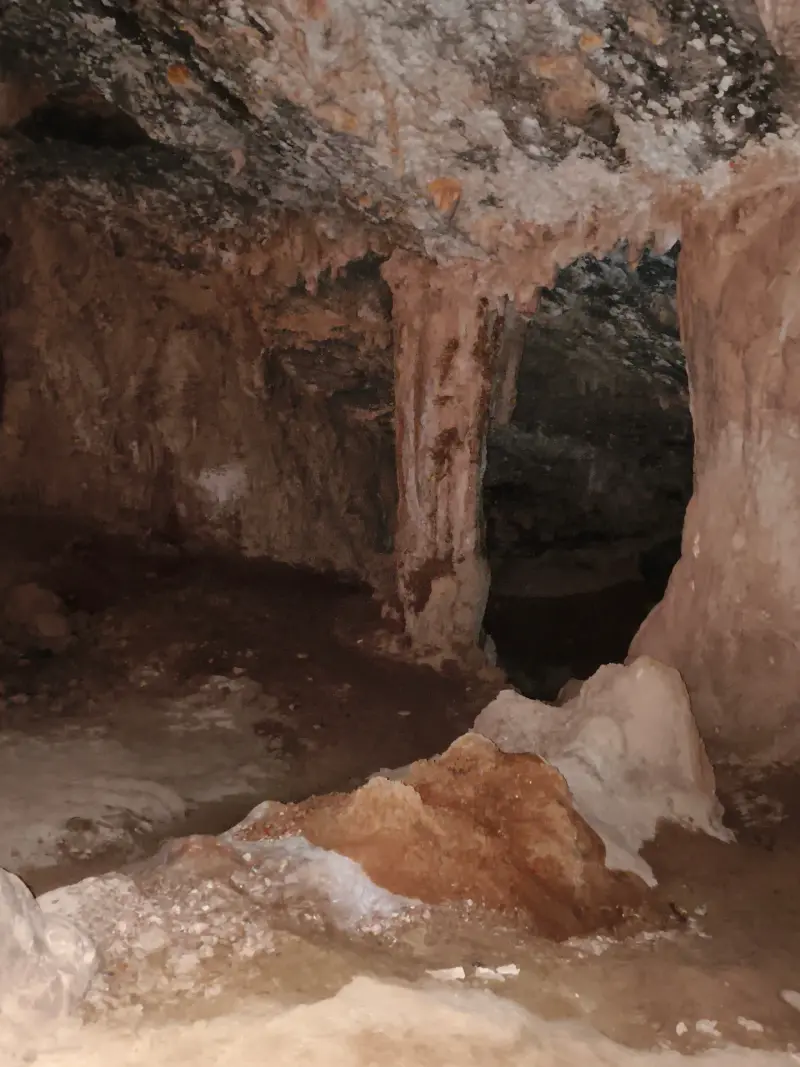
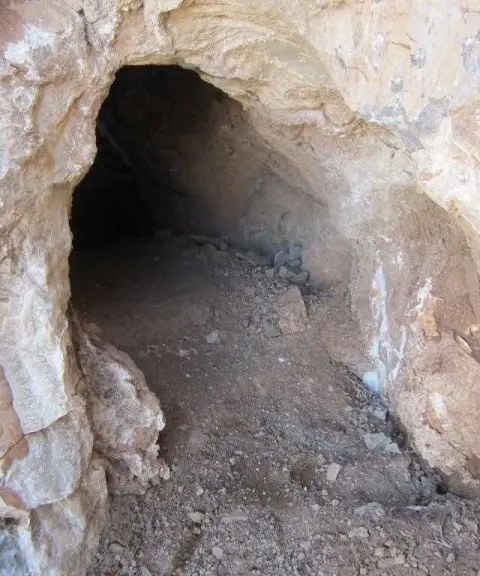
Shegeft Yazdan Cave, also known as "Ashkaft-e Yazdan", is one of the most valuable natural and historical attractions of Yazd Province. It lies near the village of Haftehr, in the Nodushan district in the northwest of the province. The cave sits on Mount Ashkaft (Shegeft) at an altitude of about 2,200 metres above sea level and is considered one of the largest natural caves in Yazd Province. Its huge entrance, between 40 and 60 metres across, creates a rare and striking view among the heights of the region. Limestone stalactites, natural pools and valuable sedimentary formations, some of which are more than two million years old, make this cave one of the most important geological phenomena in central Iran. Besides its natural value, Shegeft Yazdan Cave is registered on Iran's National Heritage List and holds a special place among Zoroastrians.
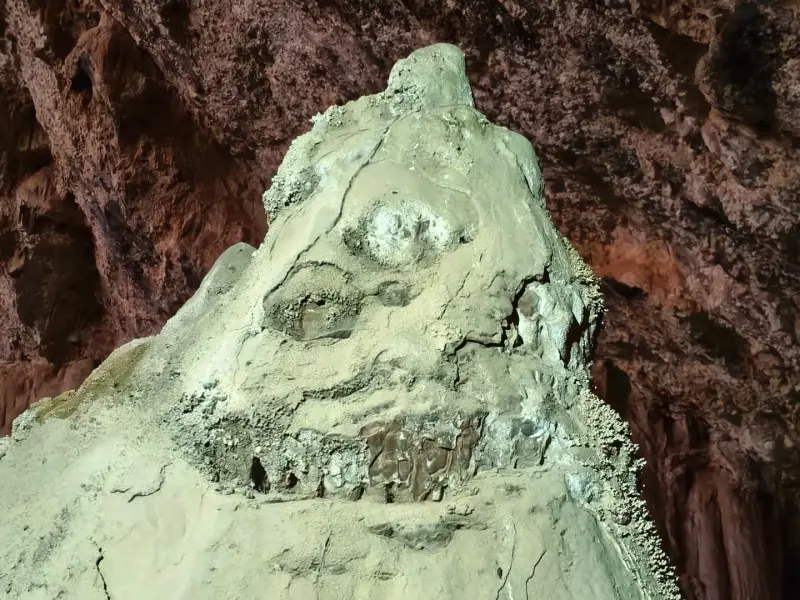
In the past the cave was one of the most important Zoroastrian religious centres, and according to historical documents, the sacred fire of the Zoroastrians was kept here for about 30 years in the 9th century AH. The remains of ash from fire altars, the ruins of old structures and several small and large pools inside the cave bear witness to its religious and residential use in earlier periods. The interior is very spacious and can hold a large number of visitors. Three distinctive limestone stalactites, white sedimentary crystals and the sound of water dripping into the pools inside give the cave a unique atmosphere. Because this natural site lies in a hard-to-reach area, its interior has remained largely untouched. Even today, some Iranian Zoroastrians, and even followers of the faith from other countries, visit the place to perform religious rituals and pray.
To reach Shegeft Yazdan Cave, you first need to get to the village of Haftehr. The main route passes through Ardakan and Aqda. Once you are near the village, part of the way is covered by car and the rest on a mountain footpath. The climb to the cave entrance is not very long but it is steep, and it requires reasonable physical fitness and basic hiking equipment. The best times to visit are late winter, spring and early autumn, because in summer the intense heat of the region and in winter the cold of the heights make visiting difficult. Visitors should avoid damaging the limestone stalactites and the historical remains inside the cave, take their rubbish out with them and stay on the marked paths, so that this valuable natural and cultural heritage is preserved for future generations.
Written by زهرا لنگری Last updated
What you can do here, and what it takes
دامنههای کوه اشکفت برای گشتوگذار در طبیعت بکر مناسب هستند.
فضای داخلی وسیع غار امکان بازدید و غارنوردی سبک را برای علاقهمندان فراهم میسازد.
مسیر پاکوب منتهی به دهانه غار فرصت مناسبی برای کوهپیمایی و صعود در ارتفاعات منطقه فراهم میکند.
Province Yazd
Province Yazd
Province Yazd
Province Yazd
Province Yazd
Province Yazd


Unfortunately, no comments have been registered.