
 Attractions
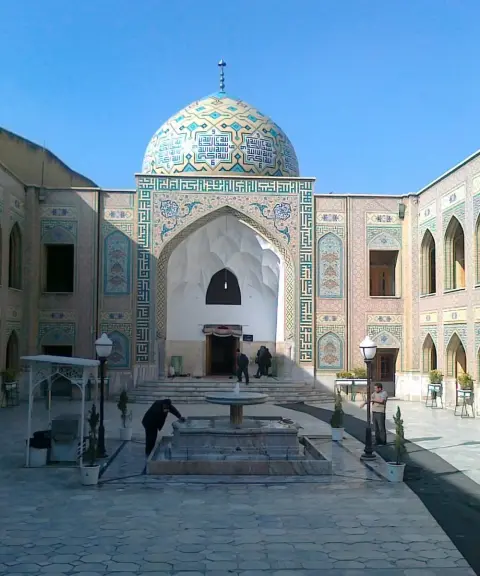
Pir Palandooz Tomb
Province Razavi Khorasan
- Walking
A Masterpiece of Qajar Architecture in the Heart of Mashhad's Historic Quarter
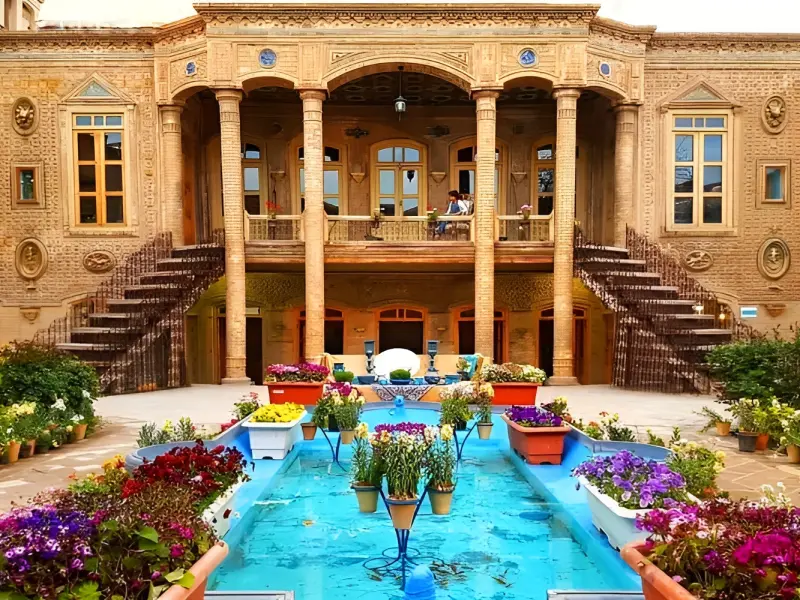
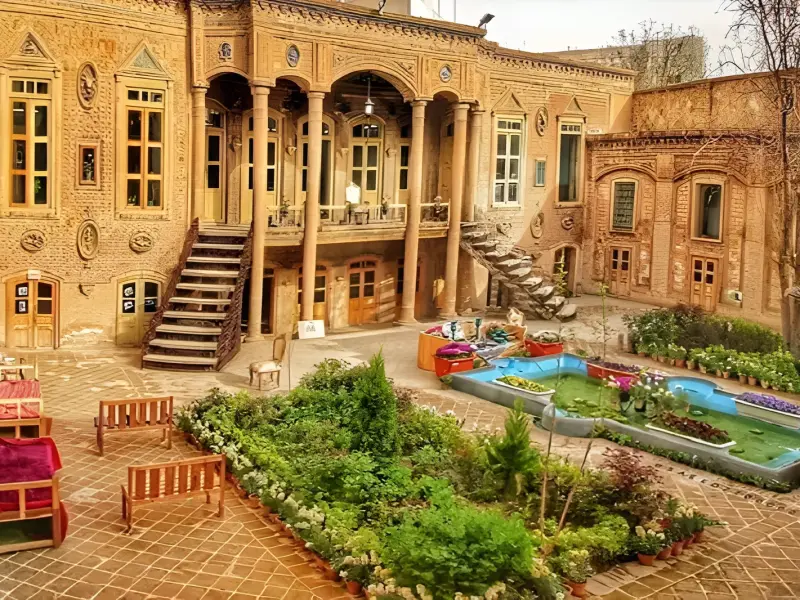
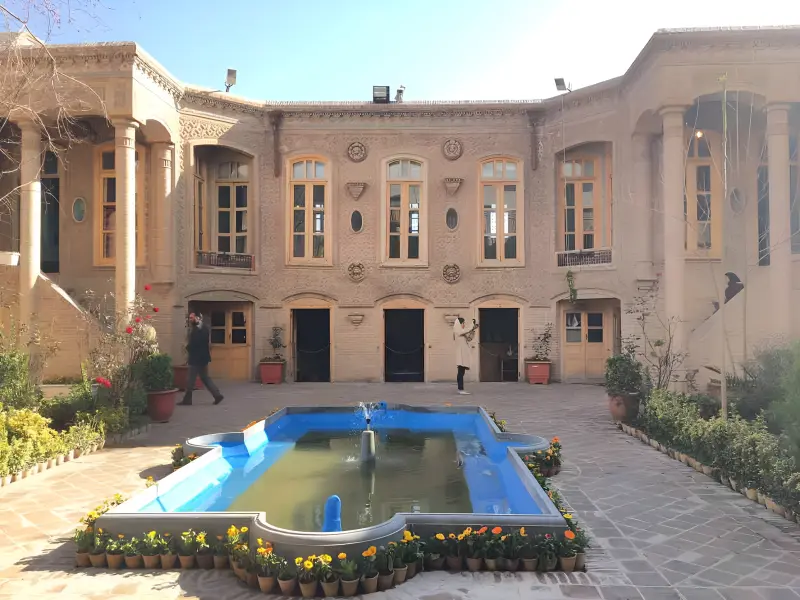
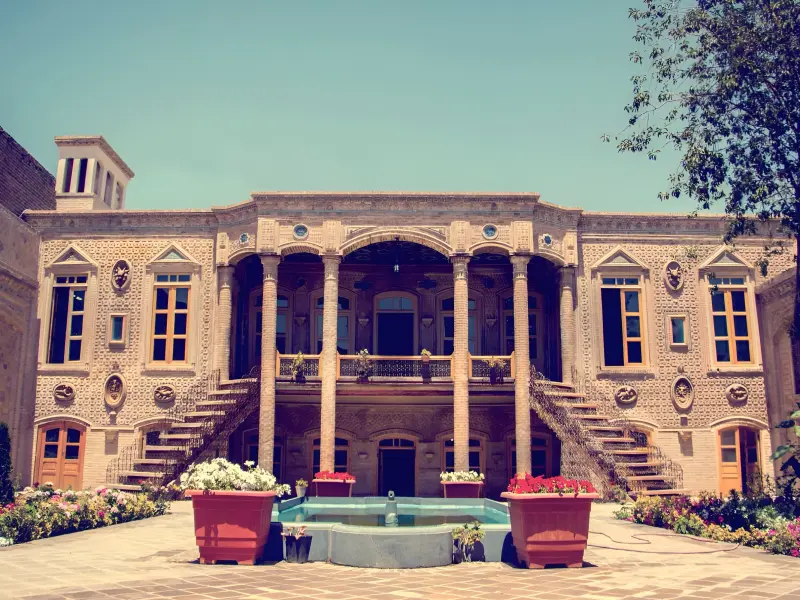
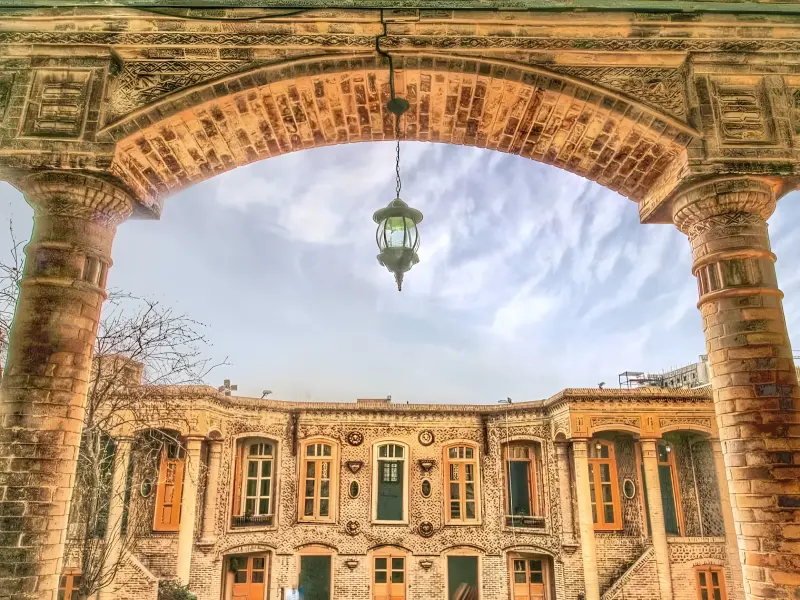
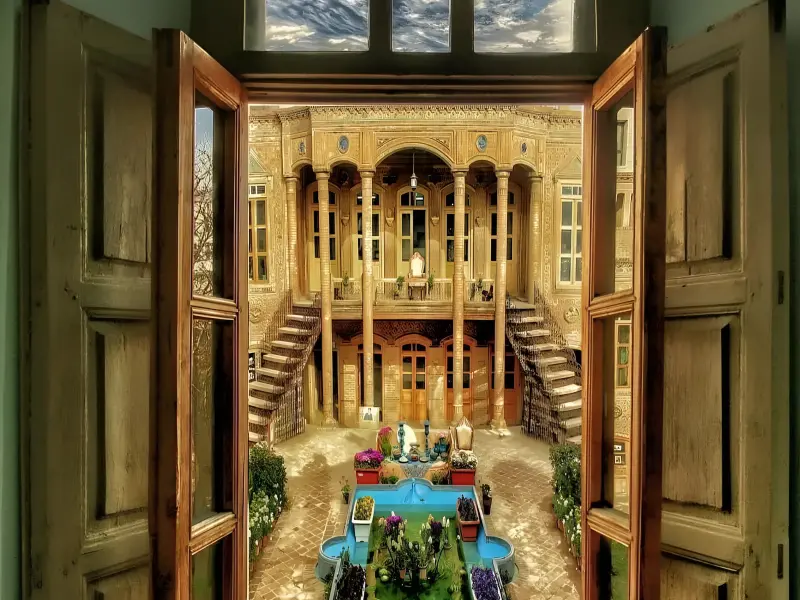
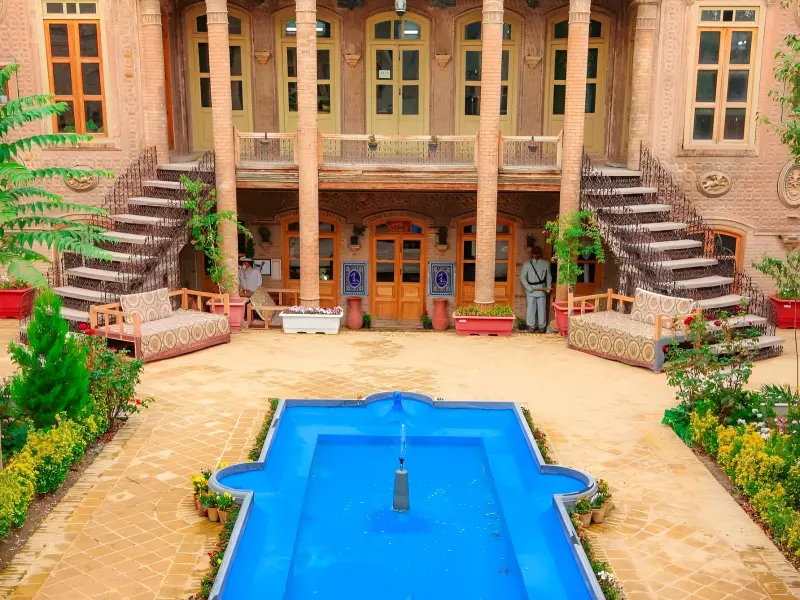
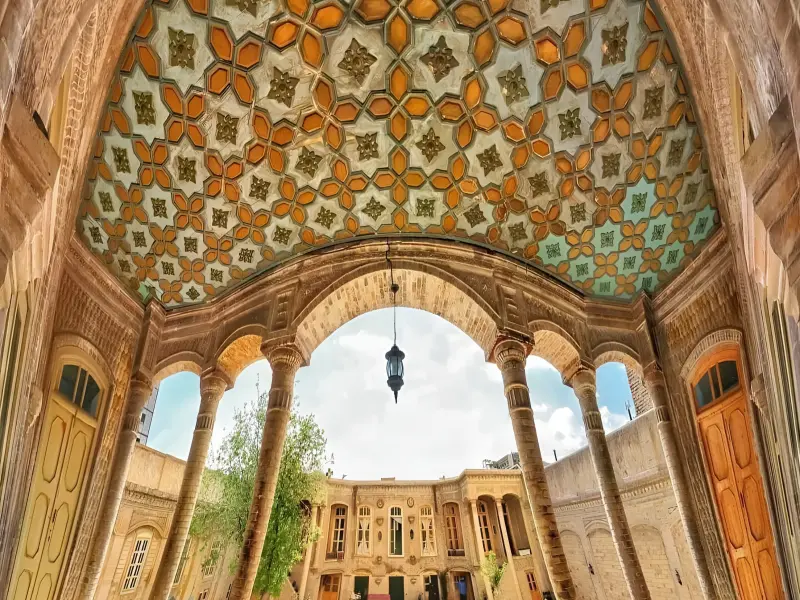
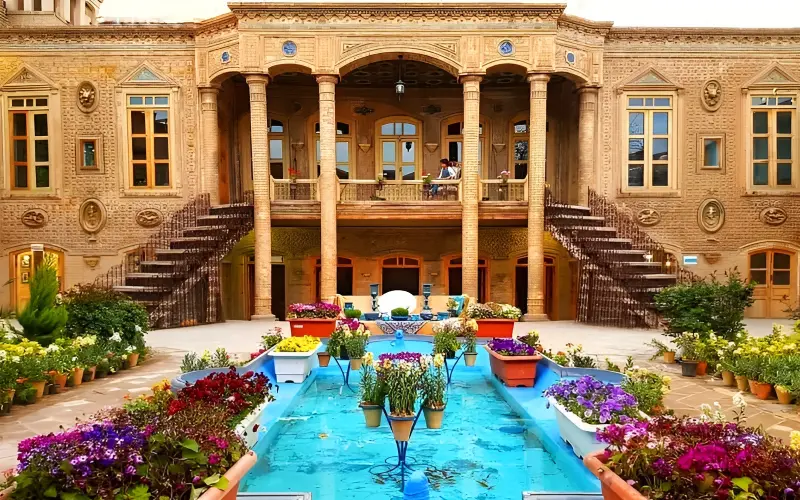
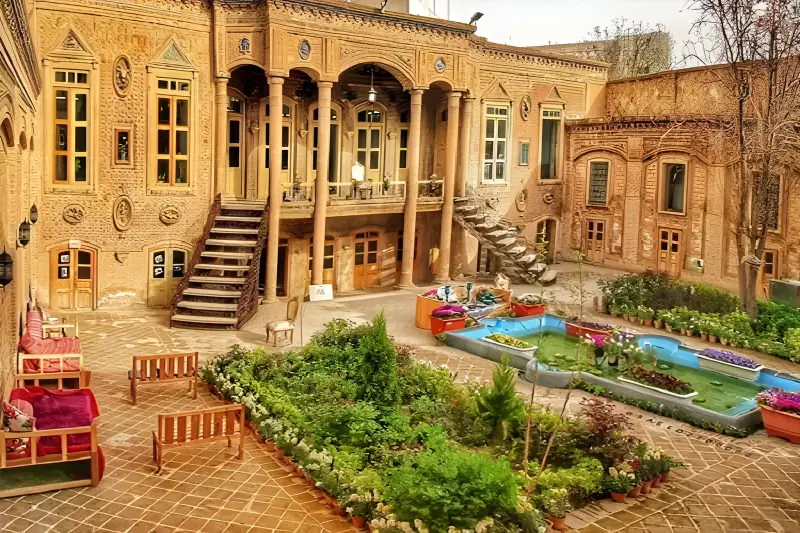
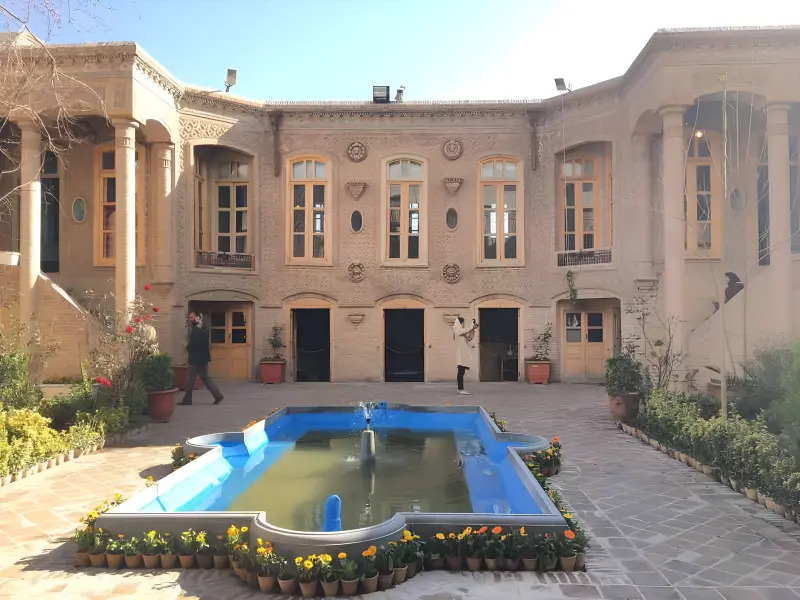
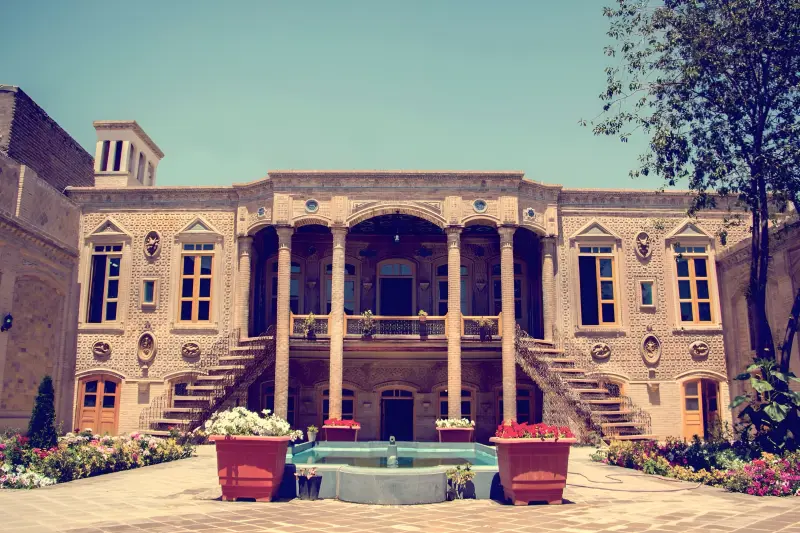
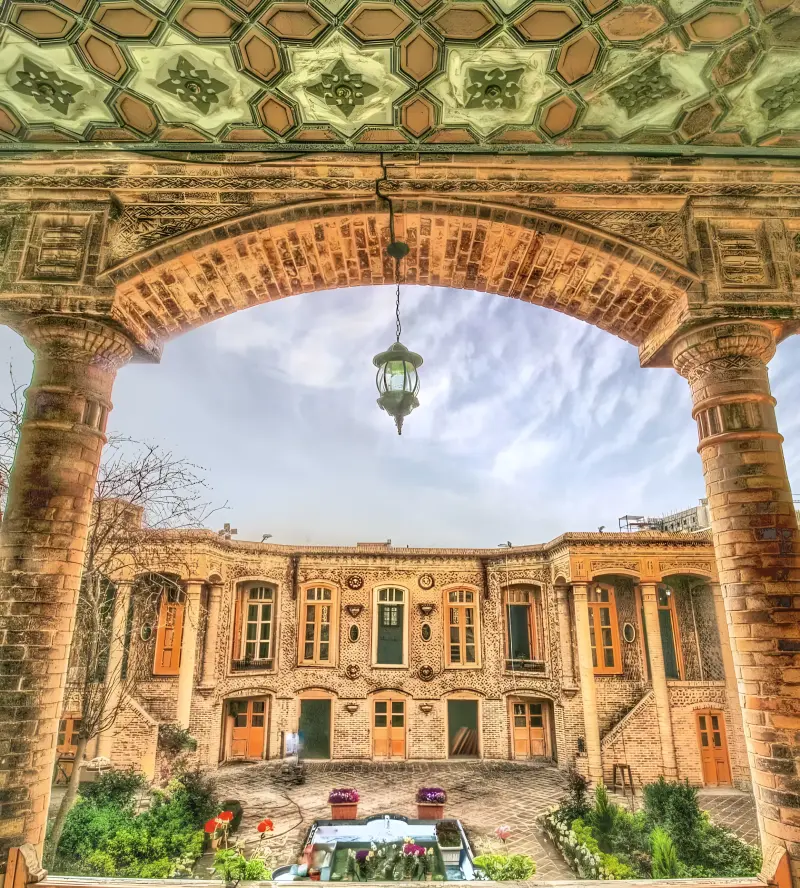
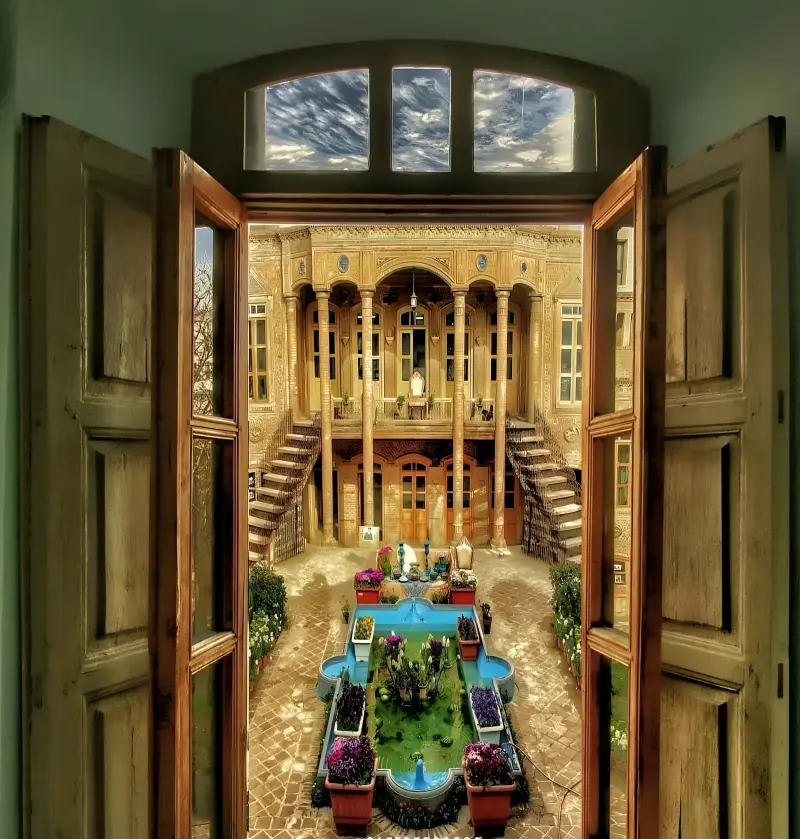
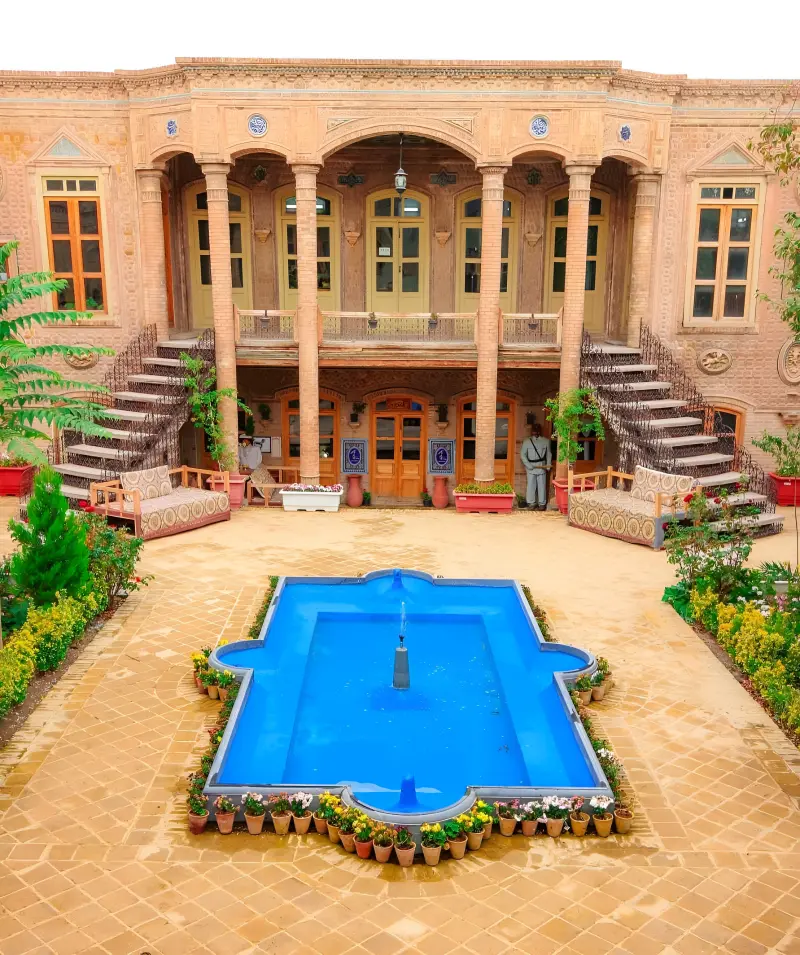
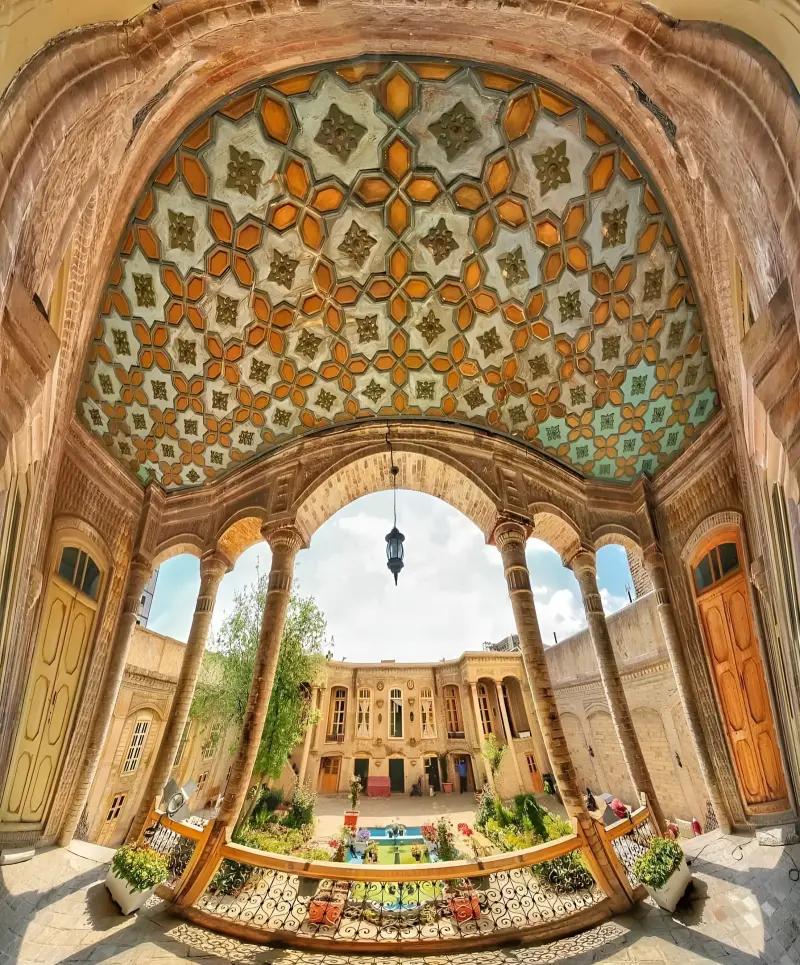
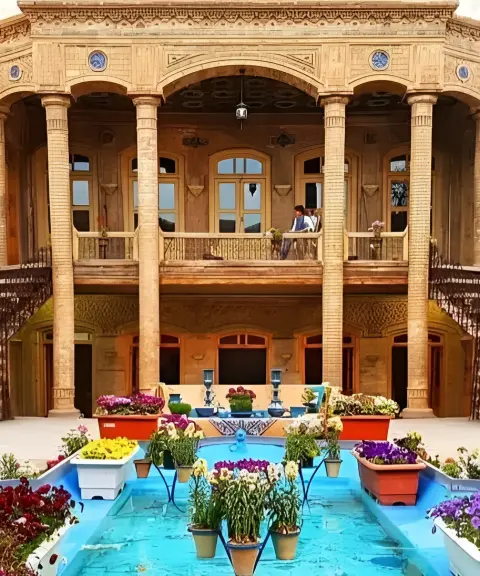
Daroogheh House is one of the most valuable historic houses in Mashhad and one of the most distinctive legacies of the late Qajar period. It stands in Mashhad, Razavi Khorasan Province, on Navab Safavi Street, in the Hoz-e Mesgaran bazaar row, close to the holy shrine of Imam Reza (AS). The house was built on the orders of Yusuf Khan Herati, the last daroogheh (city chief of police) of Mashhad and the first head of the city's police department (Nazmiyeh), as a residence and a place for official ceremonies and receptions. Today it is recognized as one of Iran's national monuments. With its striking blend of traditional Iranian architecture and Russian architectural elements, Daroogheh House stands out from the other historic houses of Mashhad, and after a careful, principled restoration it received the UNESCO Asia-Pacific Awards for Cultural Heritage Conservation in 2016. Covering an area of about 1,100 square meters and built on three sides of a courtyard, this historic building is considered one of the most important historical attractions of Mashhad.
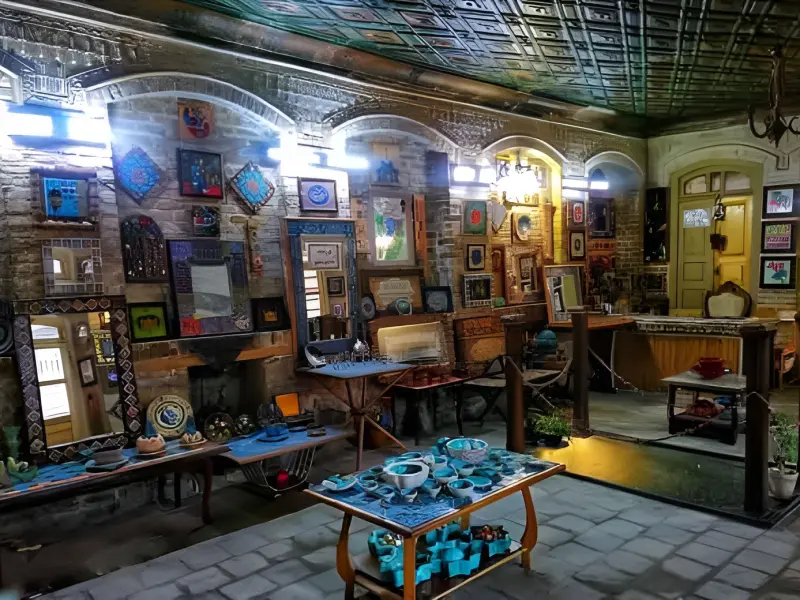
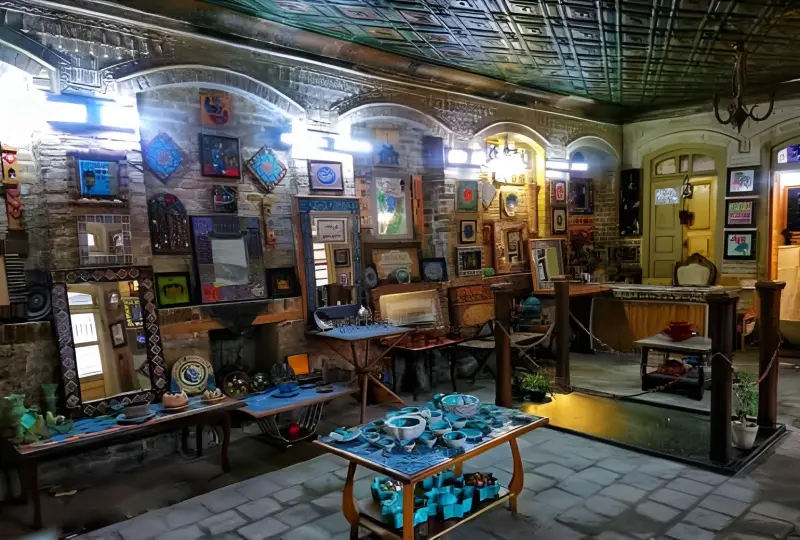
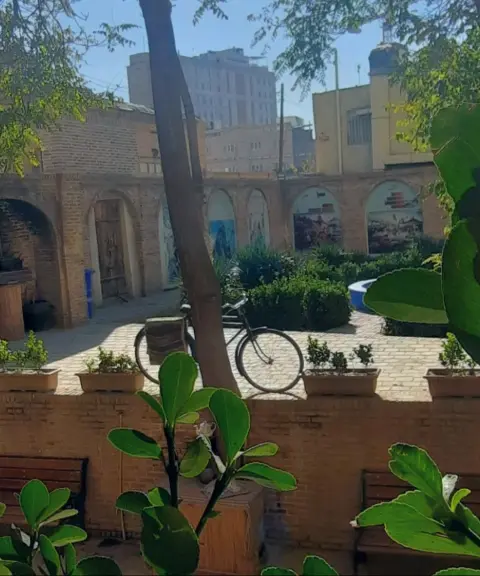
The architecture of Daroogheh House showcases a rare expression of the art and engineering of the late Qajar period. The two-story building is arranged around a courtyard with a central pool and small garden beds, and is adorned with delicate brickwork, artistic stucco, colorful tilework, brick columns, a double-sided staircase, plaster statues and decorations inspired by Russian architecture. Its distinctive features include Mashhad's first fireplace and first private bathhouse, double-glazed windows, summer and winter living quarters, wind catchers, a cellar, a kitchen, a private bakery and a passage for servants (gholam-row), all of which show how the architects cared for the comfort of the residents by making use of sunlight, airflow and the local climate. Today part of the kitchen has been turned into a traditional teahouse, a photography studio offering traditional costumes operates within the complex, and there are stalls selling handicrafts and silverware, making a visit to the house an engaging cultural experience.
Getting to Daroogheh House is very easy. Visitors can reach the complex by private car via Navab Safavi Street and Sharestan-e Razavi, or by using the parking lots around the shrine. You can also take Metro Line 1 and get off at 17 Shahrivar Station, take buses passing along Vahdat Boulevard, or use taxis in the shrine area; these are among the easiest ways to reach this historic monument. The best time to visit Daroogheh House is spring and early autumn, when the weather in Mashhad is more pleasant for walking around the historic quarter and the courtyard and garden beds of the house look their most beautiful. During your visit, keeping quiet, avoiding touching the decorations and stucco work, taking care not to damage any historic parts and keeping the complex clean will play an important role in preserving this valuable heritage for future generations.
Written by زهرا لنگری Last updated
What you can do here, and what it takes
کفش مناسب پیادهروی به همراه داشته باشید.
Province Razavi Khorasan
Province Razavi Khorasan
Province Razavi Khorasan
Province Razavi Khorasan
Unfortunately, no comments have been registered.