
 Attractions

Moghuyeh Castle
Province Hormozgan
- Walking
A magnificent example of the climate-adapted architecture of southern Iran
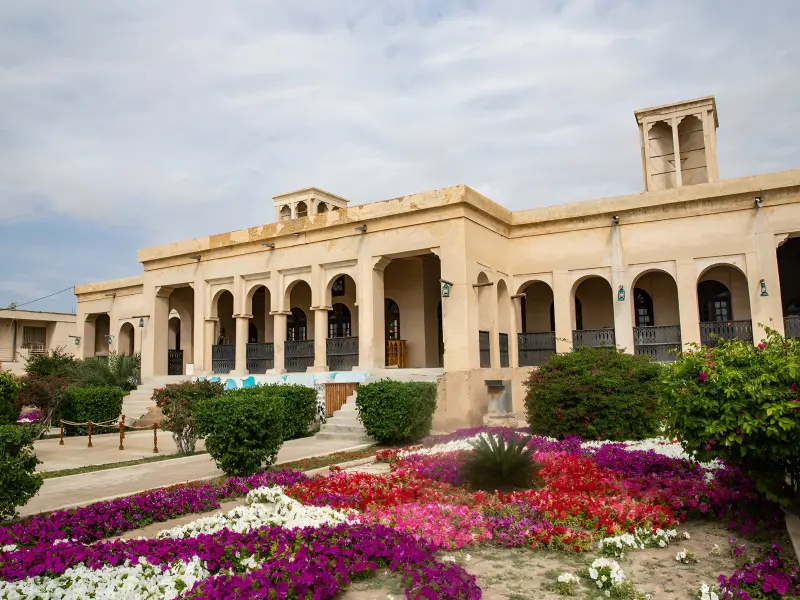
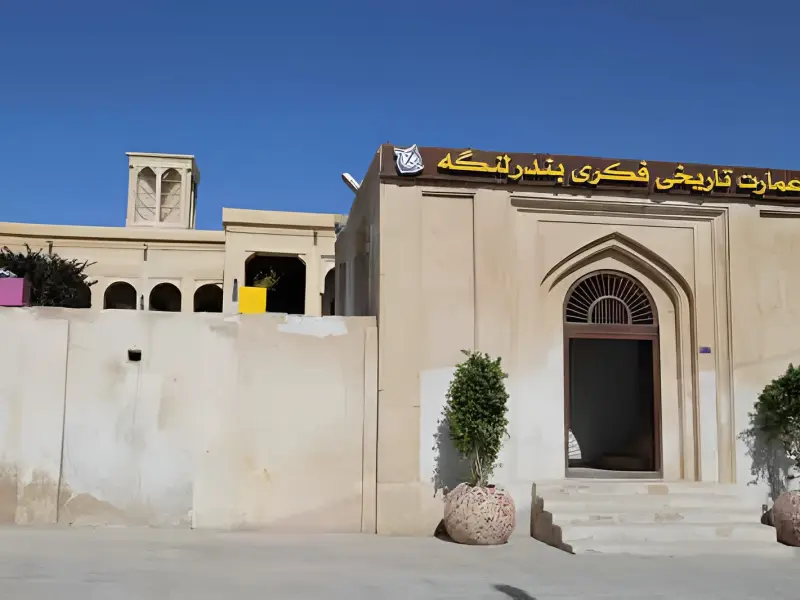
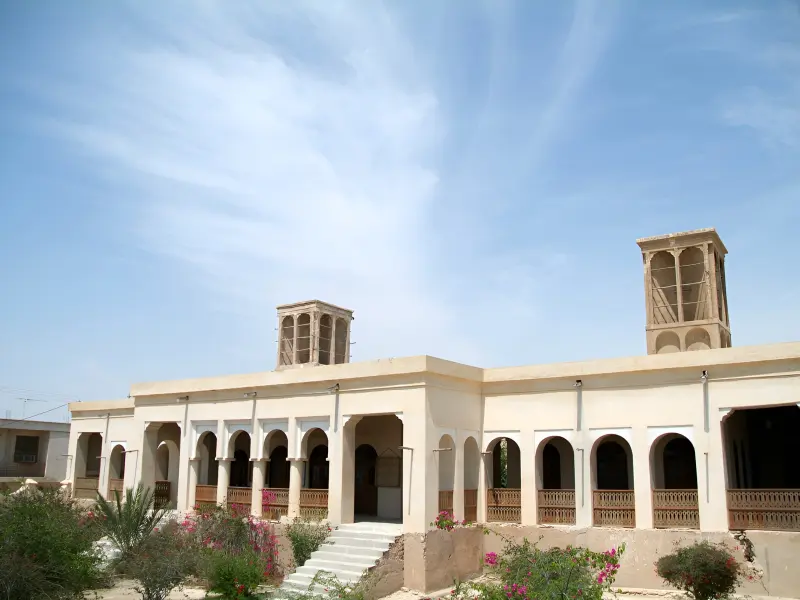
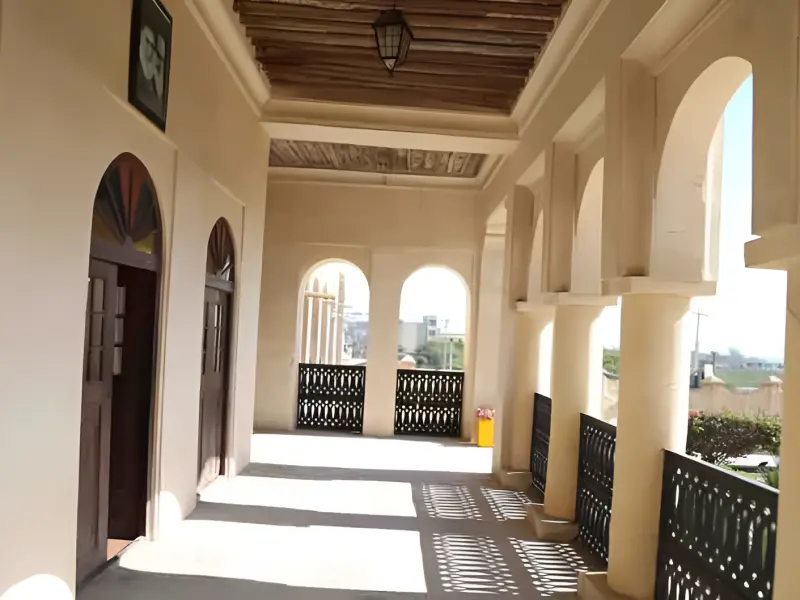
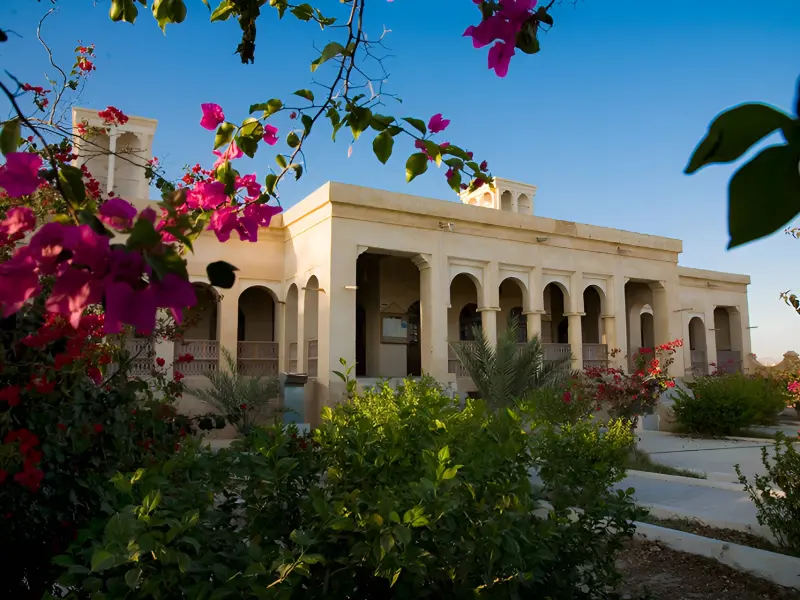
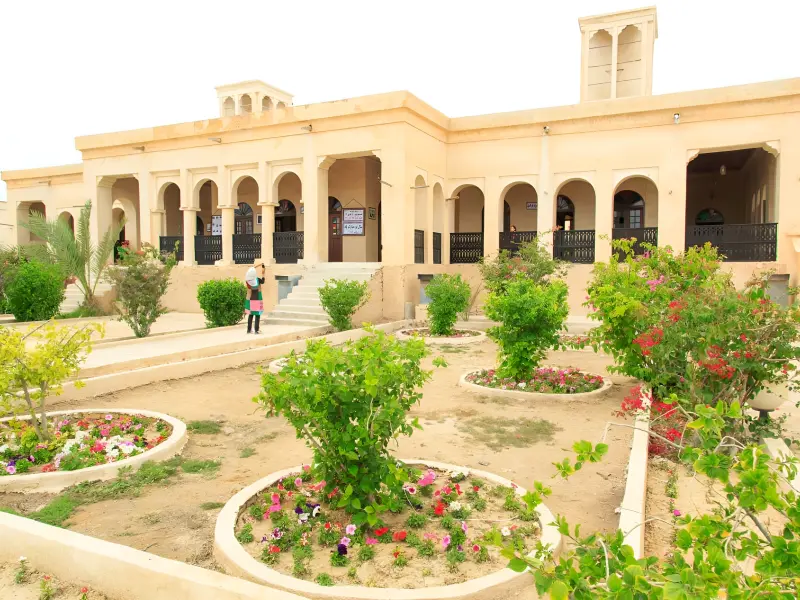
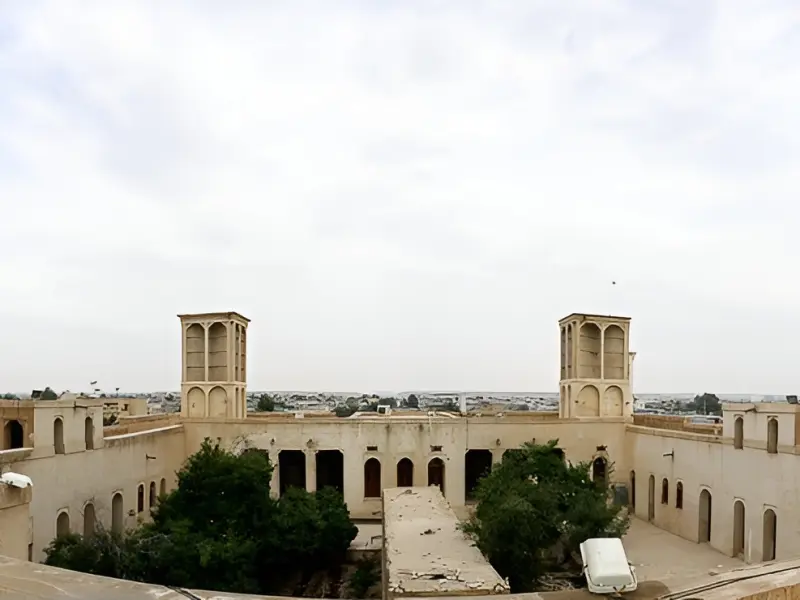
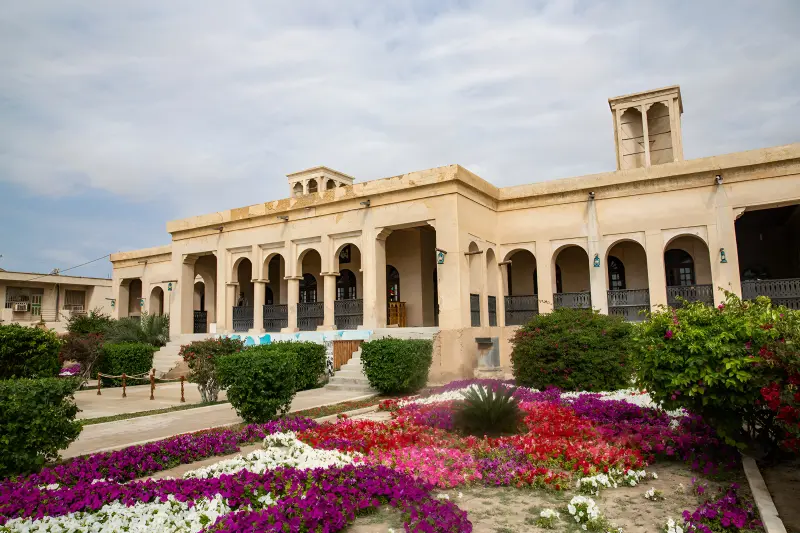
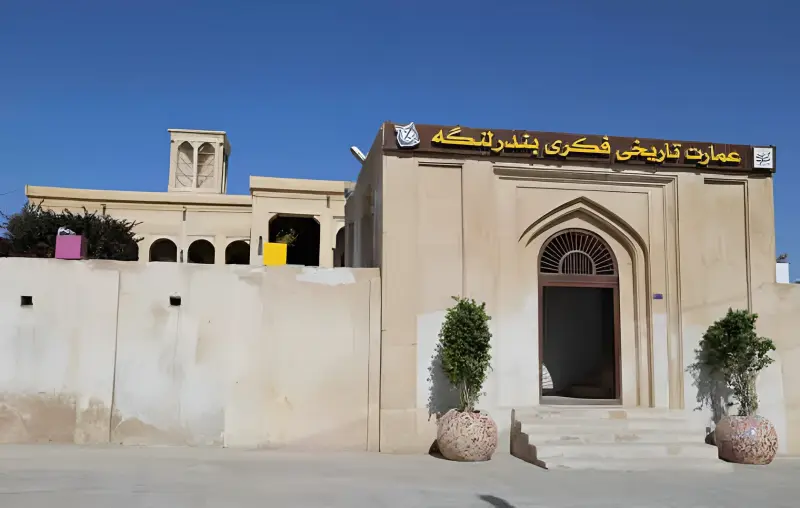
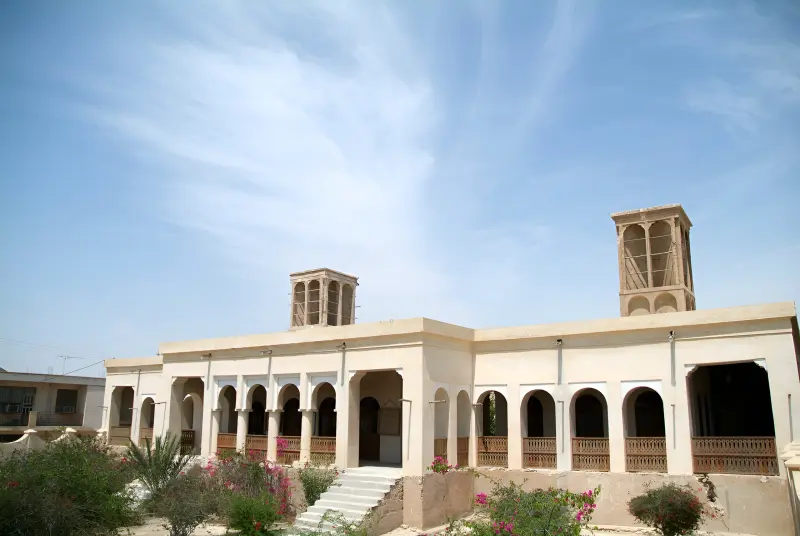
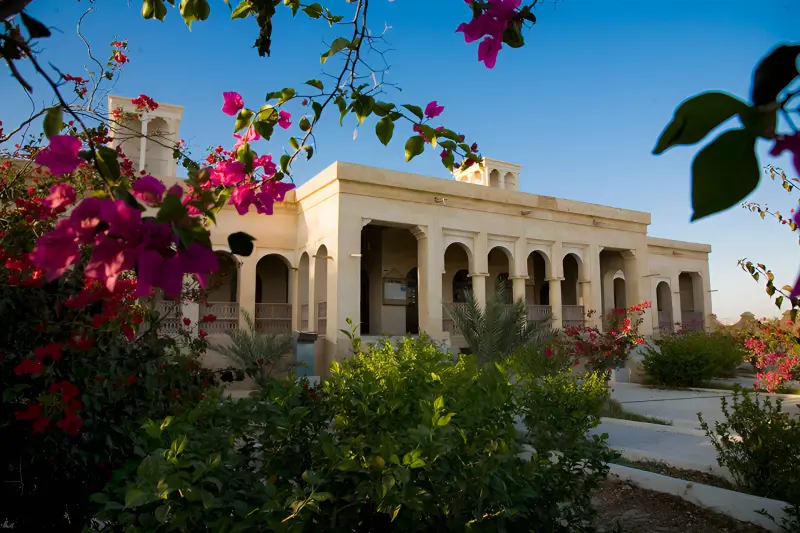
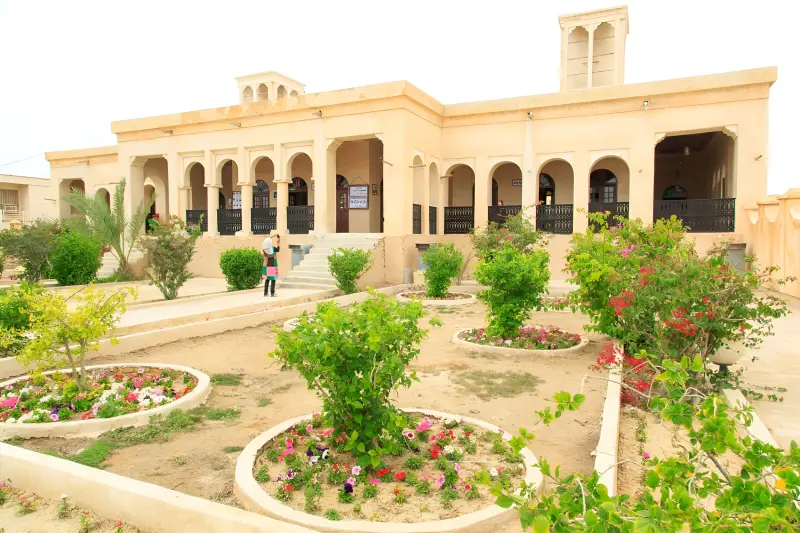
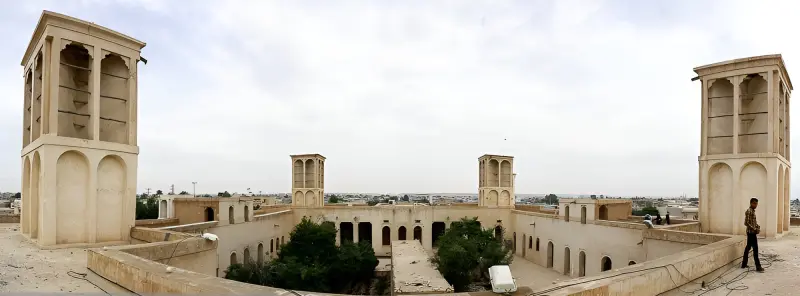
Fekri House, also known as the Fekri Mansion and the Fekri Building, is one of the valuable historic buildings of Bandar Lengeh in Hormozgan Province. It was built in the late Qajar period and is more than a century old. The mansion stands in the old Pakerti neighbourhood, at the entrance to the city from the Bandar Abbas road. Because of its historical and architectural value, it was registered on the Iran National Heritage List on 24 Bahman 1375 (13 February 1997) under number 1833. Fekri House was built through the efforts of Abdolvahed Fekri, a well-known merchant of Bandar Lengeh. In the past it was not only the family's residence but also a hub for receiving and hosting merchants and business guests. For this reason the building was laid out with separate private (andaruni) and public (biruni) quarters. Today it is one of the most distinctive examples of vernacular architecture on the Persian Gulf coast and tells part of the historical identity of Bandar Lengeh.
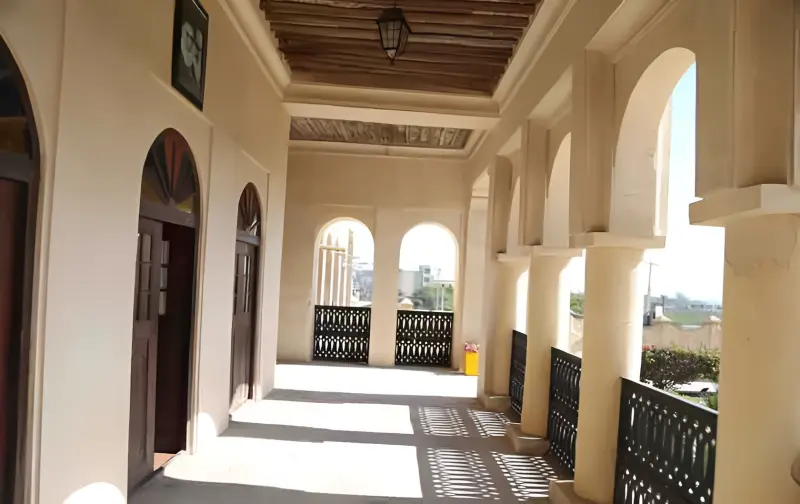
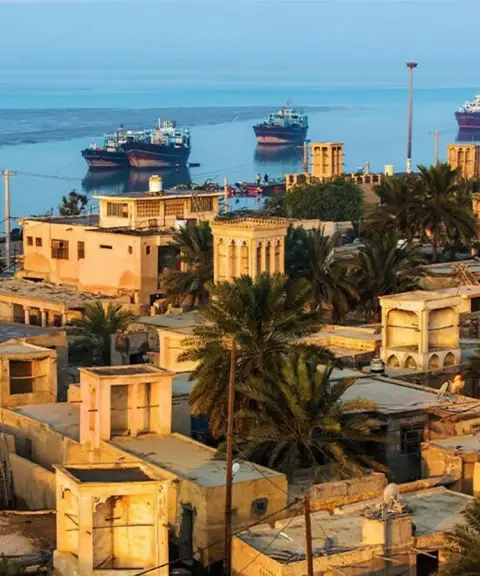
The most important feature of Fekri House is its architecture, which is adapted to the hot, humid climate of the south. The mansion covers about 3,400 square metres of land, with nearly 1,200 square metres of built area. Its structure includes two courtyards (inner and outer), 25 rooms, two basements, two vestibules and five tall windcatchers. The building stands on a platform about five metres above ground level, and the design of the windcatchers and the many corridors allowed air to circulate naturally and reduced the heat inside. The central courtyard, the rooms around it, the columned porch (iwan), the entrance arches and the tall windcatchers are among the building's most notable parts. The use of stone, sarooj (a traditional waterproof lime mortar) and gypsum plaster in the walls, together with wooden beams, mats woven from palm leaves and reeds, and straw-and-clay roofing, showcases the traditional construction techniques of southern Iran. After parts of the building were damaged by rainfall, Fekri House was restored in 1396 (2017–2018), and conditions for visitors improved. The greenery of the central courtyard uses plants suited to the local climate and, alongside the building's light-coloured facade, creates a pleasing visual contrast.
To visit Fekri House, head to Bandar Lengeh and the Pakerti neighbourhood, at the city entrance on the Bandar Abbas road. Because the mansion lies close to the city's main route, it is fairly easy to reach by private car or public transport. The best time to visit this historic building is the cooler seasons, especially autumn and winter, since the heat and humidity of the warmer months can make it hard to explore the outdoor areas and courtyard. During your visit, avoid touching or damaging the historic parts, moving objects in the rooms, or entering restricted areas, and follow the rules of the site and the Cultural Heritage authorities to help preserve the building. You can also combine a visit to Fekri House with a stroll through the historic quarter of Bandar Lengeh, and enjoy the Persian Gulf shore and the sunset around the city, to gain a fuller understanding of the architecture, culture and historical way of life of southern Iran.
Written by زهرا لنگری Last updated
What you can do here, and what it takes
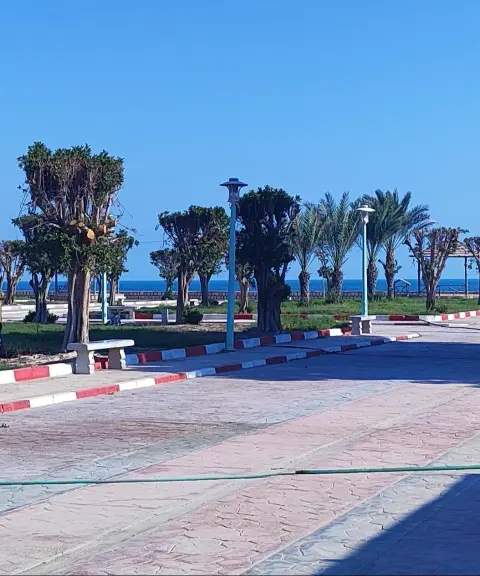
مسیرهای داخل عمارت و فضای پیرامون حیاط مرکزی برای قدمزدن و تماشای جزئیات معماری مناسب هستند.
Province Hormozgan
Province Hormozgan
Province Hormozgan
Province Hormozgan


Unfortunately, no comments have been registered.