
 Attractions
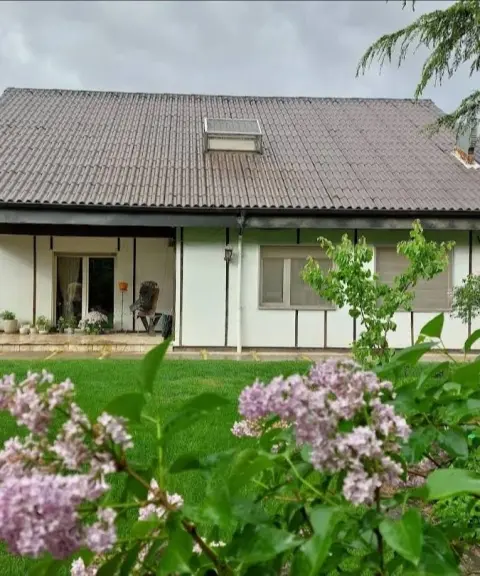
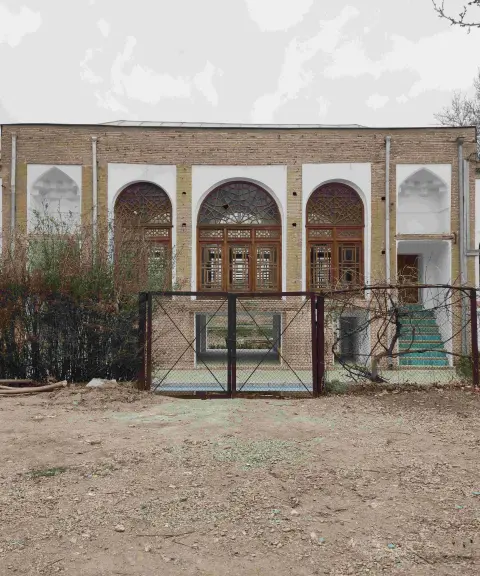
Ahmad Shamlou House Museum
Province Alborz
- Walking
A historic village amid the gardens and green landscapes of Alborz
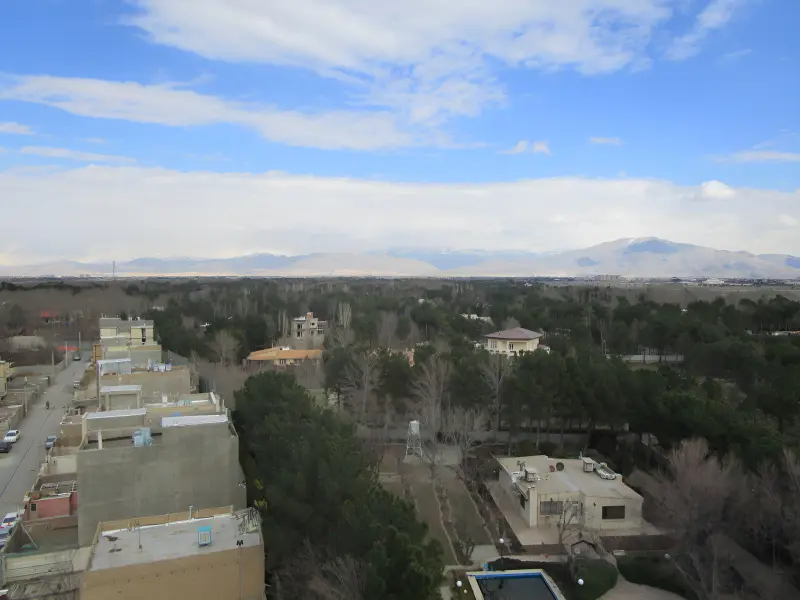
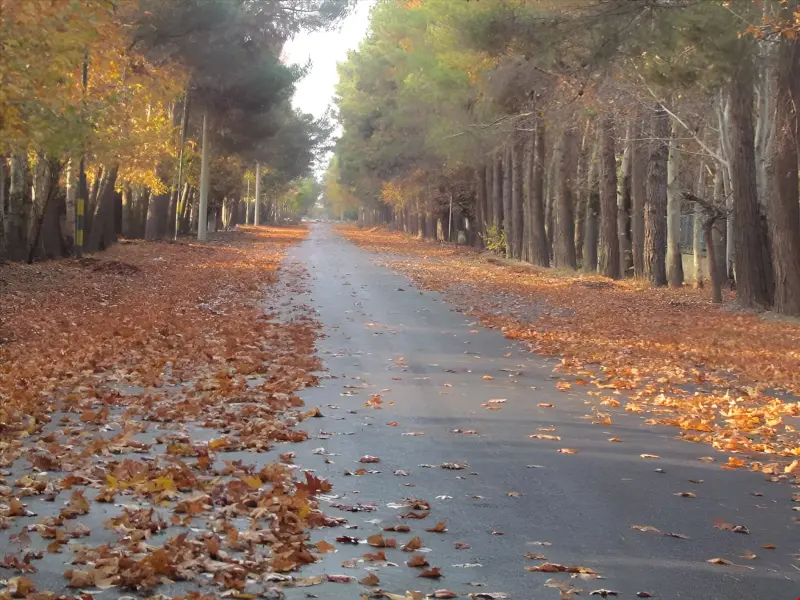
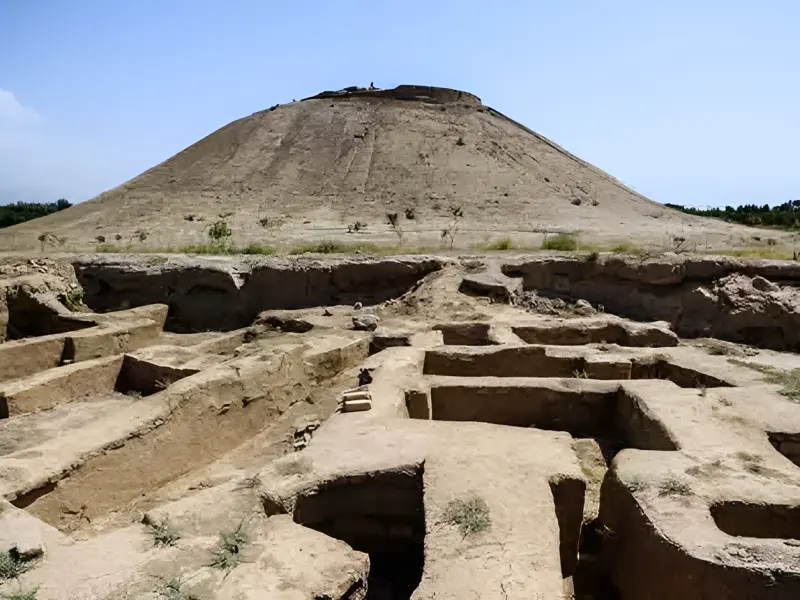
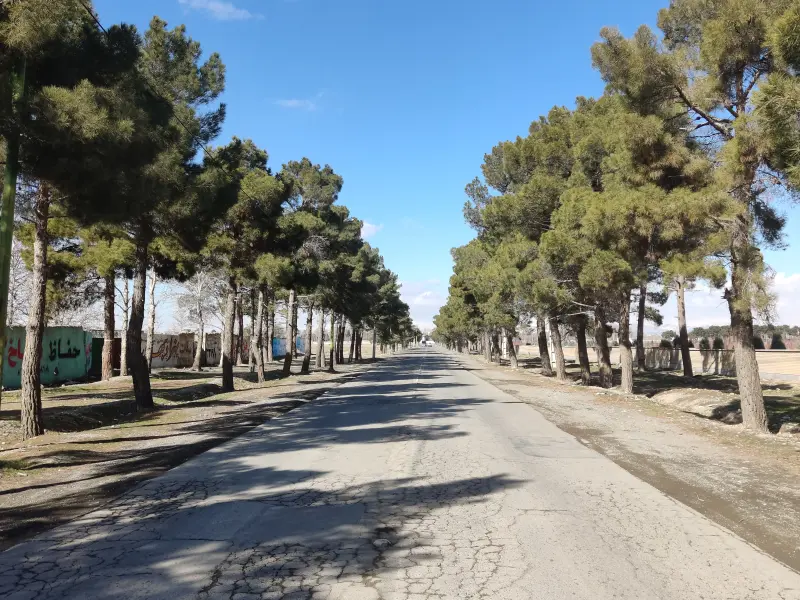
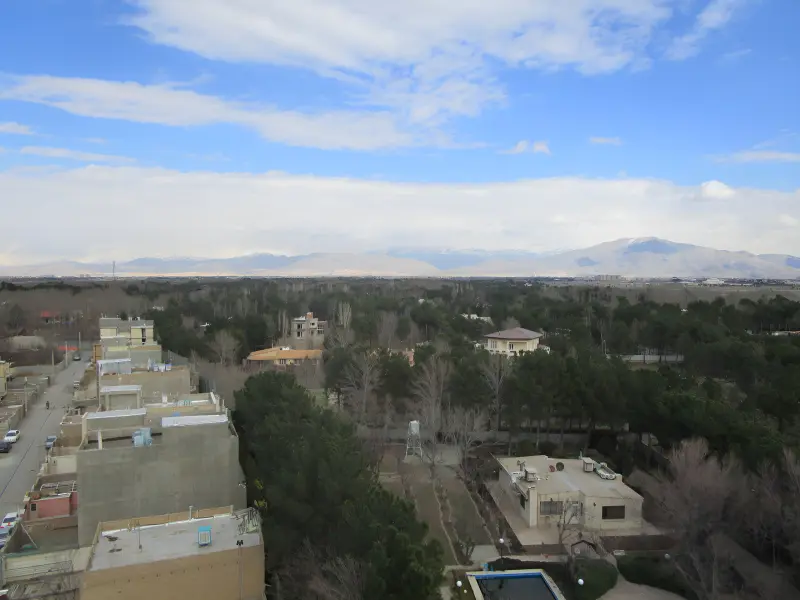
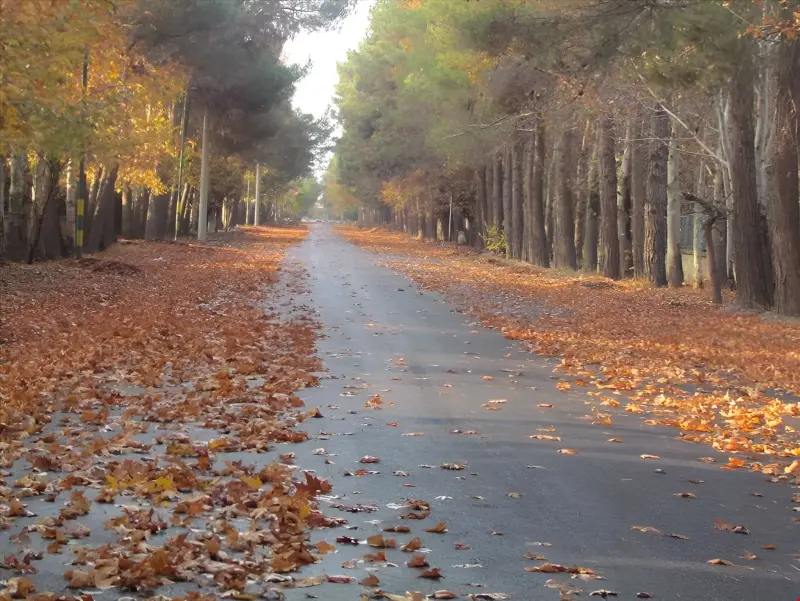
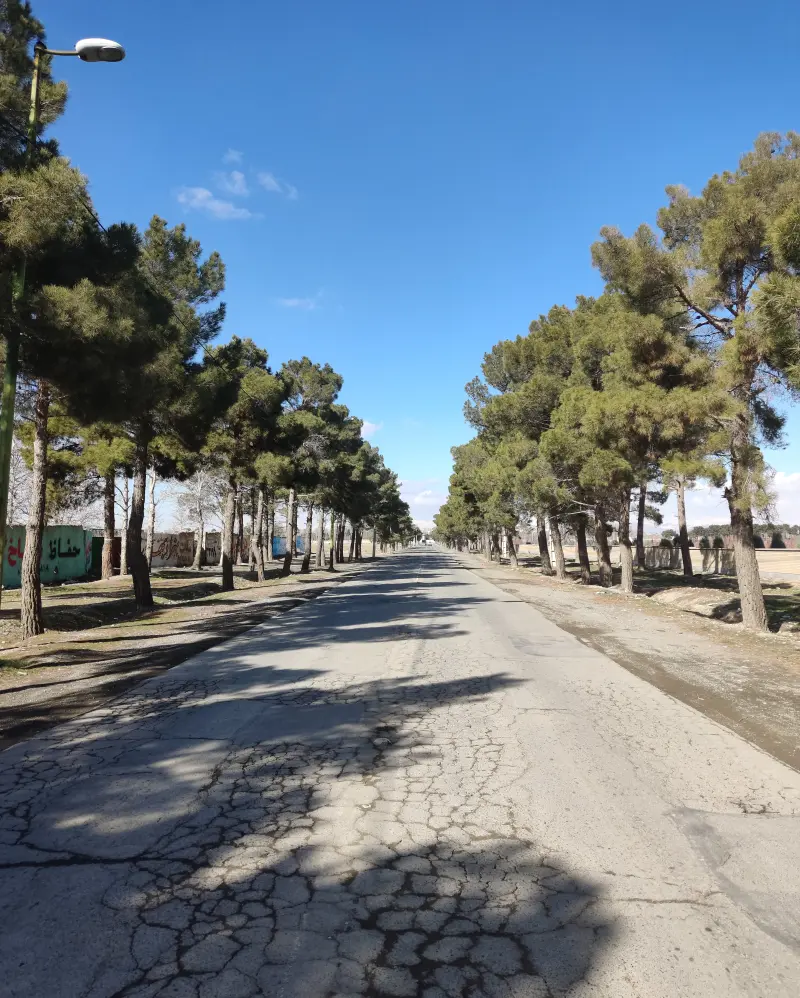
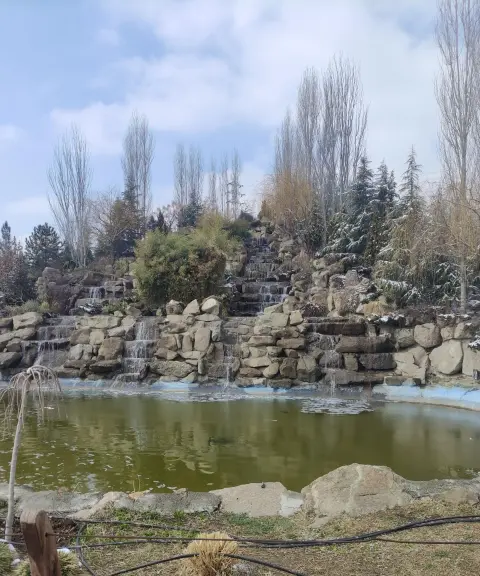
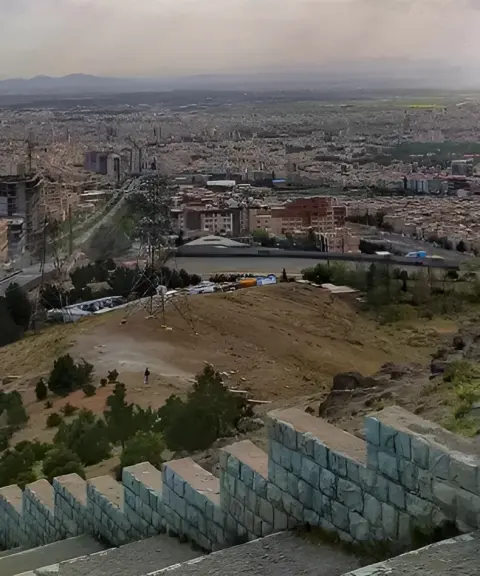
Farrokhabad is a village in Meshkindasht District of Fardis County, in Alborz Province. It lies in the southernmost part of the province, on the Mahdasht road, on the border area between Karaj and Safadasht. The village is bordered by Meshkindasht and Mohammadshahr to the north, the village of Yusefabad-e Ghavam to the south, the Abbasabad area to the west, and the Khoshnam area and the Fath Air Base to the east. It is about 10 kilometres from the city of Fardis. With its extensive gardens, farmland, old trees, green spaces and pleasant climate, Farrokhabad is considered one of the areas with a fine climate in this part of Alborz Province. The history of the area goes back to ancient and prehistoric times, and its hills and archaeological sites, together with its green nature and rural landscapes, give it a distinctive character. Farming and orchard-keeping have been important occupations for the local people, and cherries, apricots, greengages, apples, pears, tomatoes, cucumbers and various kinds of cabbage are among its products.
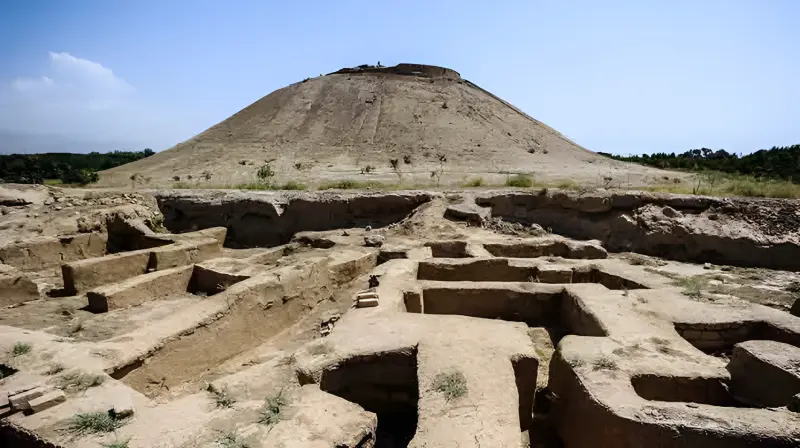
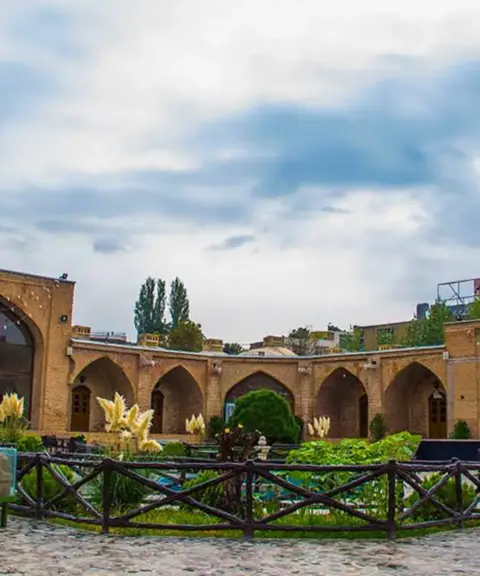
Historically, Farrokhabad is one of the notable areas of Fardis County and contains a number of ancient remains and archaeological sites. Farrokhabad Hill, set among orchards and farmland, covers about two hectares, and based on the pottery found there, it is dated to the fifth millennium BC. The hill, also known as Gholamali Hill, has a mud-brick and clay wall about two metres long, running north to south, which divides the surface of the hill into eastern and western sections. Zal Hill, also about two hectares in size, lies south of the village, and on the basis of the available evidence it is dated to the pre-Islamic period and to the Seljuk era. The ancient cemetery of Razakan-e Now is another historic site in the area. It is dated to the first millennium BC and the Iron Age, and excavations there have yielded plain and painted pottery, metal and stone objects, bone artefacts and plant remains. Other historic features of Farrokhabad include the old bathhouse (hammam), Farrokhabad Fortress, the central square and the public buildings around it. Alongside this historical heritage, the village's green orchards, meadows, old trees and natural landscapes are also attractions, and Farrokhabad's pleasant climate and green surroundings, especially in spring, draw visitors to the area.
To reach Farrokhabad, you can take the Mahdasht road and the border area between Karaj and Safadasht towards the village; it is about 10 kilometres from Fardis. Spring and the Nowruz holidays, with their green gardens, beautiful scenery, mild weather and blooming greenery, are a good time to visit Farrokhabad and explore its nature. Visitors can see the historic sites and the orchards around the village and set aside time for walking and nature tourism. However, because of the historical value of the hills and archaeological sites, no earth should be removed and no digging done there, and pottery and historical objects must not be moved. When exploring nature, it is also important to keep the environment clean, avoid damaging vegetation, and respect the orchards and farmland, so that Farrokhabad's nature and historic fabric are preserved for future visitors.
Written by زهرا لنگری Last updated
What you can do here, and what it takes
مسیرهای روستایی، باغها و فضاهای سبز اطراف فرخآباد برای پیادهروی تفریحی و گشتوگذار در طبیعت مناسب هستند.
Province Alborz
Province Alborz
Province Alborz
Province Alborz
Province Alborz
Province Alborz

Unfortunately, no comments have been registered.