
 Wetlands
- Ability level Beginner
Ability level:
Beginner
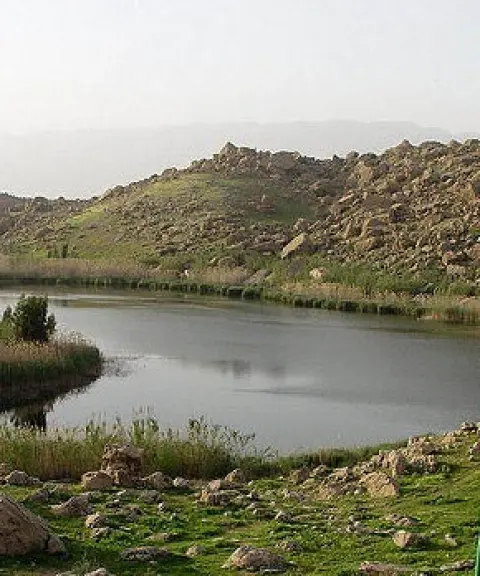
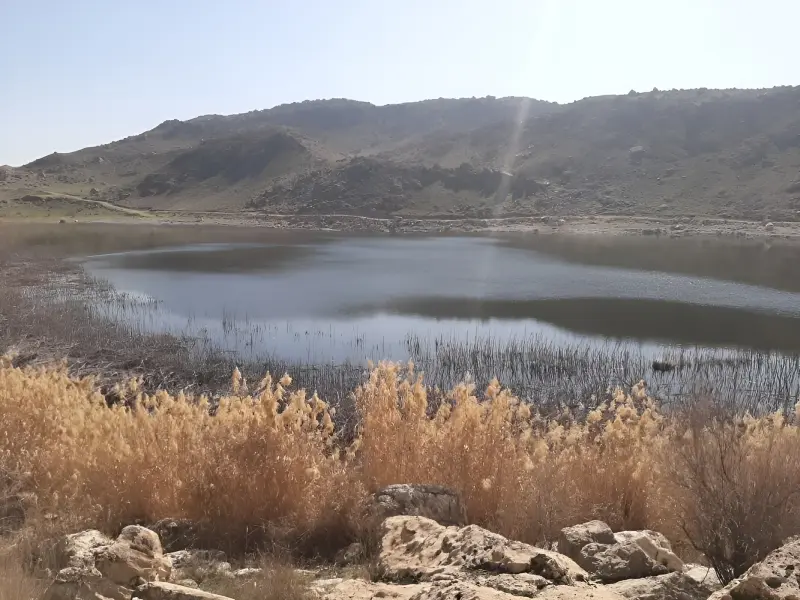
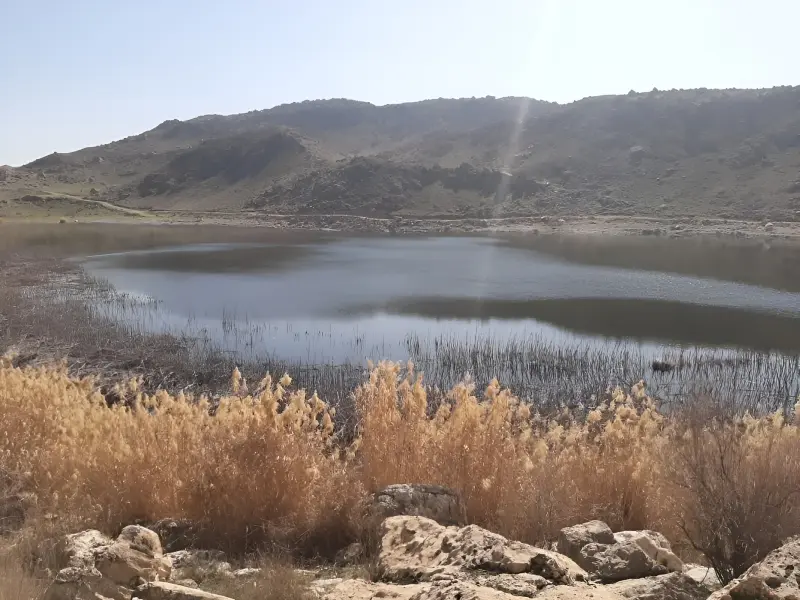
Zardabeh Wetland is one of the natural attractions of Poldokhtar County in Lorestan Province. It lies south of the city of Poldokhtar, within the area of the region's eleven wetlands. The wetland covers about two hectares and is part of a group of wetlands that have formed in the natural landscape south of Poldokhtar. According to geological accounts of this group, the formation of the region's wetlands is linked to large-scale landslides in the Kabir Kuh area, which blocked the flow of water in the past. Together with the region's other wetlands, Zardabeh is considered part of Lorestan's valuable natural heritage, and the presence of a body of water amid the relatively dry surrounding terrain gives it special environmental importance. Besides its natural value, the wetland is also connected with local communities and the nomadic migration routes, and it is an example of the role small wetlands play in supporting the ecosystem and the traditional activities of the region.
One of the key features of Zardabeh Wetland is its reed beds and aquatic habitats, which, in suitable conditions, can provide refuge for aquatic life and some bird species. In the past, and during wetter periods, the wetland's water not only supported wildlife but was also important for watering the livestock of nomads travelling along the migration route between Poldokhtar and the summer pastures. To the north of Zardabeh lie other wetlands of the regional group, which local sources refer to as Lafaneh and Takaneh. However, reduced rainfall and climate change in recent years have affected the water situation of many wetlands in this area, and Zardabeh too faces the risk of losing its water and drying up. For this reason, the value of this wetland is not limited to the beauty of its landscape; preserving its water, reed beds and natural habitats is important for the survival of species that depend on the wetland environment and for protecting the region's biodiversity.
Zardabeh Wetland can be reached by the roads leading to the south of Poldokhtar and by local roads in the area; it lies roughly 12 kilometres south of Poldokhtar, among the region's group of wetlands. Spring and autumn, especially when the wetland has enough water, are better times for visiting and photographing its natural scenery. However, given reports of declining water levels and the wetland drying up, it is best to check its current condition before your trip. If there is enough water, birdwatching and observing the wetland's natural life can be among the most rewarding activities of the visit. To protect this habitat, do not leave litter, damage the reeds, make noise or get too close to the animals, and respect the living space of the aquatic life and birds.
Written by زهرا لنگری Last updated
Activities
What you can do here, and what it takes
-
Walking
کفش پیادهروی به همراه داشته باشید..
Specifications
Introduction of the location and specifications of Zardabeh Wetland
Location:
Lorestan, Poldokhtar
Coordinates:
33.07855072, 47.65064242
Open in maps
Height above mean sea:
660 meter
Faunas:
Presence of Allergenic Insects, Presence of Herbivorous Animals
Transports:
Private car, Minibus, Bus
Native Languages:
Luri
Tourist Attractions in Poldokhtar
Attractions that are nearby
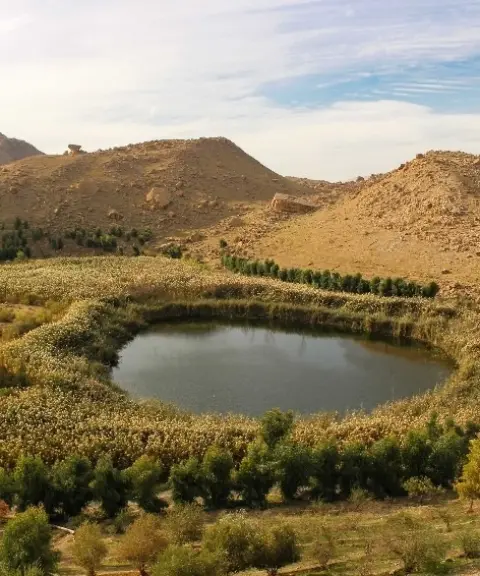
Gouriya Triple Wetlands
Province Lorestan
- Walking
- Fishing
The Lost Wetlands in the Heart of Lorestan

Lafafeh Wetland
Province Lorestan
- Walking
A habitat for migratory birds in the heart of Lorestan's nature


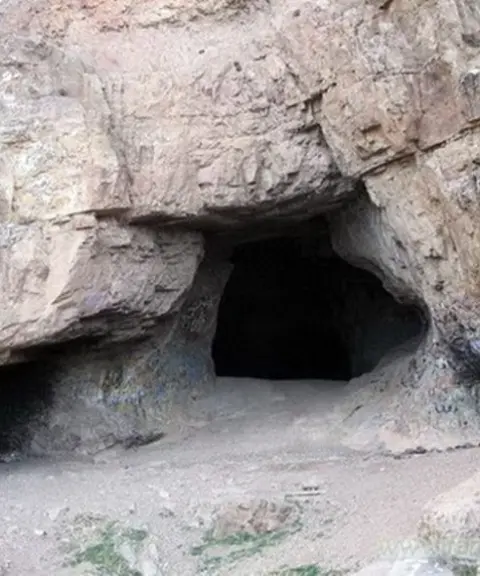

Kalmakareh Cave
Province Lorestan
- Walking
- Mountaineering
A Mysterious Treasure in the Heart of the Lorestan Mountains
Related tags:
Unfortunately, no comments have been registered.