
 Historic Castle
Anar Citadel
A relic of ancient Iranian architecture in the heart of Anar
- Ability level Beginner
Ability level:
Beginner
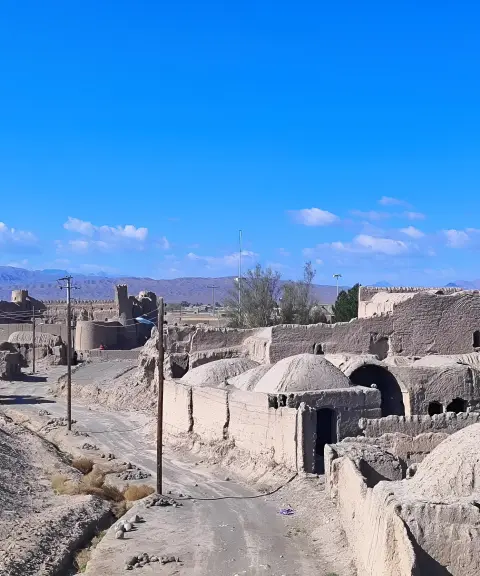
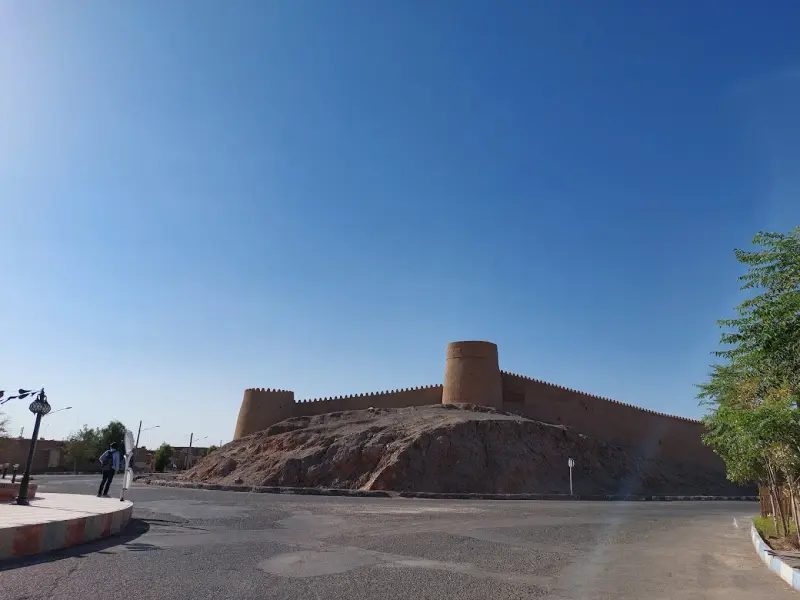
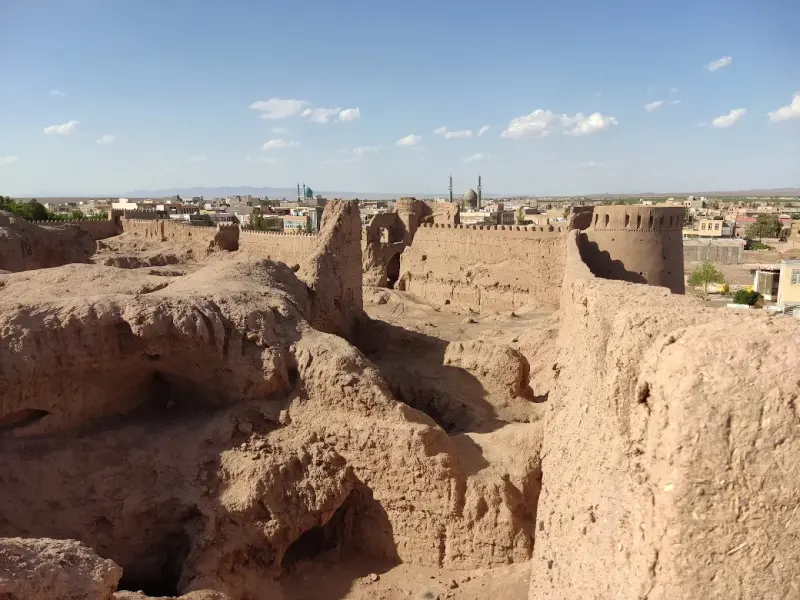
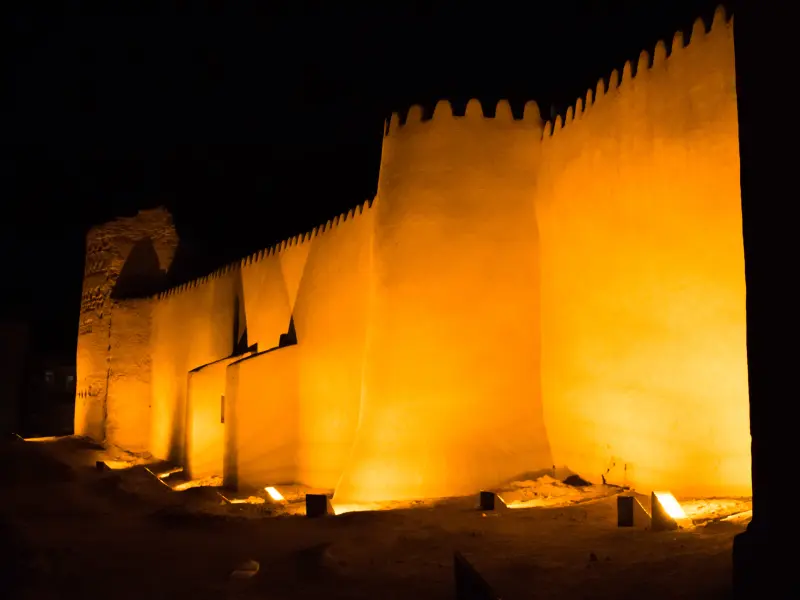
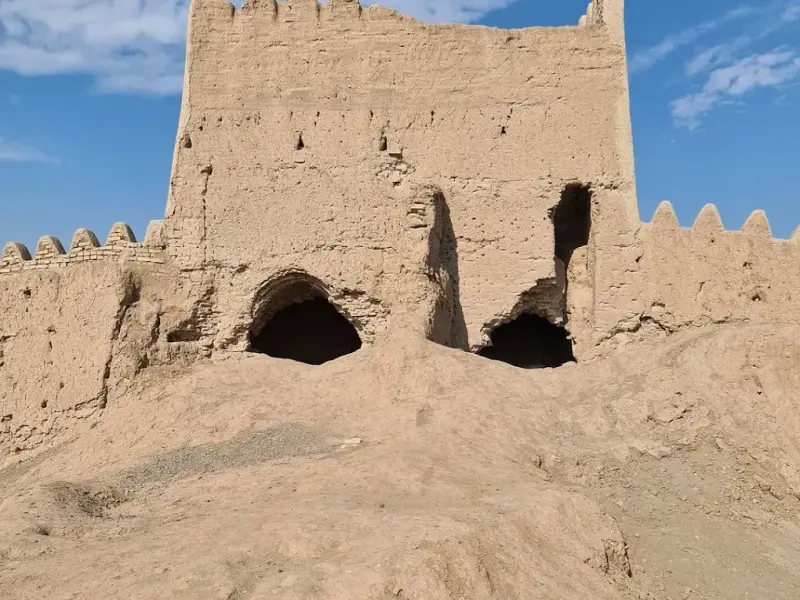
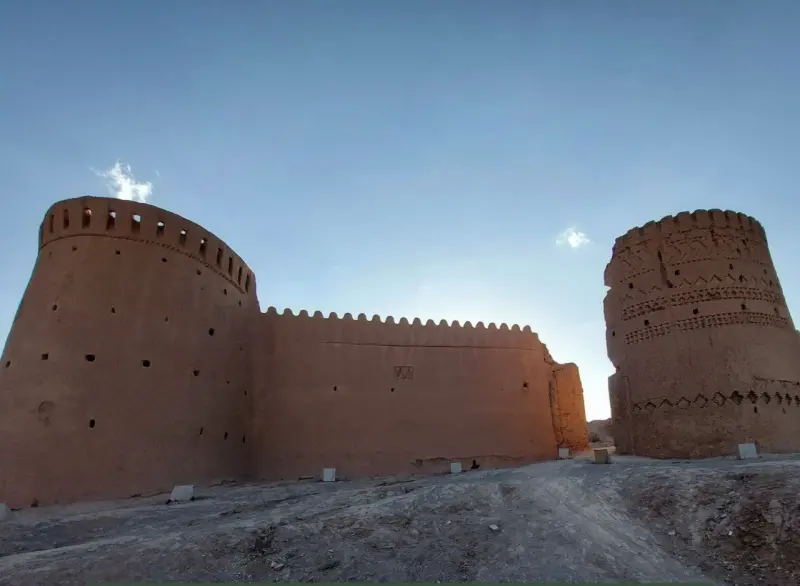
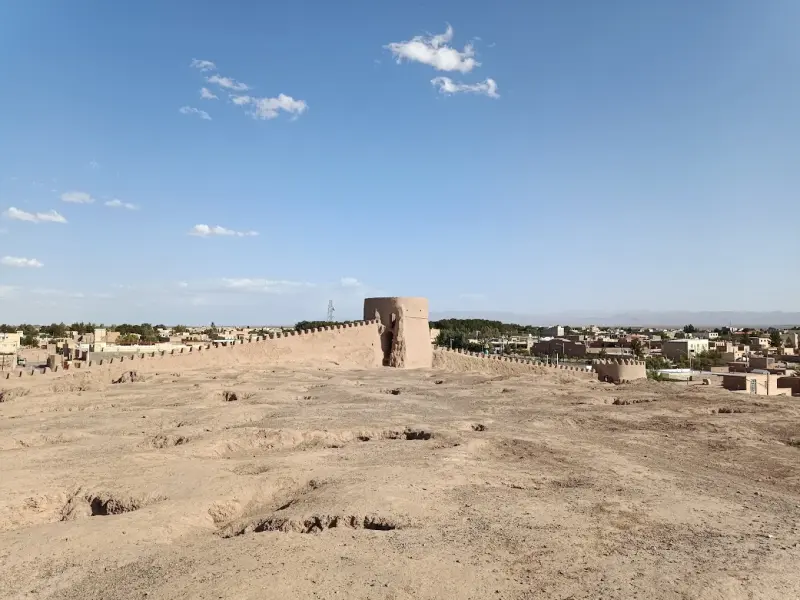
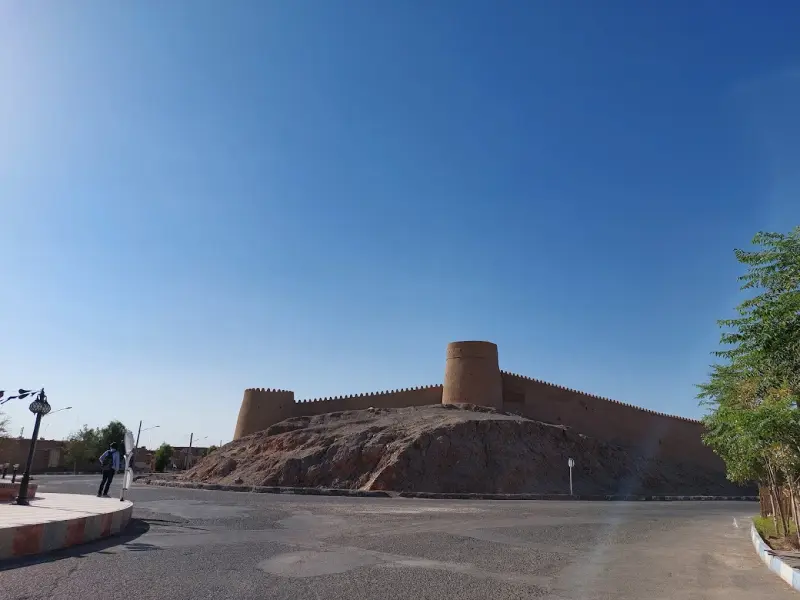
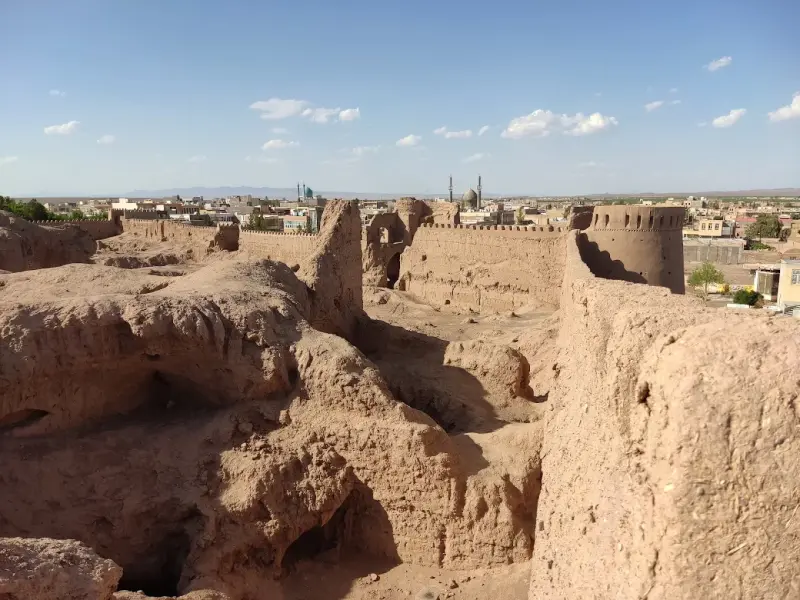
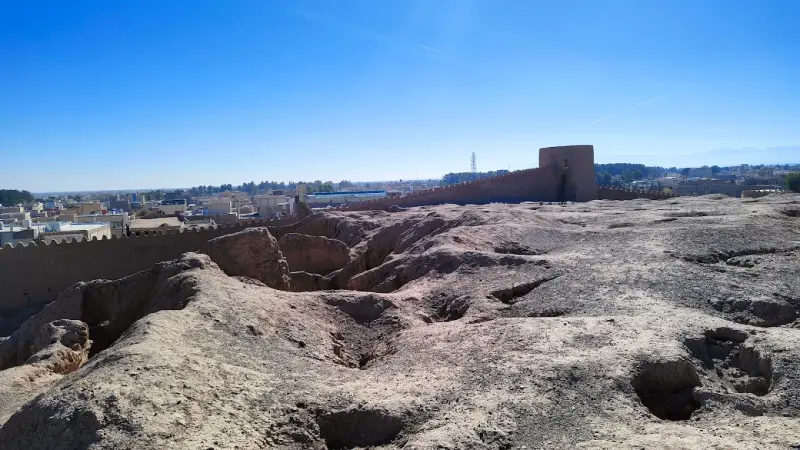
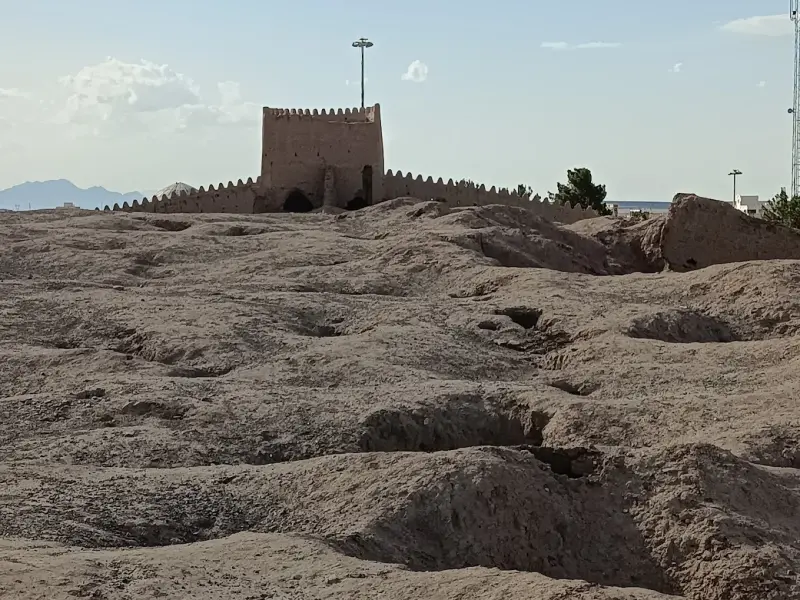
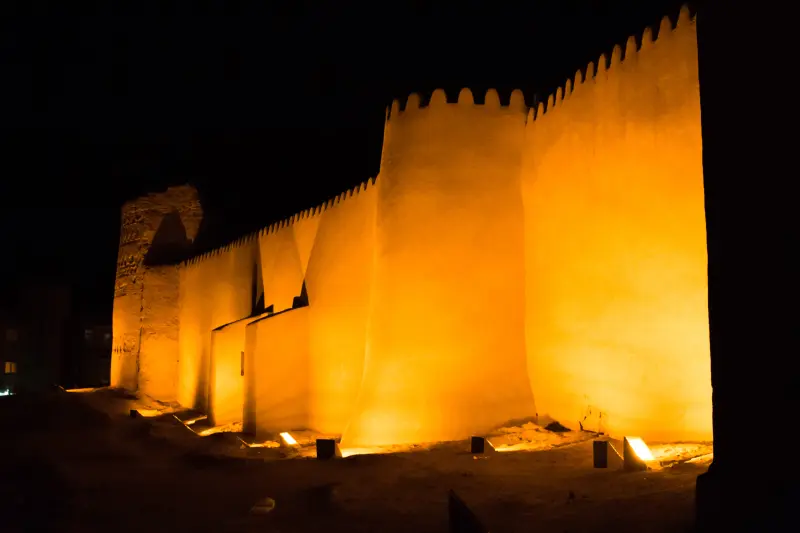
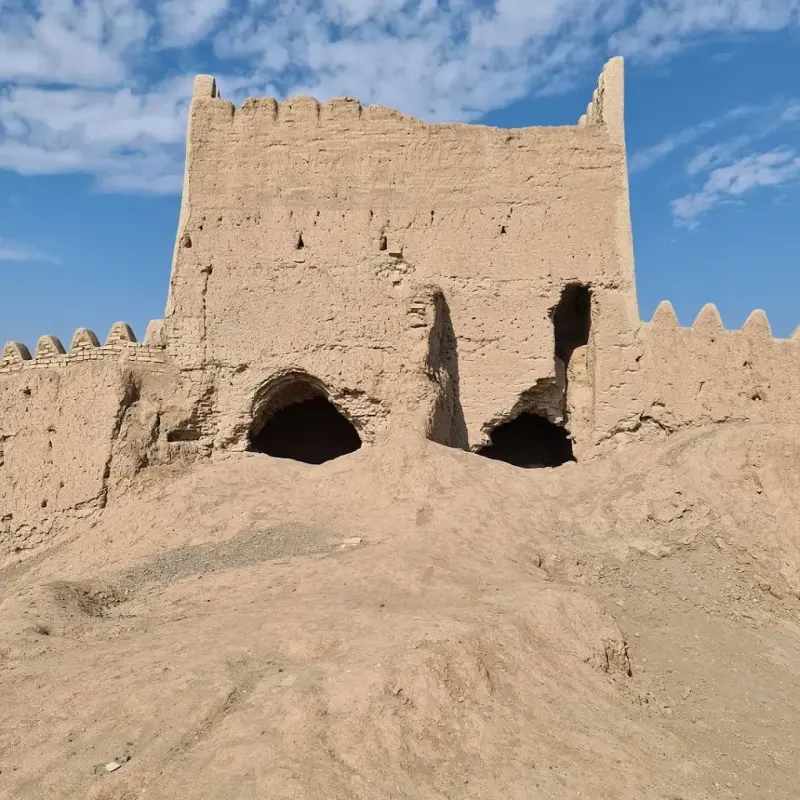
Anar Citadel is one of the most valuable historic monuments in Anar County, in the north of Kerman Province. It stands in the centre of the city, within the urban area. The citadel dates back to the pre-Islamic, Sasanian era. Evidence suggests that it took shape in that period, and that parts of it were completed and rebuilt in later periods, particularly the Islamic era and the Safavid period. The city of Anar, formerly known as Aban, is one of the region's ancient settlements, and its historic citadel reflects part of the cultural and architectural heritage of the area. With an area of about 11,179 square metres, the citadel is registered on Iran's National Heritage list. As one of the historic attractions of northern Kerman Province, it draws visitors interested in history and Iranian architectural heritage.
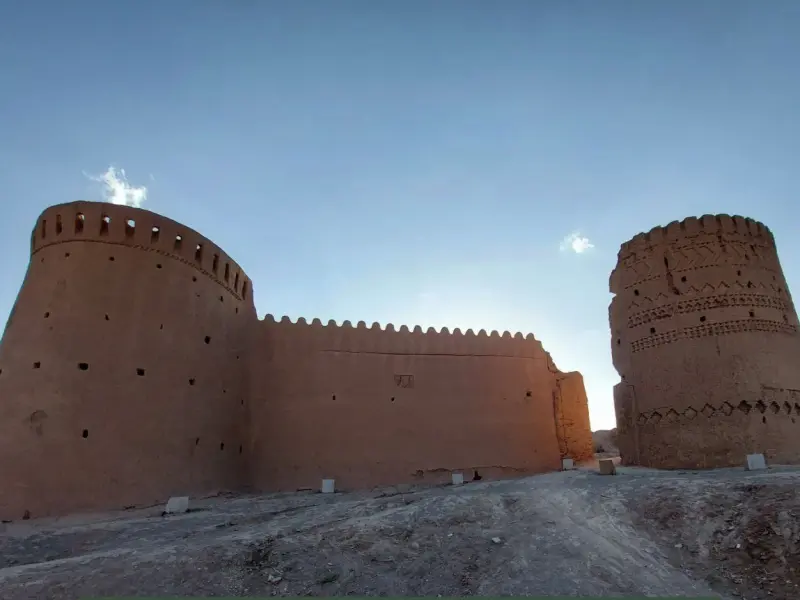
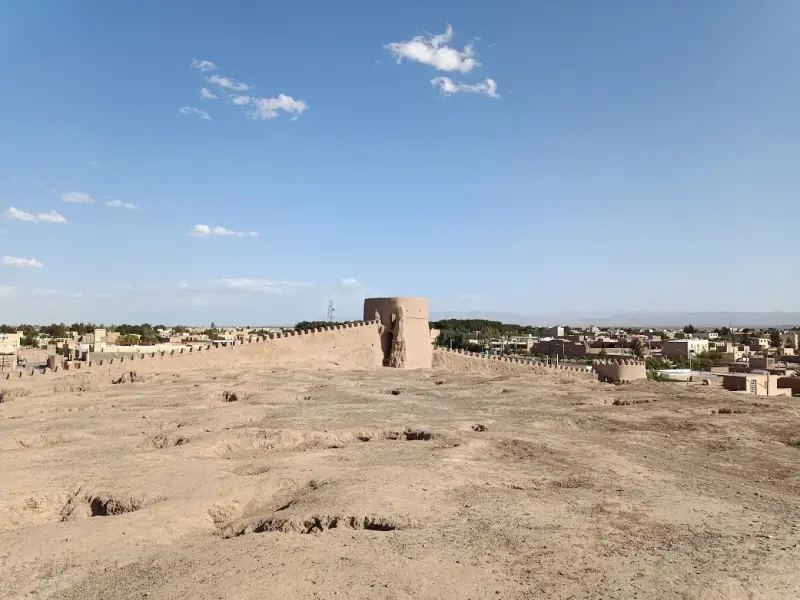
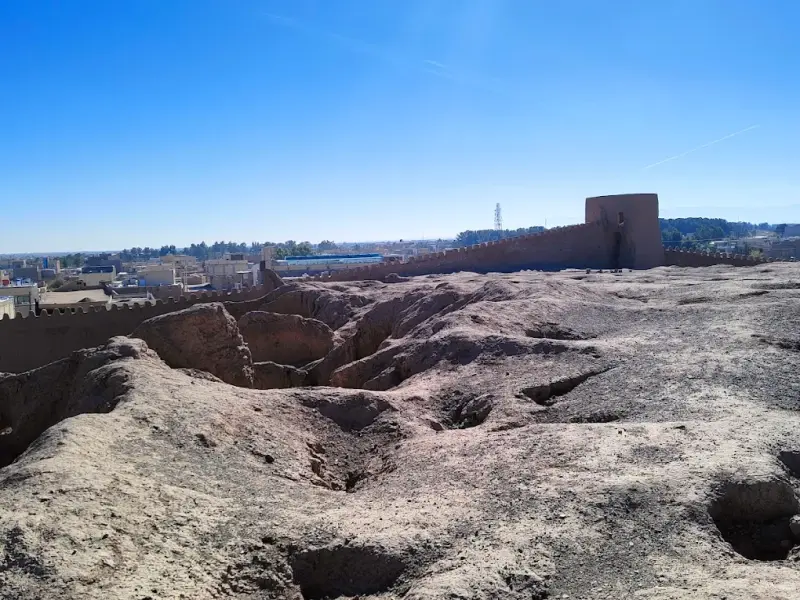
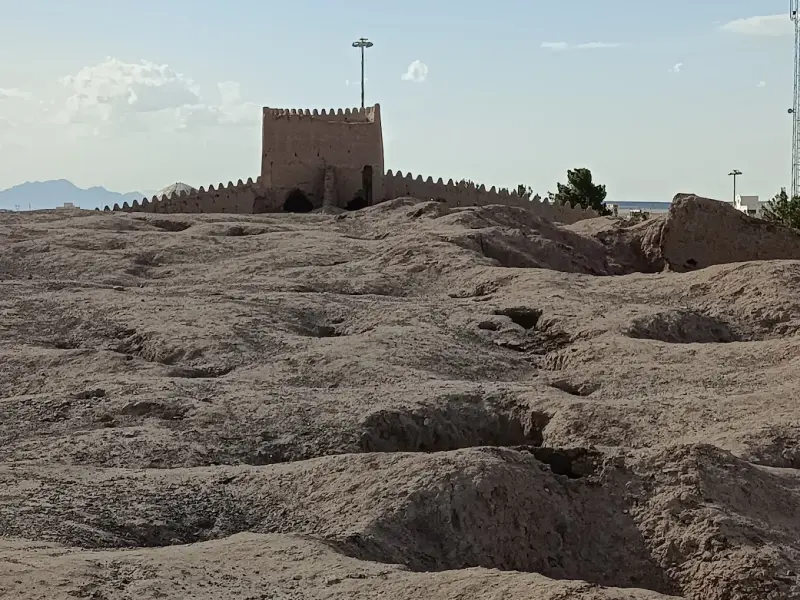
Anar Citadel was designed as a rectangle running from east to west, and in the past the complex was enclosed by six towers and a rampart. Its architecture included both single-storey and two-storey spaces. The single-storey sections lay around the edges of the complex and were used as homes for ordinary people and for service activities, including keeping livestock. The two-storey buildings in the central part, by contrast, served as the seat of government and the centre for managing the complex's political affairs. These features show that the citadel was not only a defensive structure but also a place to live and to organise government affairs. Despite the historical and architectural importance of the complex, much of its interior has been destroyed over time, and today mainly the remains of walls, towers and ramparts, and parts of the old structure can be seen. Archaeologists have also suggested that more detailed studies and scientific excavations could reveal more information about the historical layers and the stages in which the monument was formed. A visit to Anar Citadel offers a chance to see the remains of mud-brick architecture and to learn how residential and government spaces were arranged in Iran's historic fortresses.
Anar Citadel is in the centre of the city of Anar and can be reached via the city streets. The main entrance of the complex is on the southern side, near Razi Street. Because the monument lies within the urban fabric, you can combine your visit with a stroll to other historic attractions in Anar, including the historic ice house (yakhdan) and the Shah Abbasi Caravanserai. Spring and autumn are usually the better seasons for visiting historic buildings and walking around the city, as temperatures are milder in this part of Kerman Province. In summer, it is best to choose the cooler hours of the day. Because parts of the citadel have been destroyed and its historic remains are fragile, visitors should not enter unstable areas, climb the walls, move mud bricks or damage the surviving remains. Keeping the site clean and respecting the monument's protected surroundings also helps preserve this historic heritage and keeps it open to visitors for future generations.
Written by زهرا لنگری Last updated
Activities
What you can do here, and what it takes
-
Walking
مسیرهای دسترسی شهری و خیابانهای اطراف ارگ برای پیادهروی کوتاه و گشتوگذار در بافت تاریخی شهر مناسب هستند.
Specifications
Introduction of the location and specifications of Anar Citadel
Location:
Kerman, Anar
Coordinates:
30.87189648, 55.27061953
Open in maps
Transports:
Private car, Minibus, Bus
Tourist Attractions in Anar
Attractions that are nearby



Azarbogh Fire Temple
Province Kerman
- Walking
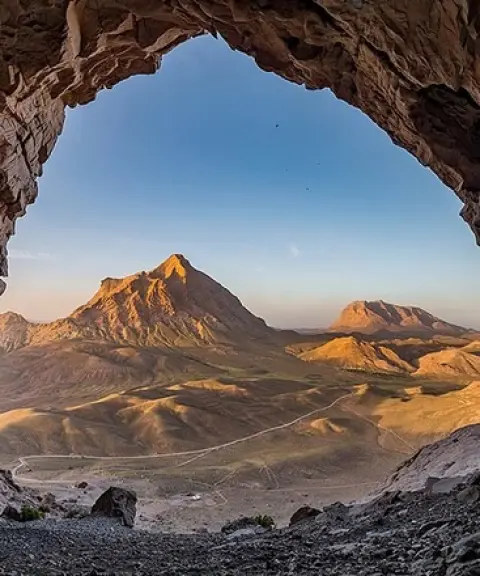
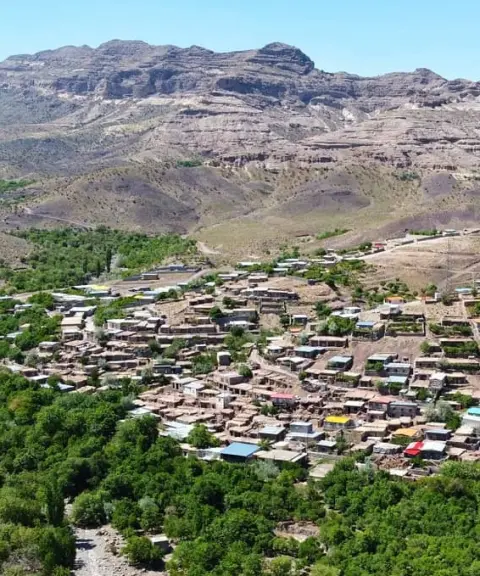
A relic of ancient culture and rituals on the slopes of Shahr-e Babak



Kalmand Protected Area
Province Yazd
- Walking
- Mountaineering
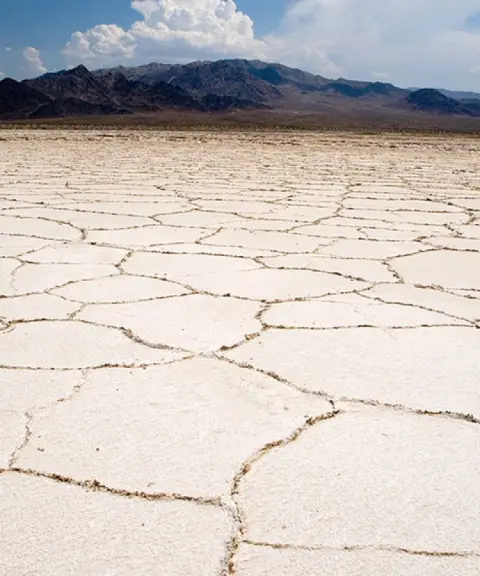
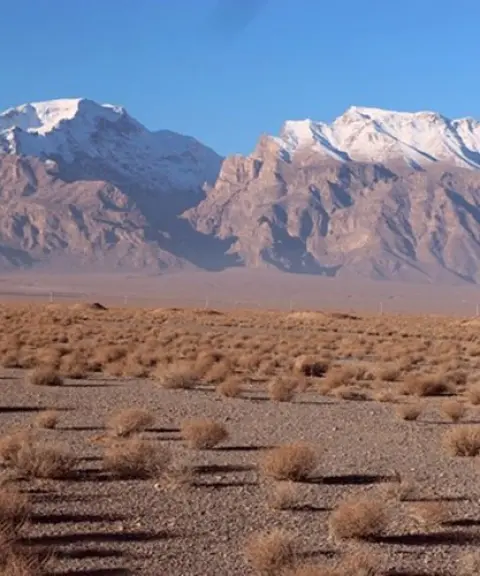
The unique habitat of Iranian gazelles in the heart of Yazd's desert
Meymand Village
Province Kerman
- Walking
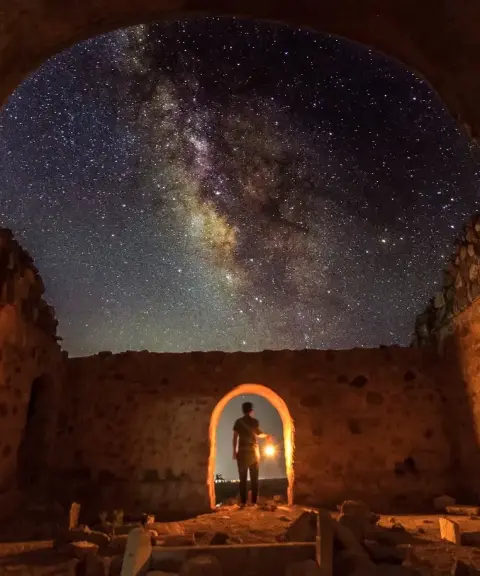
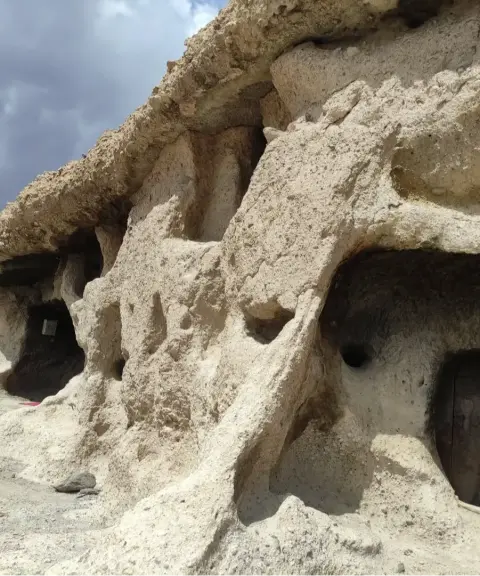
A 12,000-year-old rock-cut settlement in the heart of the Kerman mountains
Related tags:
Unfortunately, no comments have been registered.