
 Attractions
Amol Fire Temple
Province Mazandaran
- Walking
A historic tomb with magnificent Safavid-era architecture and tilework
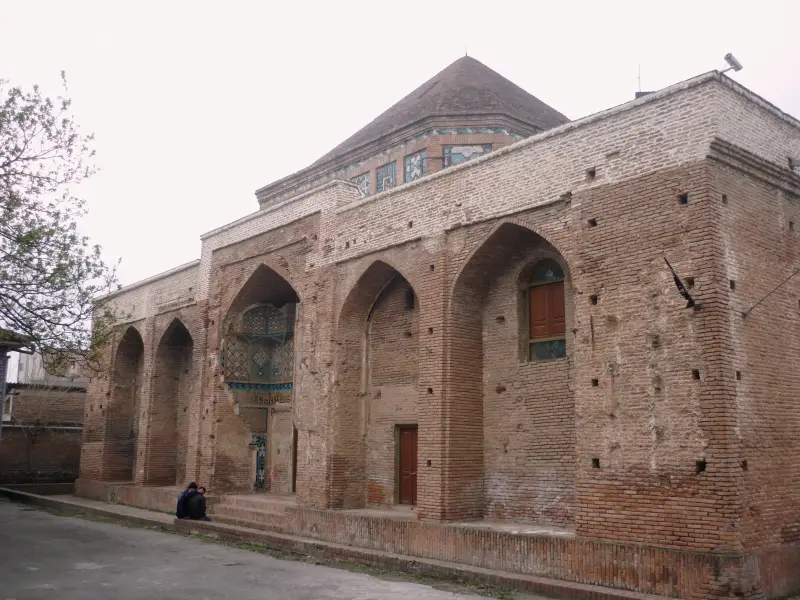
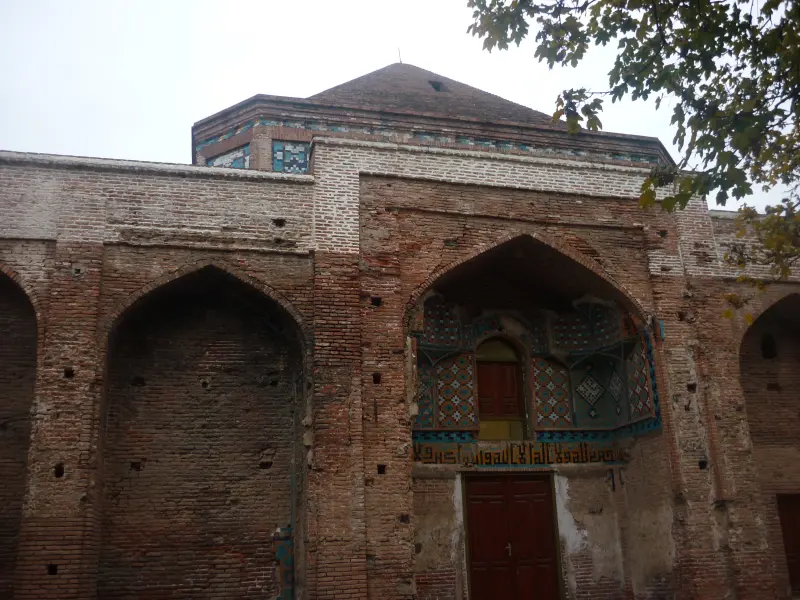
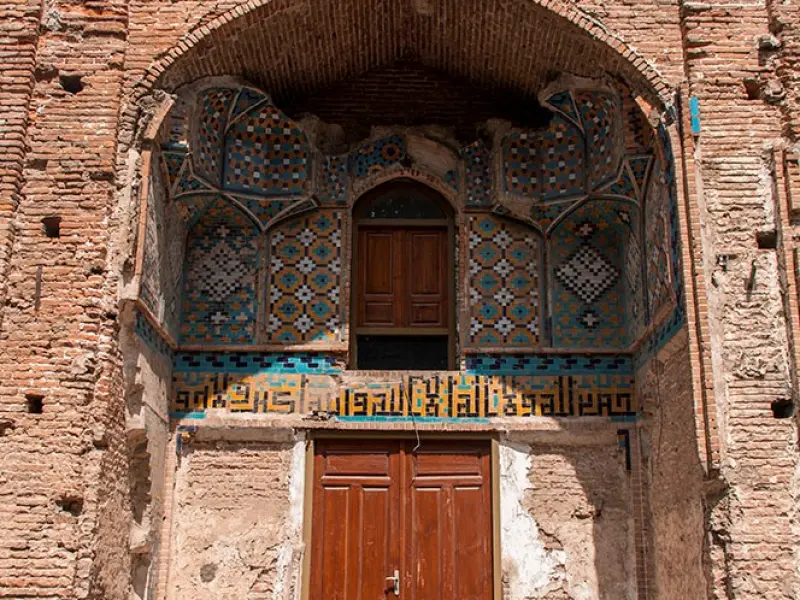
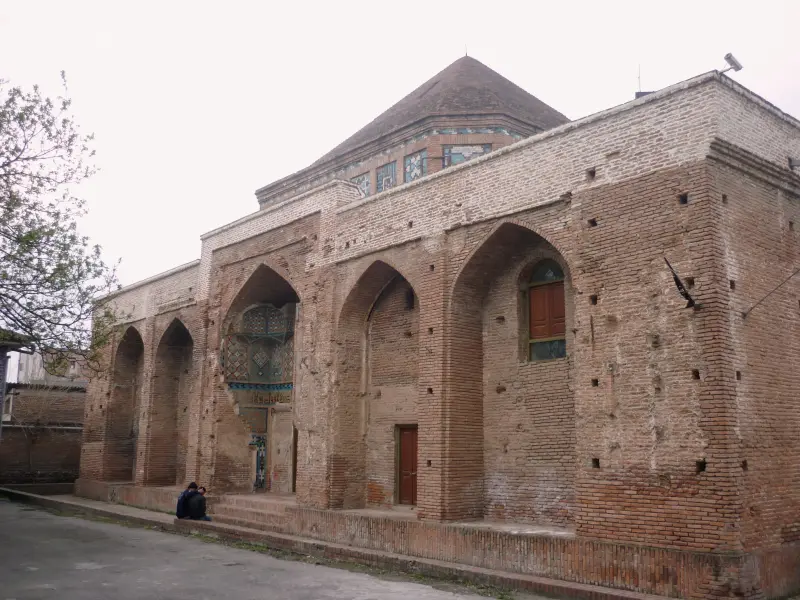
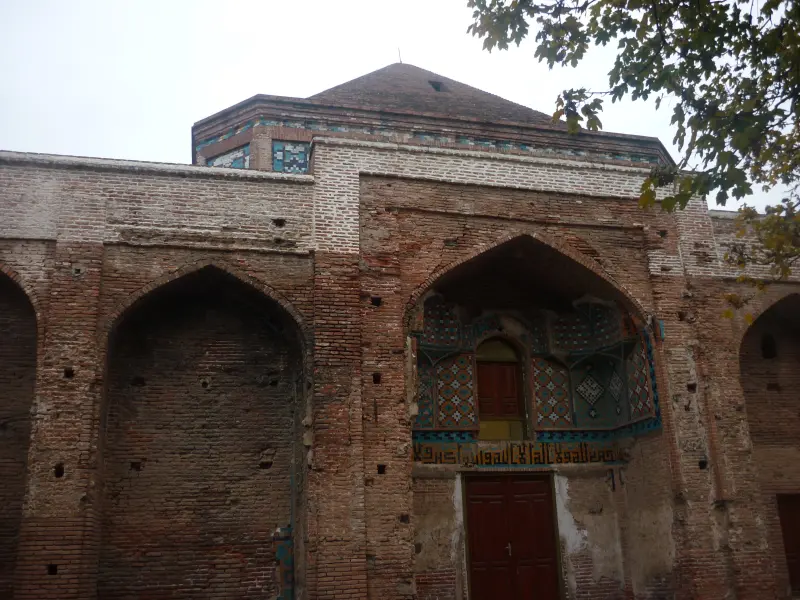
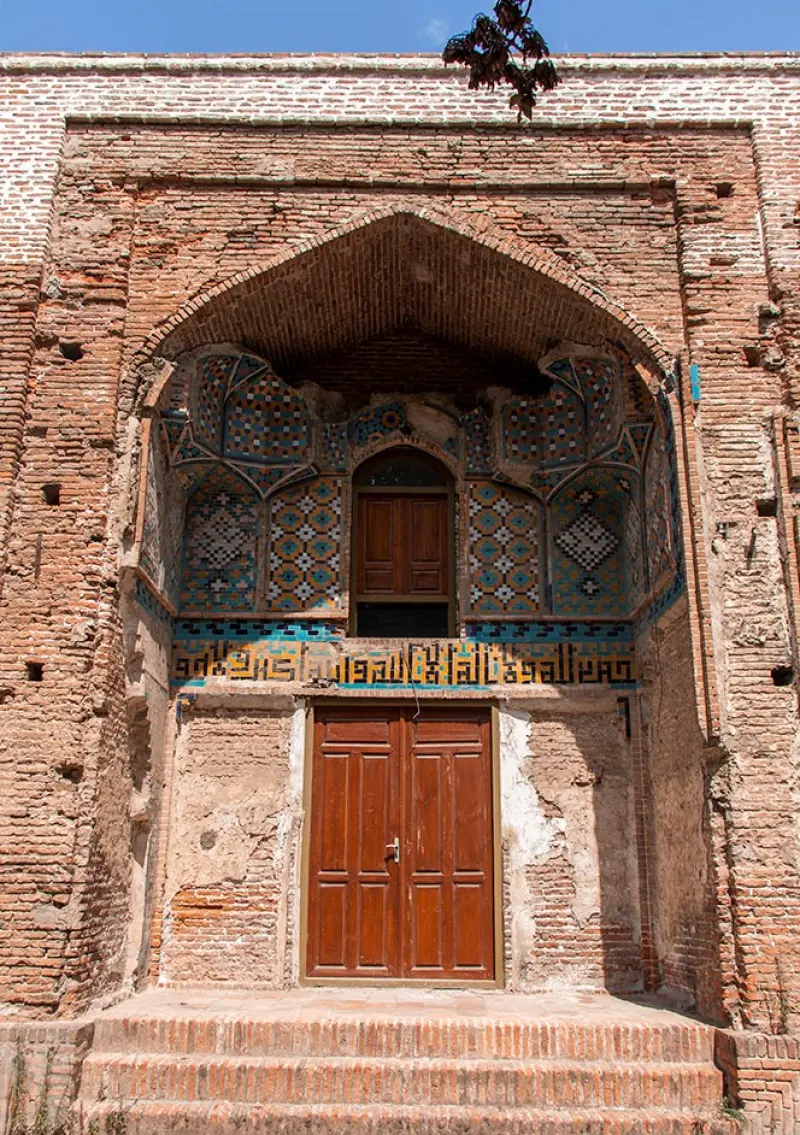
Mashhad-e Mir Bozorg, also known as the Tomb of Mir Bozorg Marashi, is one of the most prominent historic monuments of Amol in Mazandaran Province. The complex stands near Sabzeh Meydan and Mofatteh Street and holds the tomb of Mir Qavam al-Din Marashi, a leading historical figure of Mazandaran and the founder of the Marashi dynasty. The original structure dates back to the 8th century AH (lunar Hijri), and the present building took shape in the Safavid period. Thanks to its historical background, its religious standing and its links with the political and social history of Mazandaran, Mashhad-e Mir Bozorg is regarded as a valuable example of historic architecture in northern Iran. It was registered on Iran's National Heritage list on 15 Dey 1310 under number 59, and a visit offers a chance to discover part of the historical and cultural heritage of Amol.
The history of Mashhad-e Mir Bozorg has seen many ups and downs. The original tomb was destroyed in 796 AH by Eskandar Sheikhi, son of Afrasiyab Chalabi. After the surviving Marashi Sayyids returned to Mazandaran, it was rebuilt in 814 AH through the efforts of Sayyid Qavam al-Din and with the help of the local people. In the Safavid period, particularly under Shah Abbas I, valuable decoration and tilework were added to the building. The present structure has two storeys. Architecturally, it has a square central courtyard, prayer halls, numerous rooms, arched niches and a dome with a polygonal outer structure. The southern portal is among its most important decorative features, and inscriptions in square Kufic script, Quranic verses and tile motifs can be seen in various parts of the building. Coloured tiles, geometric ornament and historical inscriptions give the interior and exterior of the tomb a distinctive splendour. The many spaces and the way the building was constructed suggest that, besides serving as a tomb, the complex was probably used at times for religious and educational activities and for functions such as a mosque, a school and a khanqah (Sufi lodge). Despite damage over time and the loss of some of the complex's decoration and fine artefacts, Mashhad-e Mir Bozorg remains one of the most important examples of historic architecture in Amol.
To visit Mashhad-e Mir Bozorg, head to the centre of Amol in Mazandaran Province and reach this historic complex from the area around Sabzeh Meydan and Mofatteh Street. Because the building lies within the urban fabric, you can get there by private car or public transport; if you drive, it is best to consider parking availability and traffic restrictions in the central part of the city. Spring and early autumn, when Amol's weather is usually more pleasant, are good times to explore the city and its historic buildings. Even so, because of its historical and architectural nature, Mashhad-e Mir Bozorg can also be visited in other seasons. While you are there, set aside time to look at the inscriptions, tilework and architectural details, and if possible, take a local guide to understand the building's history better. Keeping quiet and respecting the religious atmosphere of the tomb, not touching or damaging the tiles and historic decoration, and not leaving litter in the grounds are important principles of responsible visiting at this valuable site.
Written by زهرا لنگری Last updated
What you can do here, and what it takes
پس از بازدید از آرامگاه، میتوان در محدوده سبزهمیدان و خیابانهای مرکزی آمل به گشتوگذار پرداخت.
Province Mazandaran
Province Mazandaran
Province Mazandaran
Province Mazandaran

Province Mazandaran
Province Mazandaran

Province Mazandaran


Unfortunately, no comments have been registered.