
 Attractions
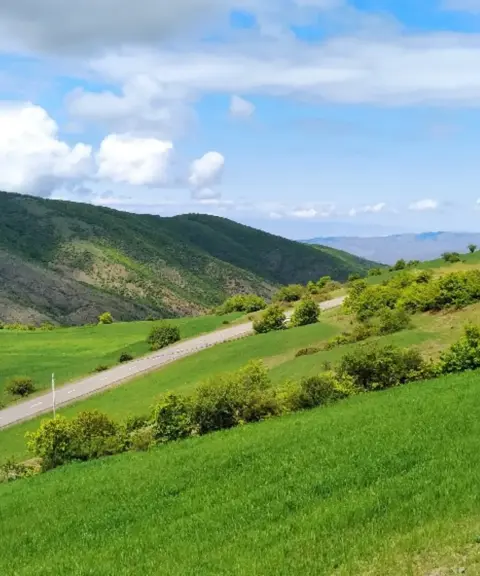
Garmanab Village
A historic summer pasture with a heritage of tribal life and ancient rituals
- Ability level Beginner
Ability level:
Beginner
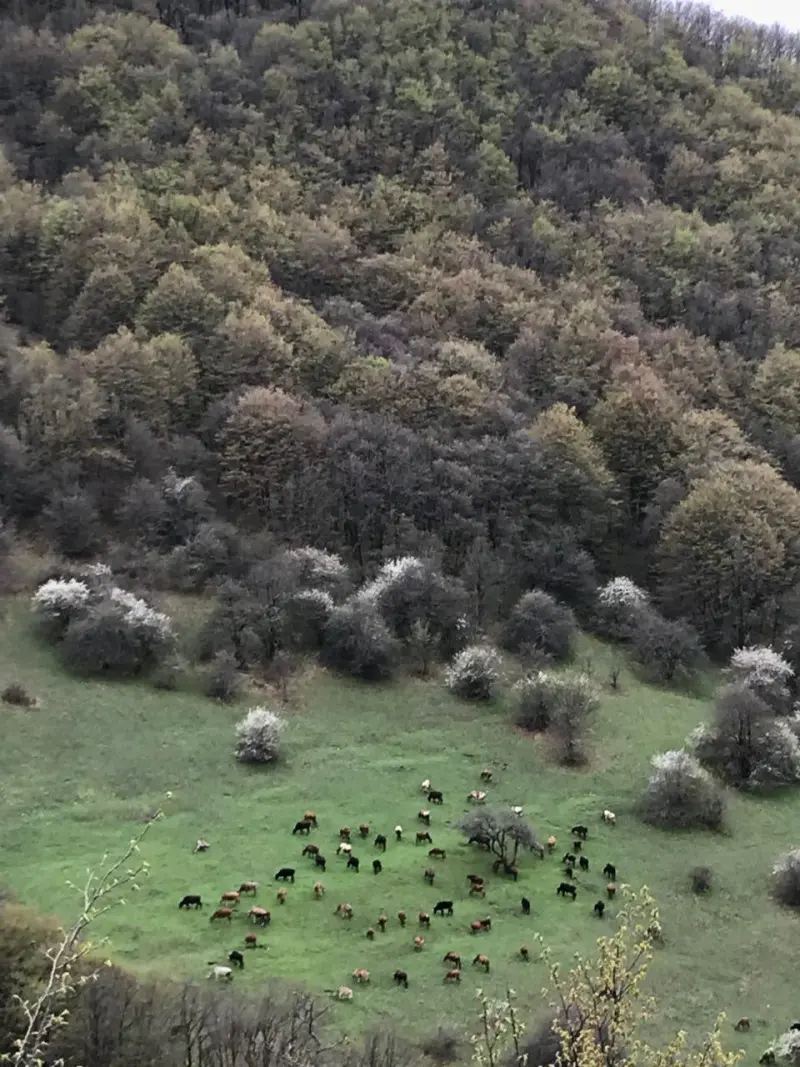
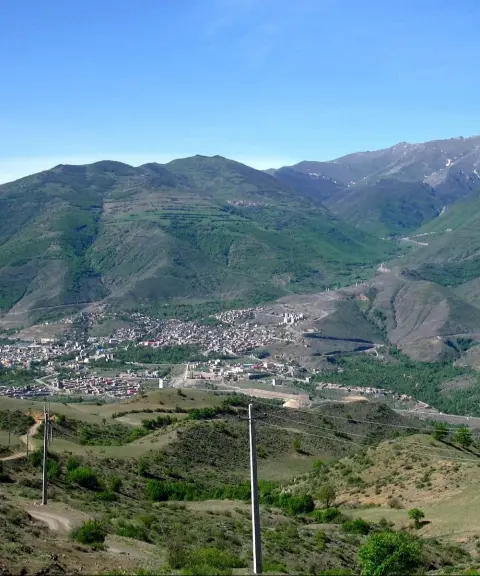
Garmanab is a historic village in East Azerbaijan Province, located in West Manjavan Rural District, Manjavan District, Khodaafarin County. Because of its historical background and its ties to tribal life, the village is considered part of the region's cultural and social heritage. In the early twentieth century Garmanab was home to Armenians, but its residents gradually migrated to Tabriz and Armenia. During the reign of Reza Shah, Rezagoli Khan, one of the chiefs of the Mohammadkhanlu tribe, took ownership of the village, and in the following years, during the Second World War, Shia Muslims and followers of Ahl-e Haqq settled there again. According to Asadollah Khan Mohammadkhanlu in an interview in 1342 (Solar Hijri), the residents of Garmanab were members of the Mohammadkhanlu tribe.
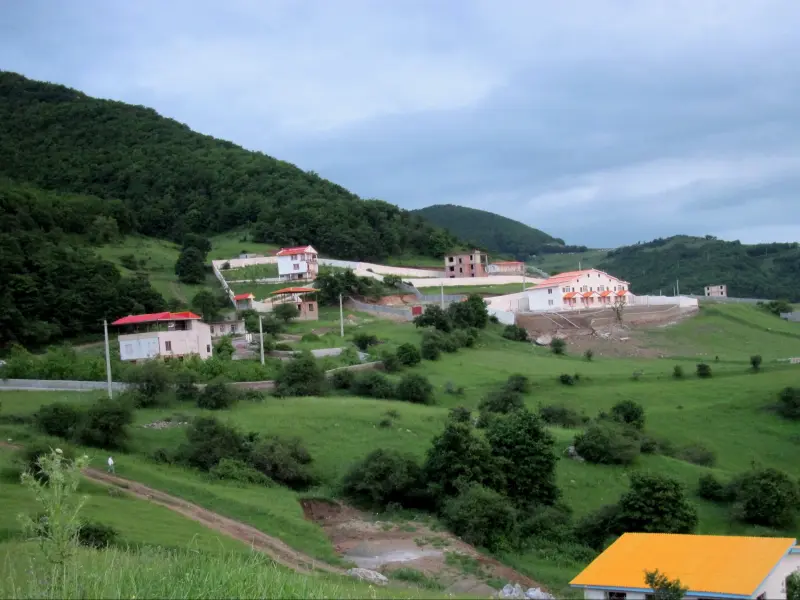
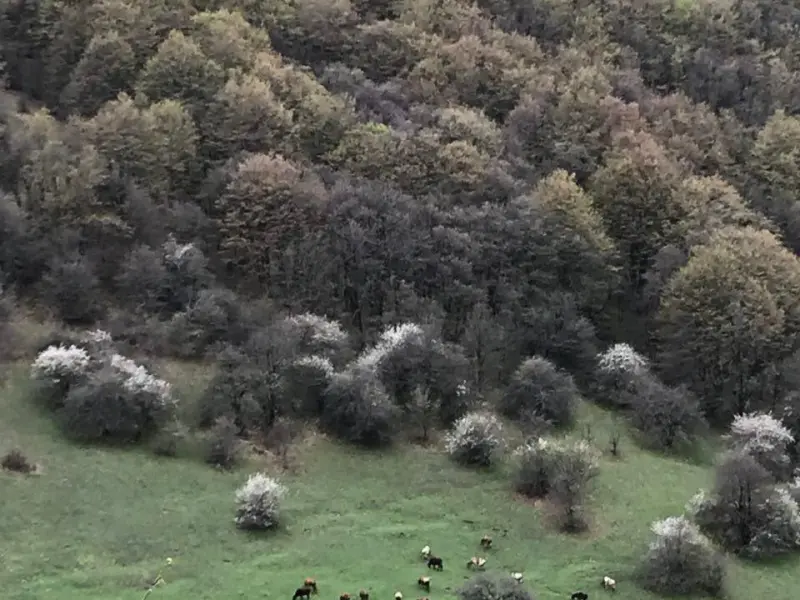
Garmanab was completely abandoned in the late 1990s, but from 2005 some of its former residents, who had migrated to Tehran, returned to the area and built new houses on the pastures near the site of the old village. These people usually spend the summers in Garmanab and return to Tehran when the cold season begins; for this reason, the area still keeps the atmosphere of a summer pasture. One of the most important cultural and religious attractions around the village is the shrine of Baba Seyfeddin, which was formerly revered by Shia Muslims and followers of Ahl-e Haqq. In the local rituals of this shrine, people held sacrificial ceremonies in the green surroundings, and when leaving they tied coloured strings to the branches of the daghdaghan trees. This tree holds a special place in the traditional beliefs of the people of the region and reflects the bond between nature, belief and the local culture of Garmanab.
To reach Garmanab village, take the routes leading to Khodaafarin County and Manjavan District, then head toward West Manjavan Rural District. Because this is a summer pasture area, late spring and summer are the better times to visit, as the weather is then more favourable for exploring nature and getting to know the village. Visitors can enjoy the surrounding scenery, learn about the region's history, and also visit the shrine of Baba Seyfeddin. Respecting religious beliefs and local traditions, avoiding any damage to the daghdaghan trees, not leaving litter and avoiding noise pollution are important points for a responsible visit to this area.
Written by زهرا لنگری Last updated
Activities
What you can do here, and what it takes
-
Walking
مسیرهای روستایی و مراتع اطراف گرمناب برای پیادهروی سبک و تماشای چشماندازهای طبیعی منطقه مناسب هستند.
Specifications
Introduction of the location and specifications of Garmanab Village
Location:
East Azerbaijan, Kaleybar
Coordinates:
38.92830056, 46.80300236
Open in maps
Floras:
Temperate Broadleaf and Mixed Forests
Faunas:
Presence of Predatory Animals, Presence of Allergenic Insects, Presence of Herbivorous Animals
Transports:
Private car, Minibus, Bus
Tourist Attractions in Kaleybar
Attractions that are nearby

Vayqan Waterfall
Province East Azerbaijan
- Walking
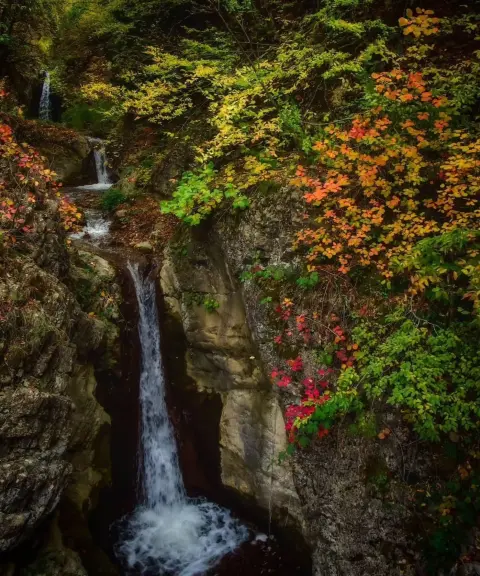
A three-tiered cascade in the heart of the Arasbaran forests


Tumanyants Mansion
Province East Azerbaijan
- Walking
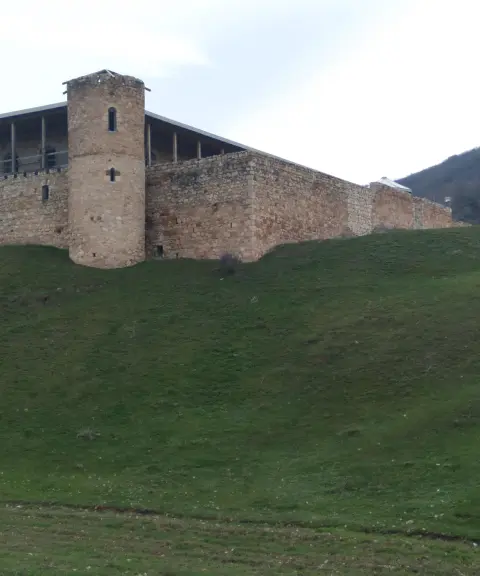
A historic heritage site on a hilltop in Arasbaran
Eskelu Village
Province East Azerbaijan
- Walking
A thousand-year-old village on the slopes of Iran's Zagros

Makidi Valley
Province East Azerbaijan
- Walking
- Mountaineering
A lush valley in the heart of Arasbaran
Makidi Forest Park
Province East Azerbaijan
- Walking
The Green Jewel of Arasbaran in the Heart of Kaleybar
Related tags:
Unfortunately, no comments have been registered.