
 Attractions
- Ability level Beginner
Ability level:
Beginner
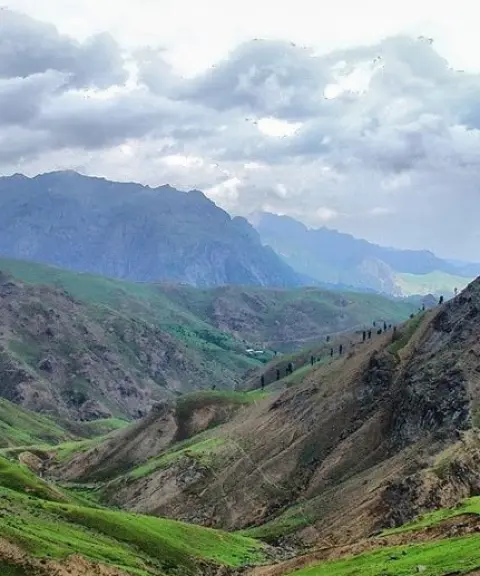
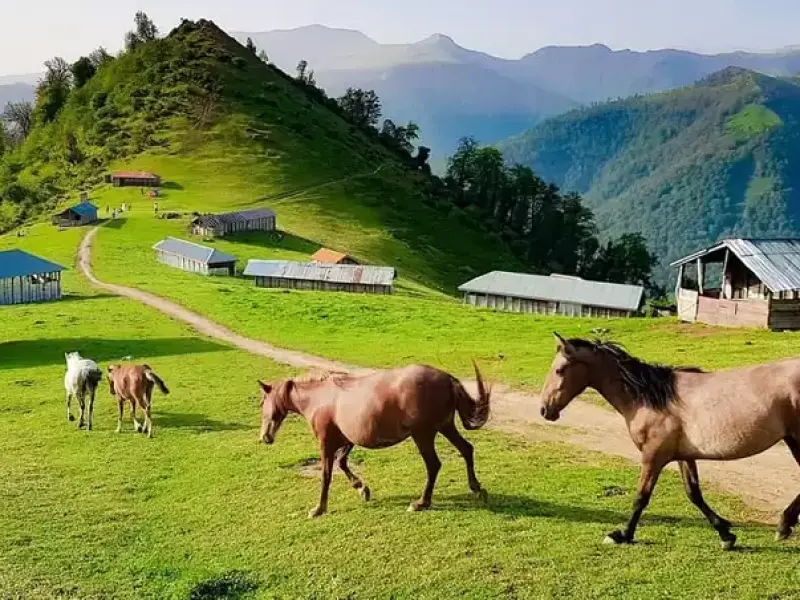
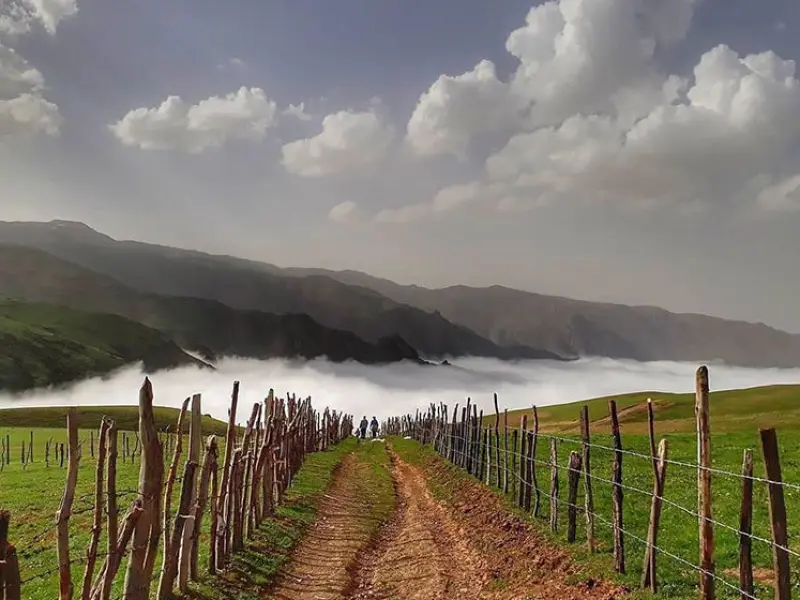
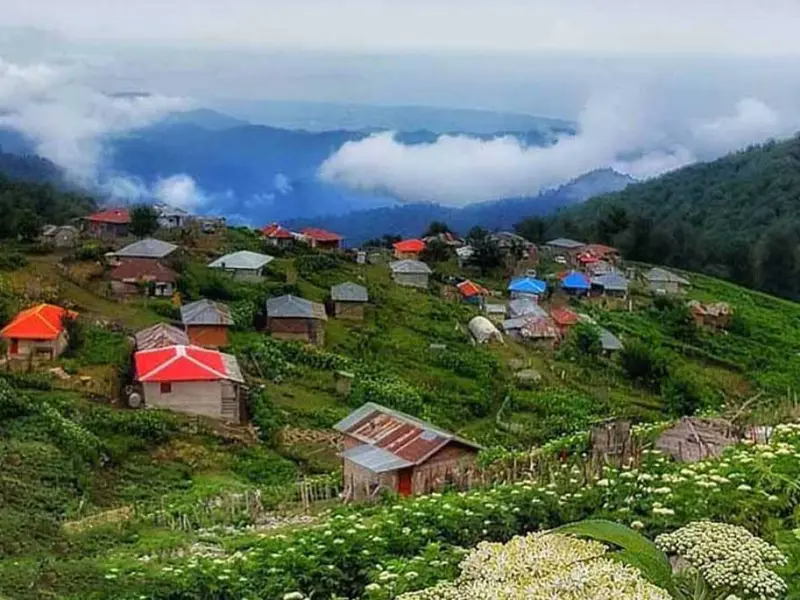
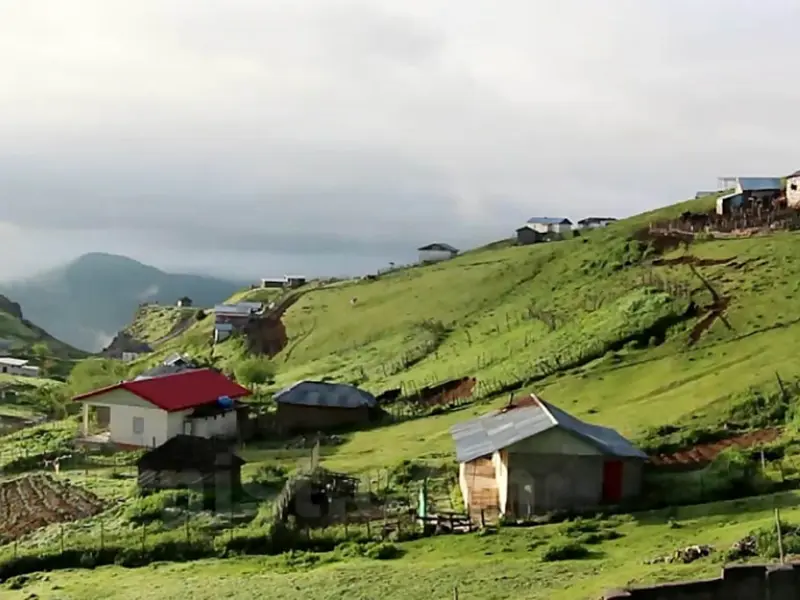
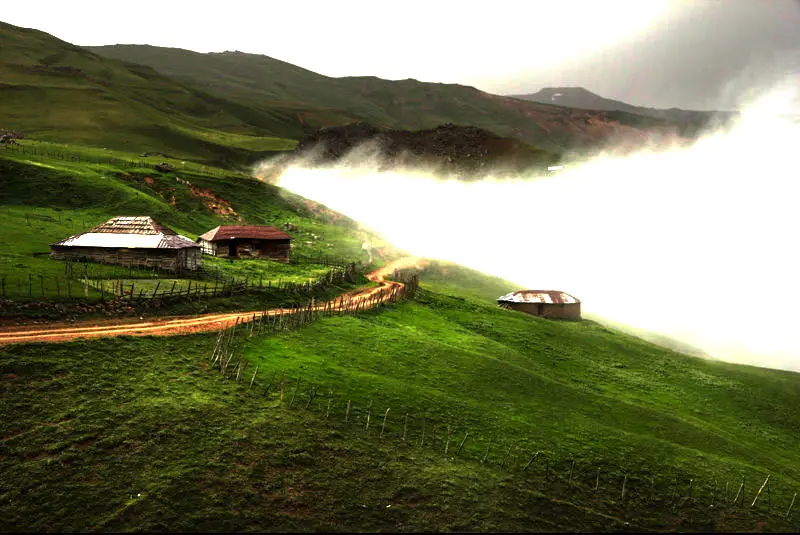
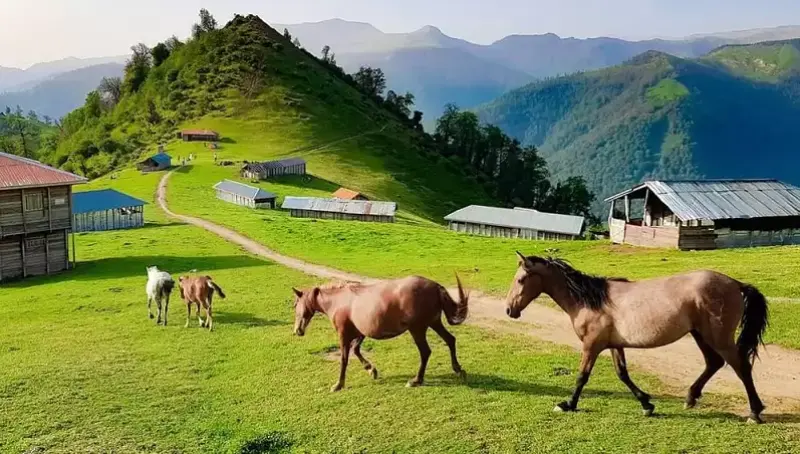
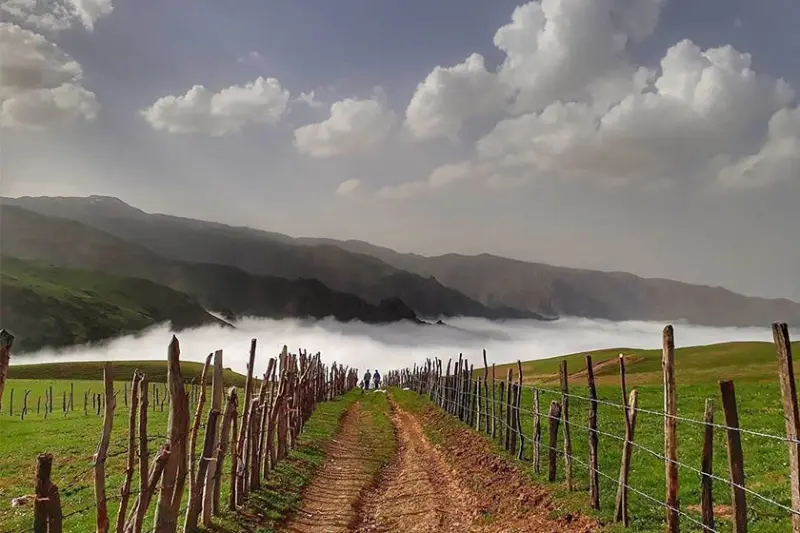
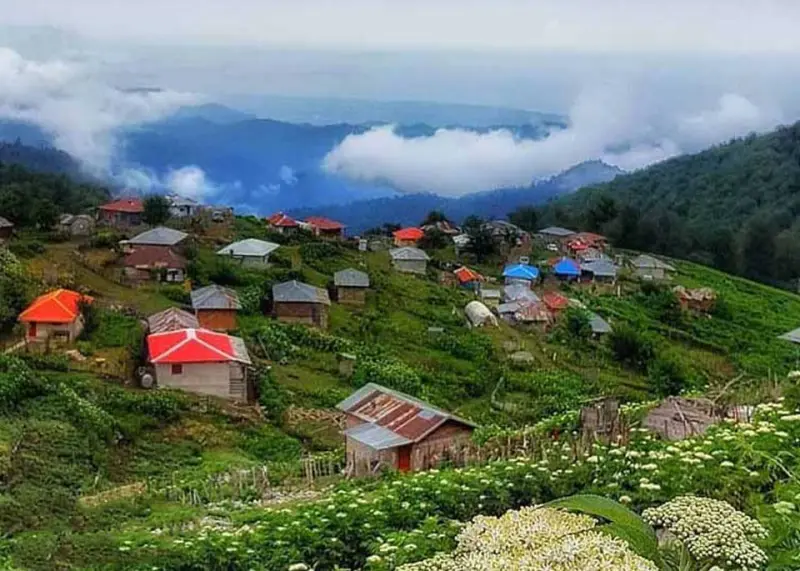
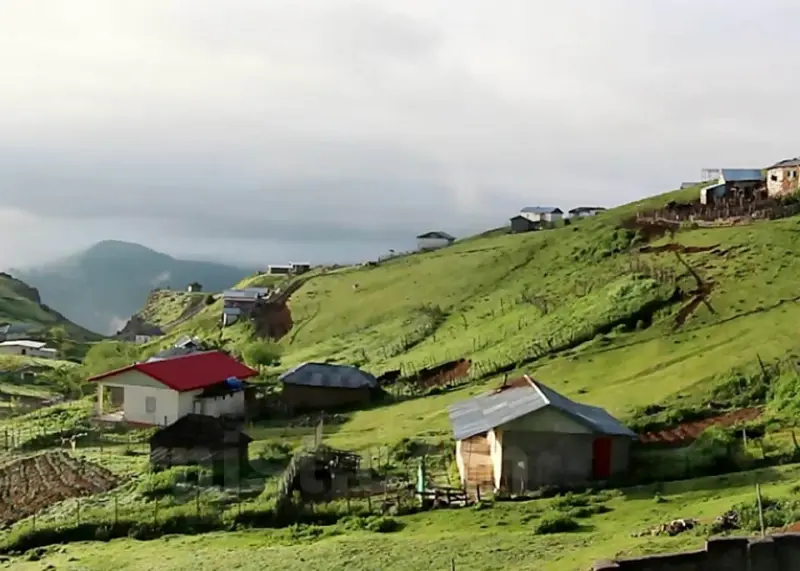
Subatan of Talesh is one of Iran's summer pasture regions (yaylaqs). It lies 22 kilometers west of the town of Lisar, in Hashtpar County in the green province of Gilan, and 21 kilometers southeast of Neor Lake. It borders the dense forests of Lisar to the east; the summer pastures of Ardabil and the beautiful Neor Lake to the west; the roaring Lisar River and the Khatbeh Sara pastures to the north; and the Asbomar Jokandan pasture areas to the south. The route from the Subatan pasture to Neor Lake is especially beautiful in spring, and many tourists make their way there in this season.
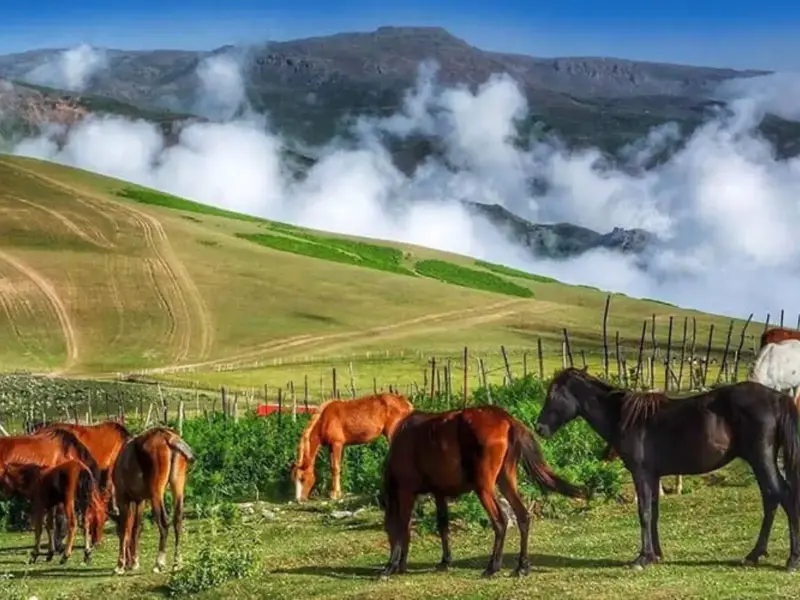
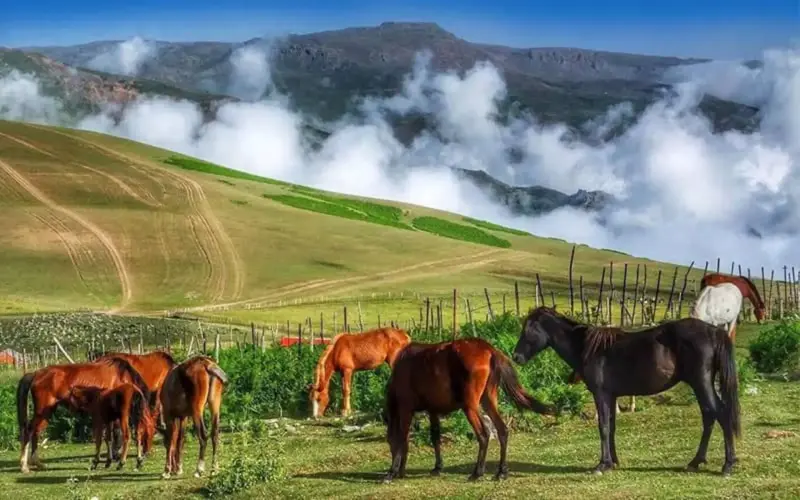
Many medicinal plants grow in Subatan, the most important of which is golpar (Persian hogweed). Chamomile, poppy, nettle, yarrow, bulagh-oti, unripe apple, mountain medlar, thyme, tea grass, milk thistle and others are among the region's other medicinal plants. Common wildlife in the area includes colorful birds, wild boars, wild horses, cattle and some rare animal species, all of which contribute to the biodiversity of the region. This summer pasture has many natural springs, the most important of which are Seyyed Balaghi, Naziri Balaghi, Nomandan Balaghi, Varzan Balaghi, Sari Balagh, Qar Balagh, Sardaba, Batman Balagh, the Kolyeh Suyi spring and others.
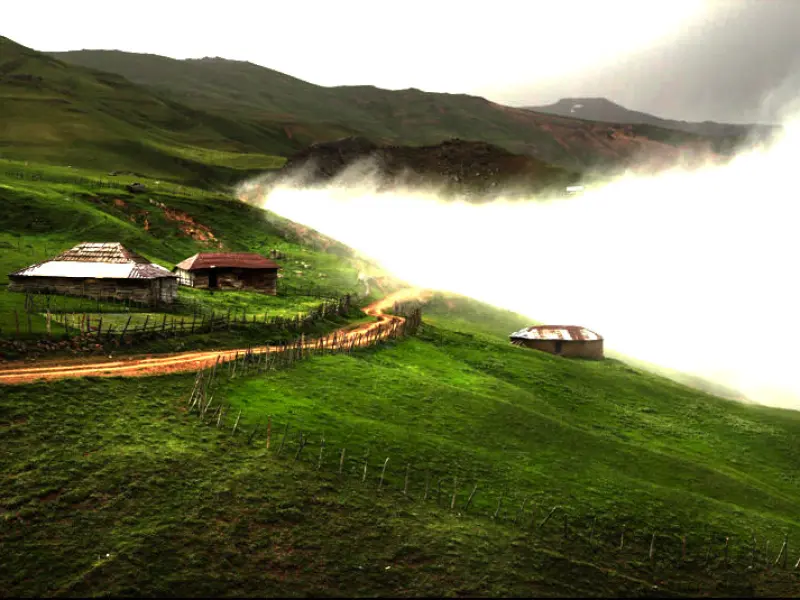
Subatan is one of the places in Iran where you can see a sea of clouds, and one reason for this phenomenon is the mountainous nature of the region. It occurs when the cloud layer sits lower than the ground level of the viewer. The Subatan summer pasture area has a long history and therefore has many old and cultural attractions. One of them is Sasal Castle. Salsal (or Silsil) Castle stands on top of a mountain one kilometer from Lisar. The original structure dates back to the Sasanian era, before Islam, but it was restored in the Safavid period. The Ethnographic Museum is another appealing attraction of this village. The Nomad Ethnographic Museum was founded in 1392 SH (2013) by a retired Talesh teacher to preserve the culture of the people of this region. The museum holds more than 250 items from nomadic daily life. Copper, brass, clay and teak vessels, cooking lamps, hand mills, tents woven from goat hair and more are among the items on public display in the nomad museum.
The weather is mild and cool throughout the year. Because of the region's high altitude, summers are mild and winters are cold and snowy. The best time to visit Subatan is from the second half of Ordibehesht until mid-summer. Because the area is mountainous, the weather in Subatan can change suddenly, so check the forecast before your trip. If you plan to stay overnight, bring camping equipment and warm clothes. Since mobile phones get a signal only on top of one of Subatan's hills, be sure to carry enough cash, because card readers do not work in this area.
Written by ستایش عرب Last updated
Activities
What you can do here, and what it takes
-
Walking
کفش مناسب کوهنوردی یا طبیعتگردی بههمراه داشته باشید.
-
Cycling
وجود مسیرهای هموار در این روستا فضاهایی مناسب برای دوچرخه سواری فراهم آورده است.
-
Horse Riding
امکان سوارکاری در این منطقه وجود دارد.
-
Fishing
رودخانهها و چشمههای متعددی در این منطقه وجود دارد که میتوانید در آن ماهیگیری کنید.
-
Rowing
شما میتوانید در دریاچه نئور قایقرانی کنید.
Specifications
Introduction of the location and specifications of Subatan Village
Location:
Gilan, Hashtpar (Talesh), Kargan Rud District
Coordinates:
37.94878171, 48.71339859
Open in maps
Height above mean sea:
1900 meter
Land Form:
Mountainous,
Floras:
Humid Subtropical Forest
Faunas:
Presence of Predatory Animals, Presence of Herbivorous Animals
Transports:
Private car
Native Languages:
Gilak
Tourist Attractions in Hashtpar (Talesh)
Attractions that are nearby


Shekar Dasht
Province Gilan
- Walking
- Mountaineering
- Fishing
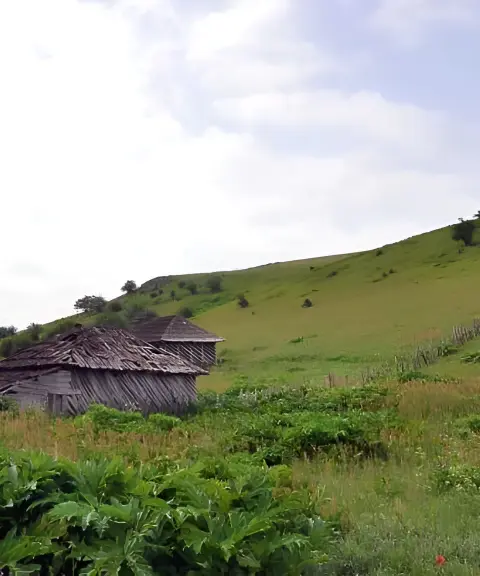
The Bride of the Talesh Highland Pastures
Bonun Village
Province Gilan
- Walking
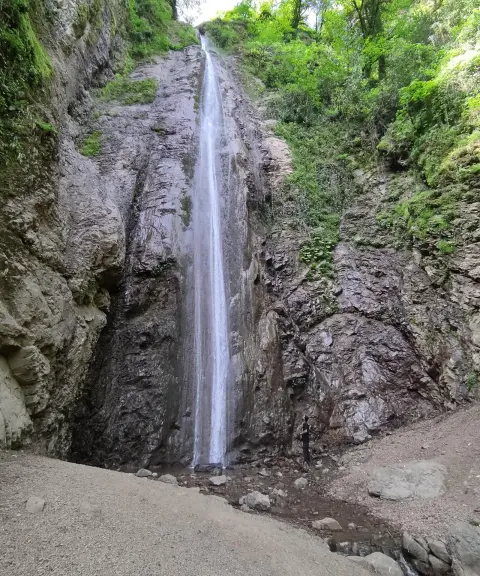
A mountain village in the heart of the Hyrcanian forests of Talesh
Meryan Summer Pasture
Province Gilan
- Walking
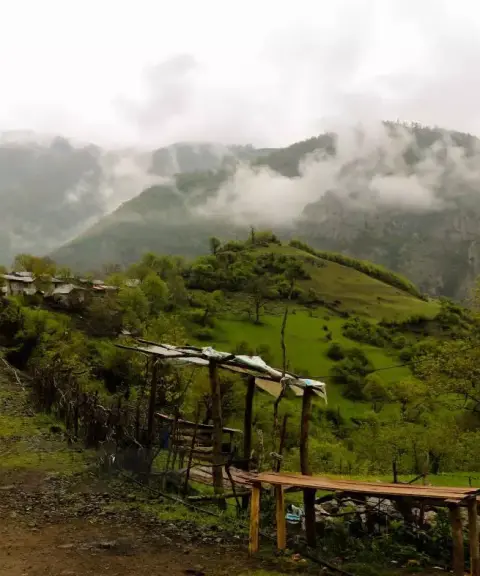
A Piece of Paradise in the Heart of the Talesh Mountains
Sardar Amjad Summer Palace
Province Gilan
- Walking
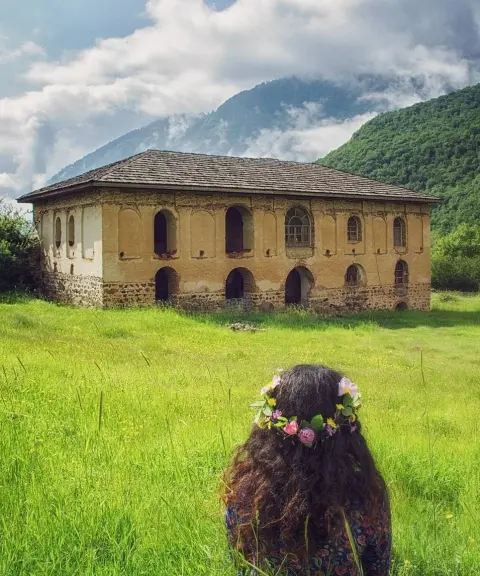
A magnificent Qajar-era residence in the lush highlands of Agh Evlar, Talesh
Related tags:
Unfortunately, no comments have been registered.