
 Forest


Jegin Dam Lake
Province Hormozgan
- Walking
A unique habitat of mangrove forests and exceptional wildlife diversity on the shores of the Gulf of Oman
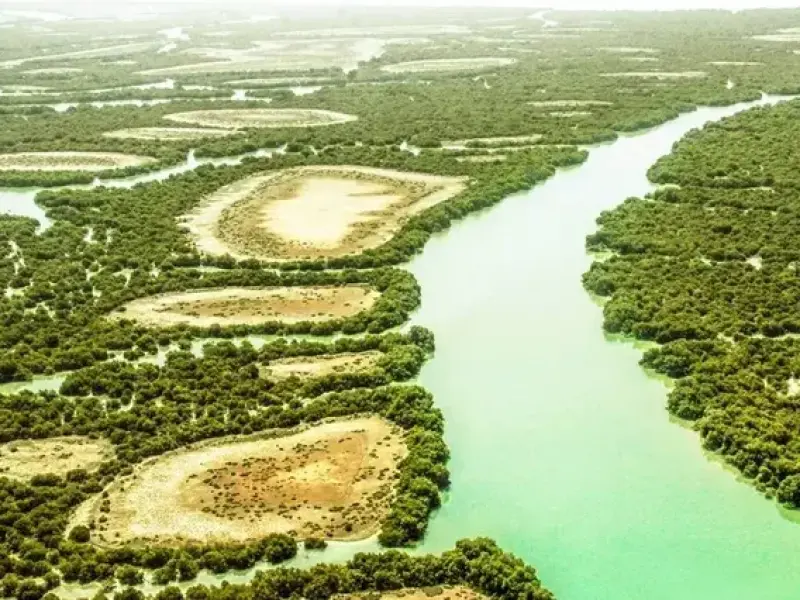
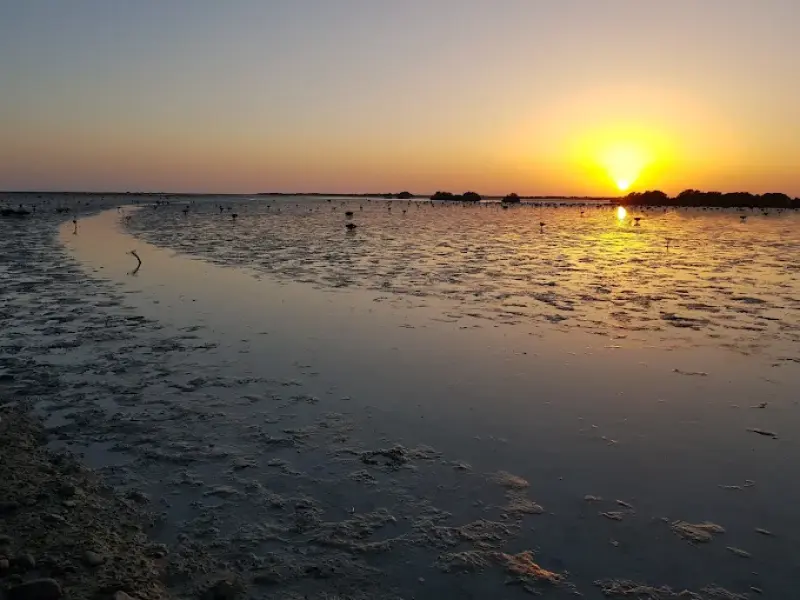
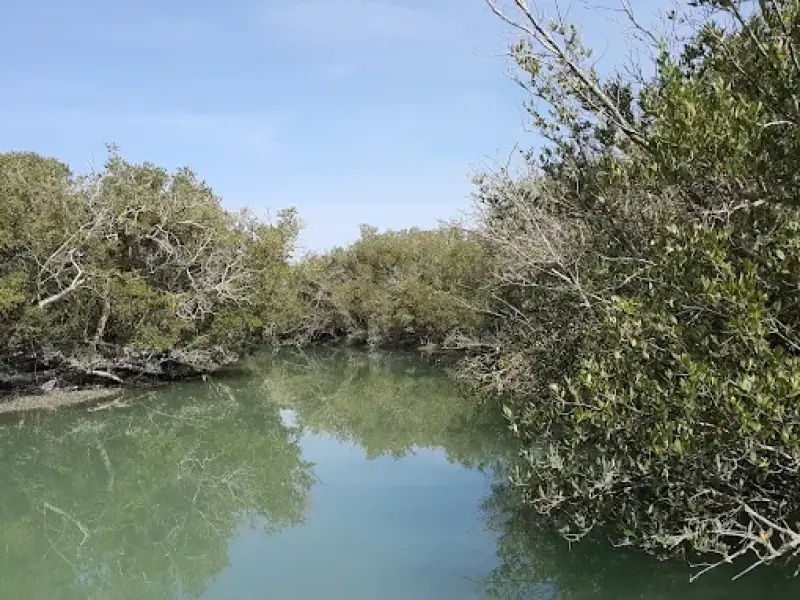


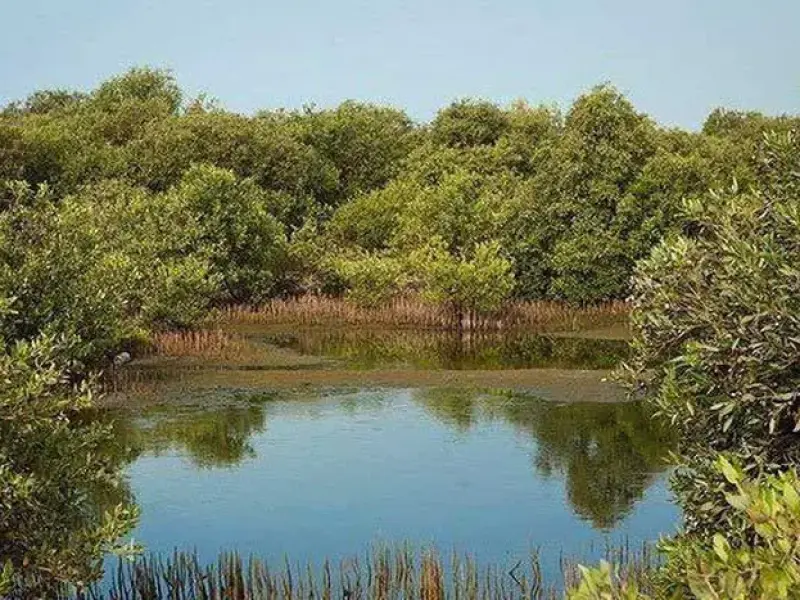
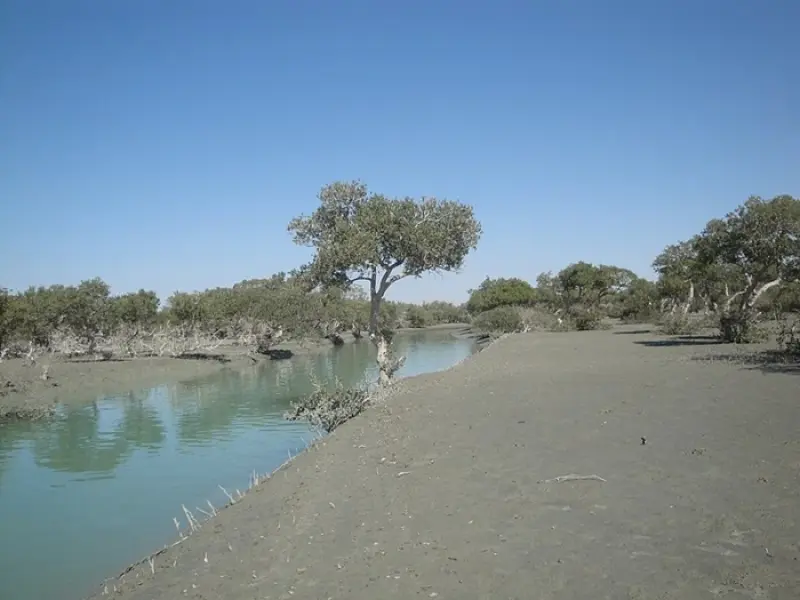
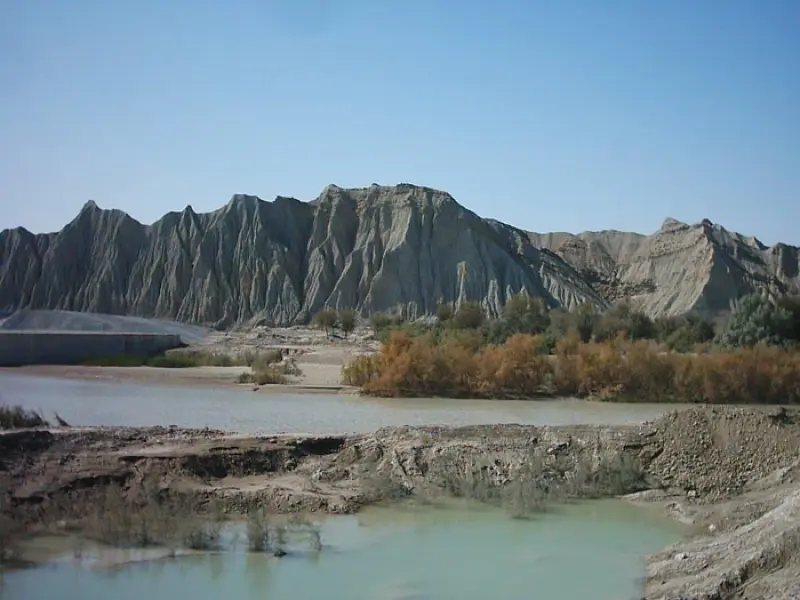
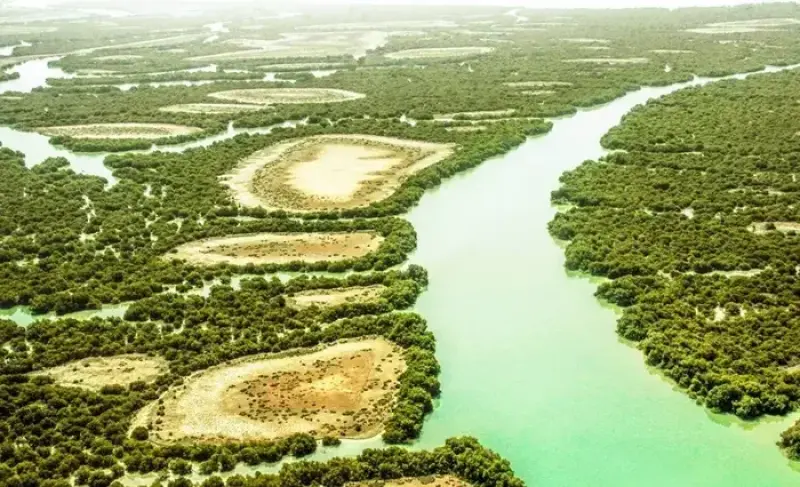
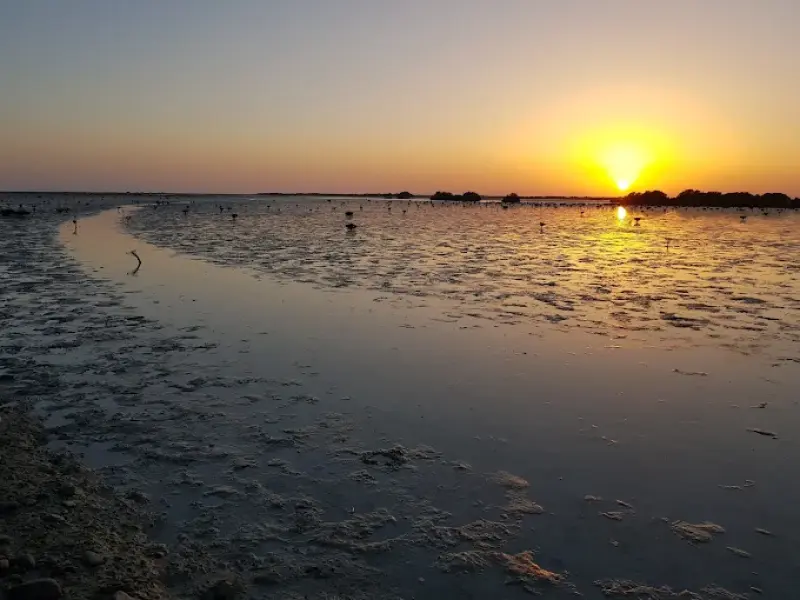
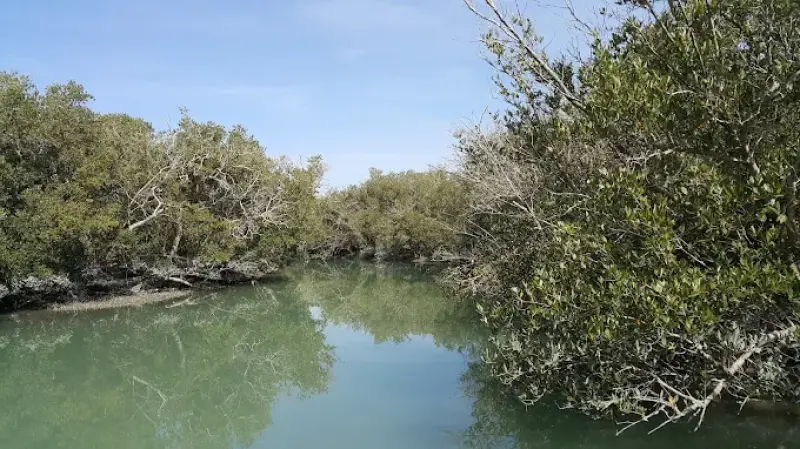


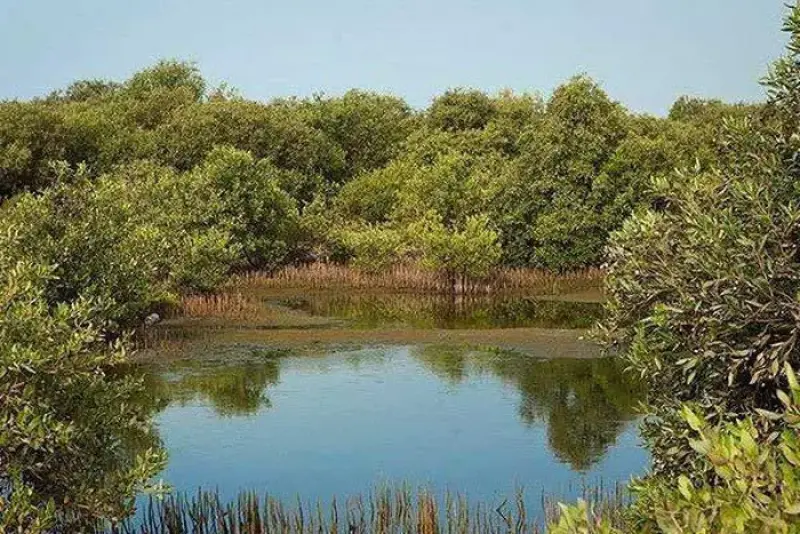
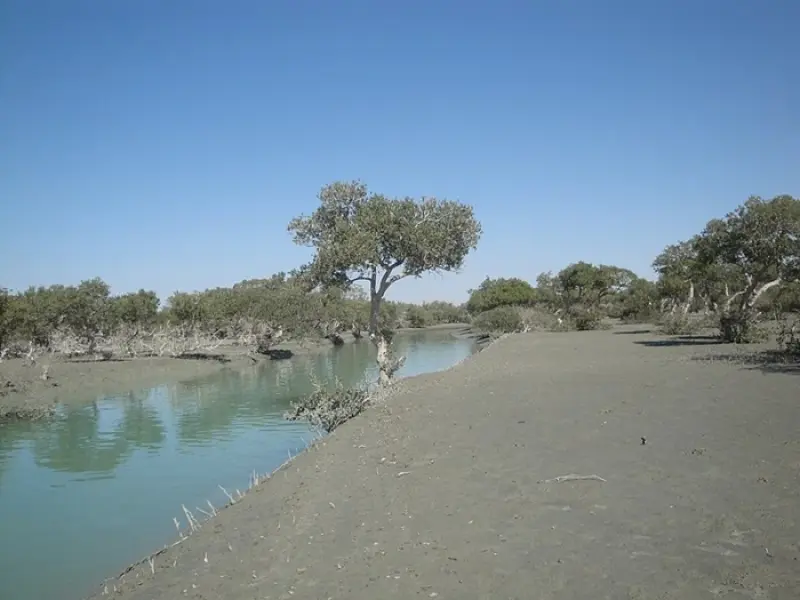
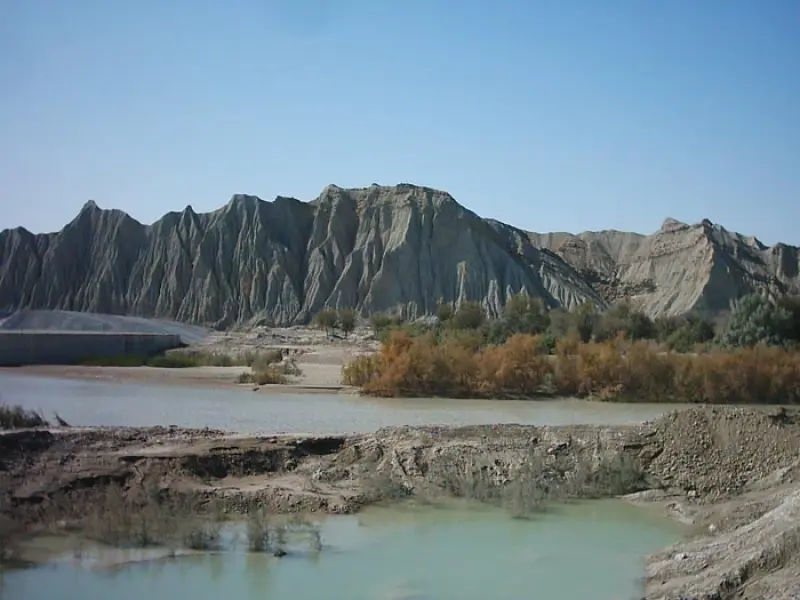
The Gabrik and Jask Protected Area spreads over 34,596 hectares along the pristine coast of the Gulf of Oman and has been under the protection of the Department of Environment since 1380 (2001). The area consists of three subareas, Central Jask, Eastern Jask and Gabrik, each with its own distinctive features. Creeks, mudflats, seasonal wetlands and mangrove forests have created a remarkable variety of natural habitats here. Its proximity to the sea, high humidity and the presence of local rivers have made this area one of Iran's most important coastal ecosystems.
The area's most characteristic vegetation is the mangrove forest, which grows along the edges of the creeks and plays a vital role in stabilizing the soil, filtering salt water and supporting the ecosystem's food chain. This vegetation is home to many aquatic species and a breeding ground for them. The area also hosts more than 120 species of resident and migratory birds, including flamingos, pelicans, egrets, herons and terns. Reptiles, dolphins and sea turtles can also be seen in the surrounding waters. The area's biodiversity reflects its international importance for wildlife conservation.
Autumn and winter are the best times to visit, as the weather is milder and migratory birds can also be spotted. The area is reached by roads leading to the port of Jask. Visiting the creeks and mangrove forests by boat with a local guide offers a unique experience of the nature of southern Iran. To preserve this valuable area, it is essential to follow the principles of responsible nature tourism: do not damage the vegetation, collect your litter, avoid making noise and respect sensitive habitats.
Written by زهرا لنگری Last updated
What you can do here, and what it takes
کفش پیادهروی به همراه داشته باشید..
امکان قایقرانی در منطقه حفاظتشده گابریک و جاسک وجود دارد.
Province Hormozgan


Unfortunately, no comments have been registered.