
 Historic Castle
Apadana Palace
Achaemenid grandeur in the heart of ancient Susa
- Historic Castle
- Khuzestan, Shush
- Altitude 85 m
- Ability level Beginner
Ability level:
Beginner
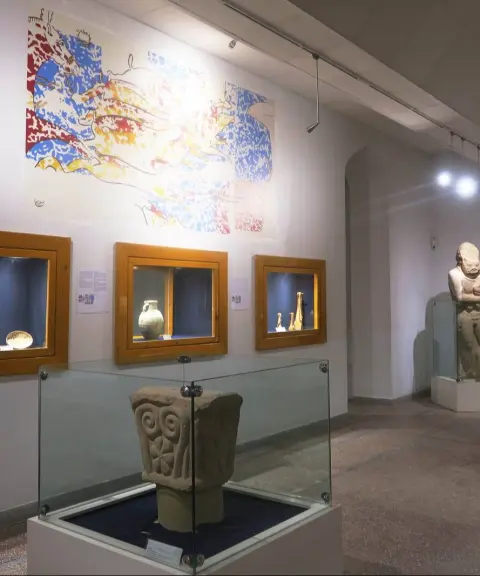
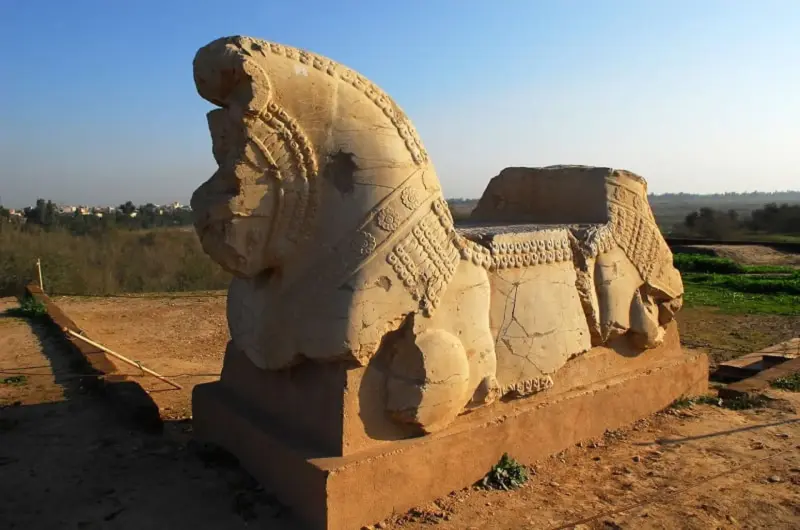
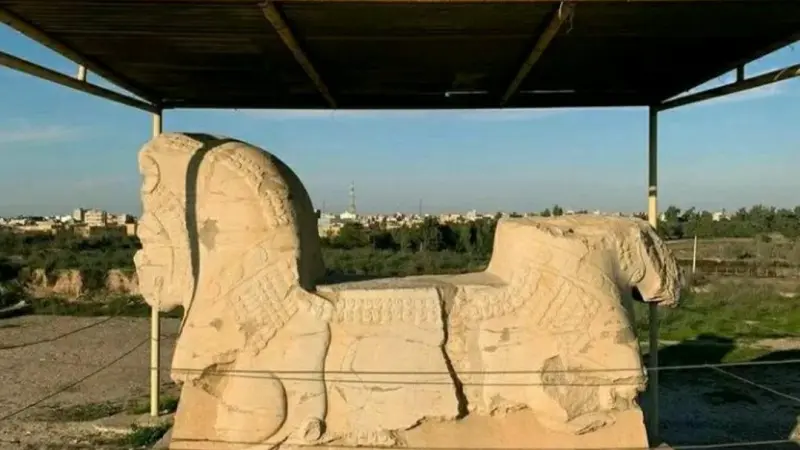
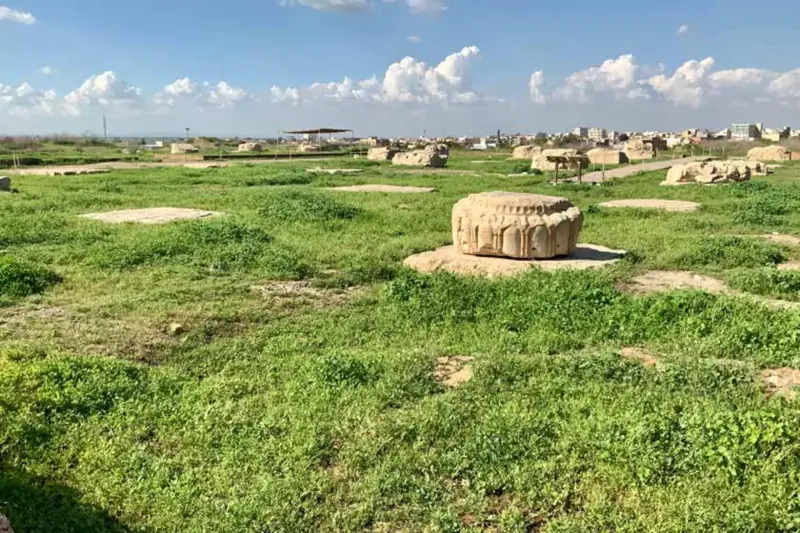
Apadana Palace stands in the ancient city of Susa (Shush) in Khuzestan Province and is considered one of the most magnificent palaces of the Achaemenid era. This historic monument was built by order of Darius the Great, around 521–515 BC, on the remains of the Elamite civilization. Its vast and opulent structure, especially the immense hypostyle hall, is a symbol of the power and architectural art of Iran in centuries past. The Apadana of Susa was the winter residence of the Achaemenid kings and the main palace of Darius the Great. It was uncovered during excavations carried out between 1311 and 1314 (Solar Hijri), and 70 years later, on 10 Mehr 1380, it was registered on Iran's National Heritage list under number 3981.
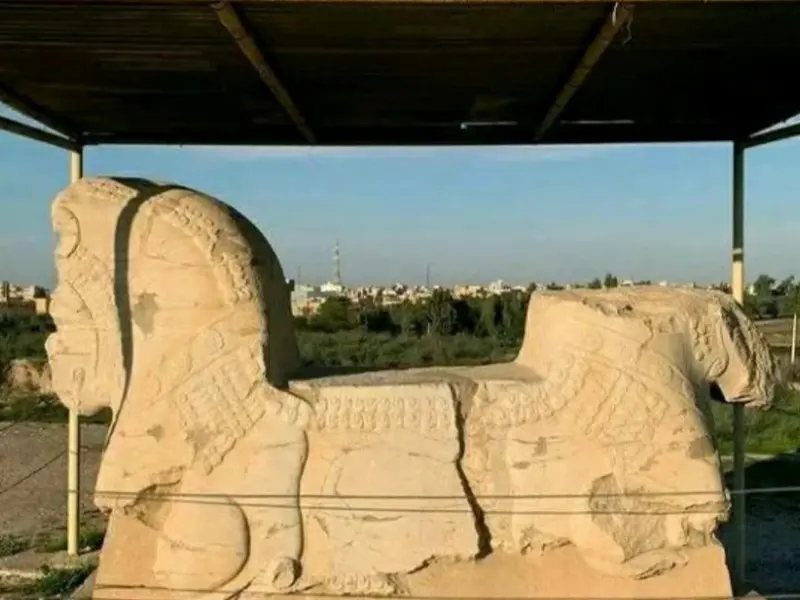
The Apadana of Susa was built by order of Darius the Great, around 521 to 515 BC, over Elamite remains in Susa. Its walls are made of mud brick with a fired-brick facing, and its columns are of stone. The interior walls were covered with glazed bricks decorated with images of the Immortal Guard soldiers, winged lions and water lilies. Important parts of the palace were damaged by fire during the reign of Artaxerxes I, the Achaemenid emperor (461 BC), and were rebuilt in the time of Artaxerxes II (359 BC). Finally, like the other Achaemenid palaces, it was completely destroyed during Alexander's invasion.
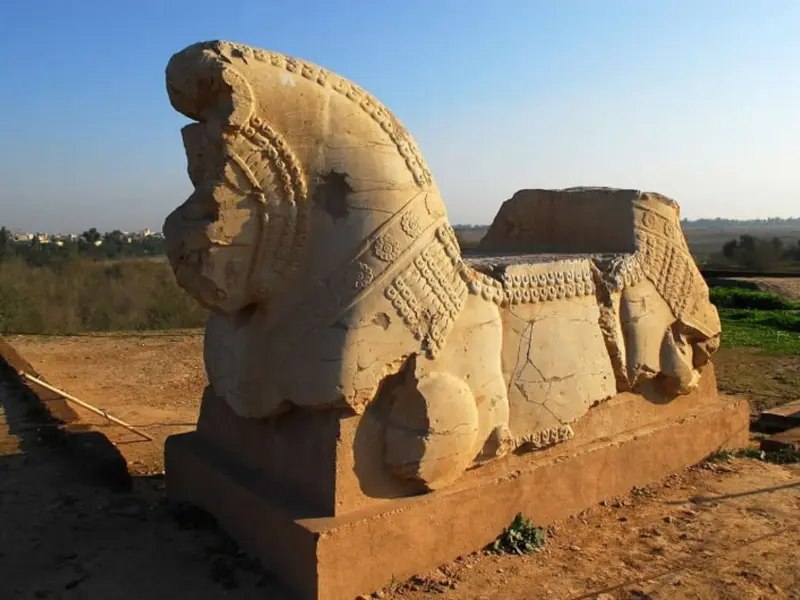
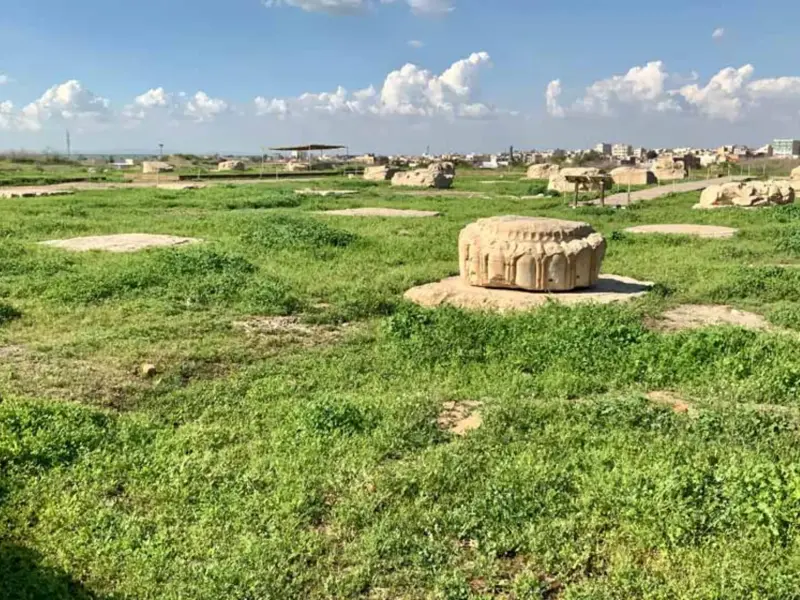
The architecture of Apadana Palace is an outstanding example of the Persian style. The palace was built on an artificial platform of roughly ten hectares, the same size as the platform of Persepolis. The plan includes three columned porticoes on the north, west and east sides, each with two rows of six columns, and about 110 halls and rooms have been found in the complex in total. Darius's palace has various units, including the audience hall, the harem, the gate and a reception palace, as well as three central courtyards. Among them, the audience hall, measuring roughly 3,500 square metres with 36 stone columns about 20 metres tall topped with "bull-head" capitals, made a striking impression. Decorations such as glazed bricks bearing images of the "Immortal Guard" soldiers, winged lions and water lilies further enhanced the architectural splendour.
To visit, enter Susa from Andimeshk or Dezful and, after reaching Imam Khomeini Boulevard, head to Moallem Square; signposts will guide you to the palace complex. The site has facilities including a car park, restrooms and a few shops. The best time to visit is autumn and winter, since summers in Khuzestan are extremely hot; if you visit in summer, going early in the morning or in the evening is recommended. For responsible travel, please do not leave any litter behind and respect the cultural and historical environment.
Written by زهرا لنگری Last updated
Activities
What you can do here, and what it takes
-
Walking
گردشگران میتوانند ضمن قدمزدن در محوطه تاریخی، از جزئیات معماری و تزئینات کاخ عکسبرداری کنند.
Specifications
Introduction of the location and specifications of Apadana Palace
Oldness:
521 BC
Construction Period:
Achaemenid
Location:
Khuzestan, Shush
Coordinates:
32.19227177, 48.24883640
Open in maps
Height above mean sea:
85 meter
Floras:
Semi-desert
Faunas:
Presence of Allergenic Insects
Transports:
Private car, Walking
Tourist Attractions in Khuzestan
Attractions that are nearby

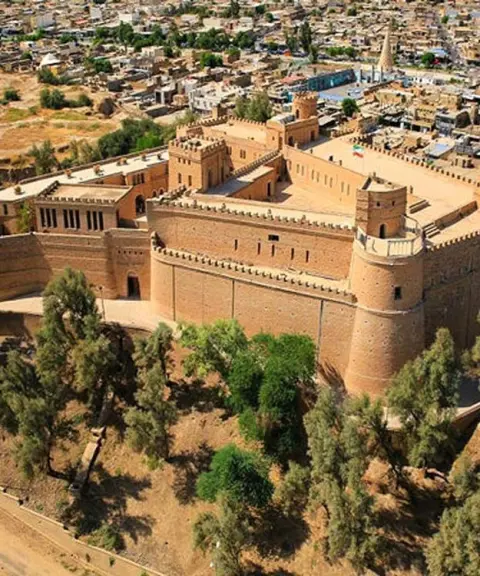
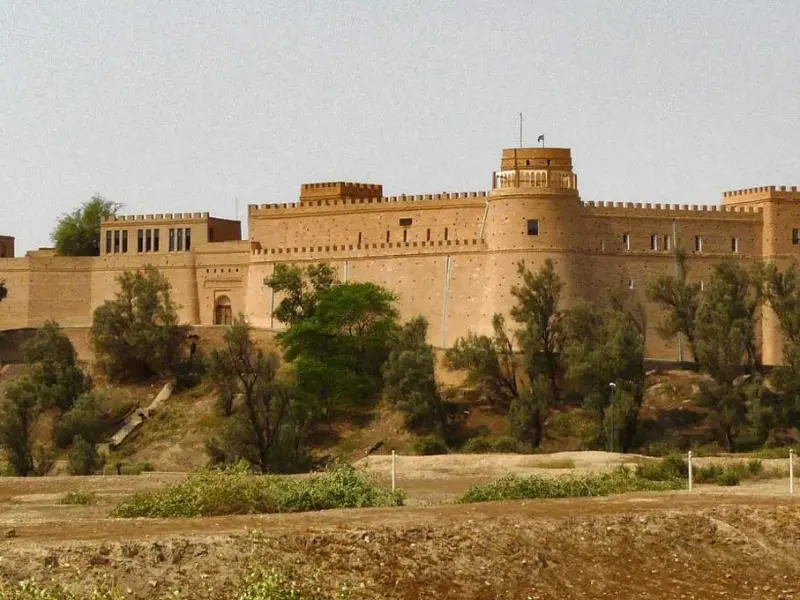
Shush Castle
Province Khuzestan
- Walking
A historic gem rising above the Elamite and Achaemenid civilizations


Karkheh National Park
Province Khuzestan
- Walking
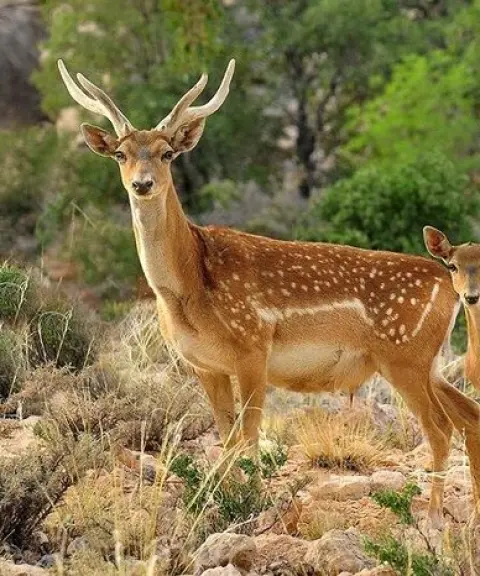
The Last Habitat of the Persian Fallow Deer in the Heart of Khuzestan
Related tags:
Unfortunately, no comments have been registered.