
 Attractions
Takht-e Foulad
Province Isfahan
- Walking
A masterpiece of Safavid architecture and a legacy of Iranian art
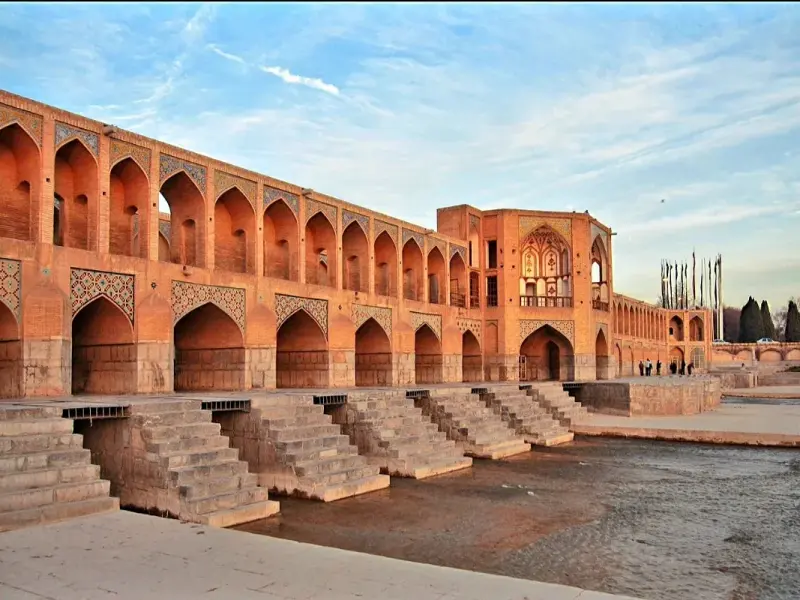
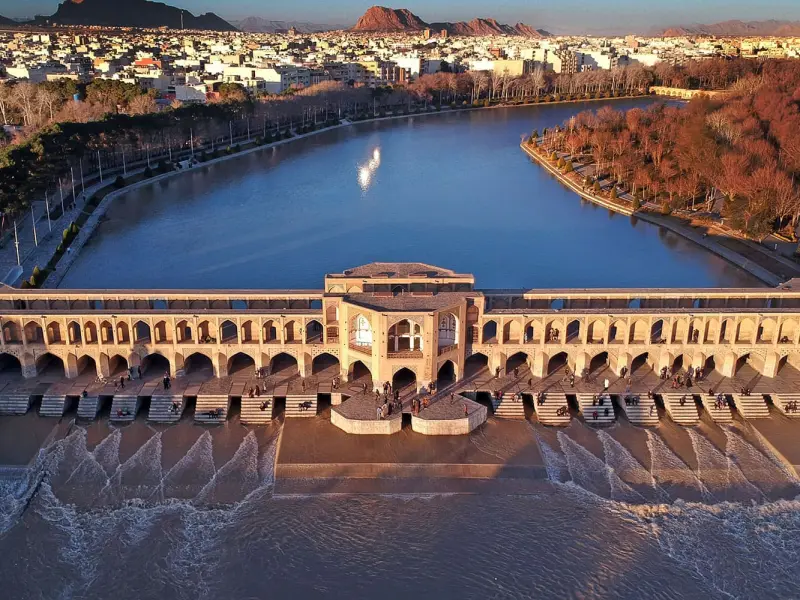
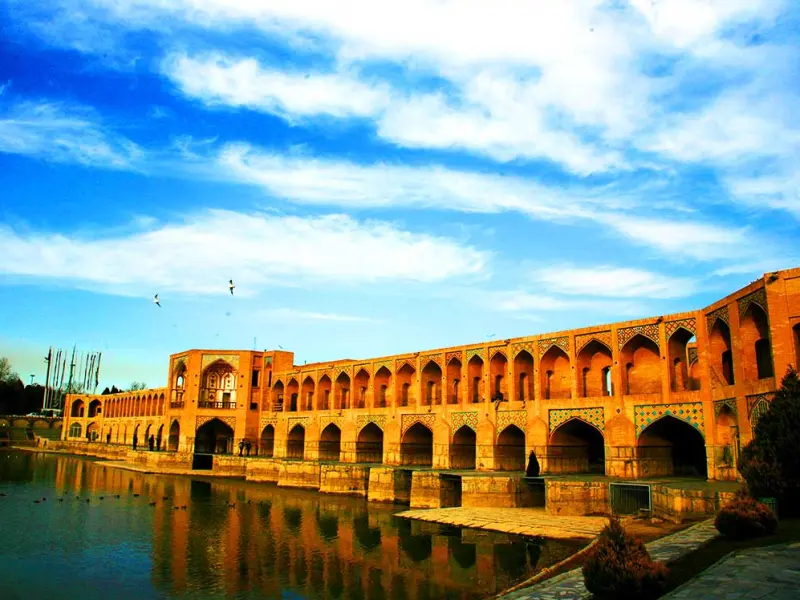
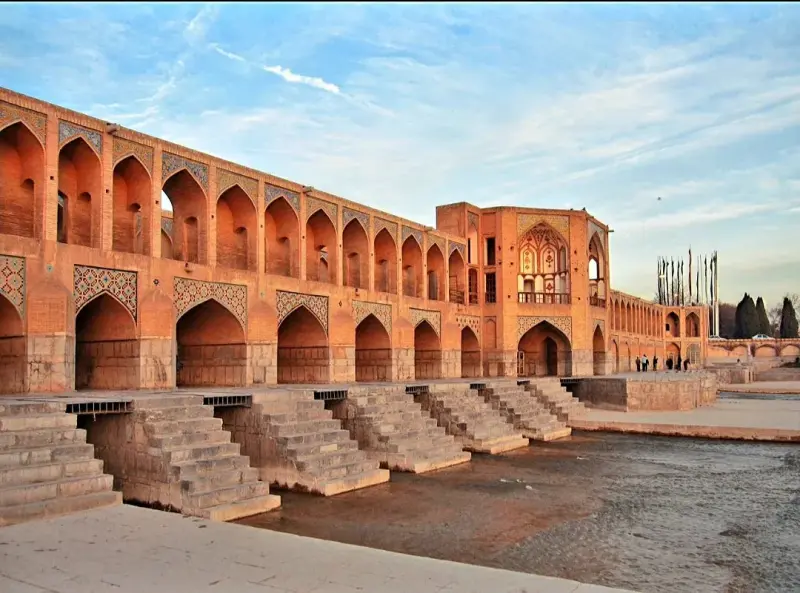
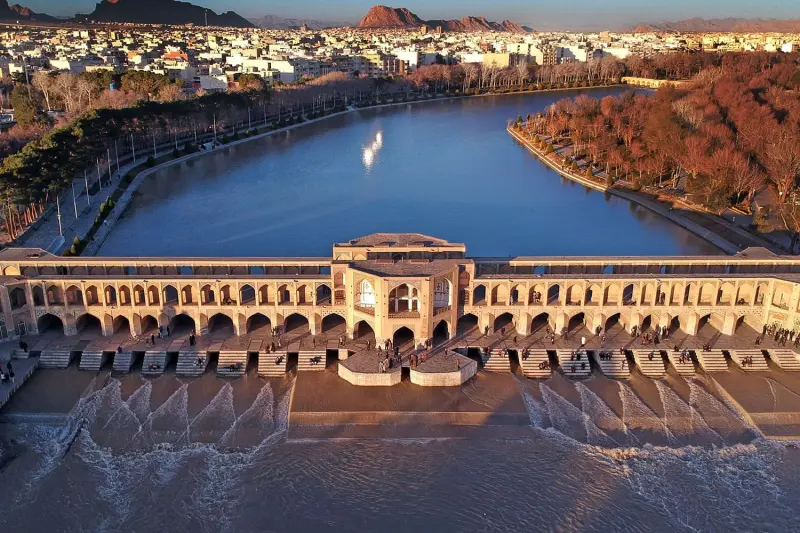
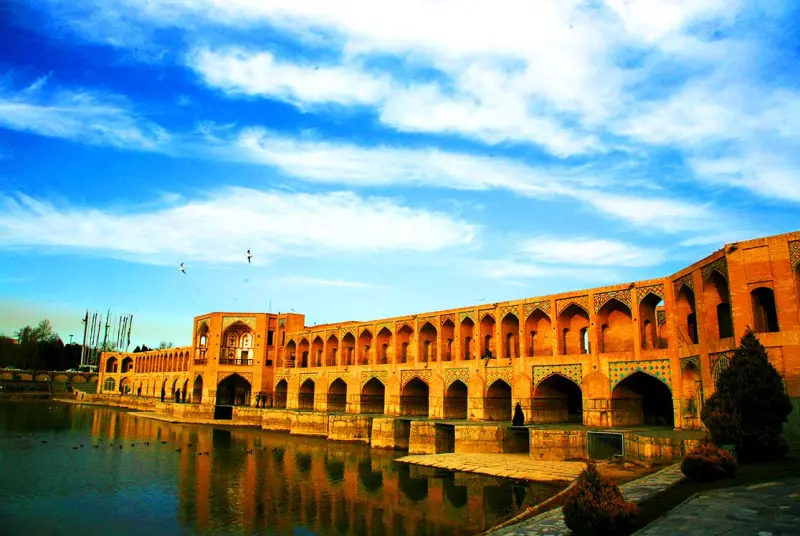
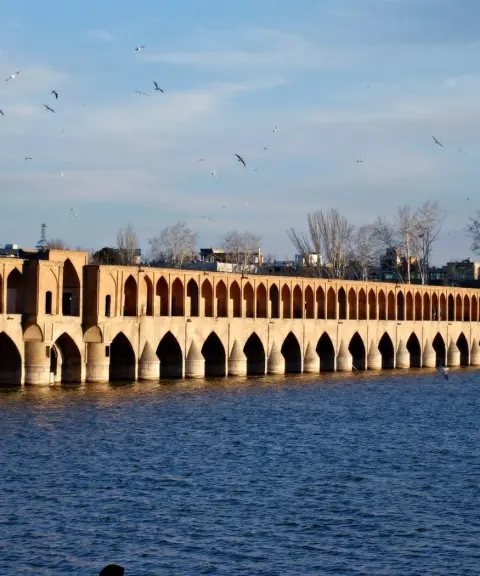
Khaju Bridge, also known as Shah Bridge and Baba Rukn al-Din Bridge, is a masterpiece of Safavid-era architecture. It stands in the city of Isfahan, over the Zayandeh Rud river. The bridge was built in 1060 AH (1650 CE) by order of the Safavid king Shah Abbas II and is regarded as one of the most beautiful historic bridges in Iran. In the past, besides serving as a crossing, it was used as a residence for kings and nobles, a venue for celebrations and official ceremonies, and also as a weir and dam.
Khaju Bridge is about 133 metres long and 12 metres wide, and has two levels with beautiful tilework and artistic paintings. In the middle of the bridge stands a building called the "Shahneshin" (royal seat), which was once the temporary residence of the king and the royal family. As one of the masterpieces of Iranian architecture, the bridge displays a combination of precise engineering and the beautiful art of Iran. In terms of flora and fauna, Khaju Bridge lies on the banks of the Zayandeh Rud, where in spring and summer the green strip beside the river is enlivened by plants such as reeds and reed beds, along with birds such as partridges and various ducks. The area is a habitat for wildcats, squirrels and small birds. The surrounding area is shaded by plane, willow and mulberry trees, which fill the air with the scent of rain and create a calm setting for visitors.
To reach Khaju Bridge, you can use Isfahan's main streets such as Chahar Bagh Abbasi Street and Khaju Street. The bridge is close to other historic attractions of Isfahan such as Si-o-se-pol and Naqsh-e Jahan Square, and a visit can give travellers a unique experience of Iran's history and culture. The best time to visit Khaju Bridge is spring and autumn, because the weather is mild and the humidity from the river is pleasant; in summer the heat makes daytime visits difficult, and in winter there is dry cold and a possibility of the structure freezing. At night, especially at sunset and when the lighting comes on, a poetic atmosphere is created that offers the chance to see the "candle of the bridge" — a phenomenon in which, from a certain angle, the bridge appears before your eyes like a candle floating on the water.
Written by ستایش عرب Last updated
What you can do here, and what it takes
گردشگران میتوانند در فضای پل قدم بزنند و جزئیات معماری و شاهنشین پل خواجو را مشاهده کنند.
Province Isfahan
Province Isfahan
Province Isfahan
Province Isfahan
Province Isfahan
Province Isfahan
Province Isfahan
Unfortunately, no comments have been registered.