
 Attractions
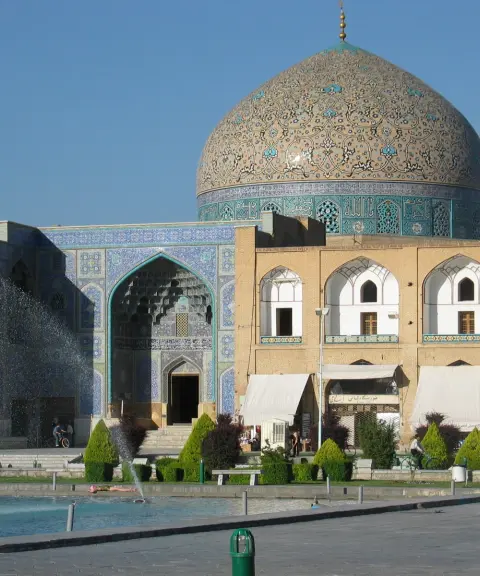
Sheikh Lotfollah Mosque
Province Isfahan
- Walking
A Masterpiece of Safavid Architecture in the Heart of Naqsh-e Jahan Square
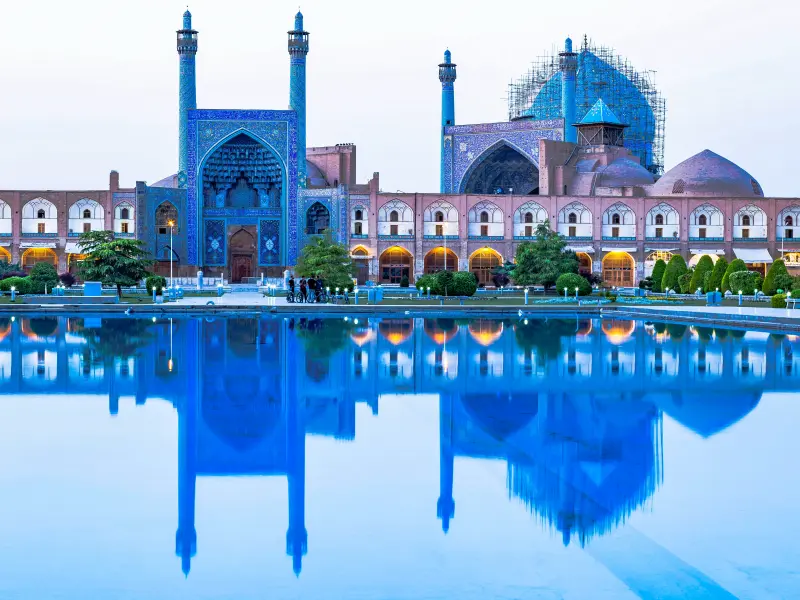
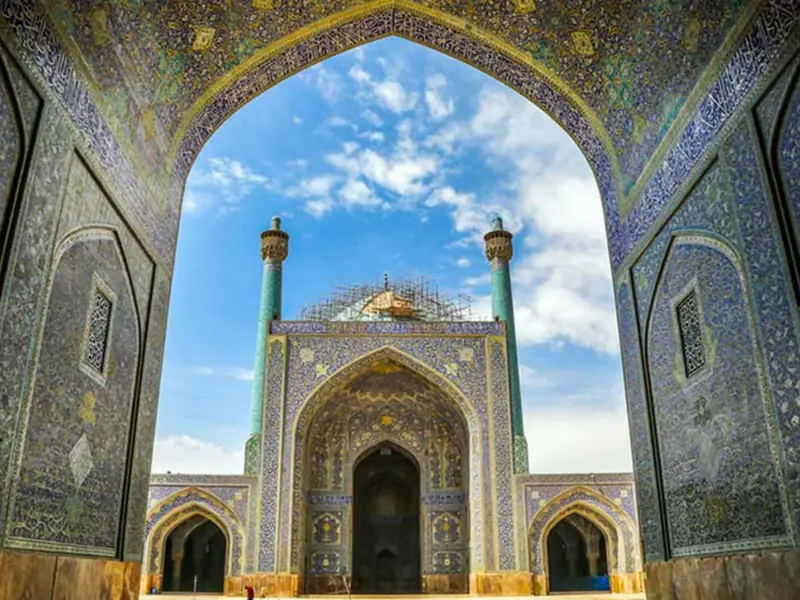
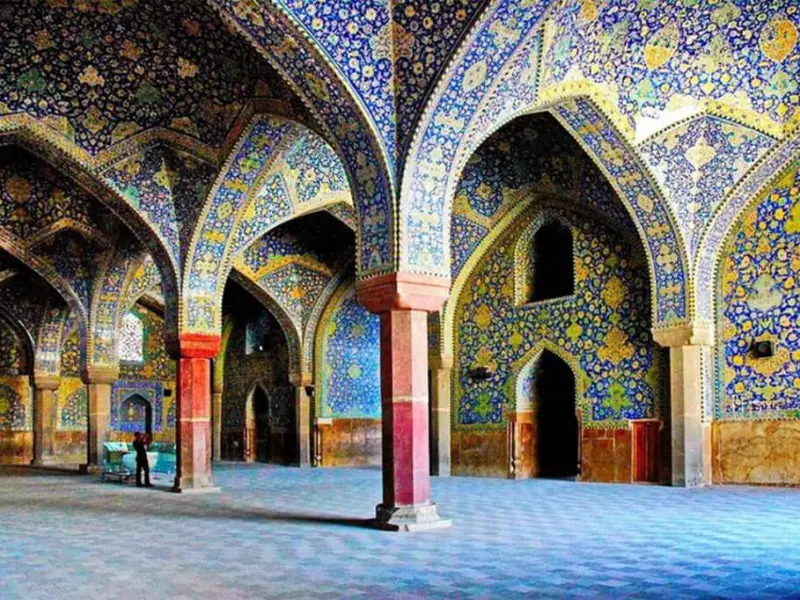
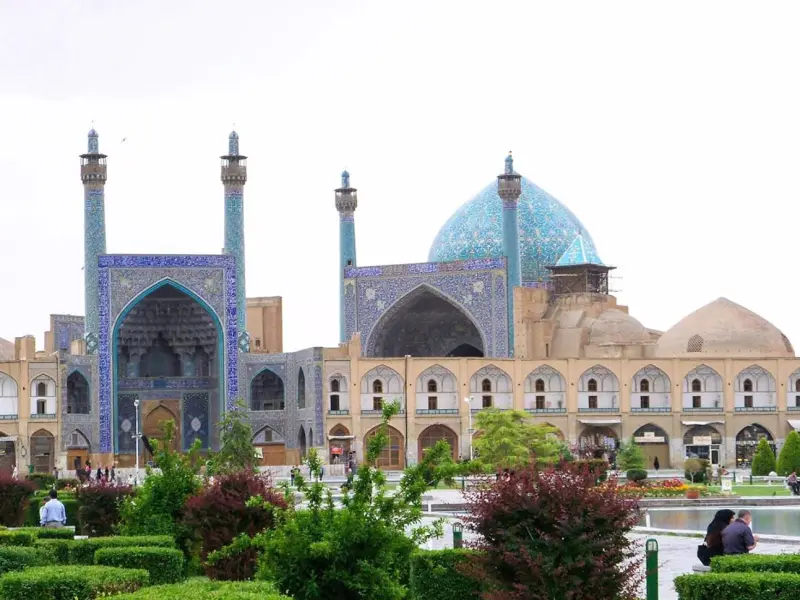
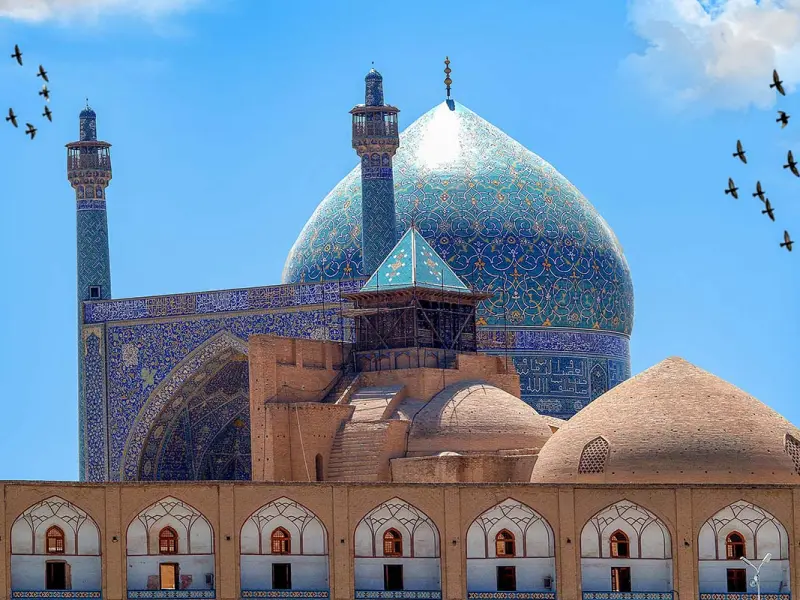
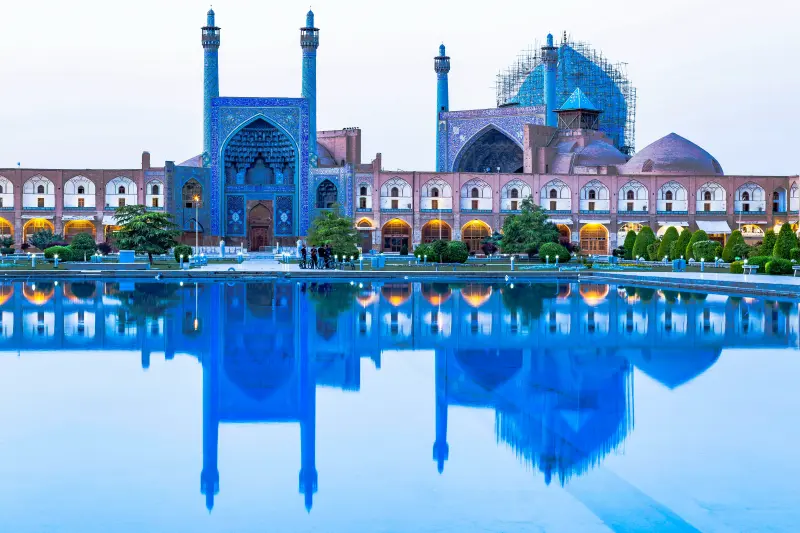
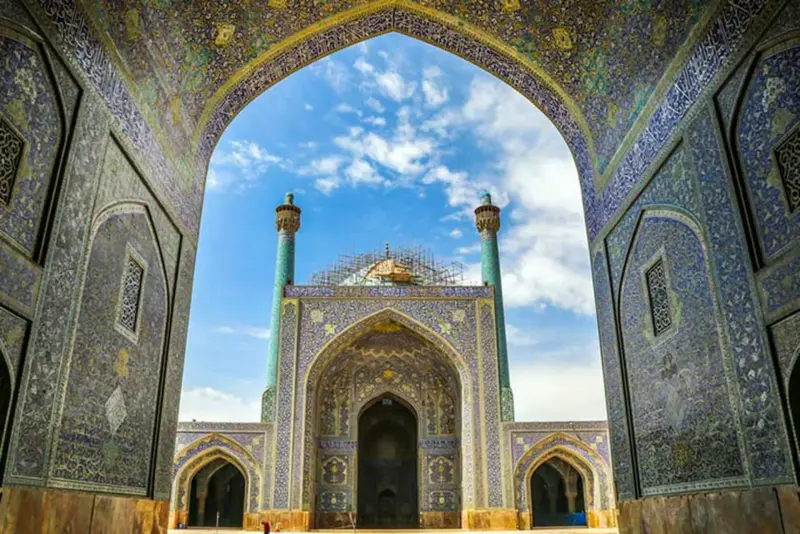
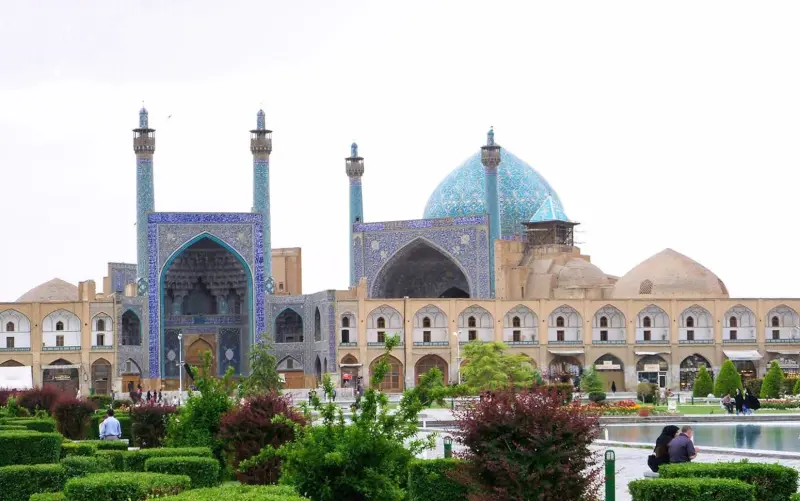
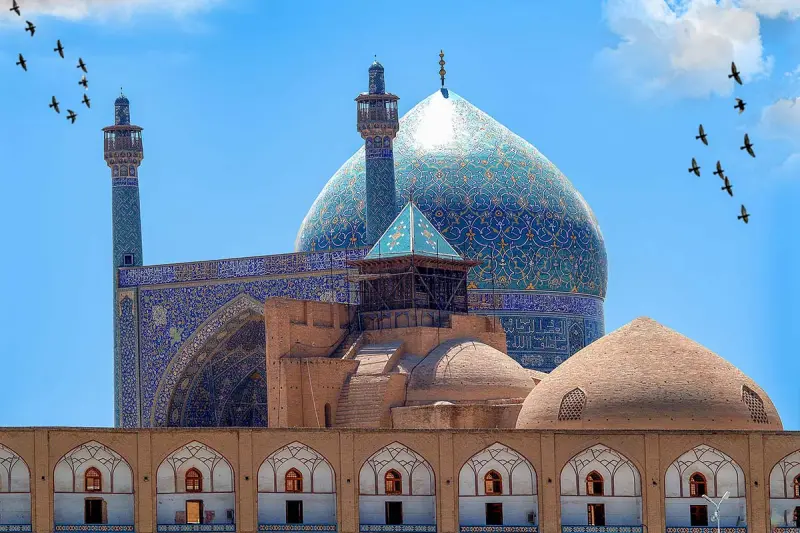
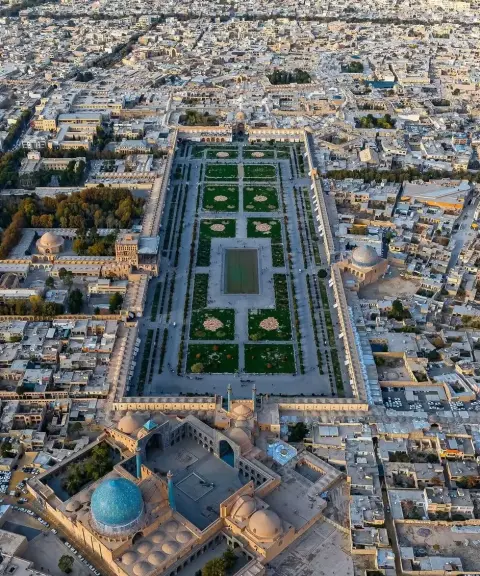
The Shah Mosque, also known as the Abbasi Grand Mosque, the Soltani Mosque and, today, the Imam Mosque, is one of the most outstanding religious buildings of the Safavid era in Isfahan, the capital of Isfahan Province. The mosque stands on the southern side of Naqsh-e Jahan Square and was built by order of Shah Abbas I in the early 11th century AH (lunar Hijri). Its architecture is a striking example of the development of tilework, calligraphy and dome design in the Safavid period, and the combination of its tall iwans, spacious courtyard and turquoise double-shelled dome gives Isfahan's historic fabric a lasting splendour. The mosque served not only a religious purpose but is also regarded as a symbol of Iran's political power and artistic flourishing in past centuries. This valuable monument was added to the list of Iran's National Heritage on 15 Dey 1310 (Solar Hijri) under registration number 107, and, together with Naqsh-e Jahan Square, it is also inscribed on the UNESCO World Heritage List, a distinction that has greatly increased its international standing and historical importance.
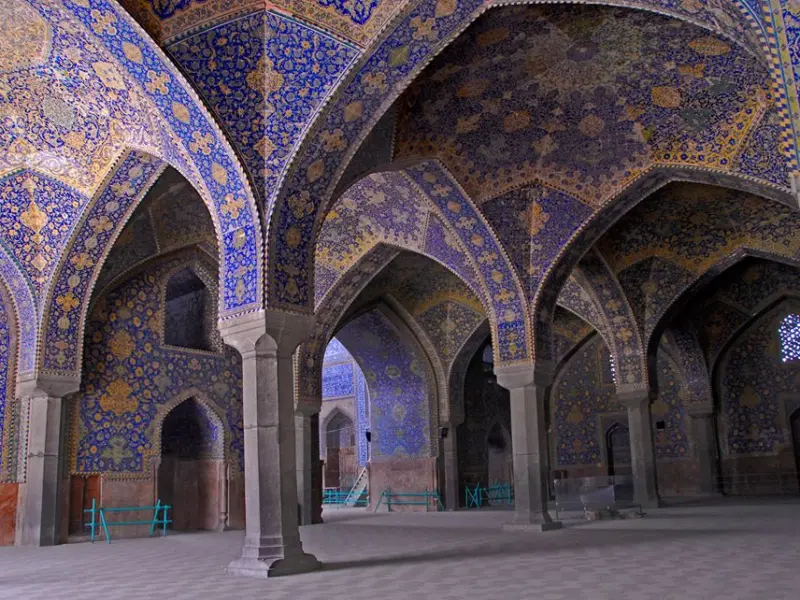
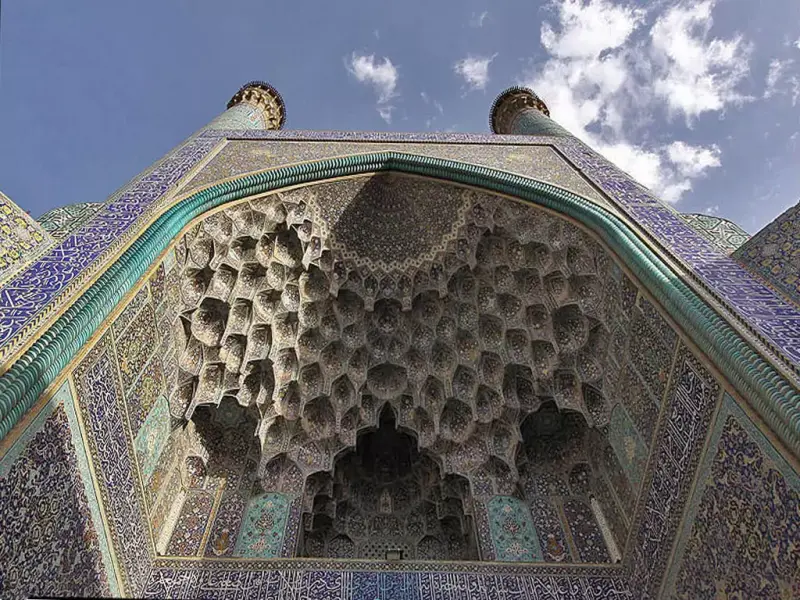
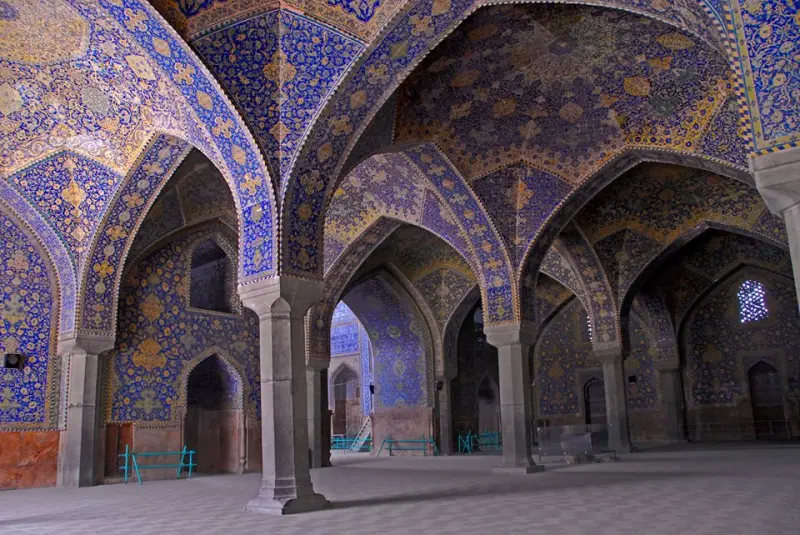
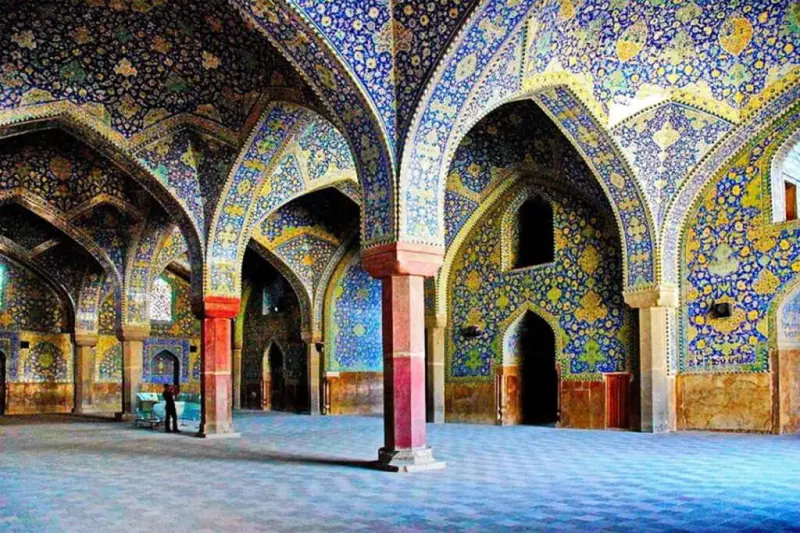
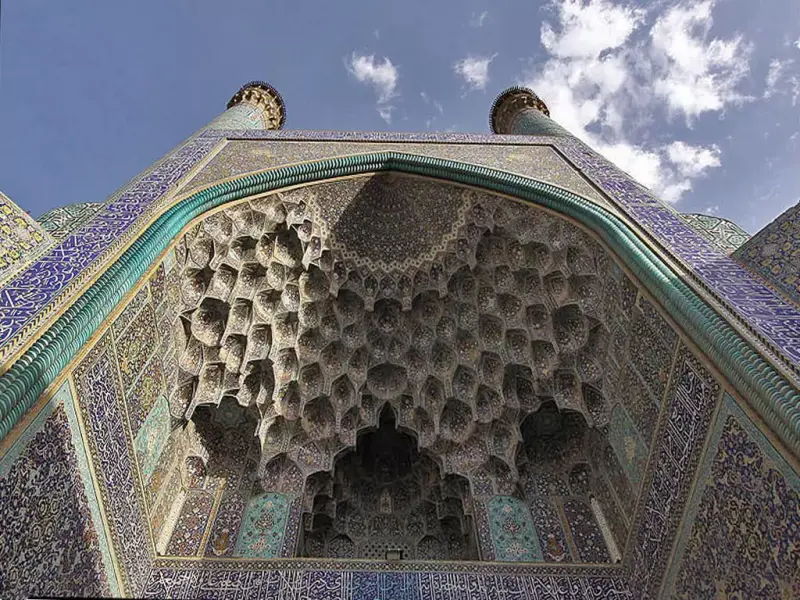
Architecturally, the mosque has four main iwans, vast prayer halls (shabestans), theological schools and inscriptions in thuluth and nastaliq scripts, written by leading artists of the time. The huge dome, impressively tall and decorated with geometric and arabesque patterns, is also considered a masterpiece of acoustic engineering: the echo beneath the dome creates a distinctive clarity of sound. The seven-colour tilework (haft-rangi), delicate muqarnas and the precise harmony of its geometric proportions have made the building one of the most important examples of Islamic architecture in the world. Construction of the mosque began in 1020 AH by order of Shah Abbas I, in the 24th year of his reign, and the completion of its decoration continued under his successors. Shah Abbas's aim in building it was to pay tribute to Shah Tahmasp. The mosque was designed by Master Ali-Akbar Isfahani, and Mohebb-Ali Bik-Allah supervised the construction. Outstanding artists such as Alireza Abbasi, Abdolbaqi Tabrizi, Mohammad-Reza Emami and Mohammad-Saleh Emami also gave the building a lasting beauty with their exquisite inscriptions.
The courtyard of the mosque is decorated with seven-colour tiles, delicate muqarnas, brilliant inscriptions and motifs inspired by prayer-rug designs. The combination of blue, gold and marble tones has made the building one of the most dazzling masterpieces of Safavid architecture and one of Isfahan's most important tourist attractions. The Shah Mosque is very easy to reach from the centre of Isfahan and Naqsh-e Jahan Square, and visitors can get to this historic complex by private car, taxi or city bus. The best times to visit are spring and autumn, when Isfahan's weather is milder and you can look more closely at the architectural details. Given the building's world-class value, practising responsible tourism plays an important role in preserving this lasting heritage. This includes keeping quiet in the prayer areas, not touching the historic tiles, avoiding any damage to the structure, and respecting the rules of the complex.
Written by زهرا لنگری Last updated
What you can do here, and what it takes
گردش در صحن وسیع و ایوانهای مرتفع مسجد، فرصتی برای مشاهده دقیق تناسبات معماری صفوی، تزیینات مقرنس، کتیبههای خوشنویسی و ظرافت کمنظیر کاشیکاریهای هفترنگ فراهم میکند.
Province Isfahan
Province Isfahan
Province Isfahan
Unfortunately, no comments have been registered.