
 Forest
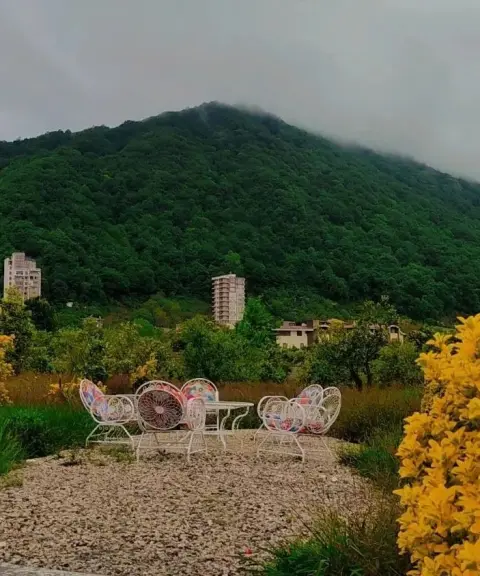

Narenj Bagh Hill
Province Mazandaran
- Walking
- Cycling
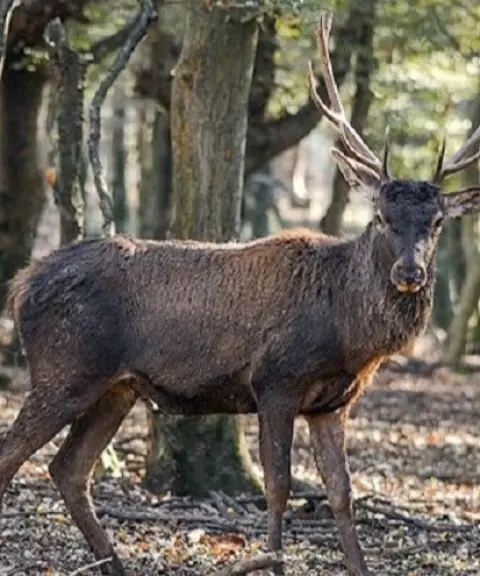
A wildlife refuge and habitat of the Persian fallow deer
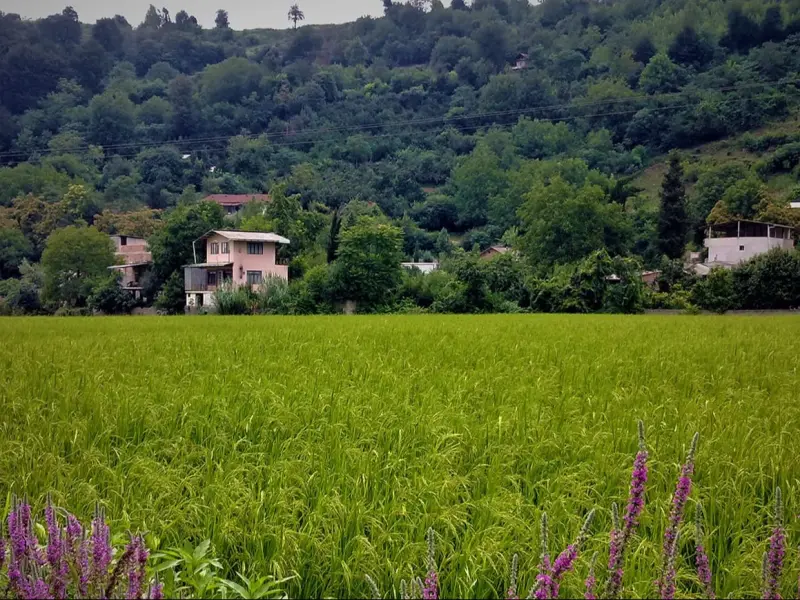
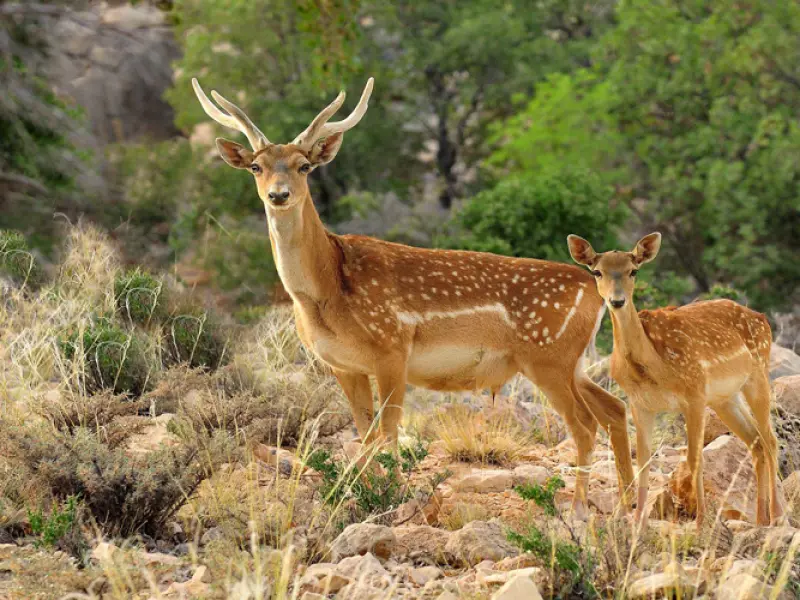
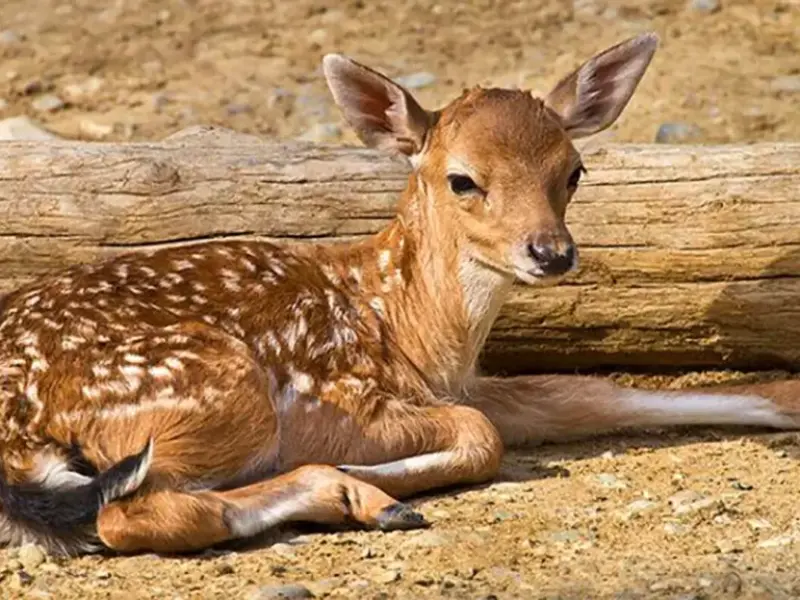
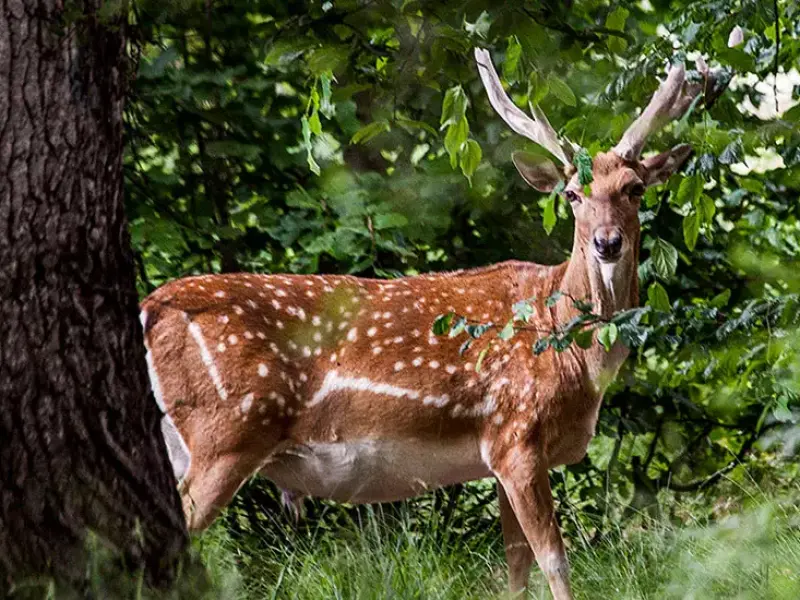
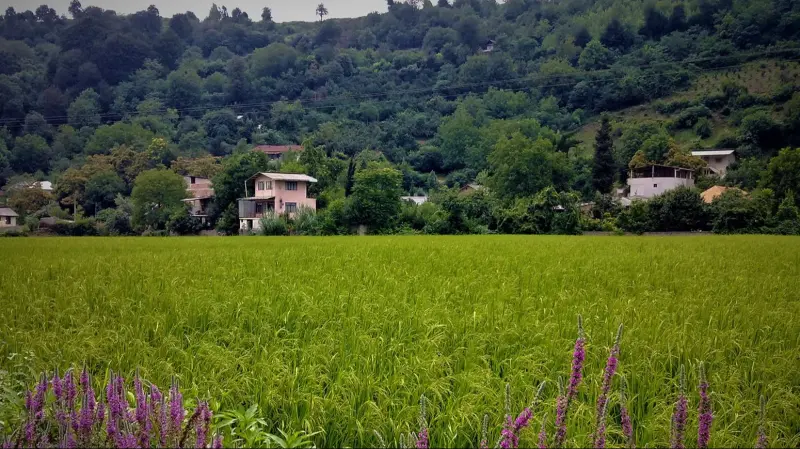
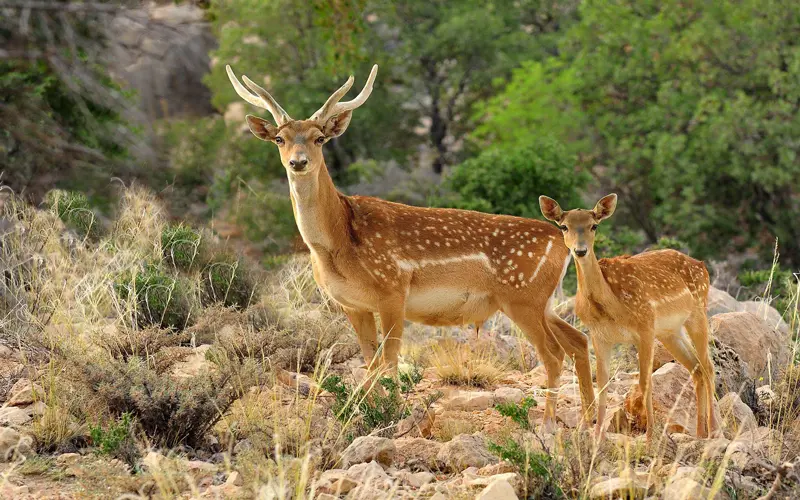
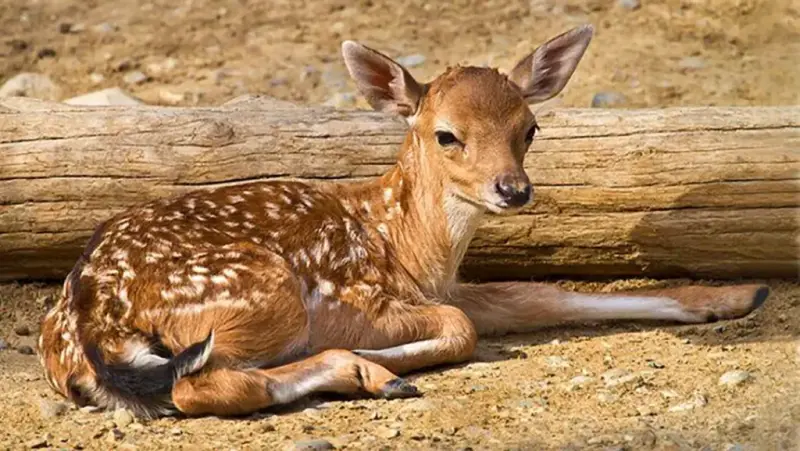
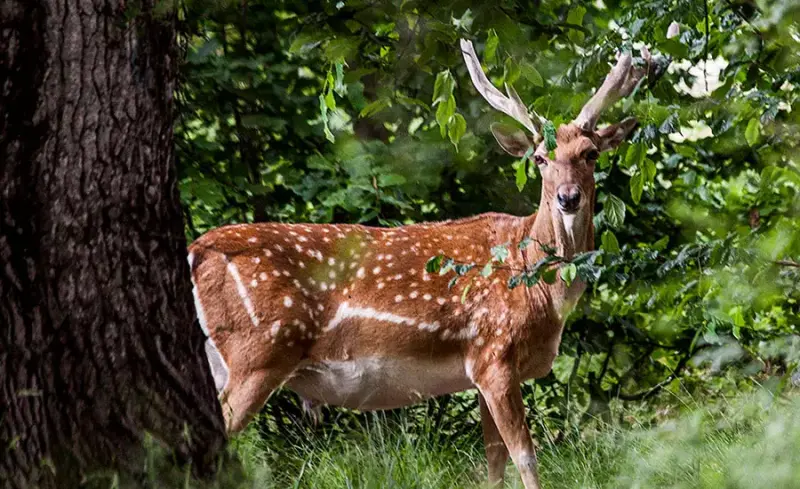
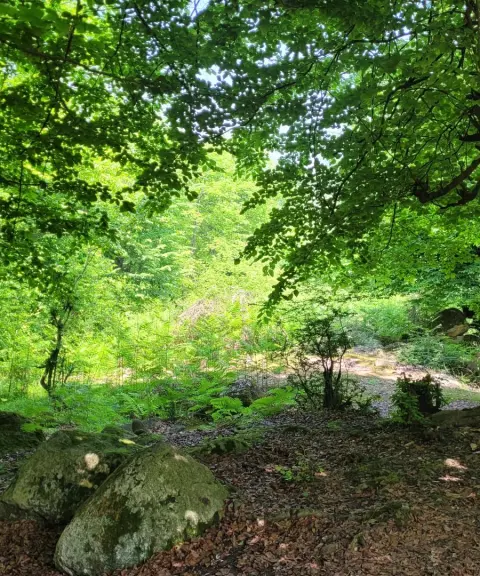
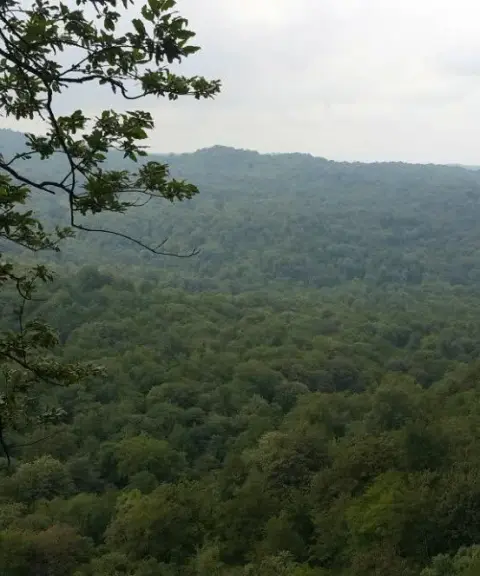
Dasht-e Naz is one of the valuable protected areas of Mazandaran Province, located 29 kilometres north of the city of Sari, in Miandorud County. Covering an area of about 56 hectares, it contains part of the ancient Hyrcanian forests and is known as the Dasht-e Naz Wildlife Refuge. These forests have been inscribed on the UNESCO World Heritage List as Iran's second largest natural site. Since 1967 (1346 in the Solar Hijri calendar), Dasht-e Naz has operated as a centre for the protection and breeding of the Persian fallow deer, an endangered species. At this centre, the deer are kept in a safe, controlled environment so that their population can grow and the survival of this valuable species can be ensured.
The vegetation of Dasht-e Naz includes various rangeland plants, shrubs and native plants that have grown in keeping with the region's climate. Besides providing food for wildlife, these plants help maintain the balance of the ecosystem and lend the natural scenery of the plain a distinctive character. Common plants in the area include various grasses, flowering bushes and drought-resistant shrubs. This plant diversity provides a suitable habitat and food source for animals such as gazelles, rabbits, foxes and various birds.
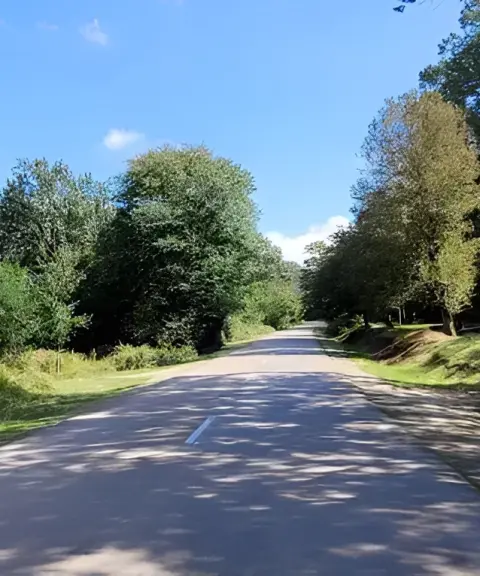
To reach Dasht-e Naz, first head towards the city of Sari in Mazandaran Province, then continue towards the city of Neka. After about 10 kilometres, you will reach the crossroads of the town of Soork. From here, turn left and drive to the village of Eslamabad. In the middle of this village, a road leads towards Shahriyarkandeh, which takes you to the Dasht-e Naz Wildlife Refuge. The area can be visited all year round, except during the deer fawning season in spring. During this period, visitors are not allowed in, in order to keep the area quiet and avoid stressing the deer. The best time to visit Dasht-e Naz is spring and summer, when the weather is mild and nature is lush and green. To protect the environment and prevent damage to the ecosystem, it is essential to follow the principles of responsible nature tourism, including not damaging the vegetation, not making noise and collecting your rubbish.
Written by ستایش عرب Last updated
What you can do here, and what it takes
از کفش مناسب پیادهروی استفاده کنید.
Province Mazandaran
Province Mazandaran
Province Mazandaran
Province Mazandaran
Province Mazandaran
Province Mazandaran

Unfortunately, no comments have been registered.