
 Attractions
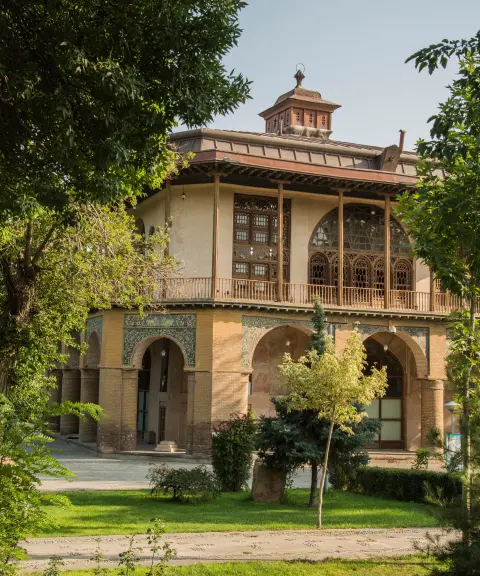
Chehel Sotoun Palace of Qazvin
Province Qazvin
- Walking
A legacy of Safavid grandeur in the heart of Iran's history
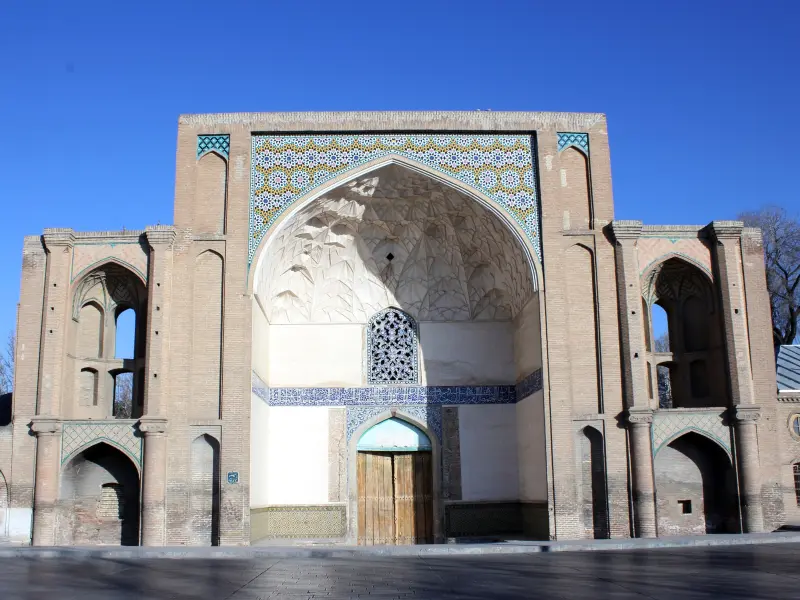
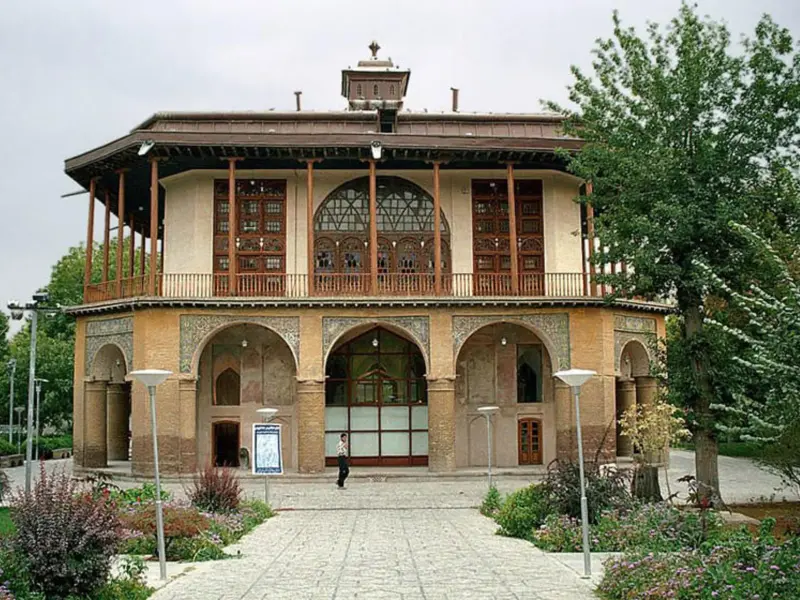
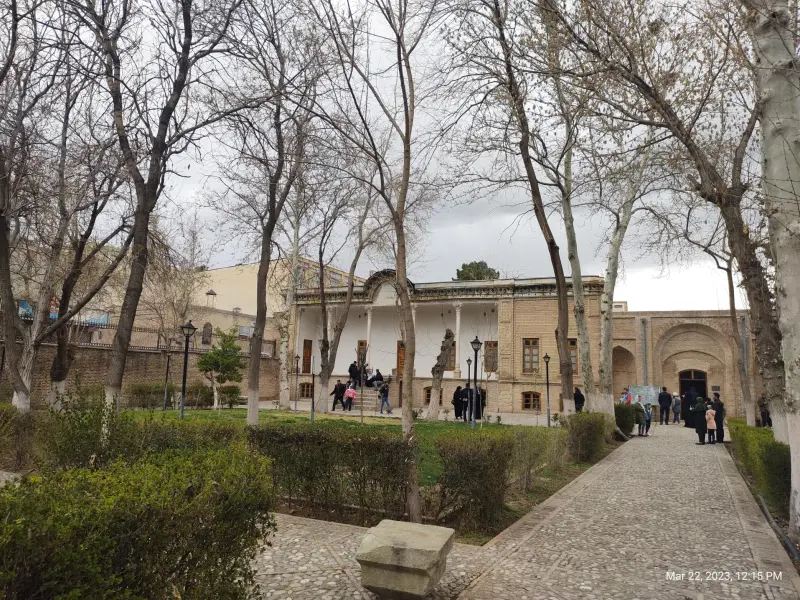
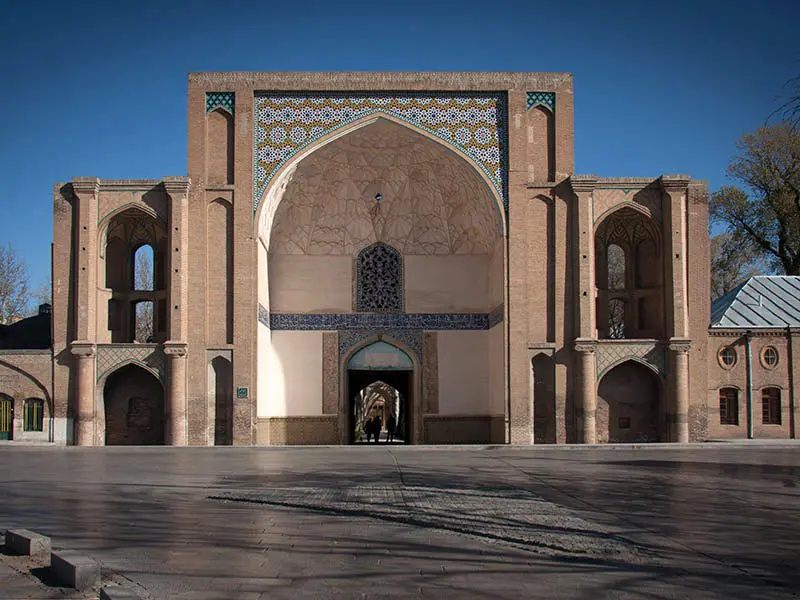
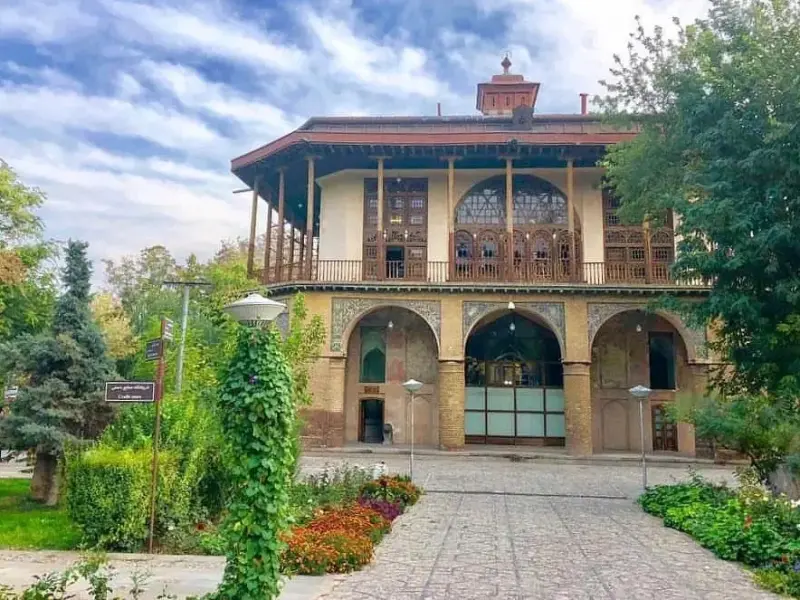
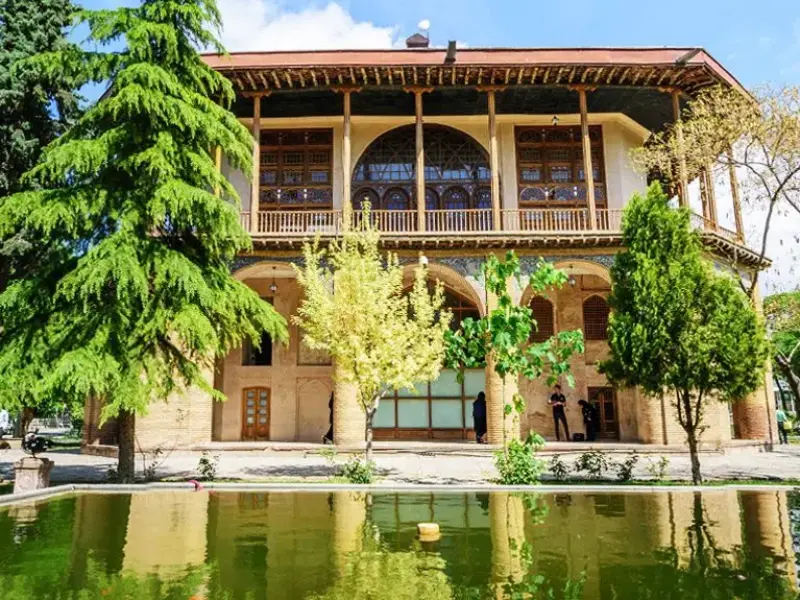
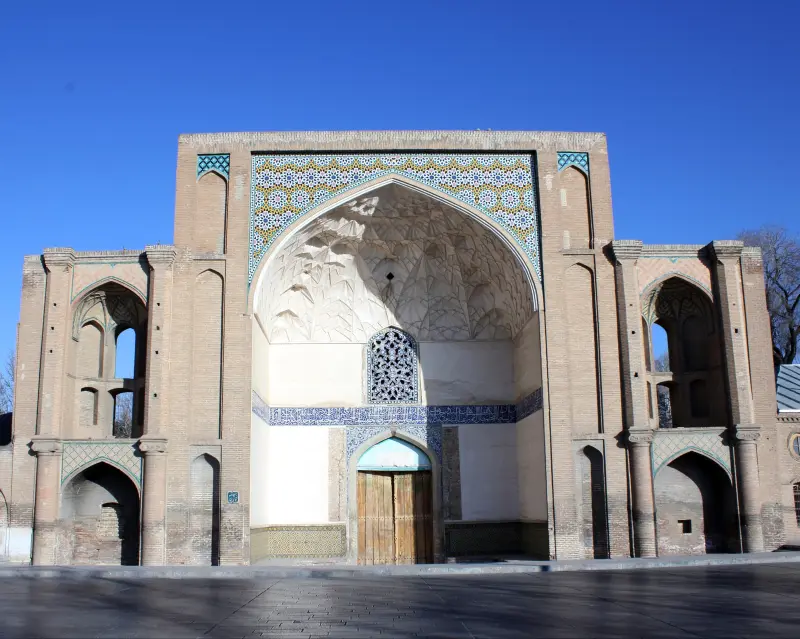
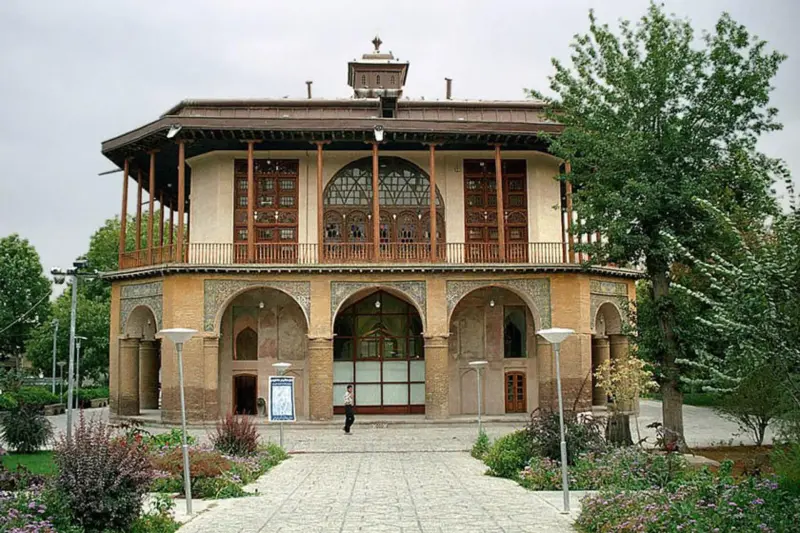
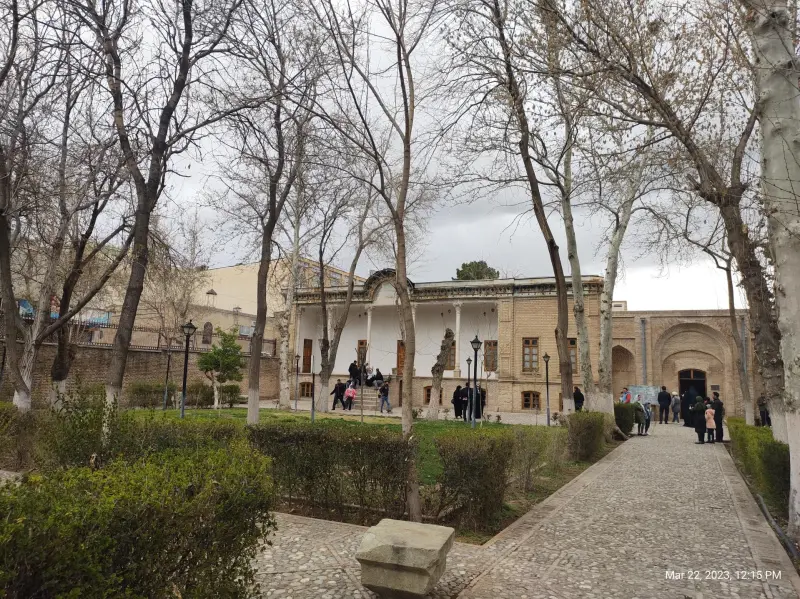
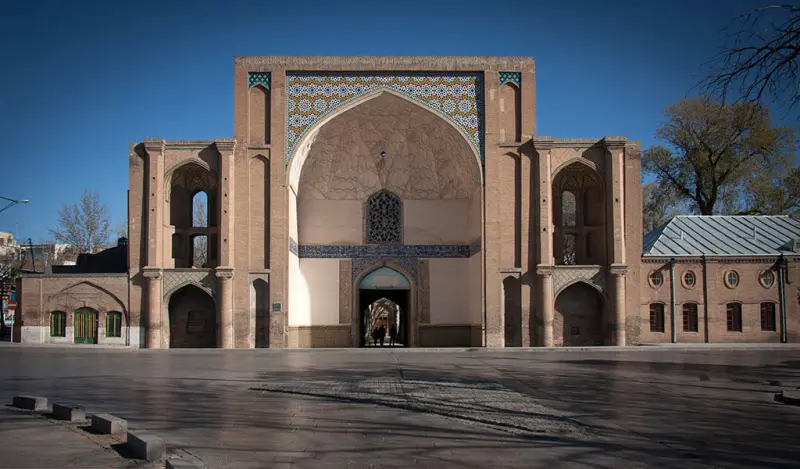
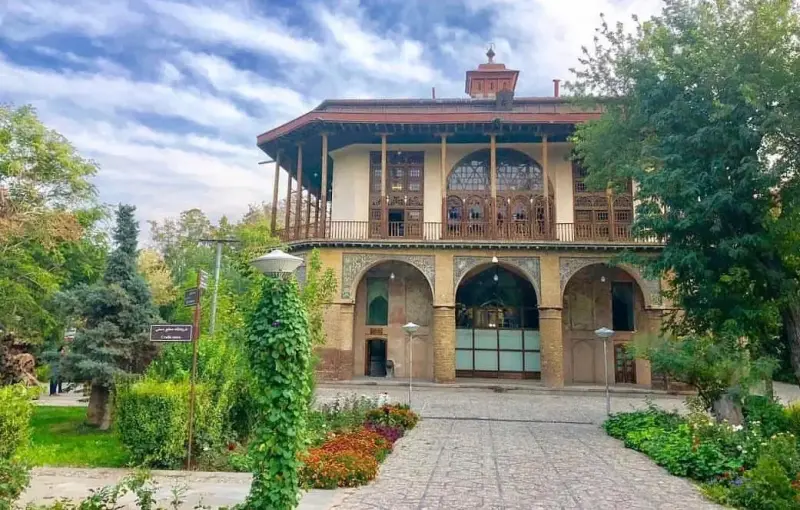
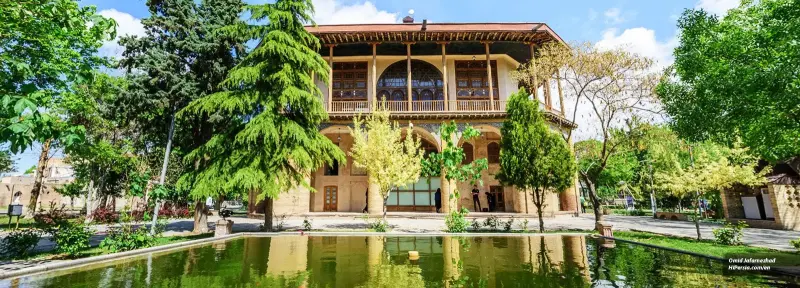
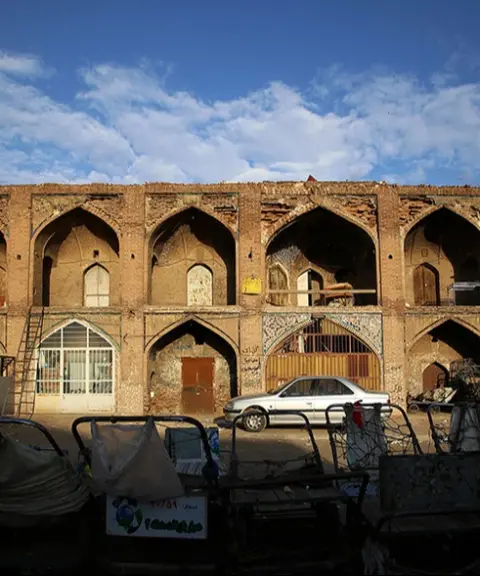
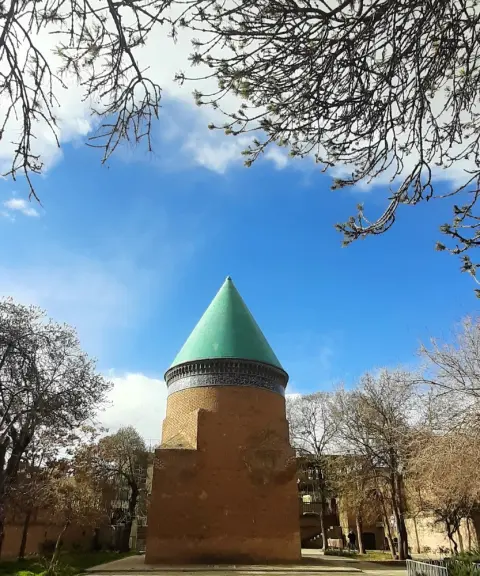
The Safavid Garden Complex in Qazvin, which includes Saadat Abad Garden, the Qazvin Cultural Garden and the Safavid Dowlat Khaneh (royal residence), also known as the Tahmasbi Citadel, dates from the Safavid to the Qajar periods and covers more than 6 hectares. This historic complex was built during the Safavid era by order of Shah Tahmasp I, after the capital was moved from Tabriz to Qazvin. In 951 AH (lunar Hijri), Shah Tahmasp purchased a large area of land in the Zangiabad district (the Sabzeh Meydan area and the surrounding streets) and ordered the construction of a royal complex. Known as the Safavid Garden, the complex included administrative and residential sections and was gradually expanded during the Afsharid, Zand, Qajar and Pahlavi periods. Despite extensive destruction over the centuries, efforts to restore and rebuild the complex are under way.
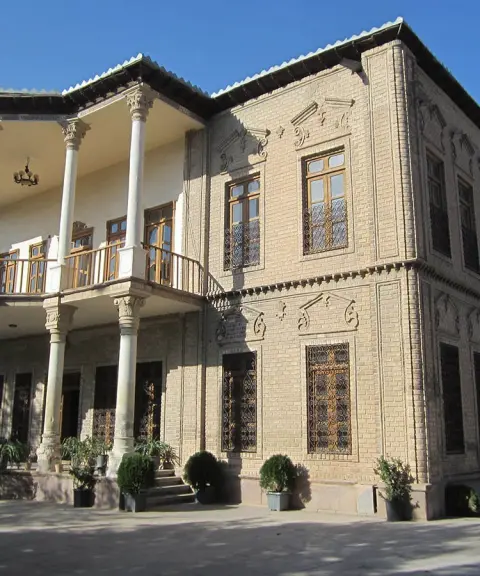
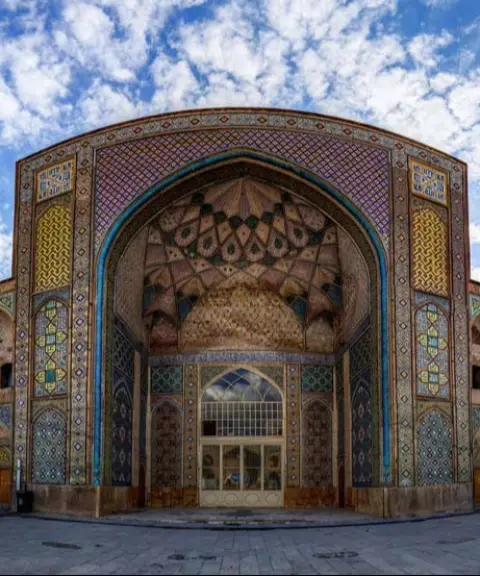
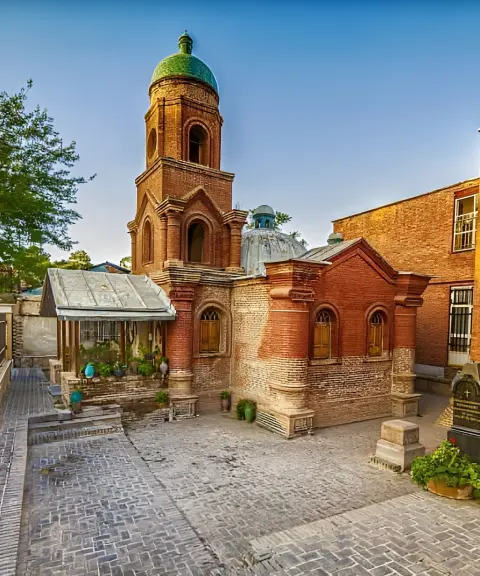
Covering more than 6 hectares, the Safavid Garden Complex begins at the Aali Qapu Gateway in the north, at the start of Sepah Street, and ends at the grounds of Chehel Sotoun Palace in Qazvin. Along the way you will see remains from various periods of Iranian history. Its major buildings include the Aali Qapu Gateway, the Naderi Mansion, the Pahlavi Mansion, the Qajar Mansion, the Grand Hotel, Chehel Sotoun Palace and the Peyghambariyeh Shrine. The Aali Qapu Gateway is the only surviving gateway of the complex. It was built in the time of Shah Tahmasp and modified during the reign of Shah Abbas. With its beautiful tilework and a dome above its vestibule, the gateway is a fine example of Safavid architecture.
To reach the Safavid Garden Complex, head from the city of Qazvin toward Sepah Street. The complex is in the city centre and can be reached by public transport or by private vehicle. The best time to visit is spring or autumn, when the weather is mild and the surroundings are beautiful and pleasant. In these seasons you can also enjoy both the natural beauty and the historic architecture of the complex. When visiting, please follow the principles of responsible nature tourism: keep the site clean, avoid damaging the buildings, and respect the history and culture of the region.
Written by ستایش عرب Last updated
What you can do here, and what it takes
کفش پیادهروی به همراه داشته باشید.
Province Qazvin
Province Qazvin
Province Qazvin
Province Qazvin
Province Qazvin
Unfortunately, no comments have been registered.