
 Attractions
Dr. Mosaddegh's House
Province Alborz
- Walking
A European-style village in the heart of Iran, with its own Romano language
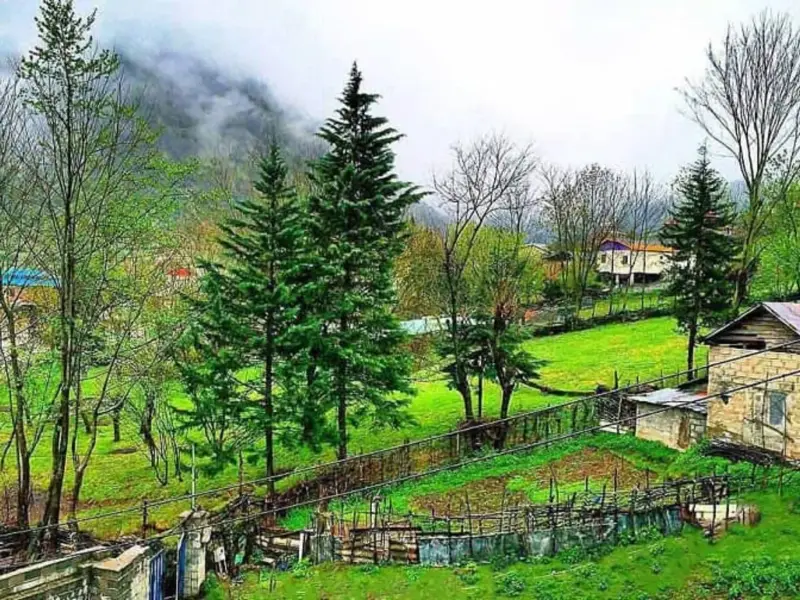
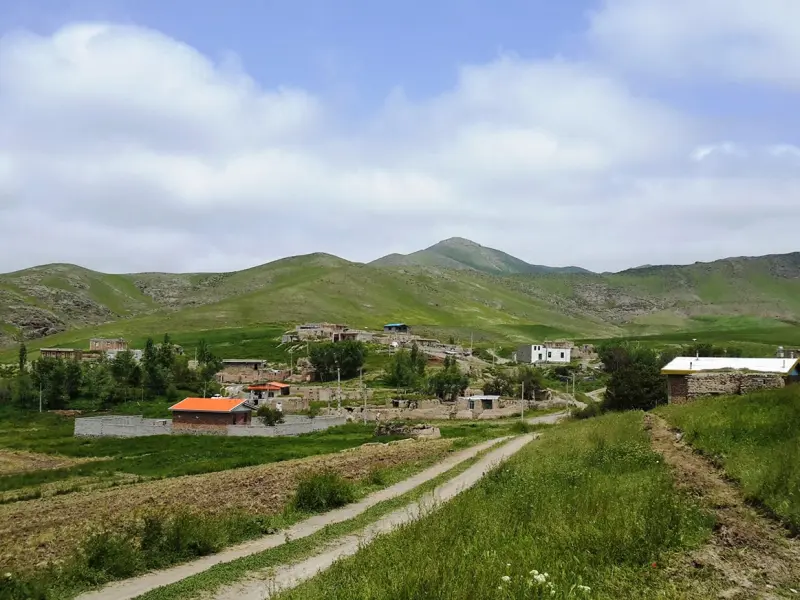
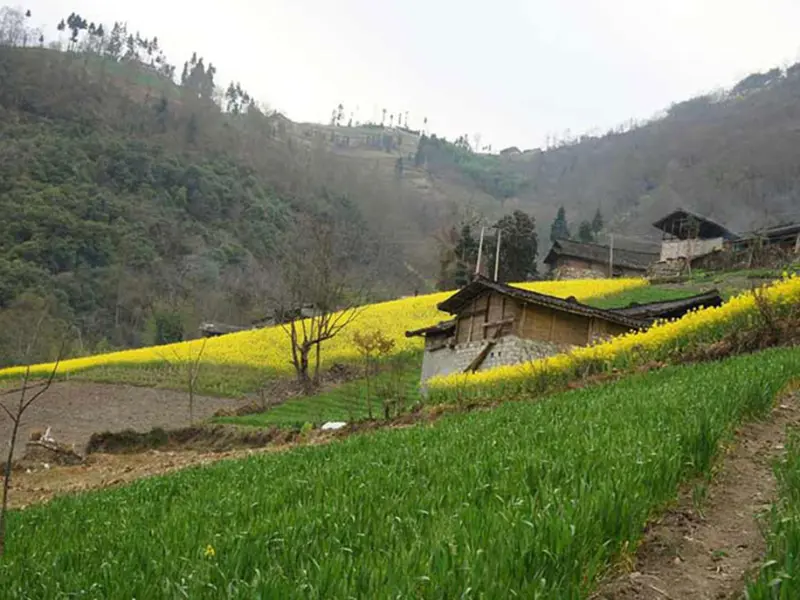
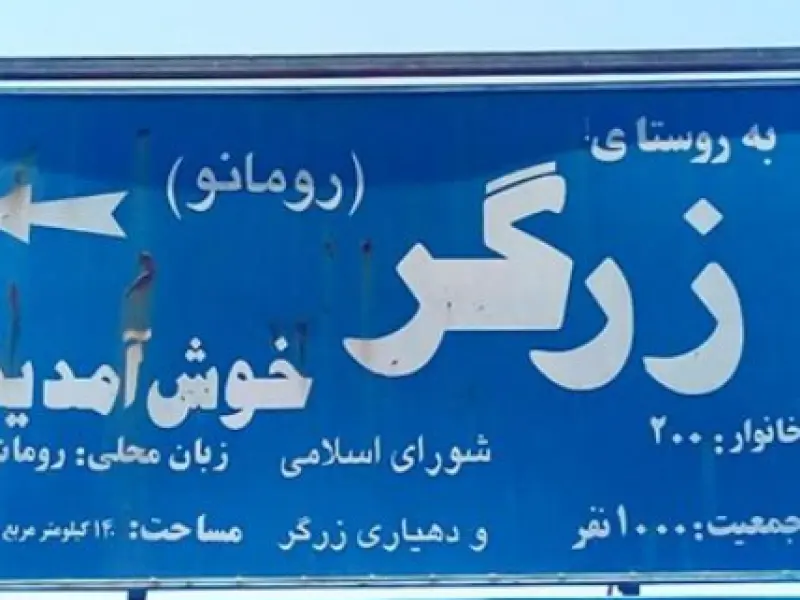
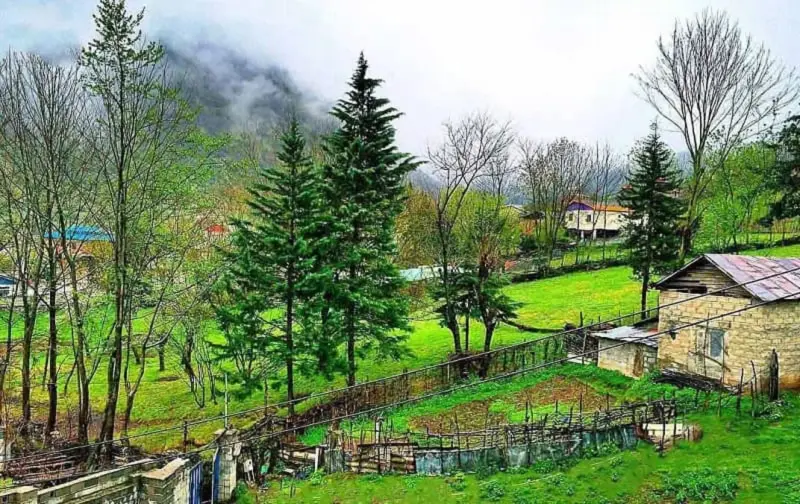
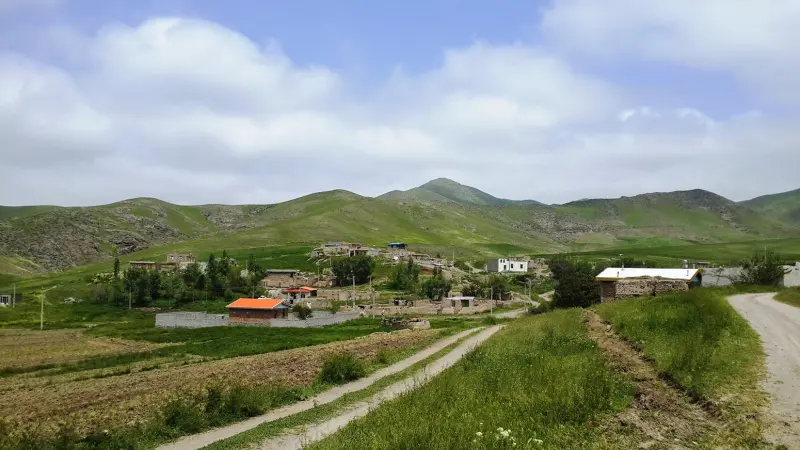
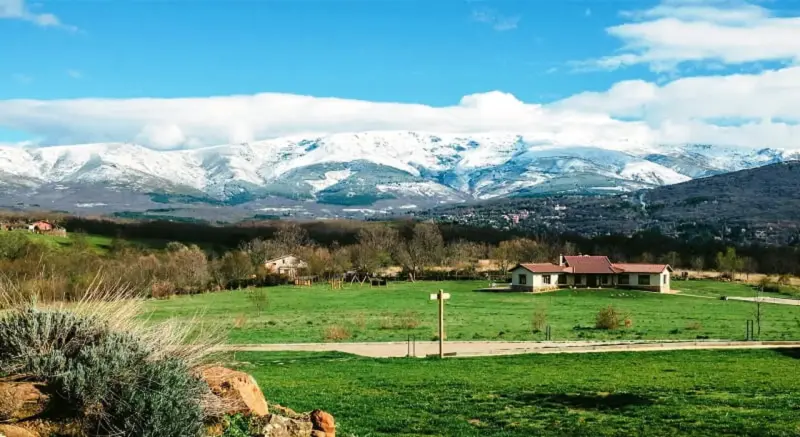
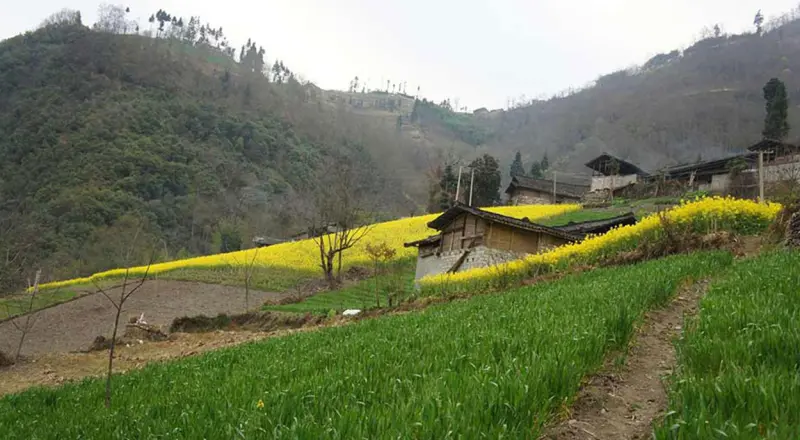
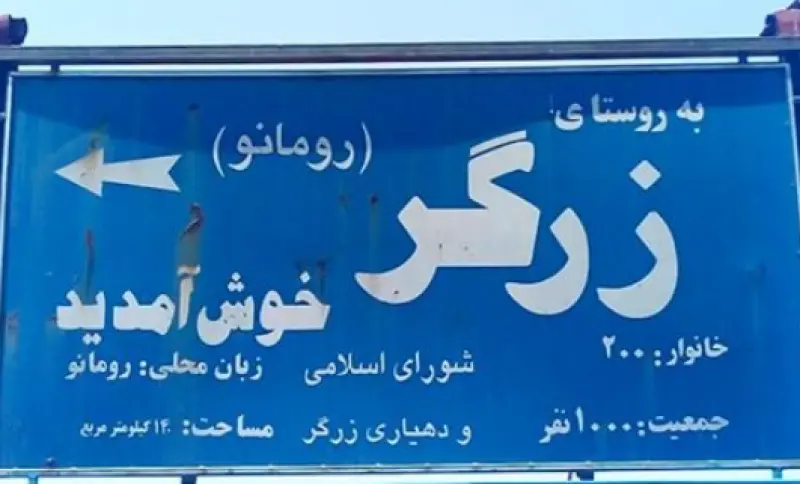
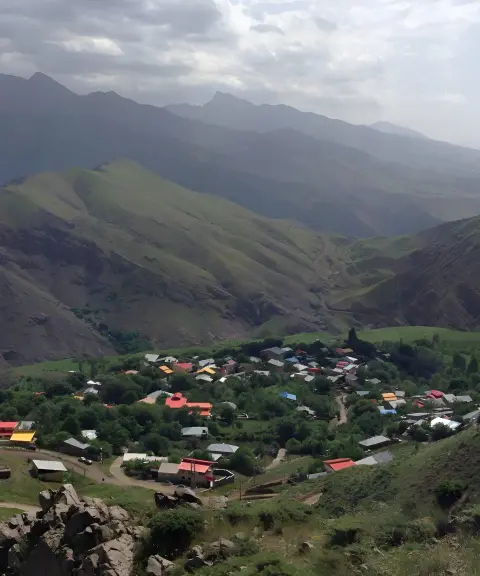
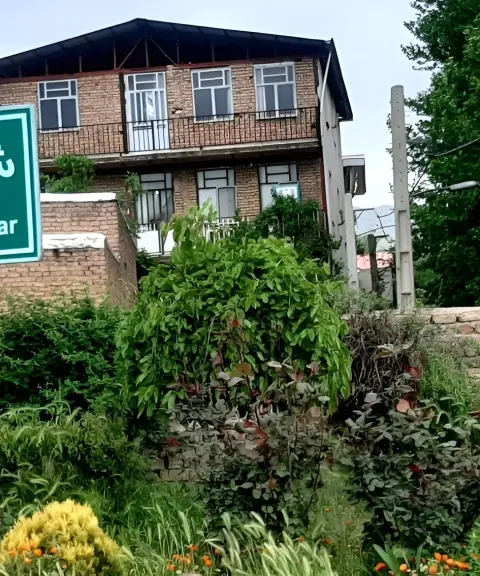
Zargar Village (Romano) lies in Bashariyat-e Sharqi Rural District, Abyek County, Qazvin Province, about 115 km west of Tehran and 22 km west of the town of Abyek. What sets this village apart is its population of Romanian descent and their spoken language. The people of Zargar speak a dialect called "Zargari" or "Romano", which is said to be a branch of the Romanian language. This makes Zargar one of the few villages in Iran that has preserved a language, a culture and roots linked to the Roma (Gypsy) community, the traveling peoples of Europe.
The people of Zargar, often with blue or green eyes, tall stature and features that blend Aryan and European ancestry, are fluent in three languages: Romano, Persian and Turkish. Romano, their mother tongue, is an Indo-European dialect and is usually said to be written in a Latin-like script. However, the villagers themselves acknowledge that they officially and commonly write in the Persian script as well, and that the story of writing in Latin is closer to a legend. Daily life revolves around farming, animal husbandry, beekeeping and the traditional production of homemade goods such as yogurt, doogh and bread. Hospitality and local traditions are also among their most distinctive cultural features: playing the chogur, serving ayranehsi (doogh and cold butter), and singing a song called "Amu Ketab" are living traditions in this village.
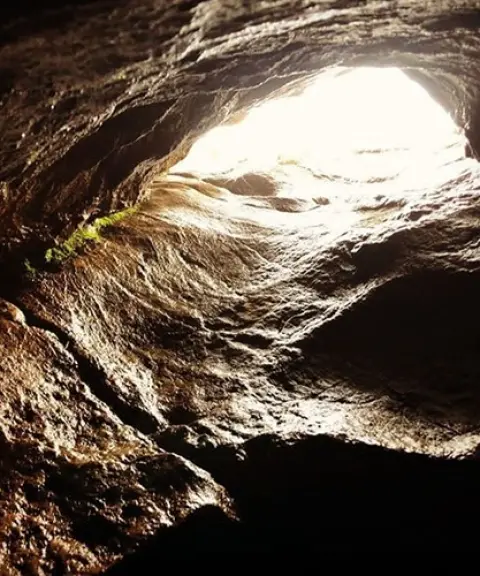
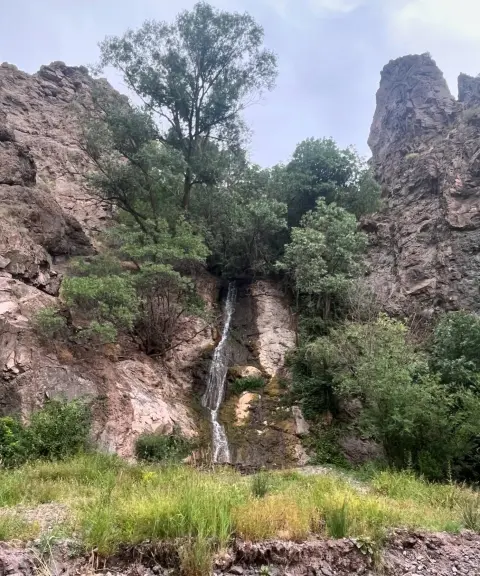
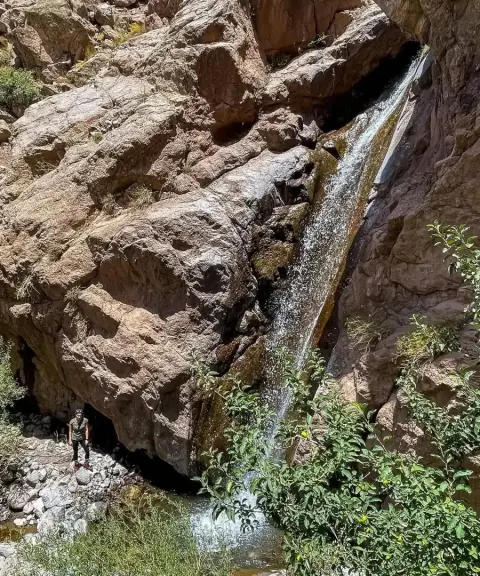
Near the village there is a spring called "Nopelex", which holds a mythical place in local belief. People say that Esfandiyar, the hero of the Shahnameh, bathed in this spring and became invulnerable. But because he closed his eyes while bathing, his eyes remained vulnerable, and he was eventually defeated in battle against Rostam. Although this legend cannot be proven historically, it shows the richness of the village's mythical beliefs and their bond with the surrounding nature in Zargar's local culture.
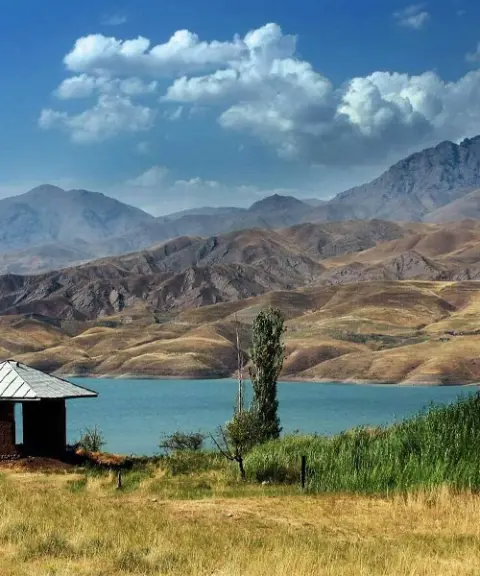
To get there from Tehran, take the Tehran–Karaj freeway and then the Karaj–Qazvin freeway. After reaching Abyek, continue about 15 km further along the Karaj–Qazvin freeway until you reach a side road. From there, turn onto the side road and you will easily reach Zargar Village. The best seasons to visit are spring and summer, when the lush, fresh landscape of the area, together with its mountains and beautiful wheat fields, makes for an unforgettable experience. To respect the authenticity and nature of the village, visitors should avoid interfering in the residents' daily lives, behave with the utmost respect, and strictly avoid actions such as making noise, polluting the environment or showing disregard for the local culture.
Written by زهرا لنگری Last updated
What you can do here, and what it takes
مسیرهای روستایی و مزارع اطراف زرگر محیطی مناسب برای پیادهروی آرام و لذت بردن از طبیعت و فرهنگ روستایی فراهم میکنند.
Province Alborz
Province Alborz
Province Alborz


Unfortunately, no comments have been registered.