
 Forest
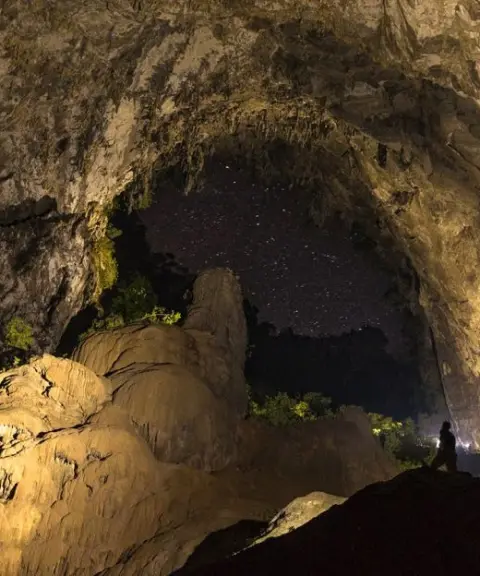

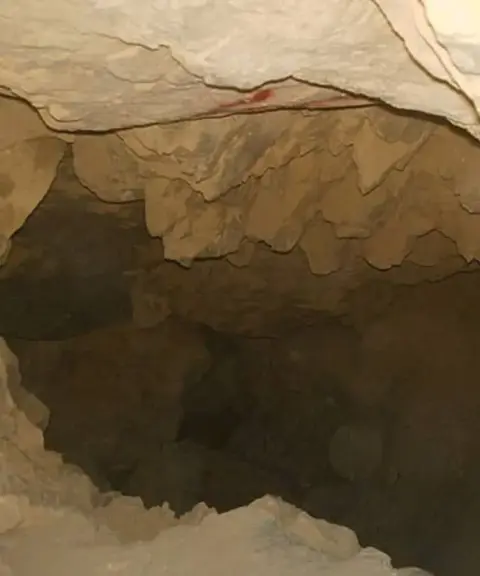
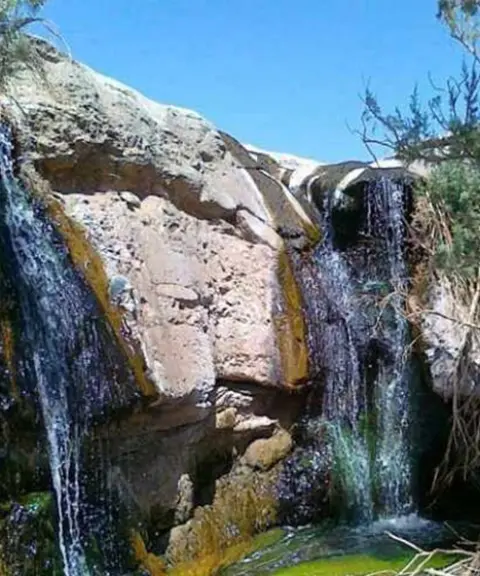
Chehel Dokhtaran Cave
Province South Khorasan
- Walking
- Caving
Mountain ecosystem and wildlife of South Khorasan
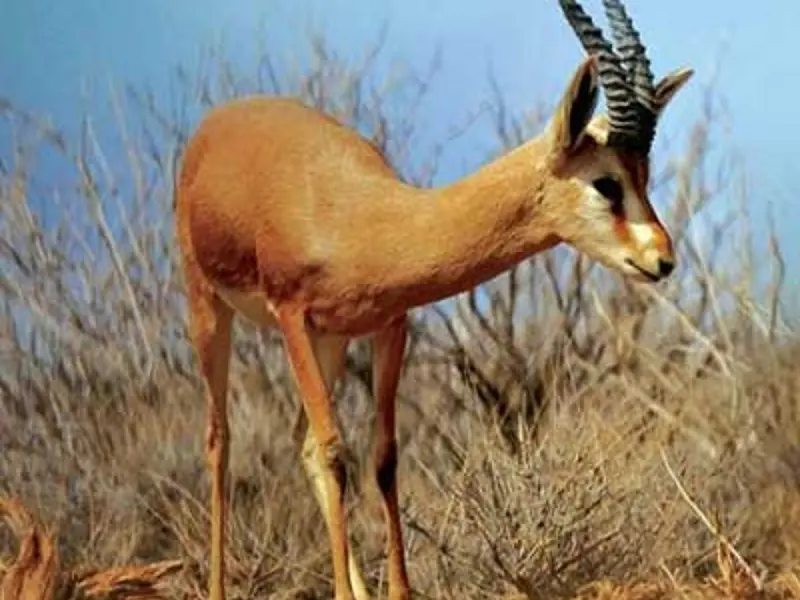
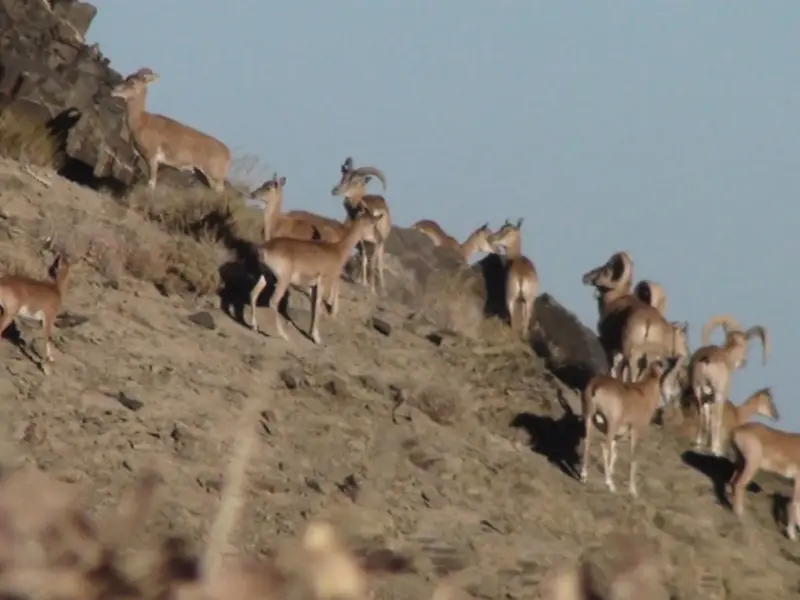
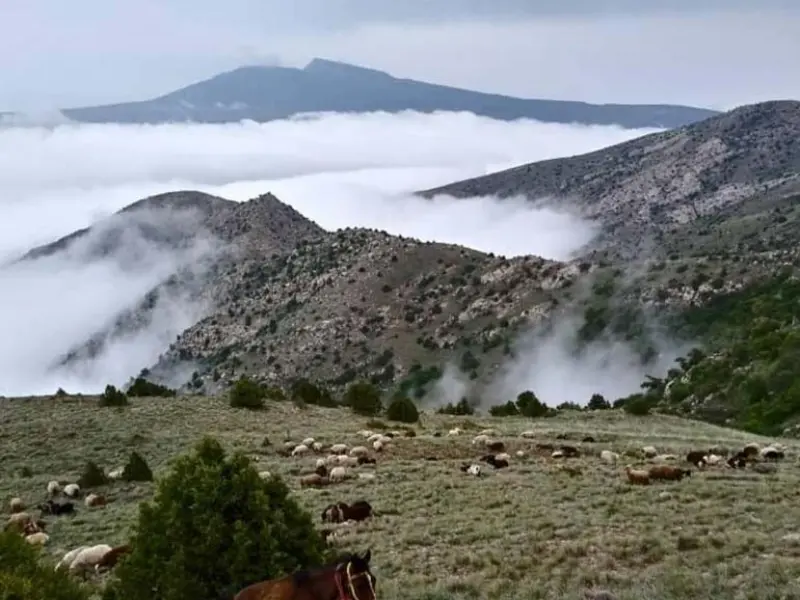
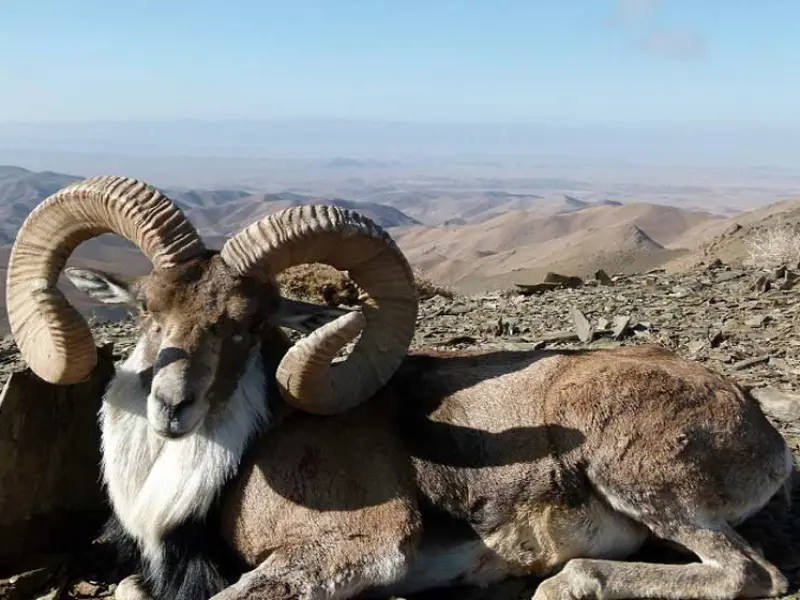
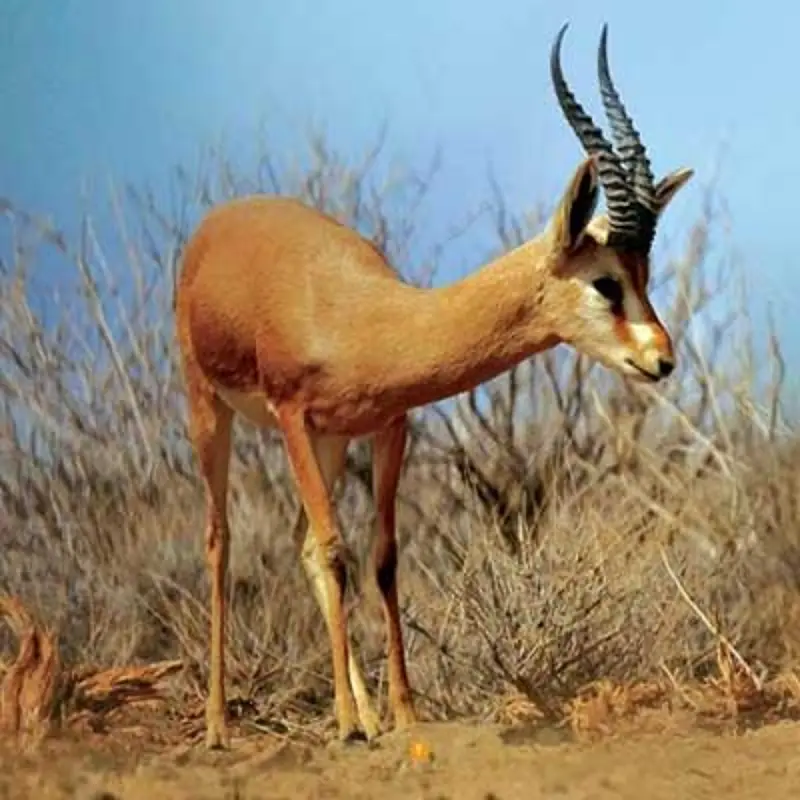
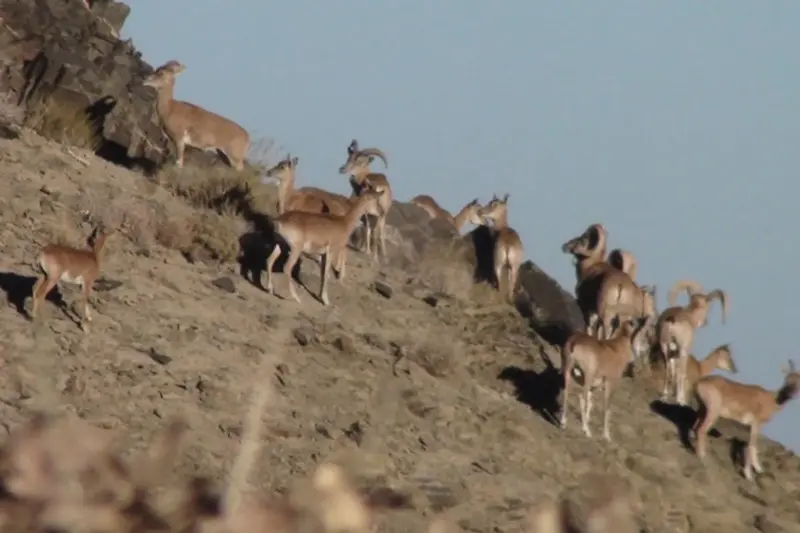
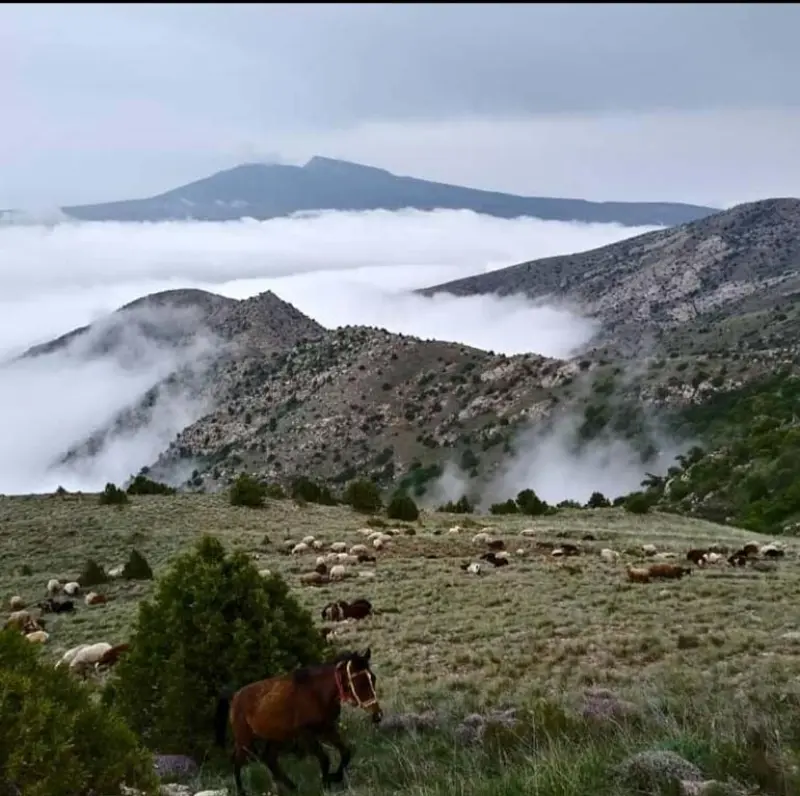
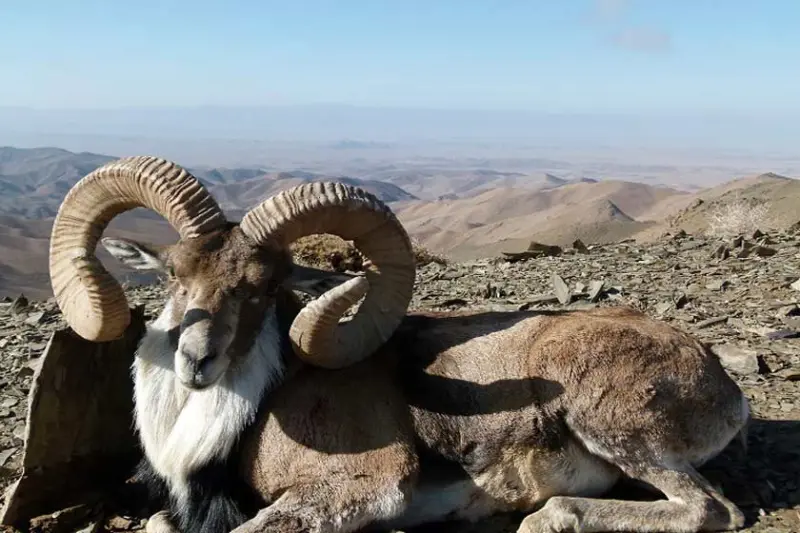
The Jik and Zeydar No-Hunting Area is one of the attractions of Birjand and an important nature-tourism destination in South Khorasan Province. Covering 42,000 hectares, the area has a hot, dry climate, and its vegetation consists mainly of semi-desert and foothill species. Notable plants include desert wormwood (Artemisia sieberi), mountain wormwood, sabad, desert bindweed, milkvetch (gon), tamarisk (gaz), almond-leaved bushes (bādāmak), spiny almond, wild pistachio (baneh), Mokhlesah, yarrow, karvankosh, kolah-mirhasan and thistles.
The animal diversity of Jik and Zeydar is also very high, and the area is home to many species of mammals, birds and reptiles. Some of the animals found here include the wolf, jackal, fox, sand fox, wild sheep (mouflon), hare, Indian crested porcupine (Iranian hedgehog), large rat, house mouse, white-winged bat, hyena and tashi. The birds of the area include birds of prey, golden eagle, little owl, houbara bustard, house sparrow, common linnet, wagtail, white-bellied sandgrouse, chukar partridge, rock dove, common turtle dove, eagle-owl, crested lark, black-crowned sparrow-lark, see-see partridge, francolin, vulture, black-bellied sandgrouse, long-legged buzzard, kite, falcon, Eurasian jay (brown crow), desert sparrow and bee-eater. Jik and Zeydar No-Hunting Area is also home to a variety of reptiles, including the desert monitor, various lizards (the Persian racerunner and the Persian long-tailed lizard), agamas (the yellow-headed agama, the black rock agama and the Persian spiny-tailed agama) and various snakes (leopard snake, camel snake, Jafari snake, desert arrow snake, cobra, viper, whip snake, plains snake and spotted snake). This rich biodiversity makes Jik and Zeydar an attractive destination for nature lovers and wildlife enthusiasts.
To reach the Jik and Zeydar No-Hunting Area, head south or southeast from the town of Sarbisheh, and after passing mountain routes and the area's side roads you will arrive at the Jik and Zeydar zone. The best time to visit is spring and early autumn, when the weather is mild. Visitors should respect environmental principles, avoid making noise or entering restricted routes, and take their rubbish with them so that this natural area is preserved for future generations.
Written by زهرا لنگری Last updated
What you can do here, and what it takes
مسیرهای خاکی و نواحی اطراف منطقه برای پیادهگردی سبک و مشاهده طبیعت مناسب هستند.
Province South Khorasan
Province South Khorasan
Province South Khorasan
Province South Khorasan
Province South Khorasan
Province South Khorasan
Province South Khorasan
Province South Khorasan


Unfortunately, no comments have been registered.