
 Attractions
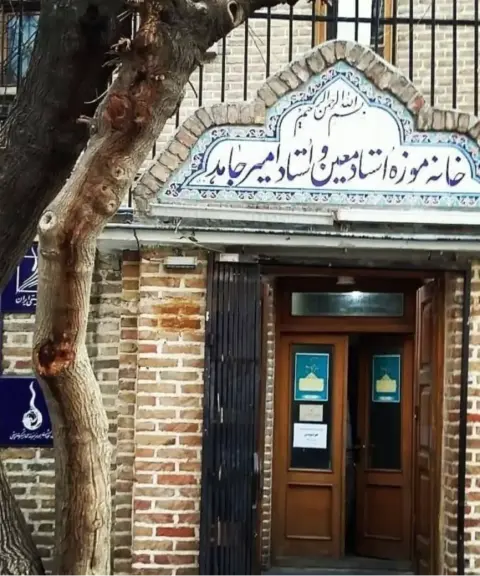
Dr. Moein and Master Amirjahed Museum
Province Tehran
- Walking
A treasure of the history and culture of Tehran's Christian communities
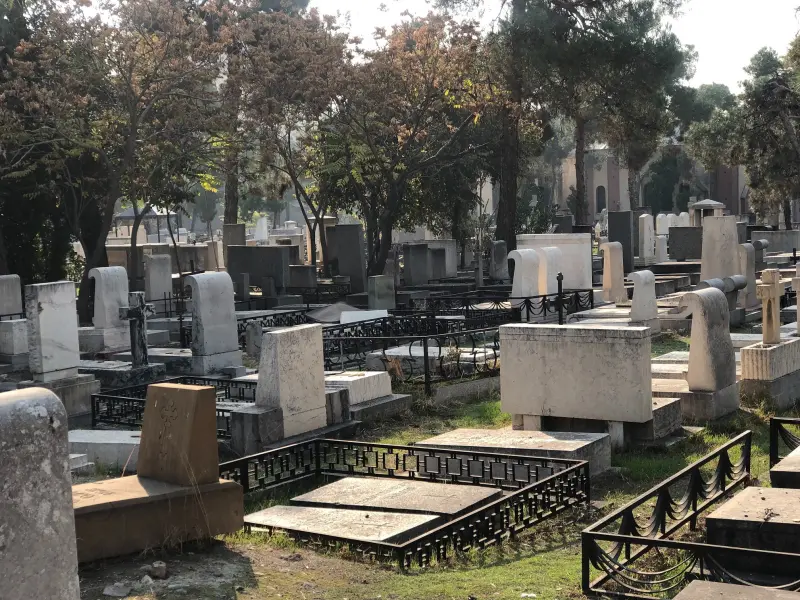
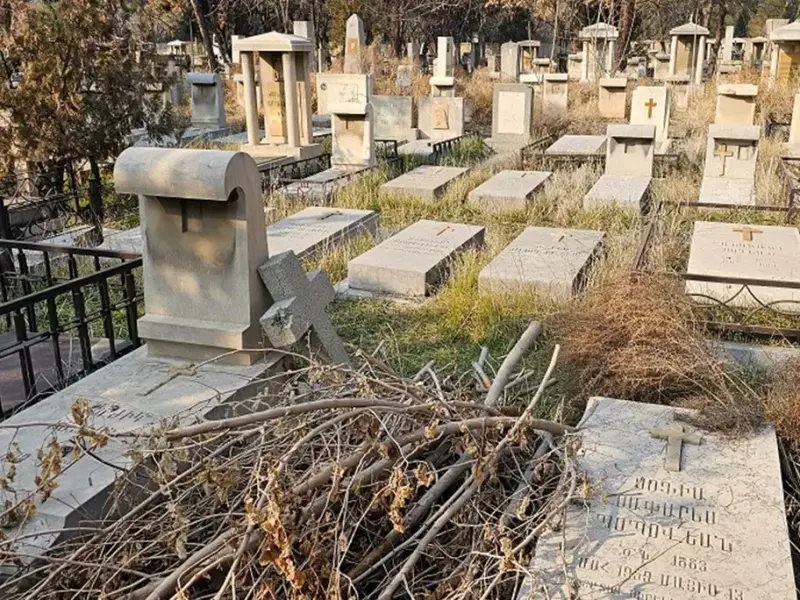
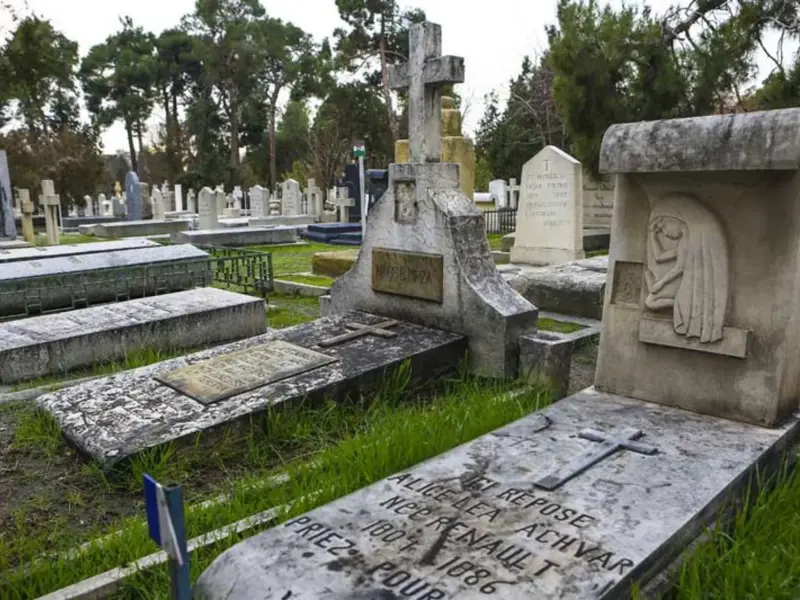
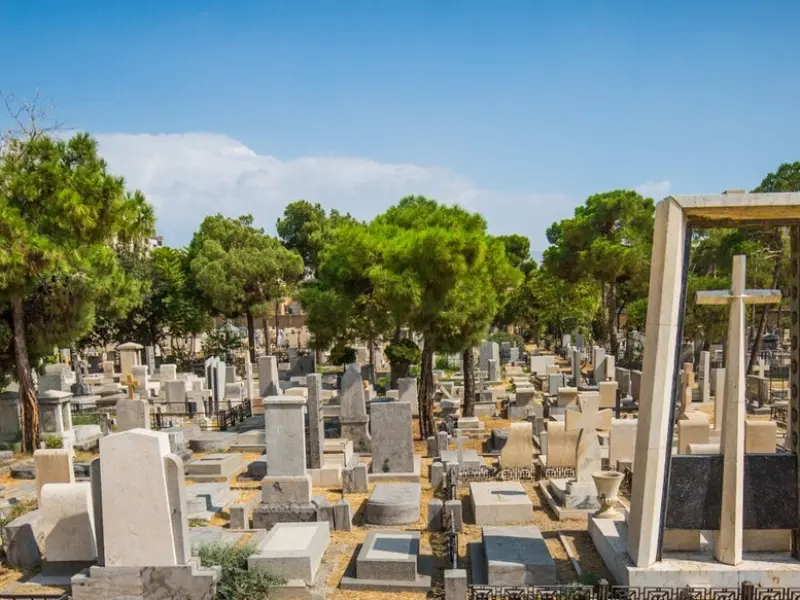
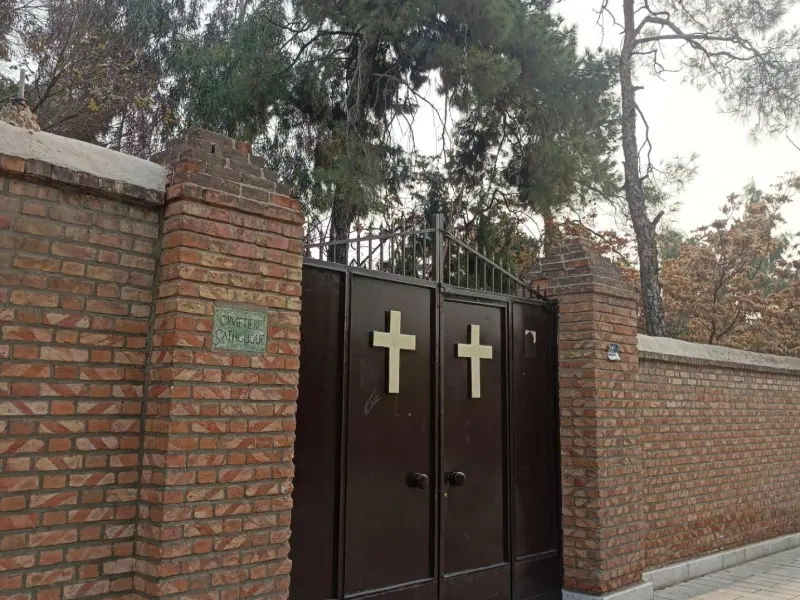
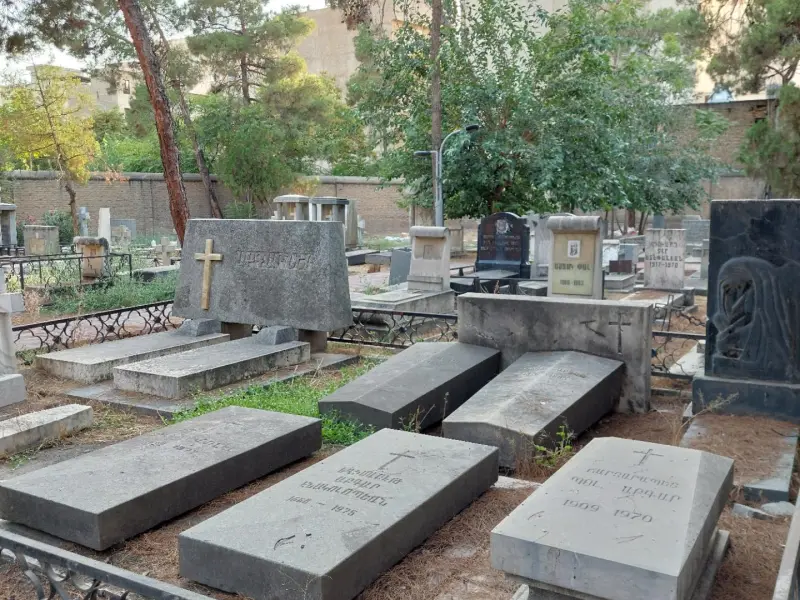
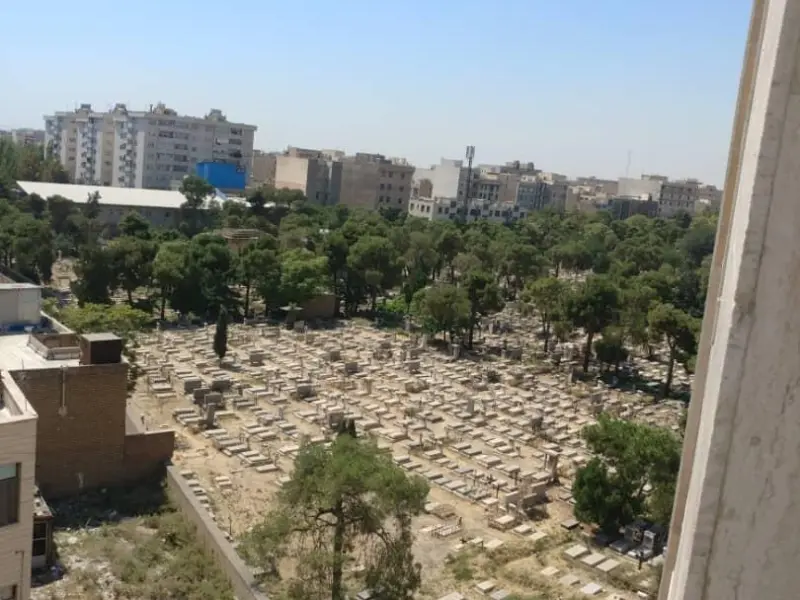
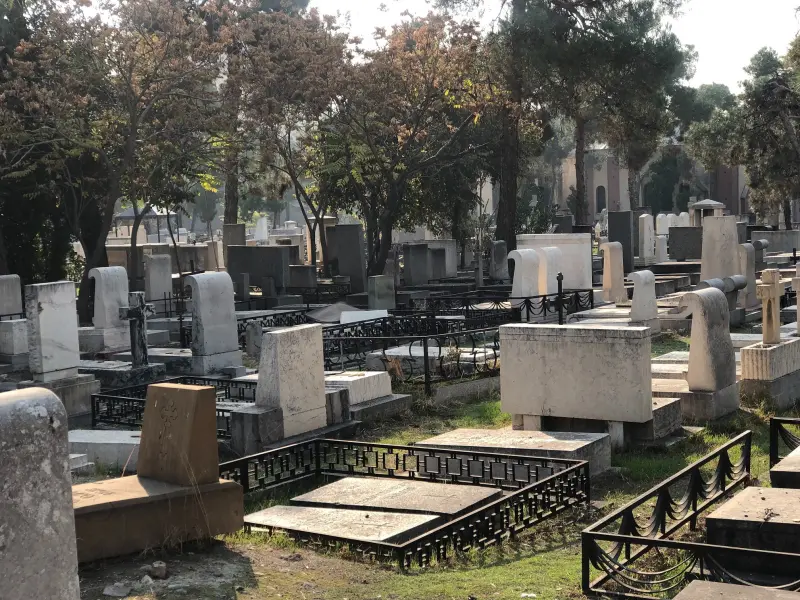
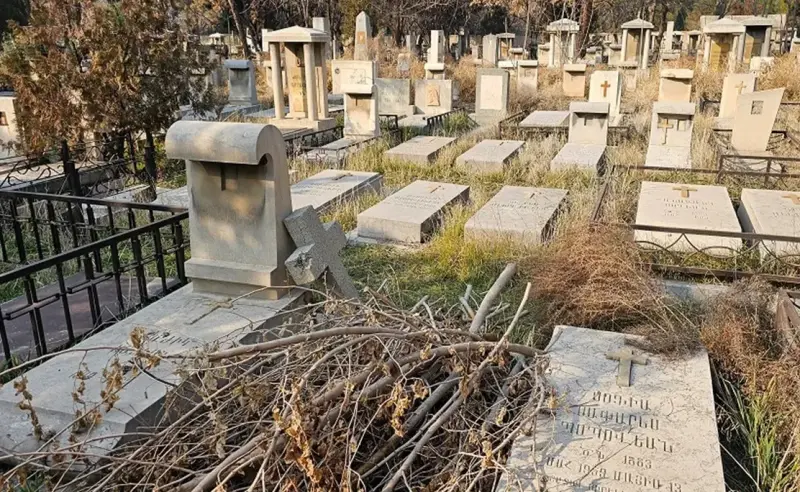
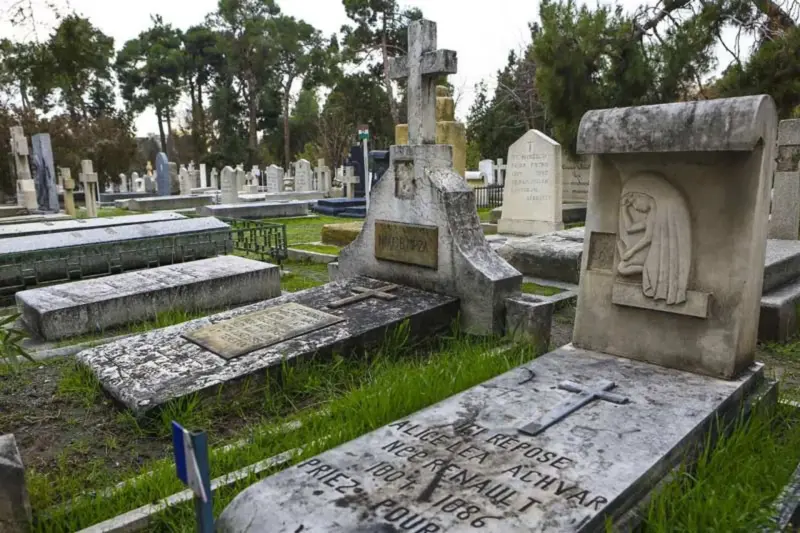
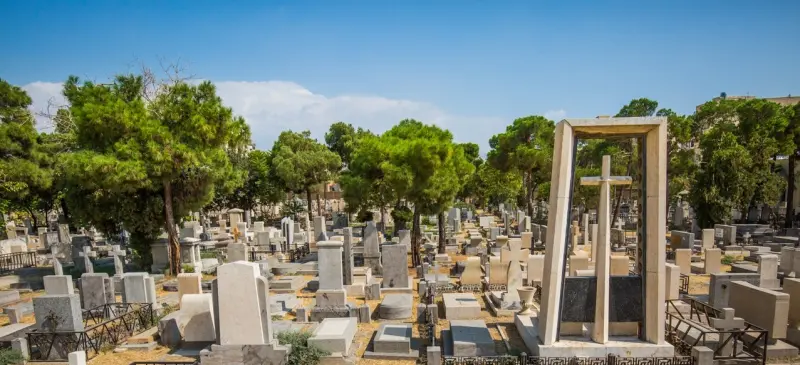
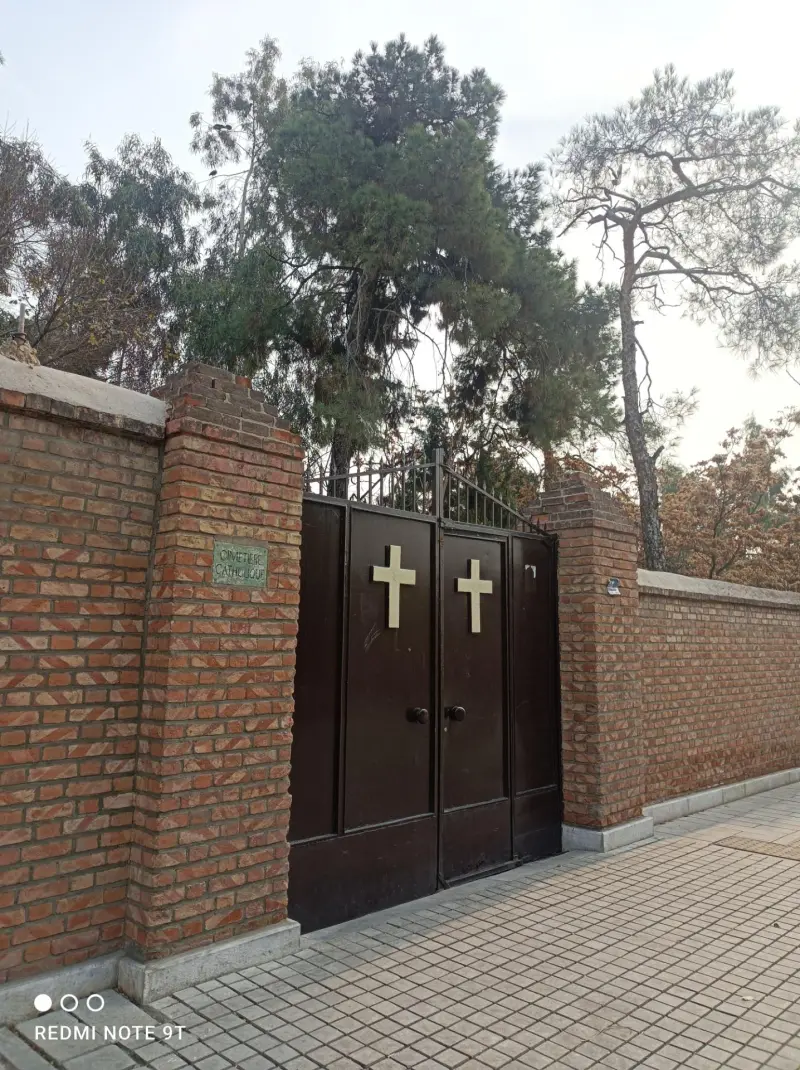
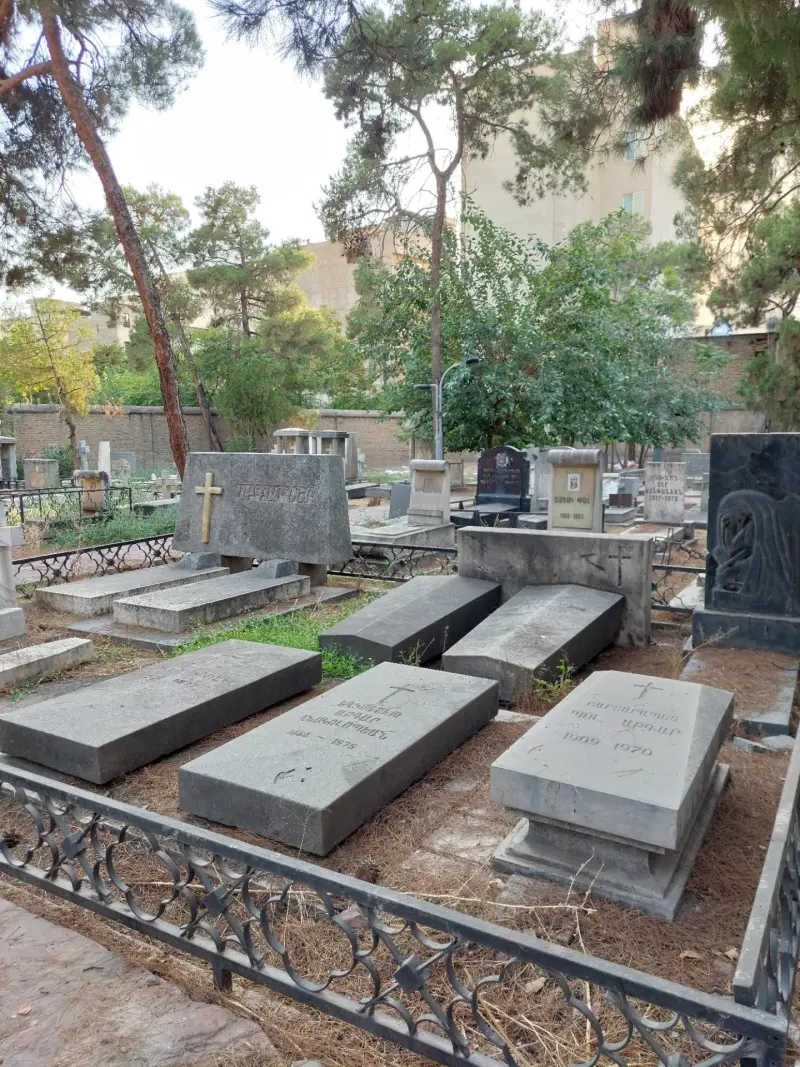
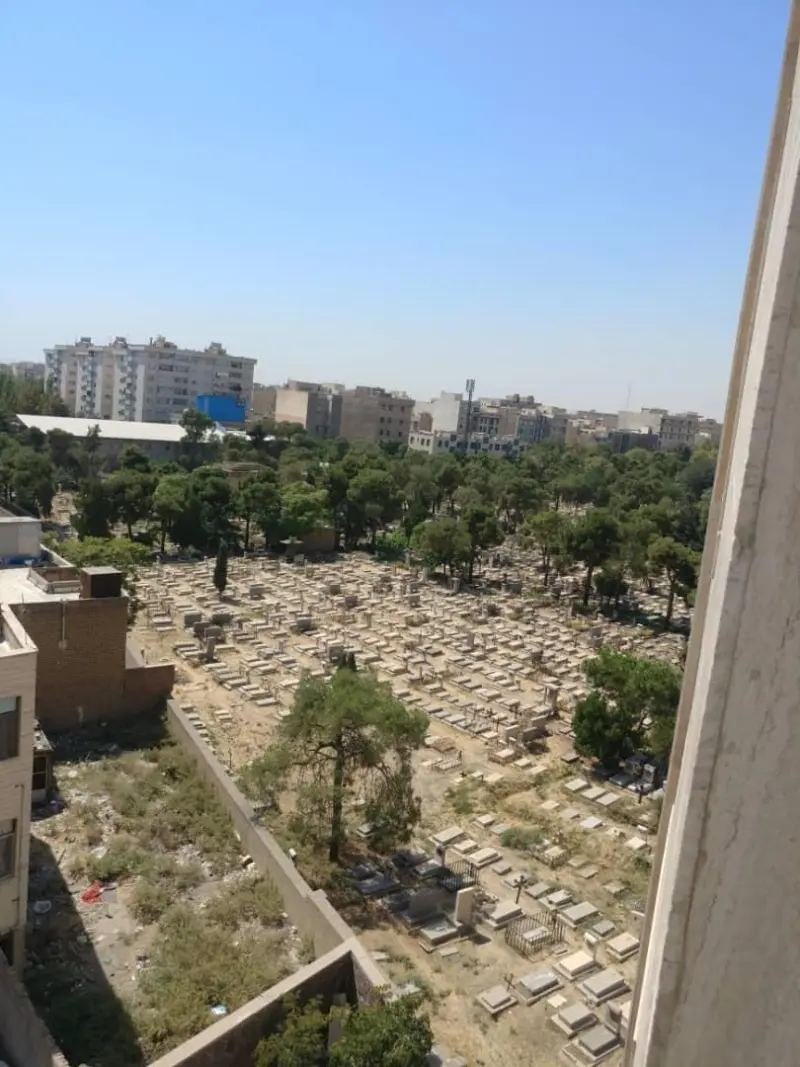
Dolab Cemetery, also known as the Dolab Graveyard, is one of the historic Christian cemeteries in eastern Tehran. Covering more than 18.5 hectares (about 75,000 square meters), it belongs to the Armenian, Catholic, Orthodox, Assyrian and Polish communities. These lands were once farmland belonging to the old village of Dolab, but they are now surrounded by a residential neighborhood, and the cemetery has special historical and cultural importance.
The history of Dolab Cemetery goes back to 1853. The first recorded burial was that of Dr. Louis André Ernest Cloquet, physician to Mohammad Shah and Naser al-Din Shah Qajar. In the following decades, the different sections of the cemetery were established. The Armenian section contains the oldest gravestones and the small Madur chapel, while the Polish section is the burial place of a number of refugees from World War II. The notable tomb of the "Georgian Prince" in the Orthodox section, with its white, church-like architecture, also gives the cemetery a spiritual atmosphere. The gravestones in the various sections of Dolab reflect a range of cultures and nationalities, including Orthodox Armenians, Catholic Armenians, Poles, Assyrians and other Christian minorities. In recent years, a restoration and improvement project has been carried out in cooperation with the Tehran Armenian Prelacy Council and the District 14 Municipality, including detailed surveying and the repair of paths, benches and walls.
Dolab Cemetery lies within an enclosed area. It is bordered to the west by Shahid Rezaei Tajeri Street, to the north by Mostafiz Street, to the east by residential properties, and to the south by the greenhouses of Pasdar Gomnam Street. To reach the cemetery, visitors can head from the Dolab district in eastern Tehran toward the site. A visit to this historic and spiritual place should be made with complete respect: keeping quiet, respecting the privacy of private sections, and not entering areas managed by the churches without permission are especially important. The best time to visit is spring or autumn, when the weather is mild and the light of morning or sunset gives the gravestones and the architecture of the cemetery a poetic, soothing quality.
Written by زهرا لنگری Last updated
What you can do here, and what it takes
مسیرهای آرامستان برای پیادهروی ملایم و تجربهای آرامبخش در فضای معنوی و تاریخی مناسب است.
Province Tehran
Province Tehran
Province Tehran
Province Tehran
Province Tehran
Unfortunately, no comments have been registered.