
 Historic Castle
Anuj Ancient Castle
An ancient historical gem in the heart of Hamedan
- Historic Castle
- Hamadan, Malayer
- Altitude 1,931 m
- Ability level Beginner
Ability level:
Beginner
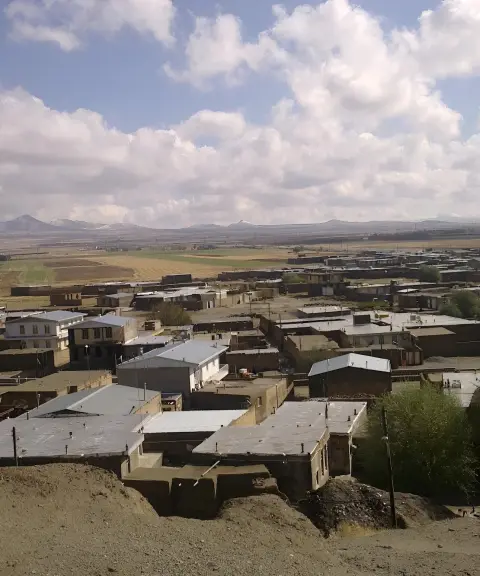
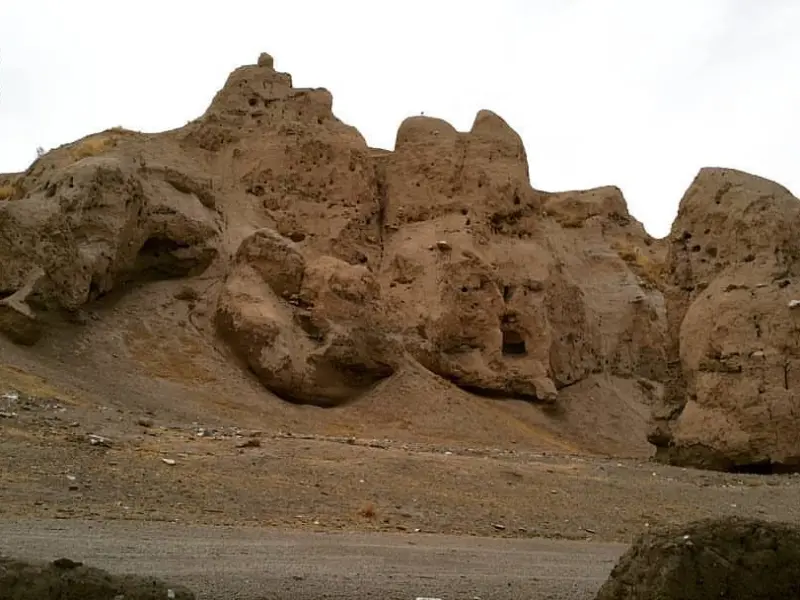
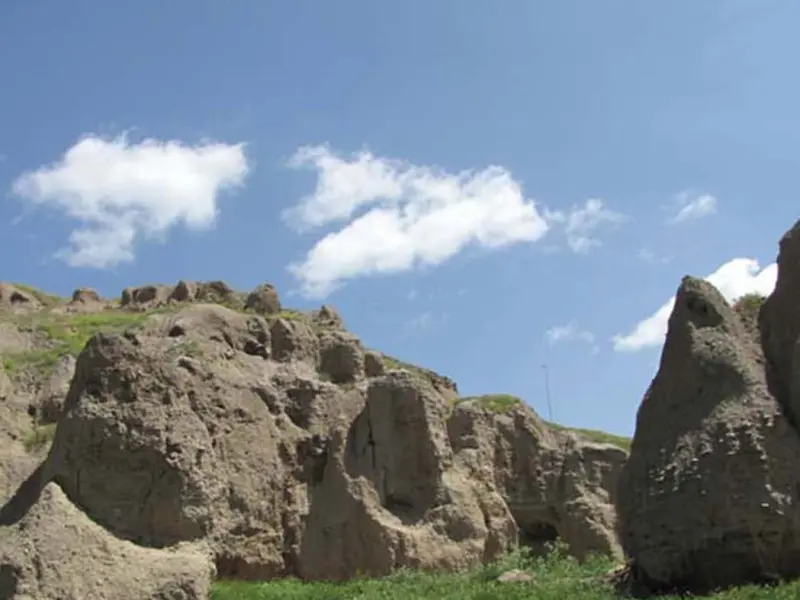
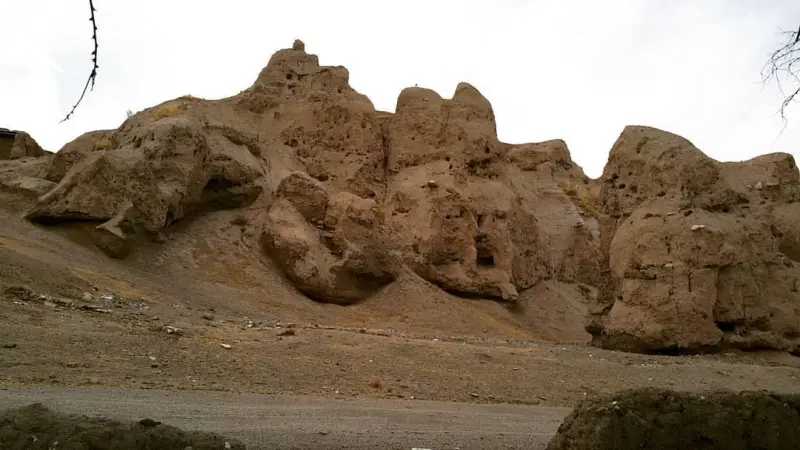
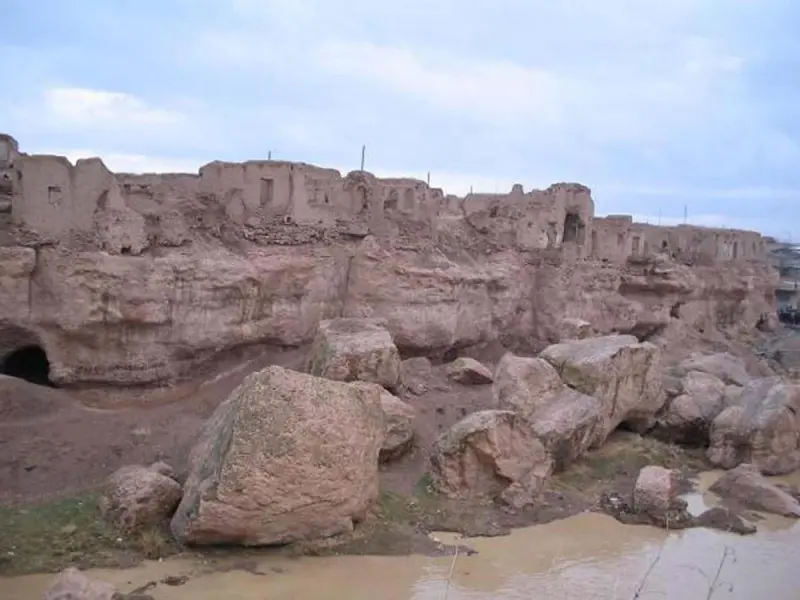
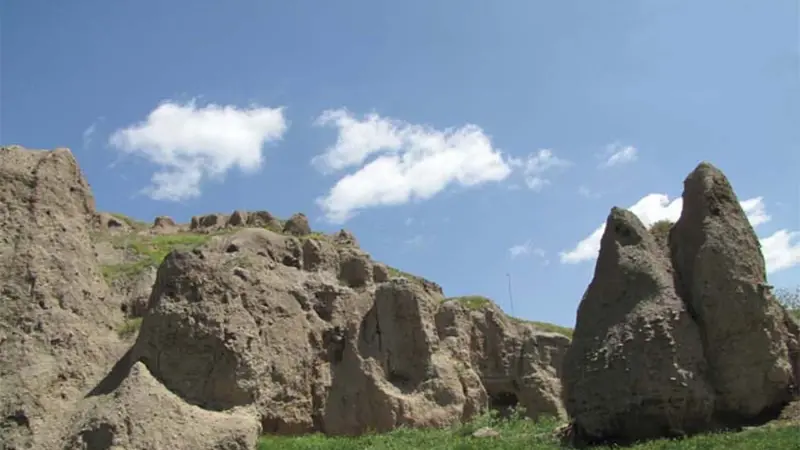
The Anuj Ancient Castle is one of the most notable archaeological sites in Hamedan Province. It lies in Sefidkuh District, Malayer County, in the village of Anuj, on top of a hill about 35 kilometres southwest of Malayer. Built of mud brick and clay, this ancient castle is a valuable relic of the early civilizations of the Iranian Plateau, and archaeologists estimate its age at around eight thousand years. Its strategic position on the hill gives it a full view of the surrounding plains and makes it resistant to potential attacks. These features suggest that Anuj Castle was once an important centre of settlement and government in the south of Hamedan.
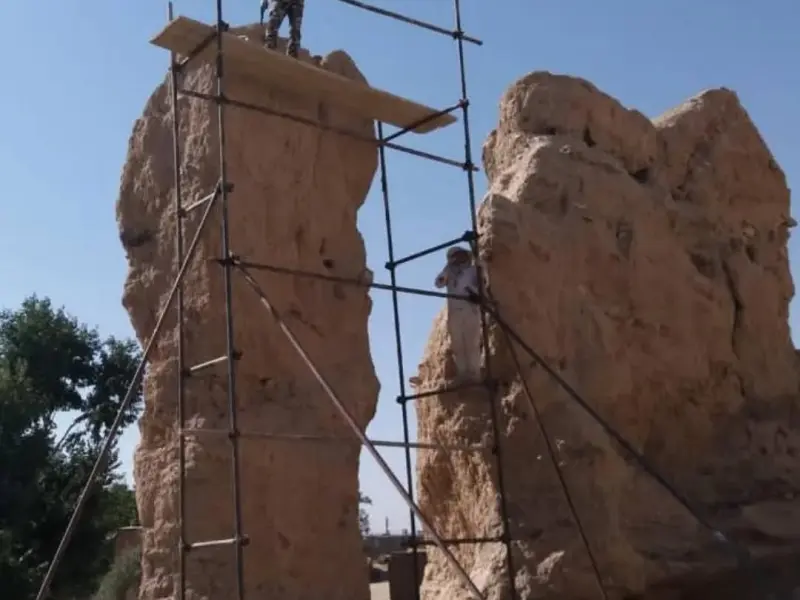
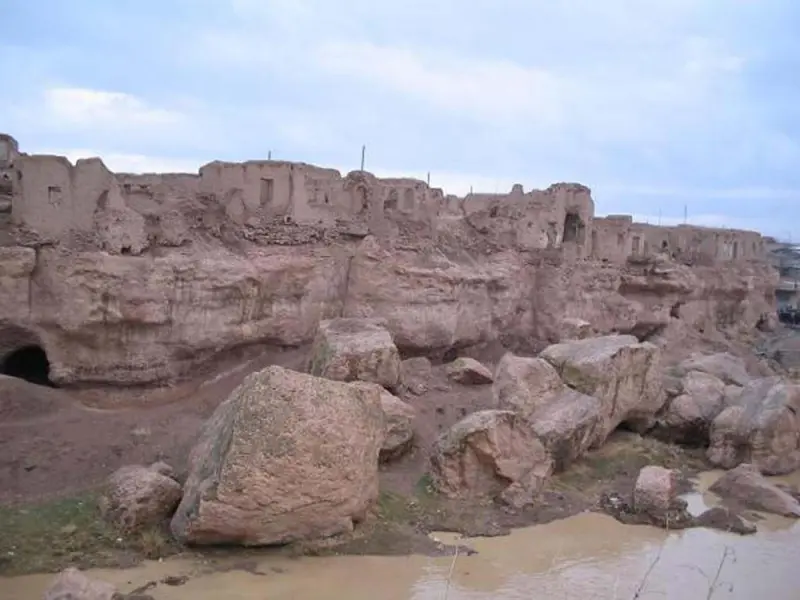
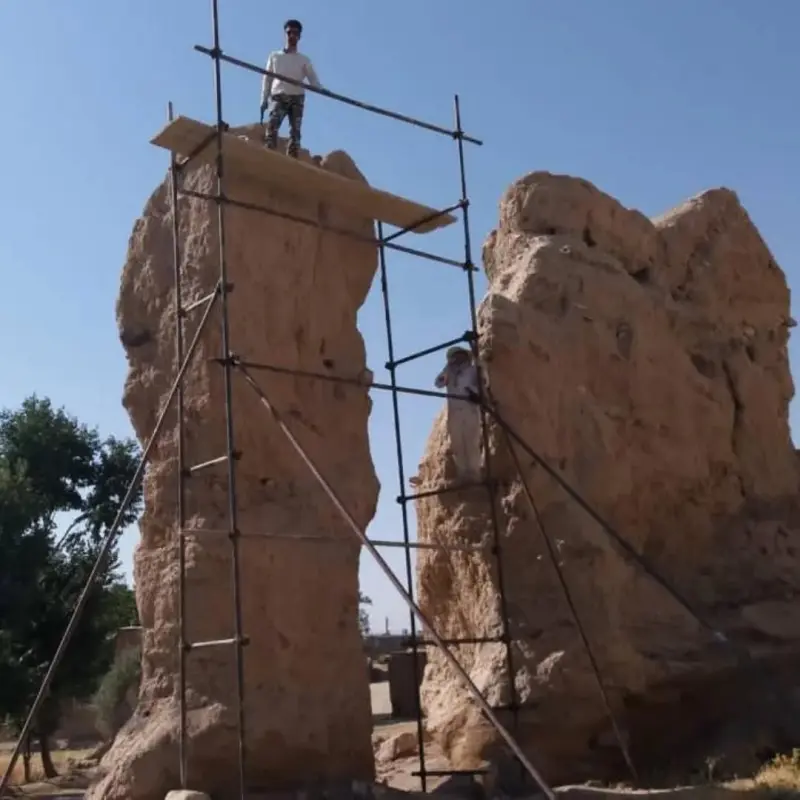
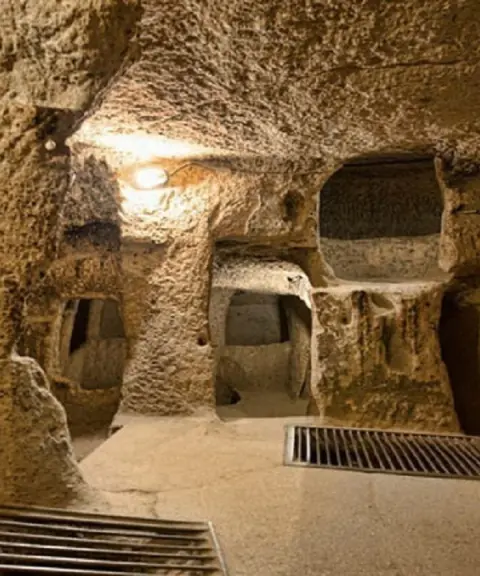
One of the most important architectural features of this ancient structure is the use of raw mud brick, clay and local materials in building the walls and interior spaces. In some places the walls are several metres thick, which reflects the castle's defensive purpose and the solidity of its construction. Around the castle, a series of hand-dug tunnels and caves has been discovered, which appear to have been used in the past as secret passages or emergency shelters. Parts of these tunnels are still visible. They probably connected the castle with surrounding areas or underground water sources, and in times of danger they gave the inhabitants a safe way out. Despite its simple structure, Anuj Castle contains very important historical layers, from prehistoric times to the Islamic centuries. The site is of special historical, cultural and archaeological importance, and every year it attracts researchers, tourists and enthusiasts of Iran's ancient history.
To visit the Anuj Ancient Castle, travel southwest from the city of Malayer and, after passing through the village of Anuj, you will reach the hill on which the castle stands. There are also rural access routes around the site that are suitable for walking and light nature tourism. The best time to visit this cultural attraction is spring and early autumn, when the weather is mild and visitors can enjoy the surrounding natural scenery as well as the historic remains. Visitors are advised to follow the principles of responsible nature tourism: do not step on fragile areas, do not damage the remains of the walls, and do not leave litter, so that this historical heritage is preserved for future generations.
Written by زهرا لنگری Last updated
Activities
What you can do here, and what it takes
-
Walking
مسیرهای پاکوب اطراف تپه و روستای انوج برای پیادهروی تفریحی مناسب است.
Specifications
Introduction of the location and specifications of Anuj Ancient Castle
Oldness:
8,000 years
Construction Period:
Early civilizations
Location:
Hamadan, Malayer, Anuj Village
Coordinates:
34.10778051, 48.57563137
Open in maps
Height above mean sea:
1931 meter
Floras:
Rangeland-Steppe
Faunas:
Presence of Allergenic Insects
Transports:
Private car, Minibus, Bus
Tourist Attractions in Malayer
Attractions that are nearby

Famasb Village
Province Hamadan
- Walking
- Mountaineering
- Paragliding
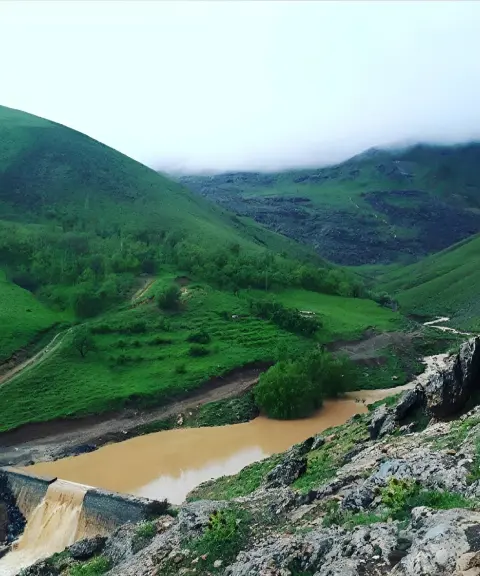
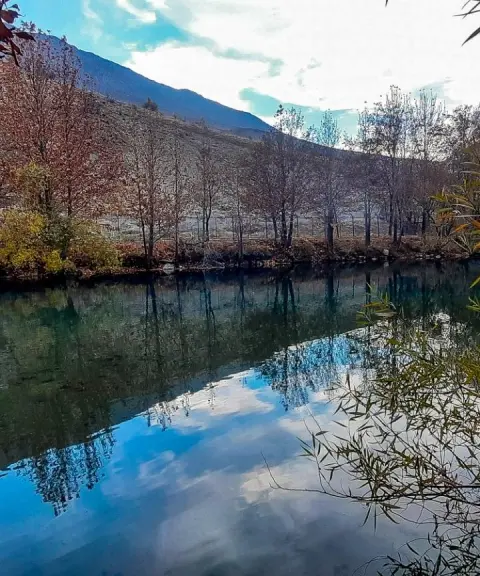
Mountain nature and ancient history on the slopes of Mount Garin

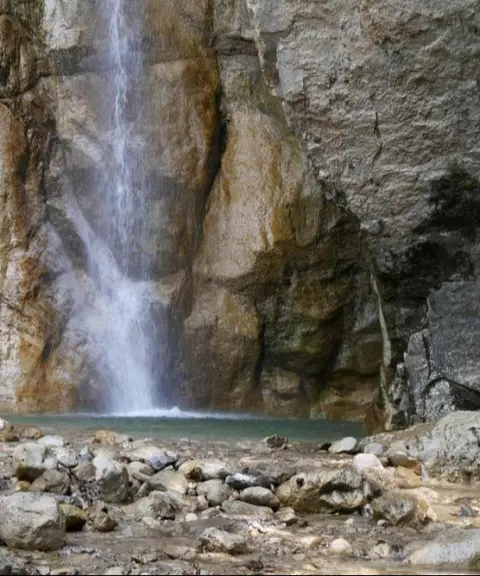

Vanaei Waterfall
Province Lorestan
- Walking
A spectacular sight of Lorestan's pristine nature in the Garin Heights
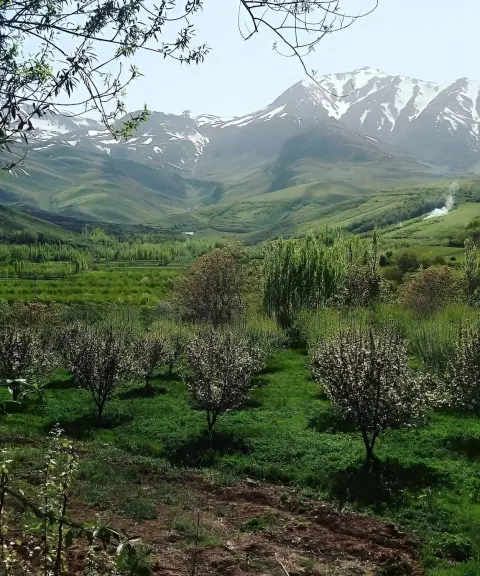
Vanaei Village
Province Lorestan
- Walking
- Mountaineering
- Mountaineering
A Hidden Paradise in the Foothills of Borujerd
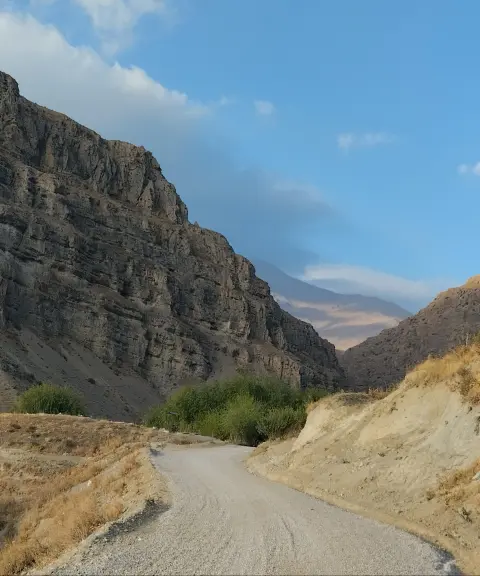

Kapargah Canyon
Province Lorestan
- Walking
- Swimming
- Cycling
- Mountaineering
A hidden green valley in Lorestan
Related tags:
Unfortunately, no comments have been registered.