
 Attractions
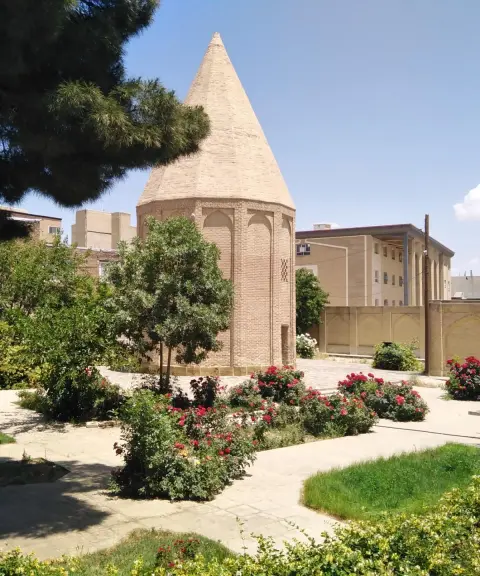
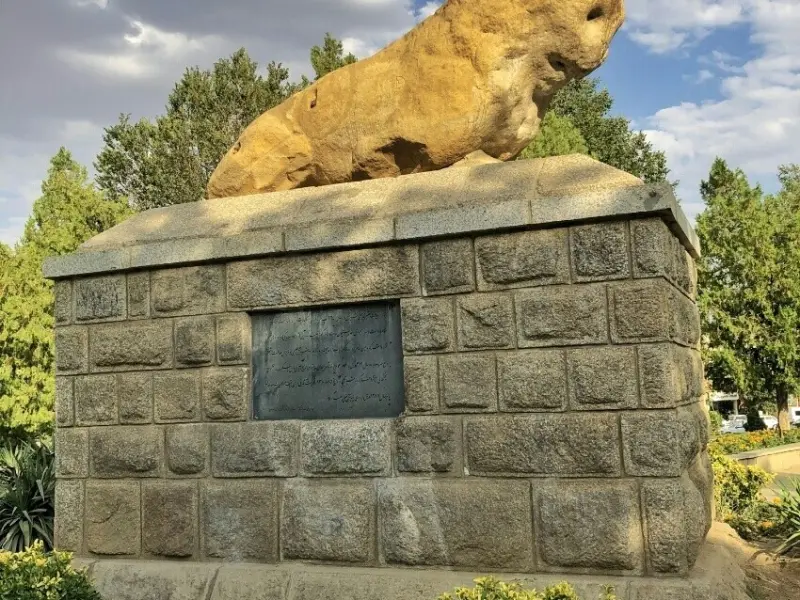
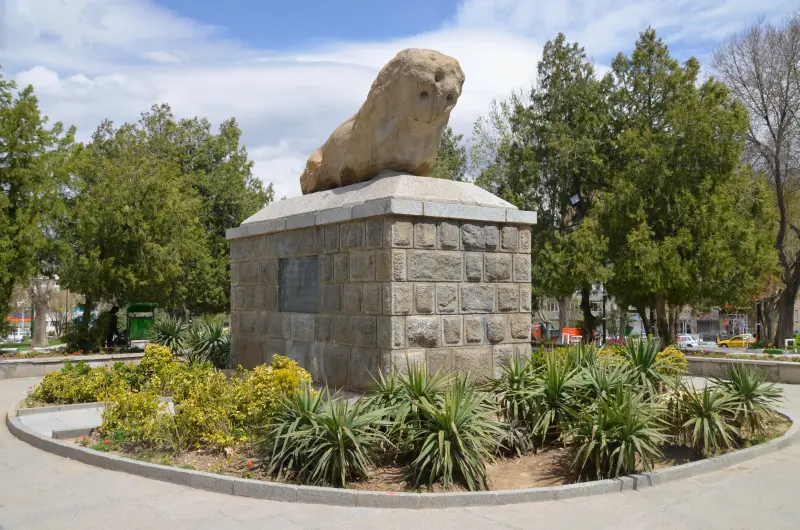
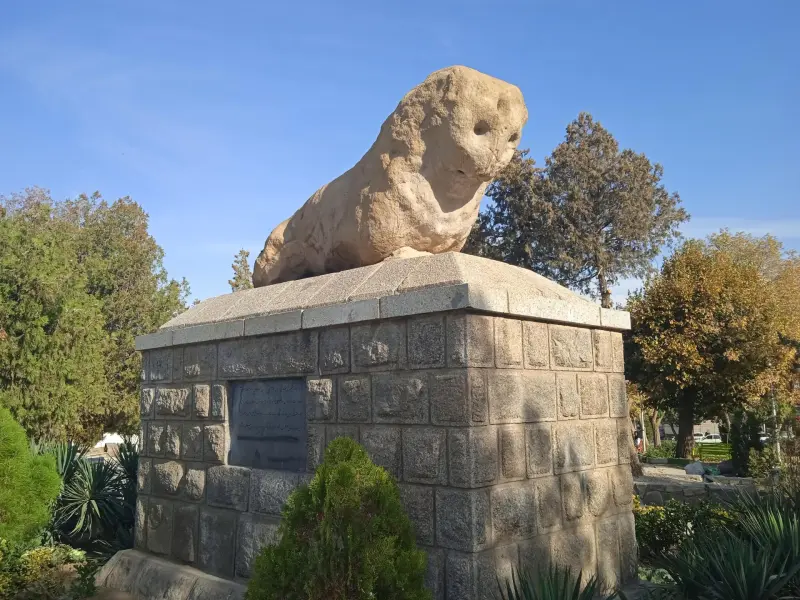
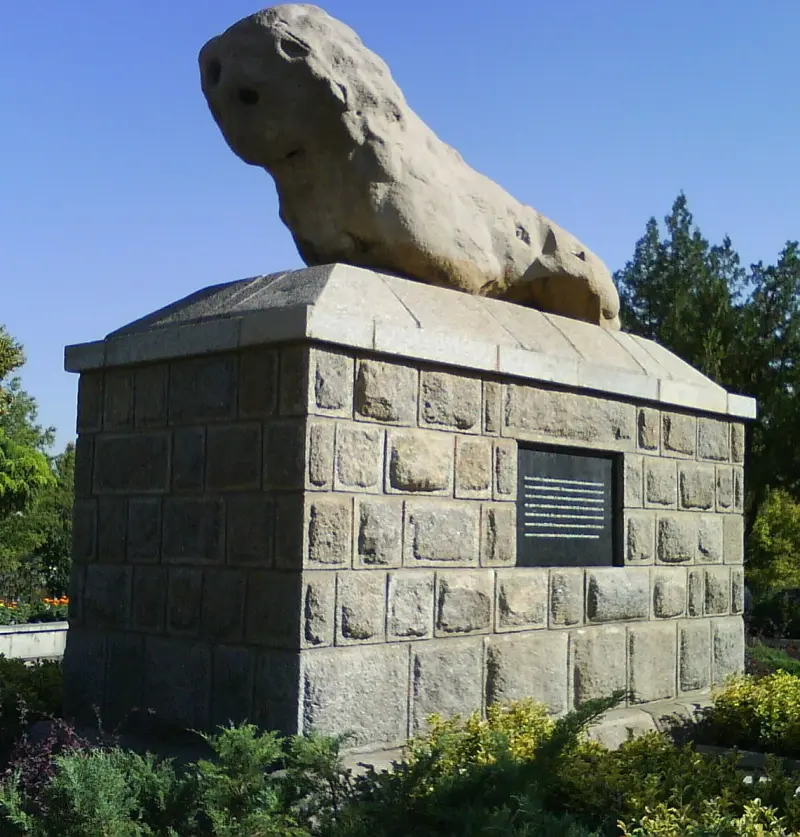
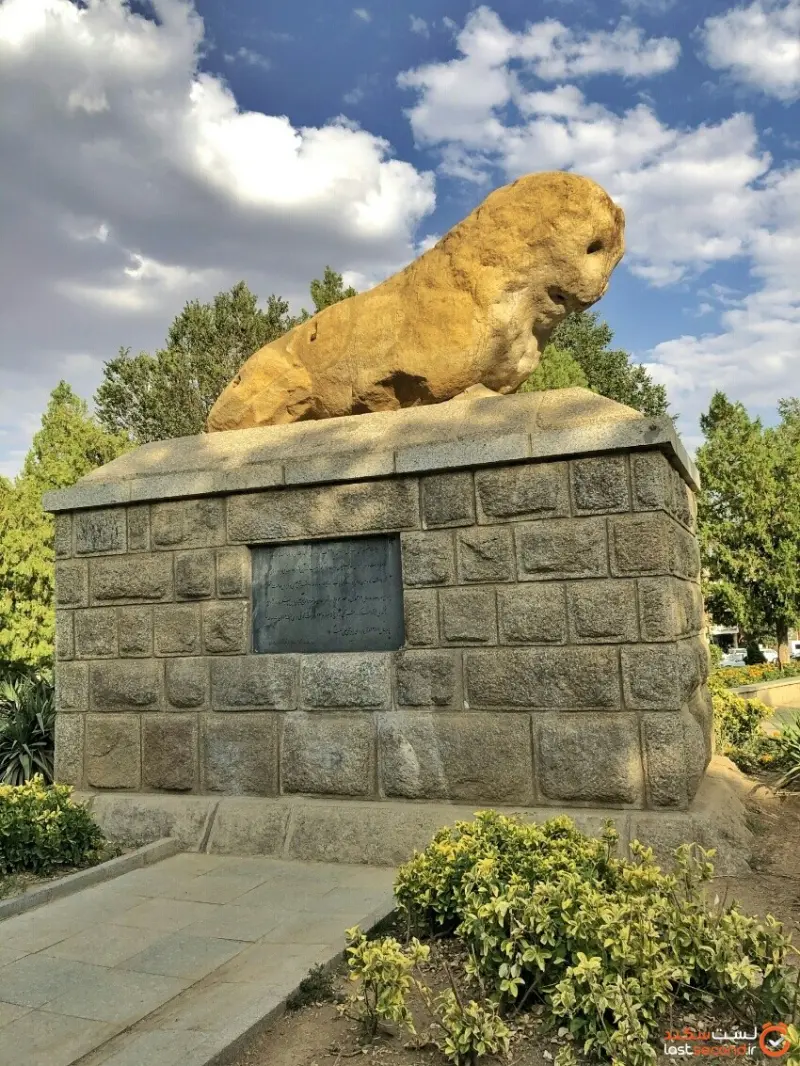
Stone Lion
The ancient guardian of the old Median city
- Attractions
- Hamadan, Hamadan
- Altitude 1,874 m
- Ability level Beginner
Ability level:
Beginner
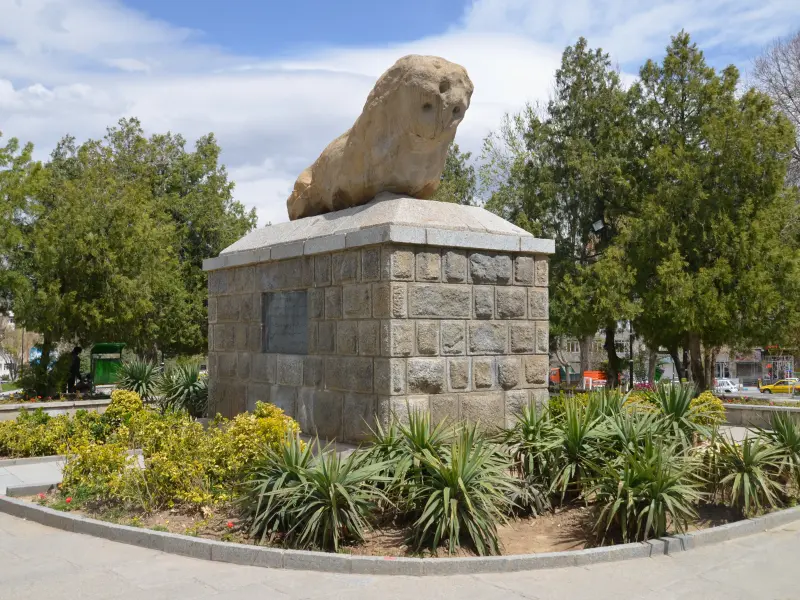
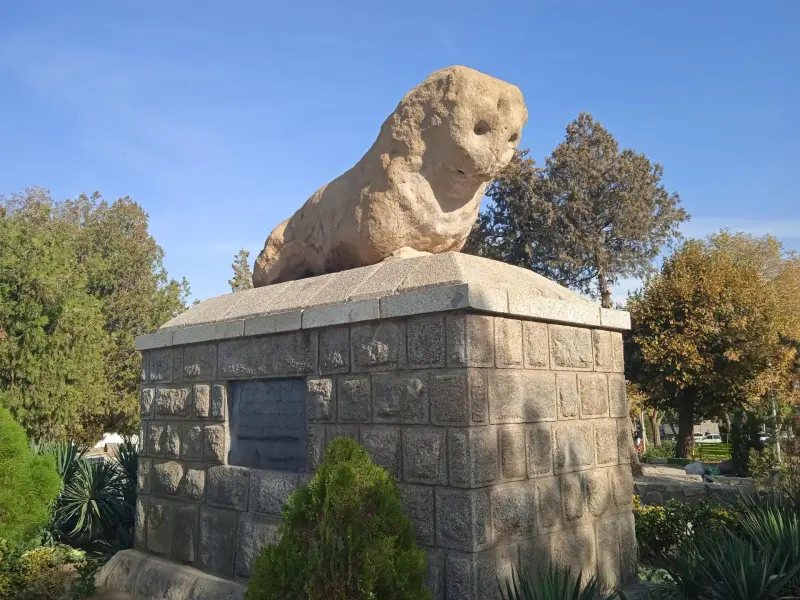
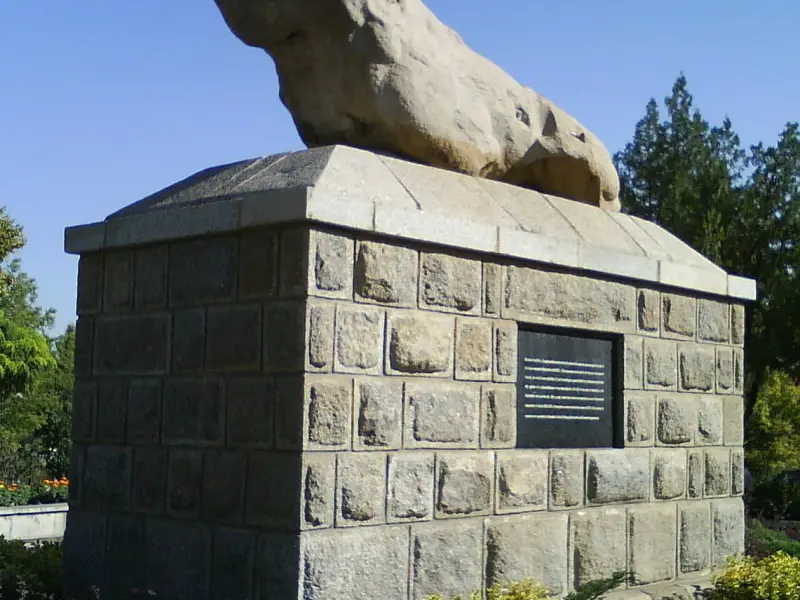
The Stone Lion of Hamadan (Sang-e Shir) is one of the oldest historical symbols of the city of Hamadan. It stands at the end of the 12-meter Sang-e Shir Street, in the middle of a square of the same name. This valuable historical monument was registered on 15 Dey 1310 as number 93 on the List of Iran's National Heritage, and it is regarded as an ancient monument from the Median and Achaemenid eras. The Stone Lion is carved from a single block of stone and is one of the few surviving works of antiquity in Hamadan. It sits naturally within today's urban setting and gives the city a distinctive character.
The hill on which the statue stands is an ancient mound. A sarcophagus from the Parthian period was found there and is now kept in the Hegmataneh Hill Museum. In the past, two lion statues stood side by side at the entrance to Hamadan, and for this reason the entrance was called "Bab al-Asad", or the Lion Gate. In 319 AH (lunar Hijri), when the Daylamites controlled Hamadan, the gate was destroyed. Mardavij the Daylamite tried to move one of the statues to the city of Rey but failed, and in the process he broke part of the statue. The second statue was completely destroyed, and only this stone lion remained. In the Islamic era, people regarded the Stone Lion of Hamadan as the guardian of the city and a talisman against disease. This belief gave it a special cultural and ritual standing among the people over the centuries. In 1328 (Solar Hijri), Houshang Seyhoun, the renowned architect who designed the Avicenna (Bu-Ali Sina) Mausoleum, lifted the statue off the ground and installed it in its present location.
To visit the Stone Lion of Hamadan, head to Sang-e Shir Square in the southern part of the city center. The monument stands in an urban setting with easy access, and a visit is usually part of a historical tour of Hamadan that can be combined with other historical sites, such as the Avicenna Mausoleum. The site can be visited all year round, and tourist numbers rise especially in the milder seasons thanks to the pleasant weather. When visiting, it is essential to behave with cultural and environmental responsibility, including respecting historical buildings and not damaging the monument, so that this valuable heritage can be preserved for future generations.
Written by زهرا لنگری Last updated
Activities
What you can do here, and what it takes
-
Walking
خیابانها و مسیرهای اطراف میدان سنگ شیر مناسب برای پیادهروی سبک در شهر و آشنایی با بافت تاریخی همدان است.
Specifications
Introduction of the location and specifications of Stone Lion
Location:
Hamadan, Hamadan
Coordinates:
34.78606949, 48.52416516
Open in maps
Height above mean sea:
1874 meter
Transports:
Private car, Minibus, Bus
Tourist Attractions in Hamadan
Attractions that are nearby
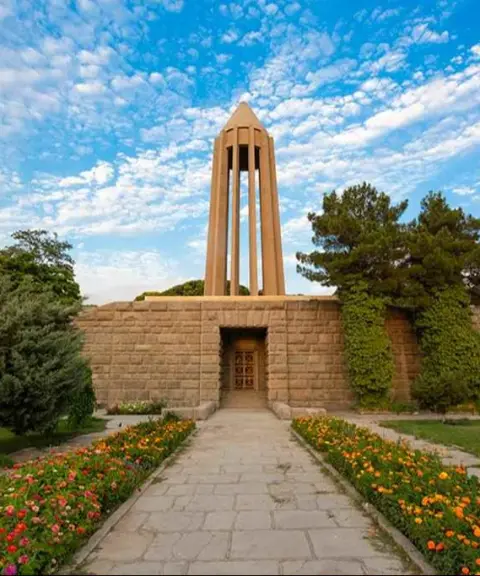
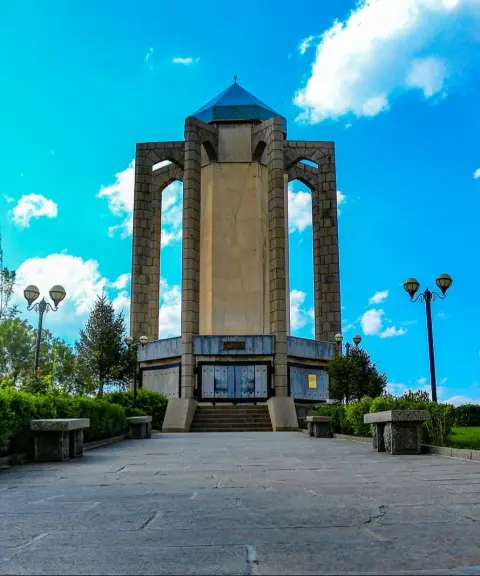
Avicenna Mausoleum (Tomb of Bu-Ali Sina)
Province Hamadan
- Walking
A memorial to the great Iranian sage in the heart of Hamedan

Moradbeyg Valley
Province Hamadan
- Walking
- Mountaineering
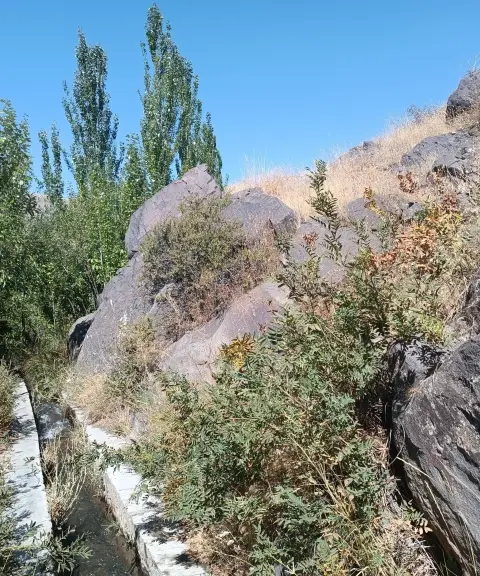
A lush, historic valley on the edge of Mount Alvand, Hamadan

Related tags:
Unfortunately, no comments have been registered.