
 Desert (Kavir)
Kerdvani Volcanic Crater
A Geomorphological Masterpiece in the Lut Desert
- Desert (Kavir)
- Kerman, Kerman
- Altitude 342 m
- Ability level Beginner
Ability level:
Beginner
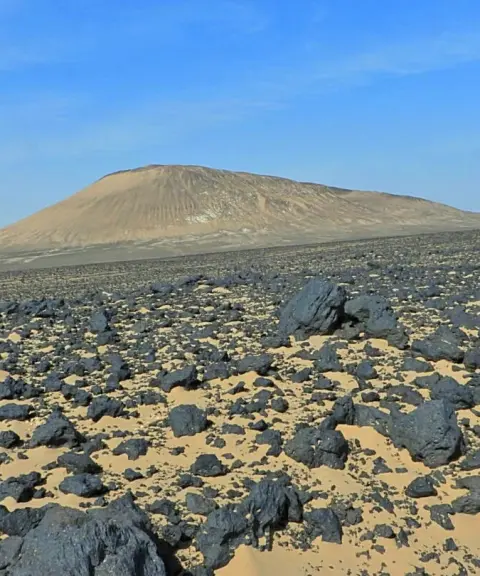
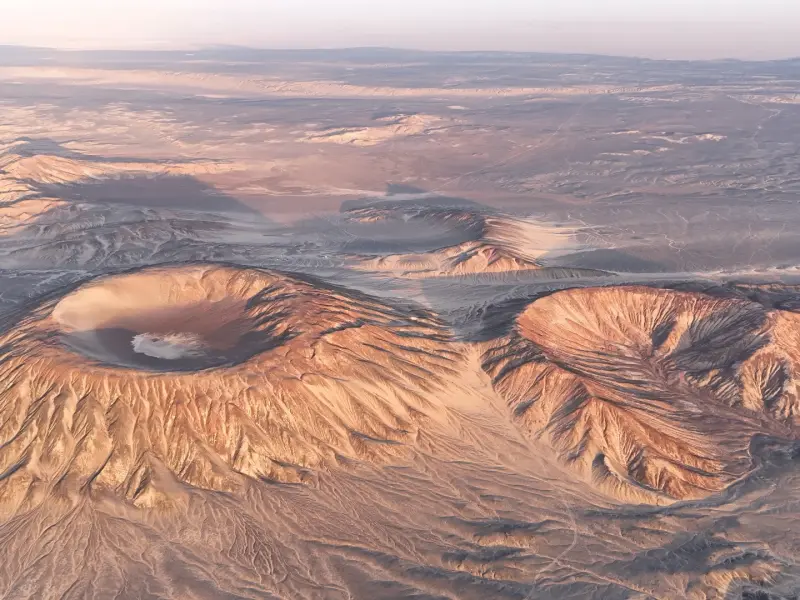
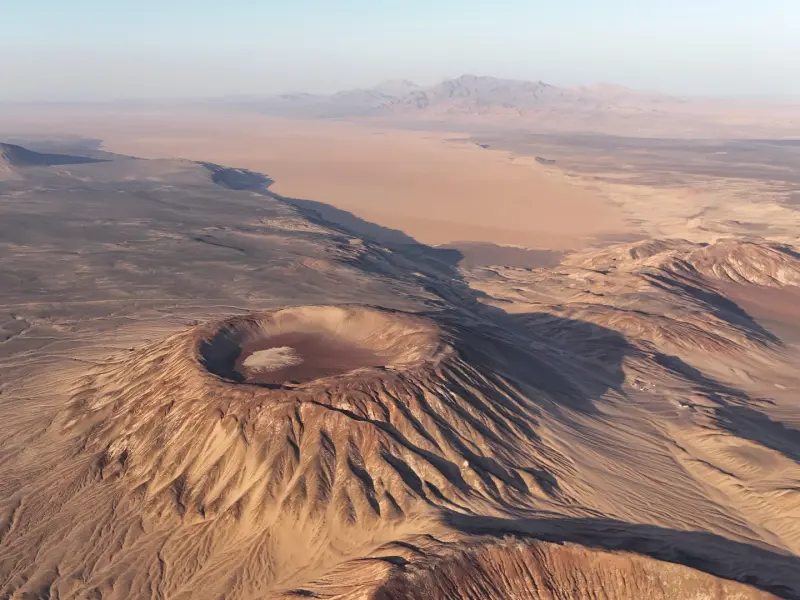
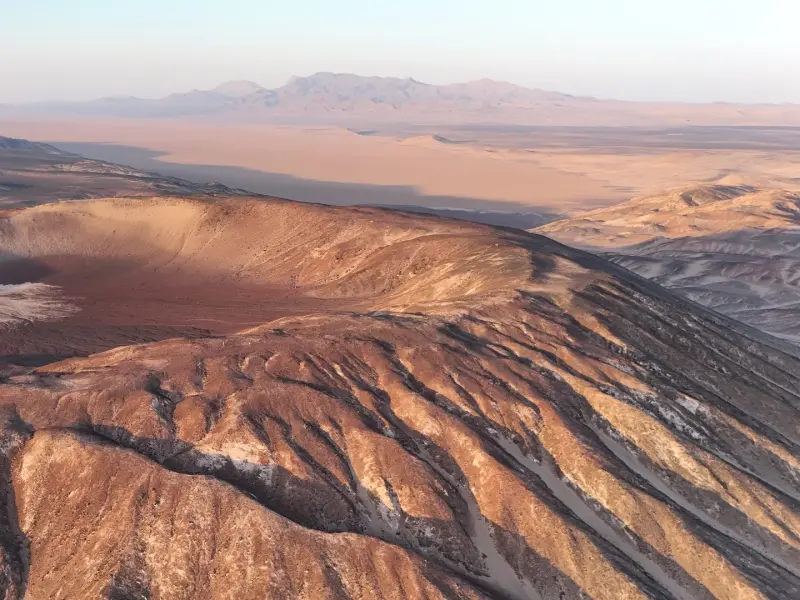
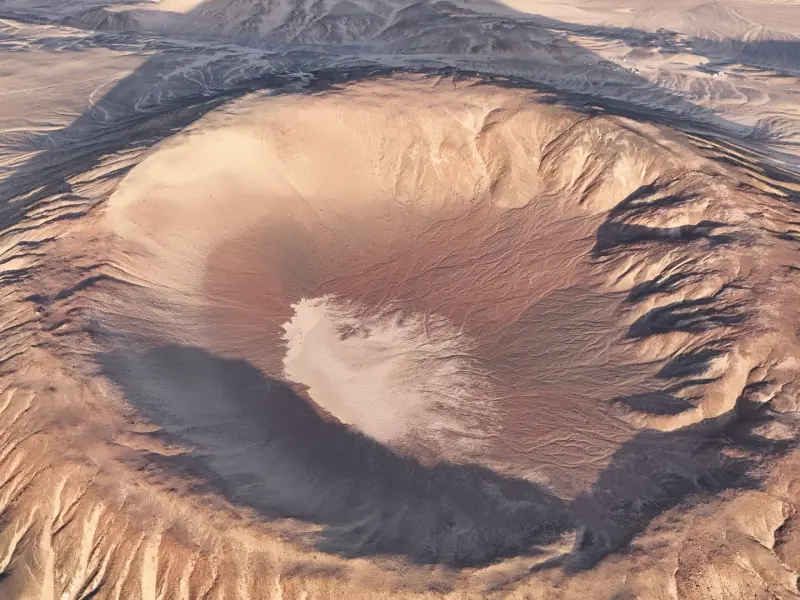
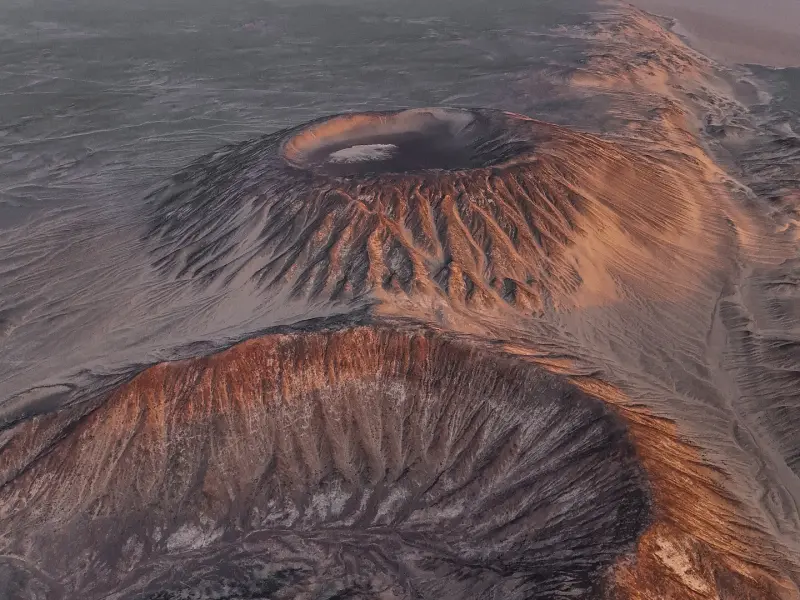
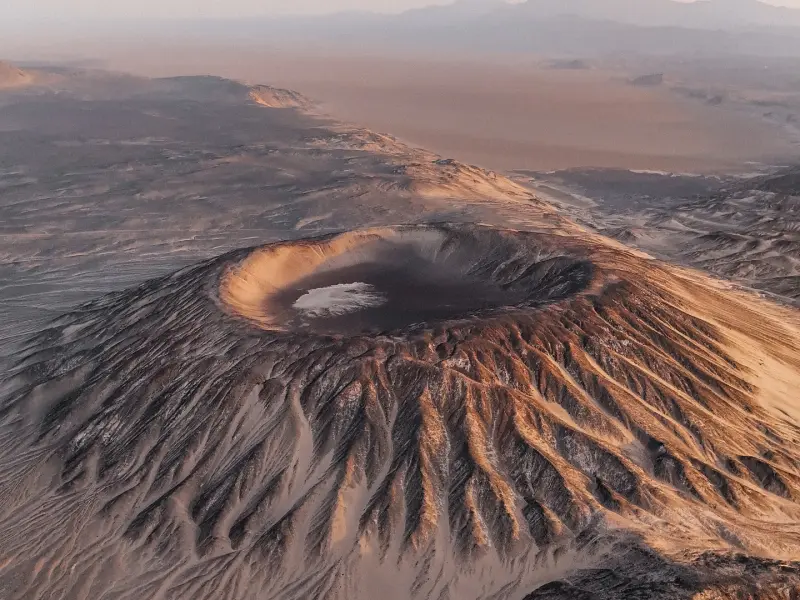
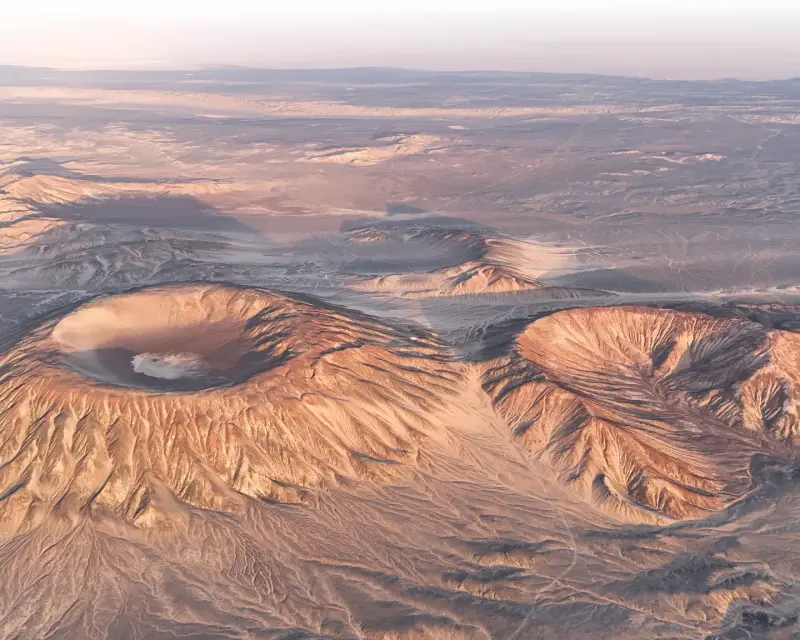
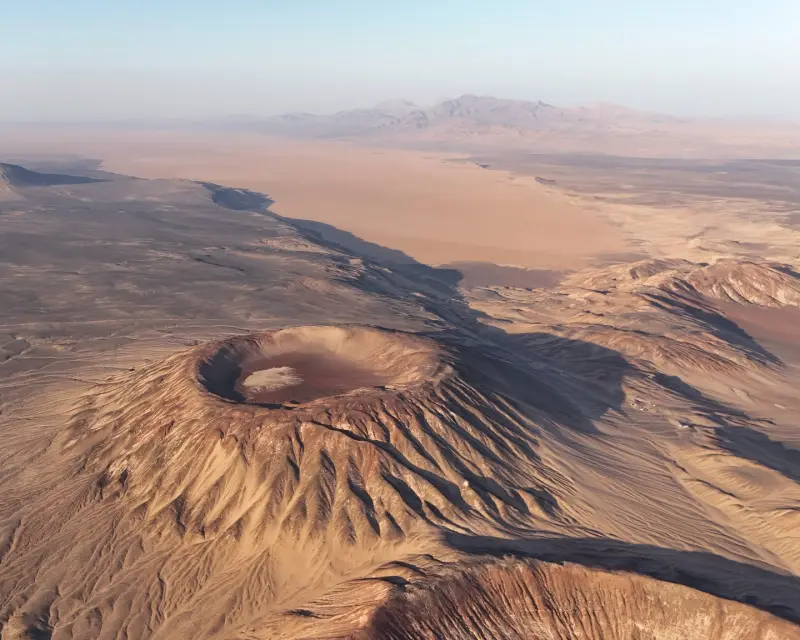
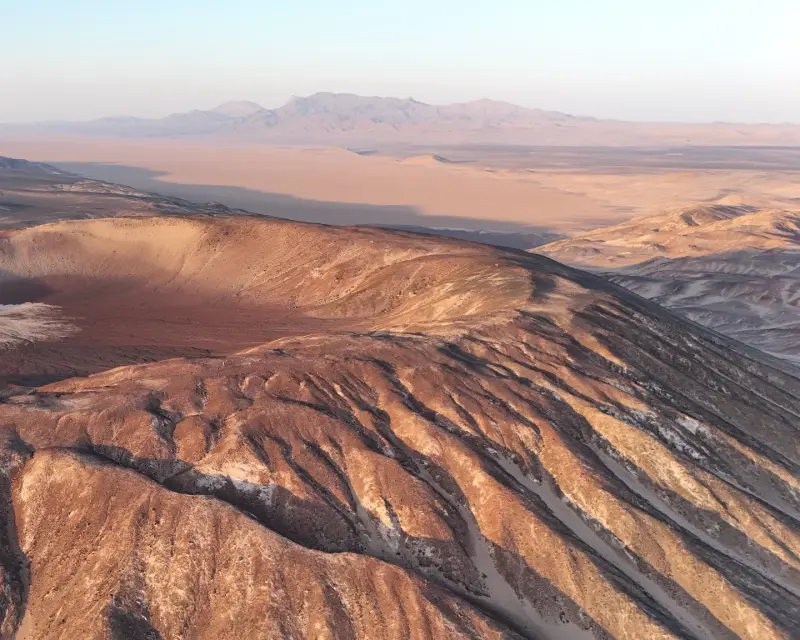
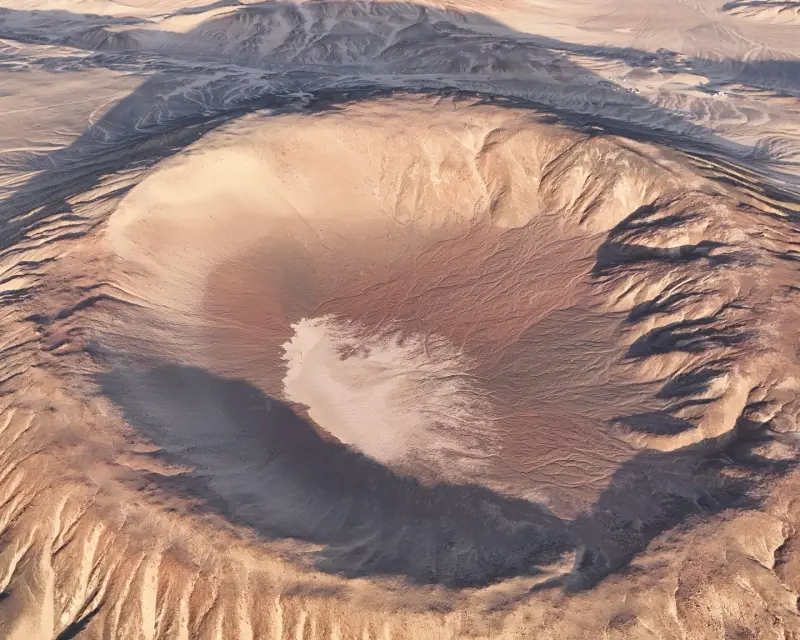
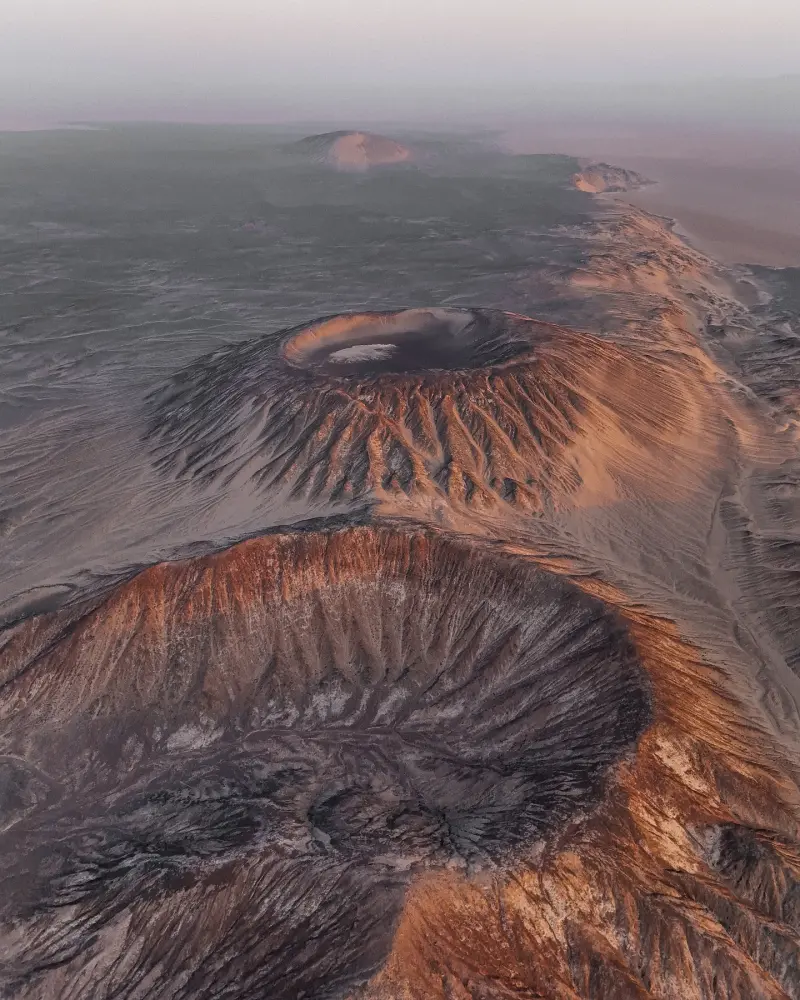
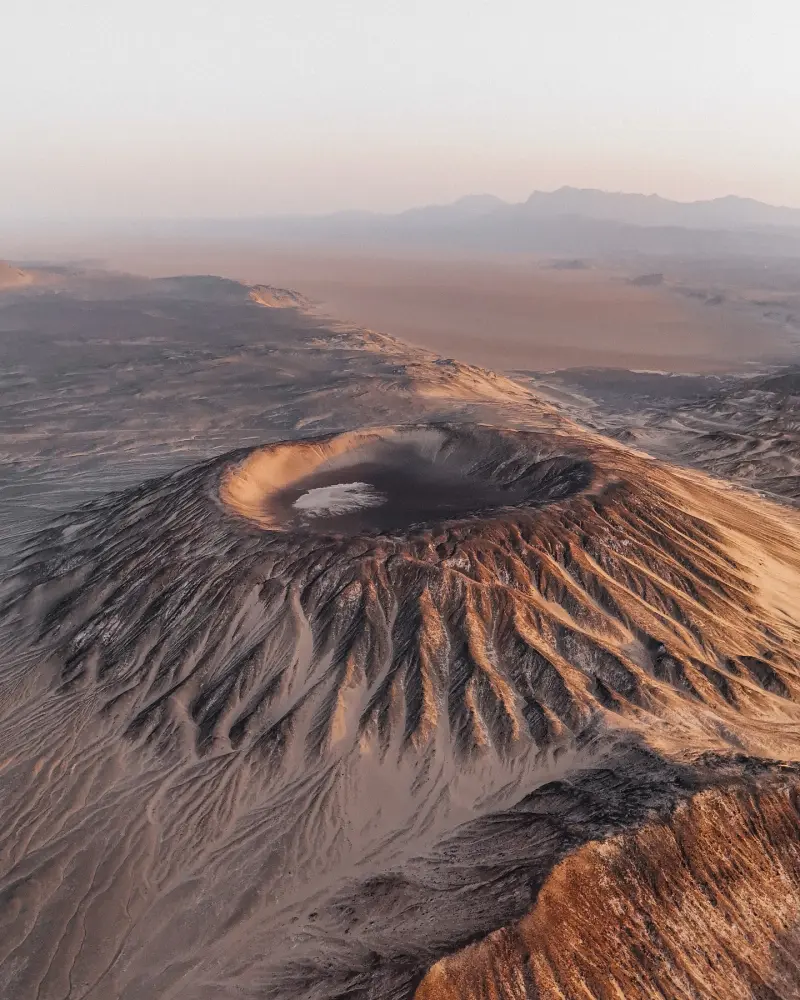
The Kerdvani volcanic crater is one of the rarest natural phenomena in the northern Lut Desert of Iran. These craters lie in the northern part of the Lut Desert in Kerman Province and were formed by volcanic activity along the Nayband Fault. This volcanic structure consists of several craters, or maars, created roughly 2 to 3 million years ago by the pressure of internal gases and explosive eruptions. Today it is regarded as one of the most unique natural and tectonic attractions in southeastern Iran. The name "Kerdvani" was given in recognition of the efforts and scientific contribution of Dr. Hossein Kardavani in studying the Lut Desert and the geology of this region.
The Kerdvani craters lie alongside other volcanic structures in the area, such as the Mahmoudi craters. Given their shape and the composition of the surrounding igneous rocks, a visit can be a unique experience for geology tourists, nature photographers and lovers of desert landscapes. Vegetation around the craters is very sparse and the dry climate of the Lut Desert prevails, but desert wildlife such as lizards, goitered gazelles (jebeer) and migratory birds can be seen near the seasonal rivers. The desert routes have no marked road, and travelling on foot without experience and suitable equipment is not recommended. The average elevation of the crater is about 510 meters above sea level, and its height difference from the surroundings is between 10 and 25 meters. Cracked soils, wind-blown deposits and flat eroded surfaces are characteristic features of the topography here.
Because the Kerdvani volcanic craters lie deep within the Lut Desert, reaching them requires off-road equipment, an experienced guide and careful planning. The usual routes pass along desert tracks from Ravar or Shahdad, then continue on a dirt track toward the area; this is not recommended without a local guide. The best time to visit is from autumn to winter, when the extreme heat of summer subsides and conditions are suitable for walking and photography. It is also essential to follow responsible nature tourism principles, such as staying on designated routes, taking your personal waste with you and respecting the desert environment.
Written by زهرا لنگری Last updated
Activities
What you can do here, and what it takes
-
Walking
مسیرهای بیابانی اطراف دهانهها مناسب برای پیادهروی و مشاهده چشماندازهای ژئومورفولوژیک است.
Specifications
Introduction of the location and specifications of Kerdvani Volcanic Crater
Location:
Kerman, Kerman
Coordinates:
30.79412455, 57.78193031
Open in maps
Height above mean sea:
342 meter
Floras:
Deserts and Dry Shrublands
Faunas:
Presence of Predatory Animals, Presence of Allergenic Insects
Transports:
Private car, Walking
Tourist Attractions in Kerman
Attractions that are nearby


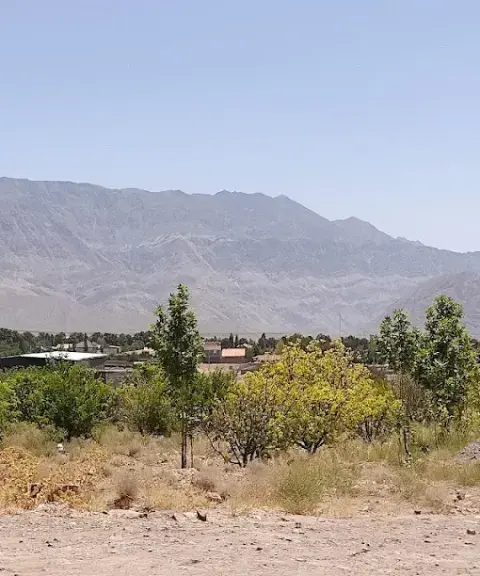

Deh Lulu Village
Province Kerman
- Walking
- Mountaineering
Mountain scenery and clear springs in northern Kerman
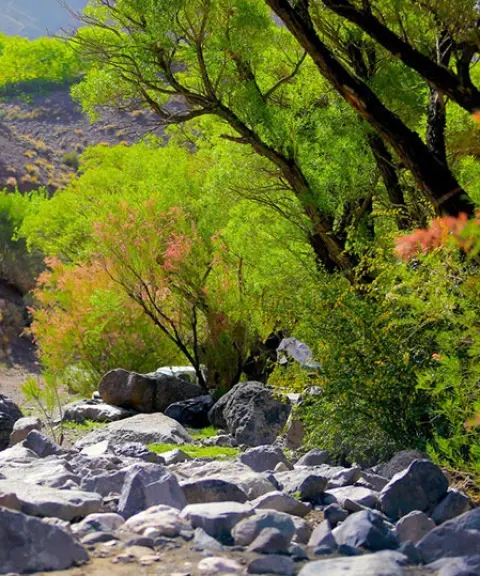
Shangestan Valley
Province Kerman
- Walking
- Mountaineering
Stunning greenery in the Kuhpayeh foothills of Kerman

Related tags:
Unfortunately, no comments have been registered.