
 Mountain
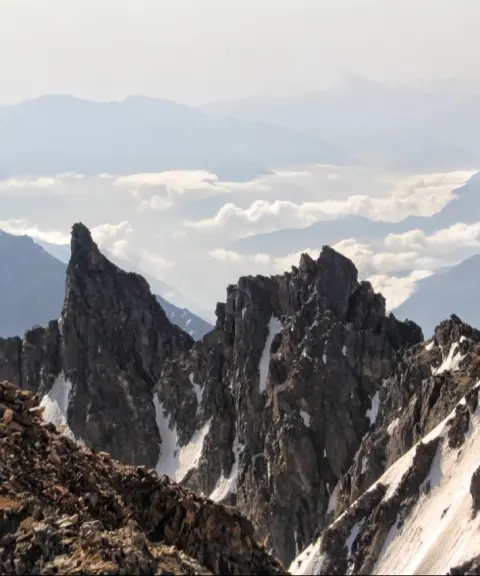
Shakhak Peak
Province Mazandaran
- Mountaineering
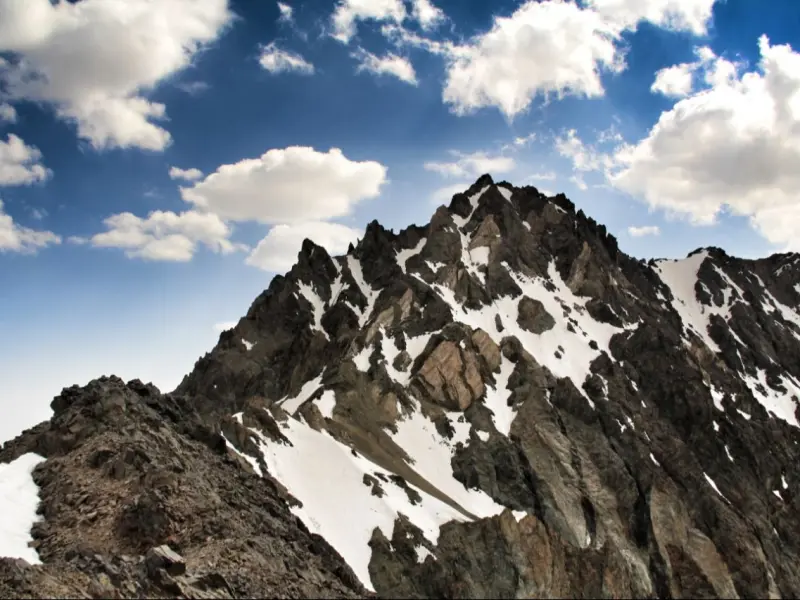
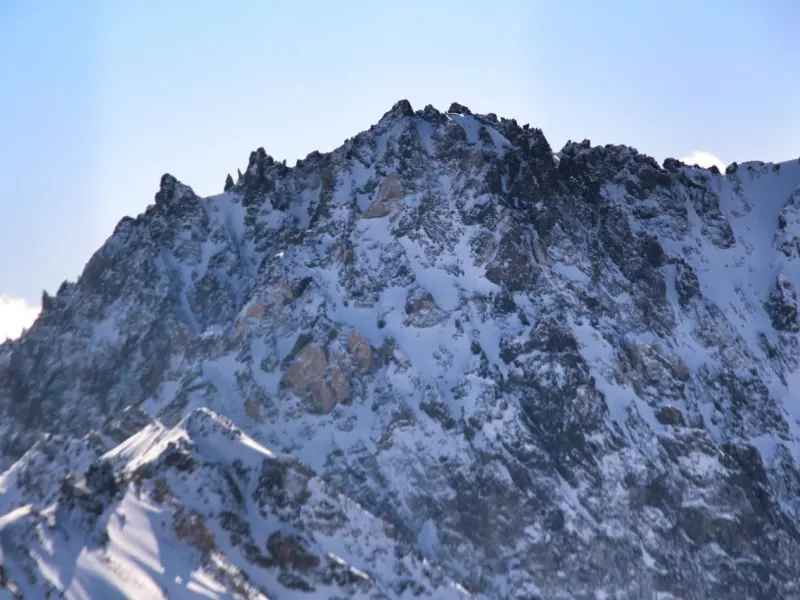
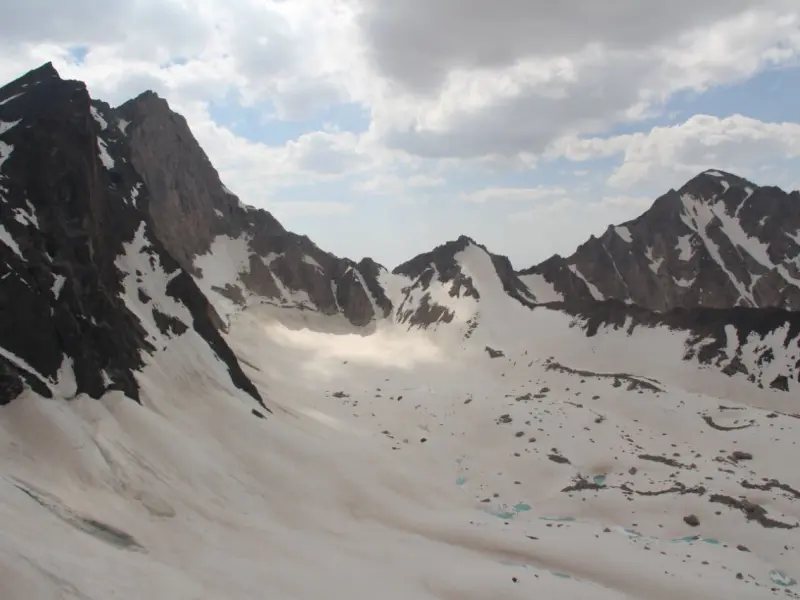
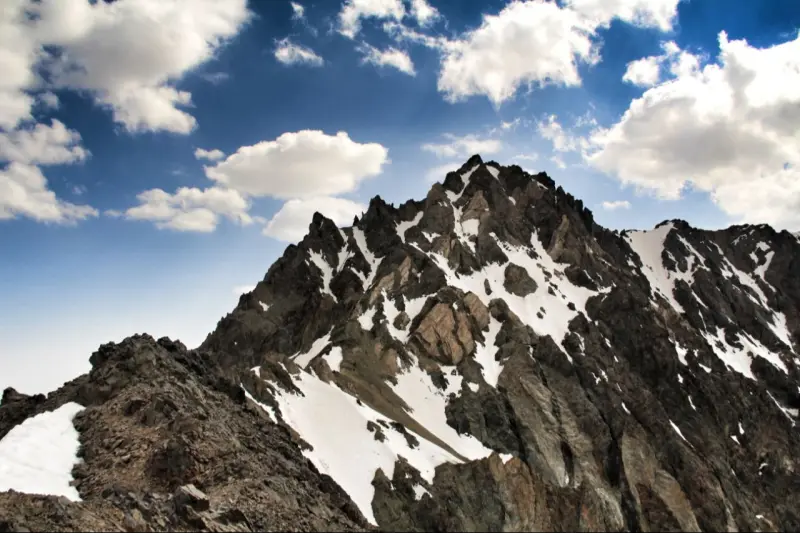
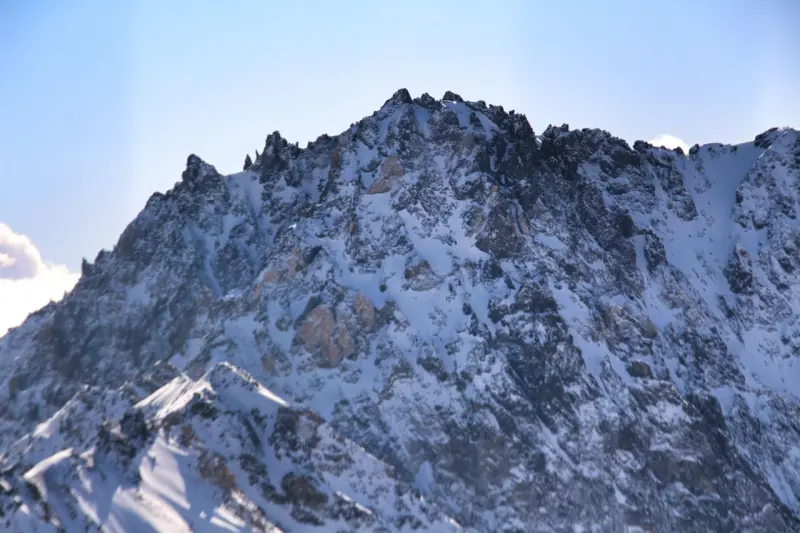
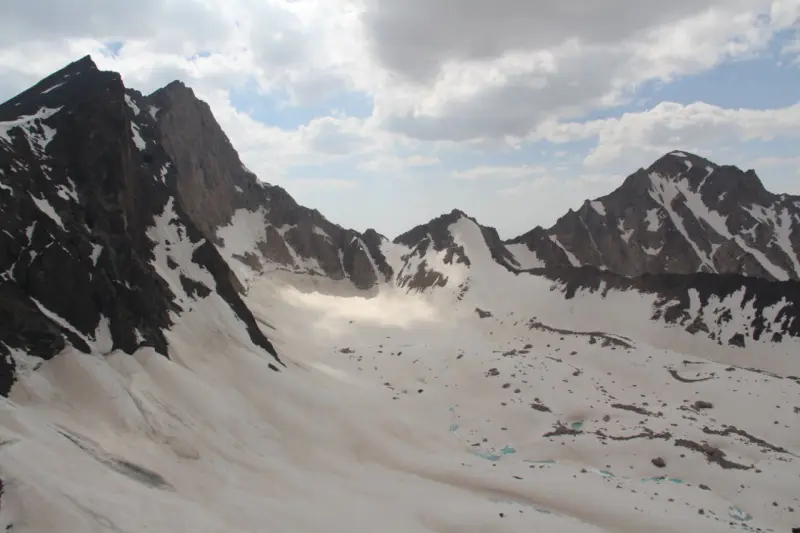
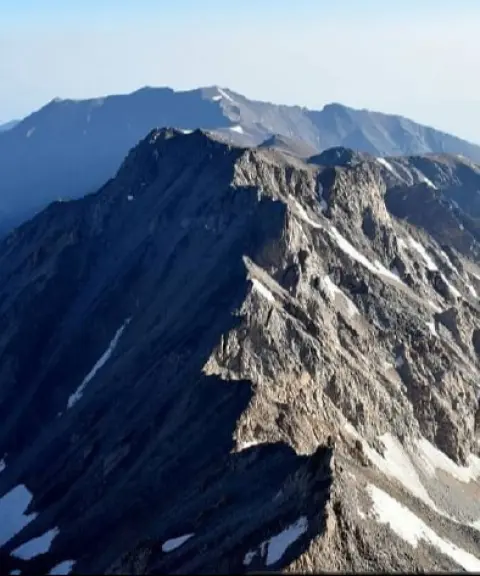
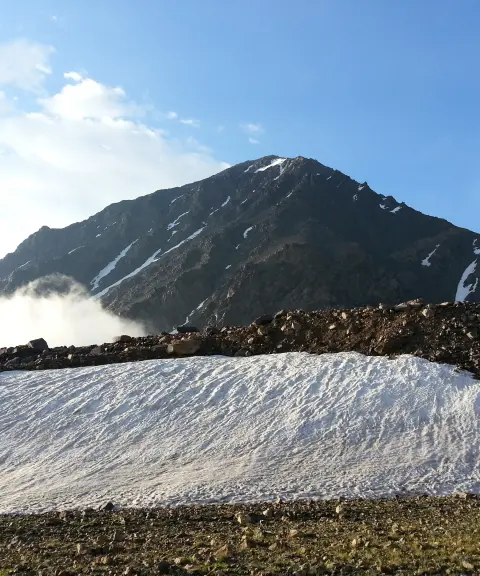
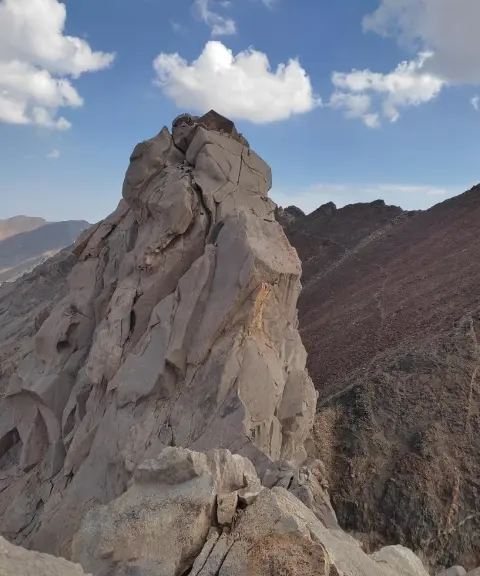
Siah Sang Peak (Siahsang) is one of the most distinctive rocky summits in the Kelardasht area of Mazandaran Province. It takes its name ("Black Rock") from its craggy structure and the dark colour of its stone. Rising to about 4,611 metres in the Central Alborz, the peak offers open mountain views that attract climbers and nature lovers. The silence of the area and its distance from crowded routes are among Siah Sang's most notable features.
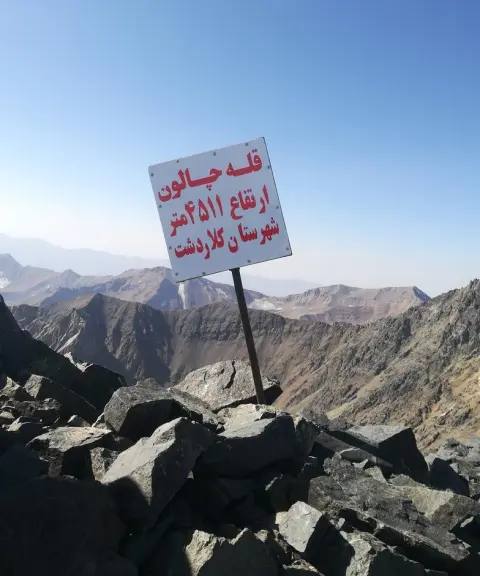
The route usually chosen as the main ascent runs as follows: Kelardasht, Vandarban, Keshti Sang, Konglaks, Sarchal, Alam Chal, the Siah Sang ridge (Gerdeh), and then the summit. Because the route is rocky and crosses hard stone, it involves serious scrambling, and it is not unusual to need an ice axe and crampons even in summer. At four steep sections of Siah Sang, steel cable (wire rope) has been fixed to improve safety during both ascent and descent. The summit can also be reached by another route, which is very little used but saves a great deal of time. From the starting point it takes 3 hours to reach the Siah Sang saddle and climb the summit. First you have to take a Land Rover to Tang-e Gali. Then you climb the last valley before Tang-e Gali, called Chalon Valley. This route also shares Siah Sang's character, with a struggle against rock and crags to reach the saddle and climb the summit.
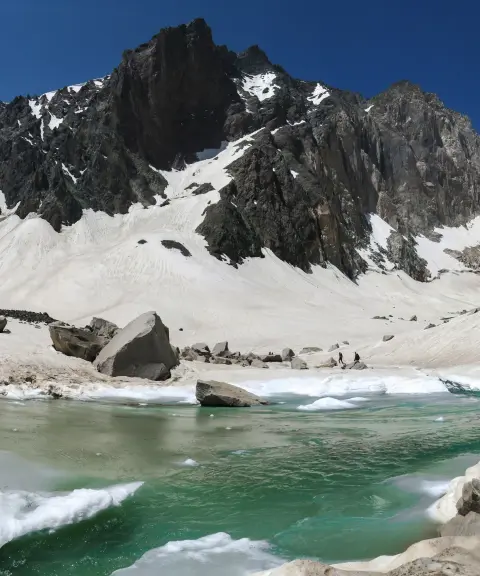
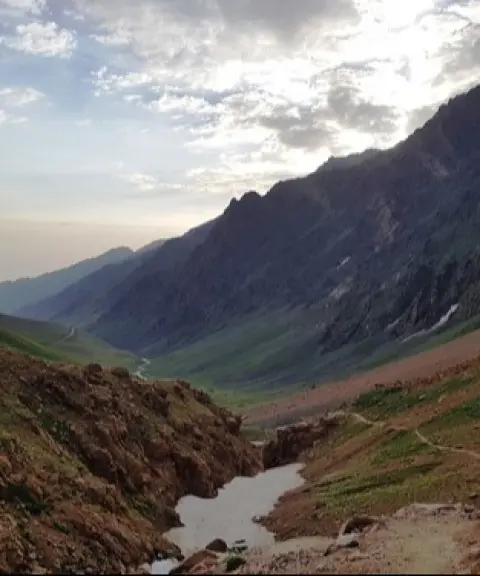
To the south, Siah Sang overlooks the wide Marjikesh Valley. To the east, its rocky, stepped slopes lead down to the glacier of the Tang-e Gali peaks, which reaches as far down as the Hesarchal road. To the west, the Shakhaks, Alam Kuh and the Khorsans are visible. From early autumn to mid-spring, Siah Sang becomes unclimbable because of frozen rock and stone, heavy snow on the route, avalanches, blizzards and strong winds. Note that in summer there is no water source or spring from the floor of the Alam Chal glacier up to the summit. The western slope of Chalon and the area below the Siah Sang summit see the most avalanches. Siah Sang's ridges spread out in all directions, so there is a real risk of losing the route during and after snowfall. The summit can be reached by climbing the peaks of Siah Kaman and Chalon, and it can also be climbed from Kol-e Bozan, Kalachband and the Chalons. In summer, climbers who ascend the Gerdeh-ye Almanha ridge or the Alam Kuh wall often choose the Siah Sang route for their return, but in winter it is avalanche-prone, and the descent should be made via the Negin Glacier and the western route. The best time to climb is usually from late spring to early autumn, when the weather is more stable and visibility at the summit is good. In the cold seasons the routes can be slippery and challenging.
Written by ستایش عرب Last updated
What you can do here, and what it takes
از کفش مناسب کوهنوردی استفاده کنید.
Province Mazandaran
Province Mazandaran
Province Mazandaran
Province Mazandaran

Unfortunately, no comments have been registered.