
 Mountain
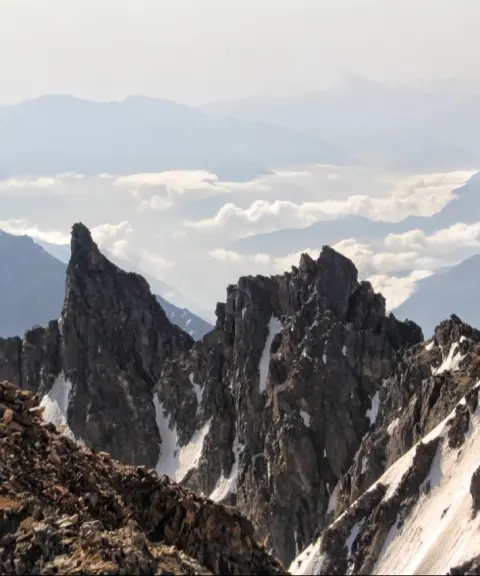
Shakhak Peak
Province Mazandaran
- Mountaineering
The most technical and difficult mountain in Iran
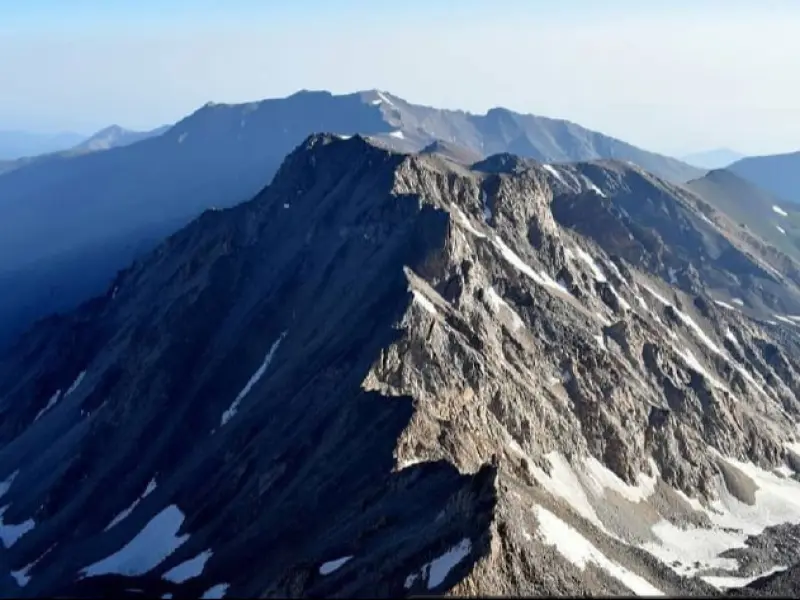
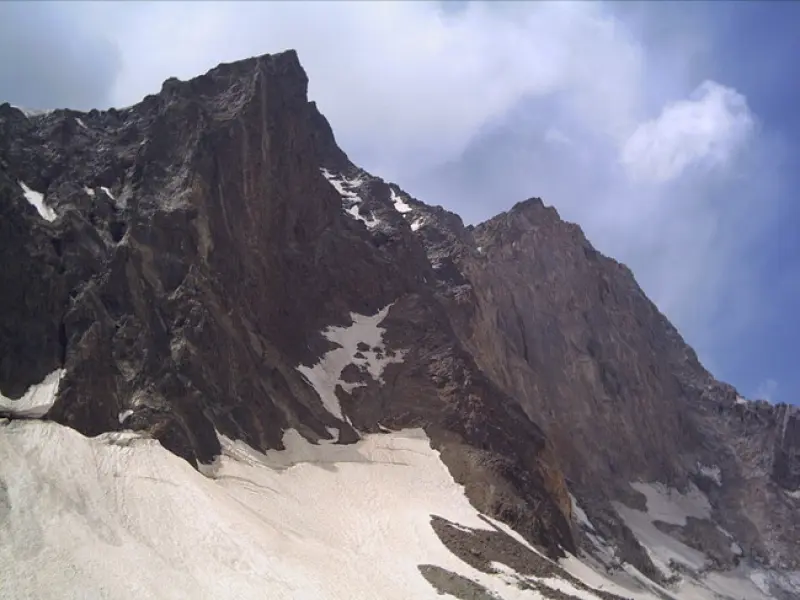
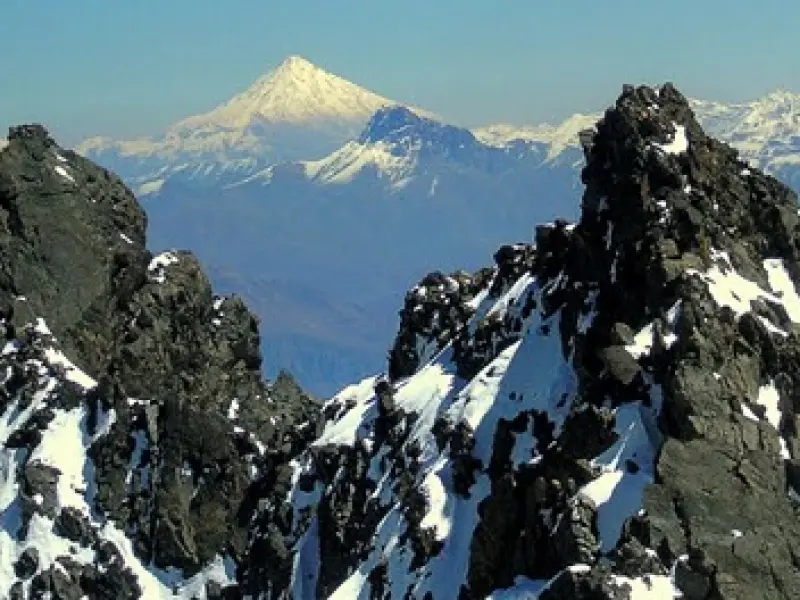
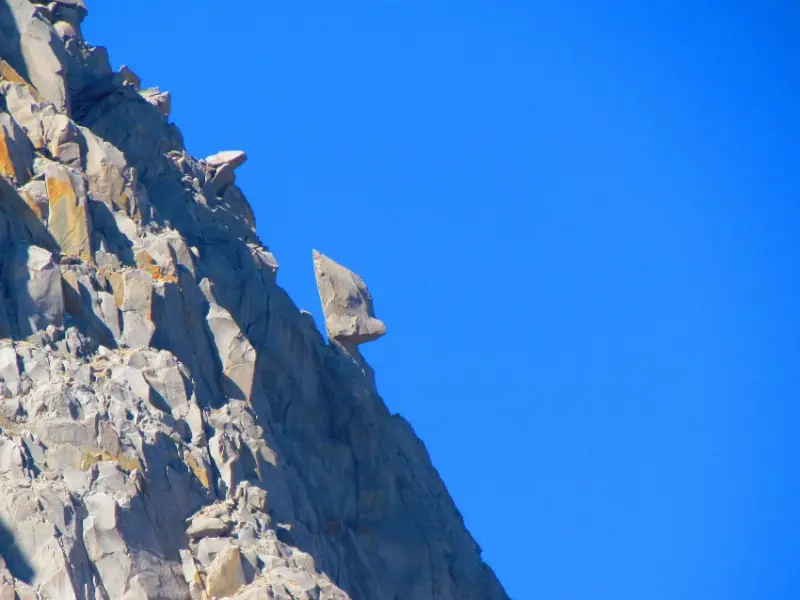
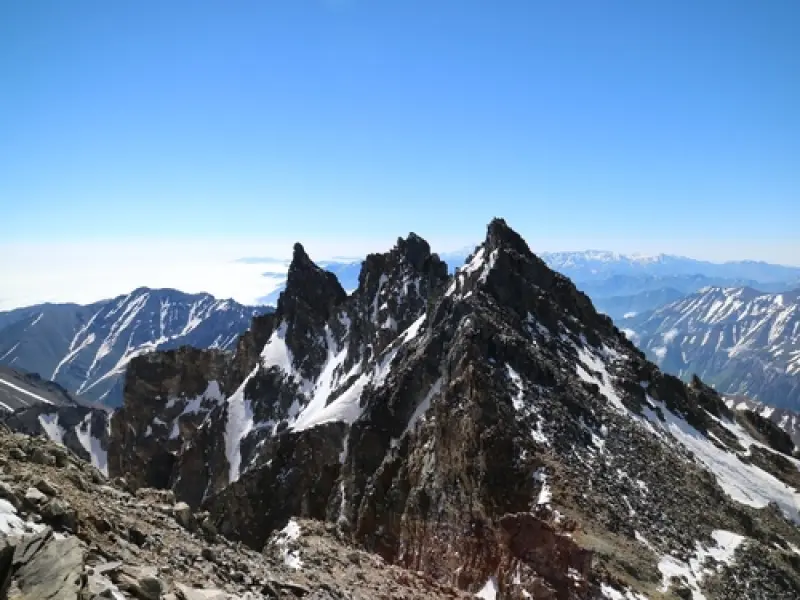
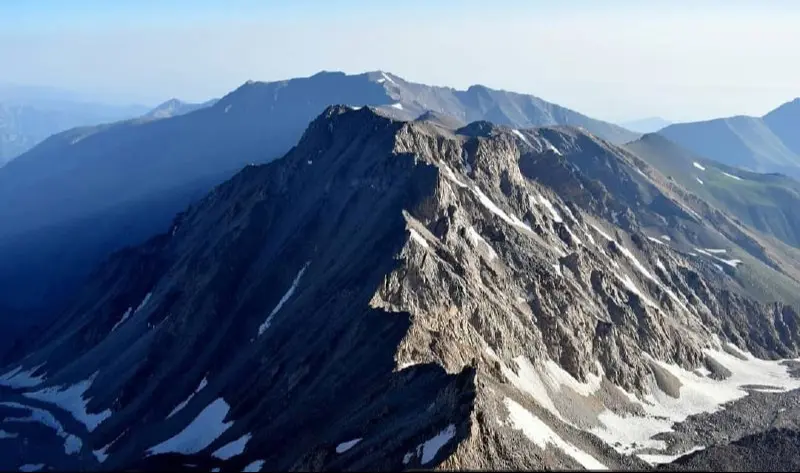
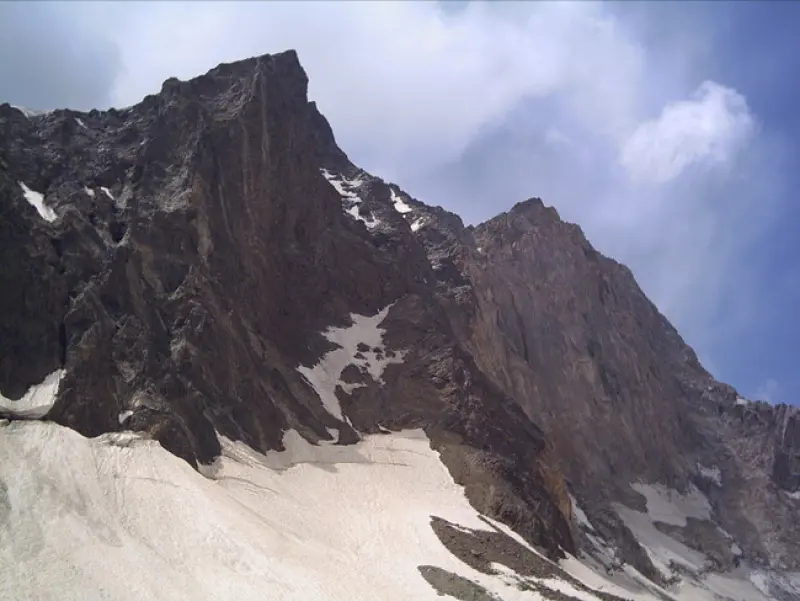
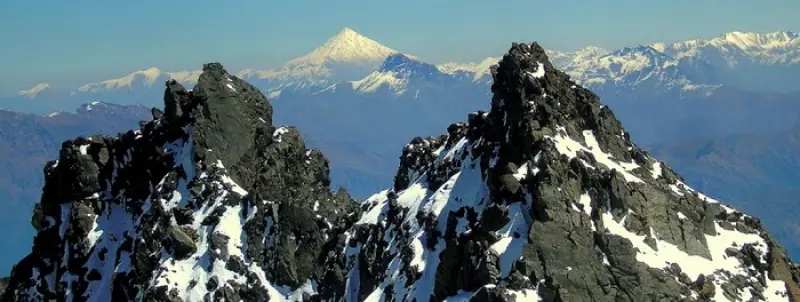
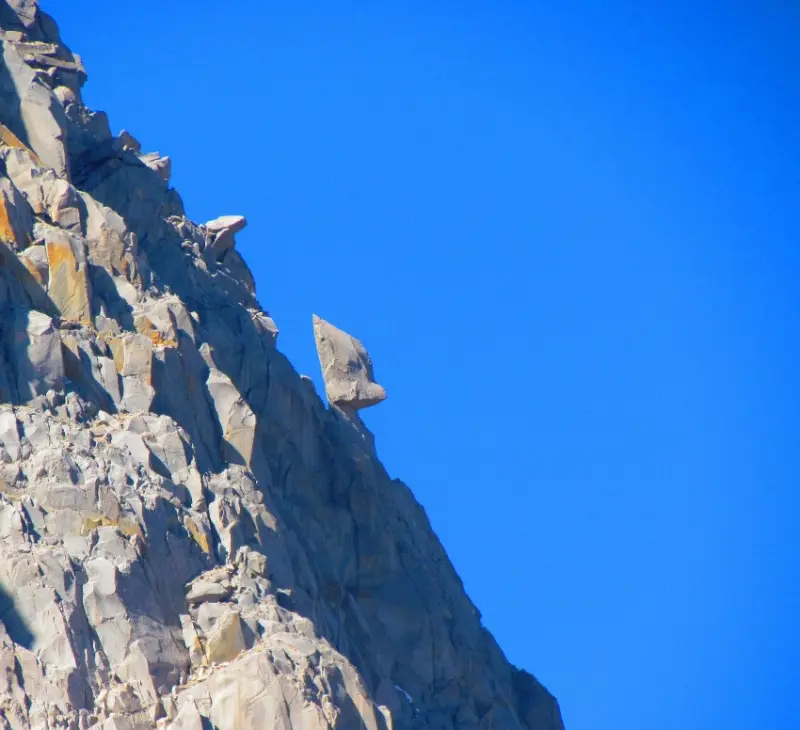
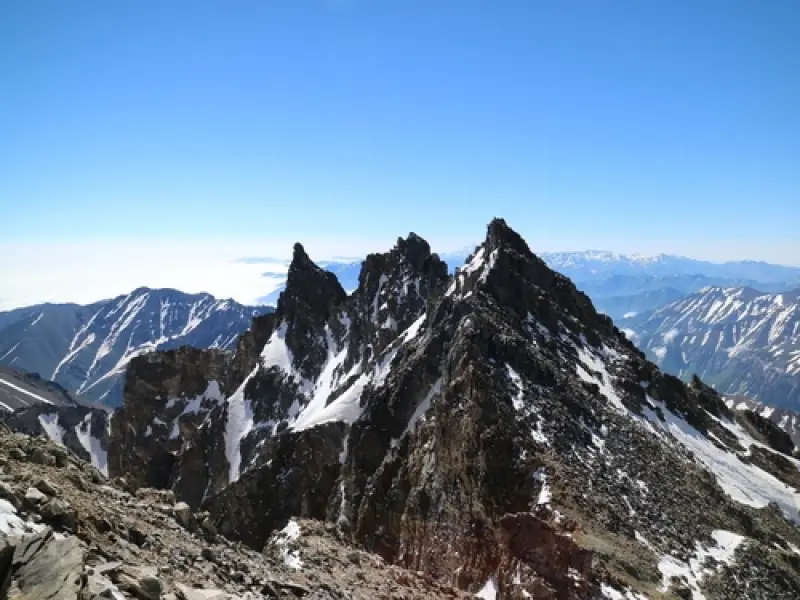
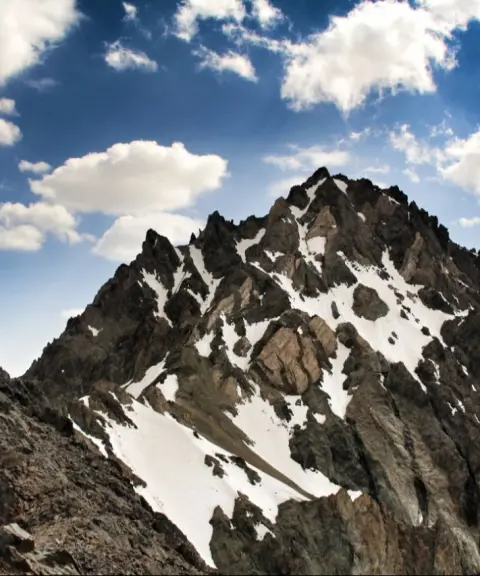
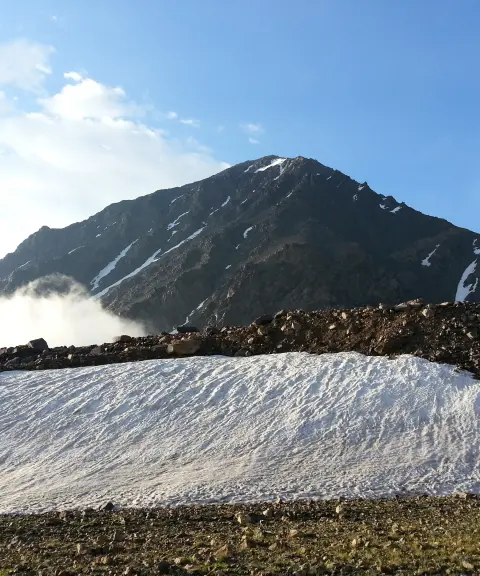
Alam-Kuh is a peak in the Takht-e Soleyman region and, after Damavand, is the highest mountain in Iran. Interestingly, the Alam-Kuh Wall on the northern face of the peak is one of the most technical and difficult climbs in the country, which has added to the peak's fame.
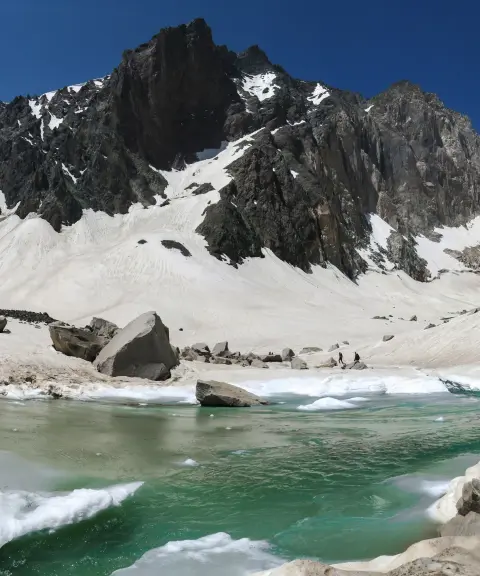
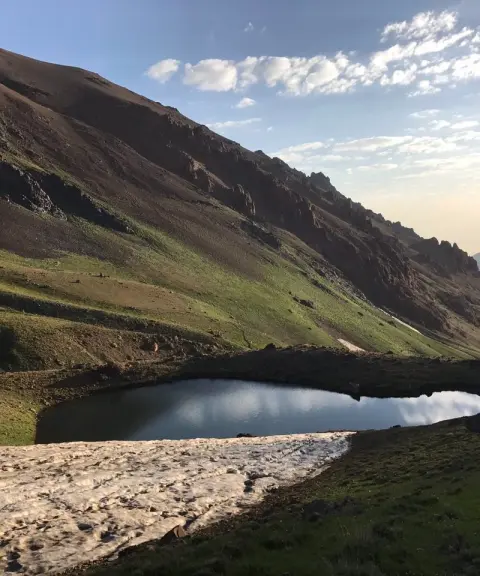
The Takht-e Soleyman region is bordered on the north by Chalus, Salmanshahr, Tonekabon and forested areas, on the east by the Chalus River valley, and on the west by the great Sehezar (Three Thousand) valley of Tonekabon. To the south and southwest, the region reaches the Taleqan and Alamut valleys. Several high peaks above 4,000 metres lie in this region, but Alam-Kuh, at 4,850 metres and 20 kilometres southwest of the town of Kelardasht, is the second-highest peak in Iran and is known as the "Alps of Iran". As its name suggests, Takht-e Soleyman has the largest glaciated mountain area in the country. Its glaciers include Sarchal, Alam Chal, Takht-e Soleyman, Marjikesh, Khorsan, Haft Khan, Chalun, Shaneh Kuh and Esplit.
Alam-Kuh may be the second-highest peak in Iran, but when it comes to the difficulty of the climbing route, it can claim first place. The peak has two main faces for climbing, north and south, each with different routes. The southern face of Alam-Kuh has an easier route that starts from Hesarchal, which is why most ascents are made from this side. The northern face starts from Alam Chal and includes three routes: Siah Sangha, Gerdeh Almanha (the Germans' Ridge) and the Alam-Kuh Wall. There are many routes of access to this towering mountain, and each climber can choose their own method and route according to their physical fitness.
Examples of the vegetation in the Takht-e Soleyman region include creeping juniper and cushion plants such as Kolah-e Mir Hasan, soapwort (choobak) and astragalus (gavan). Most of the plants here are medicinal, but the higher you climb, the fewer plants grow because of the cold and snowfall. The region's abundant animal species include the brown bear, wild goat, leopard, wolf, jackal, fox, and both the see-see partridge and the chukar partridge.
The best time to climb Alam-Kuh is summer, especially the second half of Tir (mid-July to late July). Autumn and winter in this region bring heavy snowfall, storms and repeated avalanches, and these dangers continue until spring. In summer, however, the wind blows from the west and the Sehezar area, and there are many springs thanks to the various glaciers in the region. Keep in mind that the weather in these mountain areas is highly changeable, and during your climb you may suddenly face cold weather or dense fog. So be sure to check the weather forecast for the area before setting out.
Written by کیانا دهبندی Last updated
What you can do here, and what it takes
علم کوه فنیترین قله و دومین کوه مرتفع ایران است، در نتیجه به توانایی و آمادگی جسمانی بالایی نیاز دارد.
Province Mazandaran
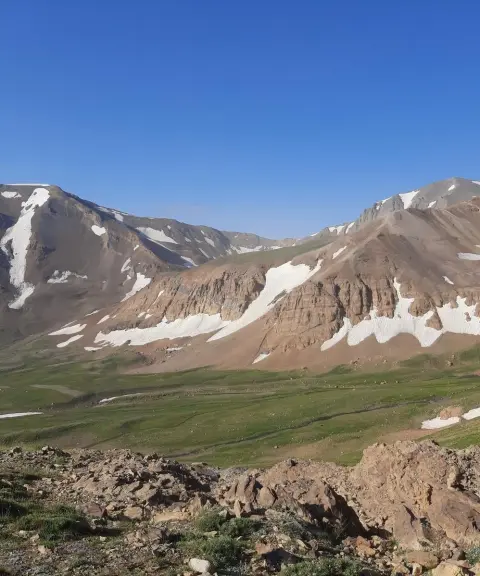
Province Mazandaran
Province Mazandaran

Unfortunately, no comments have been registered.