
 Attractions
Chehel Sotoun Palace
The Magnificent Jewel of Iran's Royal Gardens
- Attractions
- Isfahan, Isfahan
- Altitude 1,584 m
- Ability level Beginner
Ability level:
Beginner
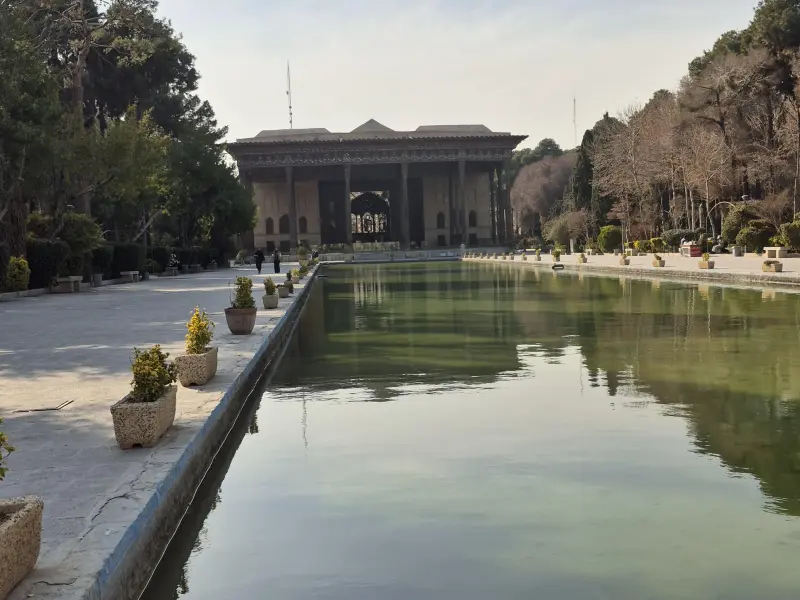
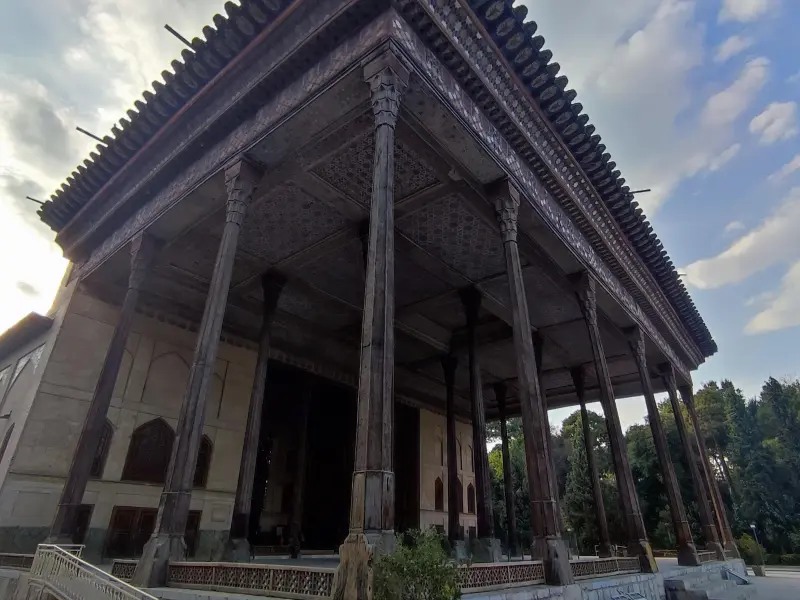
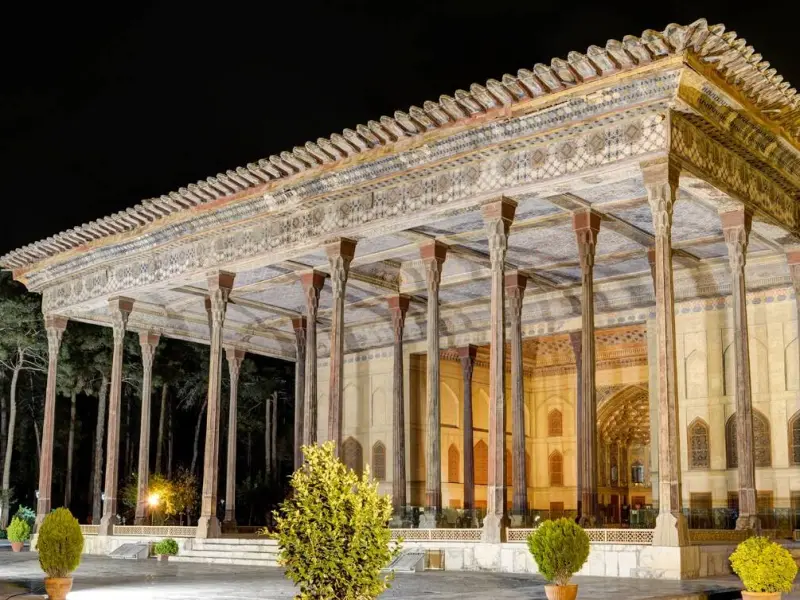
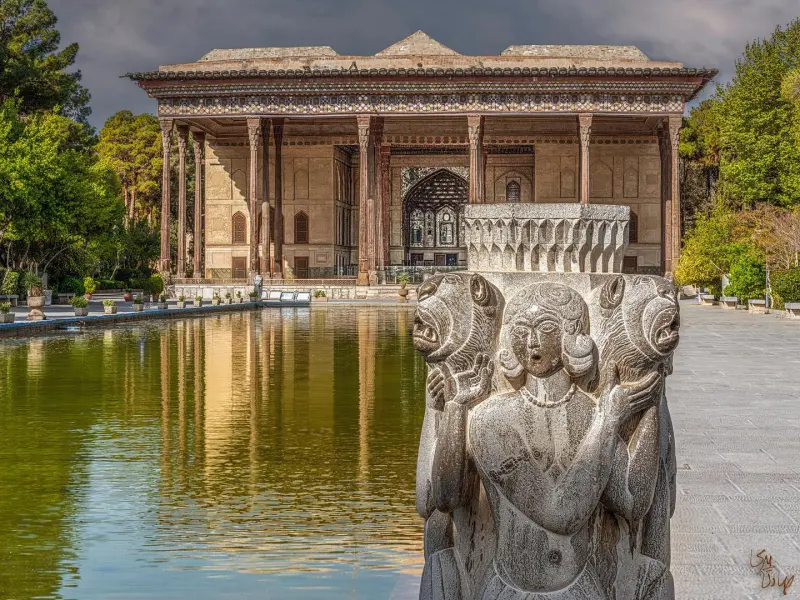
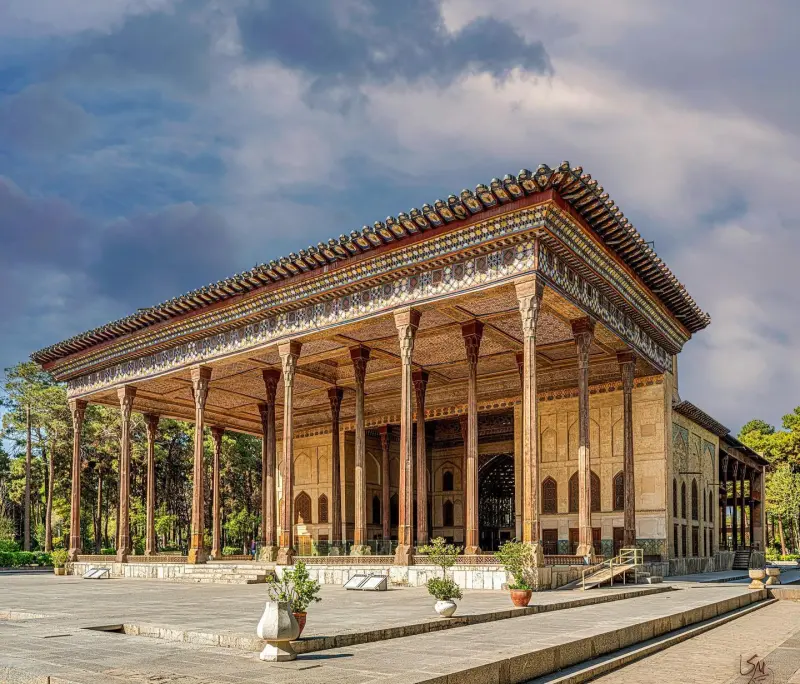
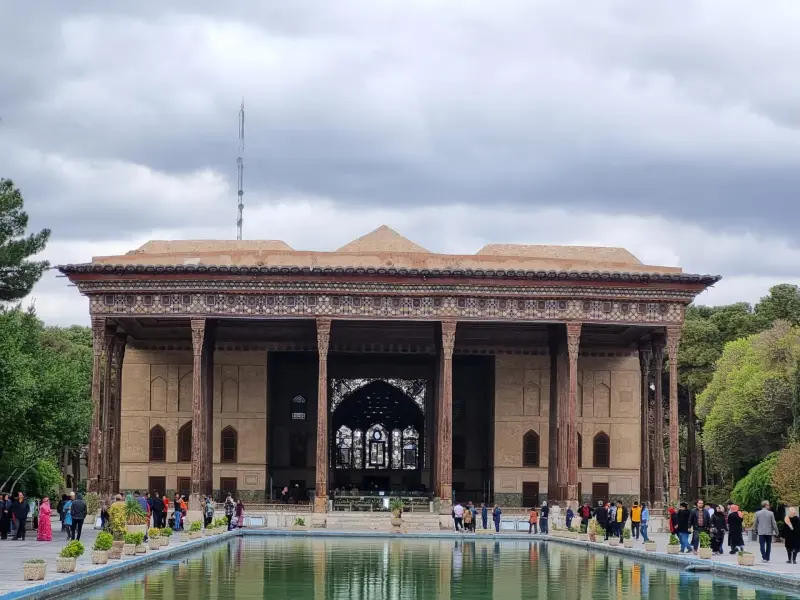
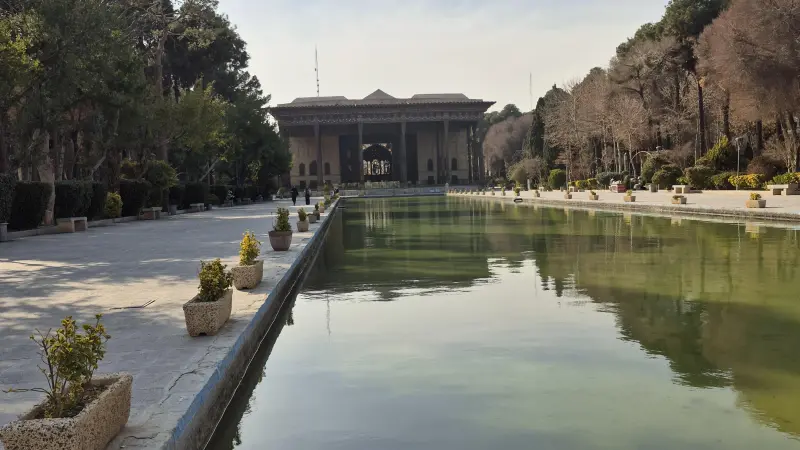
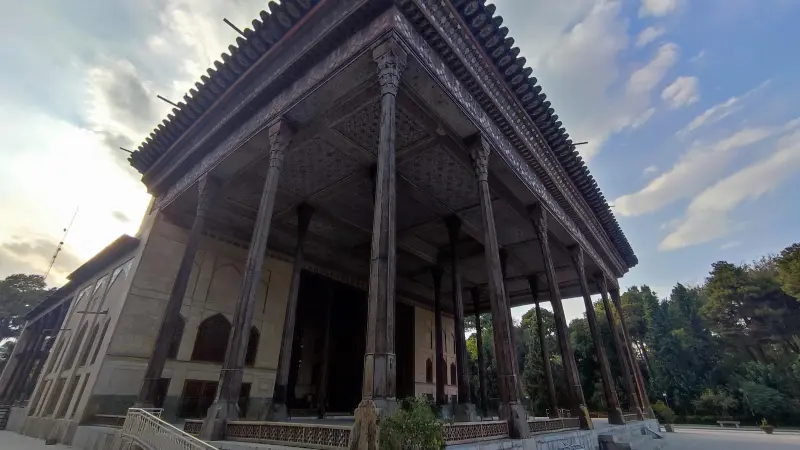
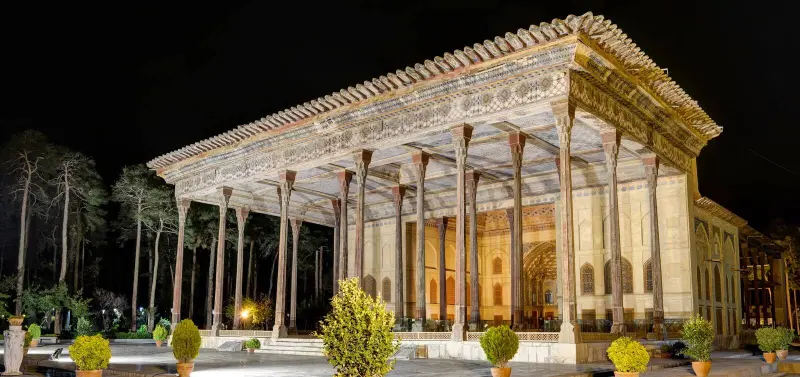
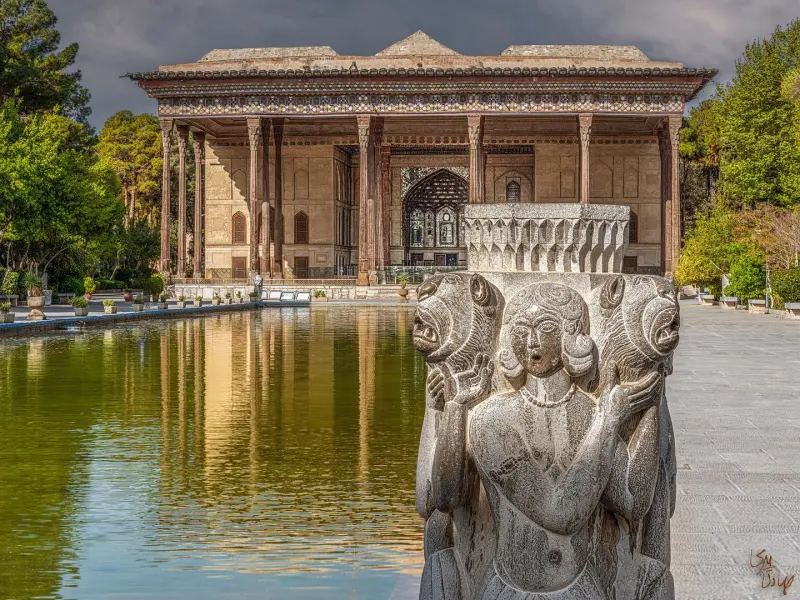
Chehel Sotoun Palace in Isfahan is one of the most magnificent historical monuments of the Safavid era. It stands in the heart of a vast garden covering more than 67,000 square metres. Construction began under Shah Abbas I during the Safavid period and was completed around 1647 CE, with extensions made by Shah Abbas II. In 2011 the palace was inscribed on the UNESCO World Heritage List as part of the Persian Garden.
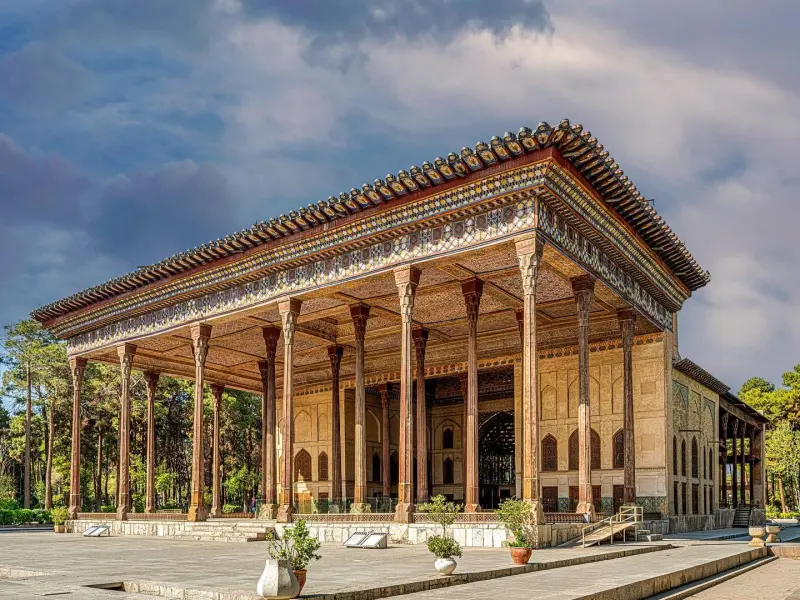
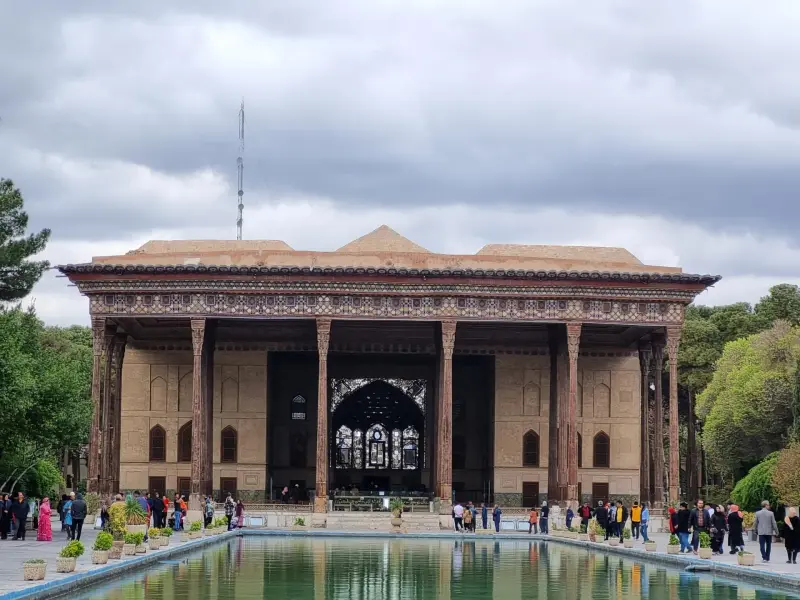
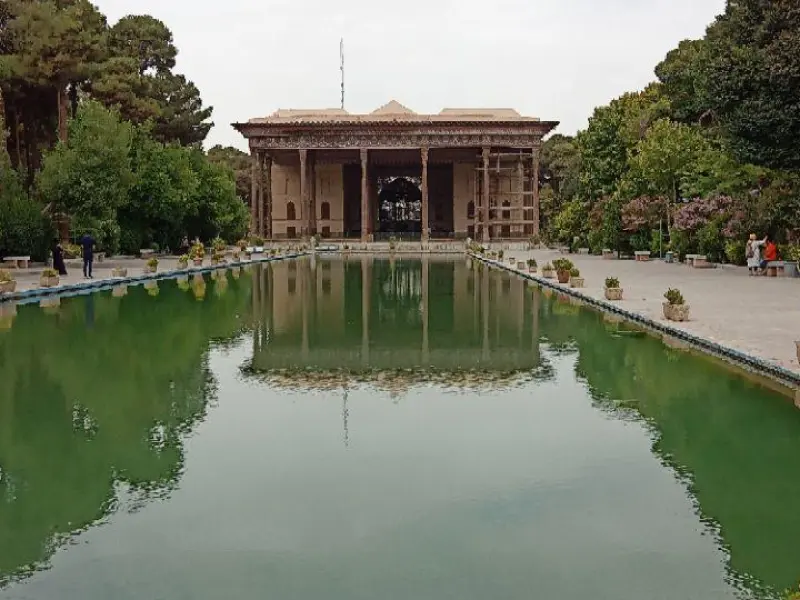
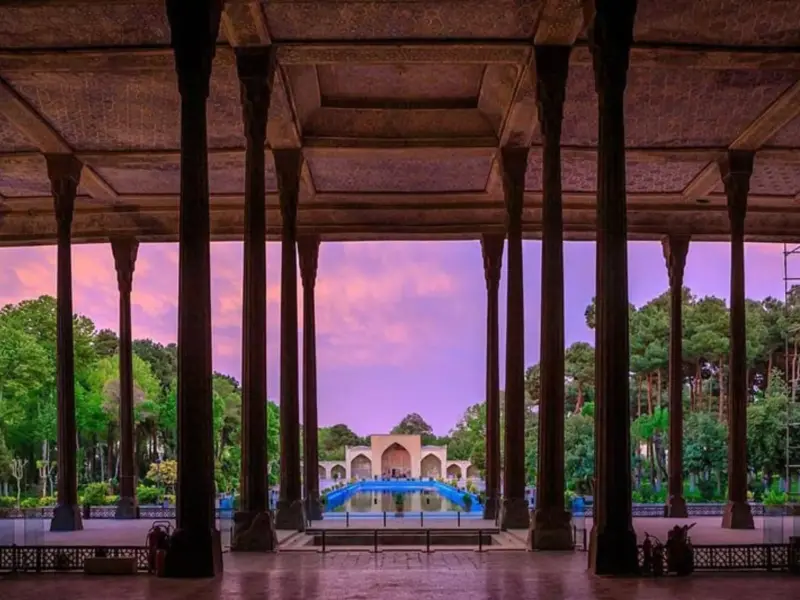
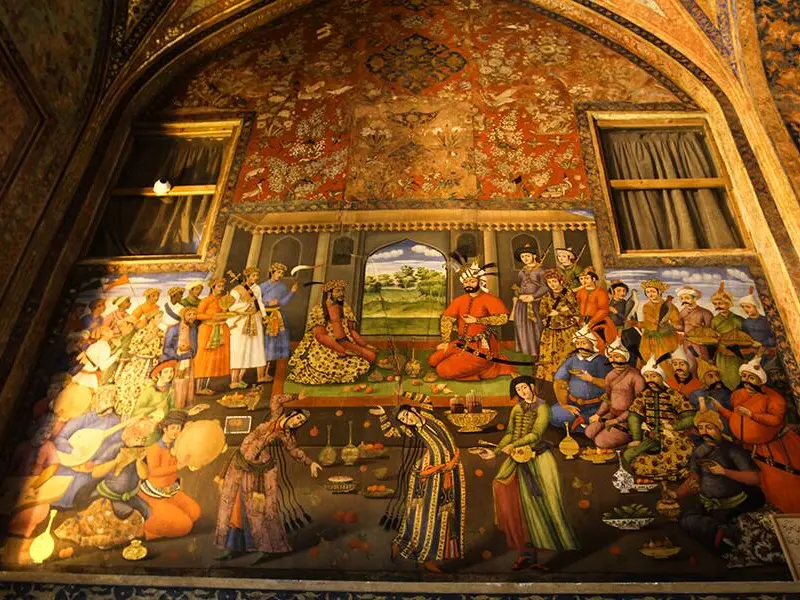
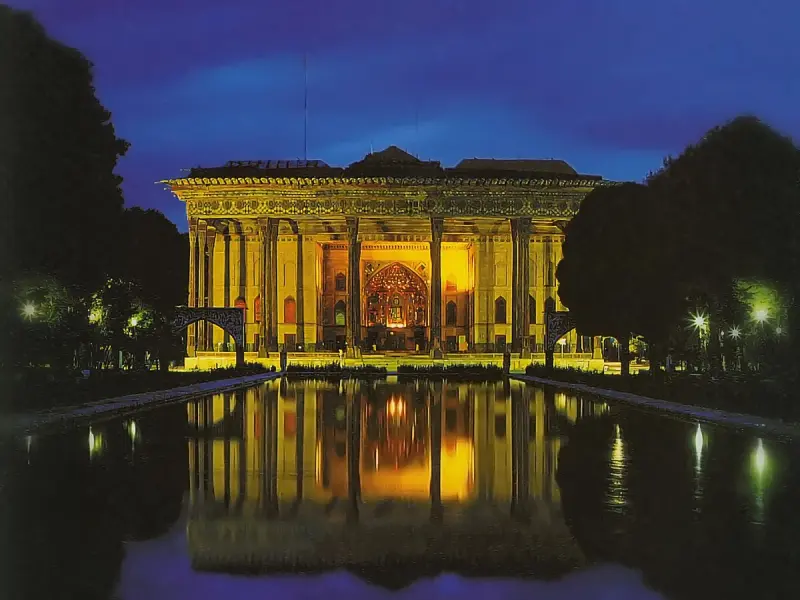
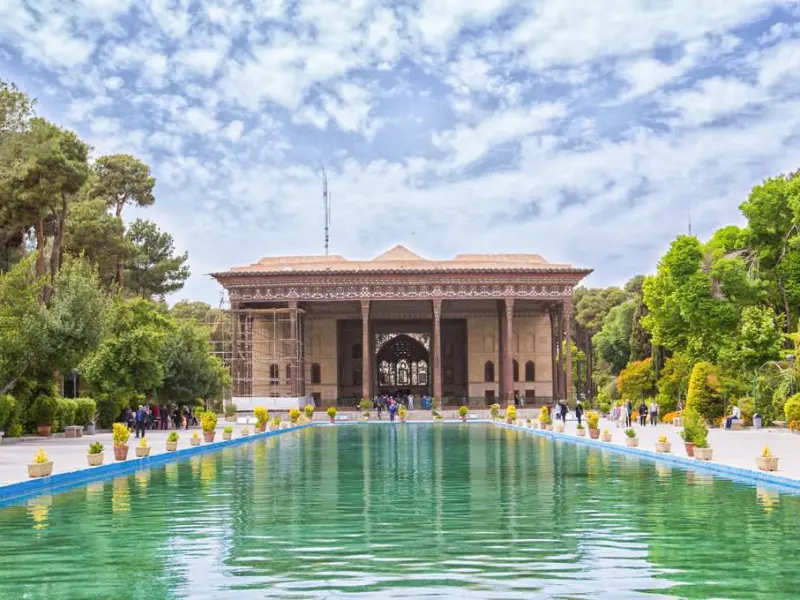
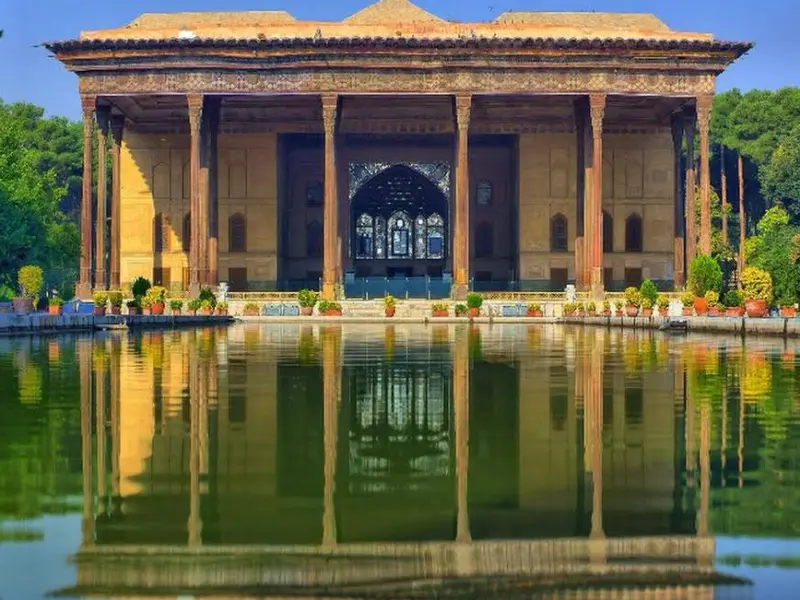
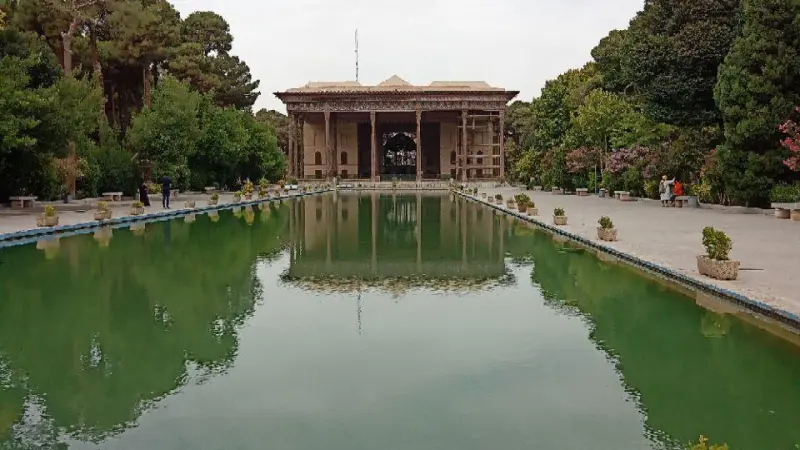
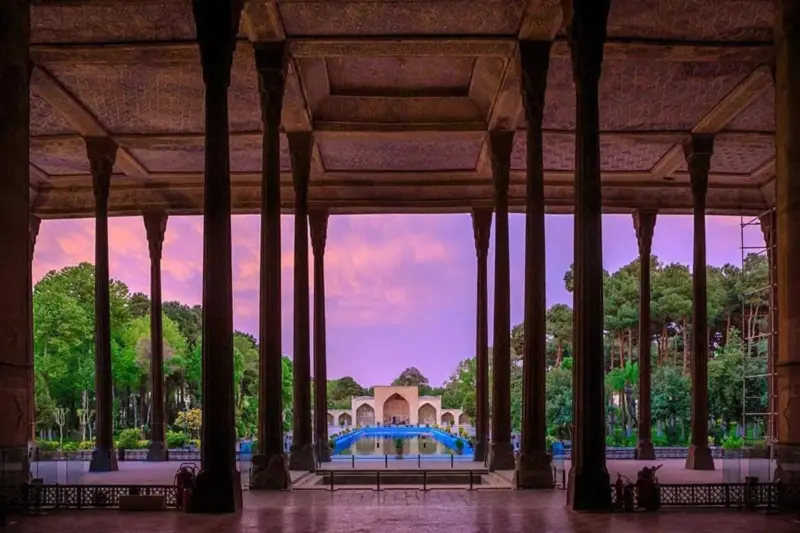
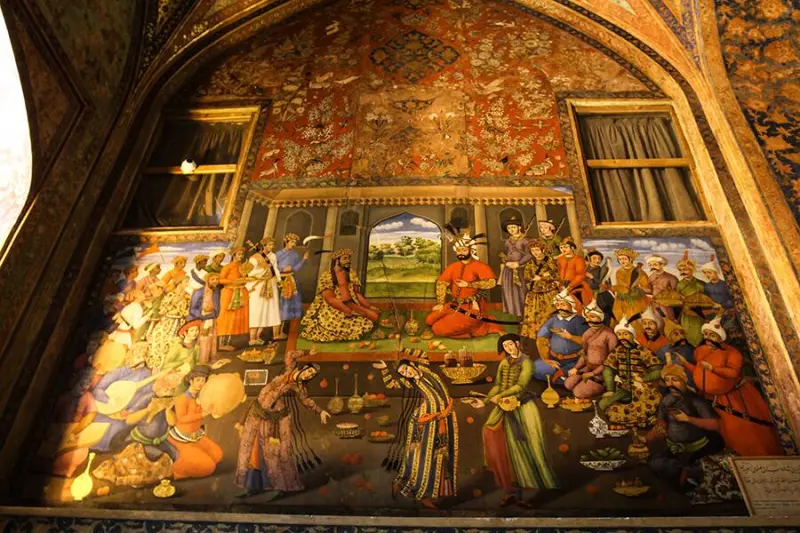
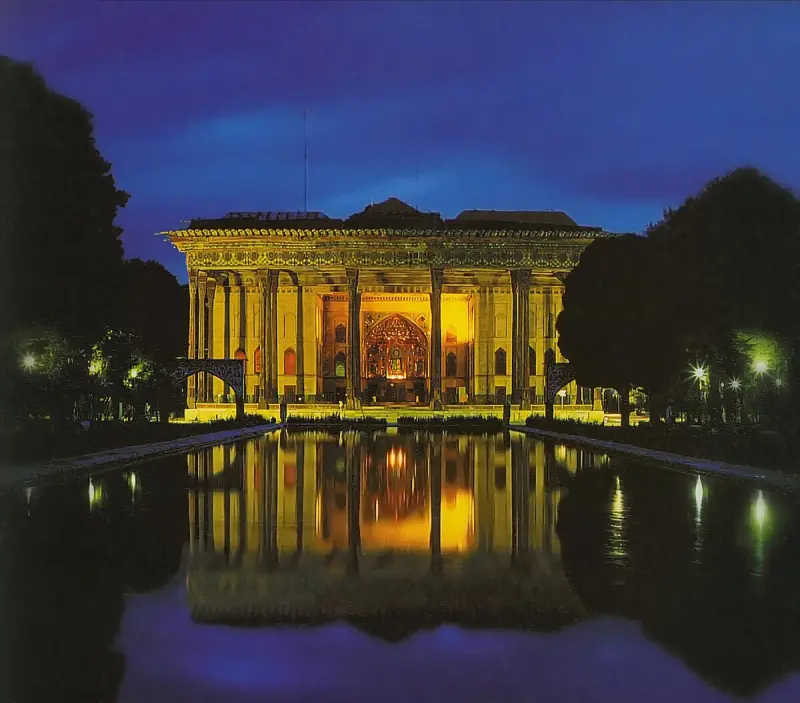
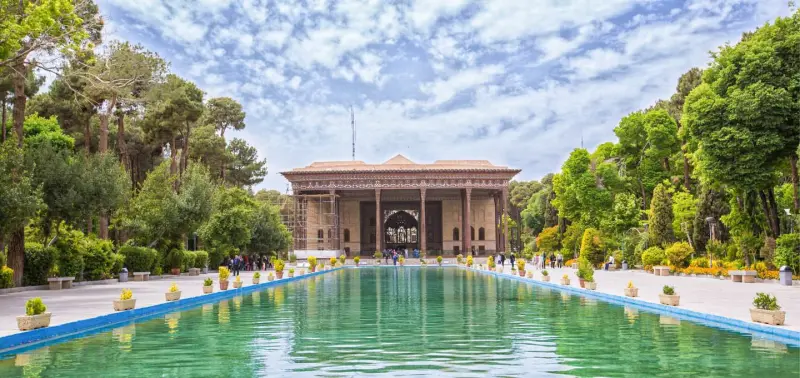
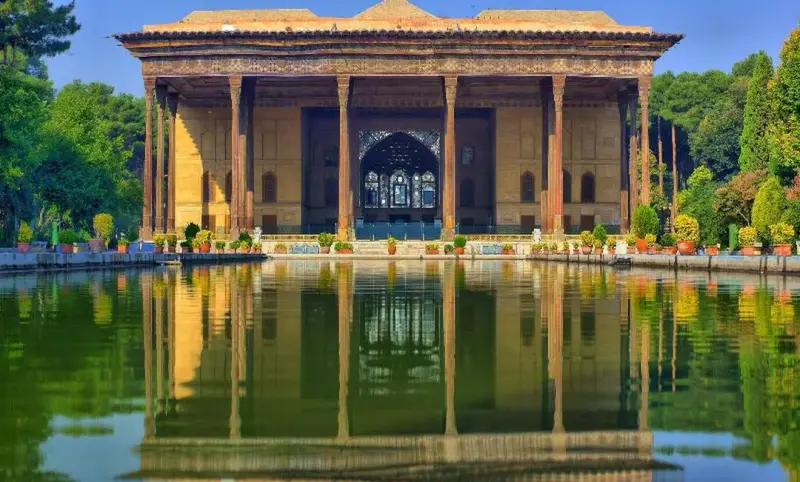
Chehel Sotoun has several notable parts, including the Mirror Hall, the Eighteen-Column Hall, the northern and southern pavilions and the side porches. All are decorated with brilliant examples of Iranian art, such as murals, mirror work, miniatures and delicate tilework. In front of the central hall lies a large pool. The reflection of the porch's twenty columns in its water creates the appearance of forty columns, which is how the palace got its name (Chehel Sotoun means "Forty Columns"). The murals of the complex also depict scenes of royal receptions and important historical events of the Safavid period, particularly in the time of Shah Abbas II, which greatly adds to the palace's artistic and historical value. One of the palace's more recent attractions is the "Hall of Inscriptions", which has recently been opened to the public. It contains 14 historical inscriptions of stone and tile, between 400 and 700 years old, which were moved here from different parts of the palace and other historical buildings.
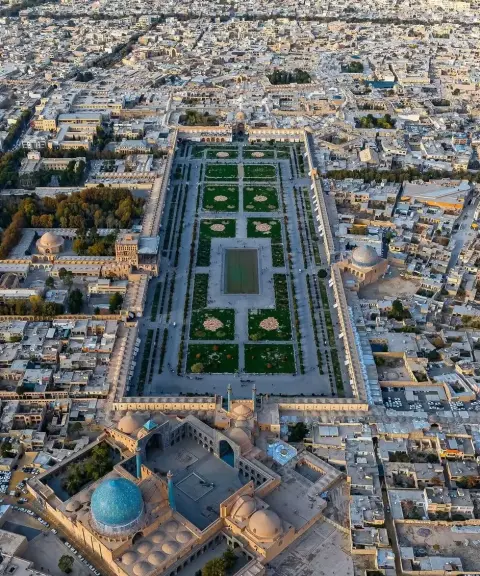
To reach Chehel Sotoun Palace, you can walk from the west side of Naqsh-e Jahan Square to the entrance of the complex in just a few minutes. Public transport, including the metro (Imam Hossein Square station) and bus lines, also reaches points near the palace, and public car parks are available for tourists travelling by private car. Visiting hours usually start at 9 a.m.; in the first half of the year the palace stays open until 6 p.m., and in the second half until 4 p.m. The best time to visit is spring, especially the month of Ordibehesht (late April to May), when the weather in Isfahan is pleasant and the palace garden is at its greenest and most beautiful. To help preserve this precious heritage, visitors are asked not to touch the decorations, enter restricted areas or behave in any way that could cause damage, and to enjoy its beauty responsibly.
Written by زهرا لنگری Last updated
Activities
What you can do here, and what it takes
-
Rowing
اطراف کاخ و باغ جهاننما برای پیادهروی تفریحی و گشتوگذار مناسب است.
Specifications
Introduction of the location and specifications of Chehel Sotoun Palace
Oldness:
347 years
Construction Period:
Safavid
Location:
Isfahan, Isfahan
Coordinates:
32.65734732, 51.67179108
Open in maps
Height above mean sea:
1584 meter
Transports:
Private car, Walking, Minibus, Bus
Tourist Attractions in Isfahan
Attractions that are nearby
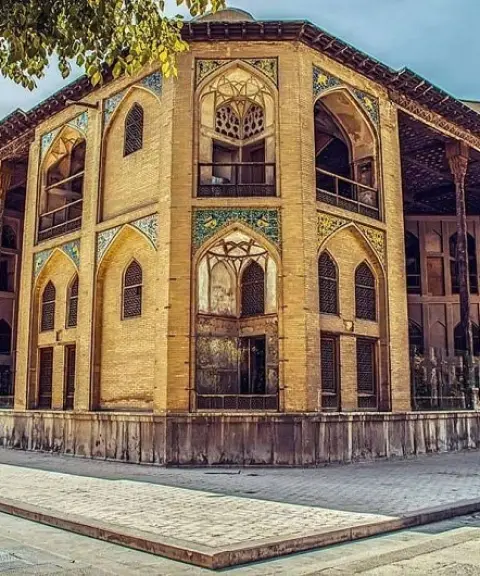
Hasht Behesht Palace
Province Isfahan
- Walking
A masterpiece of Safavid architecture in the heart of Isfahan's Chahar Bagh
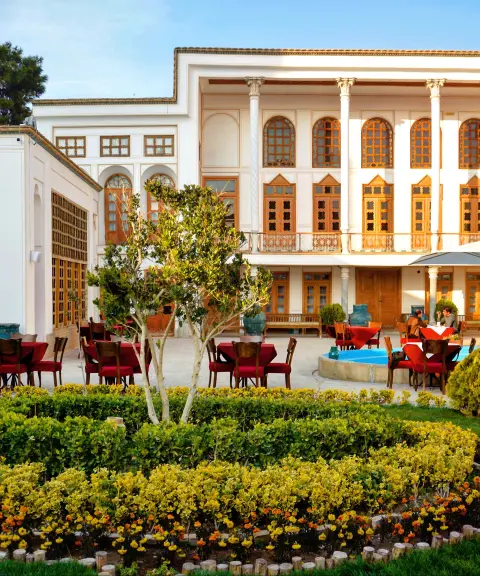
Dehdashti House
Province Isfahan
- Walking
Qajar-era living blended with a vivid experience of history and café culture
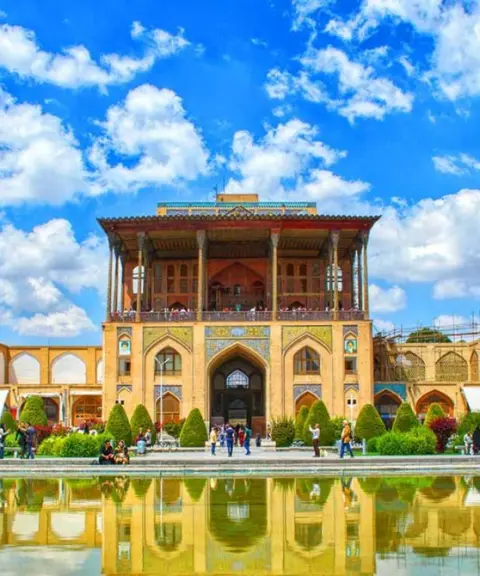
Shah Mosque
Province Isfahan
- Walking
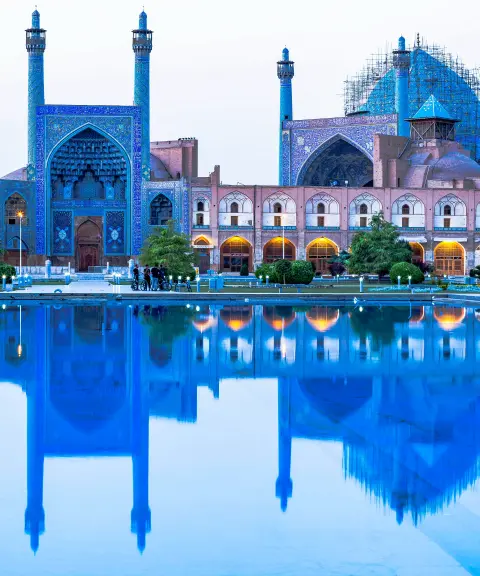
A Masterpiece of Safavid Architecture in the Heart of Naqsh-e Jahan Square
Sheikh Lotfollah Mosque
Province Isfahan
- Walking
Unfortunately, no comments have been registered.