
 Attractions
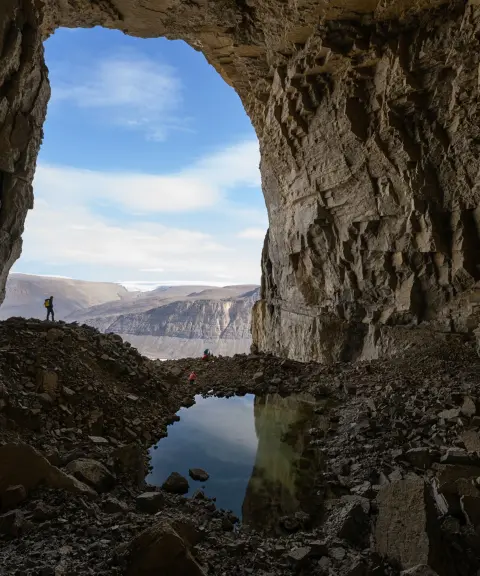

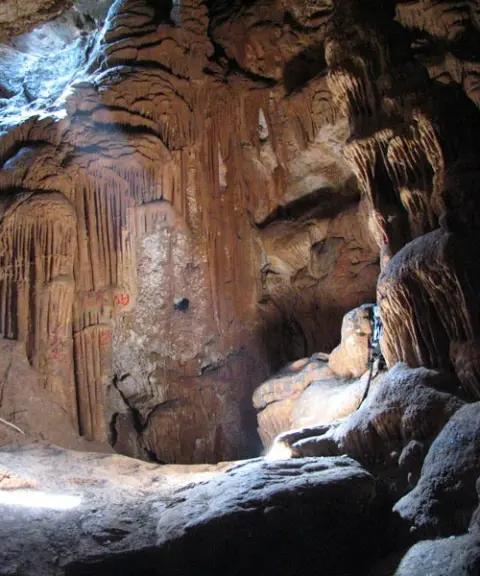
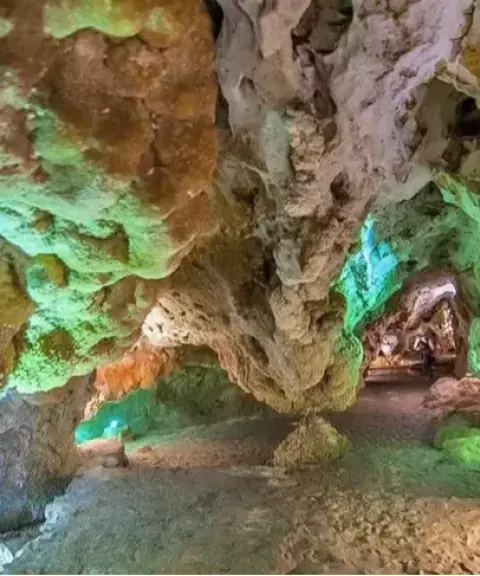
Azadkhan Cave
Province Markazi
- Walking
- Caving
- Mountaineering
A historical treasure in the Khorheh Plain
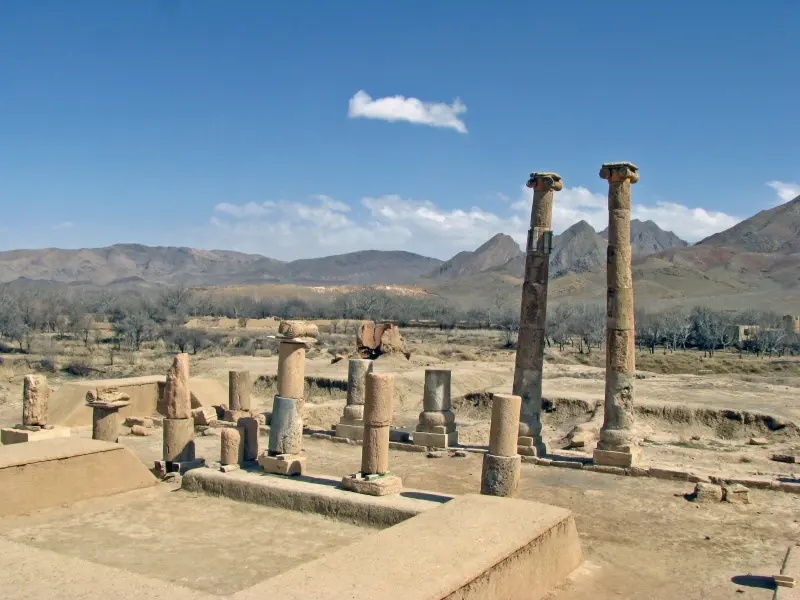
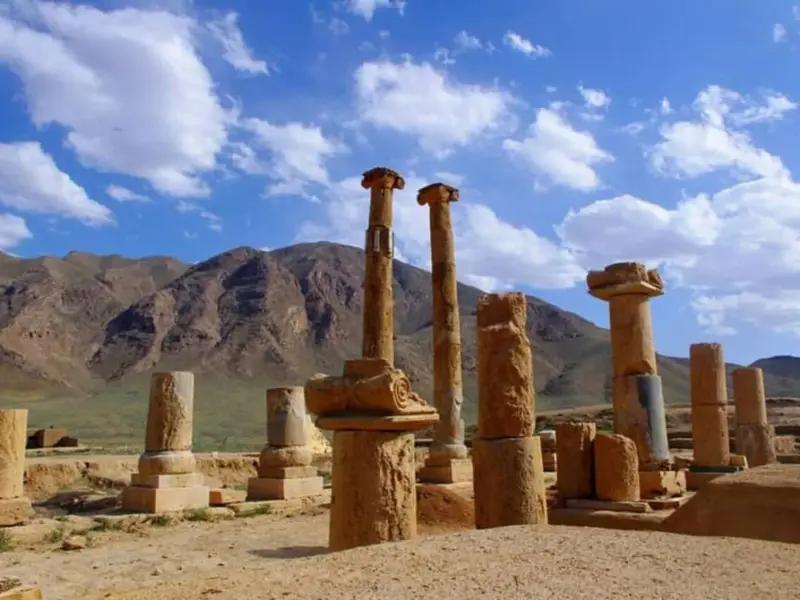
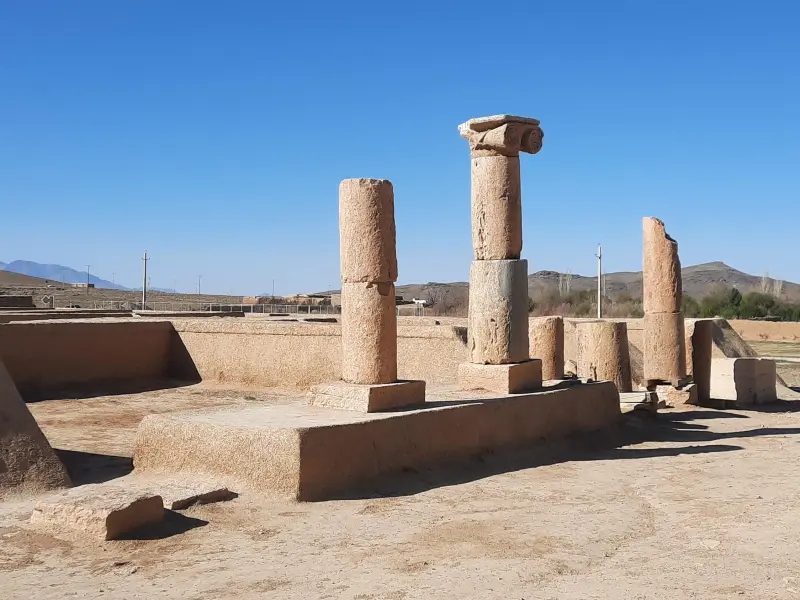
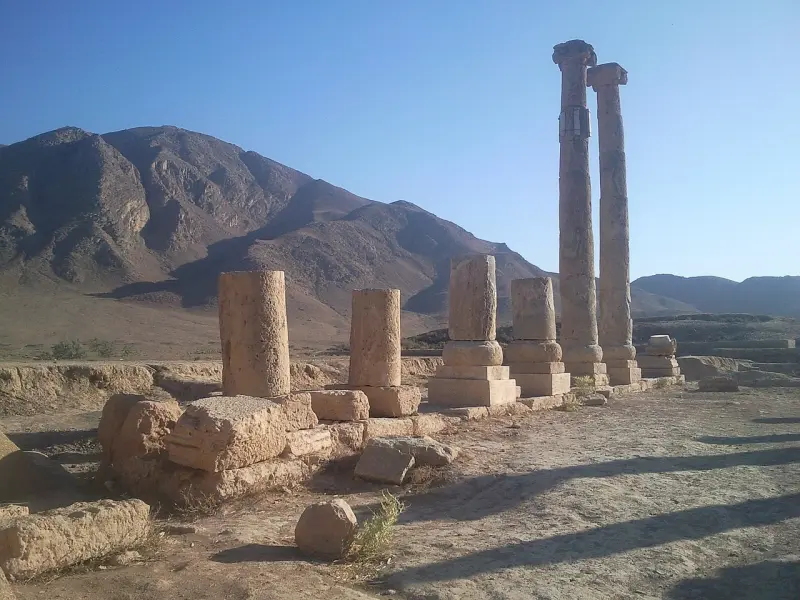
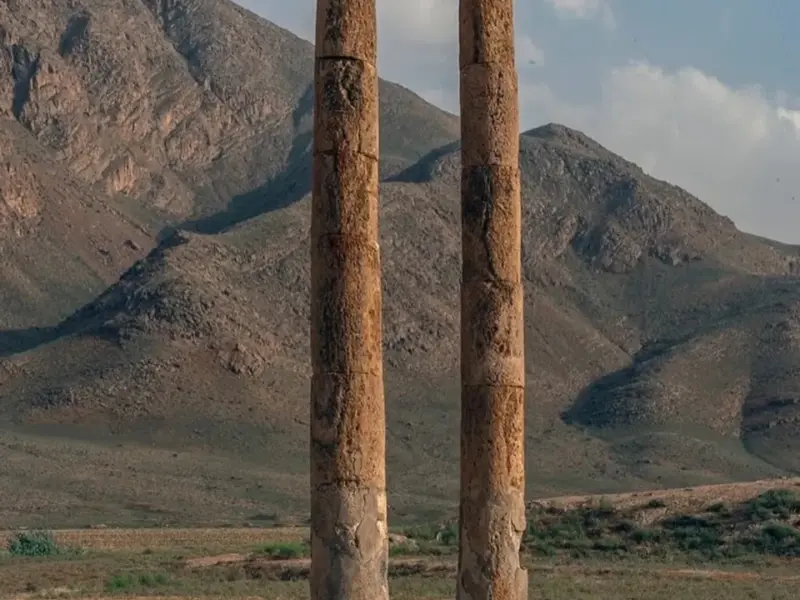
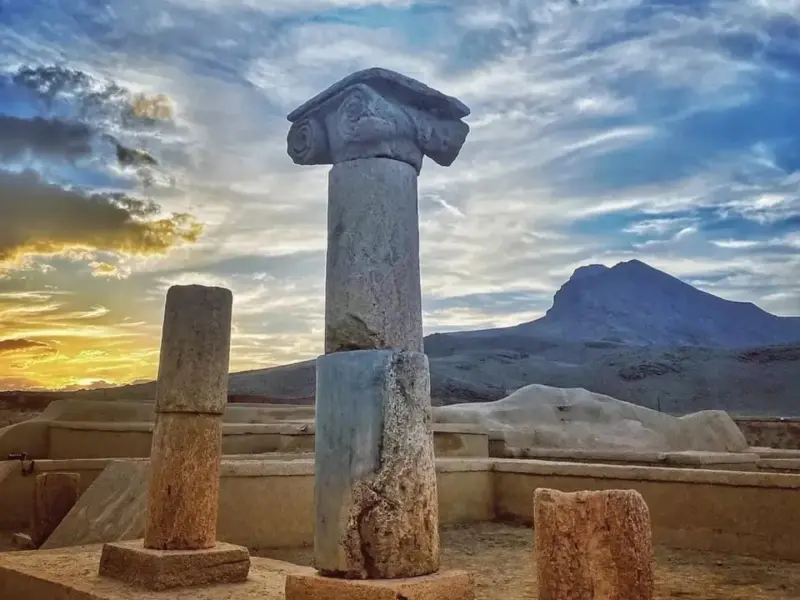
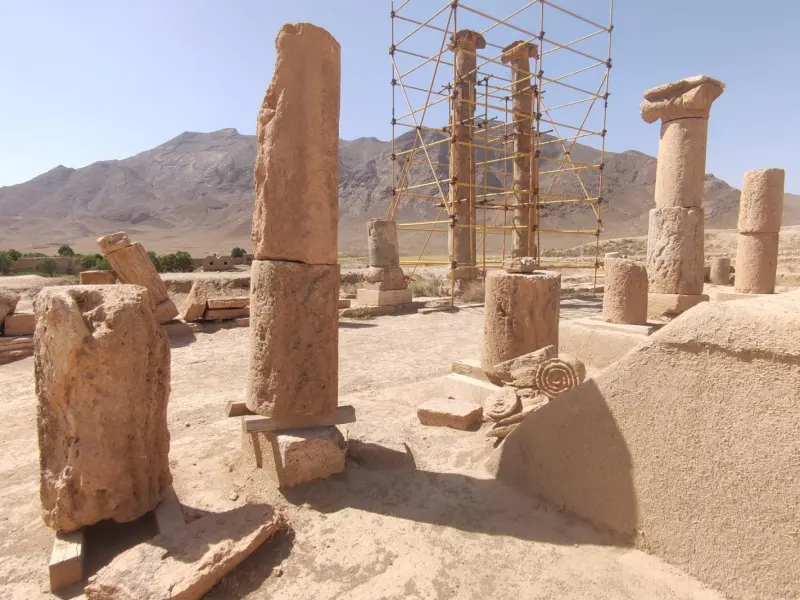
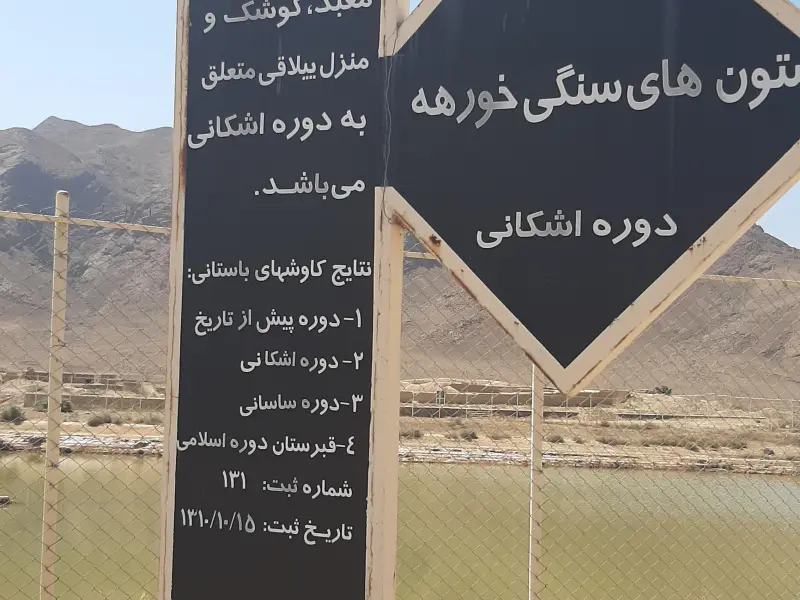
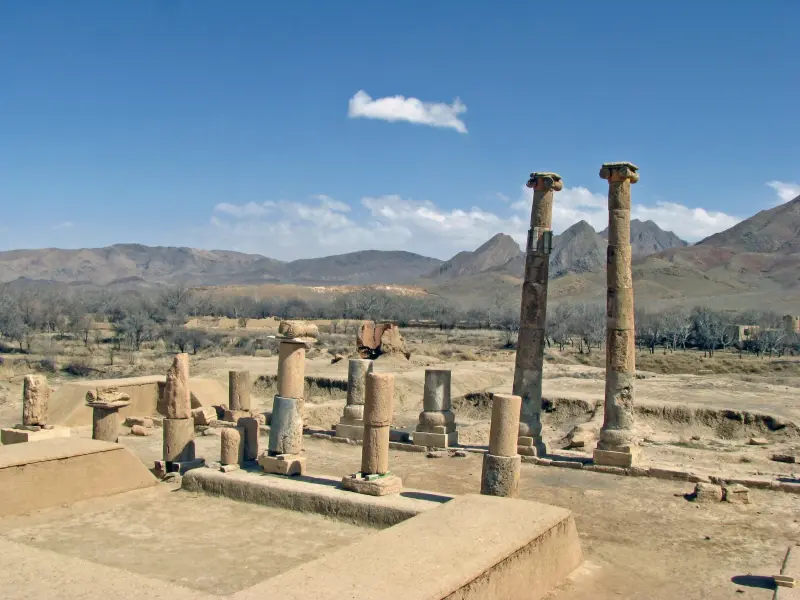
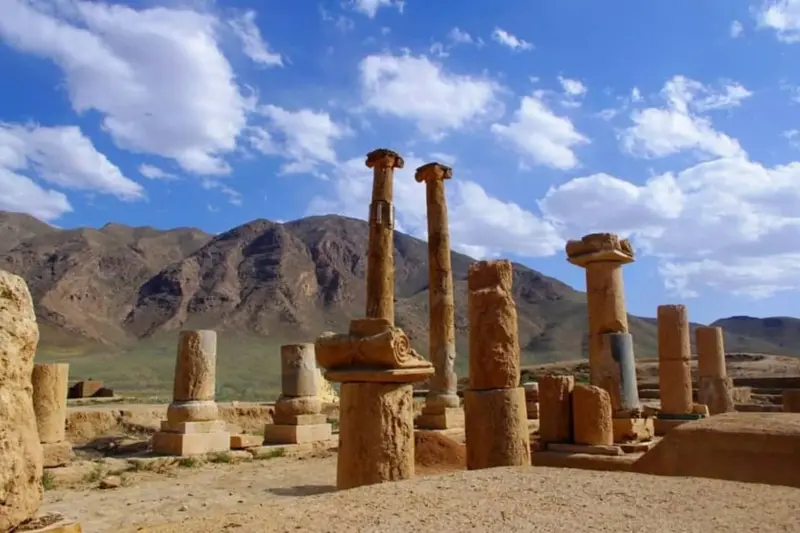
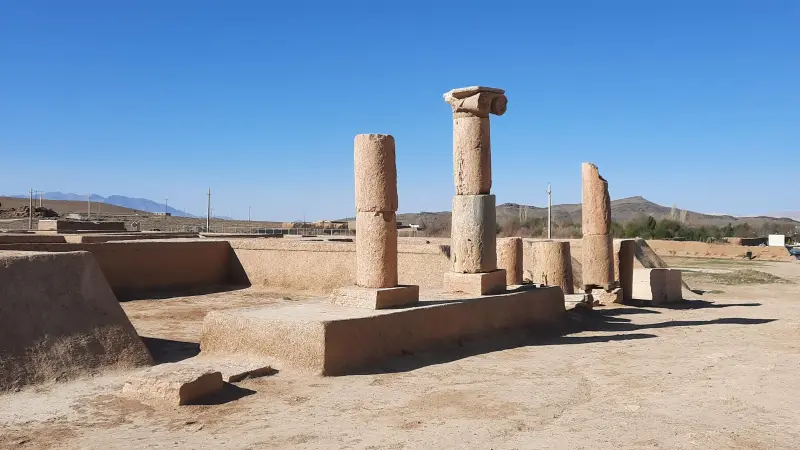
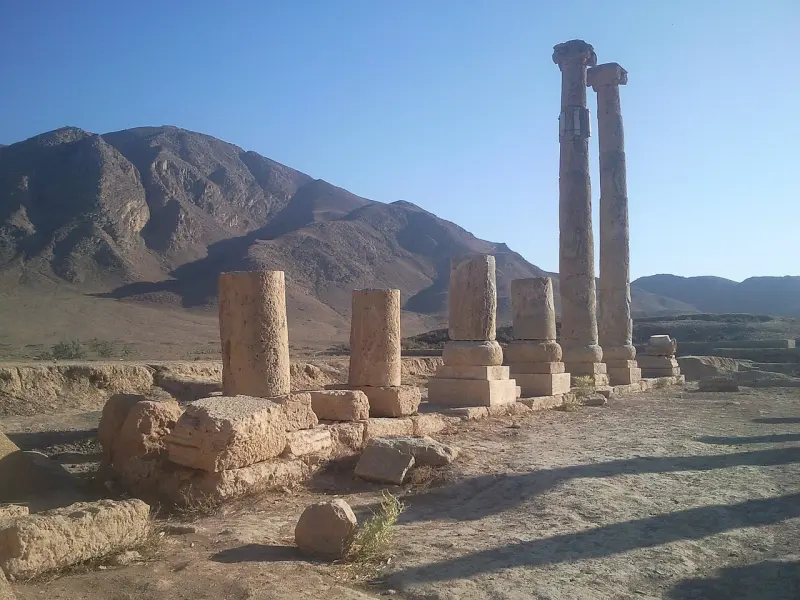
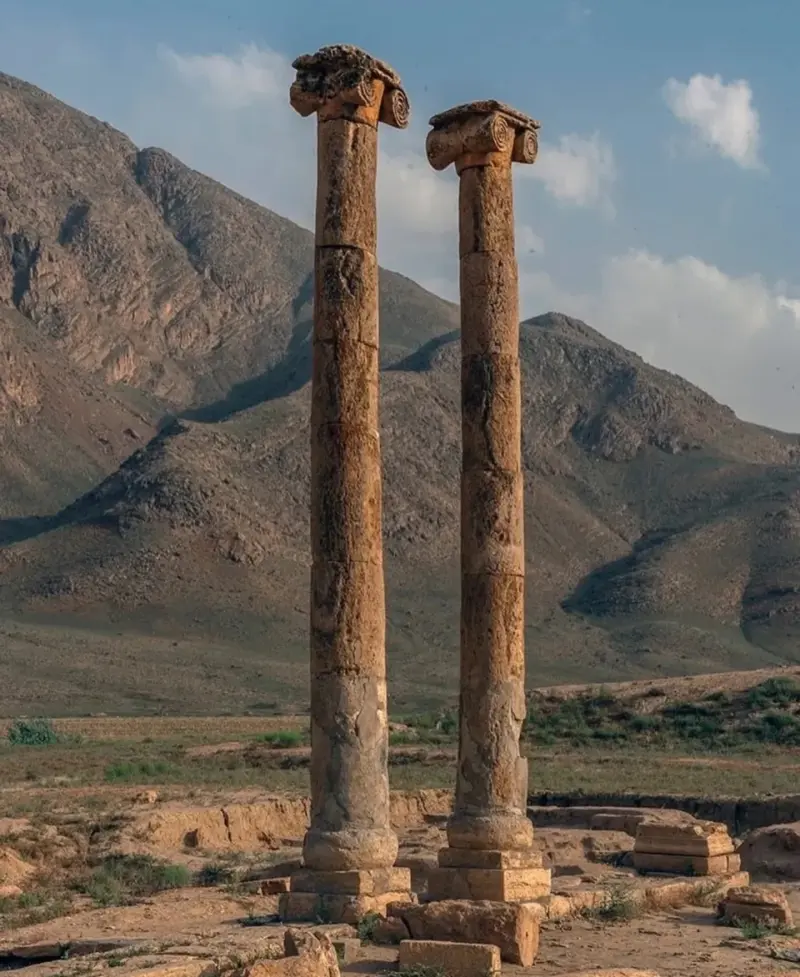
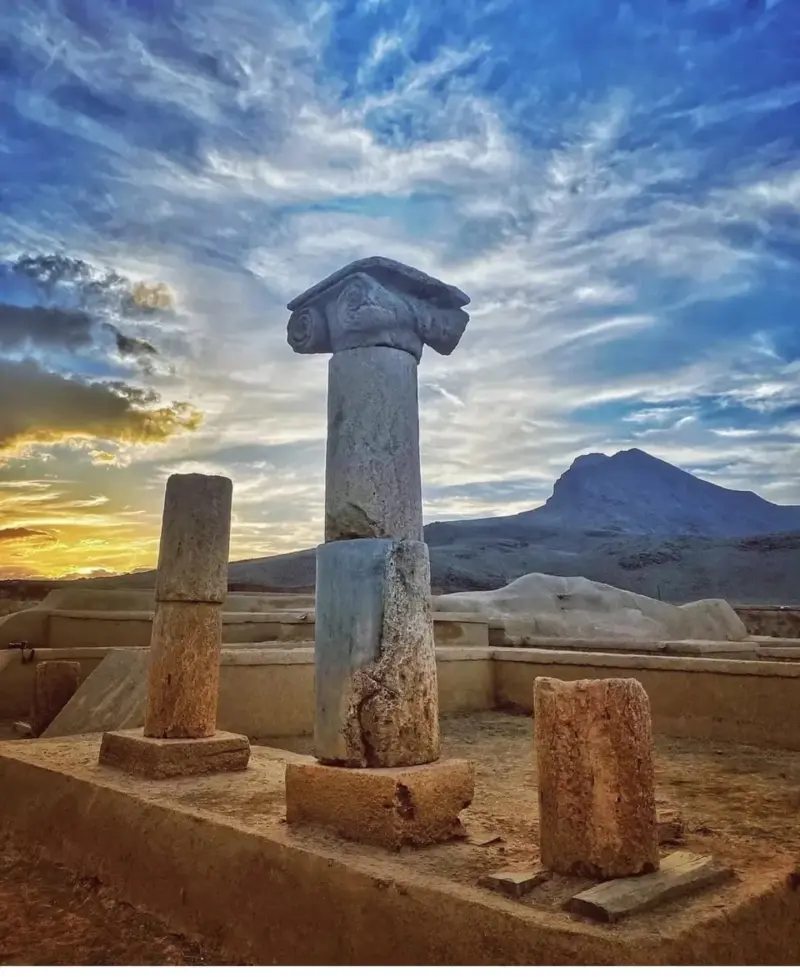
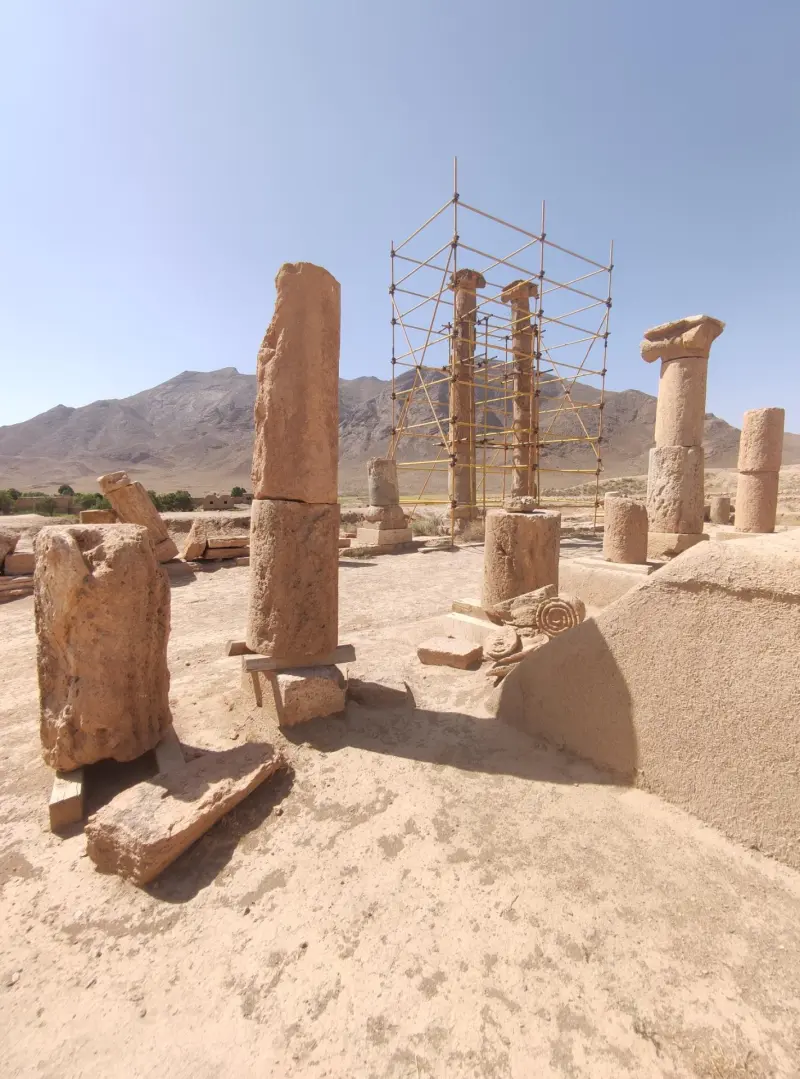
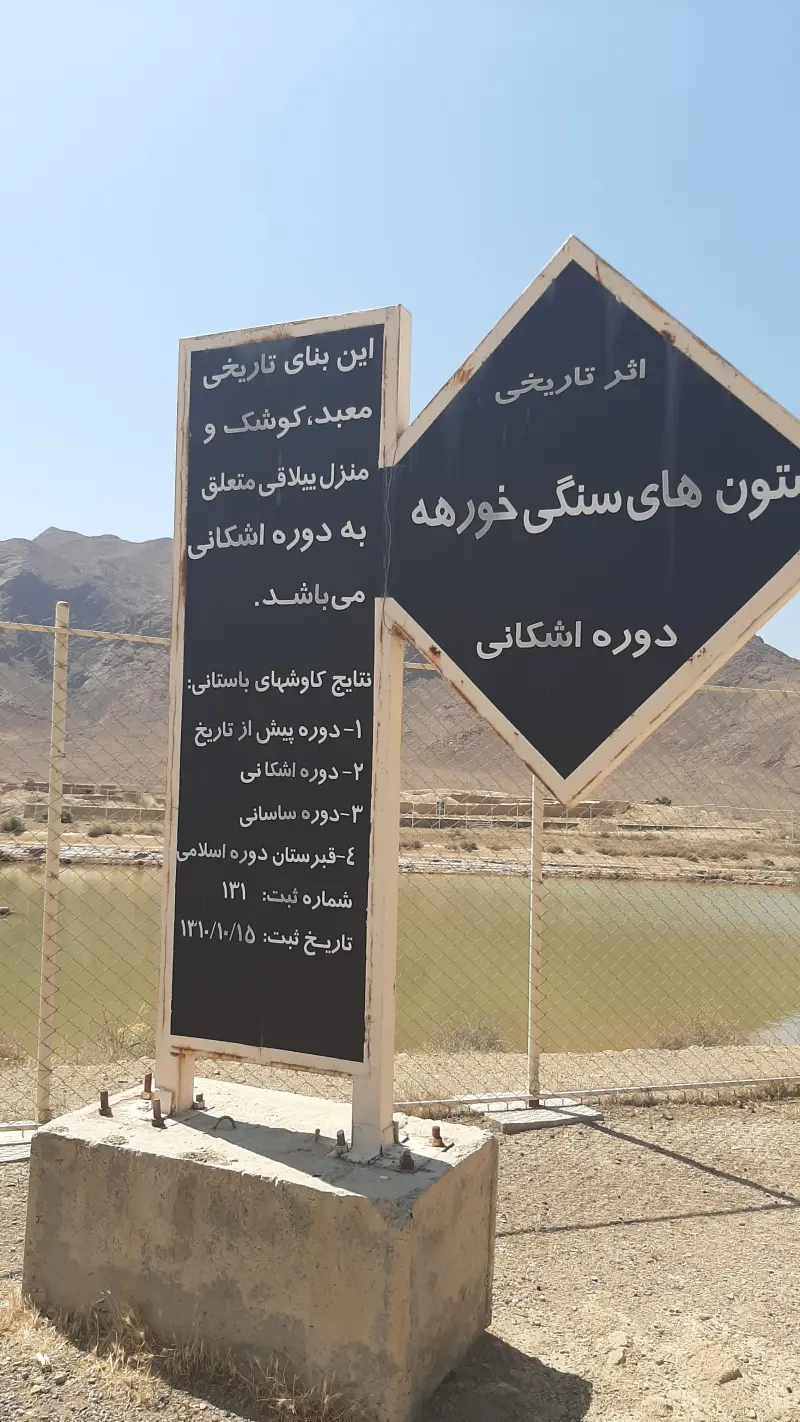
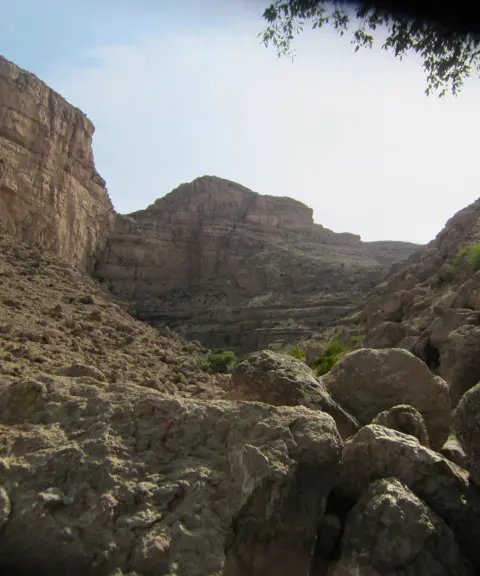
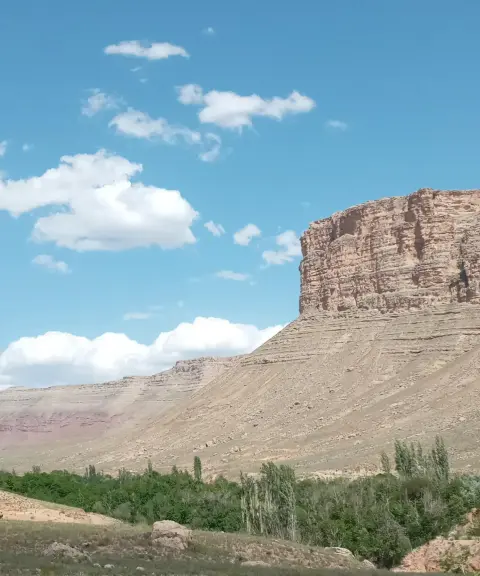
Khorheh Temple is one of the most important historical monuments surviving from ancient Iran. It lies northeast of Mahallat County in Markazi Province, on the edge of the Khorheh Plain. In ancient sources the name "Khorheh" is said to mean "the place where the sun rises", a meaning that evokes the sight of sunlight falling on the temple's stone columns. The historical site covers more than 3,550 square metres and included an iwan, a northern complex and a western complex. Today only the remains of two tall Ionic stone columns survive. They reflect the art and advanced stone-working techniques of the Parthian/Seleucid era and are important to researchers of ancient architecture. The monument dates back about 2,200 years, to the Seleucid period and the beginning of the Parthian era, and is registered on Iran's National Heritage List under registration number 131. It stands in the Khorheh Plain near Khorheh village, about 48 kilometres from the city of Mahallat. The surrounding area is bounded to the north by the Haftad Ghaleh mountain range and to the south by the Yakhchal mountain range.
The monument was used or occupied at various times, from the Seleucid, Parthian and Sassanid periods through to the Islamic era, and the remains of pottery, tools and a few limited structures at the site point to a history of several thousand years. Archaeological research and field surveys indicate that Khorheh Temple was originally part of a larger complex, which may have served a variety of purposes, including as a palace, a centre for festivals and national ceremonies, a ceremonial building or a place of worship. The architecture of Khorheh is an example of the Hellenistic-Seleucid style with local influences. The surviving columns are built of local travertine, and the capitals are designed in the Ionic style, with the decorative volutes (spirals) that characterise this style in ancient Greek architecture. The building's three-part plan, together with its columned porches, shows a blend of local and Parthian architecture with the Greek style and reflects the architecture of temples and ceremonial buildings of the Seleucid period. These features underline the importance of Khorheh as an outstanding example of the fusion of Eastern and Western art and architecture in ancient Iran.
To reach Khorheh Temple, visitors should travel from the city of Mahallat along the road leading to Khorheh village. The main route is paved almost to the site, and the short final stretch continues as a dirt village road. The best times to visit are spring and autumn, when the weather is mild and well suited to historical sightseeing and photography. Because of the site's historical and archaeological value, visitors should follow the principles of responsible nature and heritage tourism. This includes not touching or damaging the columns and stones, not writing or carving graffiti, and taking all rubbish with them, so that this valuable monument is preserved for future generations.
Written by زهرا لنگری Last updated
What you can do here, and what it takes
اطراف محوطه امکاناتی برای پیادهروی تفریحی کوتاه در دشت و محیط باز فراهم است.
Province Markazi
Province Markazi
Province Markazi
Province Markazi
Province Markazi


Unfortunately, no comments have been registered.