
 Desert (Kavir)
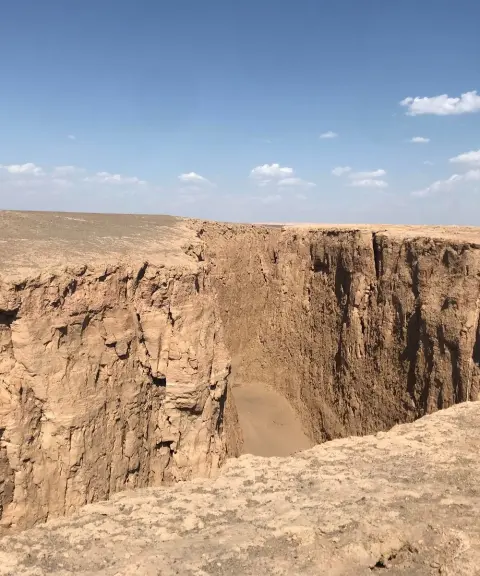
Aya Sofia Kalut
A magnificent symbol of natural erosion in the heart of the Lut Desert
- Desert (Kavir)
- Kerman, Kerman
- Altitude 240 m
- Ability level Beginner
Ability level:
Beginner
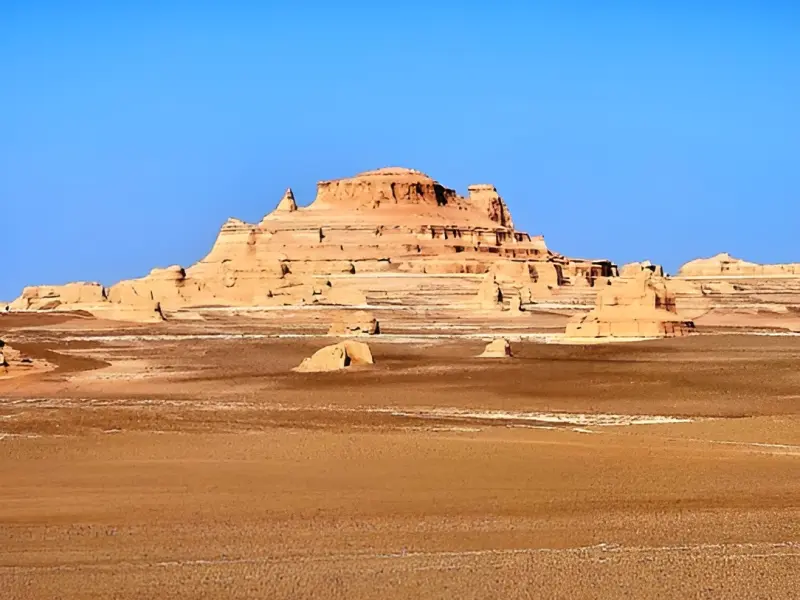
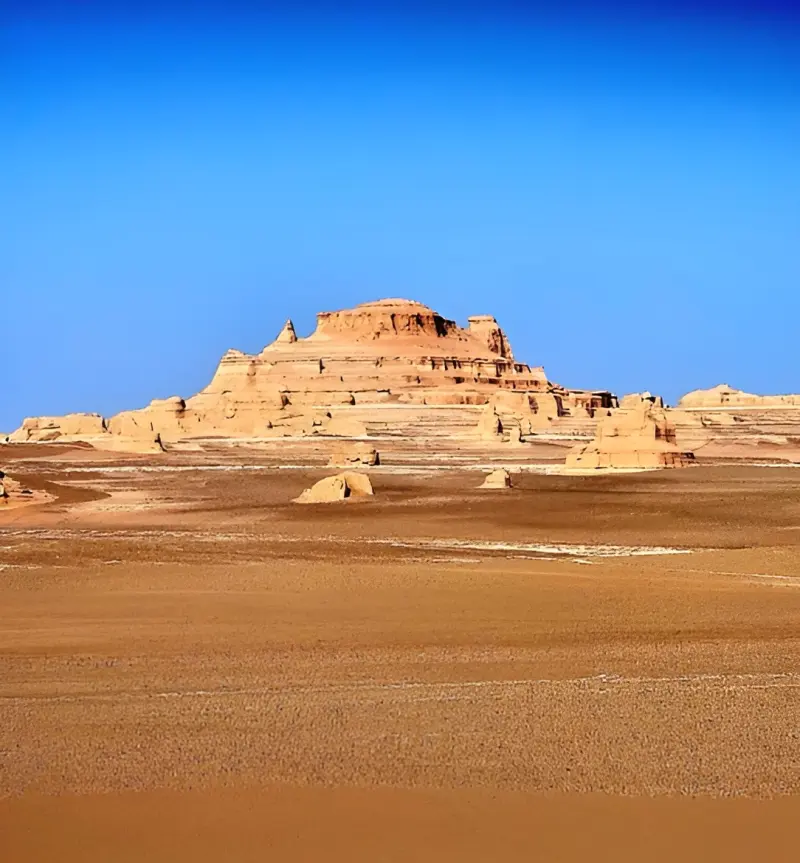
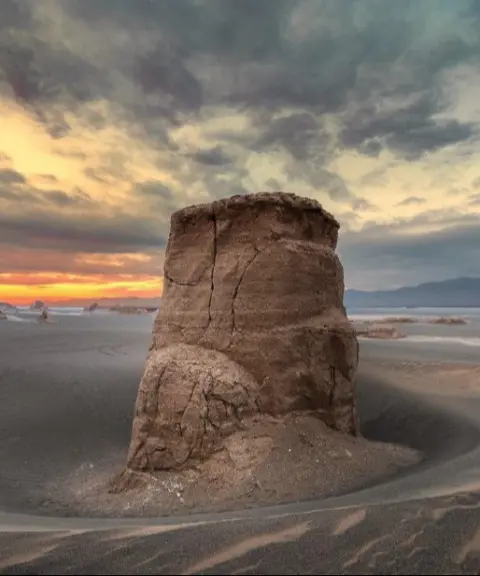
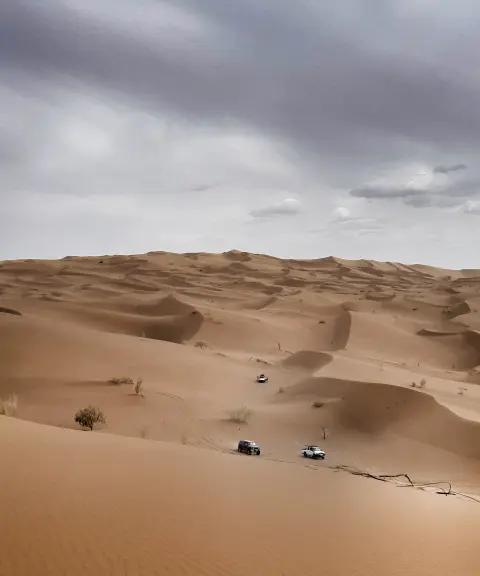
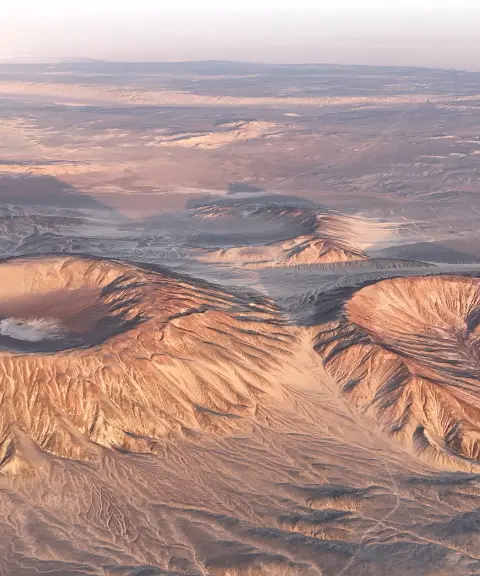
The Aya Sofia Kalut is one of the most remarkable geomorphological features, and one of the most spectacular landscapes, in the eastern plain of the Lut Desert in Kerman Province, Iran. In this arid region, strong winds and distinctive erosion patterns have carved huge, majestic formations into the surface of the land. From a distance, these tall, deeply sculpted rock structures look like castles and historic buildings. Because of their strong resemblance to the Hagia Sophia mosque, tourists and desert trekkers call them the Aya Sofia Kalut. These kaluts are part of the Shahdad Kaluts, which lie in the heart of the Lut Desert. The area is on the UNESCO World Heritage List for its outstanding geological landscapes, and it is regarded as one of the finest examples of yardangs in the world.
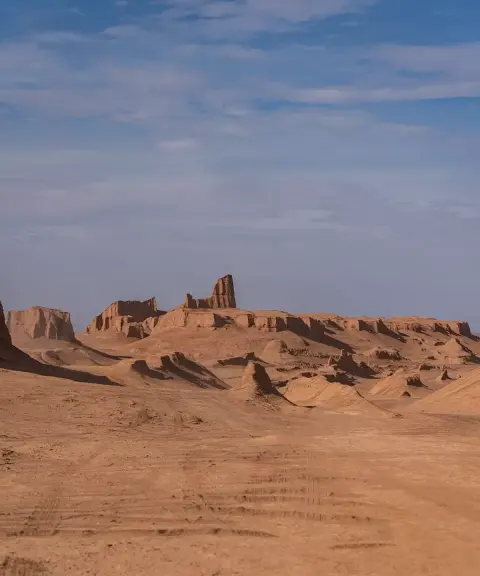
The Aya Sofia Kalut belongs to the Shahdad kalut complex, natural structures shaped by long-term wind erosion, and occasionally rain, in dried desert sediments. Spread over a vast area, these kaluts create a landscape like a "ruined city". They are among Iran's most important geomorphological attractions and a popular destination for desert trekkers, geologists and professional photographers. The landscape is notable for the considerable height of some of the formations (more than a hundred metres in places across the Shahdad Kaluts), for their long parallel lines, and for the directions in which they have formed, all of which offer unrivalled views on a grand scale. Given the variety and sheer size of these eroded forms, many visitors consider watching the sunrise and sunset among these rock columns one of the most memorable experiences in nature.
To reach the Aya Sofia Kalut and the other kaluts in the area, the trip usually begins in the town of Shahdad in Kerman Province. From there you can head deeper into the Lut Desert in four-wheel-drive (off-road) vehicles or with a local guide. The routes often have no marked roads, so a local guide or joining a tour group is recommended. The best time to visit this unique natural attraction is spring or autumn, when the intense summer temperatures ease considerably and the risk of desert heat is reduced. When visiting, it is essential to follow the principles of responsible nature tourism, including keeping the environment clean, not leaving any litter, and respecting the silence and natural value of the site, so that this precious landform is preserved for the future.
Written by زهرا لنگری Last updated
Activities
What you can do here, and what it takes
-
Walking
کفش پیادهروی به همراه داشته باشید..
Specifications
Introduction of the location and specifications of Aya Sofia Kalut
Location:
Kerman, Kerman
Coordinates:
30.41262916, 58.57511945
Open in maps
Height above mean sea:
240 meter
Floras:
Deserts and Dry Shrublands
Faunas:
Presence of Allergenic Insects, Presence of Herbivorous Animals
Transports:
Private car, Minibus, Bus
Tourist Attractions in Kerman
Attractions that are nearby

Kaluts of Shahdad
Province Kerman
- Walking
The Mysterious Grandeur of the Clay City in the Heart of the Lut Desert


Related tags:
Unfortunately, no comments have been registered.