
 Caves
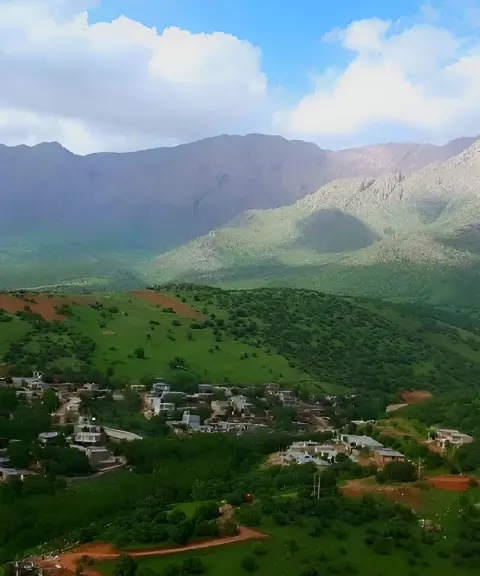

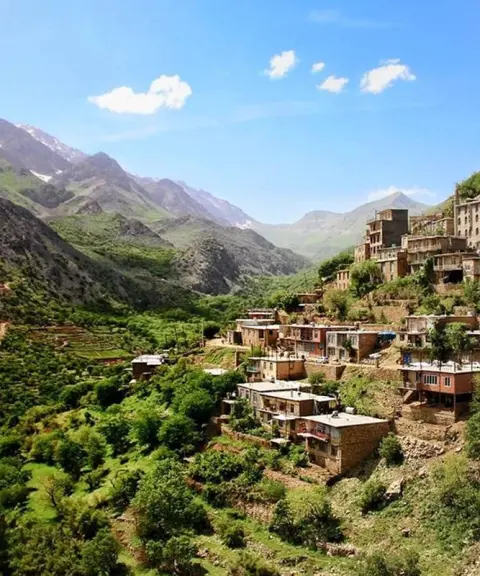
Shabankareh Village
Province Kermanshah
- Walking
- Mountaineering
- Caving
The largest water cave in the Middle East
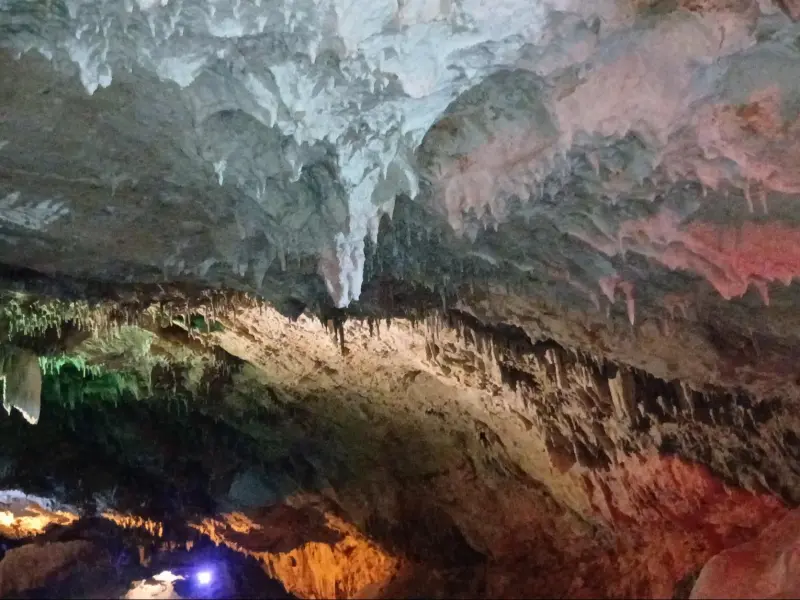
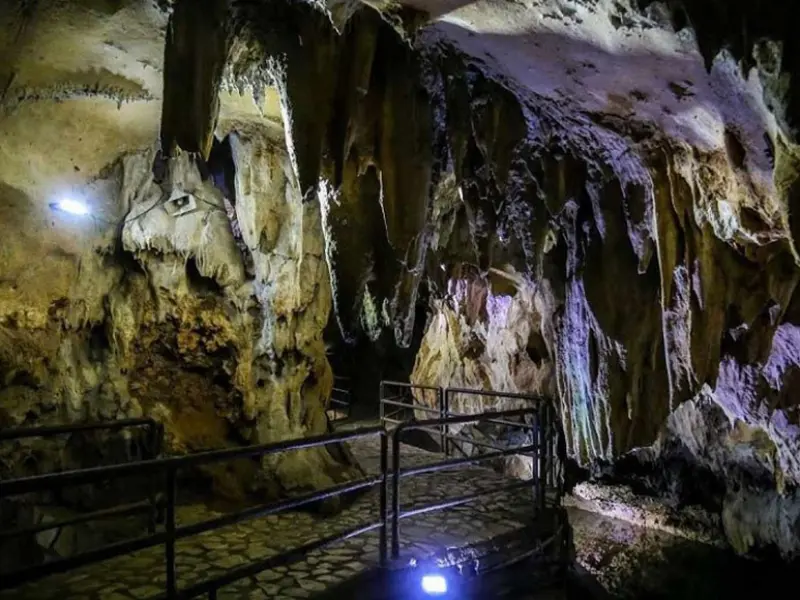
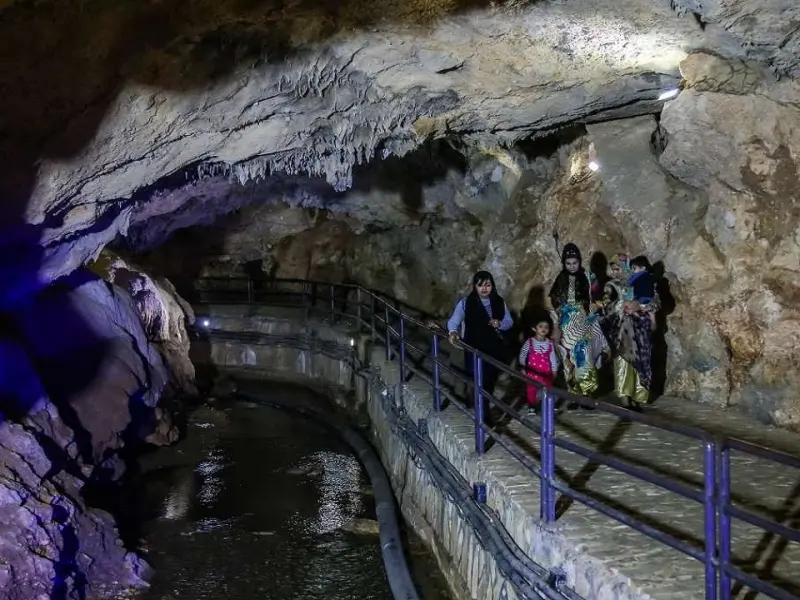
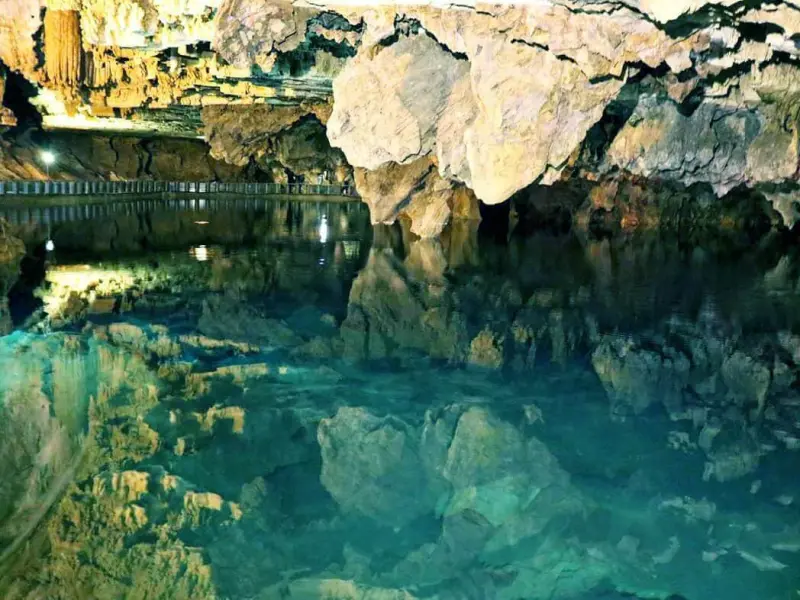
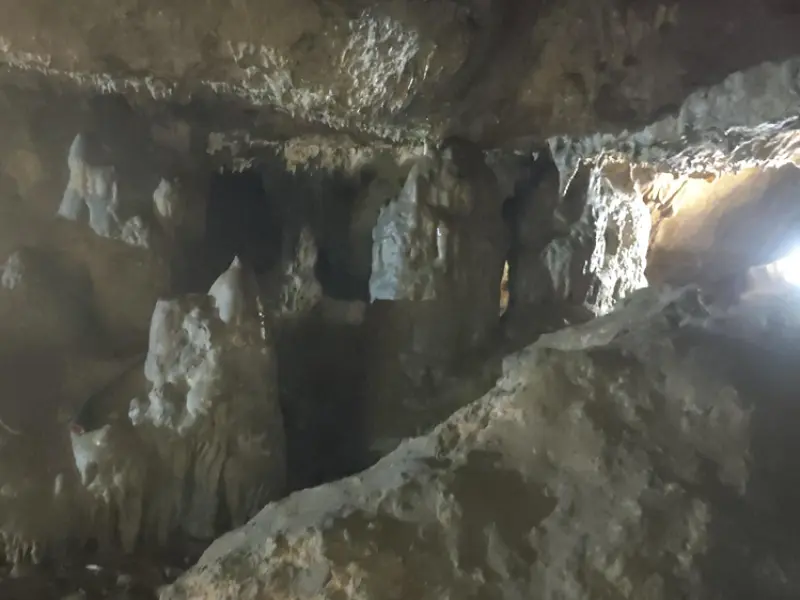
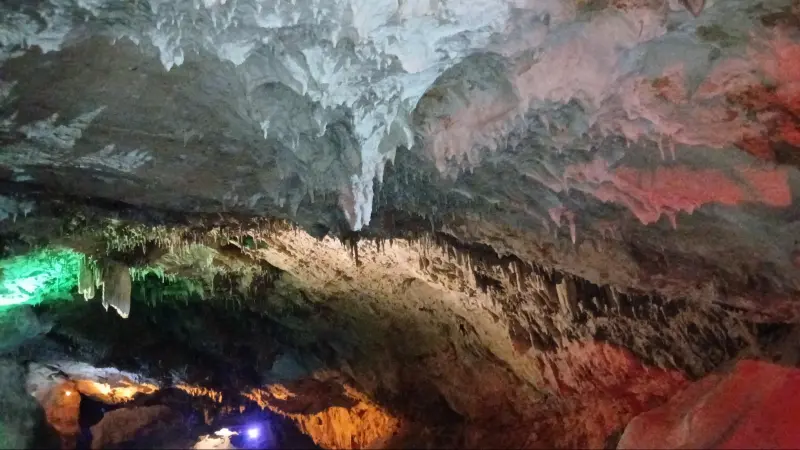
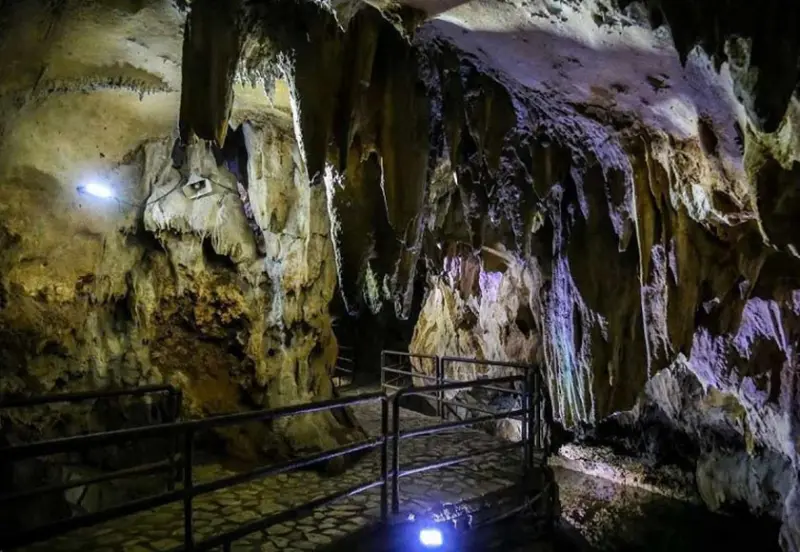
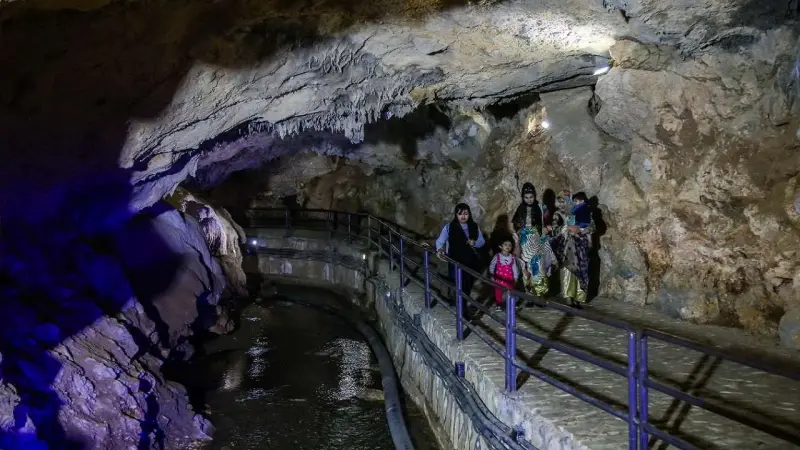
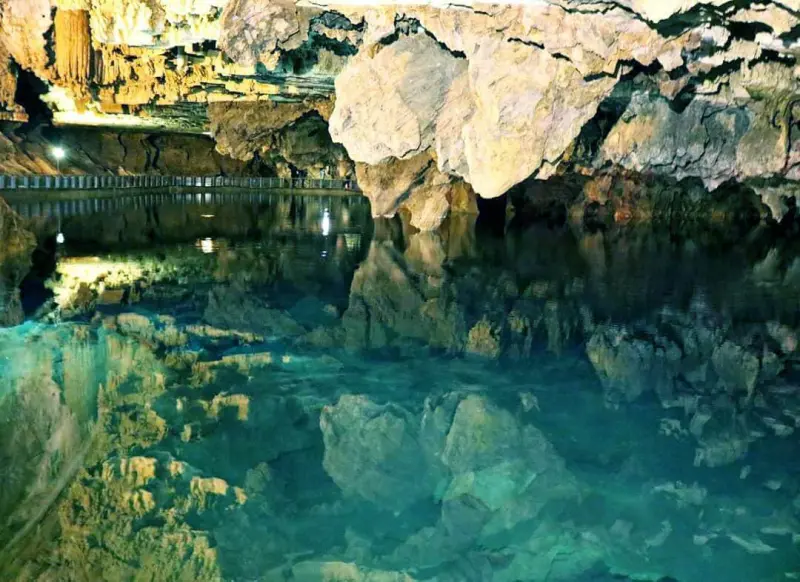
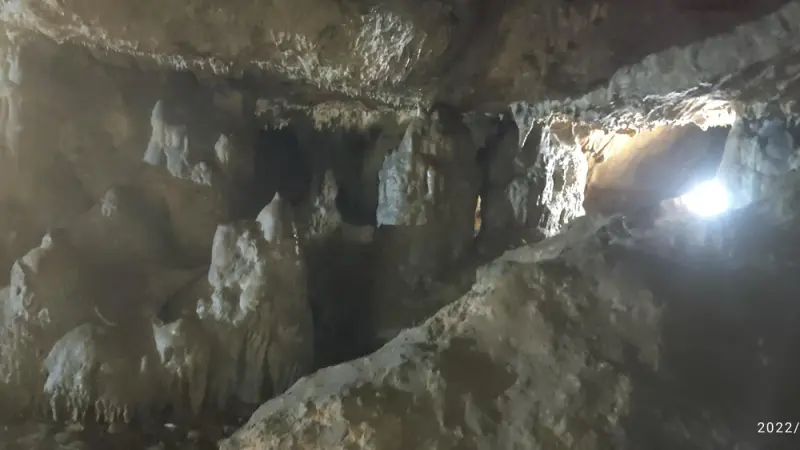
Qouri Qaleh Cave (also known as Qouri Qala; in Kurdish: قوڕەقهڵا) is the largest water cave in the Middle East, with a history of 65 million years. It is located in Kermanshah Province, in Ravansar County. The cave lies 25 kilometres from the city of Ravansar, on the slopes of Mount Shahu, overlooking the Ravansar–Paveh road and next to a village of the same name.
The cave is 12 kilometres long and 3,140 metres deep, and it is registered as one of Iran's seven national natural monuments. In 1976 a group of British speleologists, and in 1977 another group of French cavers, surveyed and explored 550 metres of the cave. In the 1980s a group of cavers from Kermanshah explored and mapped new sections of the cave to a depth of more than 3 kilometres. The pools in this cave reach a depth of 14 metres. This natural monument has beautiful halls at 1,400 metres and 500 metres, including the Maryam Hall, the Camel Hump Hall, the Barzakh Path Hall, the Crystal Hall and the Bride Hall. It is one of the most beautiful sights and tourist attractions of Ravansar County.
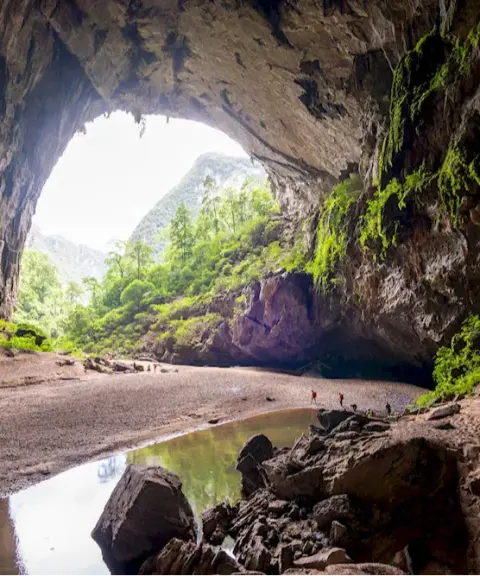
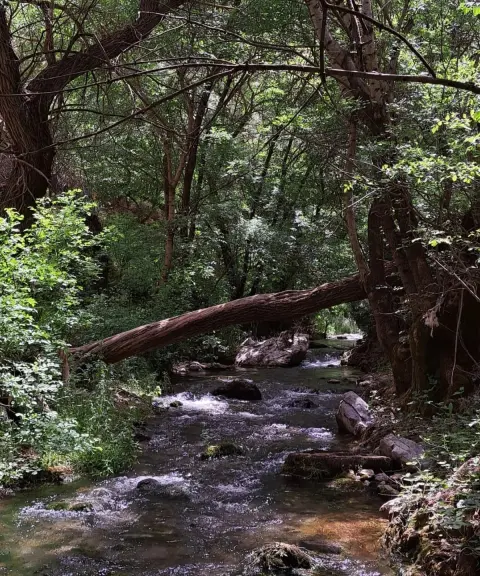
After passing through the first two phases of Qouri Qaleh Cave, you reach the most exciting part of the adventure. Just walk 3,000 metres from the cave entrance and you will arrive at the waterfall area. Four waterfalls here create a unique scene inside the cave. They are 10 to 12 metres high. An important point about the cave's water sections is that a large part of them has not been opened to visitors. The most beautiful part of the journey is the end of the cave, which opens into a lovely valley. The cave's far exit lies in a valley full of tall, sturdy forest trees, where you can camp for a few hours in the beautiful natural surroundings.
The cave has 40 to 60 percent humidity and a temperature between 7 and 11 degrees Celsius, which stays constant in all seasons of the year. With its stalactites and fascinating geological features, the cave was once home to a rare species of bat known as the mouse-eared bat, as well as many yellow salamanders. However, over the past decades, uncontrolled and unprotected visits by tourists have caused a sharp decline in the populations of the animal species living in the cave. The first six months of the year, especially from late Ordibehesht to early Shahrivar, are the best time to travel to Kermanshah. At this time the weather is milder and the cold will not trouble you. The cave is open to visitors from 9 a.m. to 5 p.m.
Written by ستایش عرب Last updated
What you can do here, and what it takes
کفش مناسب طبیعتگردی به همراه داشته باشید.
Province Kermanshah
Province Kermanshah
Province Kermanshah


Unfortunately, no comments have been registered.