
 Attractions
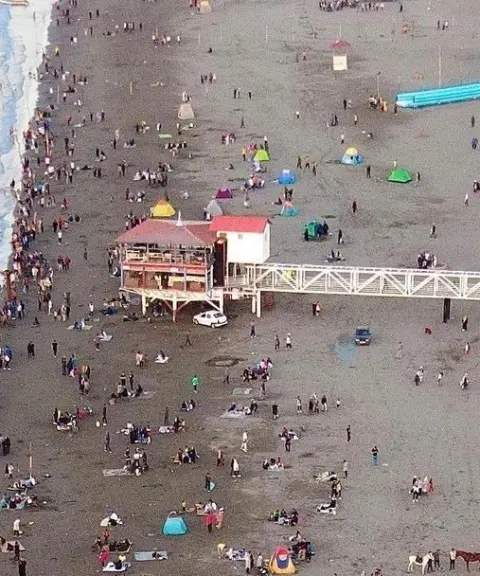

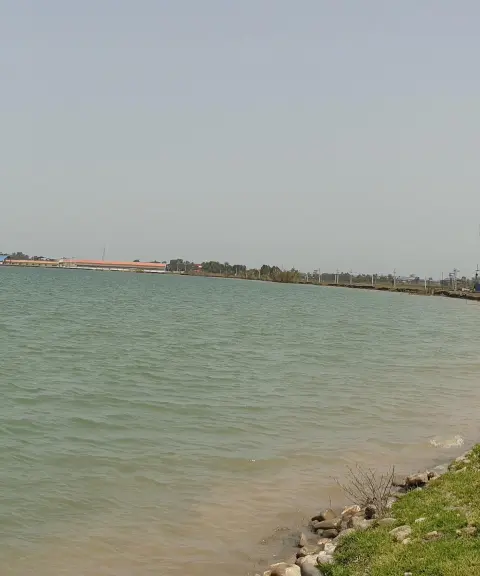
Farahabad Beach
Province Mazandaran
- Walking
- Swimming
- Rowing
- Horse Riding
A Safavid-era splendor surviving in the heart of northern Iran's history
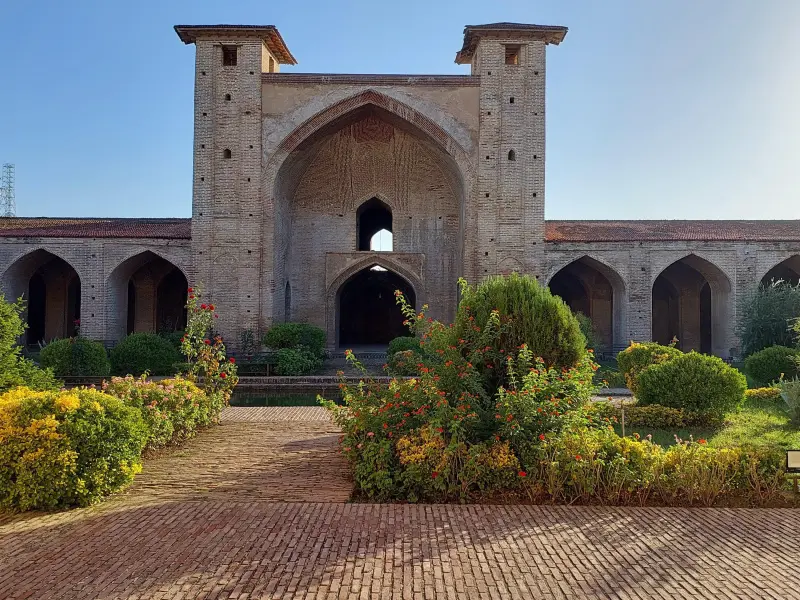
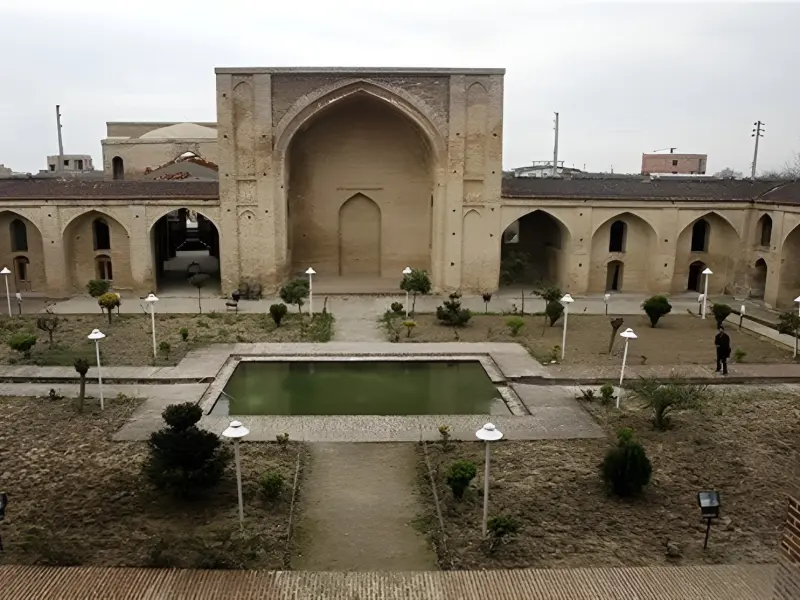
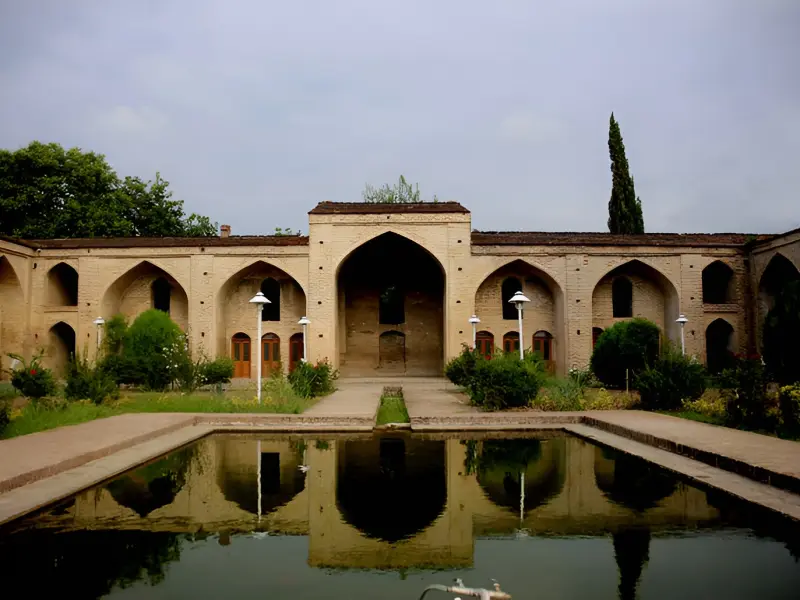
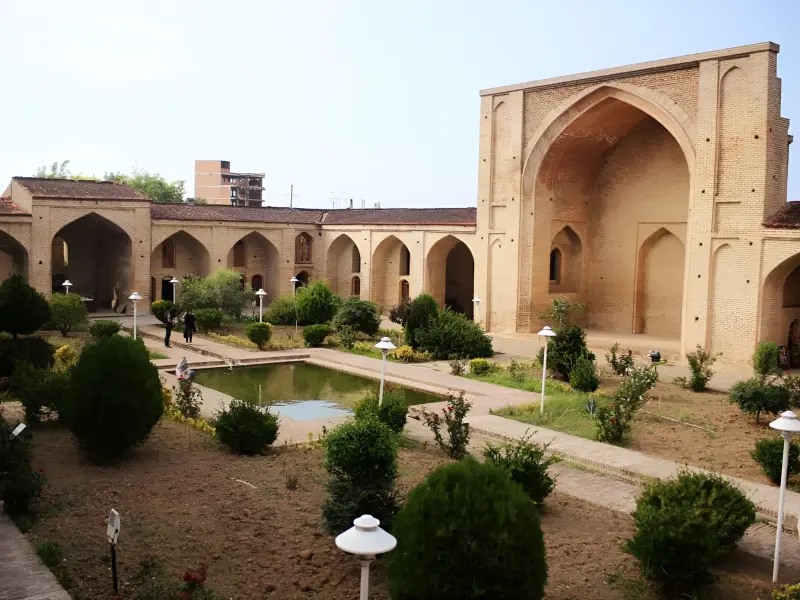
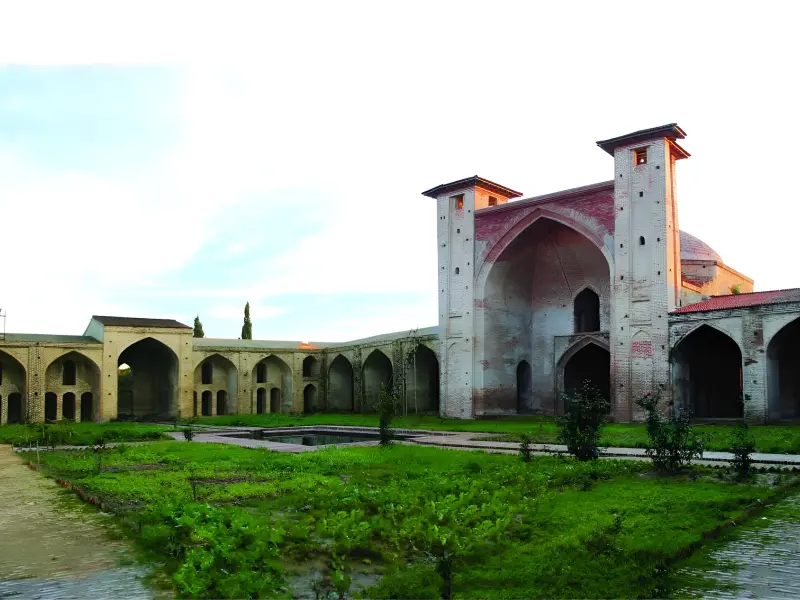
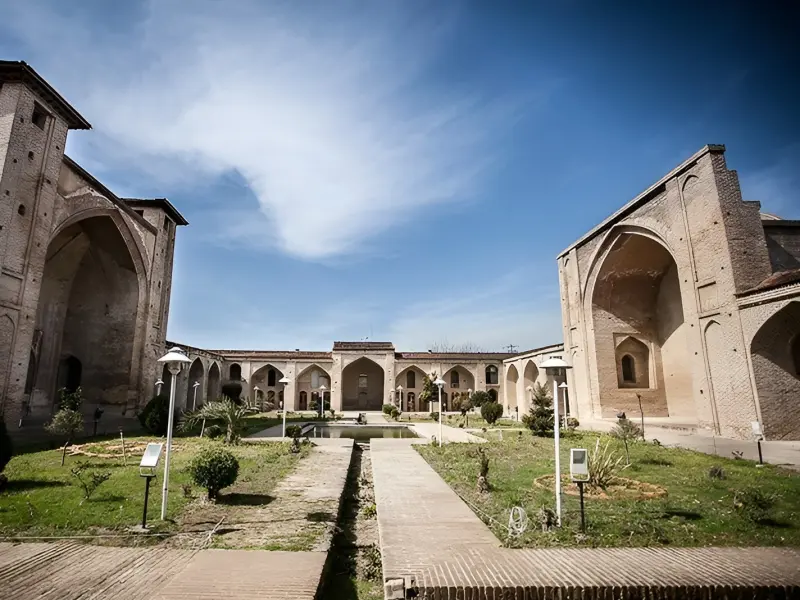
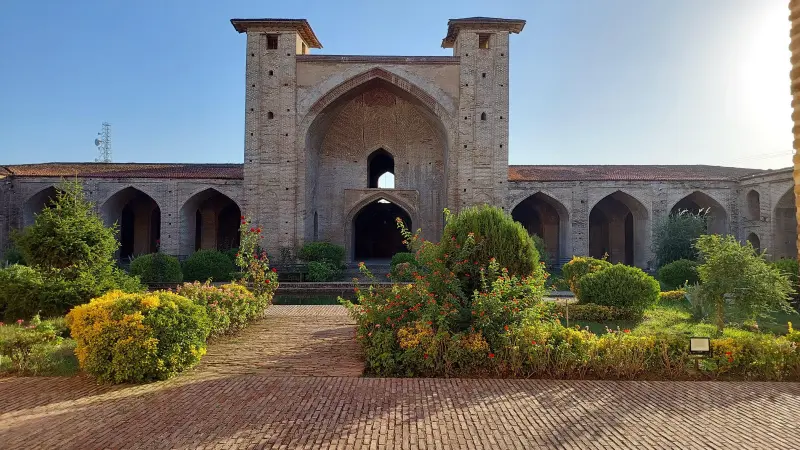
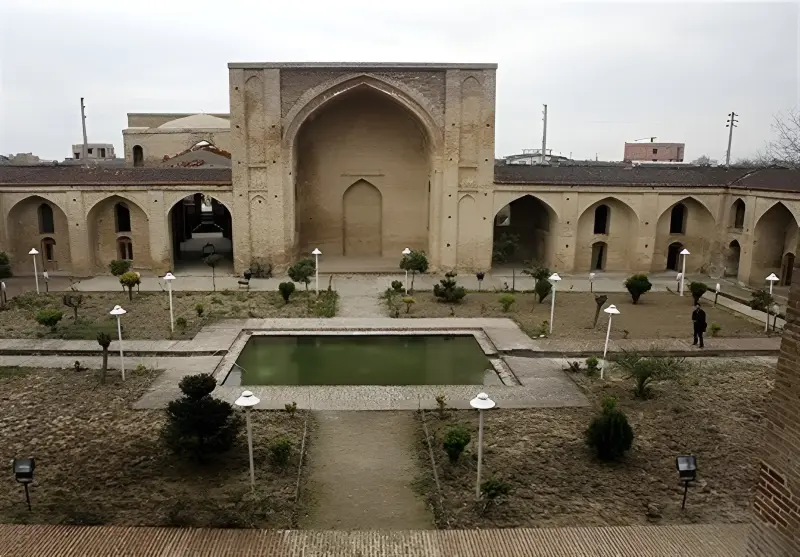
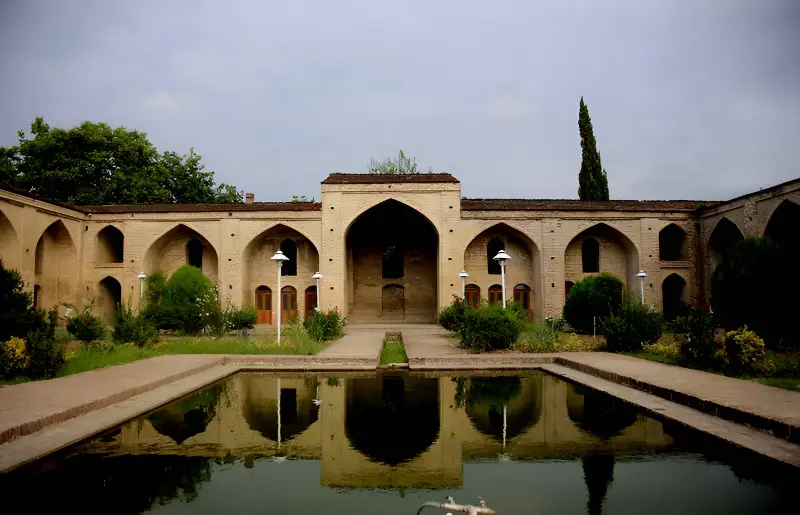
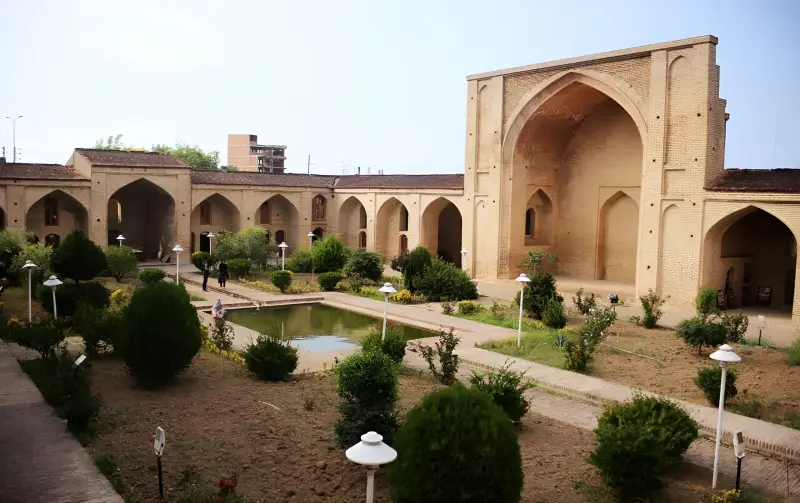
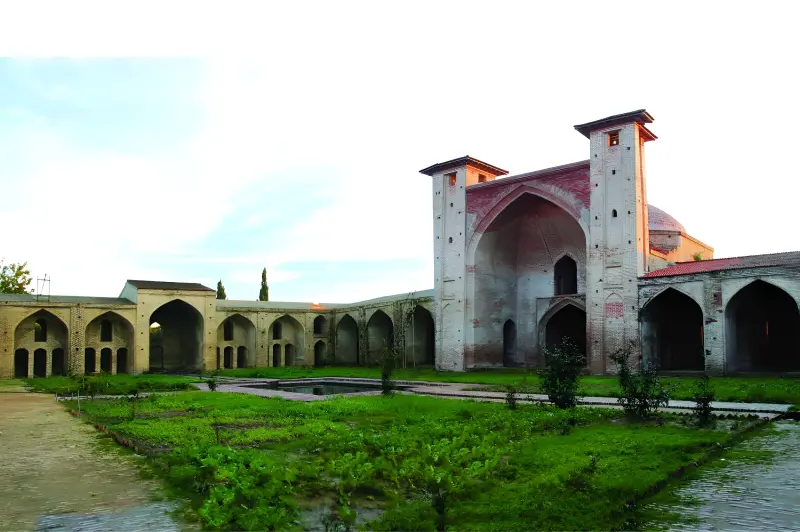
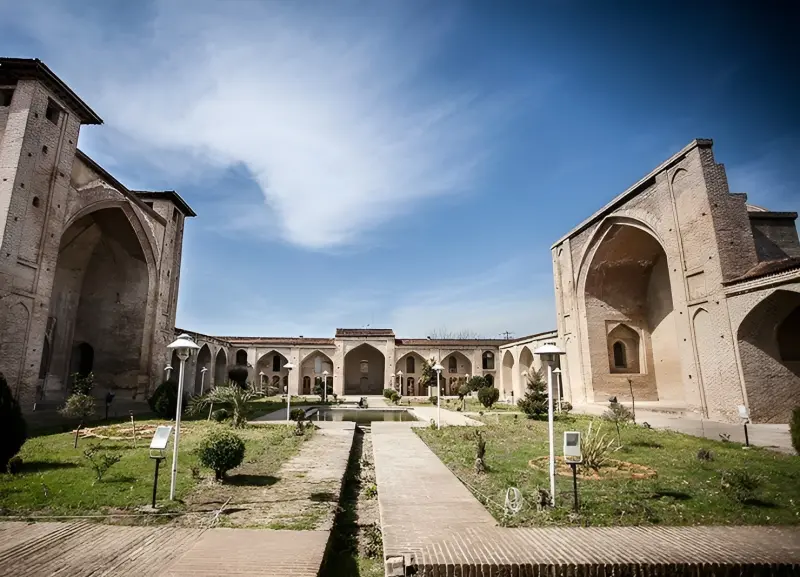
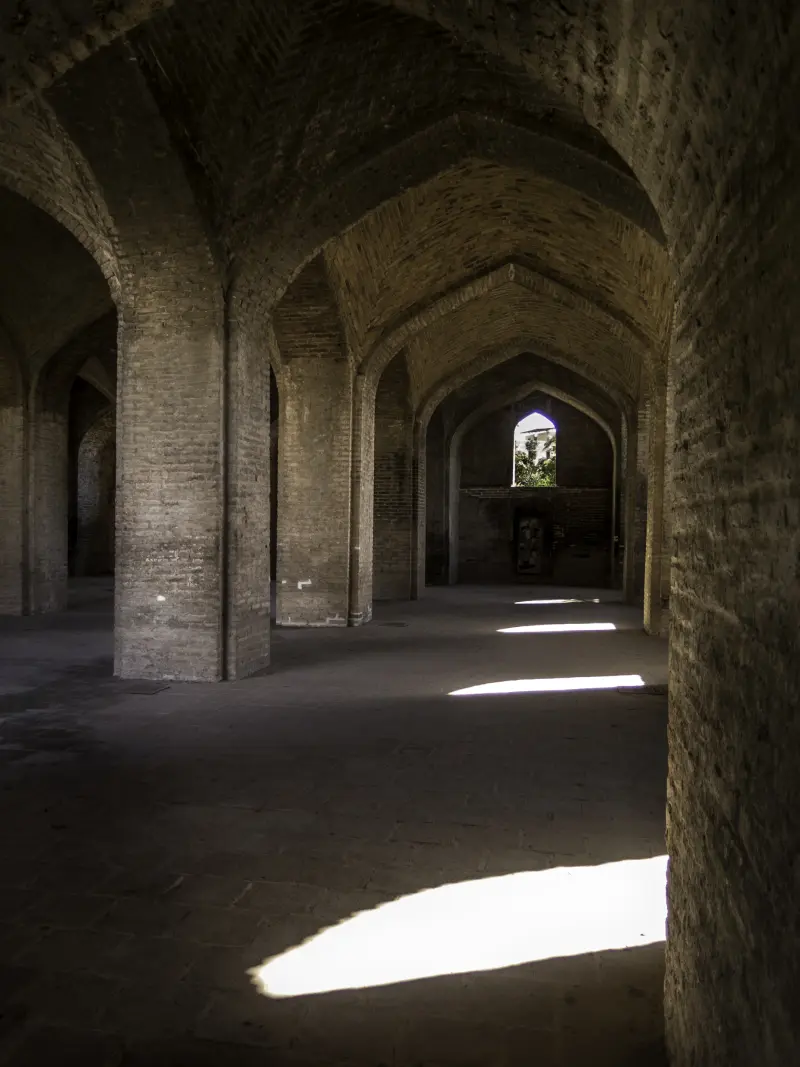
The Farahabad Historical Complex is one of the most valuable historical sites in Mazandaran Province. It lies within Sari County, along the road from Sari to Farahabad. The complex preserves the remains of the old city of Farahabad, which was built in the Safavid period on the orders of Shah Abbas I and was known in its day as an important and thriving port. Because of its economic prosperity and political importance, Farahabad was known at the time by titles such as Dar al-Sorur and Dar al-Saltaneh, and it was a favored region of the Safavid kings, especially for seasonal stays. The site was added to Iran's National Heritage List in 1976 (SH 1355) under registration number 1376.
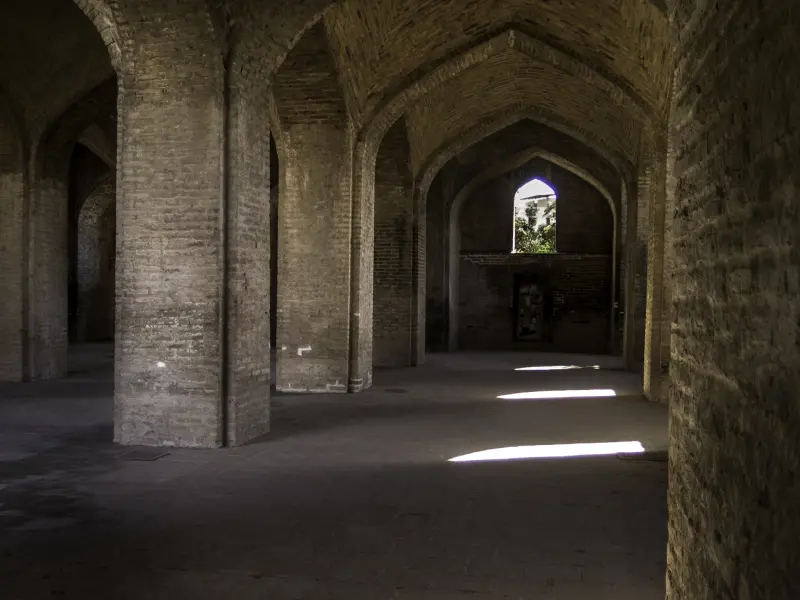
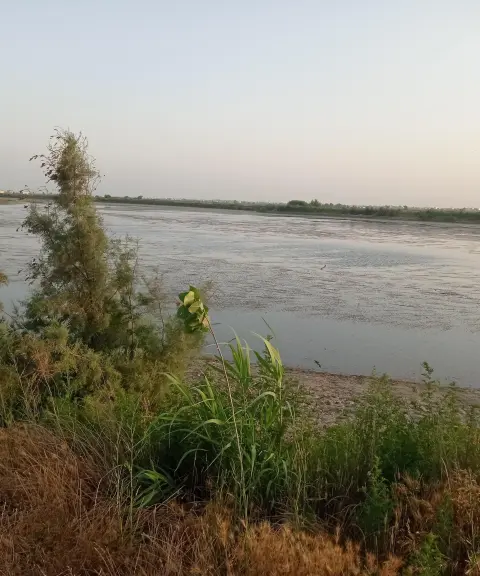
In terms of structure and historical importance, the complex covers about 40 hectares and once included a mosque, a madrasa, a bathhouse, the Shah Abbasi Bridge, a caravanserai, a water reservoir (ab-anbar), a bazaar and the Jahan Nama Palace, all of which grew up around the Tajan River. Although many of these buildings were destroyed over the centuries, particularly after the Russian attack, the surviving remains still show the grandeur of Safavid architecture and urban planning. The Farahabad Mosque, the best-preserved part of the site, displays the architectural art of the era with its four-iwan layout, brick dome and muqarnas decoration. The remains of the Shah Abbasi Bridge with its brick arches and the Jahan Nama Palace, once among the most magnificent buildings in the region, are other important sights of the complex.
To reach the Farahabad Historical Complex, take the Darya Road (Sea Road) from the city of Sari and continue for about 22 kilometers to arrive at the historic site. The complex is near the shore of the Caspian Sea and is easily reached by private car or by intercity taxi. The best time to visit is spring and early autumn, when the weather in the region is milder and more pleasant, since summers are hot and humid. When visiting this historic site, it is very important to follow the principles of responsible tourism, including protecting the historic buildings, avoiding any damage to the surviving remains, and respecting their cultural and historical value.
Written by زهرا لنگری Last updated
What you can do here, and what it takes
مسیرهای اطراف مجموعه و فضای باز آن برای قدمزدن و گشتوگذار آرام در محیطی تاریخی مناسب است.
Province Mazandaran
Province Mazandaran
Province Mazandaran
Province Mazandaran

Province Mazandaran


Unfortunately, no comments have been registered.