
 Attractions
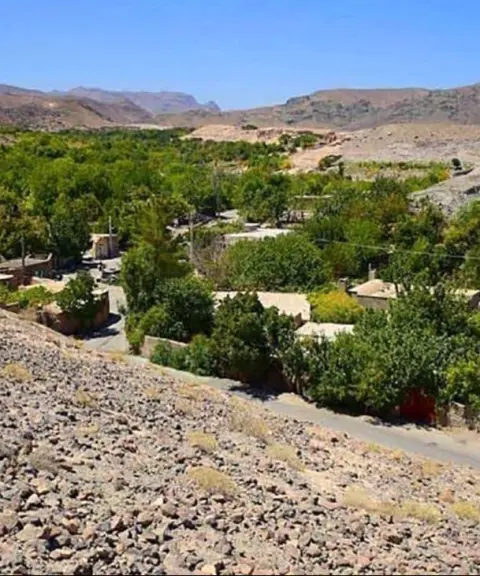
Tamin Village
Province Sistan and Baluchestan
- Walking
A mysterious cemetery in the heart of Baluchestan's silent rocks
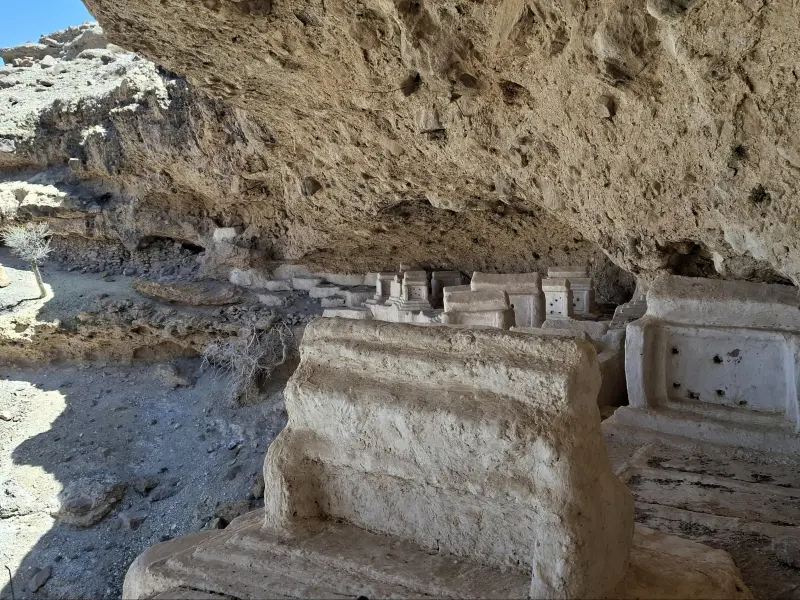
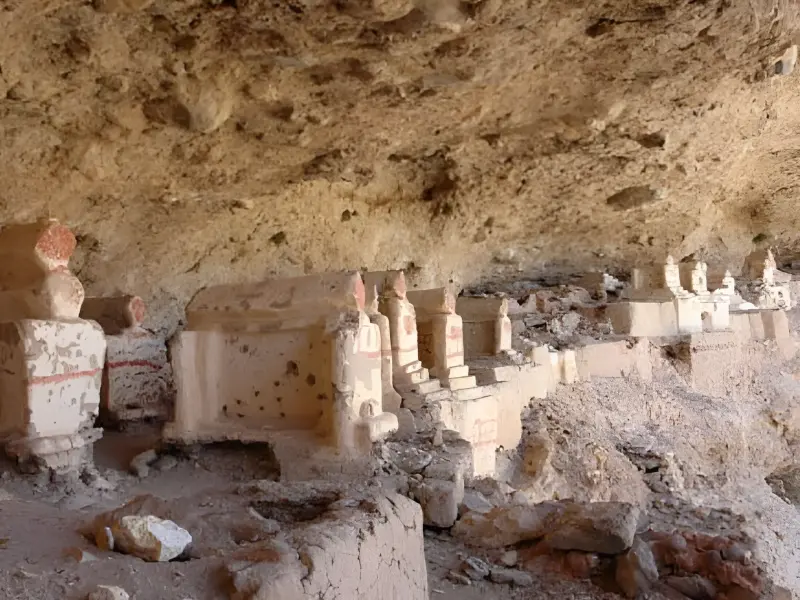
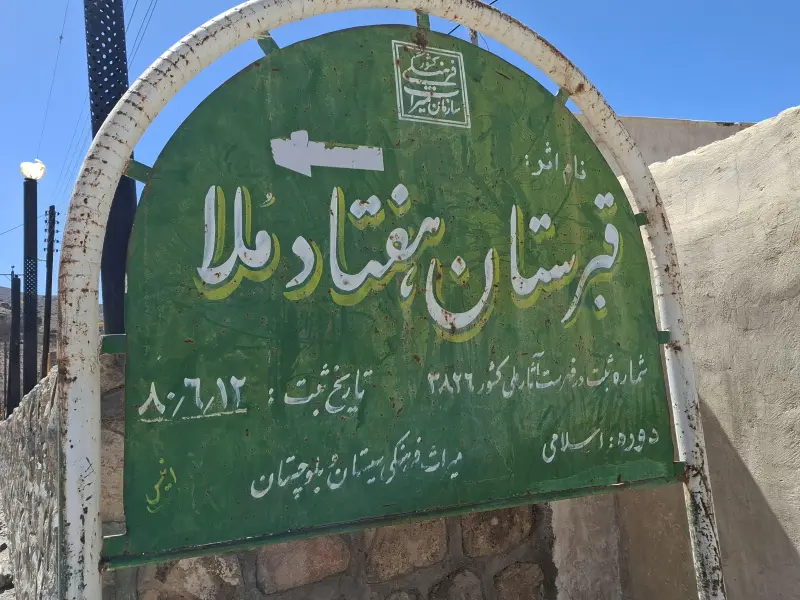
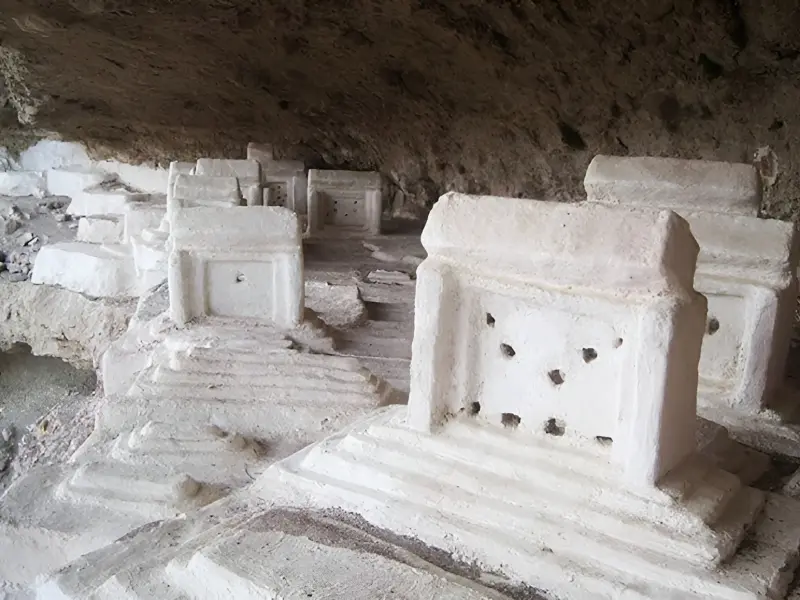
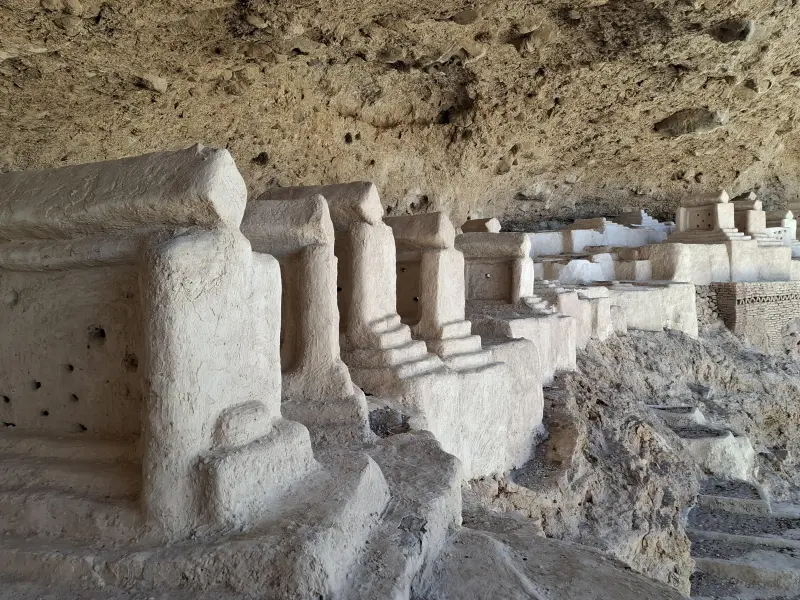
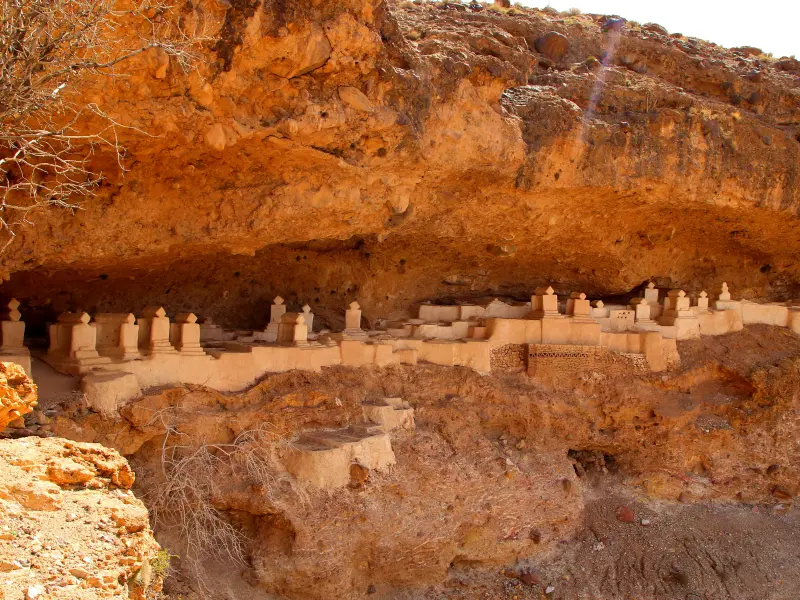
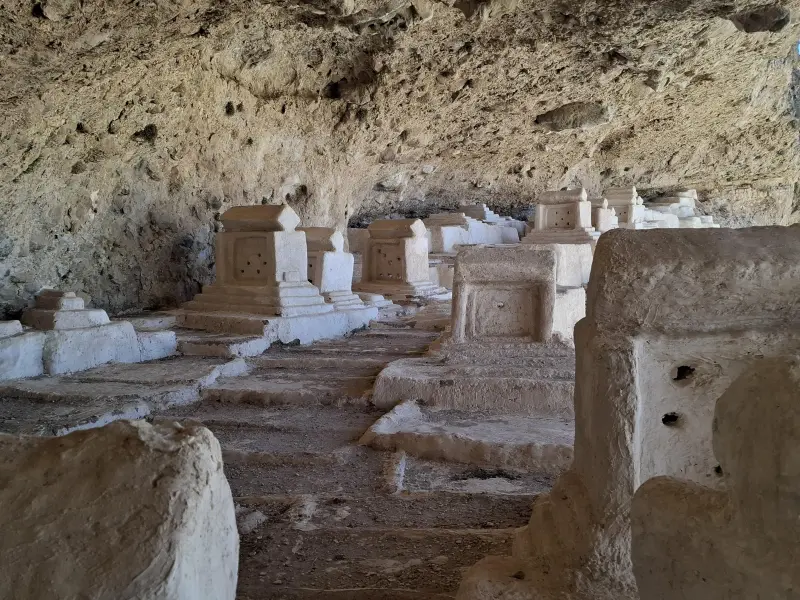
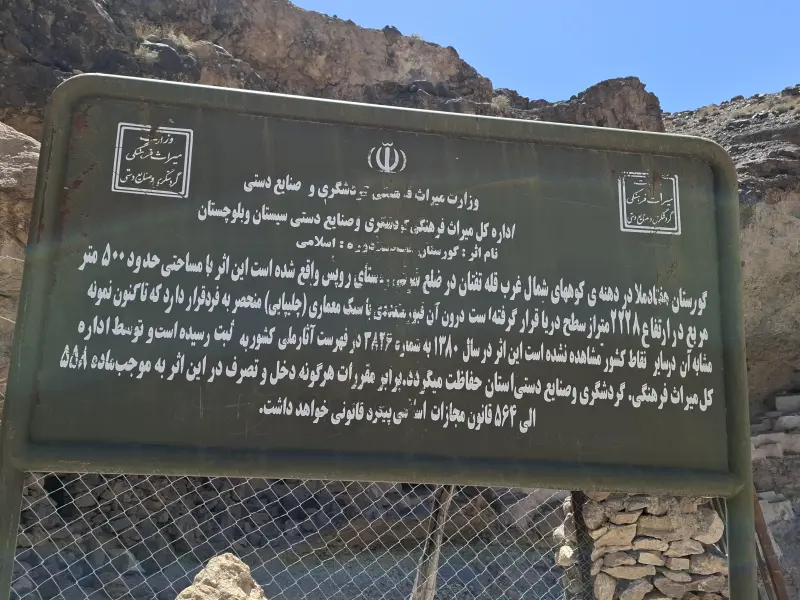
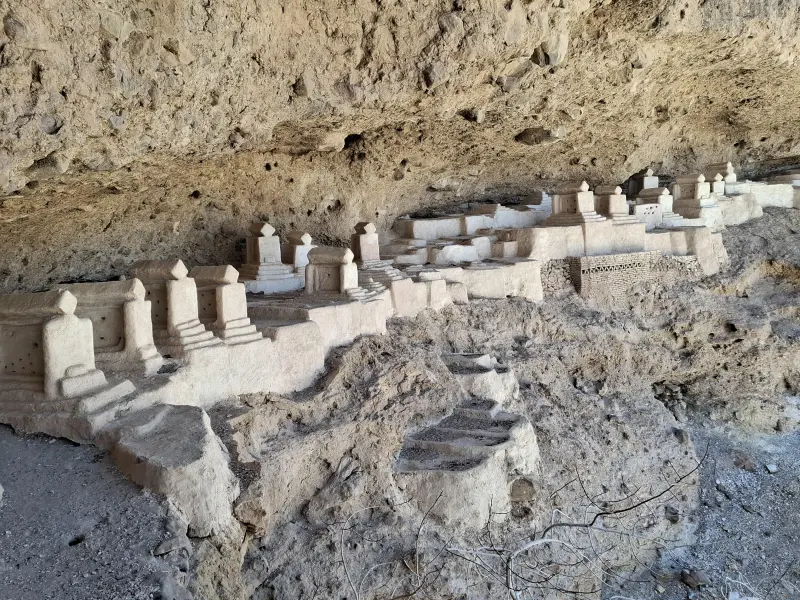
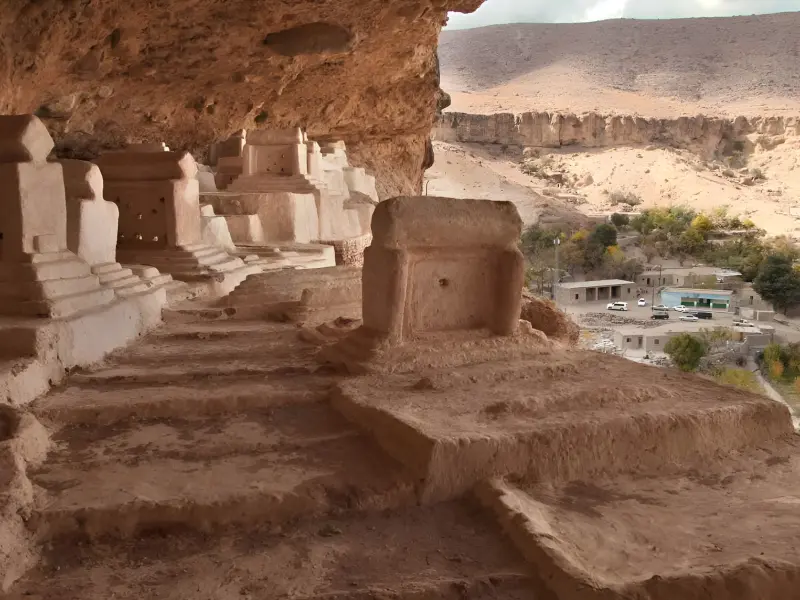
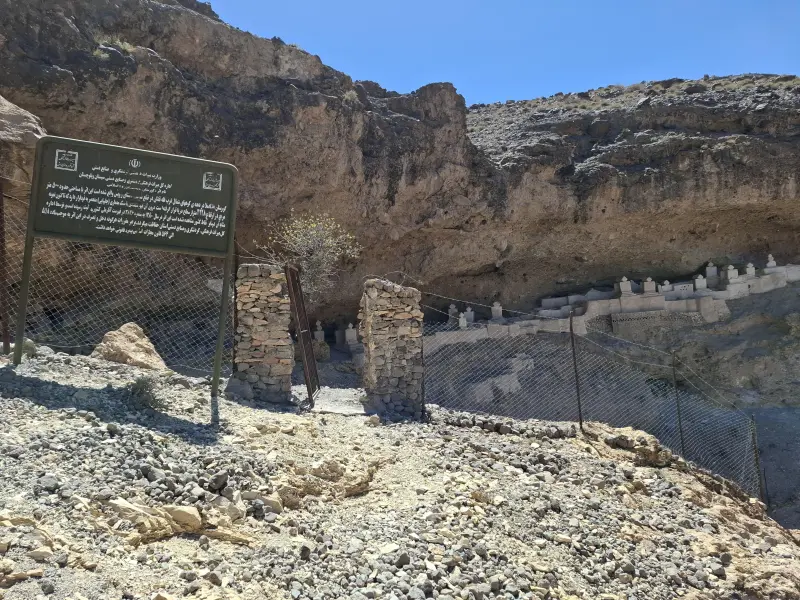
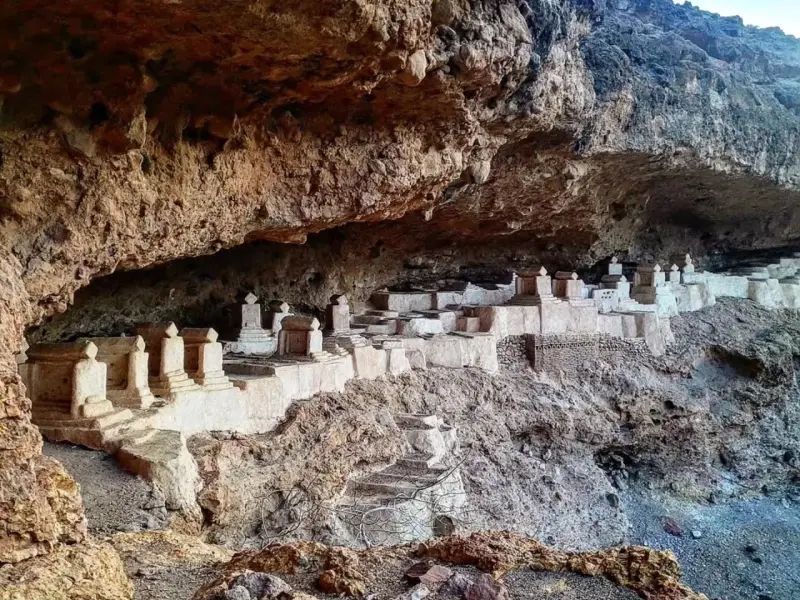
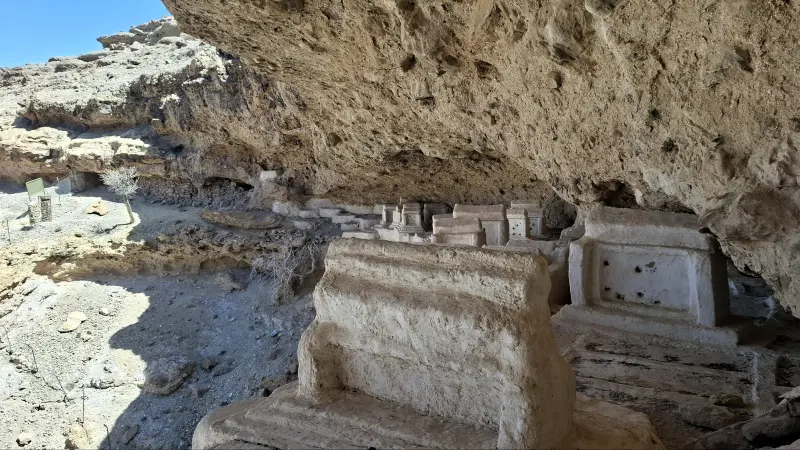
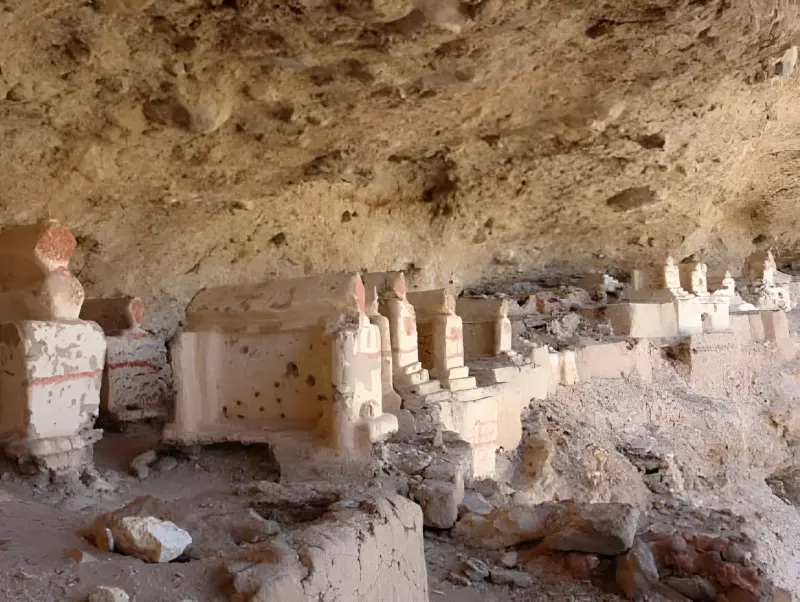
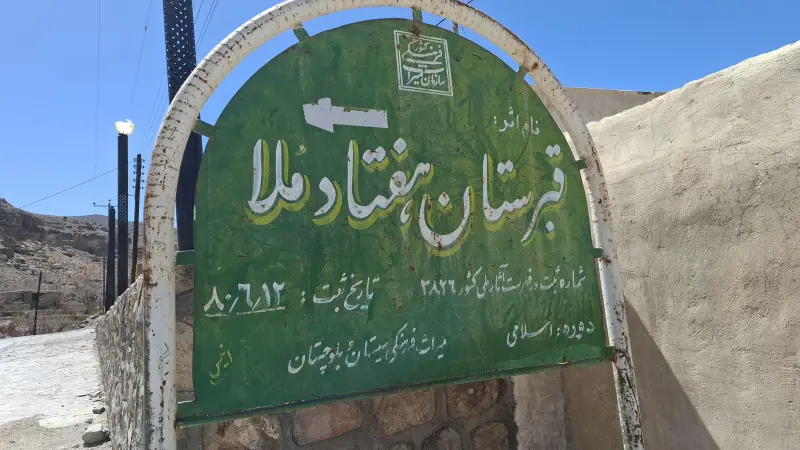
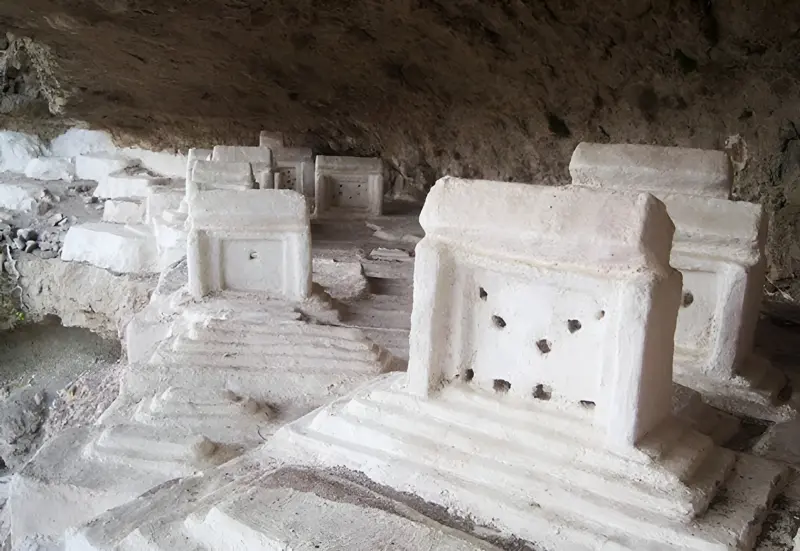
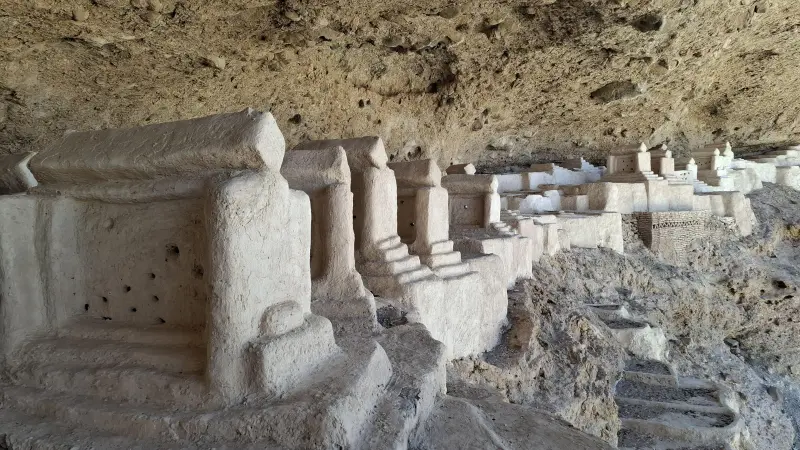
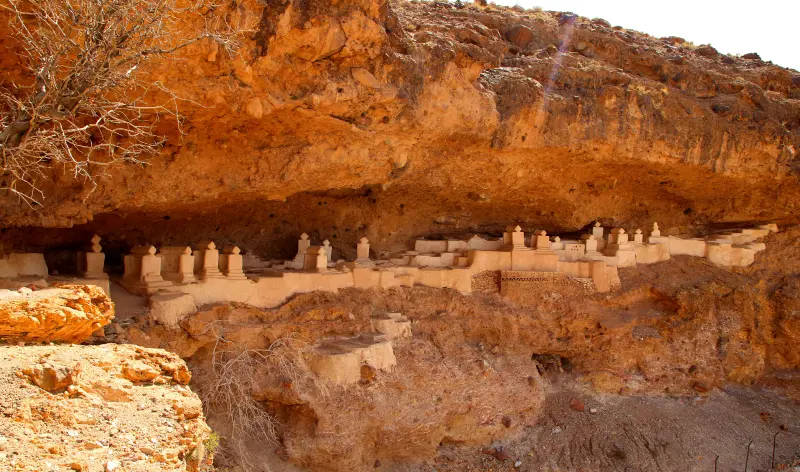
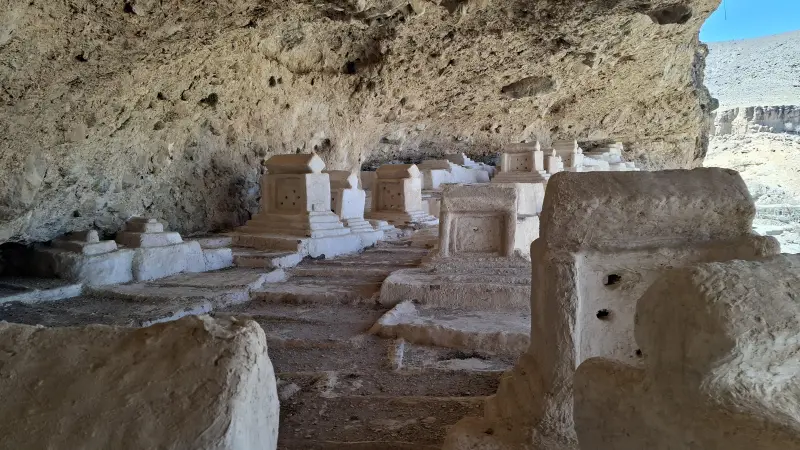
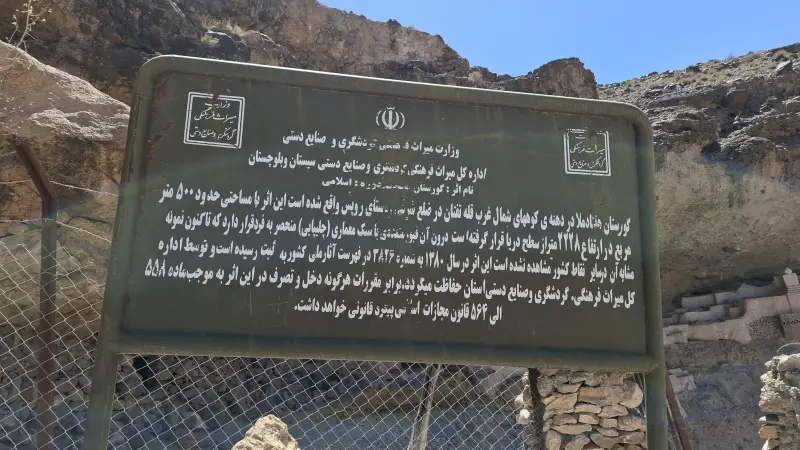
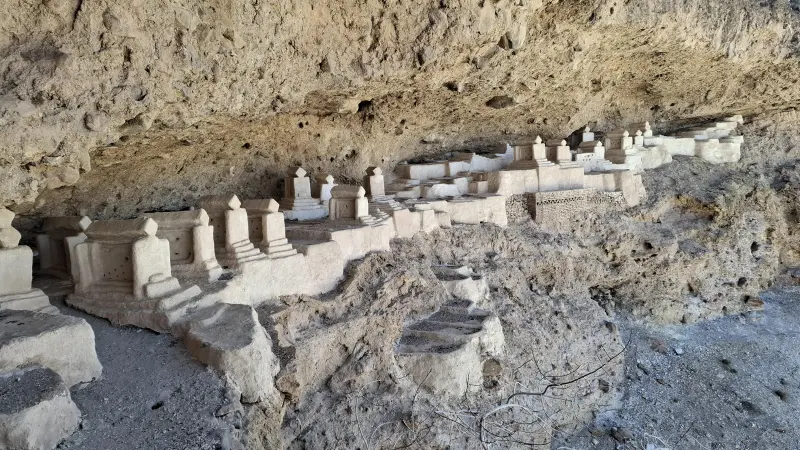
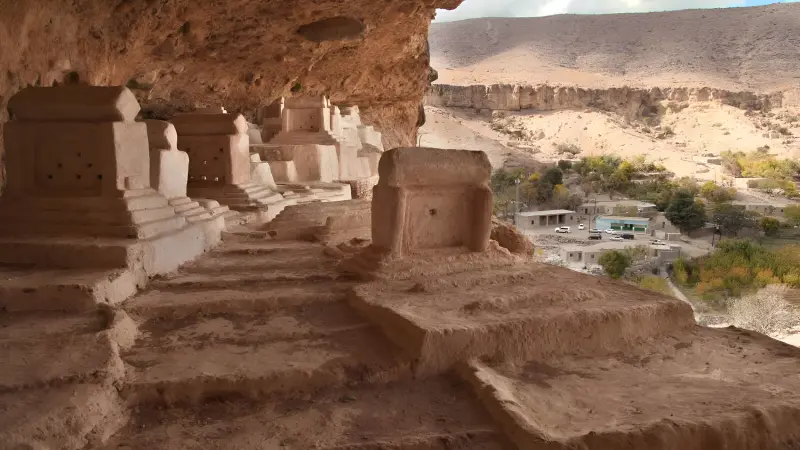
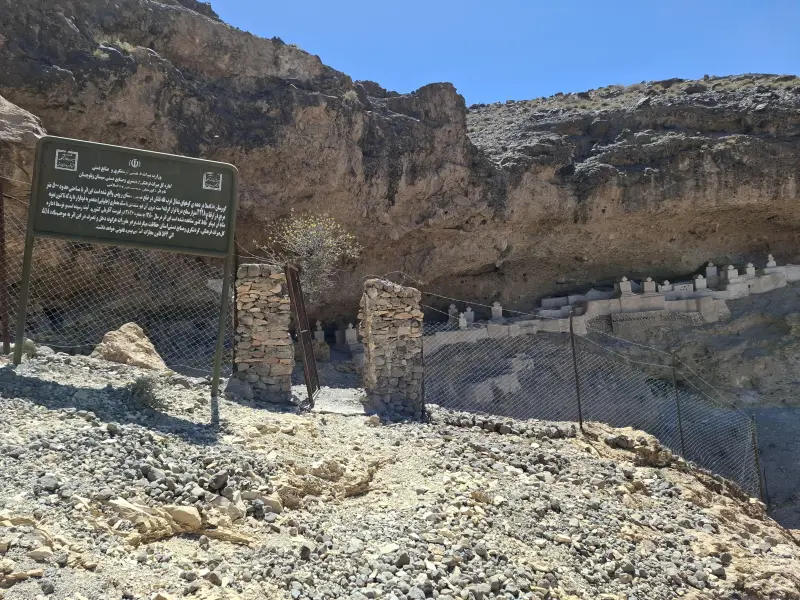
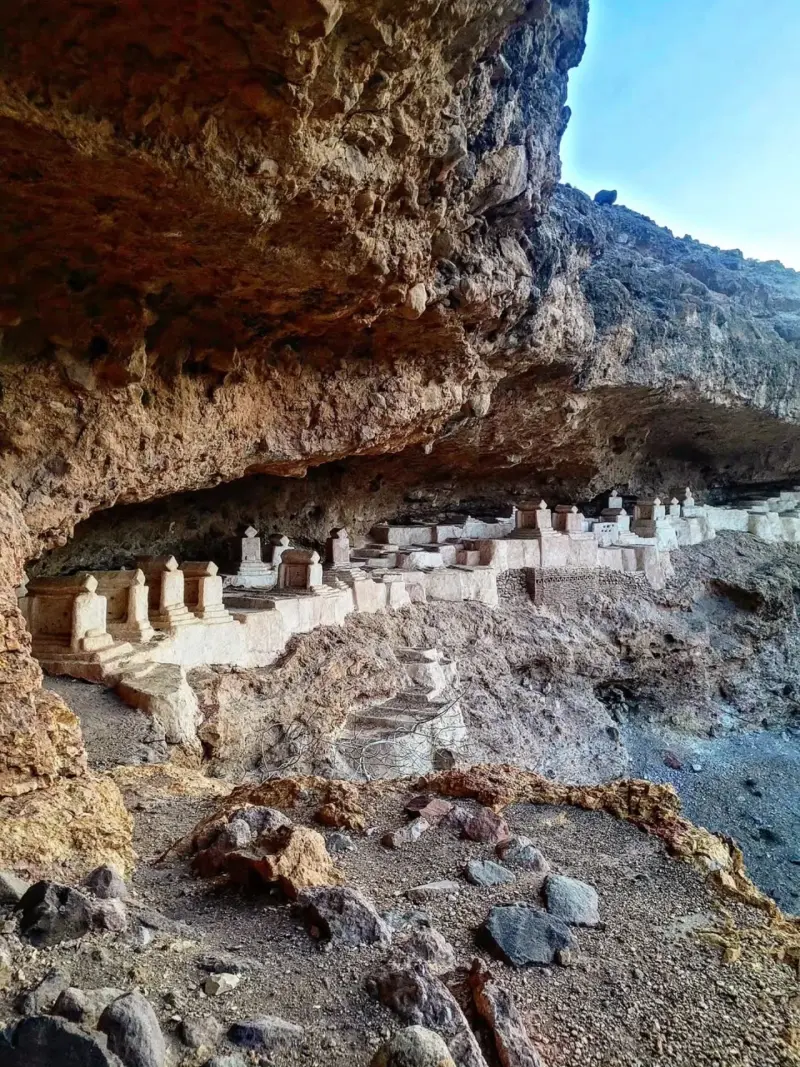
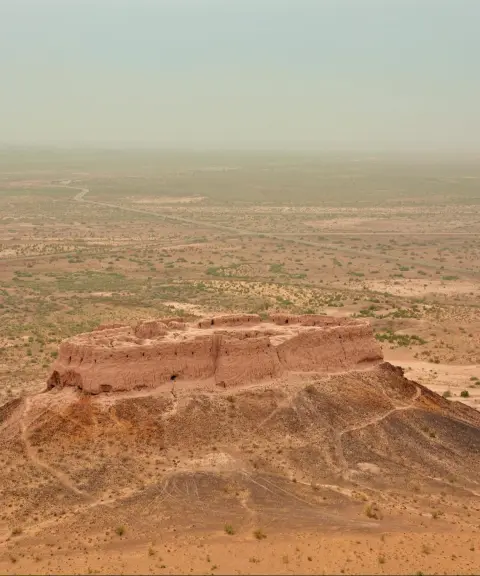
Haftad Mulla Cemetery (the "Seventy Mullahs Cemetery") is one of the most unusual historical attractions in Iran. It is located in Sistan and Baluchestan Province, in Mirjaveh County, near the village of Rops. Set into a low sandstone mountain, the cemetery is recognised as one of Iran's national monuments and was registered in 1380 (2001) under number 3826. It dates back roughly 800 to 1,000 years, to the post-Islamic period. Its position among the rocks and mountain scenery, together with local legends and stories, has made it one of the most mysterious tourist attractions in the region. Mirjaveh's unique geographic location and its proximity to Iran's eastern border have also meant that, besides its importance as a border area, it attracts attention for tourism.
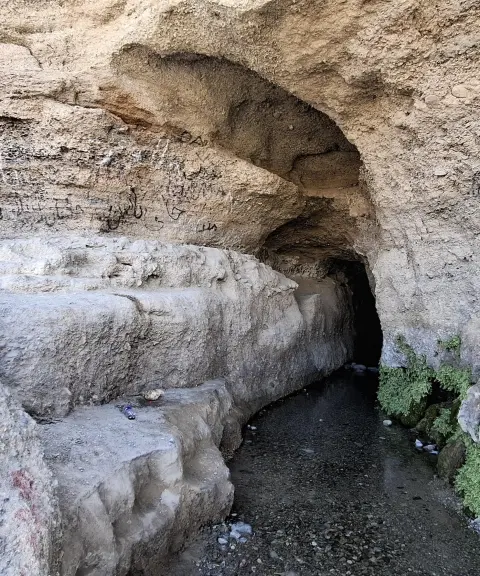
The structure of this cemetery is highly distinctive. The graves are built inside a hollow or hand-carved cave, in a rectangular shape made of raw mud brick. They are arranged side by side in a stepped layout, and each has holes built into it to allow air to circulate. It is said that the architecture of these graves was inspired by the pattern of ancient tombs, which is why they look different from other cemeteries. Because the complex lies in the shade of the rocks, it has been protected for centuries from natural elements such as rain, wind and intense sunlight. There is no definitive information about the exact purpose and history of the cemetery, but stories such as the burial of Zoroastrian priests (mobeds) here, or people being buried here to be safe from floods, have been put forward and add to its mysterious appeal.
To reach Haftad Mulla Cemetery, first head to Mirjaveh, then take the roads leading to the villages of Tamin, Jash and Rops. Parts of the route are unpaved and require careful driving, but there is also an alternative paved route that makes access easier. The best time to visit is autumn and winter, when the weather is milder and the visit is more comfortable. Given the historical and cultural nature of the site, it is essential to practise responsible nature tourism: respect local beliefs, avoid damaging the graves and keep the environment clean, so that this valuable monument remains intact.
Written by زهرا لنگری Last updated
What you can do here, and what it takes
گردش در فضای صخرهای گورستان و مشاهده قبور خاص، تجربهای متفاوت از تاریخ و آیینهای تدفین فراهم میکند.
مسیرهای اطراف گورستان برای پیمایش سبک و بالا رفتن از دامنه کوه مناسب هستند.
Province Sistan and Baluchestan
Province Sistan and Baluchestan
Province Sistan and Baluchestan
Province Sistan and Baluchestan
Province Sistan and Baluchestan
Province Sistan and Baluchestan
Province Sistan and Baluchestan
Province Sistan and Baluchestan


Unfortunately, no comments have been registered.