
 Attractions
Shafi'i Jame Mosque
Province Kermanshah
- Walking
A Masterpiece of Qajar Tilework in the Heart of Kermanshah
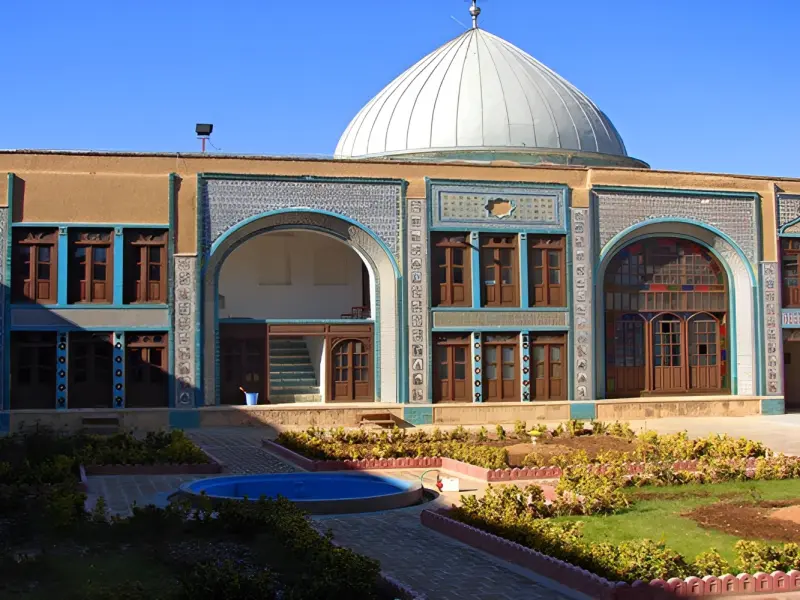
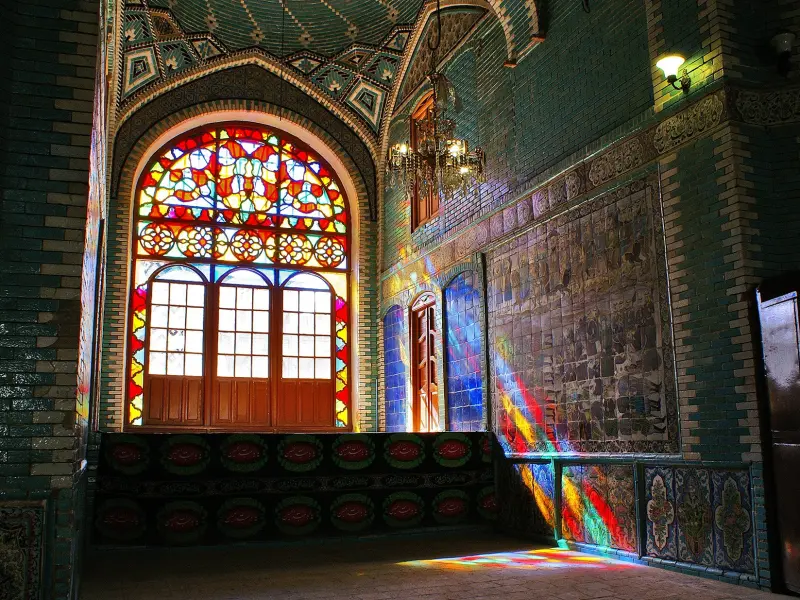
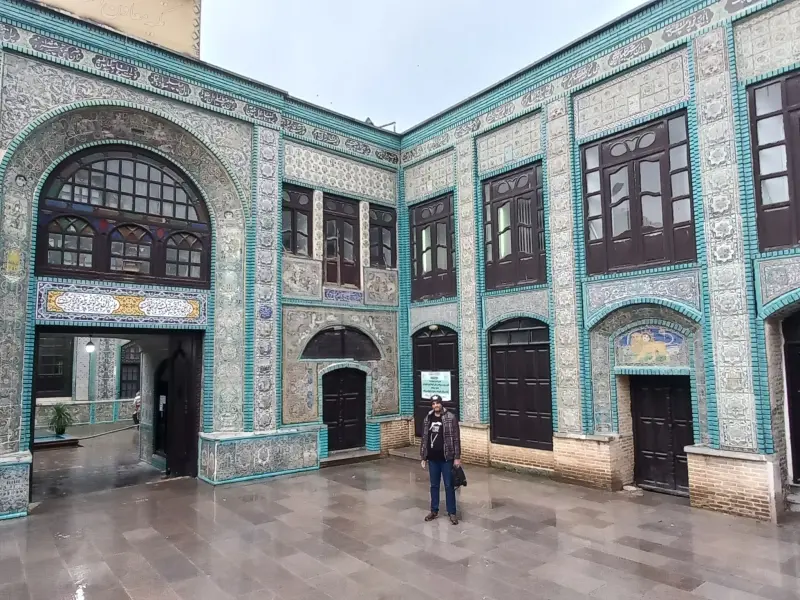
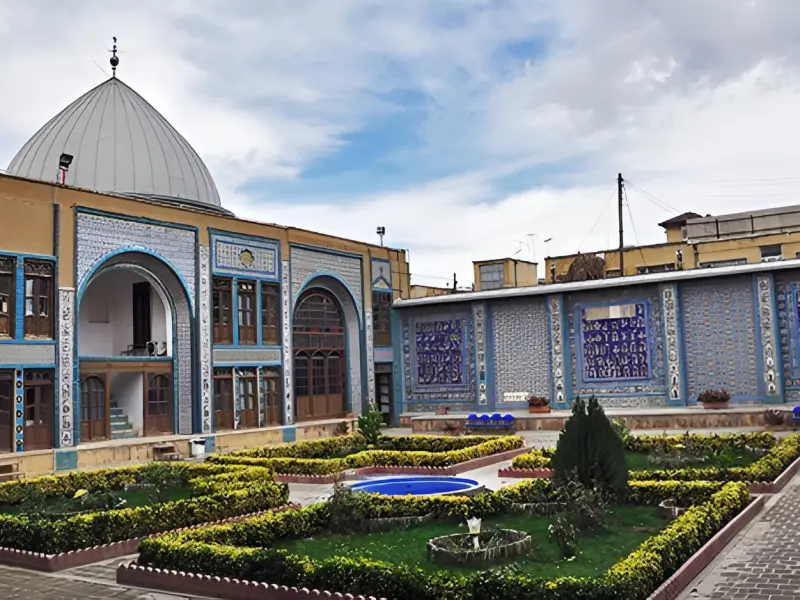
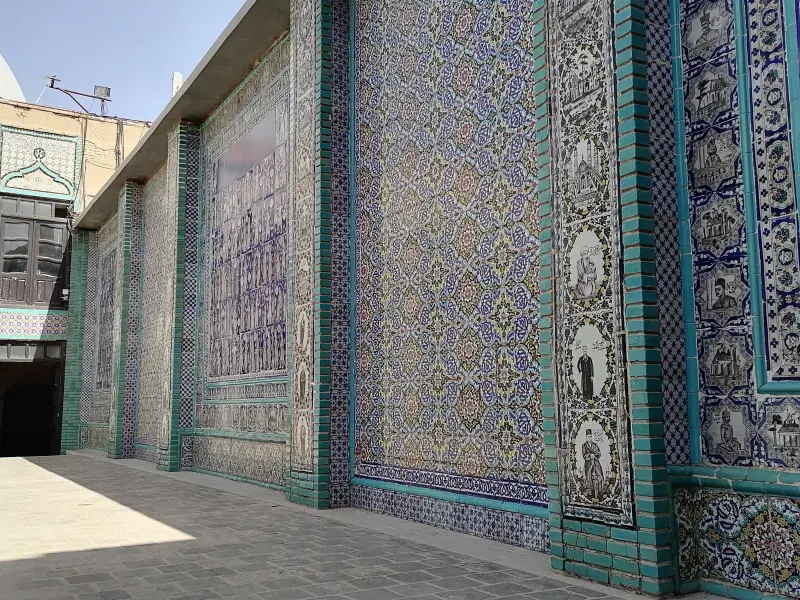
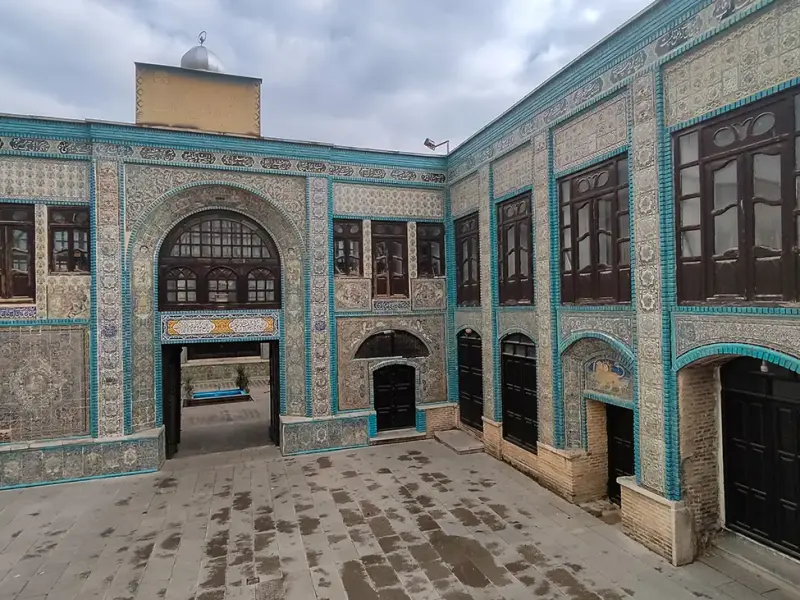
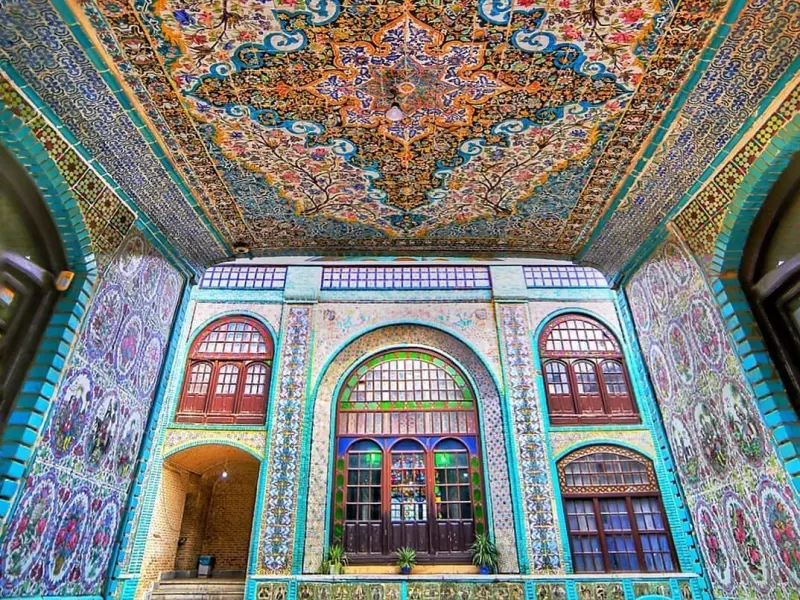
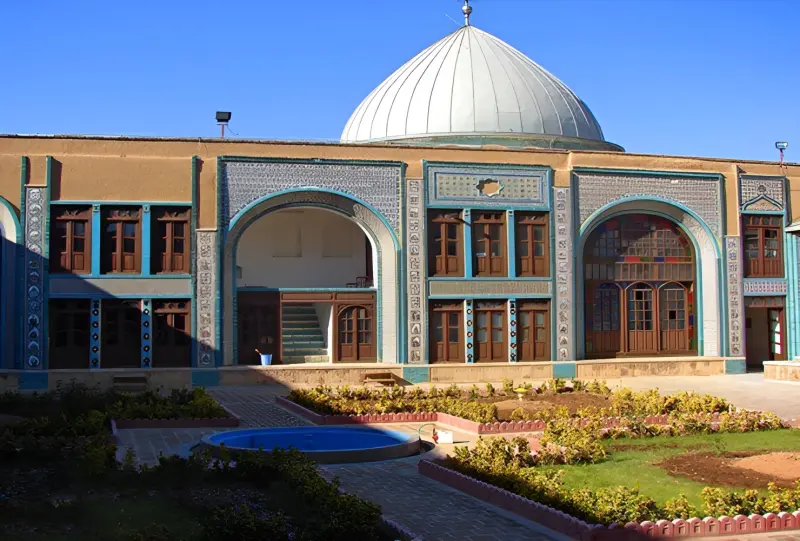
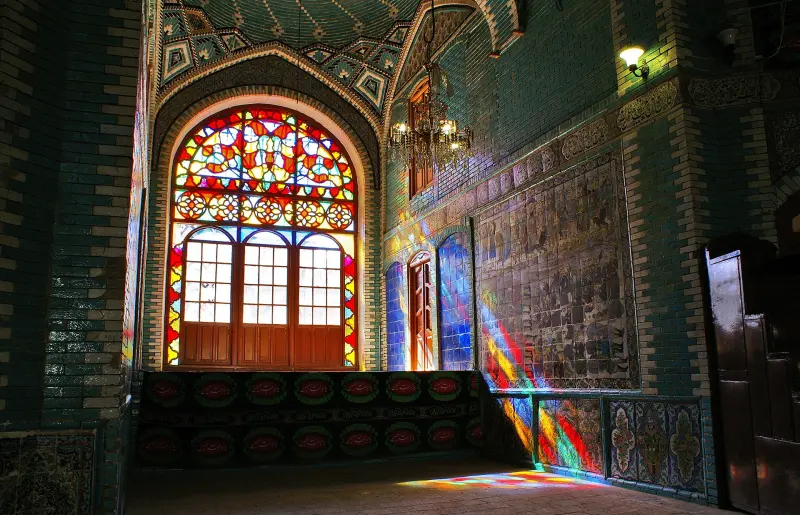
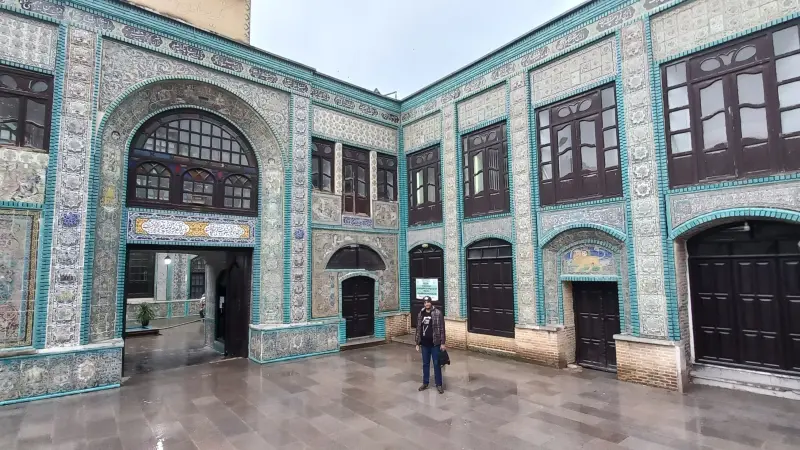
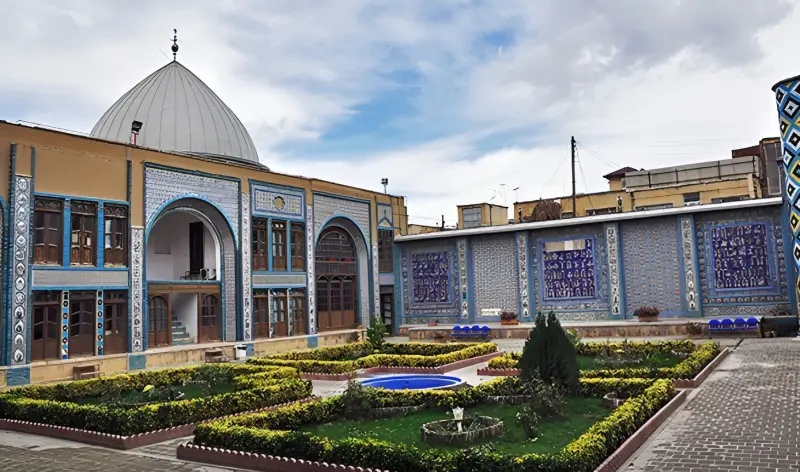
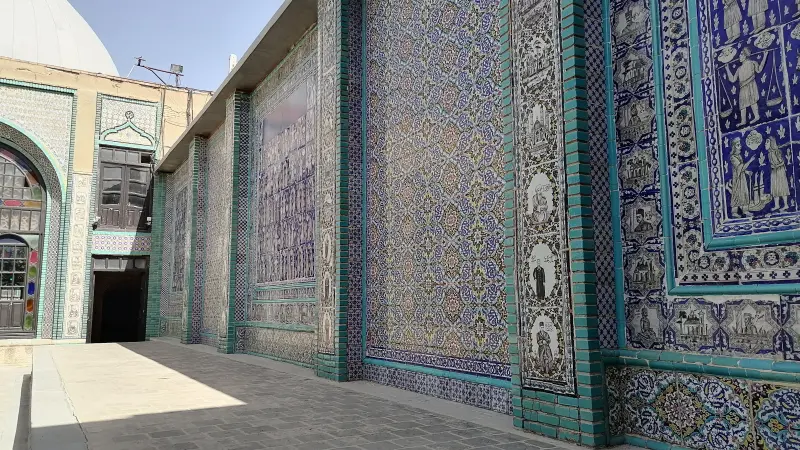
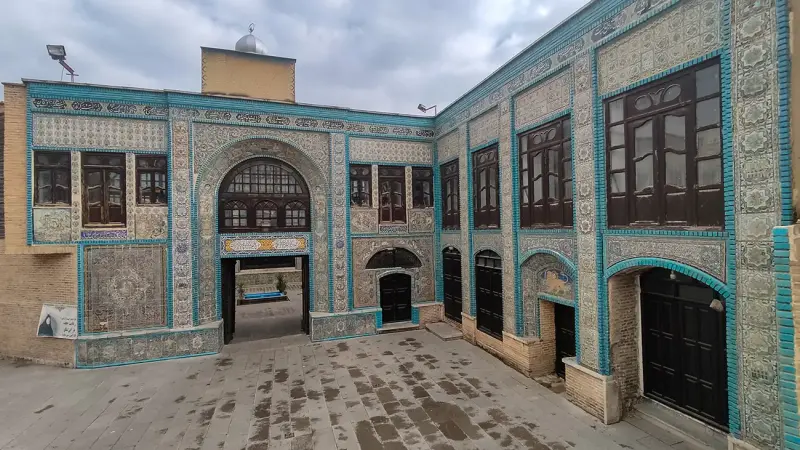
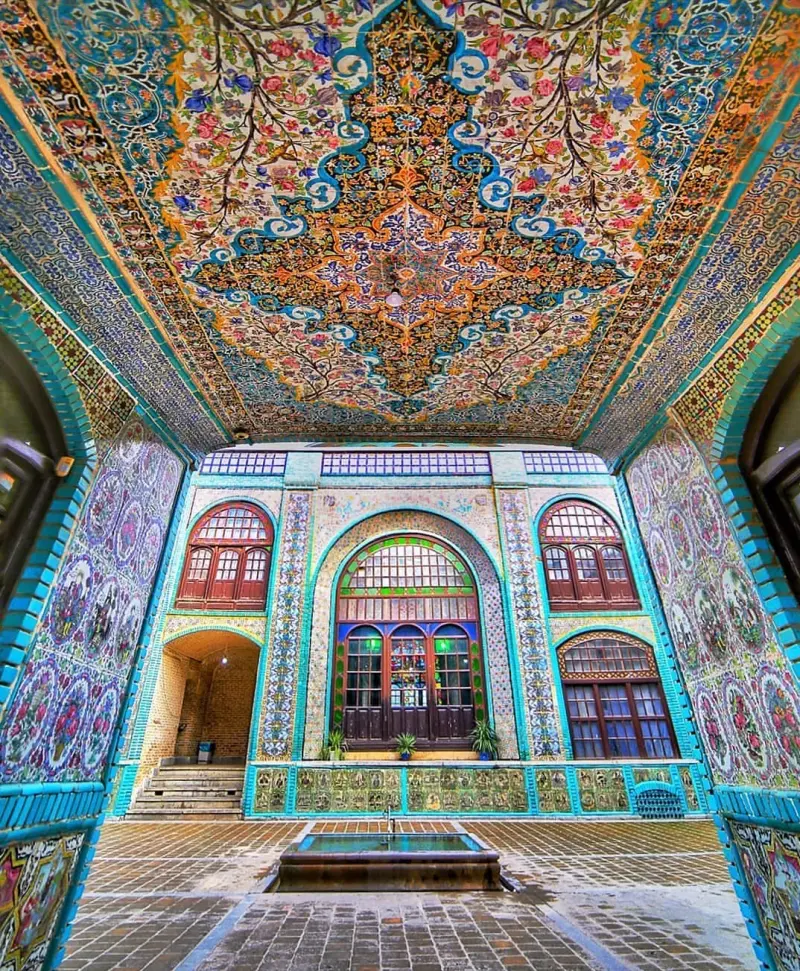
Moaven al-Molk Tekyeh is one of the most outstanding historical monuments of the Qajar era in Kermanshah. It stands in the old fabric of the city, in the historic Abshuran neighborhood on Haddad Adel Street. This valuable building was constructed and completed in the late 13th century (Solar Hijri) through the efforts of the Moin al-Raaya family and later Hassan Khan Moaven al-Molk. Today it is regarded as one of the most important religious and cultural landmarks of western Iran. Its location in the heart of the city's historic district has made it an inseparable part of Kermanshah's urban identity, and its importance is not limited to its religious aspect; it also holds a special place from a historical and artistic point of view. The monument was registered on the Iran National Heritage list on 10 Azar 1354 under registration number 945.
Architecturally, Moaven al-Molk Tekyeh is considered one of the most unique examples of Iranian tilework art, in which religious, historical and mythological narratives are depicted with remarkable delicacy. The complex consists of three main sections, the Hosseiniyeh, the Zeynabiyeh and the Abbasiyeh, and is decorated with seven-color relief tiles showing scenes from the Battle of Karbala, Quranic stories, historical figures of Iran and mythological motifs. The building's tiered structure, which sits several meters below street level, together with its arcades, cells and domes, creates a completely different and striking space. The combination of light, color and architecture makes this building one of the most distinctive examples of the union of art and religion in the Qajar period.
The Tekyeh can be visited via Haddad Adel Street, with easy access from the center of Kermanshah, and it is usually open to visitors during daytime hours. The best time to visit is spring and autumn, when Kermanshah's mild weather makes it pleasant to stroll through the historic district. When visiting this valuable monument, it is especially important to follow the principles of responsible nature and heritage tourism, such as keeping quiet, not touching the tiles and respecting the religious atmosphere of the complex, so that this artistic heritage can be preserved for future generations.
Written by زهرا لنگری Last updated
What you can do here, and what it takes
بازدید از بخشهای مختلف تکیه شامل حسینیه، زینبیه و عباسیه همراه با قدمزدن در فضای تاریخی و عکاسی از کاشیکاریهای هنری انجام میشود.
Province Kermanshah
Province Kermanshah
Province Kermanshah
Province Kermanshah

Unfortunately, no comments have been registered.