
 Attractions
Taq-e Bostan
The Hunting Ground of the Persian Kings
- Attractions
- Kermanshah, Kermanshah
- Altitude 1,320 m
- Ability level Beginner
Ability level:
Beginner
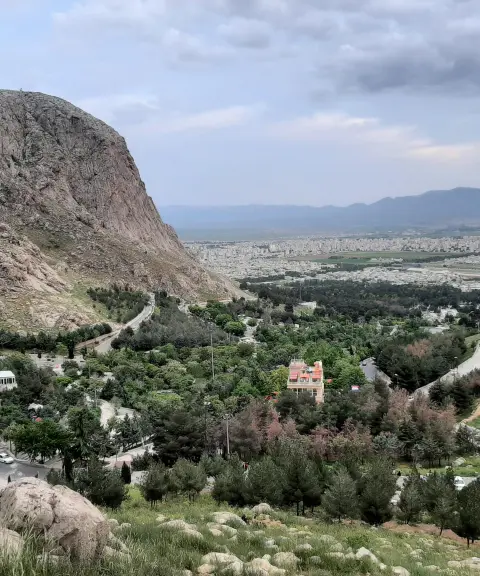
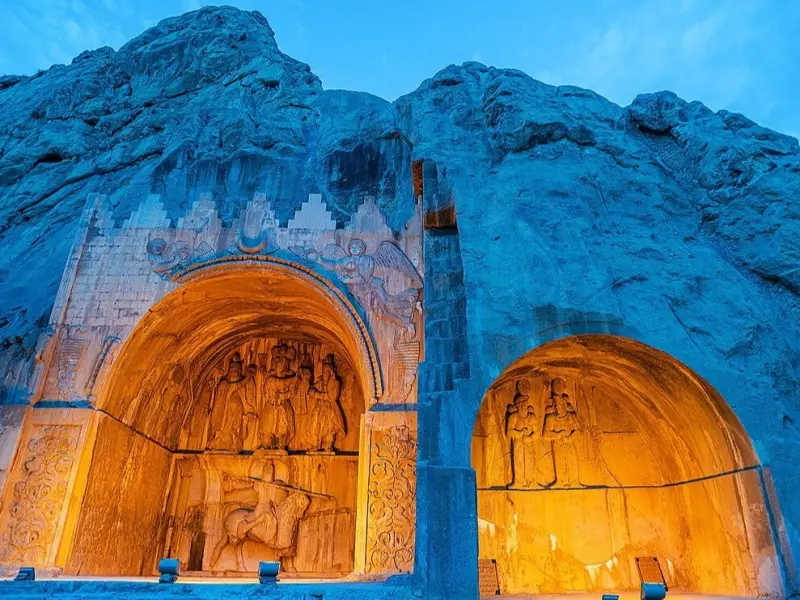
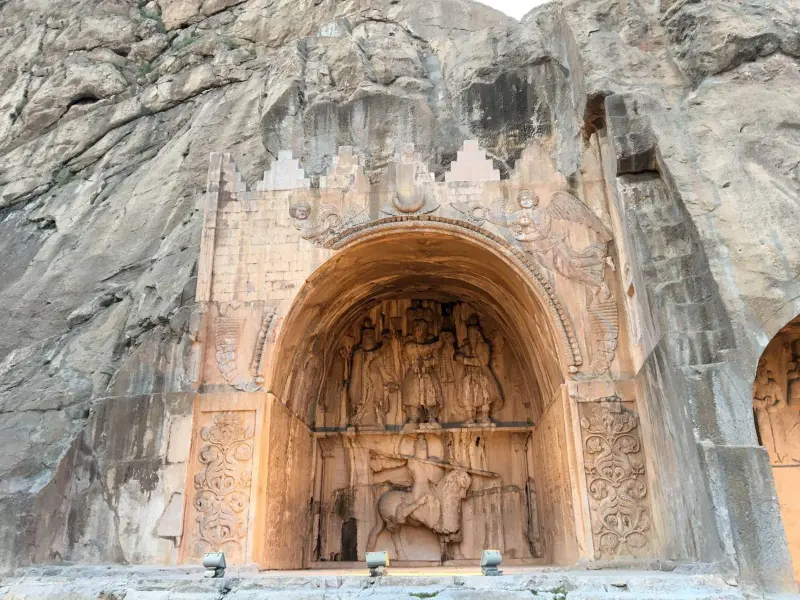
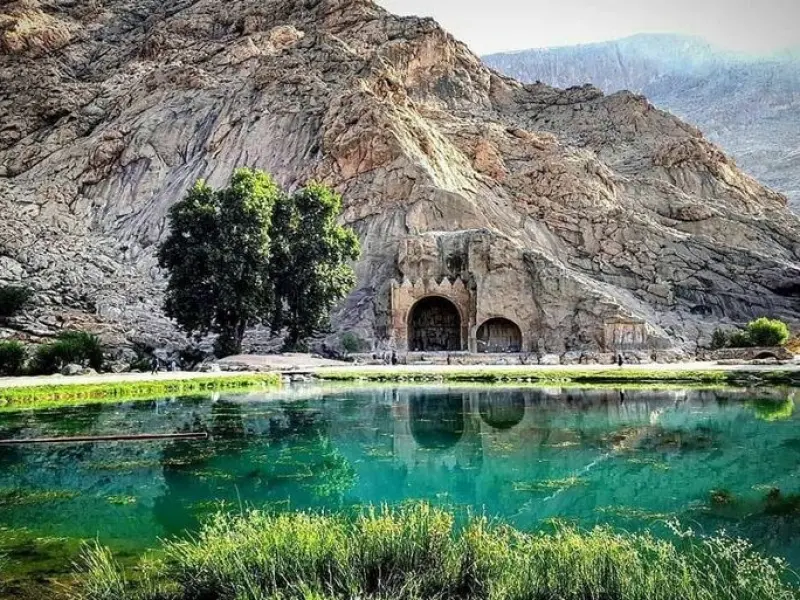
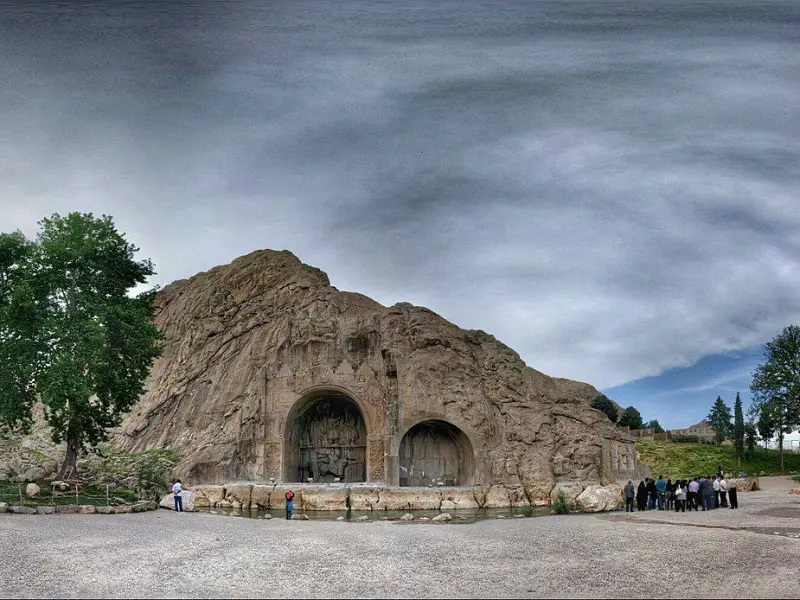
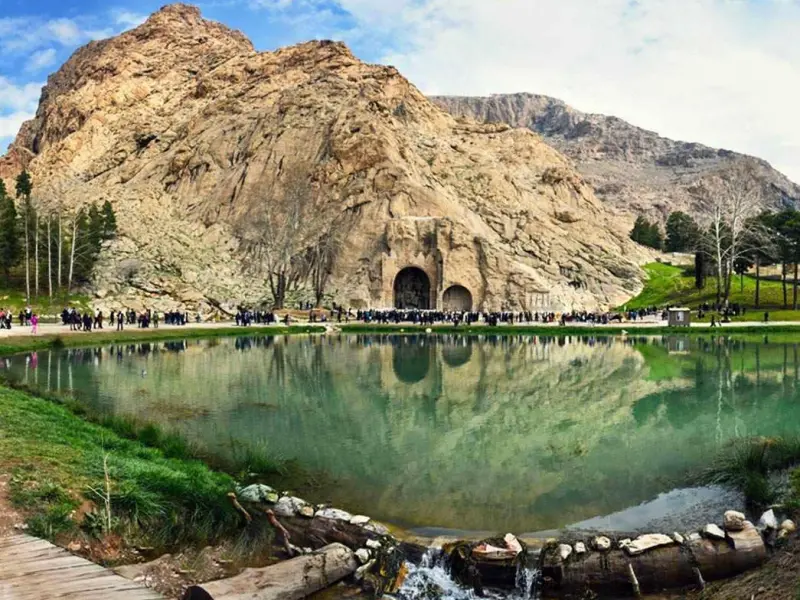
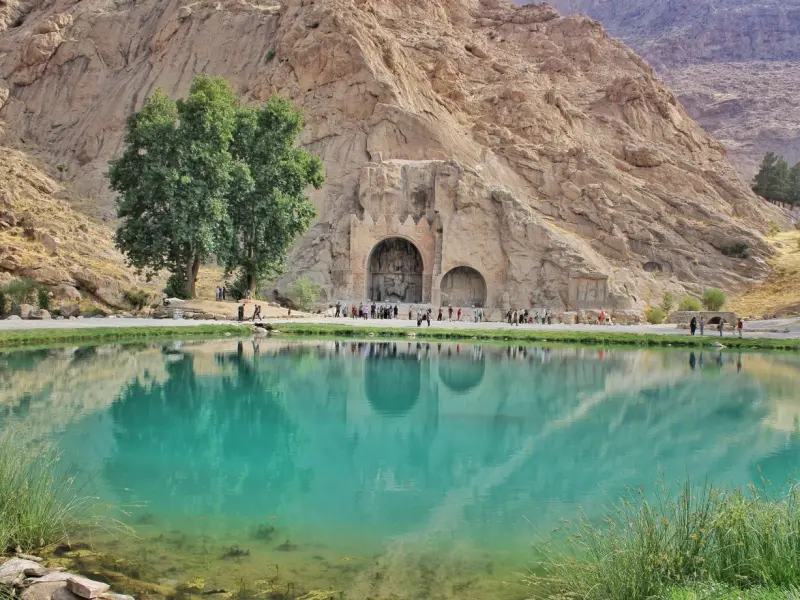
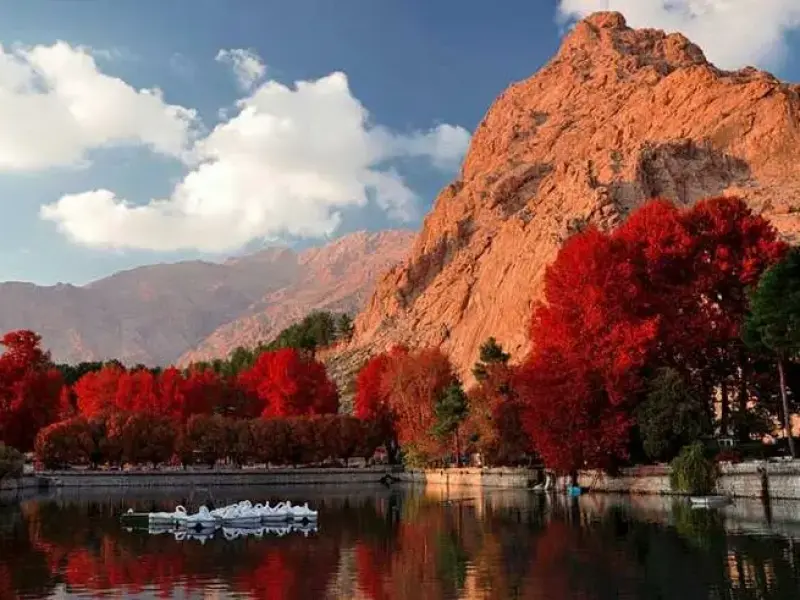
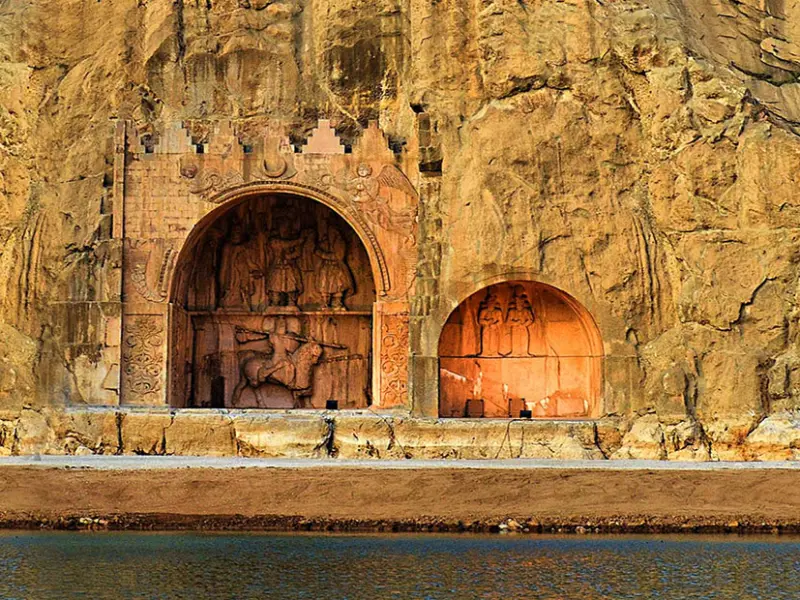
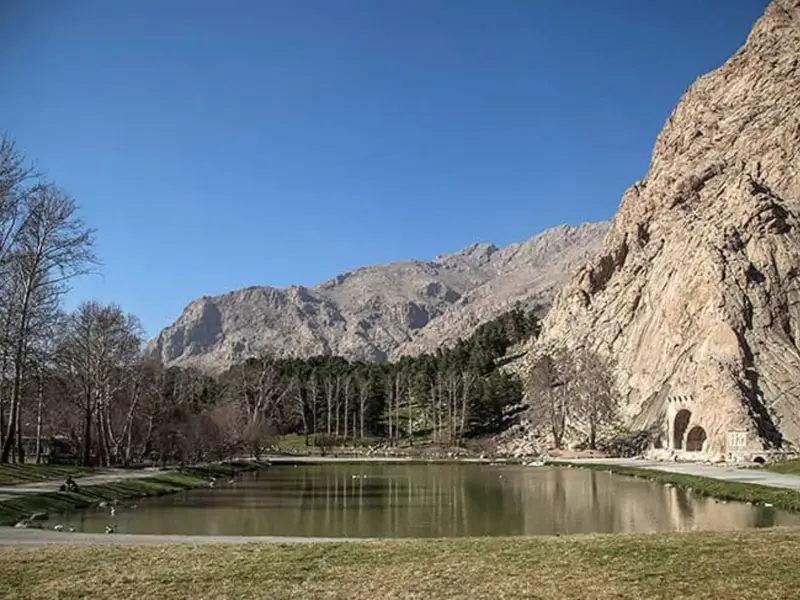
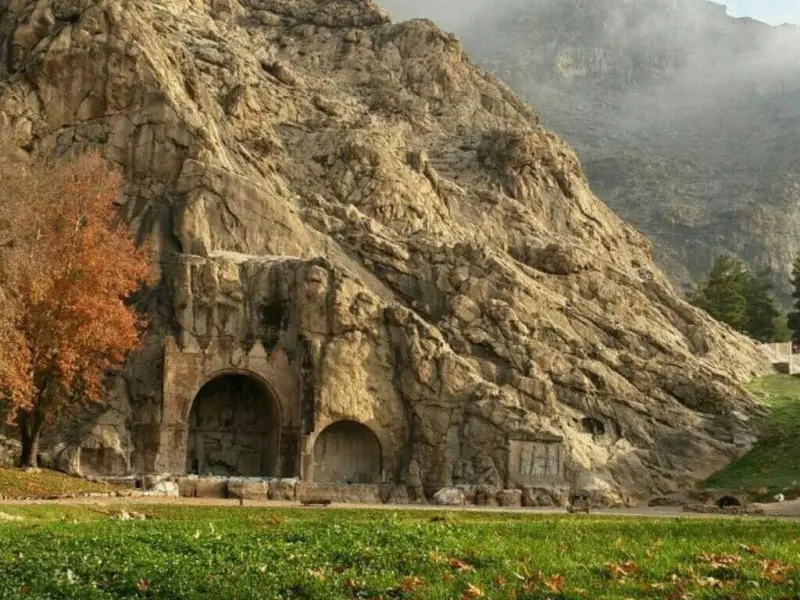
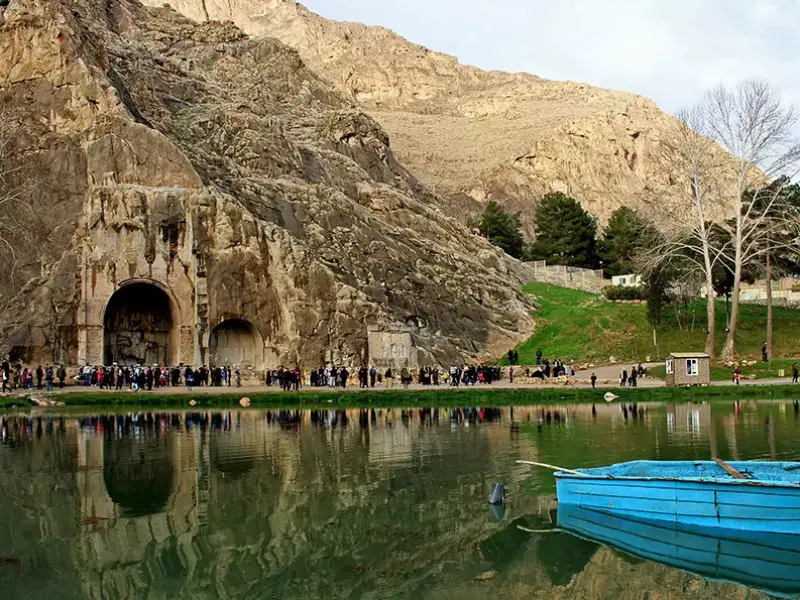
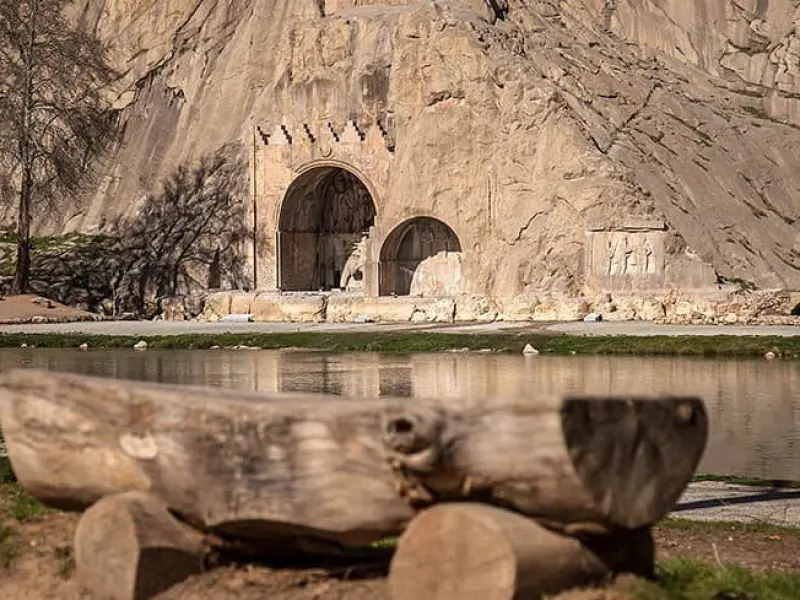
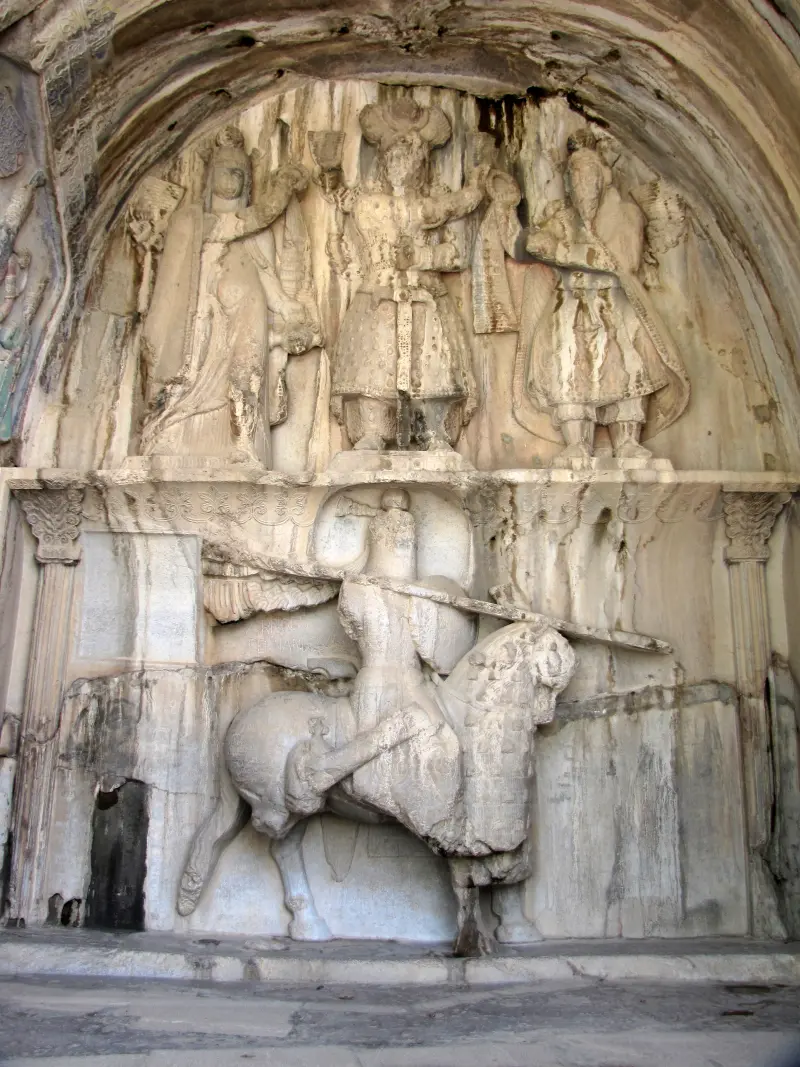
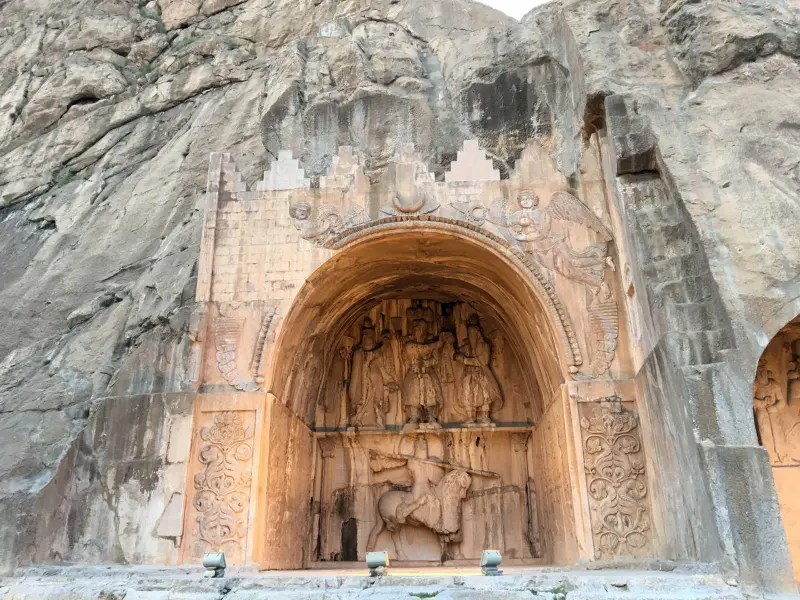
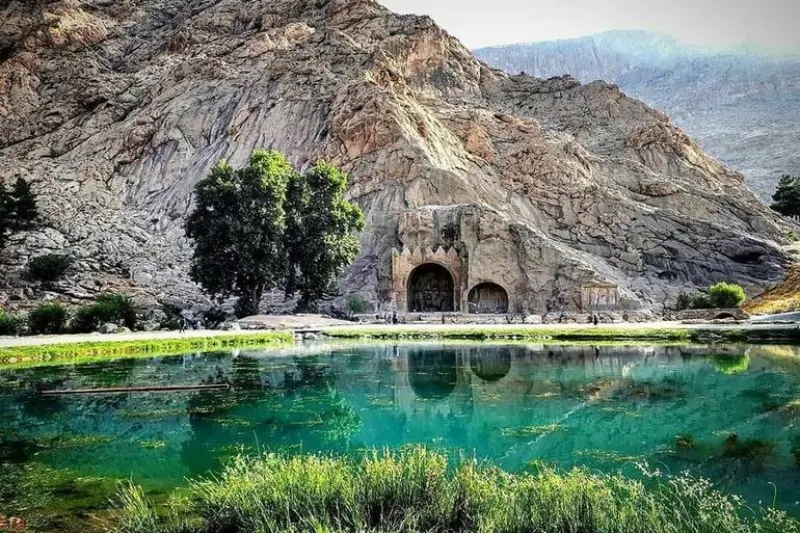
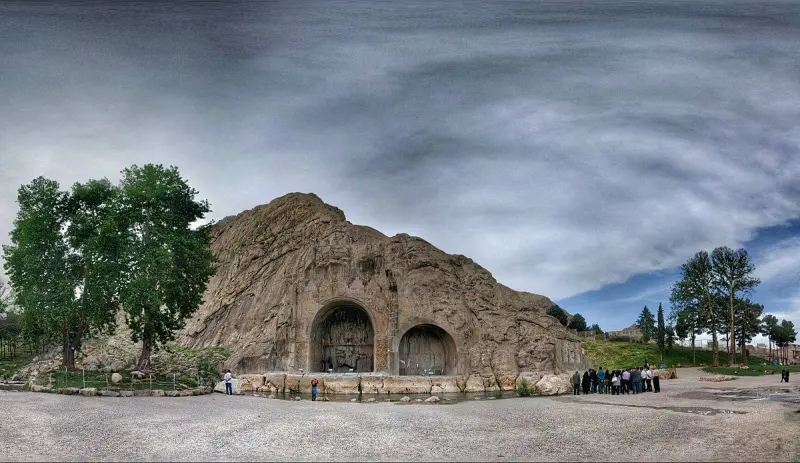
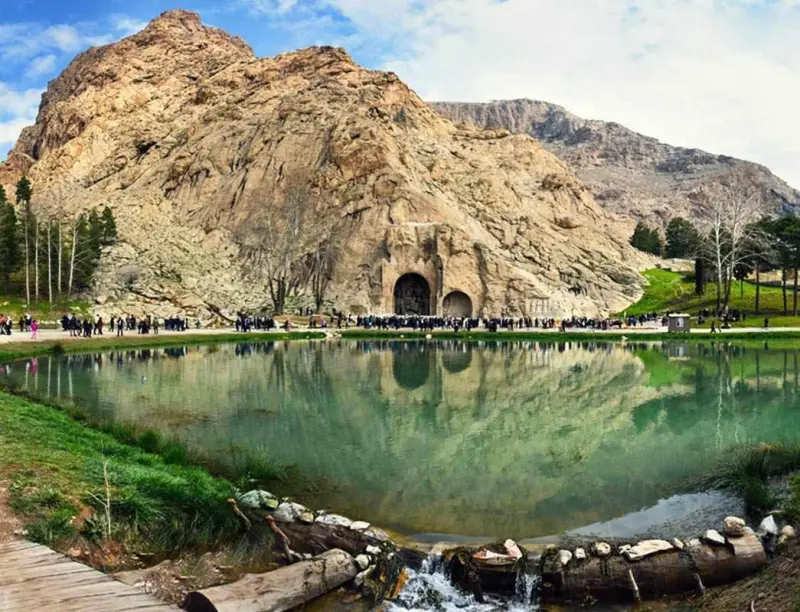
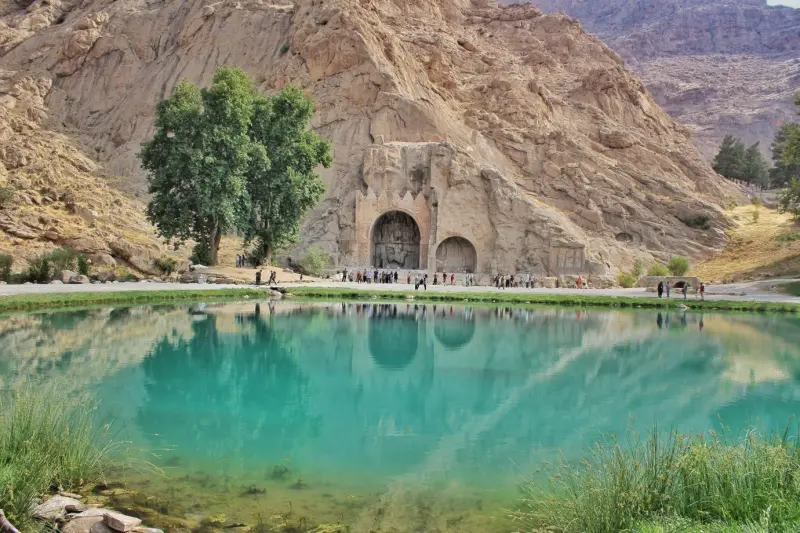
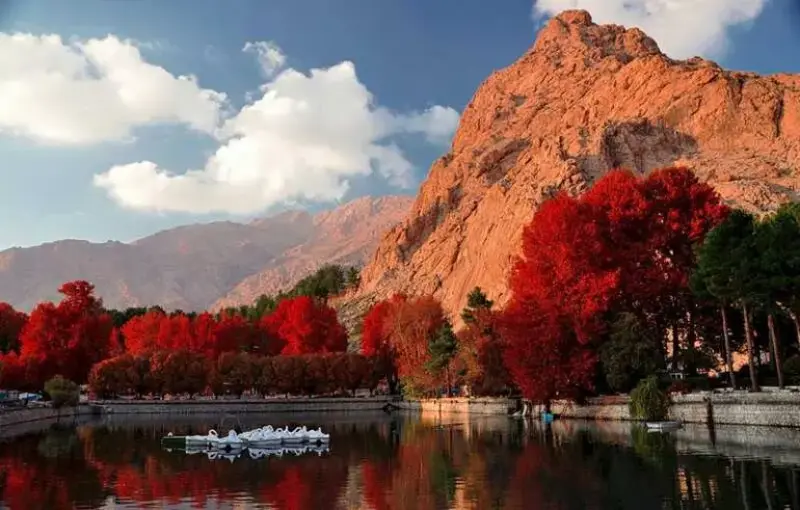
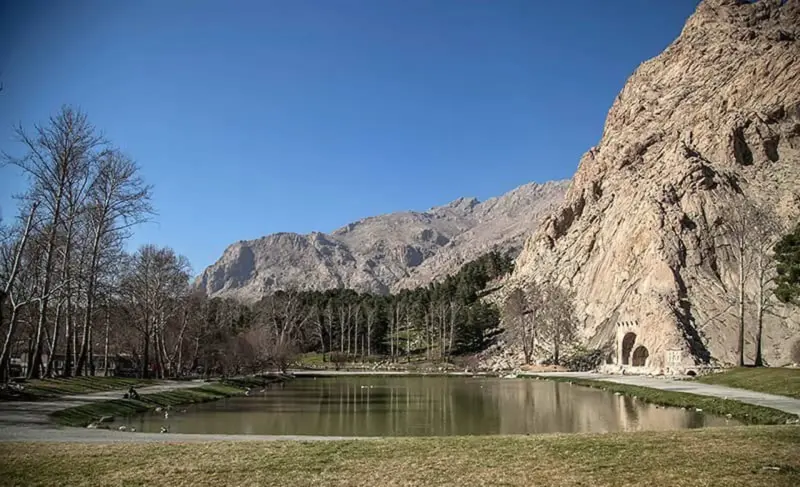
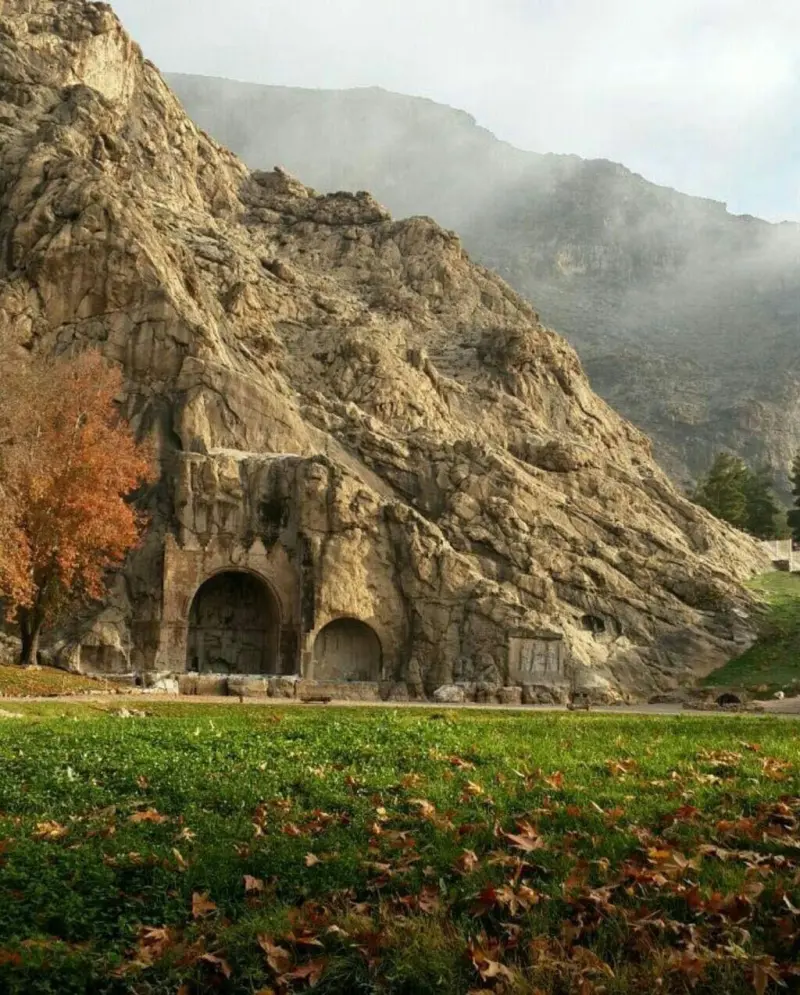
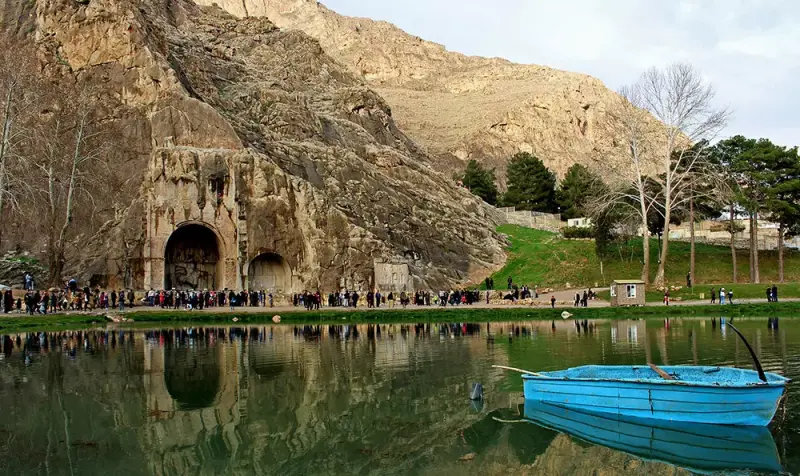
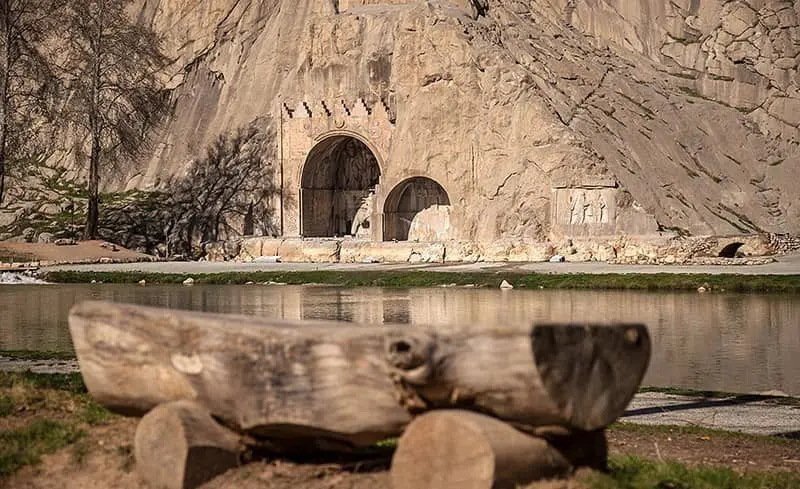
Taq-e Bostan is one of the most interesting sights in Kermanshah and one of the most important historical monuments of Iran from the Sasanian era, visited every year by many international and domestic tourists. The complex lies northwest of the city of Kermanshah, at the foot of the mountain of the same name. Known as the hunting ground of the Persian kings, Taq-e Bostan is the world's first rock relief to properly incorporate the rules and principles of painting. This historical monument is a site with a group of large rock carvings from the Sasanian Empire, engraved in the 4th century CE. Taq-e Bostan is a rock basin that depicts ceremonies honoring Sasanian kings such as Ardashir II, Shapur II, Shapur III and Khosrow II. Hunting scenes of Khosrow II can also be seen in the complex. This valuable example of Sasanian art stands in the heart of the Zagros Mountains and has endured rain and wind for almost 1,700 years. Today, Taq-e Bostan has become an archaeological park, where a great deal of information about the late Sasanian rule over Iran can be seen.
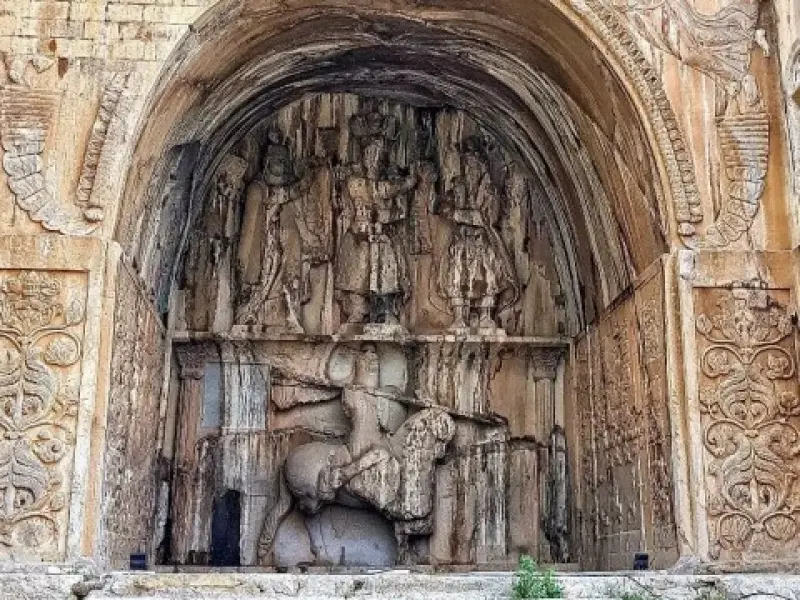
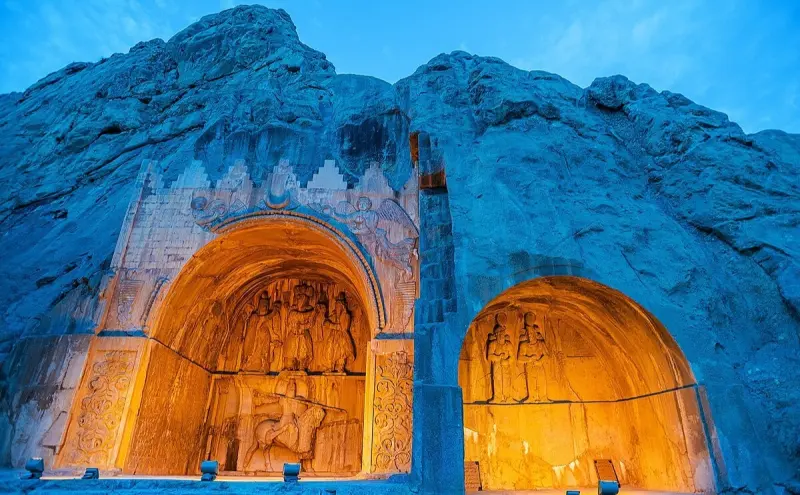
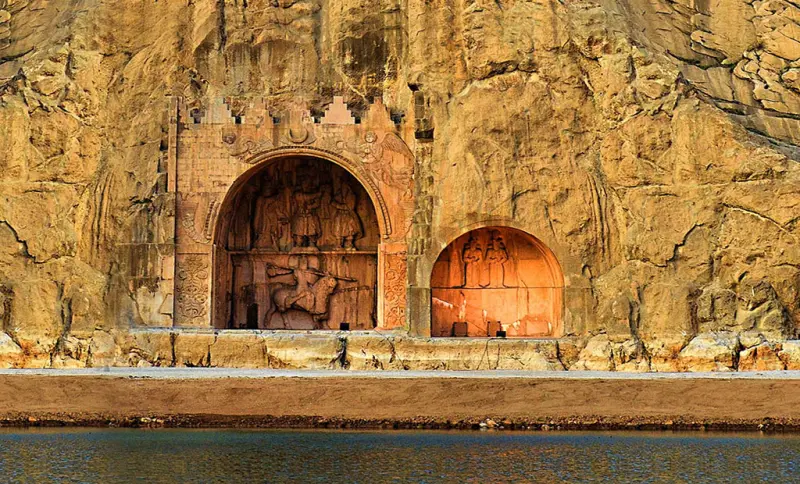
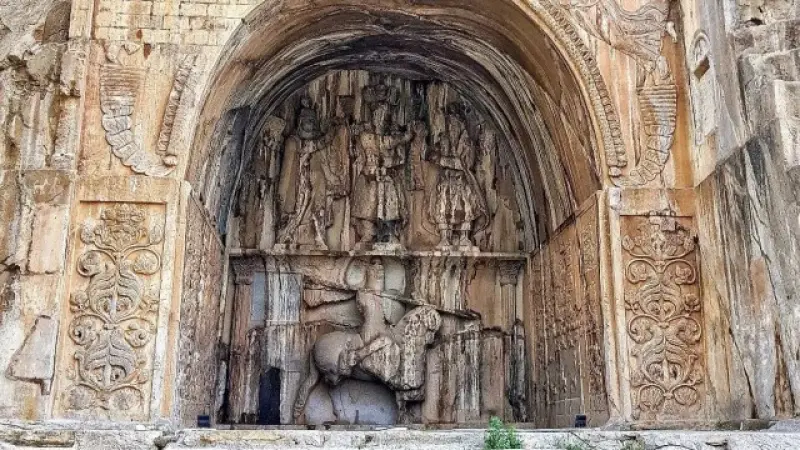
In the Persian dictionary, Taq-e Bostan means "arch of the garden" or an arch built of stone. The carvings at Taq-e Bostan are considered some of the finest and most beautiful examples of sculpture in ancient Iran. They include the statues of Ardashir II (379-383 CE) and Shapur III (383-388 CE), as well as other Sasanian symbols, which express religious inclinations, grandeur, pride, fighting spirit, celebration and joy, and have a special brilliance. Unfortunately, because of recent earthquakes, cracks have formed in the Great Arch and the Small Arch, causing moss to collect in them and part of the carvings to fade. This process has been accompanied by water seepage, which has led archaeologists to consider restoring and reconstructing these works. In the past, with its pleasant climate and natural setting, this place was a recreation and hunting ground for the Sasanian kings, and the carved reliefs show this too.
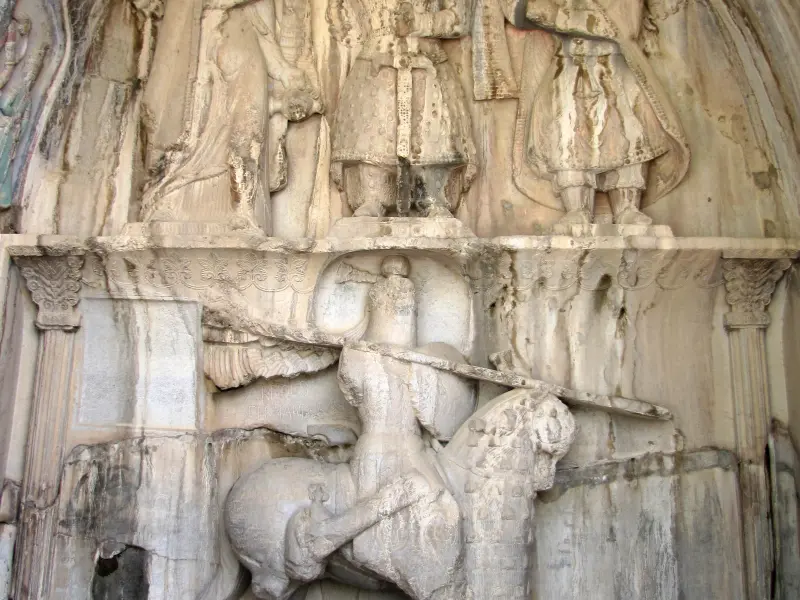
The first section of Taq-e Bostan, which is in a sense also the oldest, depicts the coronation of Ardashir II by his predecessors or by Ahura Mazda. In this astonishing relief, the Sasanian king is shown beside Ahura Mazda in beautiful royal garments, with his body in full frontal view and his face in three-quarter view. The Sasanian king has a masculine face with a curly beard and thick hair, and beneath his feet, a symbol of humiliation and disgrace, lies the Roman emperor in chains. Another carving shows the god Mithra standing on a lotus flower, known as the guardian of oaths. In local beliefs and Persian folk tales, these scenes are interpreted as the victory of the first Sasanian kings over the last king of the Parthian dynasty.
Written by زهرا لنگری Last updated
Activities
What you can do here, and what it takes
-
Walking
کفش پیادهروی به همراه داشته باشید..
Specifications
Introduction of the location and specifications of Taq-e Bostan
Oldness:
More than 1,700
Construction Period:
Sasanian
Location:
Kermanshah, Kermanshah
Coordinates:
34.38549116, 47.13238834
Open in maps
Height above mean sea:
1320 meter
Faunas:
Presence of Allergenic Insects
Transports:
Private car
Tourist Attractions in Kermanshah
Attractions that are nearby

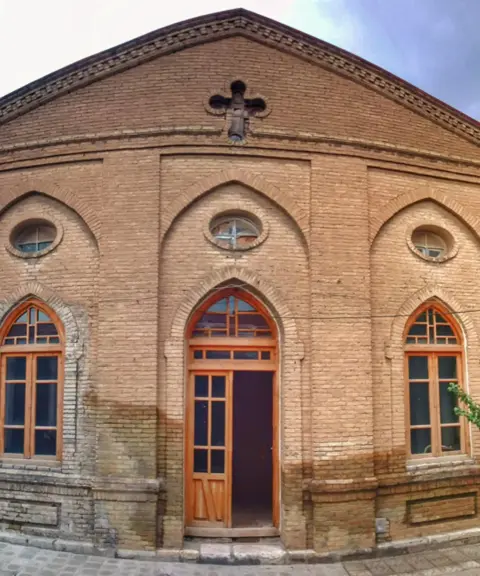
Sacred Heart of Jesus Church
Province Kermanshah
- Walking
A gem of Christian culture in the historic fabric of Kermanshah
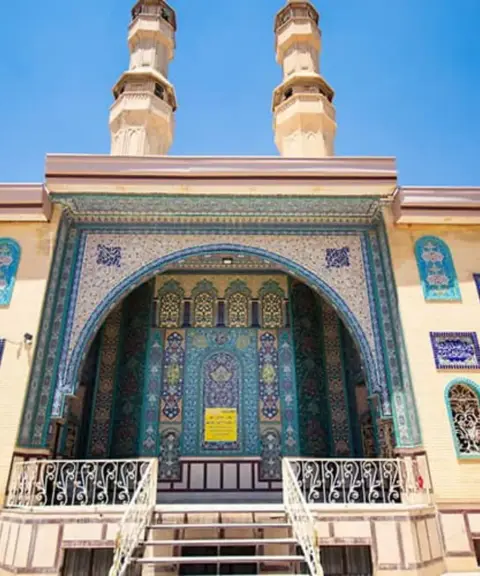
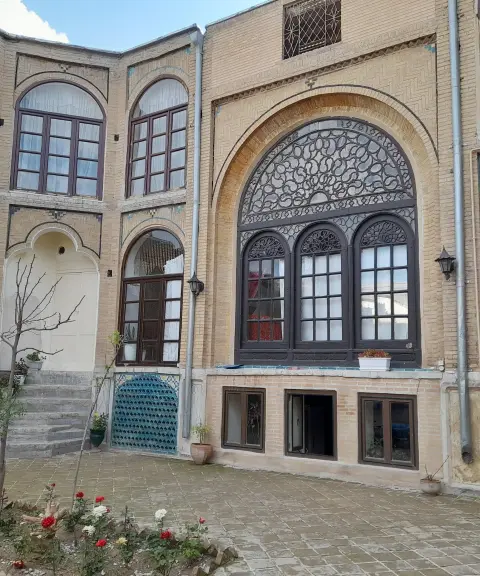
Shafi'i Jame Mosque
Province Kermanshah
- Walking
A symbol of Iranian-Ottoman architecture and a cultural center of Iran's Sunni community
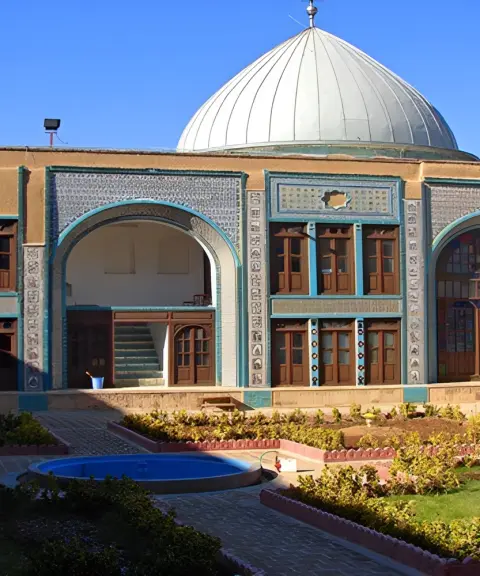
Moaven al-Molk Tekyeh
Province Kermanshah
- Walking
A Masterpiece of Qajar Tilework in the Heart of Kermanshah
Related tags:
Unfortunately, no comments have been registered.