
 Attractions
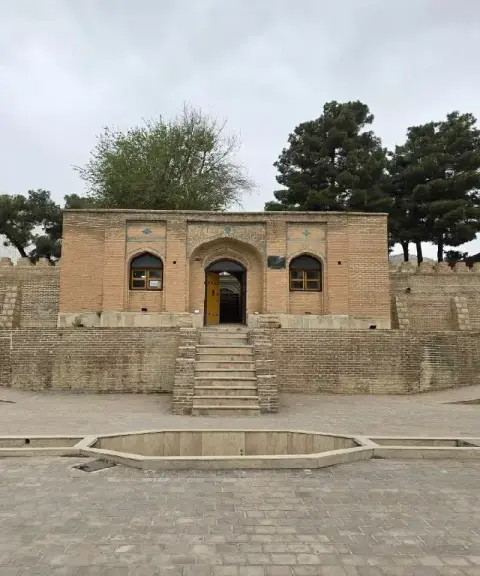
Falahati Palace
A Magnificent Qajar Legacy and the Ilam Museum of Agricultural History
- Attractions
- Ilam, Ilam
- Altitude 1,391 m
- Ability level Beginner
Ability level:
Beginner
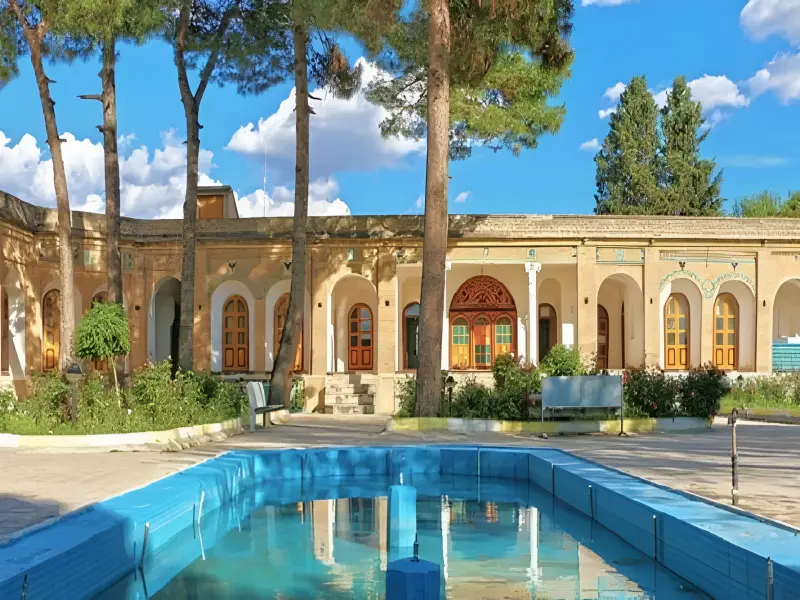
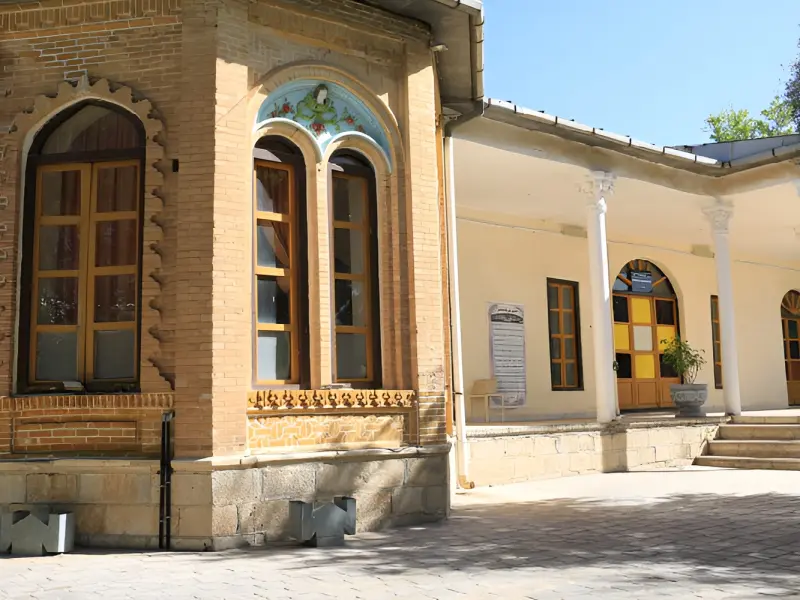
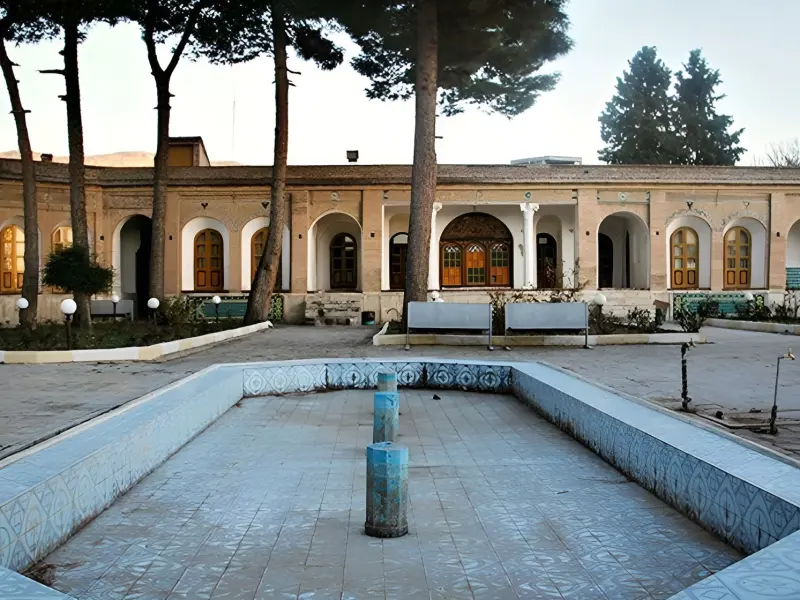
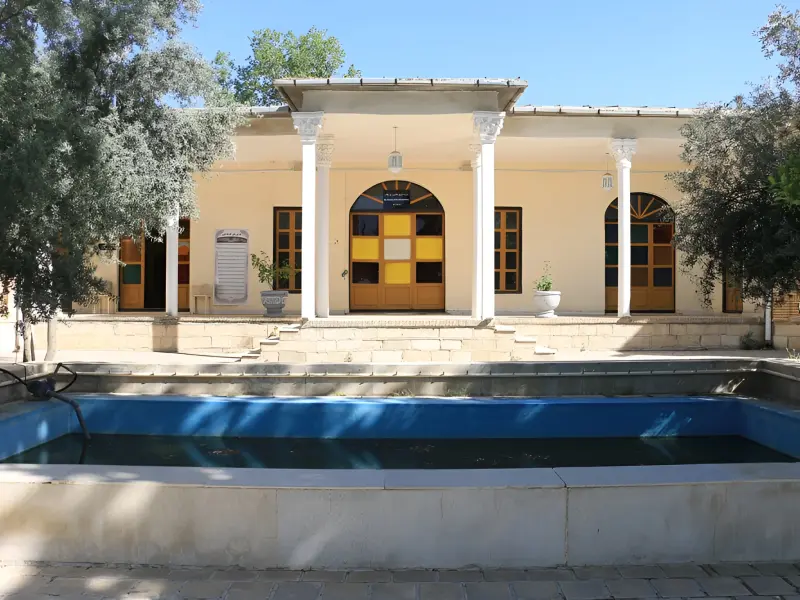
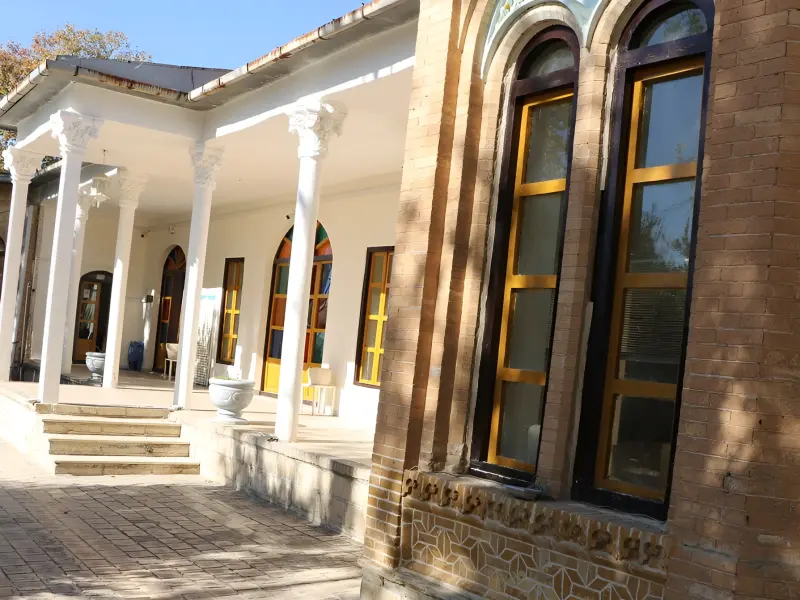
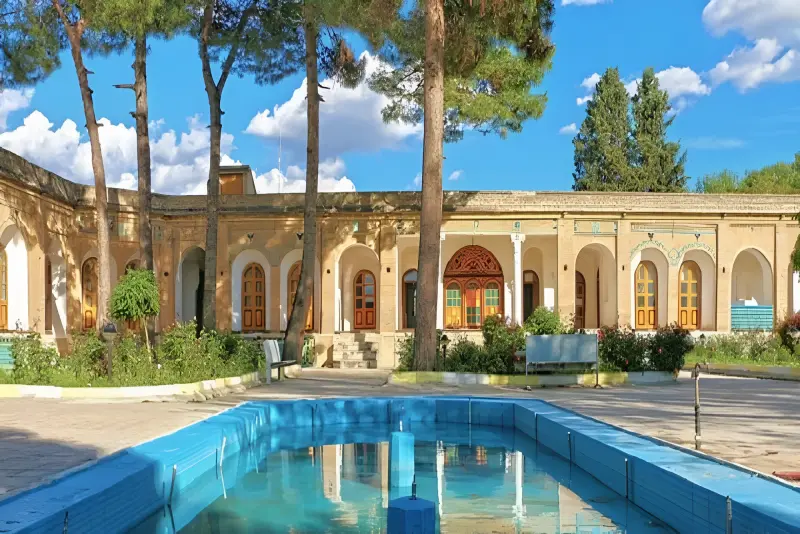
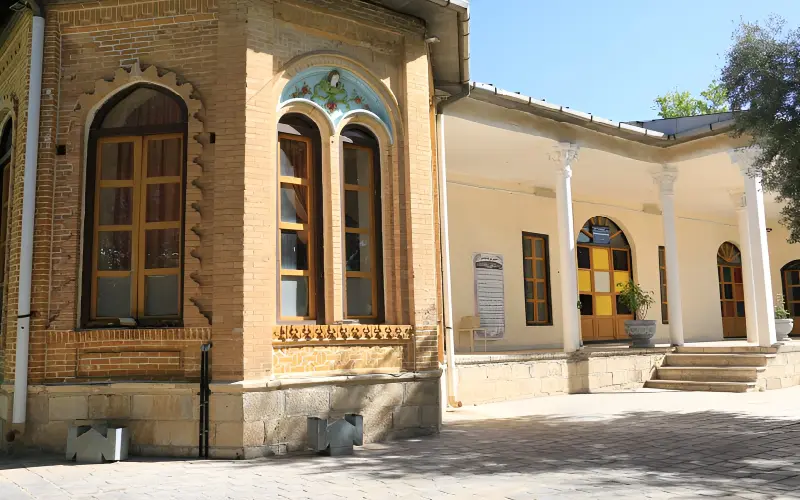
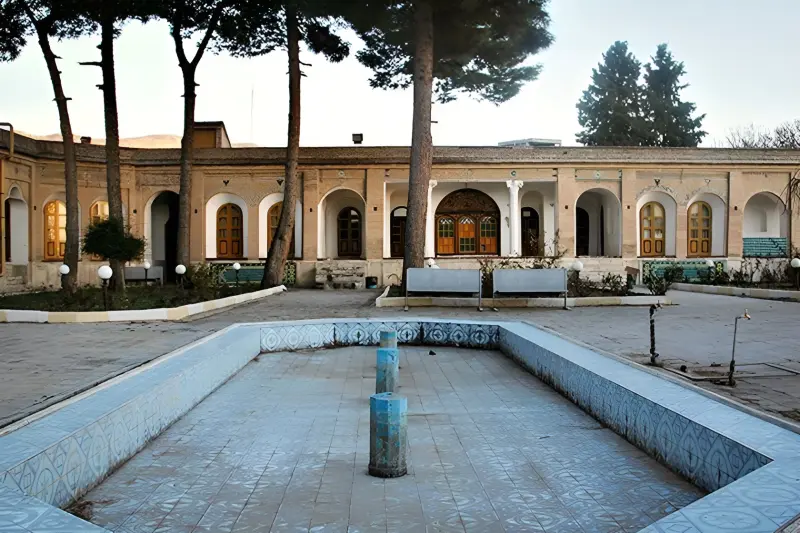
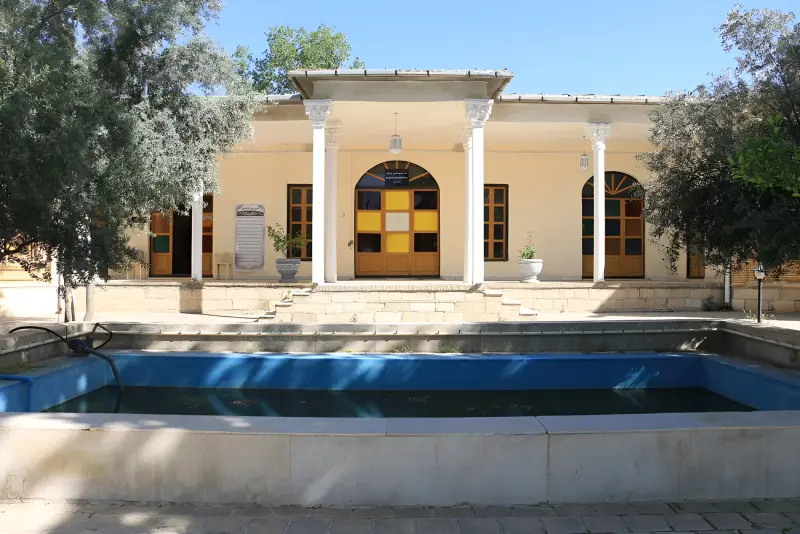
Falahati Palace is one of the most distinctive historic buildings in the city of Ilam and one of the most valuable relics of the Qajar era. It stands on Ayatollah Abdolrahman Heydari Ilami Street, within the grounds of the provincial Agricultural Jihad Organization. Also known as the Agriculture Palace and the Ilam Agriculture Museum, this historic building was constructed by order of Gholamreza Khan Vali in 1326 AH (1287 Solar Hijri) and was registered on Iran's National Heritage List in 1978 (1357 SH) under number 1750. In the past, Falahati Palace stood in the middle of a lush garden full of fruit trees, but as the city expanded, the garden gave way to the surrounding buildings and streets. Despite these changes, the building is still considered one of the most important historical and cultural attractions of Ilam.
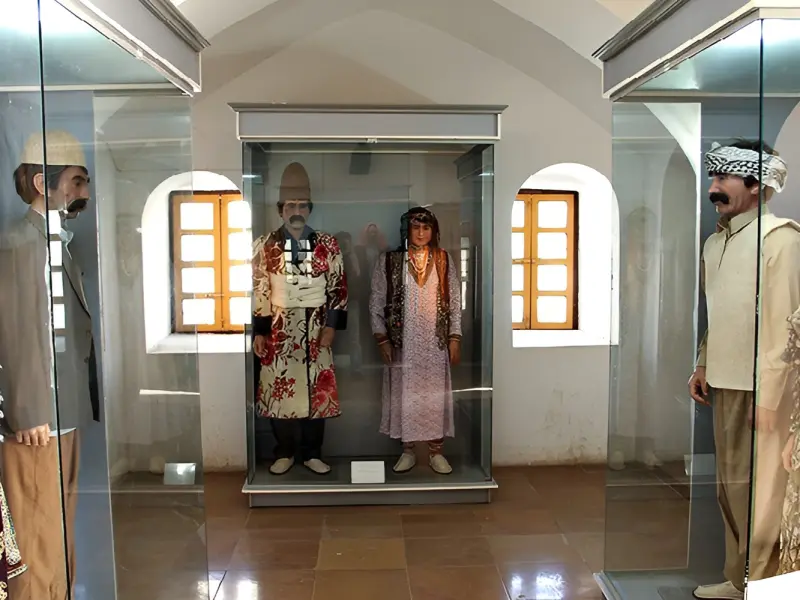
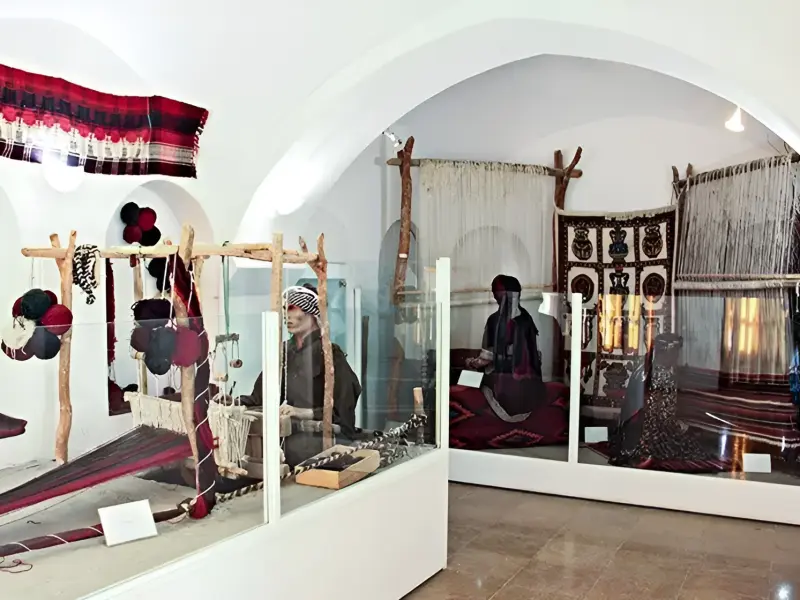
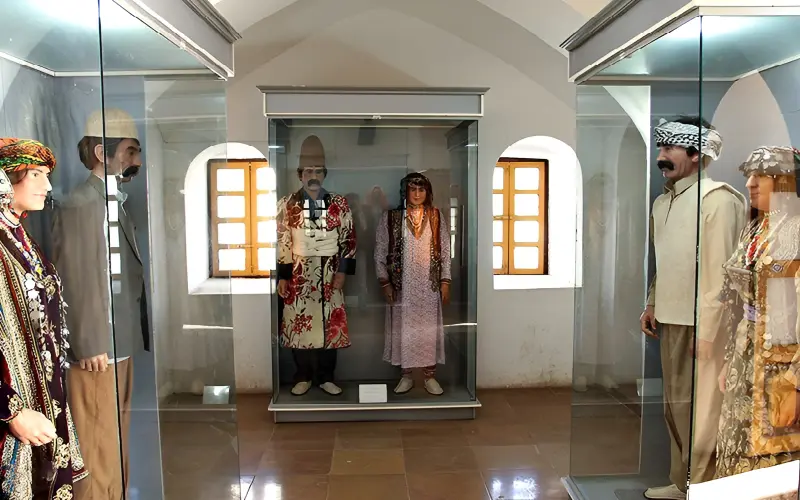
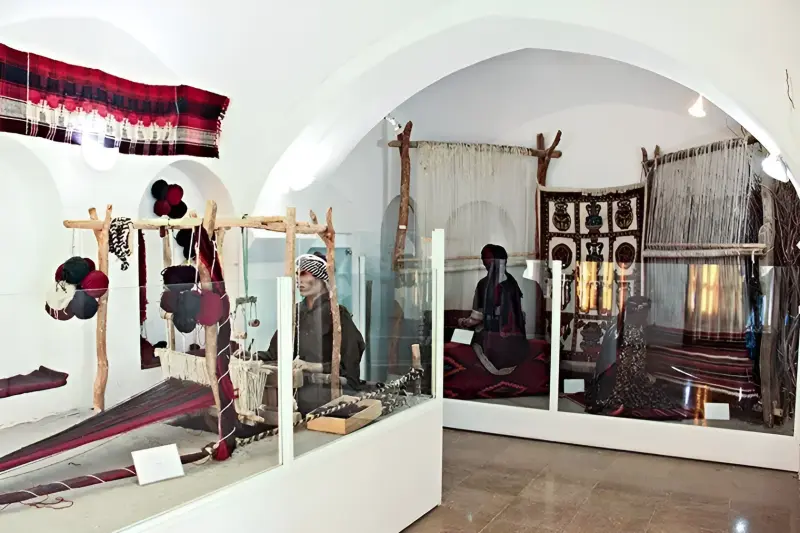
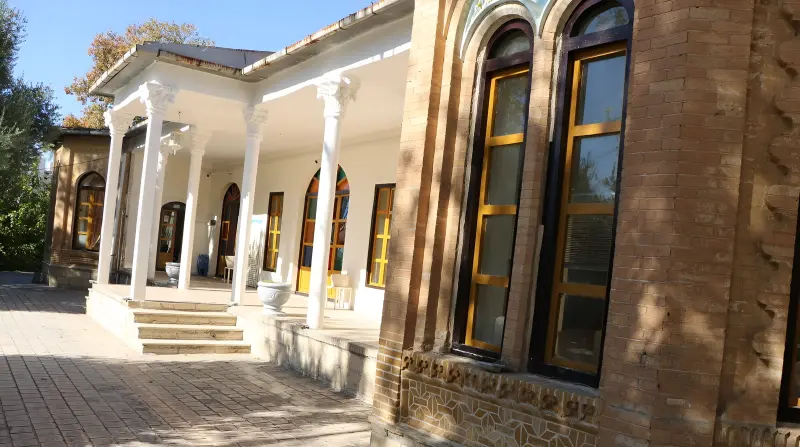
With a built area of about 337 square metres on a plot of 810 square metres, Falahati Palace is a fine example of late Qajar architecture. The plan of the building includes a central hall, five rooms, a rectangular iwan, two terraces and polygonal rooms. The exterior is decorated with delicate stucco work, semicircular arches, floral and plant motifs and human figures. The capitals of the iwan columns, inspired by the Kufic style, are among the building's most important decorative elements. Today the palace has been turned into the Ilam Agriculture Museum, and in four sections it presents the agricultural history of the region from prehistoric times to the contemporary period. Stone tools discovered at Ali Kosh Hill and dating back more than 8,000 years BCE, traditional farming implements, hand mills, medicinal plants and agricultural documents are among the museum's most important exhibits, introducing visitors to the agricultural heritage of Ilam Province.
Getting to Falahati Palace is very easy. The historic building is in the centre of Ilam, on Ayatollah Abdolrahman Heydari Ilami Street, inside the grounds of the Agricultural Jihad Organization. The museum can usually be visited during office hours, and a visit takes less than an hour. Spring and early autumn, thanks to Ilam's pleasant weather, are the best times to visit this historic site and the city's other attractions. When visiting the palace and museum, travellers can help protect this valuable cultural heritage by following the site's rules, not touching the historical objects and keeping the surroundings clean.
Written by زهرا لنگری Last updated
Activities
What you can do here, and what it takes
-
Walking
کفش پیادهروی به همراه داشته باشید..
Specifications
Introduction of the location and specifications of Falahati Palace
Construction Period:
Qajar
Location:
Ilam, Ilam
Coordinates:
33.63755288, 46.41342353
Open in maps
Height above mean sea:
1391 meter
Transports:
Private car, Minibus, Bus
Tourist Attractions in Ilam
Attractions that are nearby


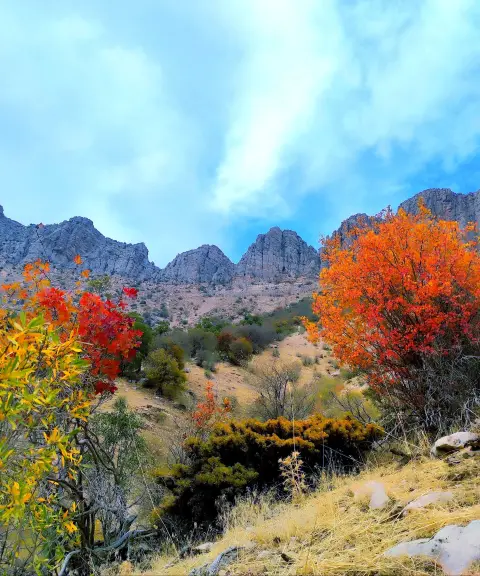


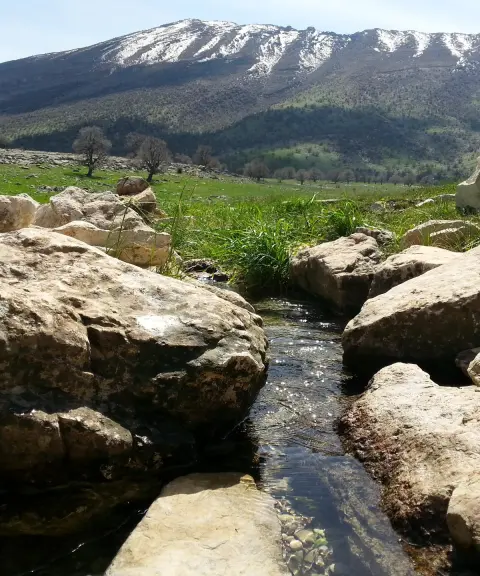

Manesht and Ghalarang Protected Area
Province Ilam
- Walking
- Mountaineering
A wildlife refuge in the heart of the Zagros forests
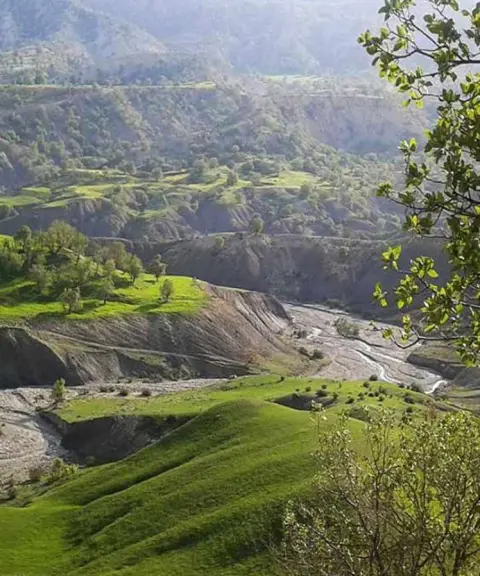
Shesh-Dar Forest Recreation Area
Province Ilam
- Walking
- Cycling
- Mountaineering
Pristine nature in the heart of the Zagros
Related tags:
Unfortunately, no comments have been registered.