
 Attractions
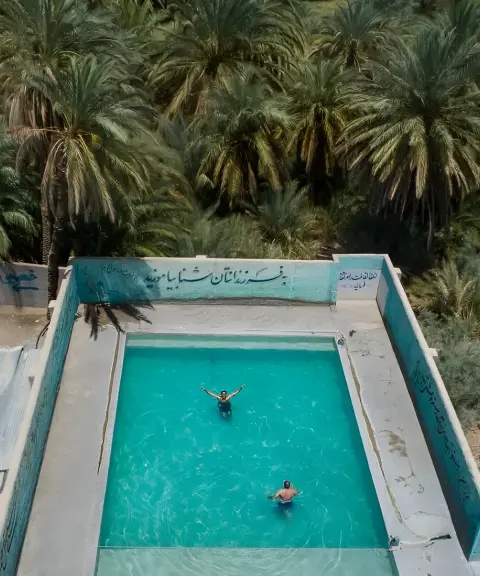

Deyg-e Rostam Hot Spring
Province South Khorasan
- Walking
- Swimming
A Historic Relic in the Heart of the Lut Desert
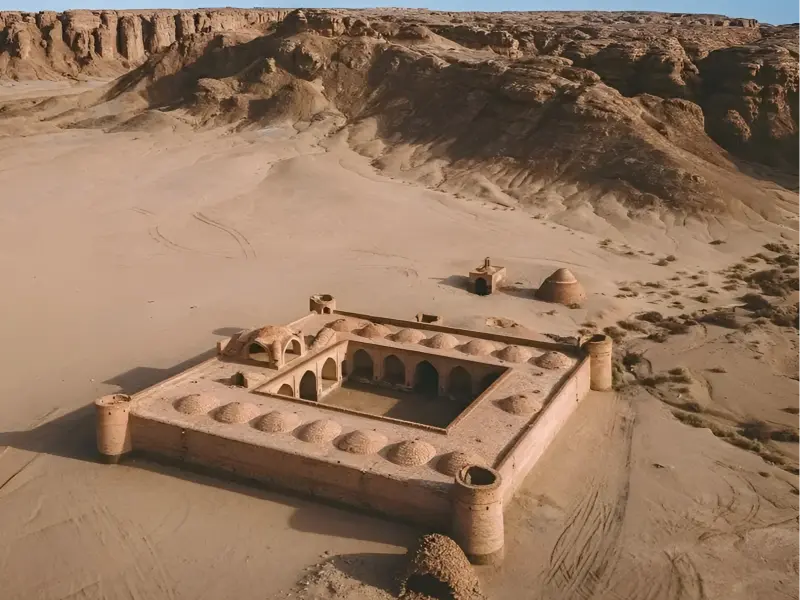
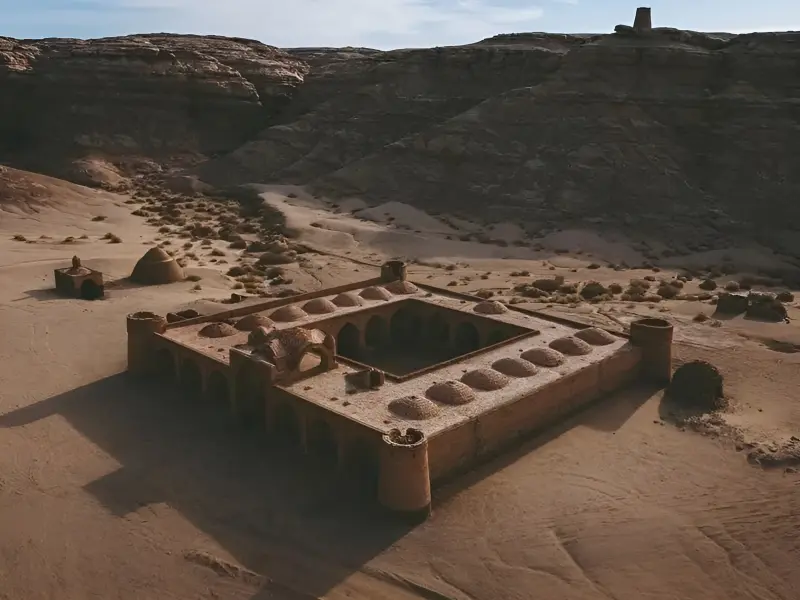
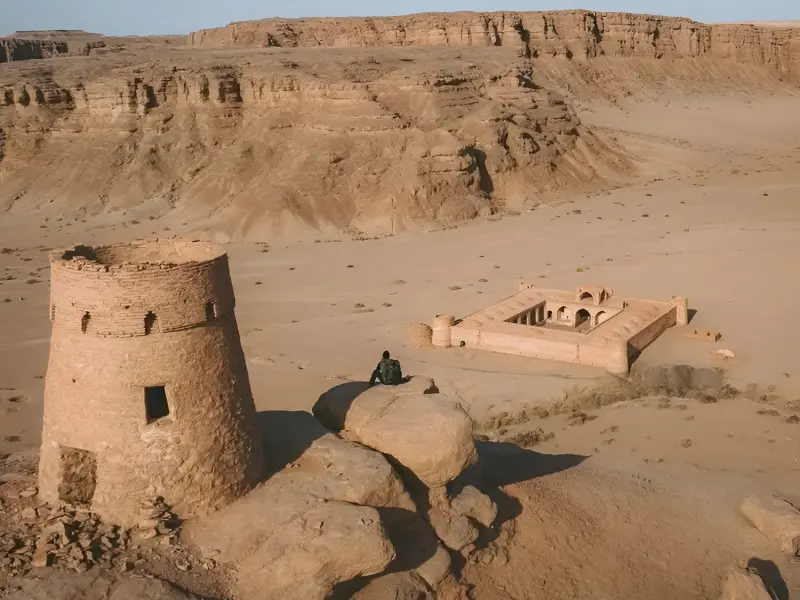
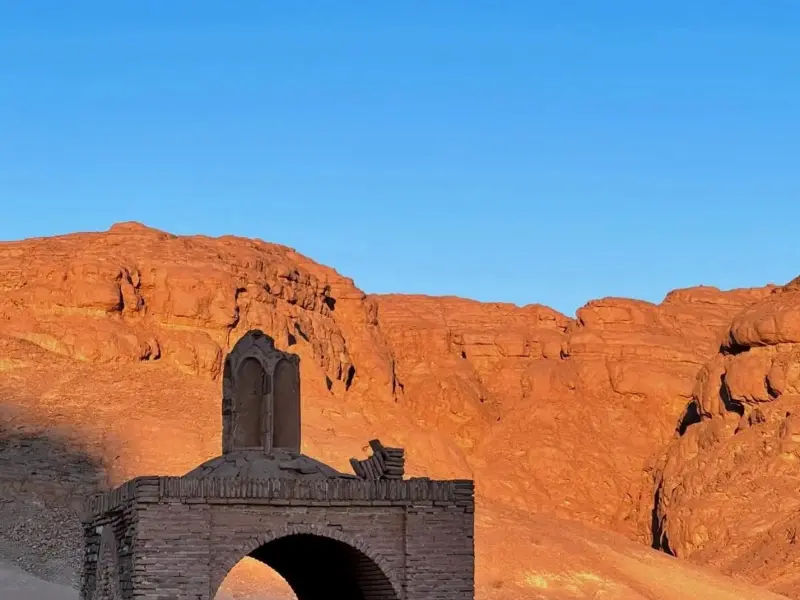
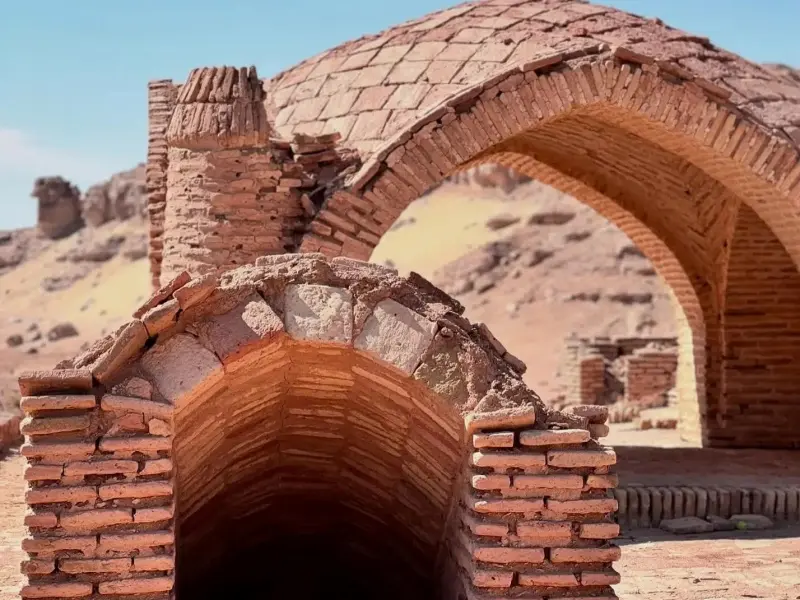
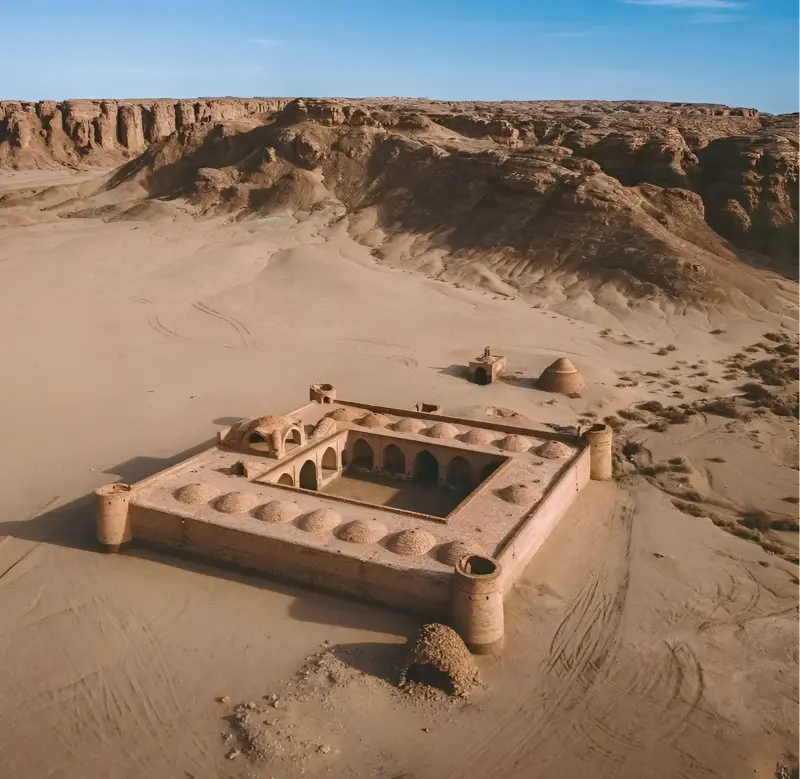
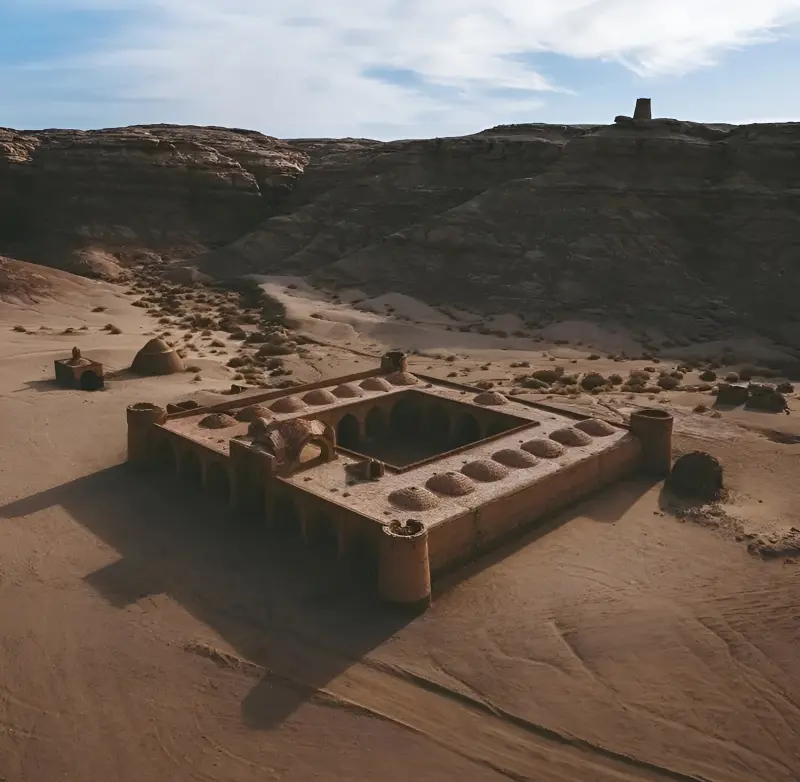
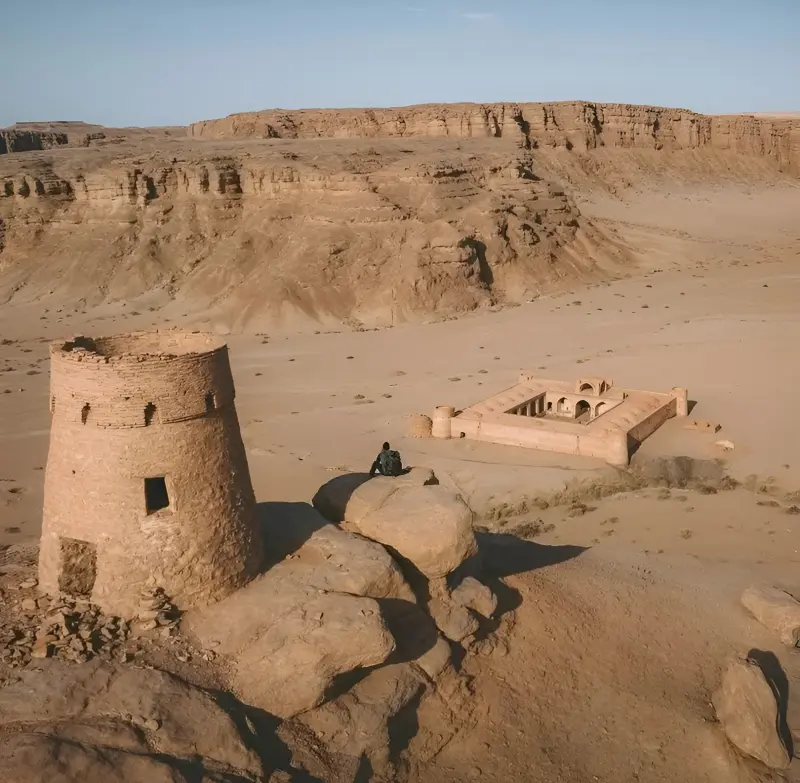
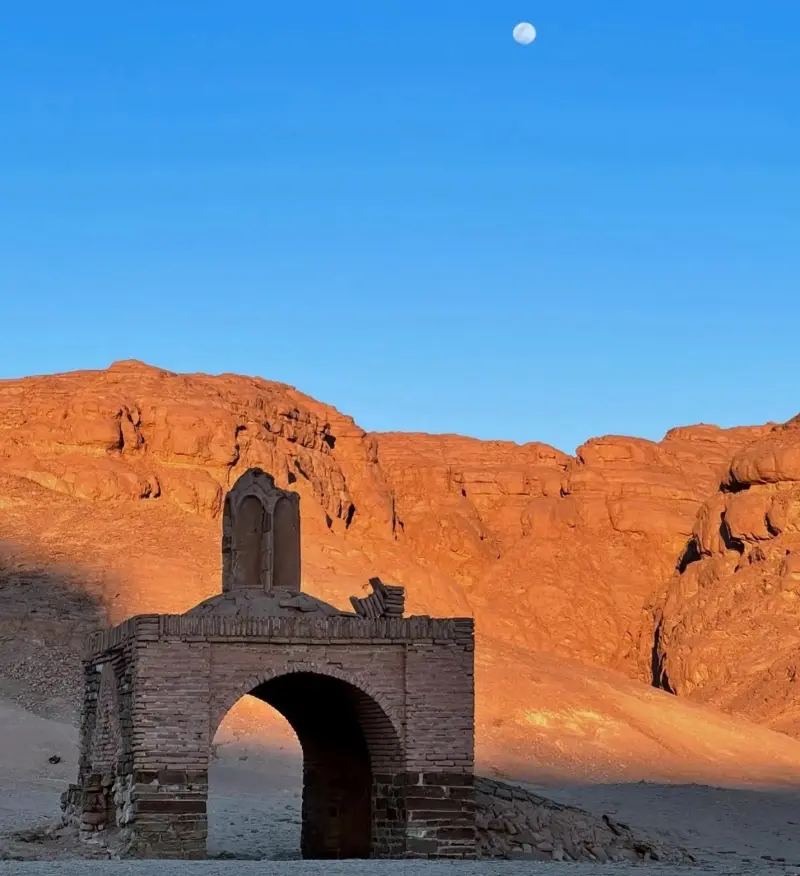
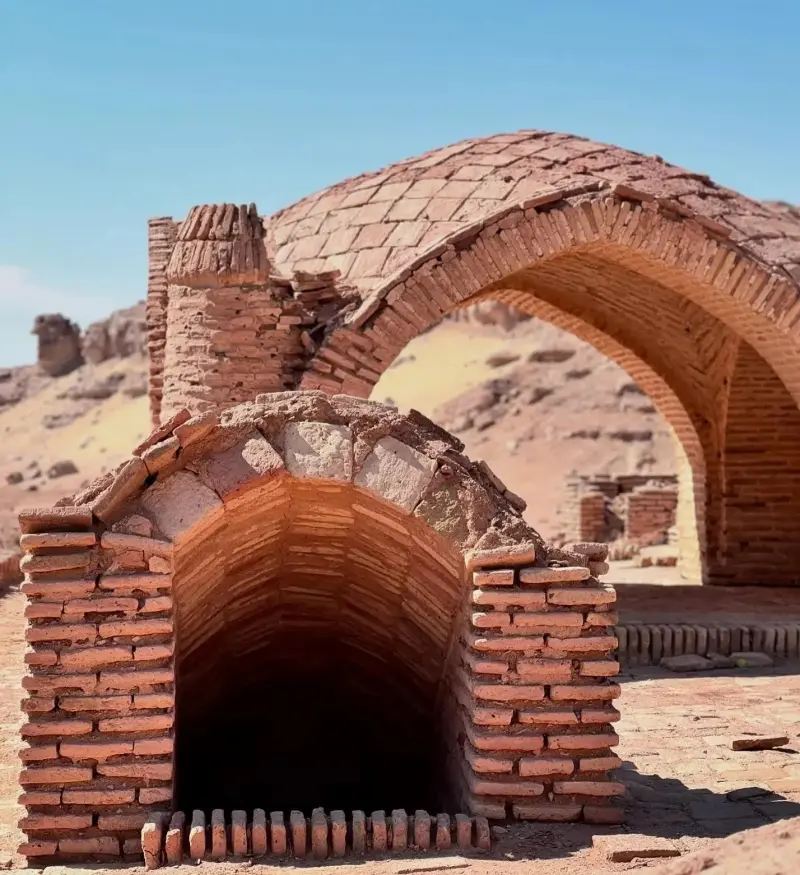
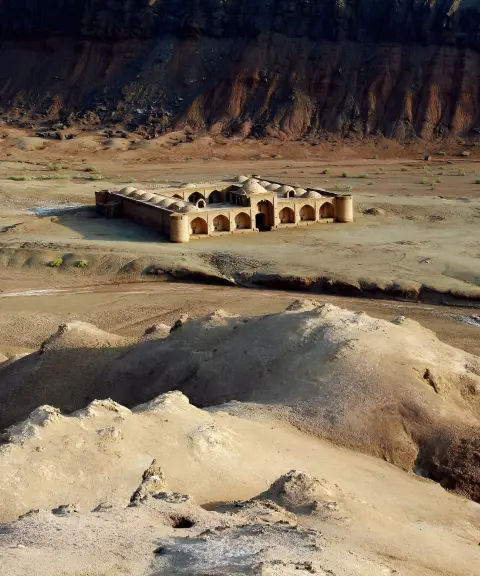
Chehel Paye Caravanserai is a historic monument in the southernmost part of Tabas County in South Khorasan Province. It lies within the Lut Desert, near the villages of Chehel Paye and Nayband. The caravanserai stands on the historic Kerman–Dihuk route, which was once an important link between southern Iran and Khorasan, used by pilgrims and travellers heading from the southern cities to Mashhad. The building sits inside a valley of the same name, and the name Chehel Paye ("forty legs" or "forty pillars") is attributed to the stone guide pillars that once stood along this route and probably numbered about forty. Its setting in an unspoiled desert landscape, beside the historic road connecting Kerman and Khorasan, gives the caravanserai a special place among the region's historic monuments and tourist attractions.
Chehel Paye Caravanserai is a remarkable complex in both architectural and historical terms. Its structure includes an entrance vestibule, a central courtyard, cells, a camel shelter or loading area, a royal alcove (shahneshin) and surrounding towers. The building has a four-iwan plan and a square layout, with each side about 52 metres long. Next to the caravanserai stood a group of service and defensive structures, such as a water reservoir (ab-anbar), a cistern (howz-anbar), a payab (stepped access to water), a watchtower and a brick kiln, showing the site's role in providing water, rest and security for caravans on the desert route. The travelogue of Afzal al-Molk also mentions the construction of the caravanserai and the service buildings around it for the comfort of pilgrims and caravan travellers. Chehel Paye Caravanserai was added to Iran's National Heritage List in 1399 (2020–21) under number 33158. On 26 Shahrivar 1402 (17 September 2023), together with 53 other historic caravanserais in the country, it was inscribed on the UNESCO World Heritage List as part of the "Iranian Caravanserais" nomination. This global recognition has further highlighted the historical and architectural importance of the building and its place in Iran's network of historic caravanserais.
The caravanserai can be reached via the region's historic routes. One access route runs from Ravar along the old Ravar–Tabas road. After passing the Chah Kooran and Darband caravanserais and reaching the area near Water Reservoir No. 2, a dirt track begins and continues for about 14 kilometres to the caravanserai. From the south, after Nayband and about 95 kilometres of travel, you reach the entrance of the Chehel Paye mule track. Because the building is in a desert environment, the cooler seasons, especially autumn, winter and early spring, are more suitable for visiting and nature tourism here. In the hot season, you should take the extreme heat, water shortages and harsh conditions seriously. Visits to this historic heritage site should follow the principles of responsible nature tourism: do not damage the walls or architectural elements, do not leave litter behind, do not harm the area's natural vegetation, and do not enter desert routes without adequate equipment and water.
Written by زهرا لنگری Last updated
What you can do here, and what it takes
محوطه پیرامونی کاروانسرا و بخشهای قابل تردد در دره برای پیادهروی سبک و گشتوگذار مناسب است.
Province South Khorasan
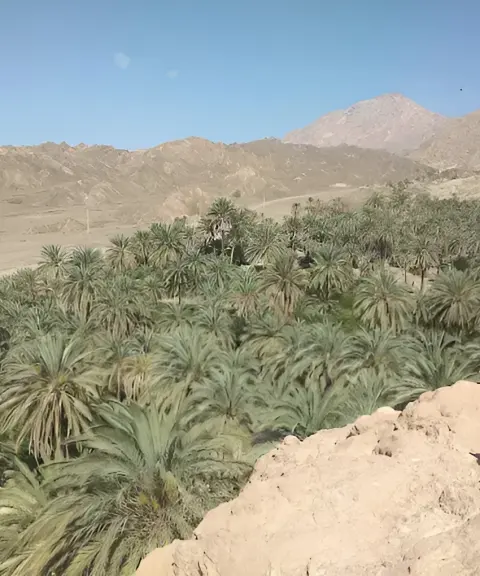
Province South Khorasan
Province Kerman


Unfortunately, no comments have been registered.