
 Attractions
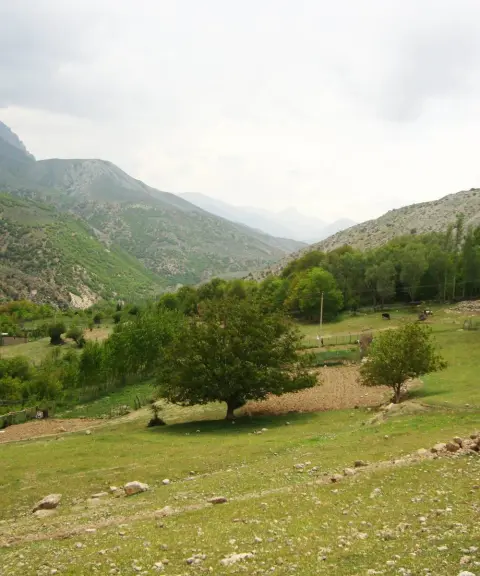
Bashtin Village
Province Razavi Khorasan
- Walking
A historic caravanserai on the ancient Silk Road
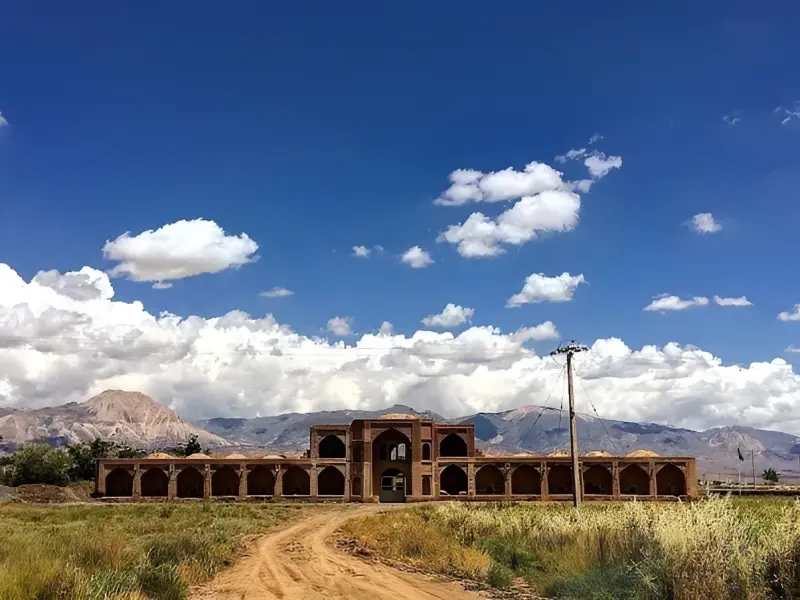
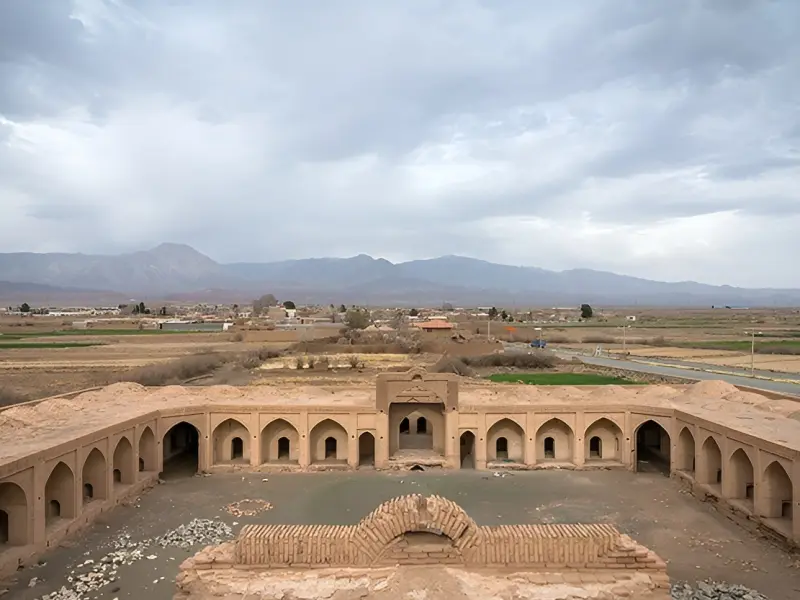
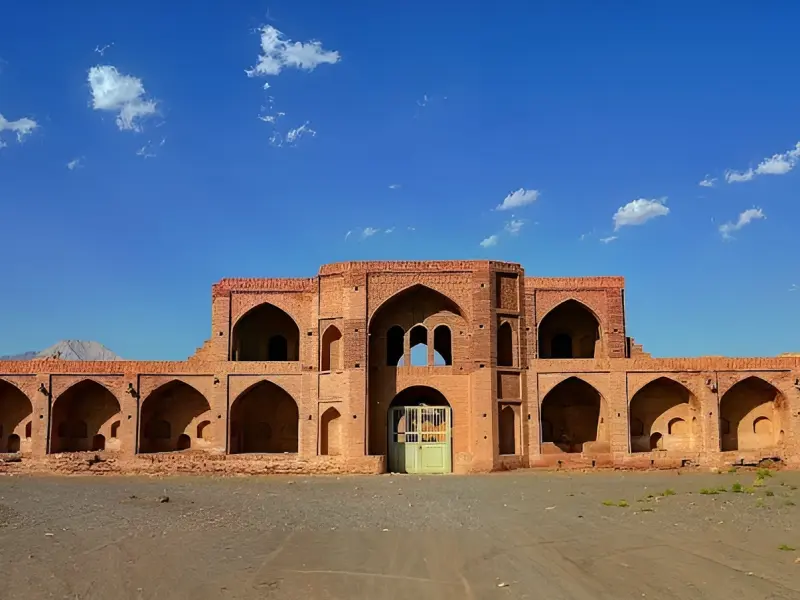
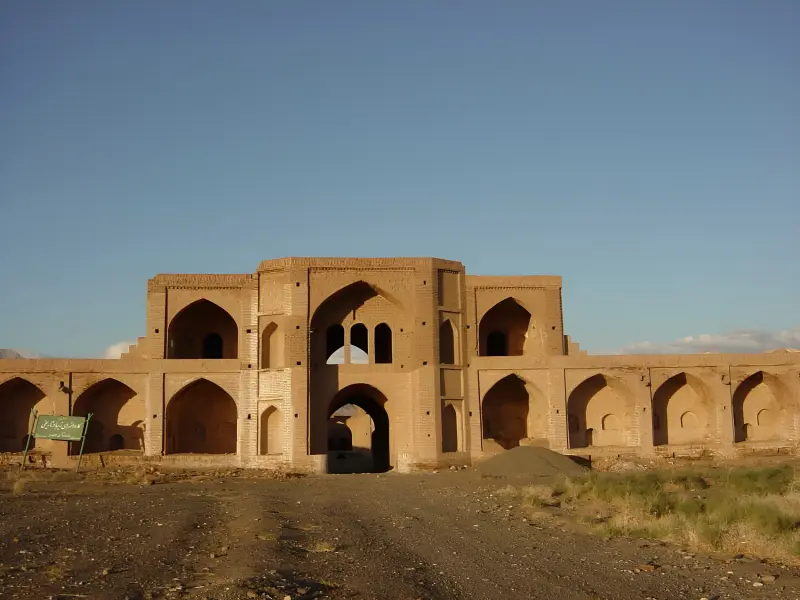
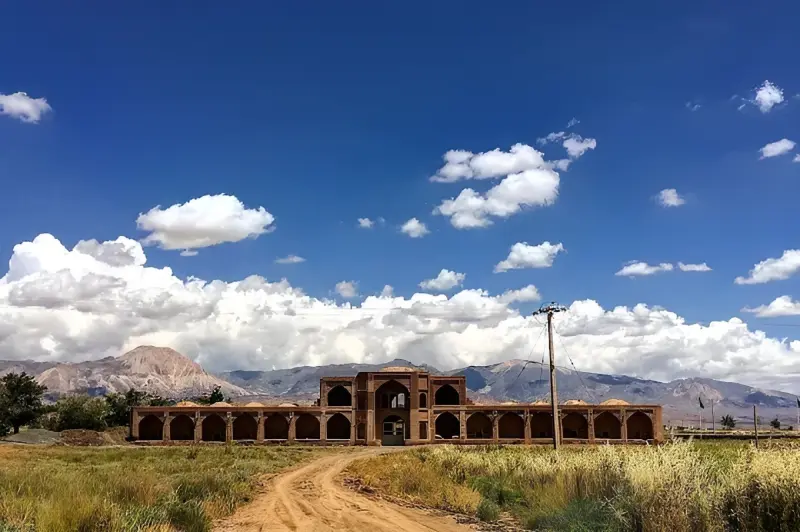
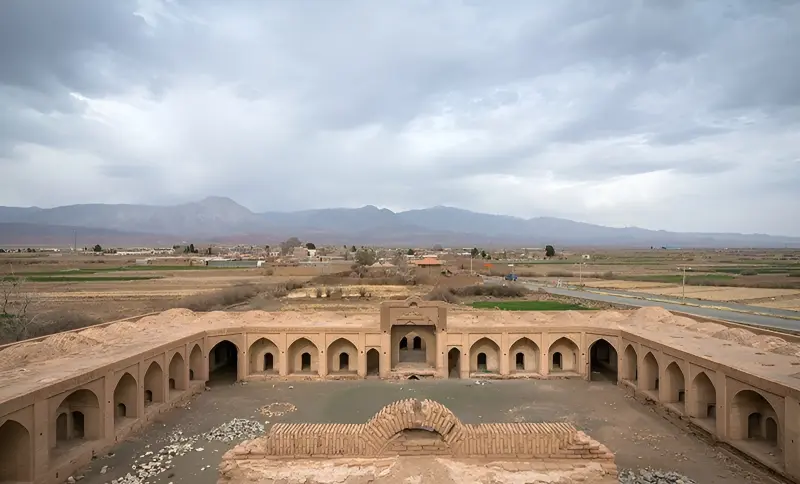
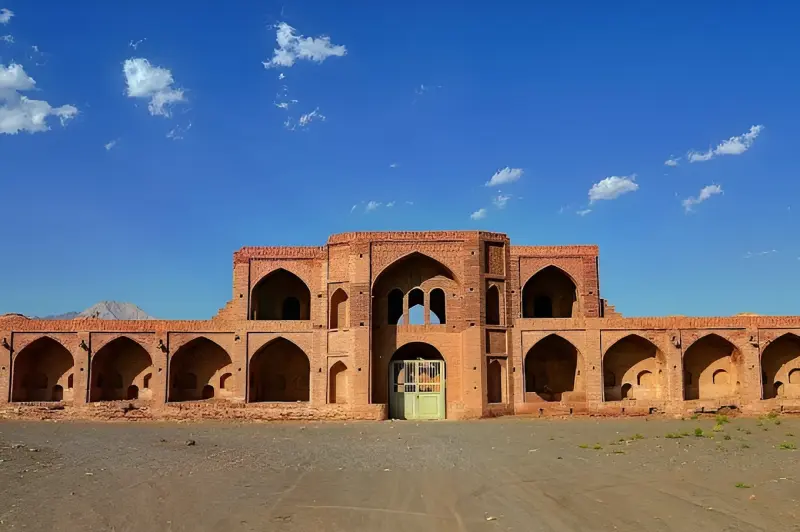
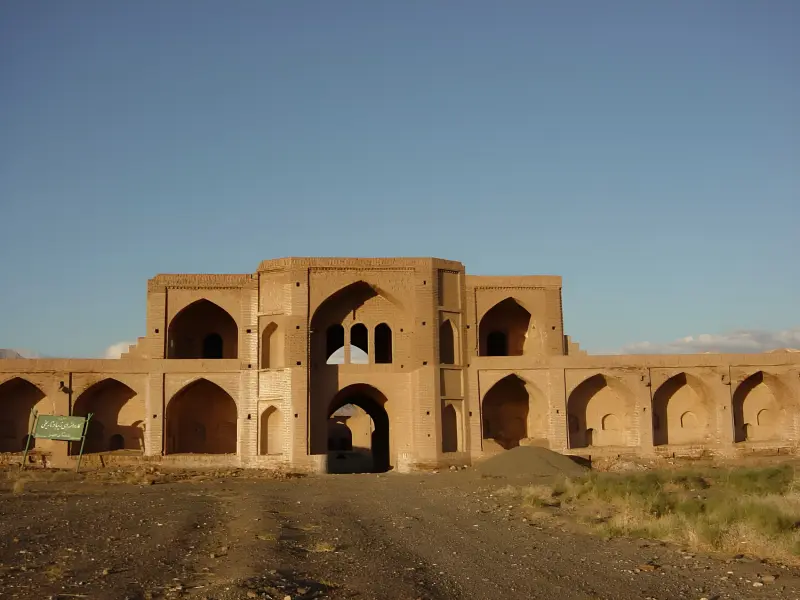
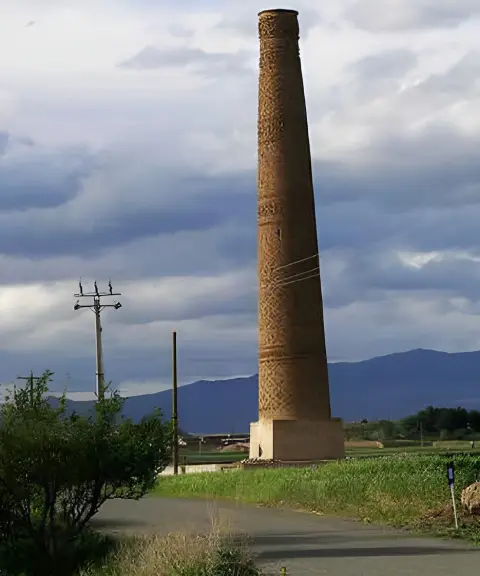
Robat-e Mehr (Mehr Caravanserai) is one of the historic caravanserais of Davarzan County in Razavi Khorasan Province. It stands in the village of Mehr, on the historic Silk Road between Sabzevar and Shahroud. In the past the building lay beside one of the country's major thoroughfares, and as a roadside stopping place on the edge of the desert it served as a place where travellers and passing caravans could halt, rest and obtain supplies. Its location on the historic Tehran–Mashhad route and the old Silk Road gives Robat-e Mehr special historical and communication importance, and its position close to the main route between eastern and western Khorasan still gives the area good potential for developing historical tourism. Robat-e Mehr was registered on Iran's National Heritage List on 25 Shahrivar 1363 (16 September 1984) under number 3/1660, and on 26 Shahrivar 1402 (17 September 2023) it was inscribed on the UNESCO World Heritage List, together with 53 other historic caravanserais of the country, under the property "The Persian Caravanserai".
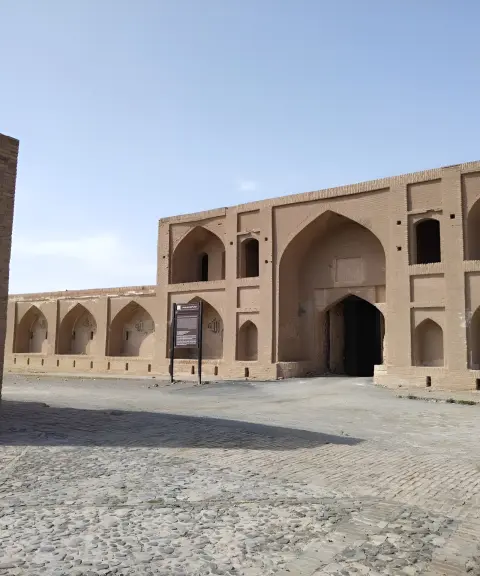
Robat-e Mehr dates from the Qajar period and is considered a valuable example of the roadside caravanserais on the desert margins in terms of architecture. It was built of brick, mud mortar and gypsum plaster, and its plan is rectangular, designed on a four-iwan pattern with a central courtyard. Twenty-eight rooms surround the central courtyard, and surrounding corridors connect the cells and the various spaces of the caravanserai to one another. There are four iwans on the sides of the building; the eastern and western iwans are larger, and rooms have been built behind them. The robat had continuous stables in its eastern and western sections, and beneath its northern iwan there was a water reservoir (ab-anbar) to supply the water the caravan travellers needed. Opposite the entrance stands the shah-neshin (the royal or principal reception area), which includes an iwan, an octagonal courtyard and several square and rectangular rooms. Pointed and crescent-shaped arches and vaults in different parts of the building, along with semicircular brick decoration, are among its architectural features. Besides its architectural value, the complex was part of the extensive network of caravanserais along the historic Silk Road, and its World Heritage inscription has highlighted the importance of this historic heritage at both national and international levels.
To visit Robat-e Mehr, you need to travel to the village of Mehr in Davarzan County. The village lies on the historic Sabzevar–Shahroud route, close to the Tehran–Mashhad road, and can be reached by the region's roads. The building's proximity to the main Tehran–Mashhad route makes Robat-e Mehr conveniently located for travellers on this road, and a visit can be combined with a stroll through the village and the other historical and natural attractions of Davarzan County. Given the region's climate and its position on the edge of desert areas, spring and autumn are the best seasons for visiting and exploring outdoors. During your visit, avoid damaging the bricks, vaults, arches and other architectural elements of the building, and never write or carve graffiti on the walls or any historic parts. Keeping the site clean, leaving no litter and respecting the peace of the village are also among the most important principles of nature tourism and responsible travel in this area.
Written by زهرا لنگری Last updated
What you can do here, and what it takes
فضای پیرامون رباط و مسیرهای داخل روستای مهر برای پیادهروی سبک و گشتوگذار تاریخی مناسب است.
Province Razavi Khorasan
Province Razavi Khorasan
Province Razavi Khorasan
Province Razavi Khorasan
Province Razavi Khorasan
Province Razavi Khorasan


Unfortunately, no comments have been registered.