
 Attractions
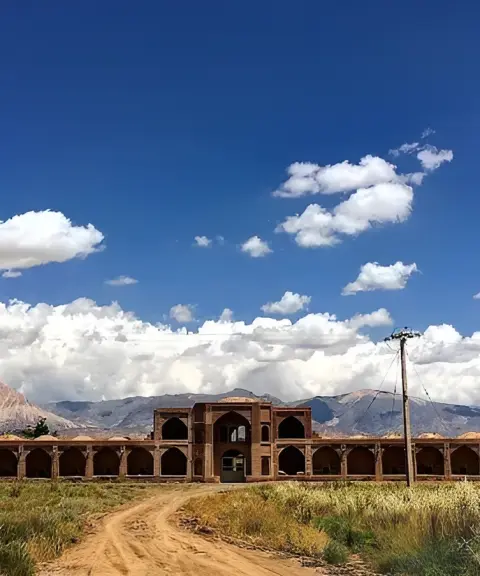
Bashtin Village
The historic birthplace of the Sarbedaran uprising in Khorasan
- Attractions
- Razavi Khorasan, Davarzan
- Altitude 866 m
- Ability level Beginner
Ability level:
Beginner
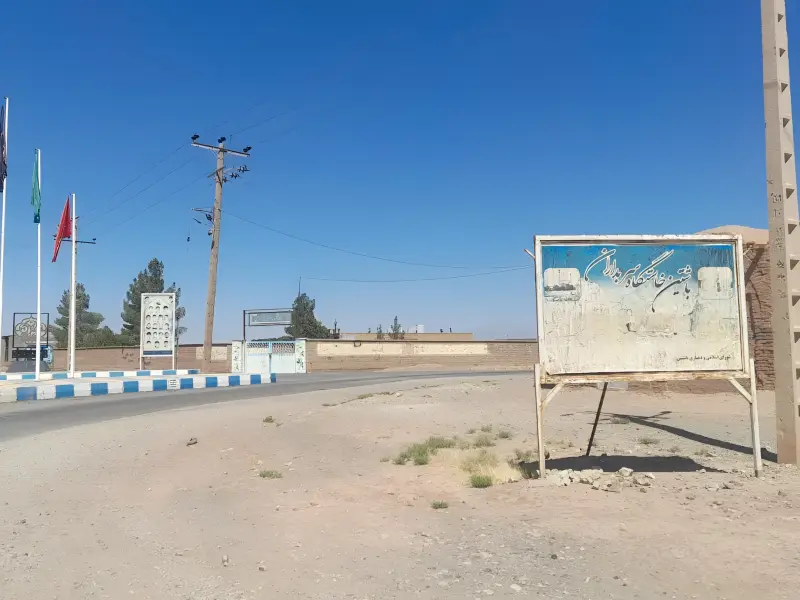
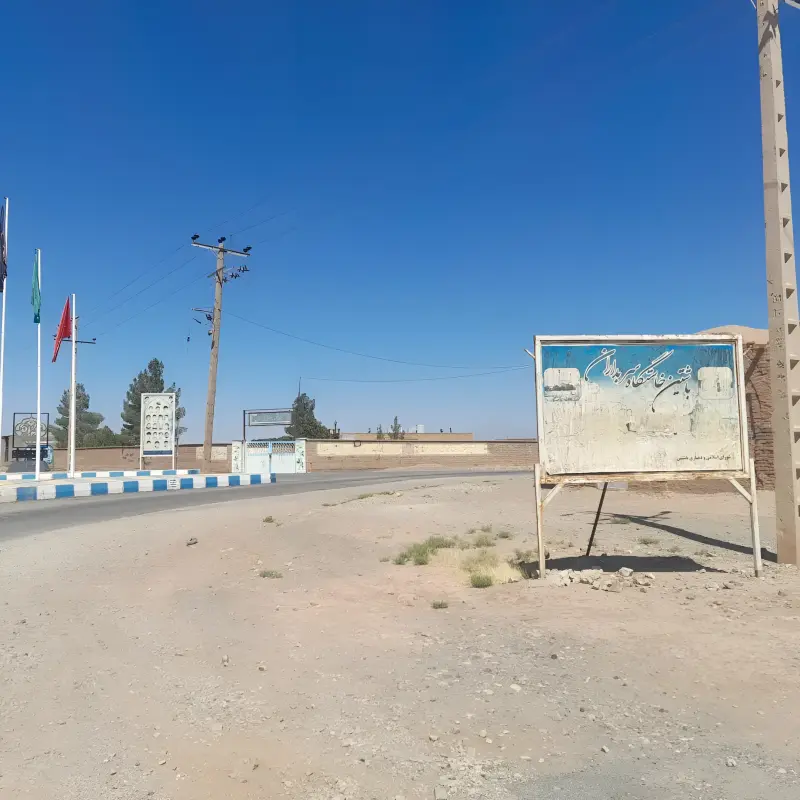
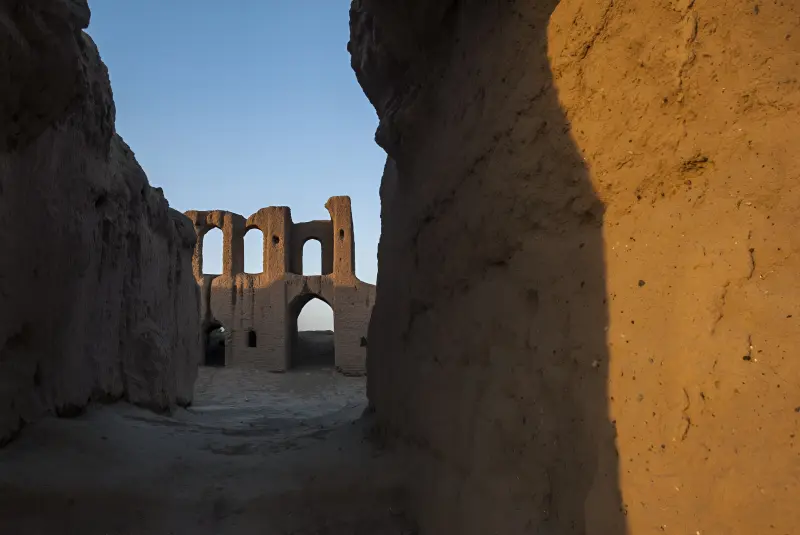
Bashtin is a historic village in Bashtin District of Davarzan County, in Razavi Khorasan Province, southwest of Sabzevar County. The village lies in a hot, dry, water-scarce plain in Bashtin Rural District, and was formerly considered part of Sabzevar. It holds an important place in Iranian history, above all for its direct connection to the Sarbedaran uprising of the 8th century AH, and its name is tied to Abd al-Razzaq Bashtini, the first ruler of the Sarbedaran dynasty. Agriculture has been the main economic activity of the local people, and carpet weaving is also a well-known handicraft of Bashtin.
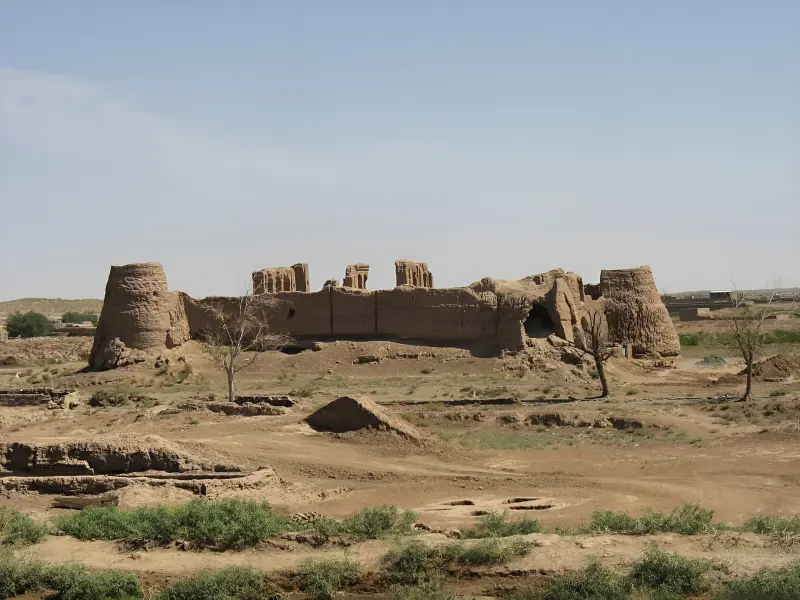
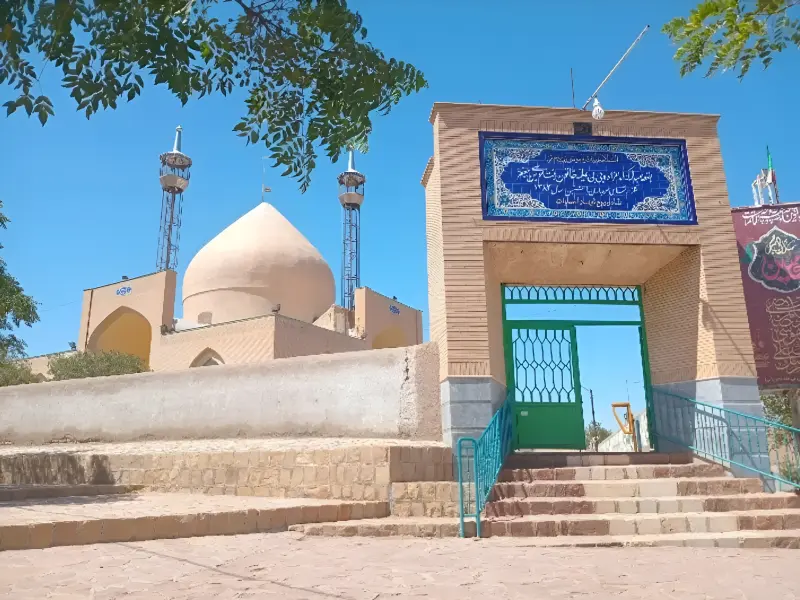
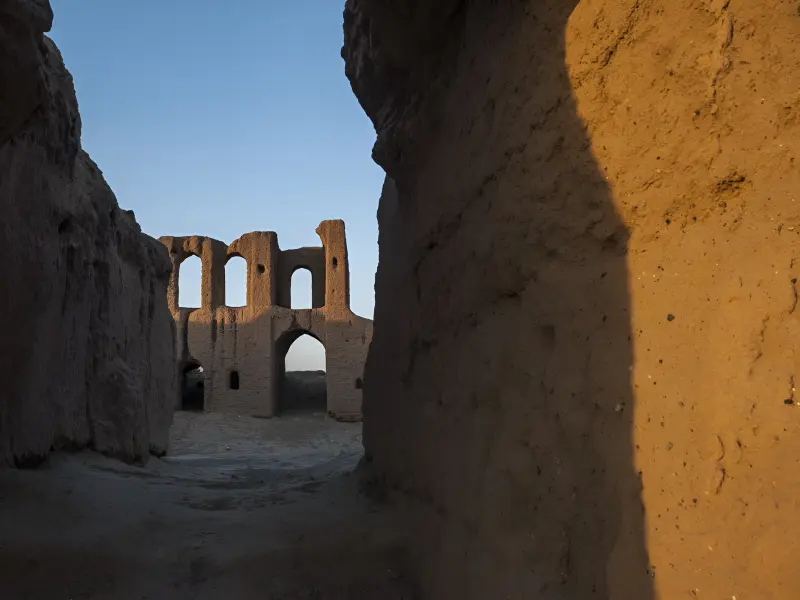
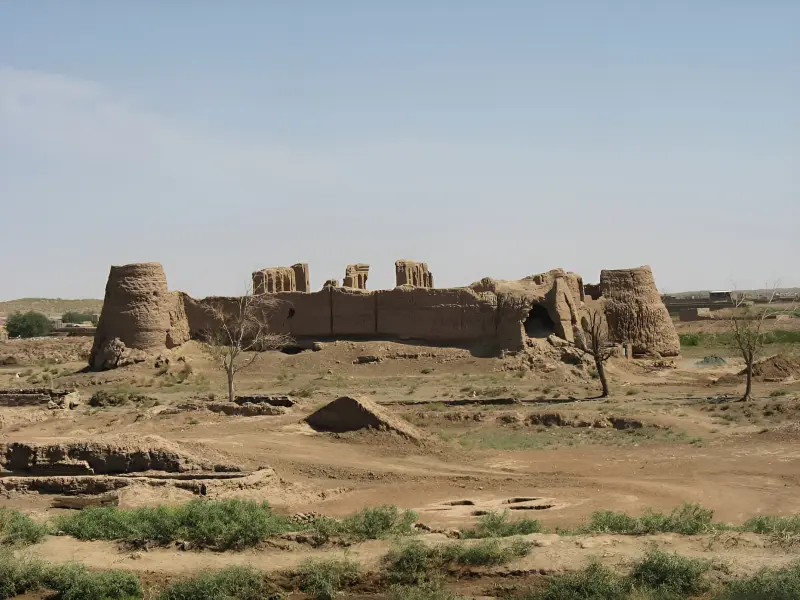
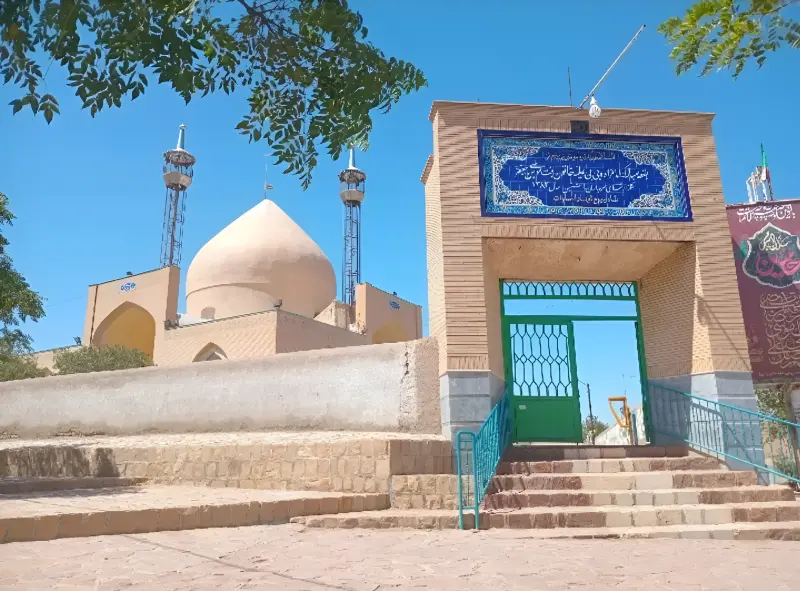
Bashtin's most important feature is its history and the role it played in the formation of the Sarbedaran movement. This uprising arose in response to the oppression and abuses of the Mongol rulers and their agents, and ultimately led to the founding of the Sarbedaran state. The name Bashtin also appears in old historical sources, and Ali ibn Zayd Bayhaqi, in his book, lists it as one of the twelve quarters (rub') of Bayhaq. Among the village's most important historical monuments is Aqa Bashtin Castle, also known as the Sarbedaran Castle, which dates back to the Ilkhanid period. The castle was also used in the Safavid and Qajar periods, and was inscribed on Iran's National Heritage List in 1387 (Solar Hijri). The Shrine of Bibi Aliyeh Khatun is another religious building in the village. Near Bashtin there is also Dashkhaneh Hill, which dates to the first millennium BCE. It lies about 300 metres north of the village and is also inscribed on Iran's National Heritage List. Together with the Sarbedaran history, these monuments make Bashtin an important destination for those interested in history, culture and heritage tourism.
To reach Bashtin, you can set out from Sabzevar. The village is about 35 kilometres southwest of Sabzevar, and the Sabzevar–Shahroud road passes about 9 kilometres north of it. Because the village lies in a hot, dry, water-scarce plain, spring and autumn are the most suitable seasons for visiting and exploring Bashtin, and besides seeing the historical monuments, visitors can enjoy the landscapes around the village. When visiting the castle, the historic hill and other cultural sites, do not touch or damage the structures, move stones or soil, or carry out any digging in historical areas. In the countryside around the village, keeping the place clean, taking your litter with you, and respecting the natural environment and the life of local communities are also key principles of responsible nature tourism.
Written by زهرا لنگری Last updated
Activities
What you can do here, and what it takes
-
Walking
مسیرهای داخل روستا و محدوده پیرامون قلعه آقا باشتین و تپه داشخانه برای پیادهروی و گشتوگذار تاریخی مناسب هستند.
Specifications
Introduction of the location and specifications of Bashtin Village
Location:
Razavi Khorasan, Davarzan
Coordinates:
36.16529209, 57.33420029
Open in maps
Height above mean sea:
866 meter
Faunas:
Presence of Predatory Animals, Presence of Allergenic Insects, Presence of Herbivorous Animals
Transports:
Private car, Minibus, Bus
Tourist Attractions in Davarzan
Attractions that are nearby
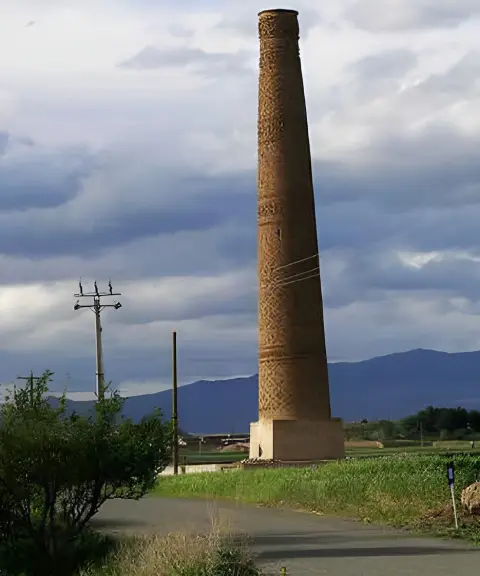
Khosrowgerd Minaret
Province Razavi Khorasan
- Walking
The brick lantern of the Silk Road in the heart of Sabzevar
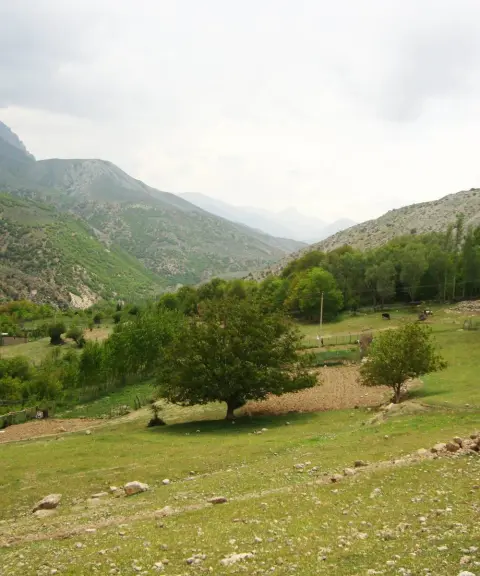

Parvand Protected Area
Province Razavi Khorasan
- Walking
- Mountaineering
A Silent Paradise in the Heart of Khorasan
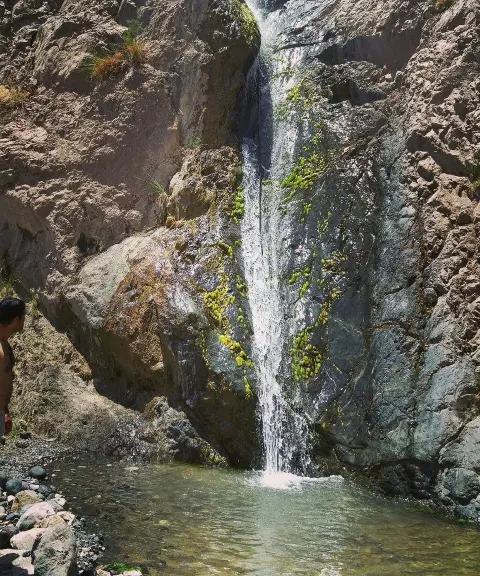

Chenarestan Bid Waterfall
Province Razavi Khorasan
- Walking
- Mountaineering
A pristine corner of nature in Joveyn
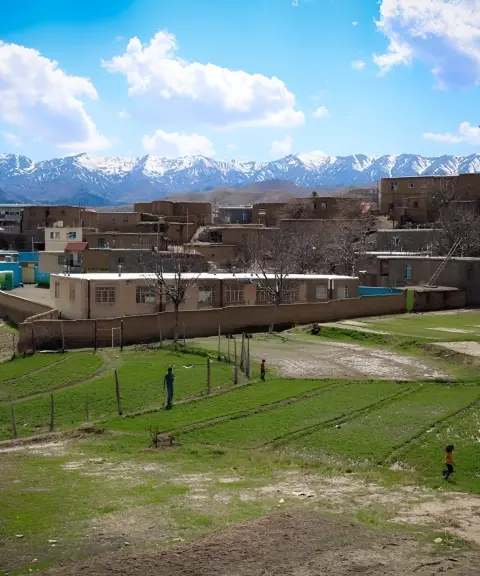
Zarghan Village, Jaghatai
Province Razavi Khorasan
- Walking
A historic village at the foot of the Jaghatai Mountains
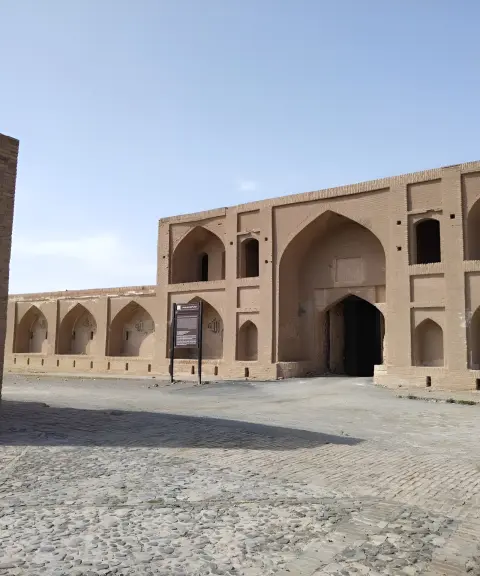
Mazinan Caravanserai
Province Razavi Khorasan
- Walking
A magnificent relic of the Khorasan Highway and the Silk Road

Related tags:
Unfortunately, no comments have been registered.